
Wildlife in national parks draws crowds, and the animals on this list have all been tied to visitor injuries or official warnings. The records range from a documented injury study to plain distance advice from park staff. Eight animals follow, each with the specific figure or rule the Park Service attaches to it.
Tech news worth reading: Get Techpresso, the daily email with the most interesting tech news and insights, read by 400,000+ professionals from Google, Apple and OpenAI.
We may earn a commission if you sign up.
1. American bison: Close Approaches Add Up
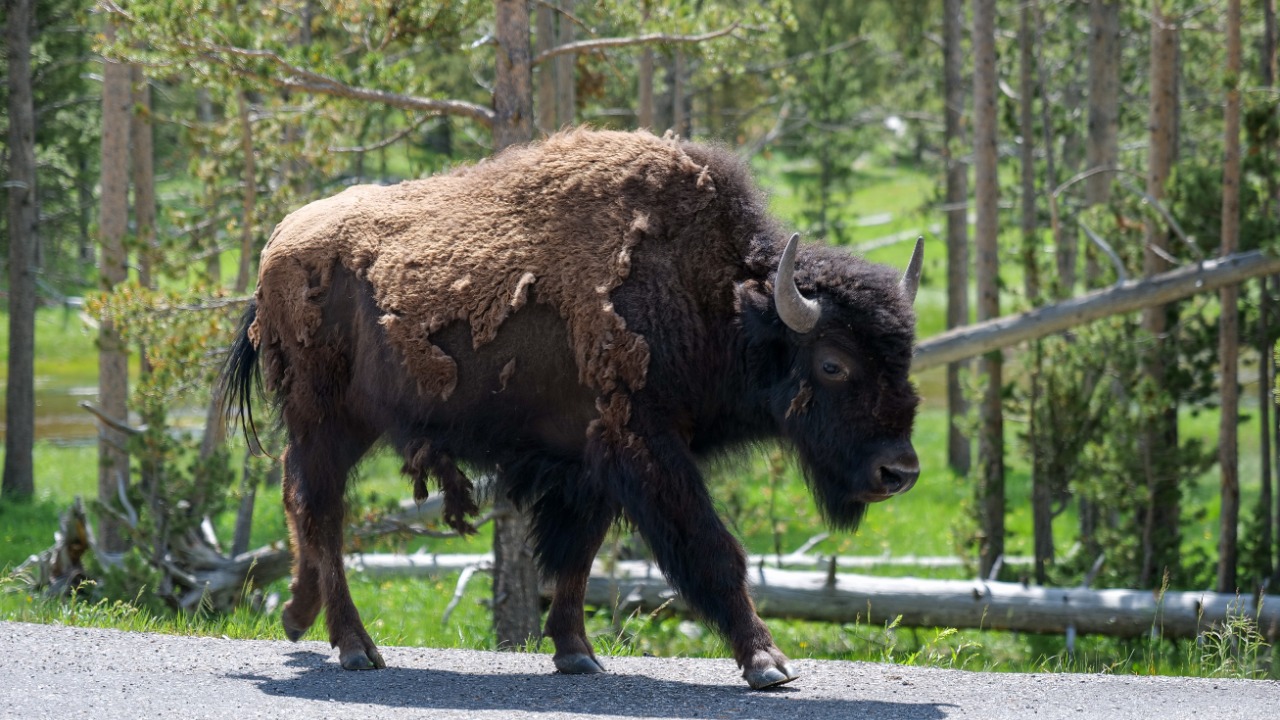
Between 2000 and 2015, bison injured 25 people in Yellowstone, according to a NPS injury study. Of those, 22 needed medical treatment and 12 were hospitalized, though none died. Every injured person had been within 6.5 yards of the animal, and 80 percent had walked toward it.
Those numbers point to visitor behavior as the common thread. Close approach, frequently deliberate, preceded every injury in the study. Distance is the one variable a visitor controls, which makes the gap between person and bison the central safety lesson from the Yellowstone record, and the study shows how often that gap was closed on purpose.
2. Elk: Cows Count Too
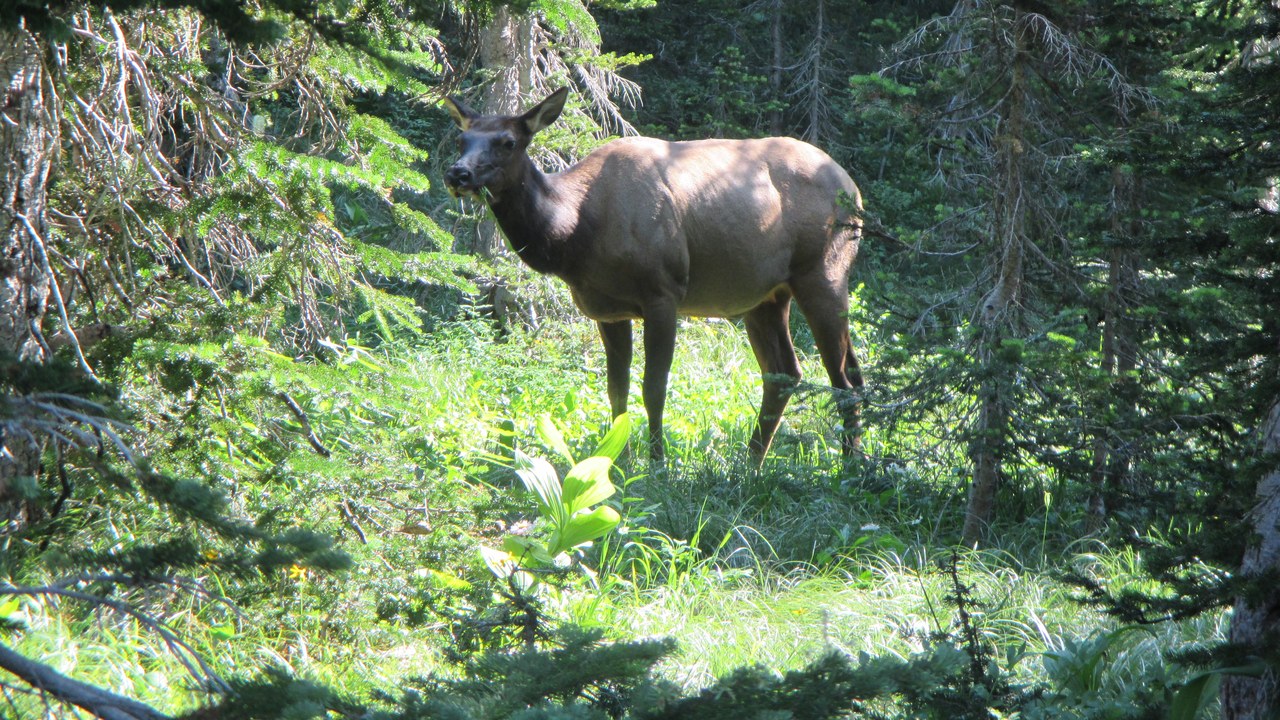
Yellowstone’s Yellowstone safety guidance tells visitors to stay 25 yards away from elk. The advice carries a pointed warning for spring, when cow elk protecting calves are as dangerous as bulls.
The rule is stated without exceptions for sex or season. That detail undercuts a common assumption that only antlered males deserve caution. A cow without antlers can look harmless, yet the park treats her as a genuine risk during calving season. The 25-yard buffer applies to every elk regardless of sex, and spring is simply the time when females have the most reason to defend their ground.
3. Grizzly bear: A Surprise Encounter
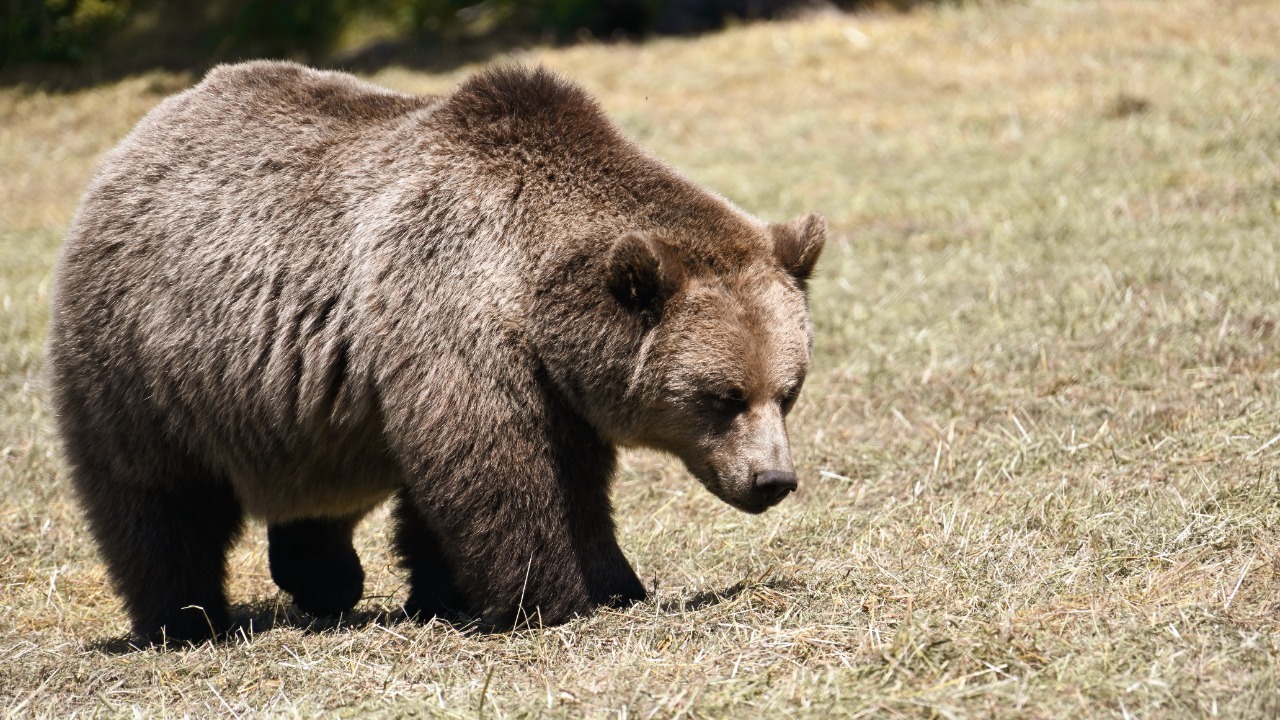
On May 19, 2024, a 35-year-old man was seriously injured in a surprise encounter with two grizzlies near the Signal Mountain Summit Road in Grand Teton, as the park service news release describes. The incident was a sudden meeting rather than a case of a visitor walking up to wildlife.
Surprise is the operative word. An abrupt meeting at close range leaves little room for either side, so noise on the trail and awareness of the surroundings matter as much as keeping distance from a bear that is already in view. A sighting from the road is a different situation from a collision on a summit route.
4. American black bear: Distance and Numbers
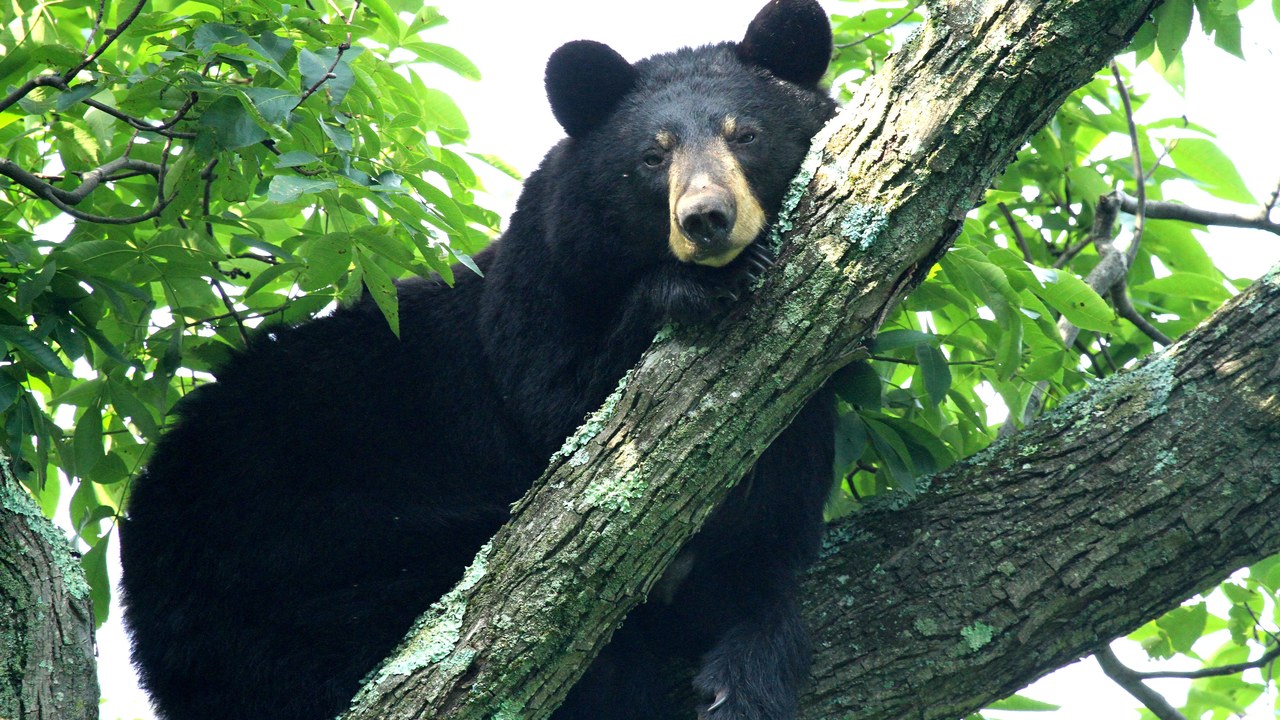
All of Yellowstone counts as grizzly and black bear country, according to the park’s guidance. The Park Service asks visitors to keep 100 yards away from bears and to hike in groups of three or more while carrying bear spray.
The rules cover both species because a visitor on a trail often cannot sort one from the other at a glance, and the response should not depend on getting that call right. Group size and spray are the two measures aimed at an encounter that cannot be avoided, while the 100-yard buffer is meant to prevent most encounters from escalating at all.
5. Moose: Charging Mothers
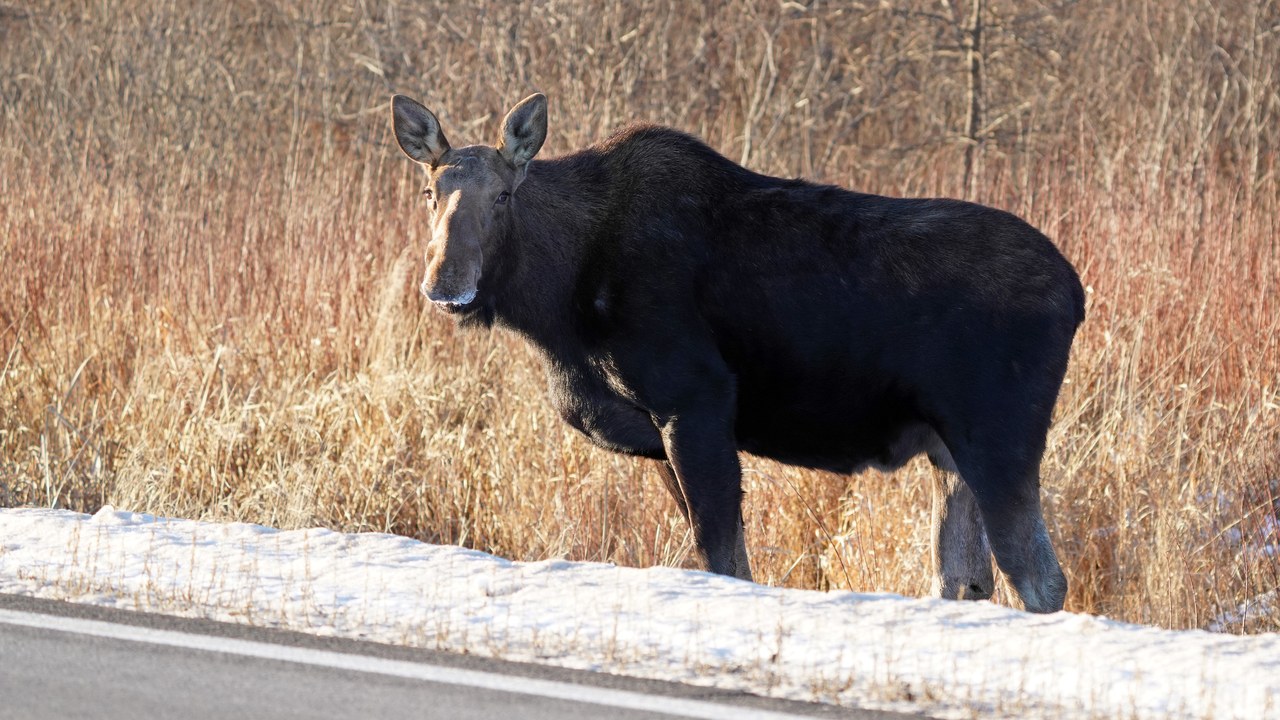
In June 2015, a cow with two calves charged and injured at least three people at Riley Creek Campground in Denali, as a Denali news release records. The attack happened in a campground rather than on a remote trail.
The same account notes that in Alaska more people are injured by moose than by bears each year. That ranking runs against intuition, since bears dominate most wildlife warnings. A mother protecting two calves has every reason to treat a nearby person as a threat, and a developed campsite offers no special immunity from that instinct.
6. Mountain goat: A Fatal Goring
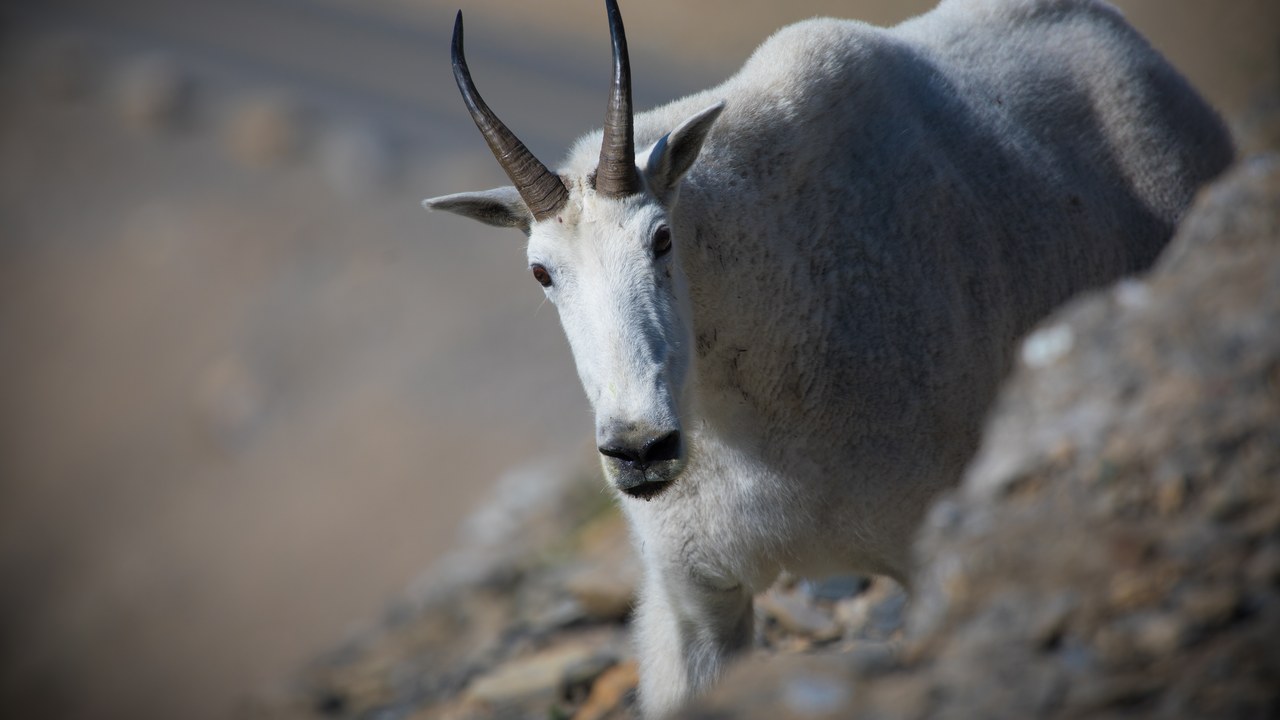
In 2010, a mountain goat fatally gored a hiker in the Hurricane Ridge area of Olympic National Park, according to a park warning page. The Park Service now requires visitors to keep 50 yards of distance from the animals.
A goat can look placid on a rocky slope, which is exactly the impression the park’s warning page tries to correct. The incident is the only fatality in this list, and it involved an animal many visitors would describe as a roadside attraction. The 50-yard rule exists because the horns that make the species recognizable are also its weapon.
7. American alligator: Keep Fifteen Feet Back
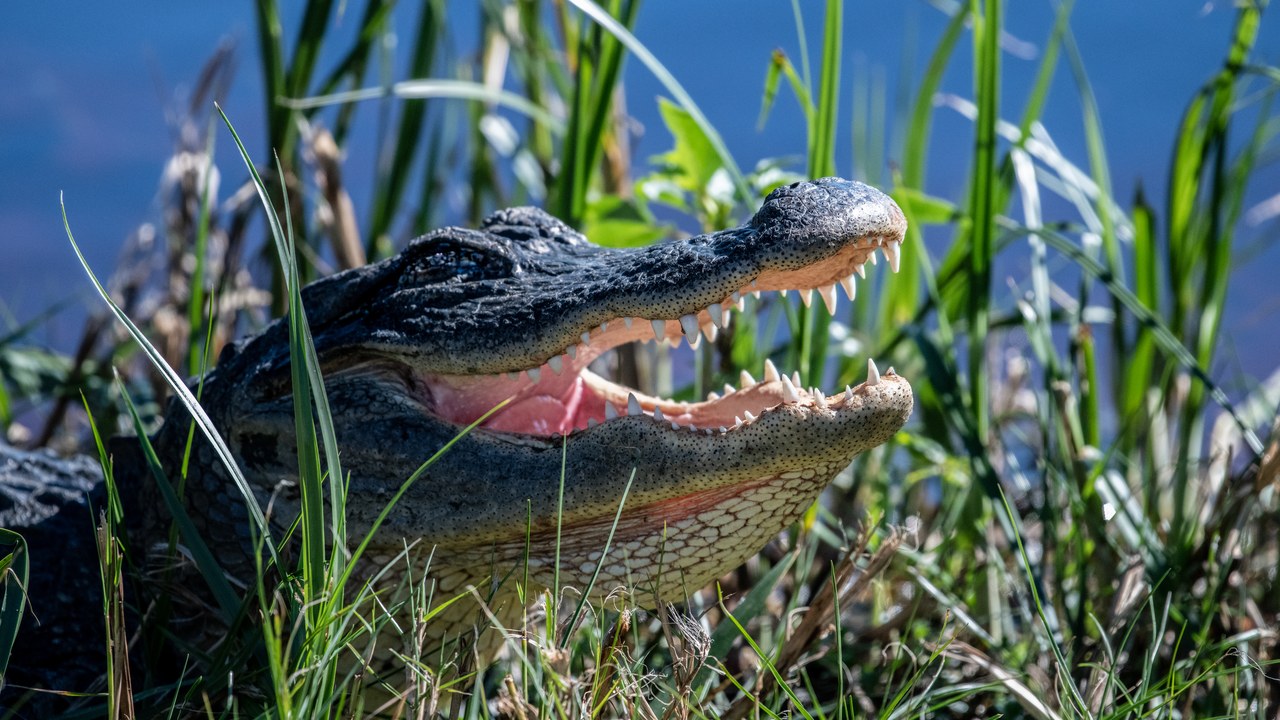
In the Everglades, the Park Service tells visitors to keep at least 15 feet away from an American alligator. Hissing is the signal that someone is too close, and the reptiles are most active from dusk to dawn.
The guidance is notable for what it leaves out: no injury count is given. The advice rests on behavior rather than casualty figures, offering a distance, a warning sound and a time of day to be careful. Alligators are among the easiest large animals to approach, so the 15-foot margin is the practical limit that keeps a quiet photo stop uneventful.
8. Mountain lion: The Quiet Entry
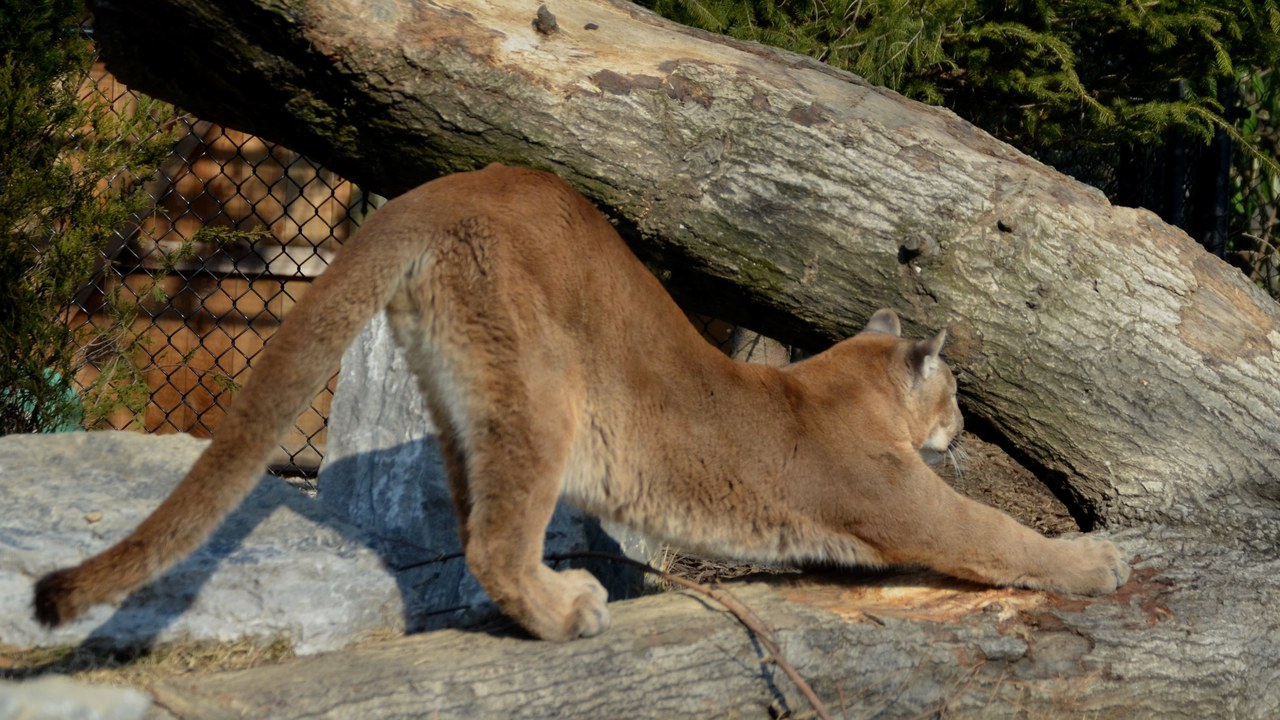
Yellowstone’s guidance describes cougars as not normally a danger to people, with very few documented confrontations. Visitors are still told to stay 100 yards away from a mountain lion if one is seen.
This is the low-risk entry in the group and is included for balance. A big cat with a fearsome reputation produces fewer reported problems in the park than animals many visitors would pet or crowd for a photograph. The distance advice stands regardless, but the park’s own wording places this species well below the others in concern.
Tech news worth reading: Get Techpresso →
We may earn a commission if you sign up.
More from Morning Overview
- Two passengers died at an Ohio toll plaza, and the NTSB now wants the cash lanes shut
- Long use of a common prostate pill is tied to a higher chance of glaucoma
- Ford is recalling 223,472 F-150 pickups because the fuel tank can leak or detach
- Hybrids have 15% fewer problems than gas cars, while EVs and plug-in hybrids have about 80% more, Consumer Reports finds
