
Some of the oldest animals on Earth live in the waters around the United States, from Arctic whales to bottom-dwelling shellfish. NOAA publishes lifespan figures for each species, and several of them are careful estimates rather than hard records. The ranking below runs from a bowhead whale past 200 years down to a leatherback turtle near 45, covering twelve species in all.
Tech news in one quick read: Get the most interesting stories in startups, tech and programming, each with a short TLDR, in one daily email from TLDR.
We may earn a commission if you sign up.
1. Bowhead whale: Champion of the Arctic
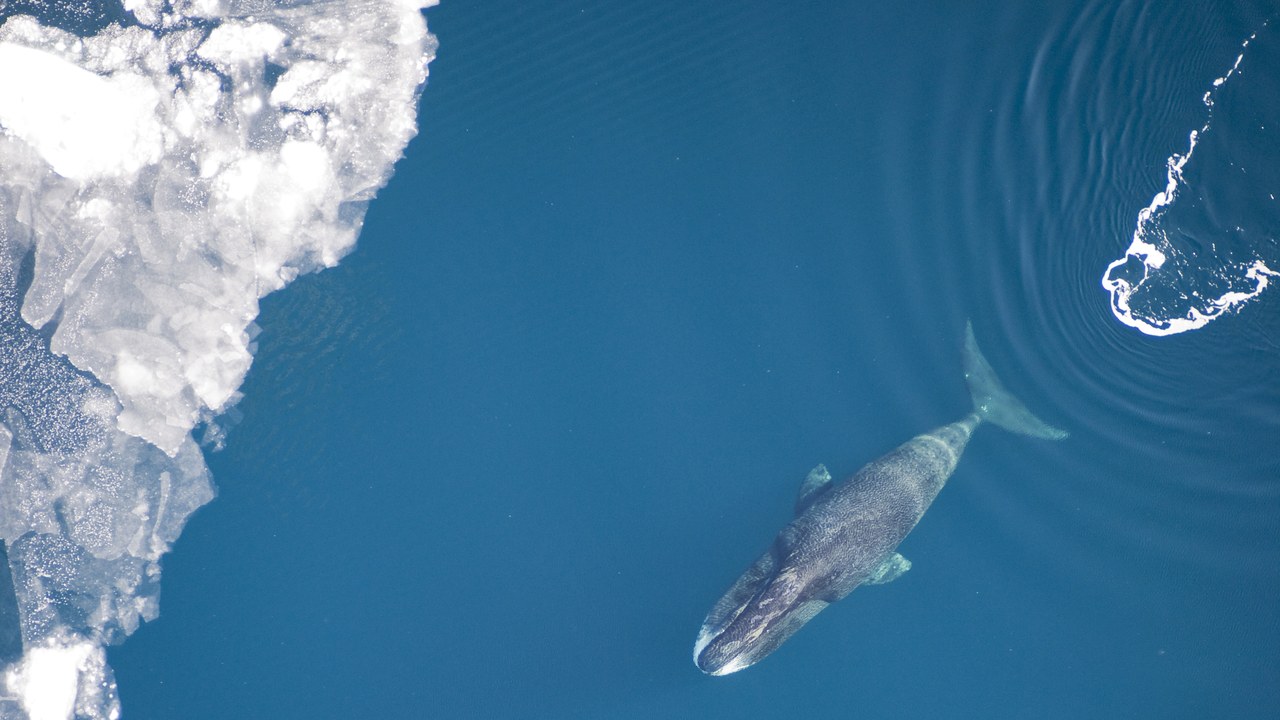
NOAA Ocean Service reports that the bowhead whale can live more than 200 years, which makes it possibly the second-longest-lived animal on Earth. That figure describes the species rather than one measured individual, and it places this Arctic baleen whale well ahead of every other animal on the list.
Such a span means a single bowhead may have been alive across many human generations. The ranking here rests on that species-level statement, so the top spot reflects what NOAA says is possible, not a recorded birth certificate.
2. American lobster: A Century on the Seafloor
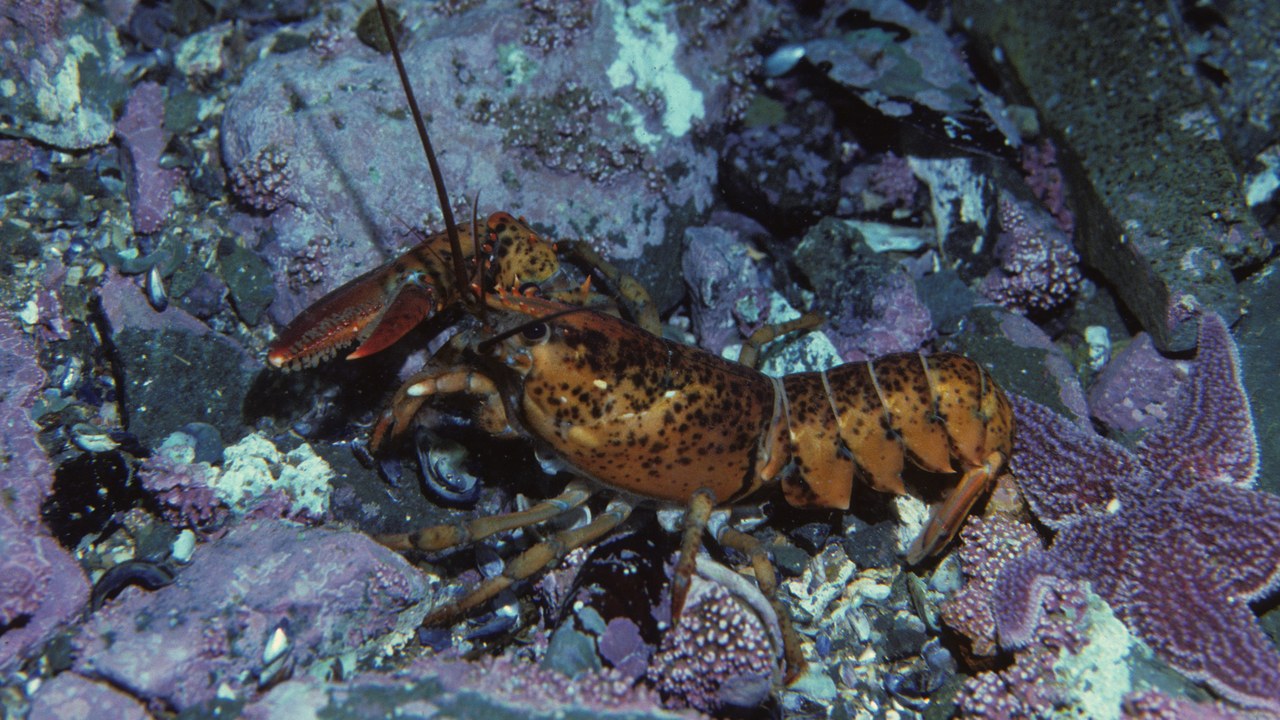
Scientists believe some American lobsters may live to be 100 years old, according to NOAA Fisheries. The hedge matters, because the number is a belief drawn from the animal’s biology and not a documented record from a tagged individual.
Lobsters earn a place among the longest-lived residents of American waters despite being a crustacean on the seafloor. A century is the outer edge of that estimate, and most individuals in the wild are never expected to approach it.
3. Killer whale: Long-Lived Matriarchs
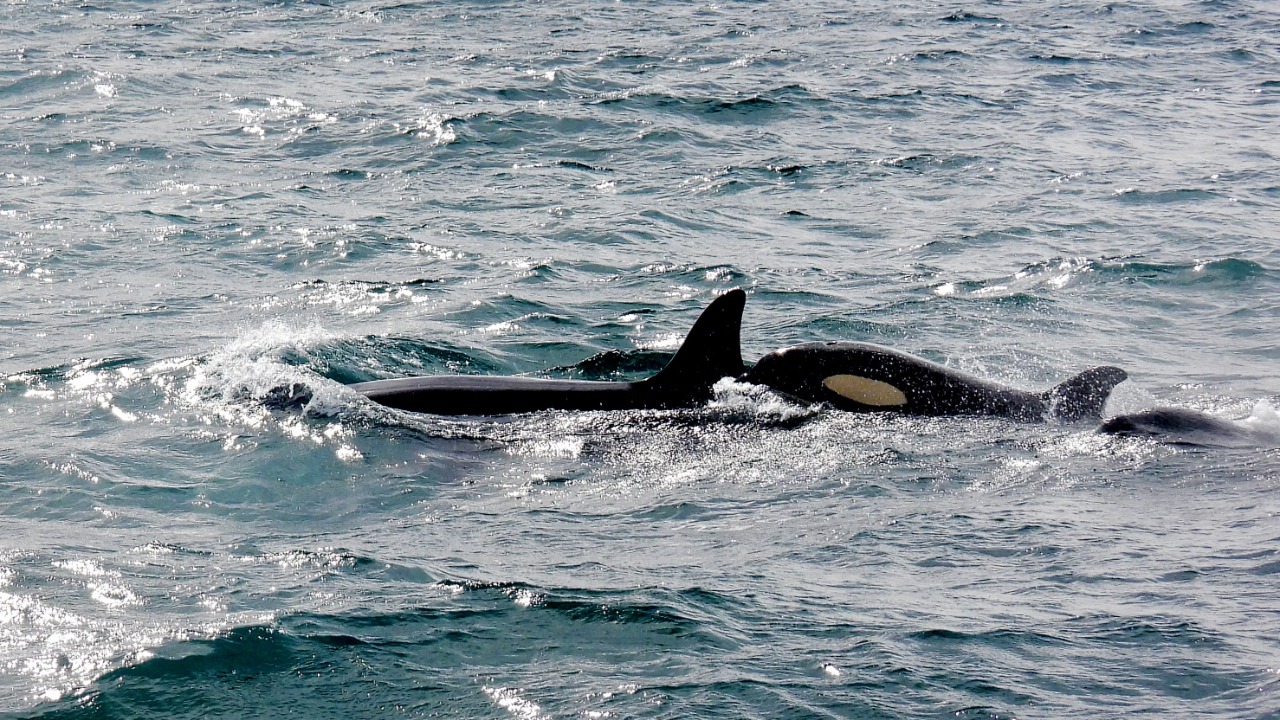
Female killer whales can live to at least 90 years and males to at least 60, according to NOAA Fisheries. Those are wild-population maximums, not averages, since females typically live about 50 years in the wild.
The gap between the two sexes is notable, with females routinely outliving males by decades. Reaching the upper figure is the exception, so the 90-year mark marks the ceiling of what NOAA has documented for the species.
4. Humpback whale: Singers With Staying Power
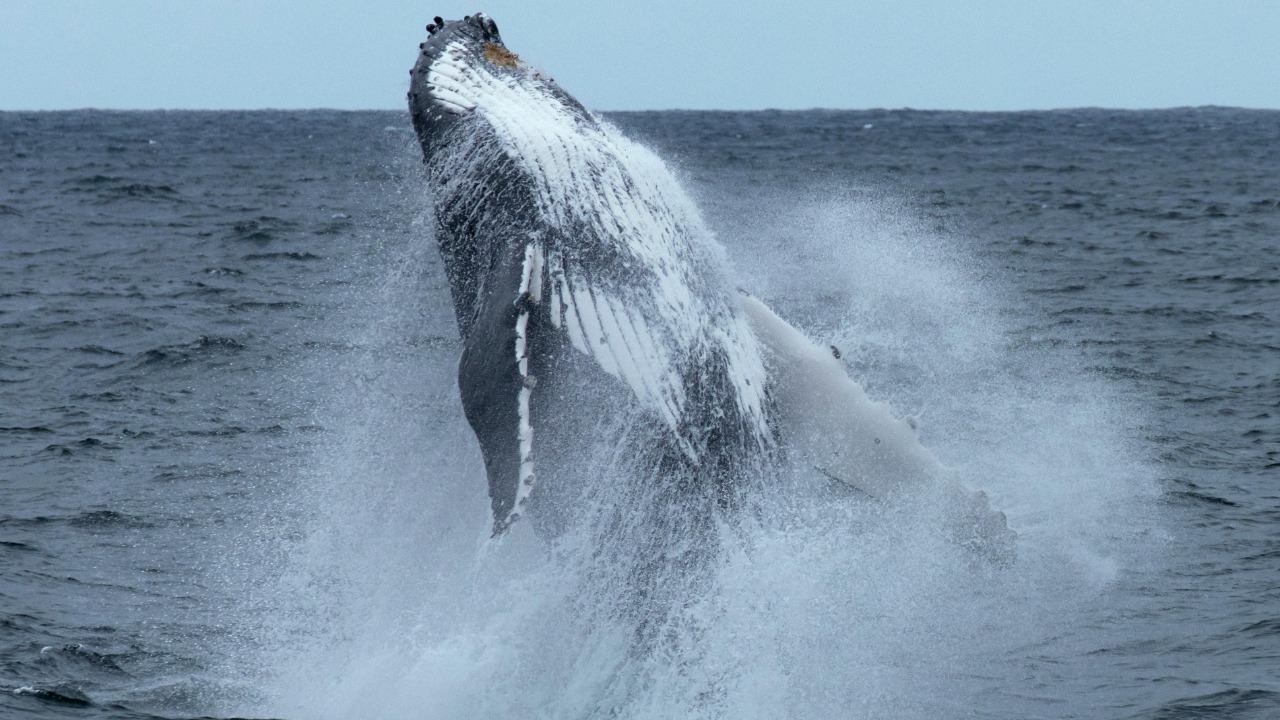
The humpback whale lives about 80 to 90 years, NOAA Fisheries lists in its quick facts for the species. That range puts it in the top handful of marine animals found in waters off the United States.
Humpbacks are best known for breaching and for long migrations between feeding and breeding grounds. The long lifespan means an individual can make those journeys across many decades, though the figure is a general range for the species rather than a guarantee.
5. Loggerhead sea turtle: Slow-Growing Ocean Wanderer
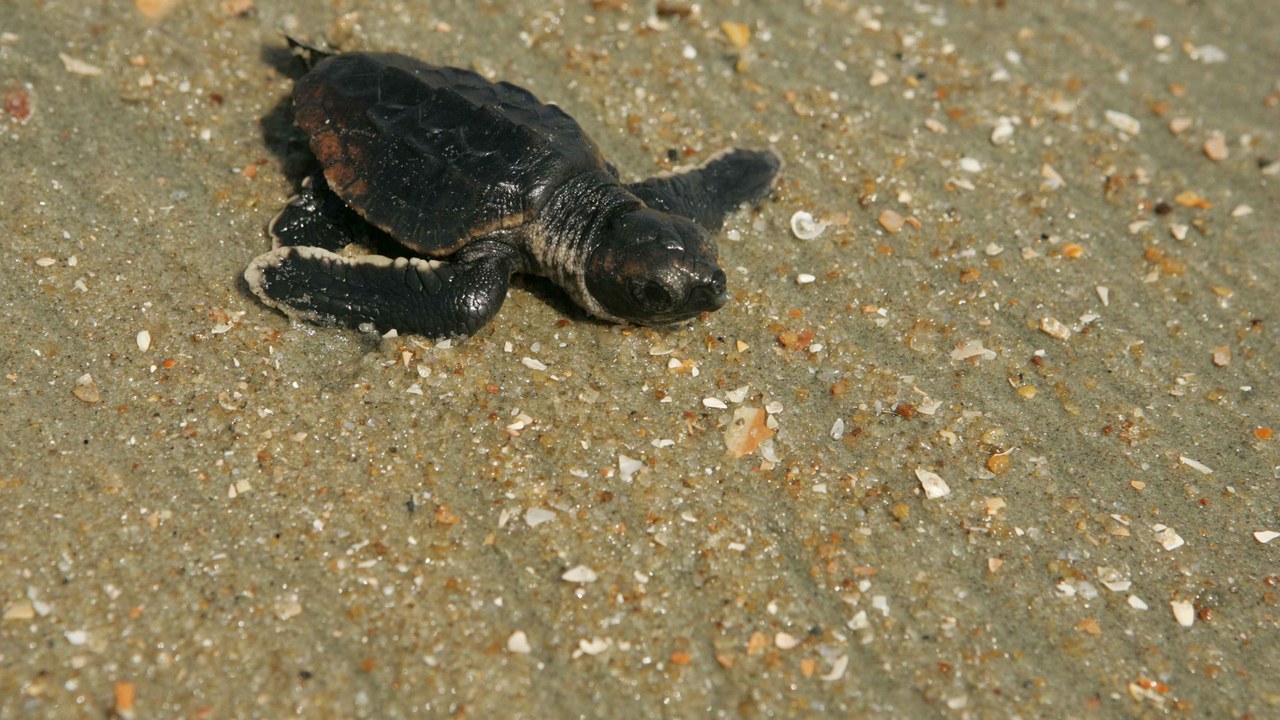
The loggerhead sea turtle can live 70 years or more, NOAA Fisheries notes. The wording is deliberately open ended, because sea turtles are hard to follow from hatchling to old age.
Loggerheads spend most of their lives at sea and take a long time to mature, which is part of why a precise ceiling is elusive. The 70-year mark is best read as a floor for what long-lived individuals can reach.
6. Gray whale: Lifespan Still a Mystery
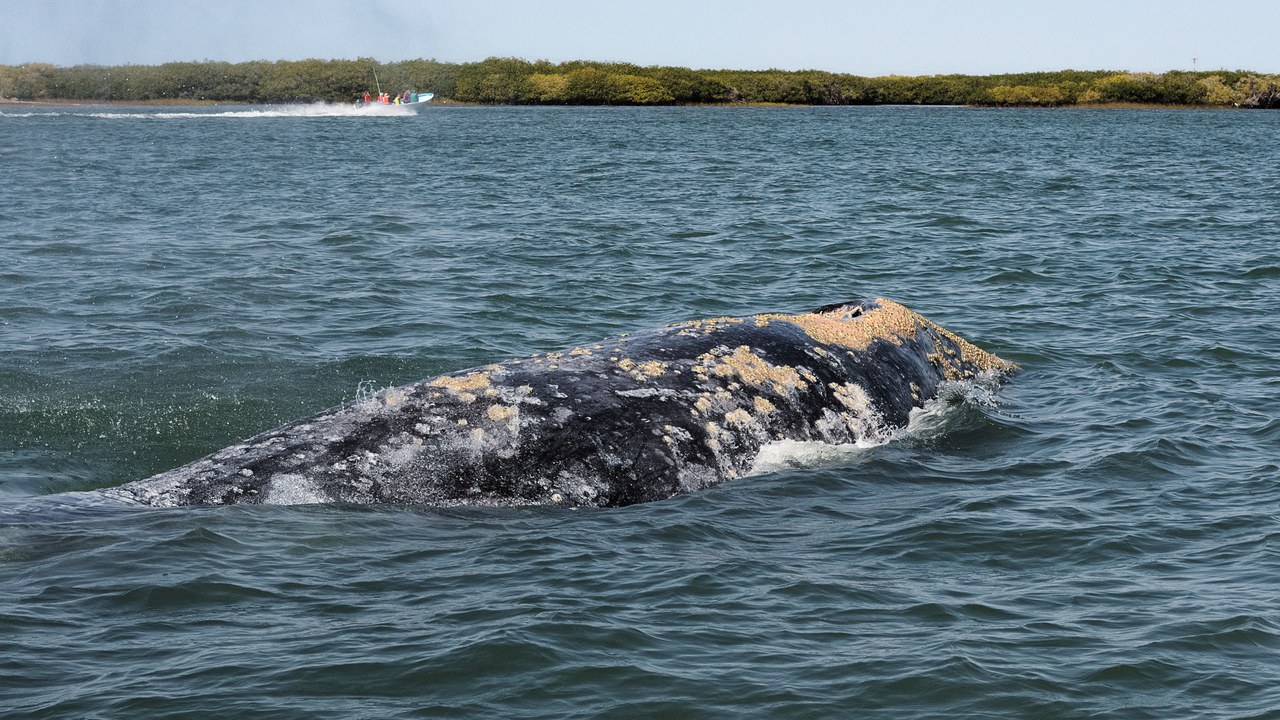
The gray whale’s lifespan is officially unknown, NOAA Fisheries explains, though one female was estimated at 75 to 80 years old after death. That single estimate is the best available marker of how long the species can survive.
An age worked out after death is less certain than a long observation of a living animal. The gray whale therefore sits on this list as a probable long-liver whose real maximum may still be higher than the figure on record.
7. North Atlantic right whale: A Shrinking Lifespan
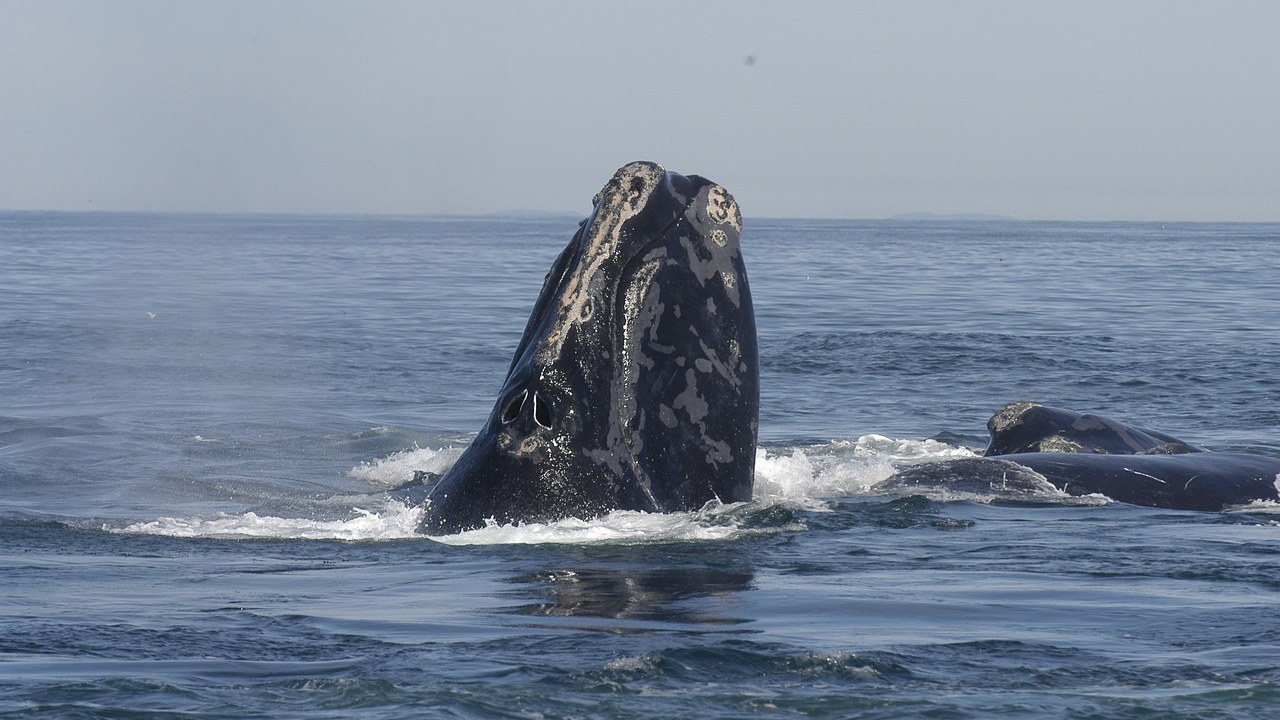
The North Atlantic right whale can reach 70 years, yet females now average about 45 and males about 65, NOAA Fisheries reports. The gap between potential and actual lifespan is the central point for this species.
Few animals on the list fall so far short of their own ceiling. Females in particular live far fewer years than the species is capable of, which is a major concern for a population already counted among the most endangered large whales.
8. Green sea turtle: Grazing for Decades
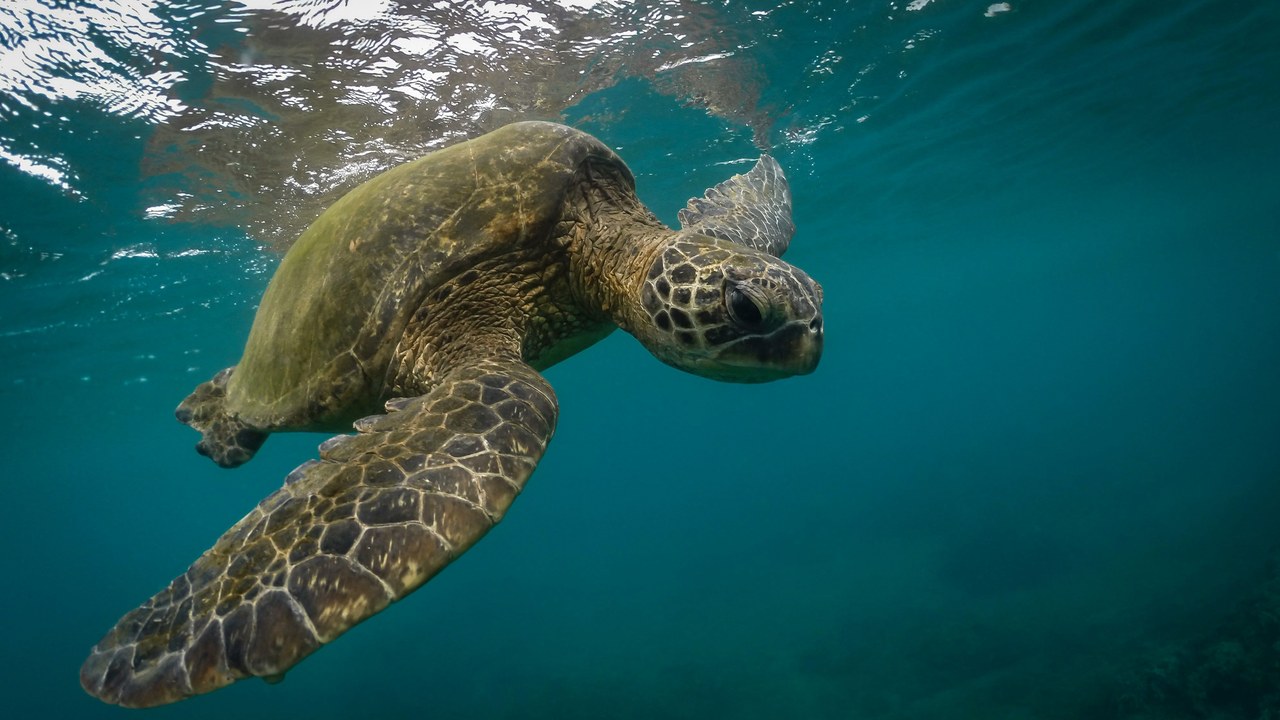
The green sea turtle is estimated to live 70 years or more, NOAA Fisheries states. As with other sea turtles, the number is an estimate and not a recorded maximum from a long-tracked animal.
Adults graze on seagrass and algae in coastal waters, and the species matures slowly. A lifespan stretching past seven decades gives the turtle time to return to nesting beaches repeatedly, an ability that depends on surviving long enough to breed.
9. Atlantic sturgeon: Ancient River Giant
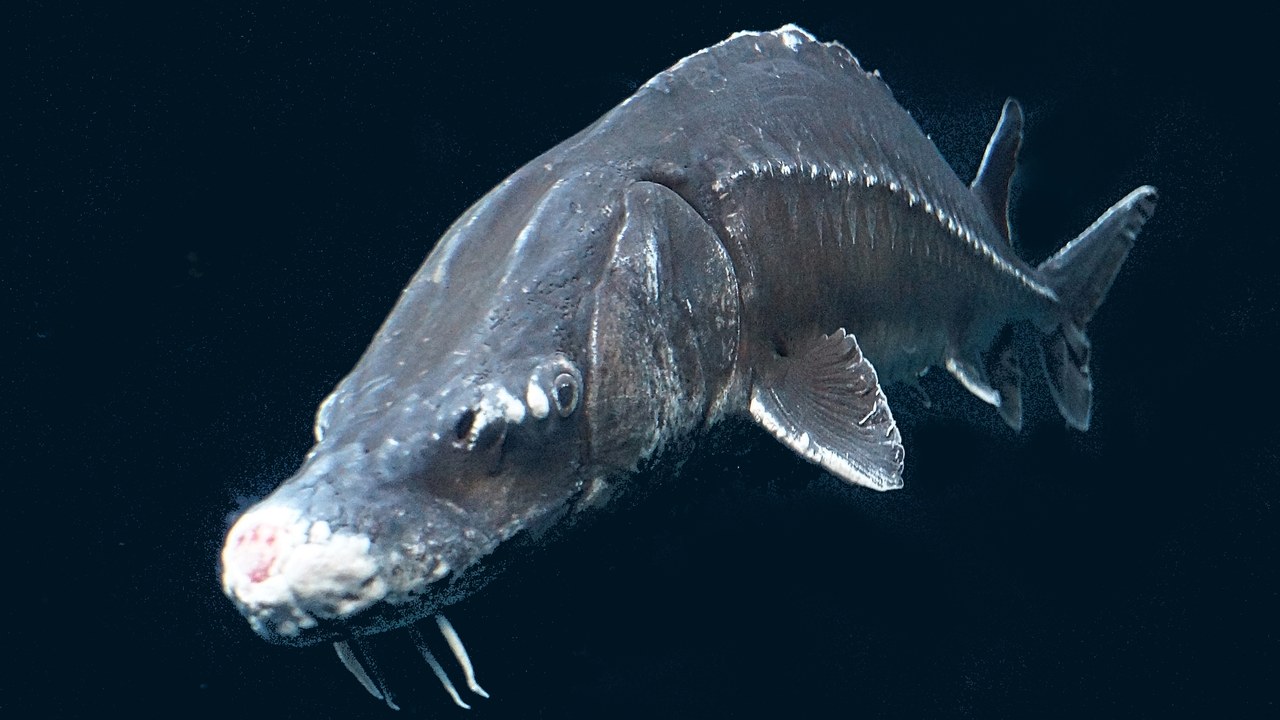
Atlantic sturgeon have been recorded up to 60 years of age, NOAA Fisheries says. Unlike several estimates on this list, the figure refers to ages that have actually been documented.
The fish is a large, bony, ancient-looking species that moves between rivers and the open Atlantic. Sixty years is a high mark for a fish, and it shows how long an individual can persist in waters where the species has long been under pressure.
10. Sperm whale: Deep-Diving Veteran
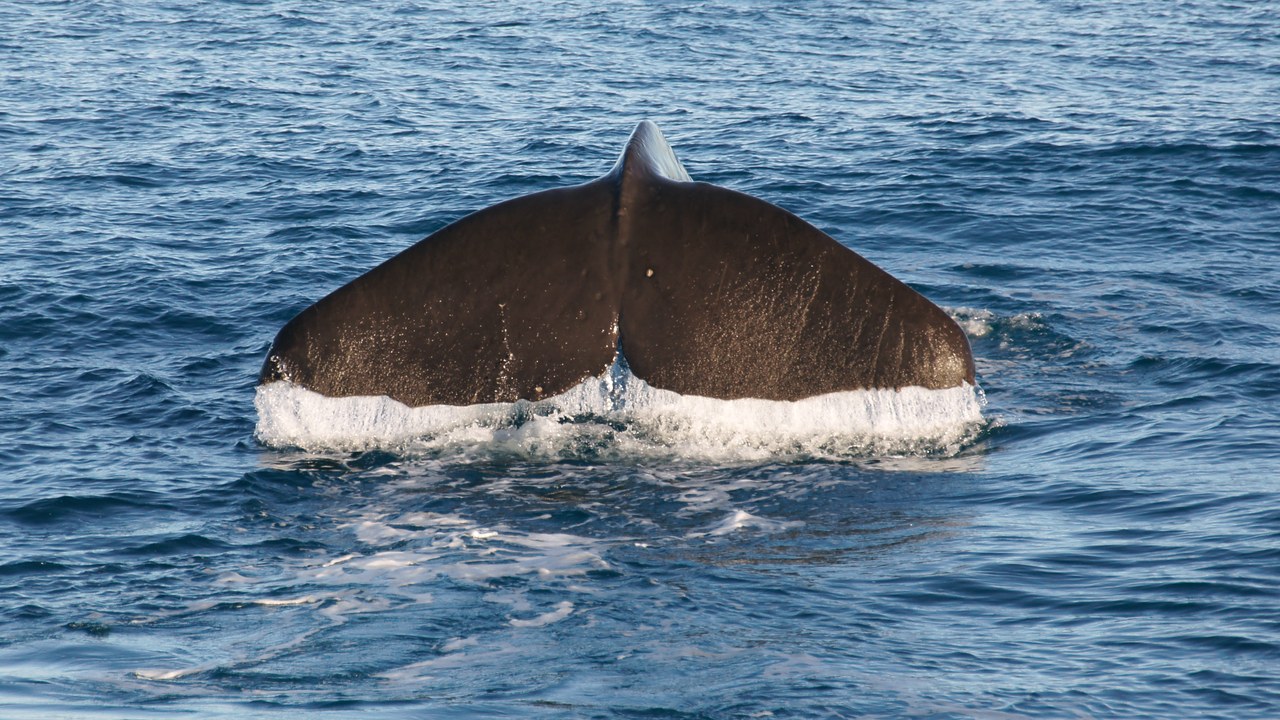
Sperm whales live up to 60 years, NOAA Fisheries reports. The species is the largest toothed whale and a famously deep diver, yet its lifespan trails several baleen whales on the list.
The number is a maximum, so many individuals will not reach it. Even so, six decades of hunting squid in the deep ocean makes the sperm whale a solid entry among the longest-lived animals found in American waters.
11. Pacific halibut: Few Reach Old Age
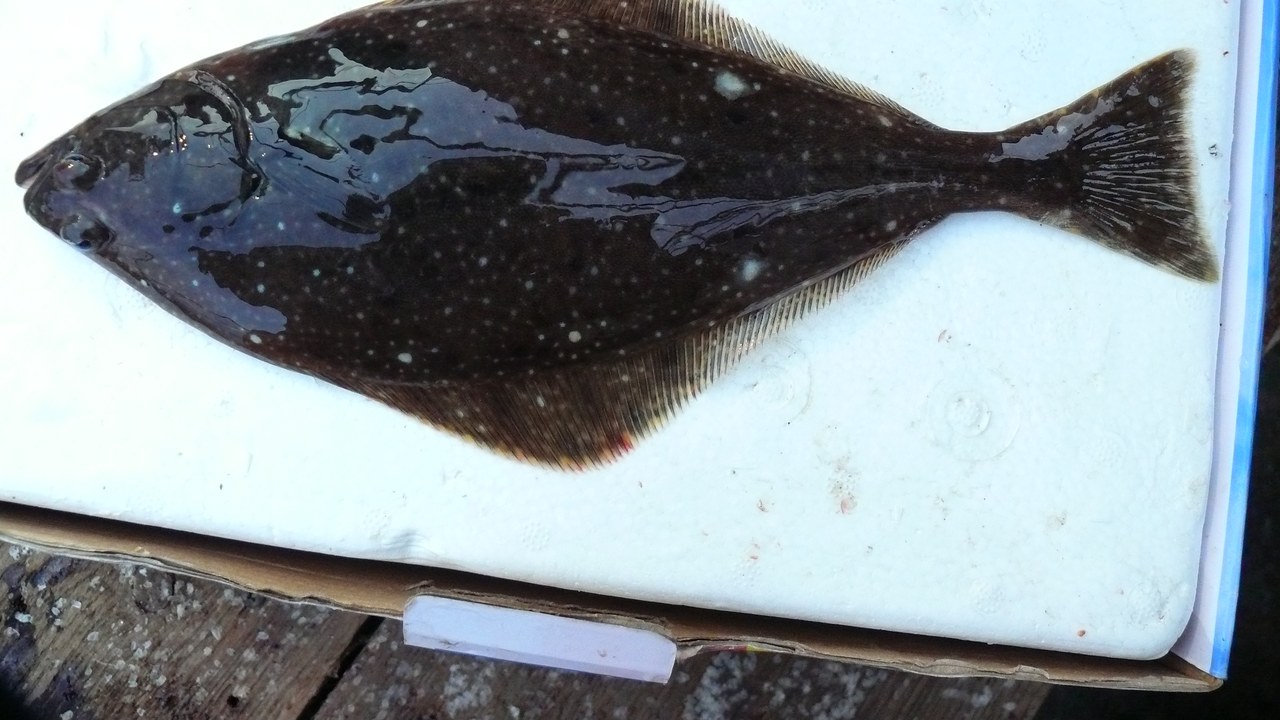
The oldest Pacific halibut on record was 55 years old, and NOAA Fisheries adds that anything over 30 is rare. That makes the species an example of a long-lived fish whose extremes are uncommon.
Most halibut never come close to the record, so the 55-year mark describes a handful of unusually old fish. The species earns its spot because even a rare half-century lifespan stands out among fish in North Pacific waters.
12. Leatherback sea turtle: Long-Haul Swimmer
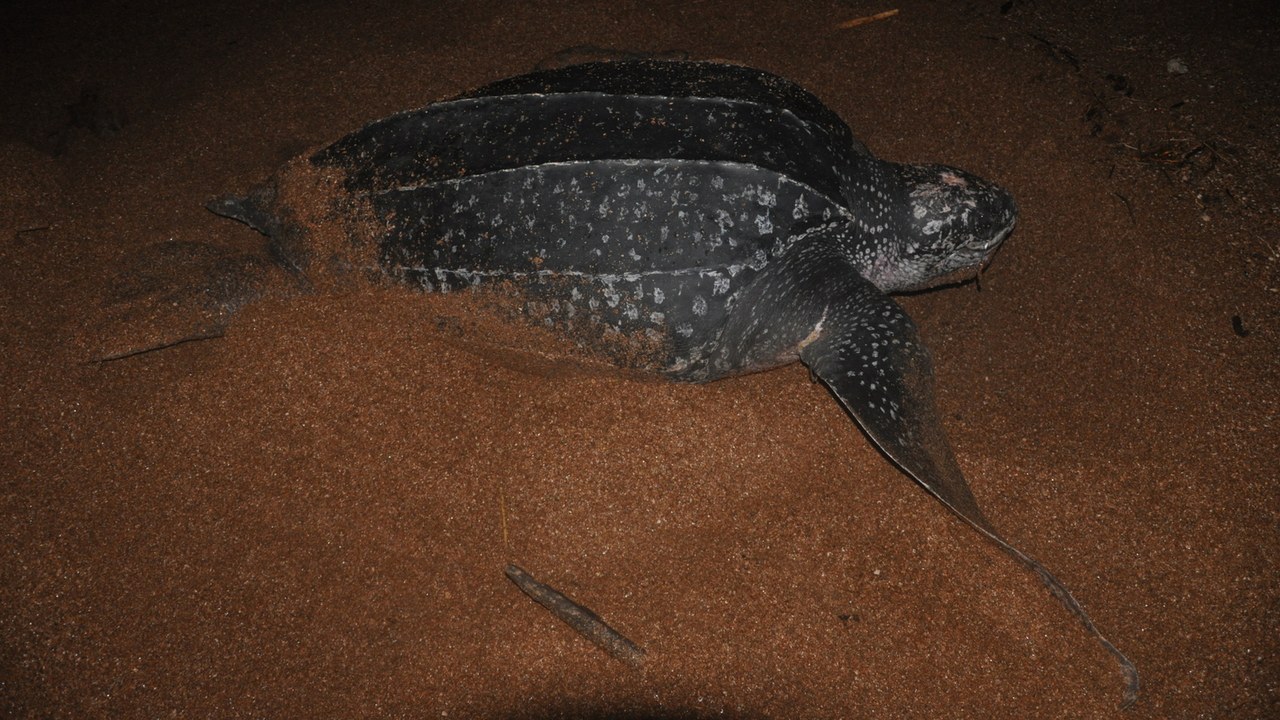
The leatherback sea turtle is estimated at 45 to 50 years or more, NOAA Fisheries notes. It closes the list with the shortest figure of the twelve, though the phrase ‘or more’ leaves room for older animals.
Leatherbacks are the largest sea turtles and travel across entire ocean basins. As with the other turtles, the estimate reflects how hard it is to follow a single animal from hatching through a full lifetime at sea.
Tech news in one quick read: Subscribe to TLDR →
We may earn a commission if you sign up.
More from Morning Overview
- NOAA now gives this winter a 75% chance of the strongest El Nino since 1950
- Doctors warn a silent liver disease now affects one in three American adults
- The FBI told the rest of ShinyHunters to surrender after a 24-year-old was arrested
- Two passengers died at an Ohio toll plaza, and the NTSB now wants the cash lanes shut
