
Millions of older vehicles are still on the road carrying a Takata airbag inflator that federal regulators consider dangerous. The ammonium nitrate propellant inside these inflators can degrade with age, heat and humidity, and a rupture sprays metal fragments into the cabin instead of deploying normally. Here are eight vehicles that remain on the open recall rolls.
1. 2003 Honda Civic: One Of The Oldest Open Files
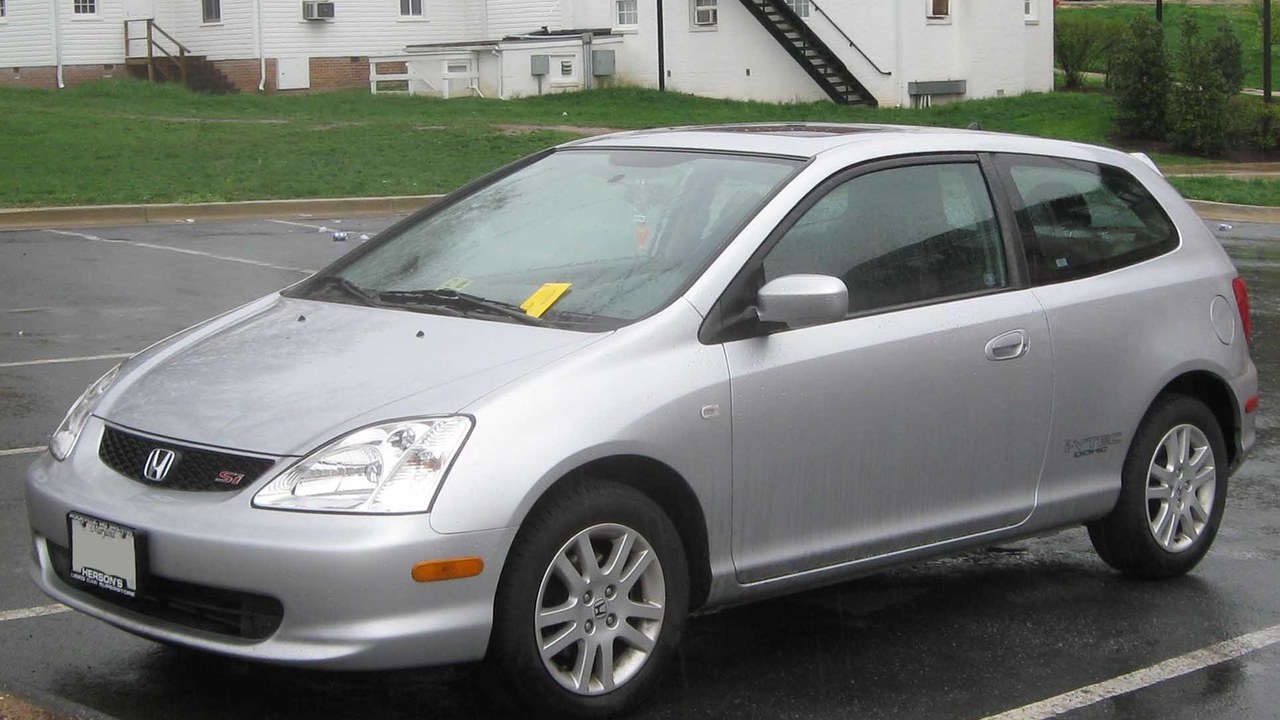
Federal recall data lists the 2003 Civic under campaign 19V182000, covering Honda and Acura frontal inflator modules dating back to the 2002 model year. The propellant inside those inflators can break down after years of temperature swings and moisture exposure, turning a routine airbag deployment into a rupture that throws metal shrapnel toward the driver or front passenger.
Honda dealers replace the affected inflator free once a vehicle’s identification number comes back open, and the repair generally takes under an hour. A 2003 Civic sits among the earliest model years still cycling through the recall, meaning an unrepaired example has already carried the risk for more than two decades.
2. 2005 Toyota Corolla: Shared Fault Across Four Nameplates
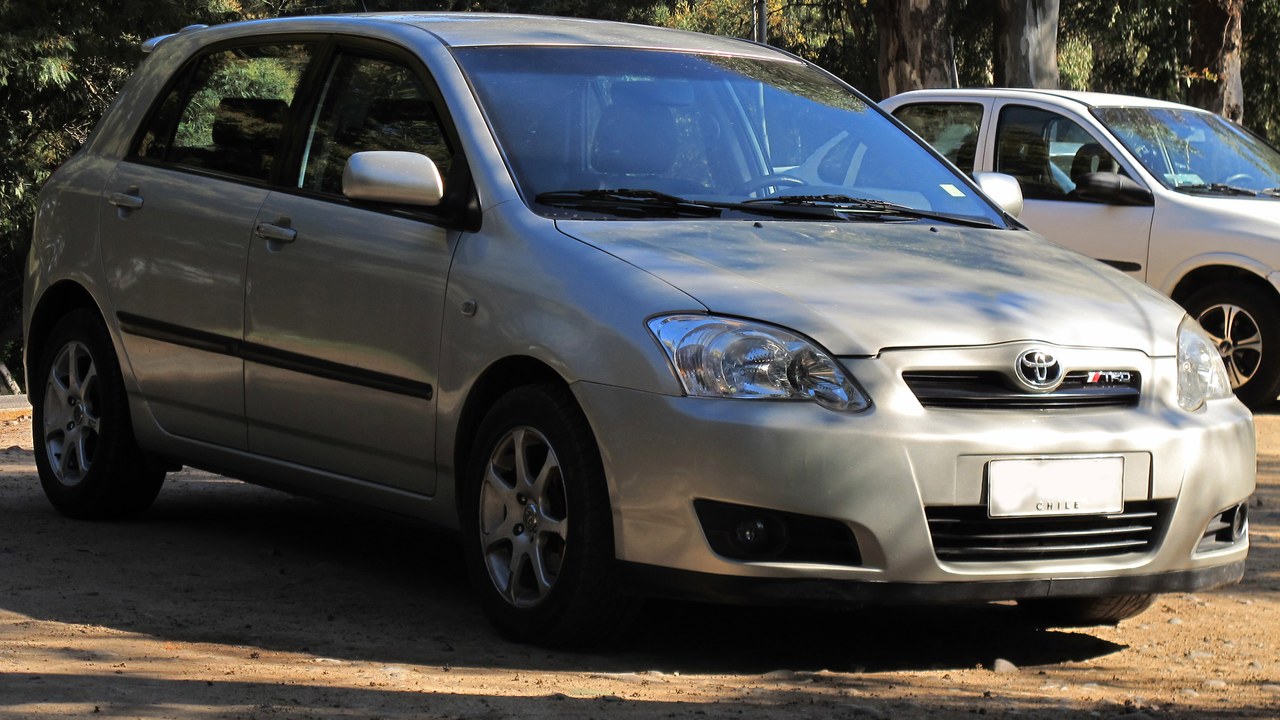
The 2005 Corolla falls under campaign 19V741000, which groups the Corolla with the Tundra, 4Runner and Corolla Matrix around the same defective Takata inflator design. Each of those inflators lacks a chemical drying agent, so ambient moisture can reach the propellant over time and raise the odds of an inflator rupturing on deployment rather than inflating the airbag cleanly.
Toyota’s remedy swaps in a redesigned inflator built with a stabilizing desiccant, and the parts and labor cost nothing to the owner. Because the campaign spans several body styles built across many years, a Corolla owner cannot assume a neighbor’s Tundra clearing the recall says anything about their own car.
3. 2006 Ford Ranger: The Truck Behind A Do-Not-Drive Order
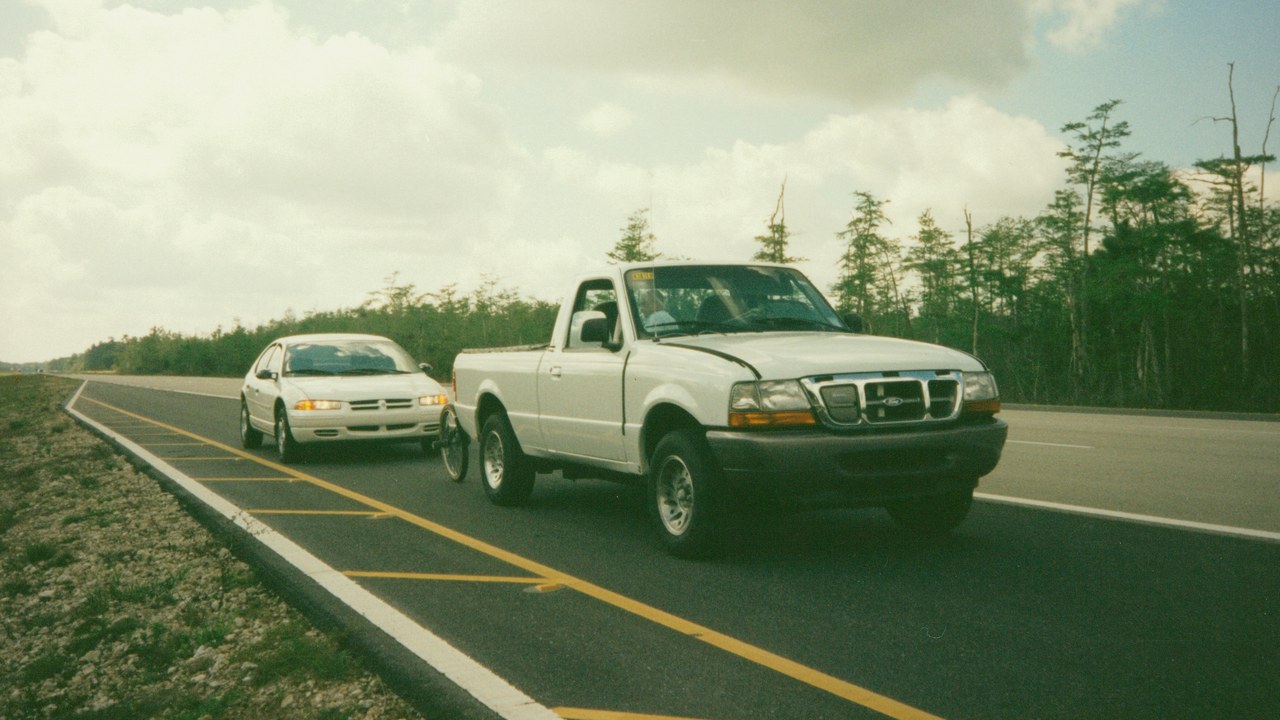
Regulators filed the 2004-2006 Ranger under campaign 21V076000, a subset of Takata inflators that NHTSA and Ford flagged as carrying an unusually high rupture risk after years of exposure to heat and humidity. That elevated risk pushed the agency to issue a do-not-drive advisory rather than the usual recommendation to schedule a repair soon.
Ford has offered free towing to a dealer and a loaner vehicle for owners who cannot safely drive an affected Ranger to get it fixed. A truck built for that three-year window and still unrepaired ranks among the highest-priority vehicles left on the entire Takata recall list.
4. 2004 Nissan Sentra: One Campaign, Four Model Lines
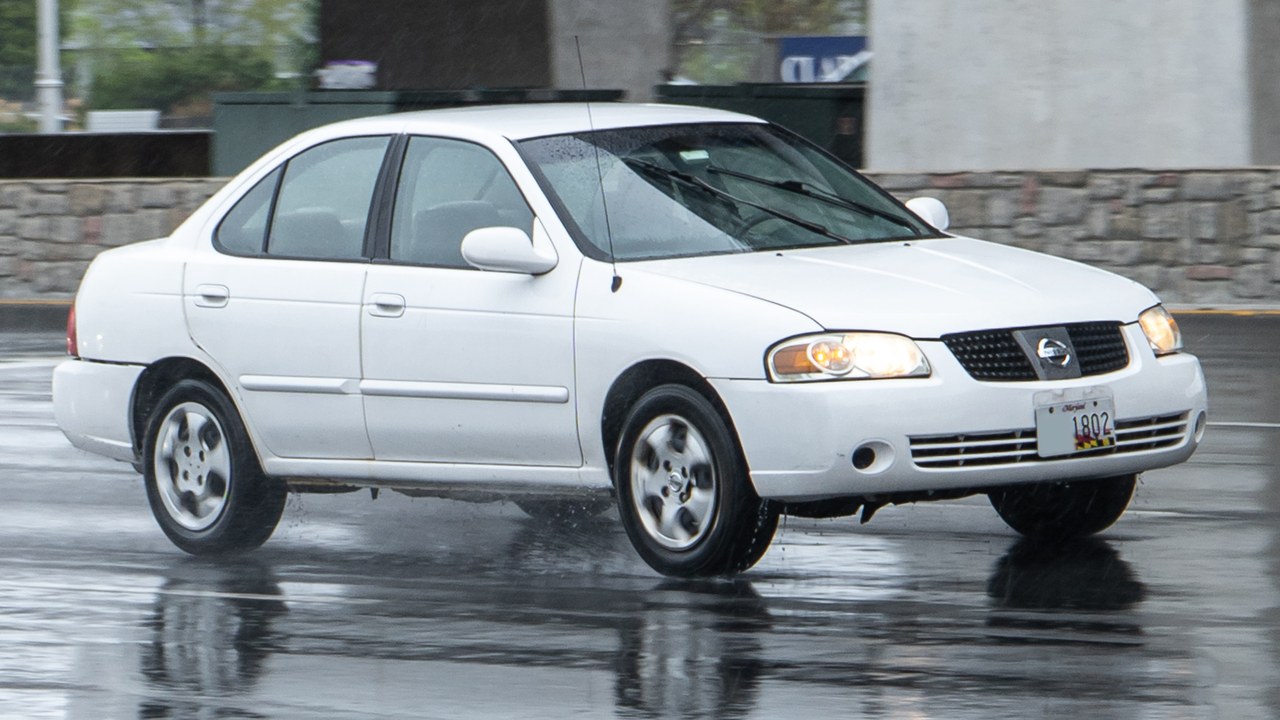
The 2004 Sentra is named in campaign 20V008000, which also pulls in the Maxima, Pathfinder and Versa around the same non-desiccated inflator design. NHTSA’s filing describes the same core defect found across the broader Takata recall: propellant that can absorb moisture over years of service and rupture the inflator housing when the airbag fires.
Nissan dealers install a redesigned replacement inflator at no cost to the owner once the VIN is confirmed open. Because the campaign touches four separate model lines built over multiple generations, a Sentra owner should check the VIN directly rather than assume the fix already reached their specific car.
5. 2007 Chrysler 300: Swept Up In A Later Expansion
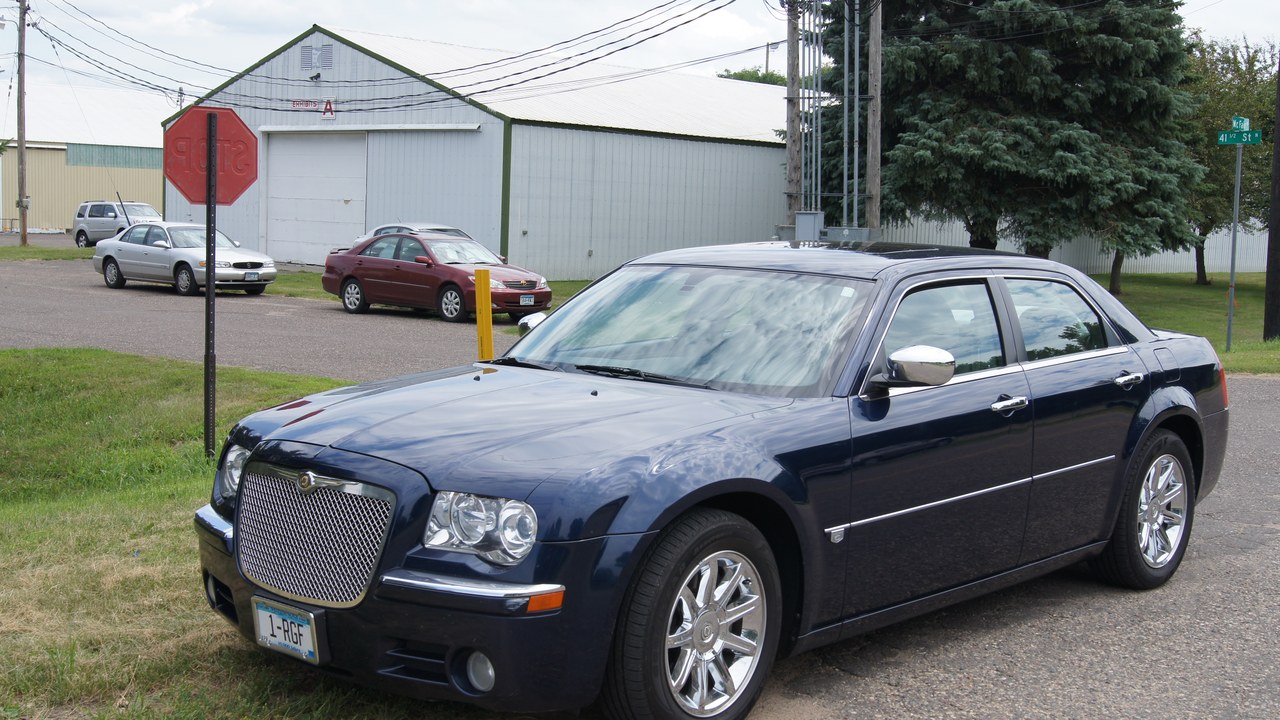
The 2007 Chrysler 300 falls under campaign 16V352000, filed when regulators widened the Takata recall’s affected population to pull in more Chrysler and Ram vehicles that had not originally been included. The inflators covered use the same ammonium nitrate propellant without a moisture-stabilizing additive that drove the recall’s earlier phases.
Owners get a free replacement inflator through a Chrysler dealer once the recall is confirmed against the VIN. Because this 300 was added in a later expansion rather than the recall’s first wave, some owners assumed their car was already cleared when it never was.
6. 2005 Subaru Impreza: Five Nameplates, One Defect
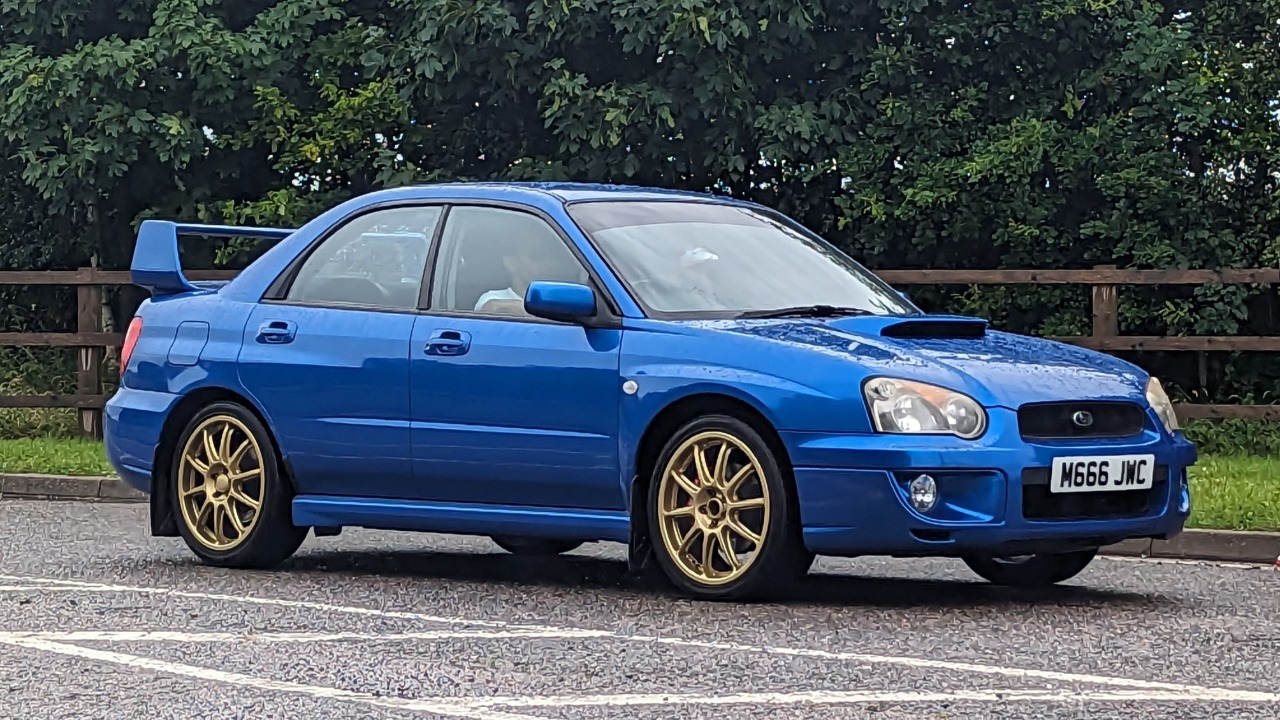
The 2005 Impreza is covered by campaign 20V001000, which spans the Impreza, WRX, Forester, Baja and Legacy around a shared Takata inflator defect. Regulators describe the same failure mode as the rest of the recall: propellant degradation from long-term heat and humidity exposure that can cause the inflator to rupture instead of deploying the airbag as designed.
Subaru’s fix is a free inflator replacement performed by a dealer, with no charge for parts or labor once the VIN comes back open. Spanning five separate model lines over multiple generations makes this one of the broader single campaigns in the recall, and easy for an owner to overlook.
7. 2005 Dodge Ram 1500: Among The Recall’s Earliest Filings
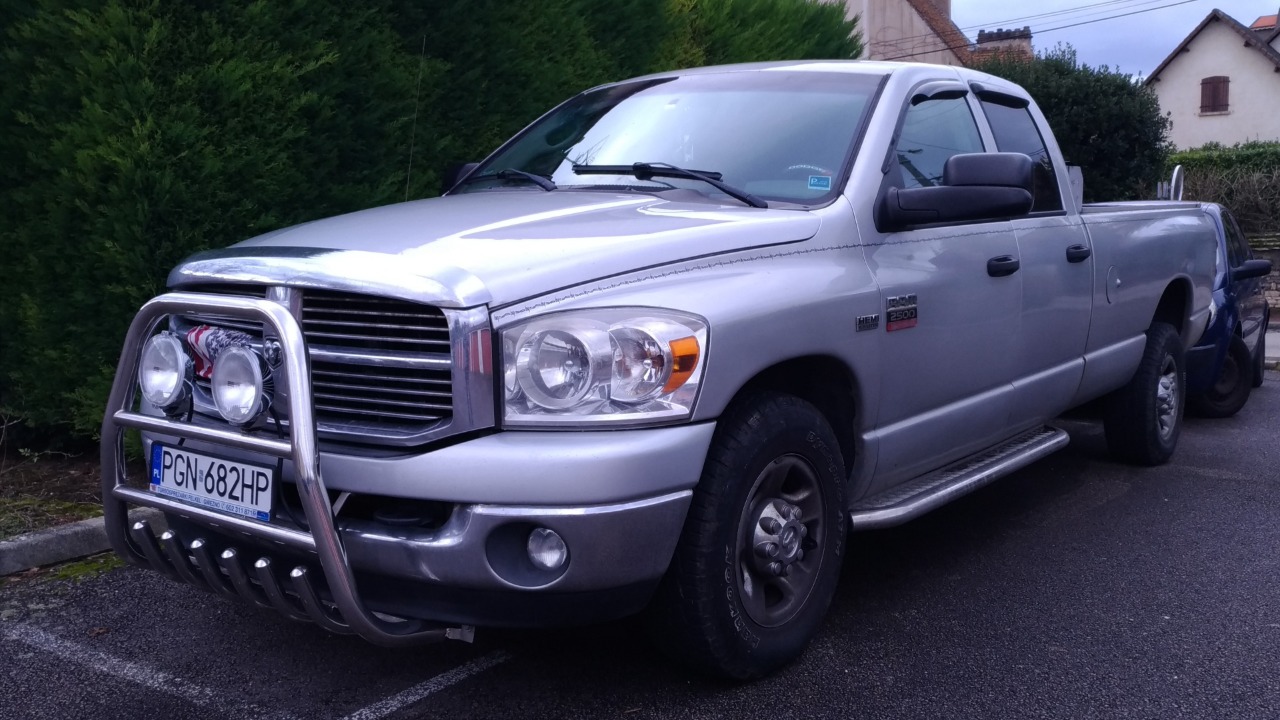
The 2005 Ram 1500 falls under campaign 14V770000, one of the earliest Takata filings and one that also covers the Ram 2500, 3500, Durango and Dakota. The affected inflators use propellant that can degrade over years of exposure to heat and moisture, raising the chance of a rupture that sends metal fragments into the cabin during deployment.
Dealers install a redesigned inflator at no cost once the recall is confirmed against the truck’s VIN. Because this campaign dates back more than a decade, an unrepaired 2005 Ram 1500 has likely changed hands at least once without the recall ever being addressed.
8. 2007 GMC Sierra 1500: GM’s Full-Size Trucks Get Pulled In
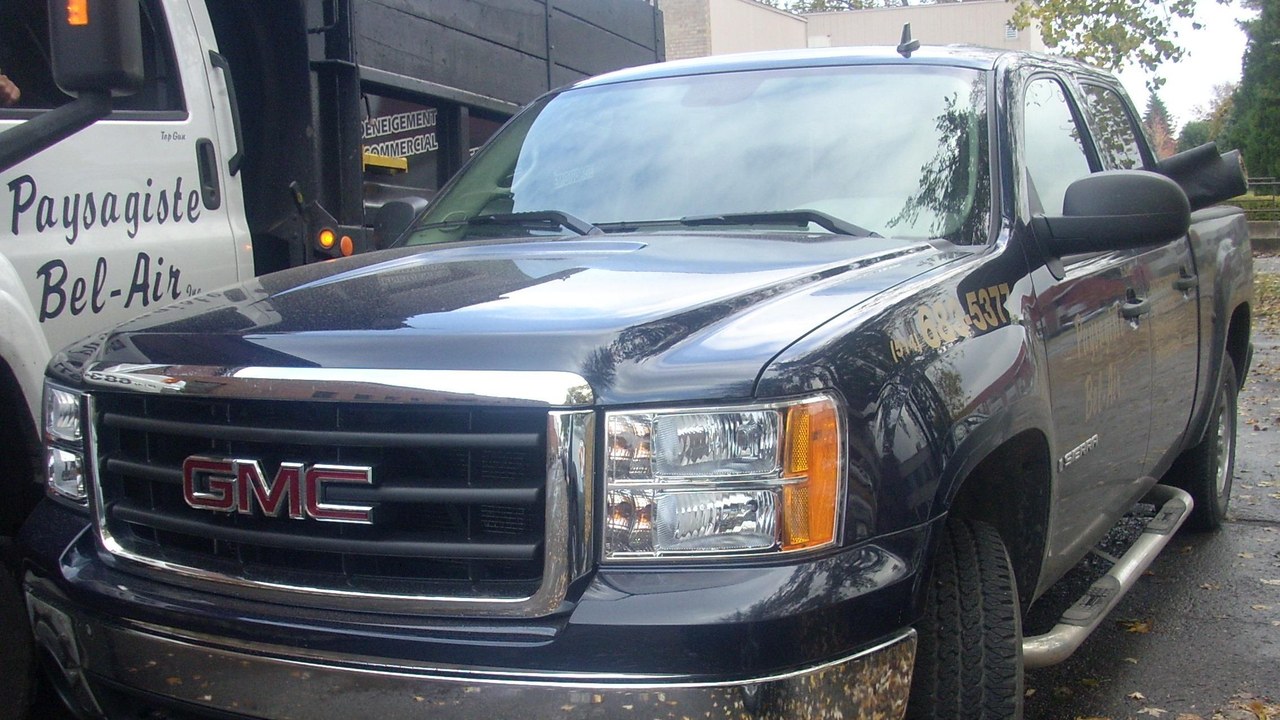
The 2007 Sierra 1500 is named in campaign 21V050000, which covers General Motors’ full-size trucks and SUVs built between 2007 and 2011. The inflators in that population share the same non-desiccated ammonium nitrate propellant blamed throughout the broader Takata recall, one that can rupture after years of heat and humidity cycling inside the steering wheel or dashboard.
GM dealers replace the inflator free of charge once the VIN is confirmed against the open campaign. Spanning five model years of both GMC and Chevrolet full-size trucks, this filing is one of the largest single pools of unrepaired vehicles left in the entire Takata recall.
More from Morning Overview
- A California supervolcano has bulged upward about two and a half feet since 1978
- The FTC is warning about a scam quietly draining thousands from victims
- The NSA is again telling phone owners to switch off one location setting
- A handful of car transmissions are so tough mechanics say they almost never fail
