
Three Mile Island is best known for the most significant accident in American commercial nuclear power, but its other reactor kept running for decades afterward. Shut down in 2019 for economic reasons, Unit 1 is now being readied to return as the Crane Clean Energy Center, with Microsoft lined up to buy its power. These eight pictures trace the site’s past and the restart now underway.
Read next on Morning Overview: Shaq spent $1.3 million on three Rolls-Royce Phantoms to prove a point to a salesman
Crane Clean Energy Center: The Reactor Coming Back
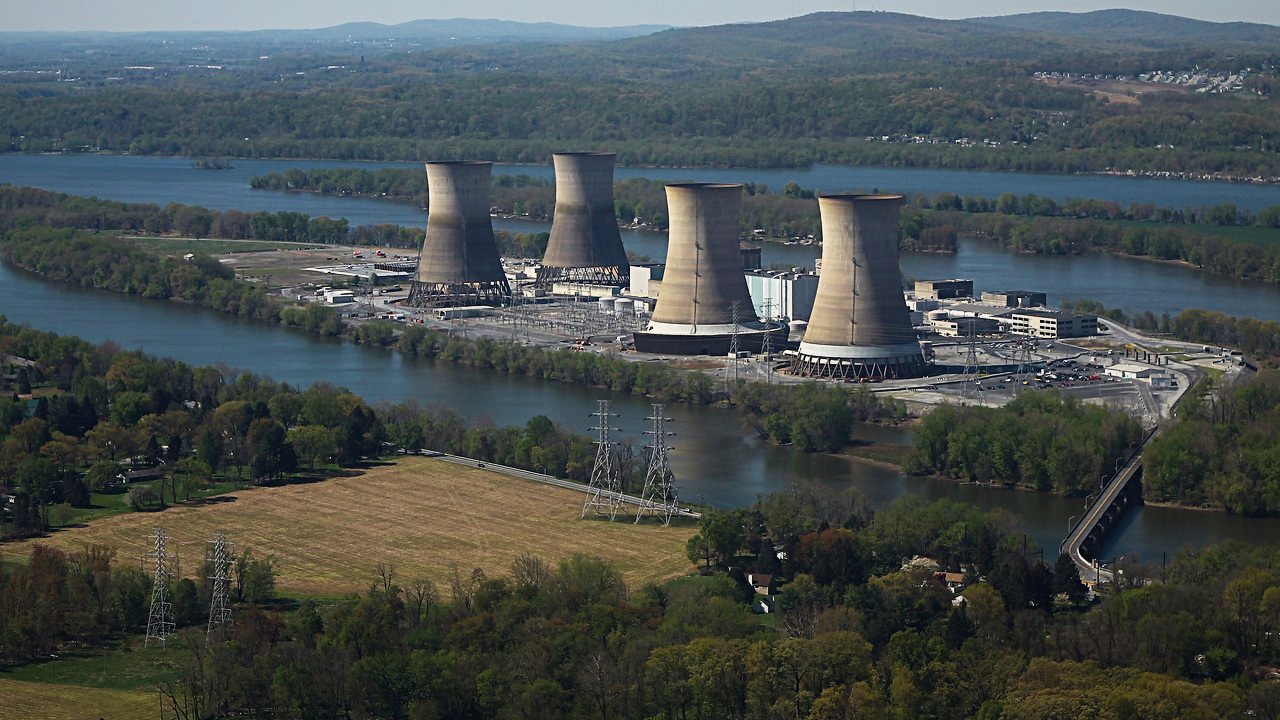
Unit 1 at Three Mile Island officially shut down at noon on 20 September 2019 after years of operating at a loss. In September 2024, the plant’s owner, Constellation Energy, announced plans to invest $1.6 billion to bring it back online as the Crane Clean Energy Center, expected to resume operations in 2027.
The entire output is to be sold to Microsoft, which signed a 20-year agreement to buy as much electricity as possible from the plant to supply its growing network of data centers. Without the restart, decommissioning of Unit 1 had been expected to run until 2079 at a cost of $1.2 billion.
Three Mile Island Unit 2: The Night TMI-2 Failed
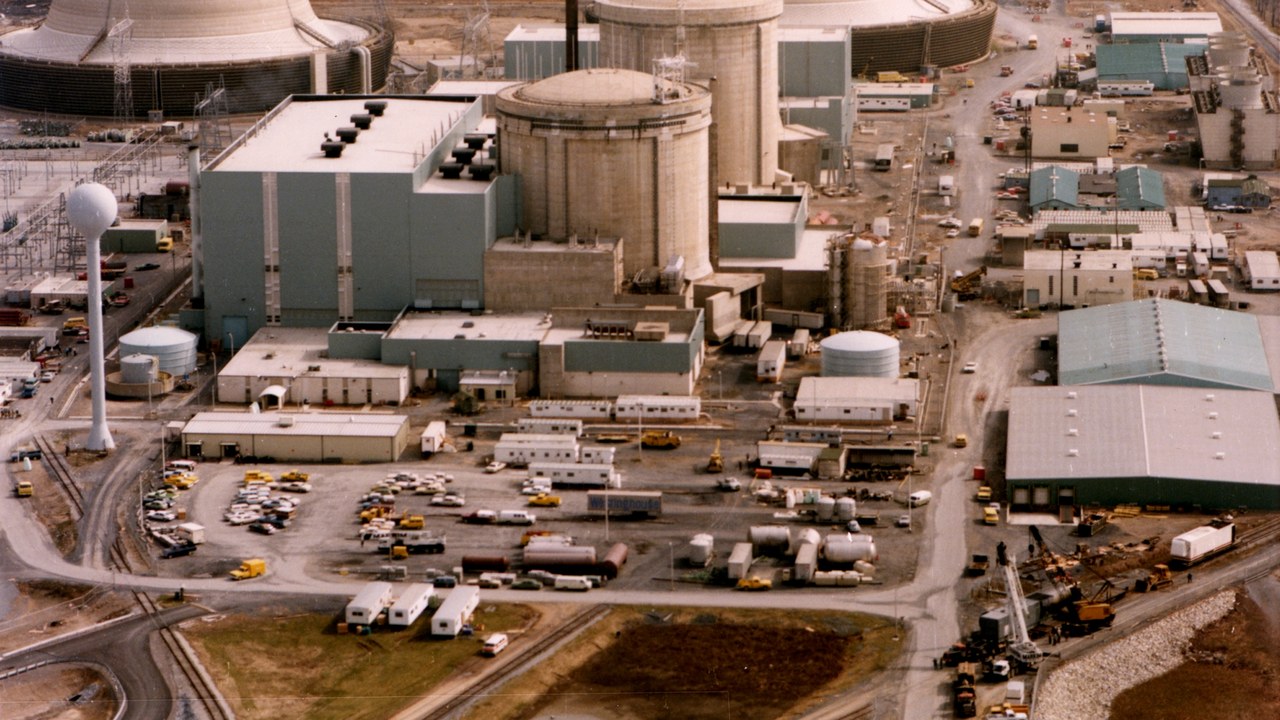
The accident at Unit 2 began at 4:00 a.m. on 28 March 1979 with failures in the plant’s non-nuclear secondary system, followed by a relief valve in the primary system that stuck open and let large amounts of coolant escape. The history of the accident notes that it is rated Level 5 on the international scale, an accident with wider consequences.
Operators did not realize the valve was open, partly because of poor control design and similar alarms. The result was a partial meltdown that heightened public fears about nuclear safety, led to new regulations and accelerated the decline of efforts to build new reactors.
Susquehanna River: An Island Power Plant
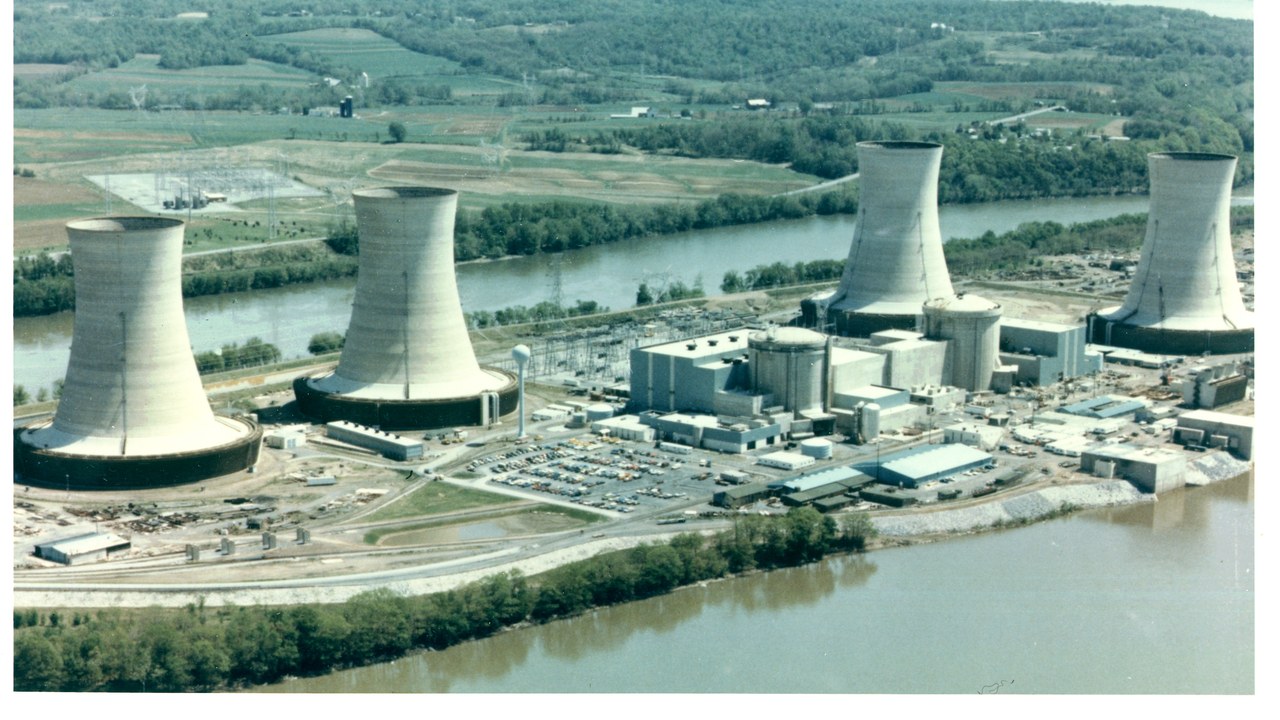
The plant sits on Three Mile Island in the Susquehanna River, just south of Pennsylvania’s capital, Harrisburg, and draws its cooling water from the river. The station’s profile lists four natural-draft cooling towers, each 372 feet tall, built for two separate reactors supplied by Babcock & Wilcox.
Unit 1 was commissioned on 2 September 1974 and Unit 2 on 30 December 1978, only three months before its accident. Today the two units have different owners: Unit 1 belongs to Constellation Energy, while the damaged Unit 2 is owned by EnergySolutions.
TMI-2 control room: Alarms Nobody Could Read
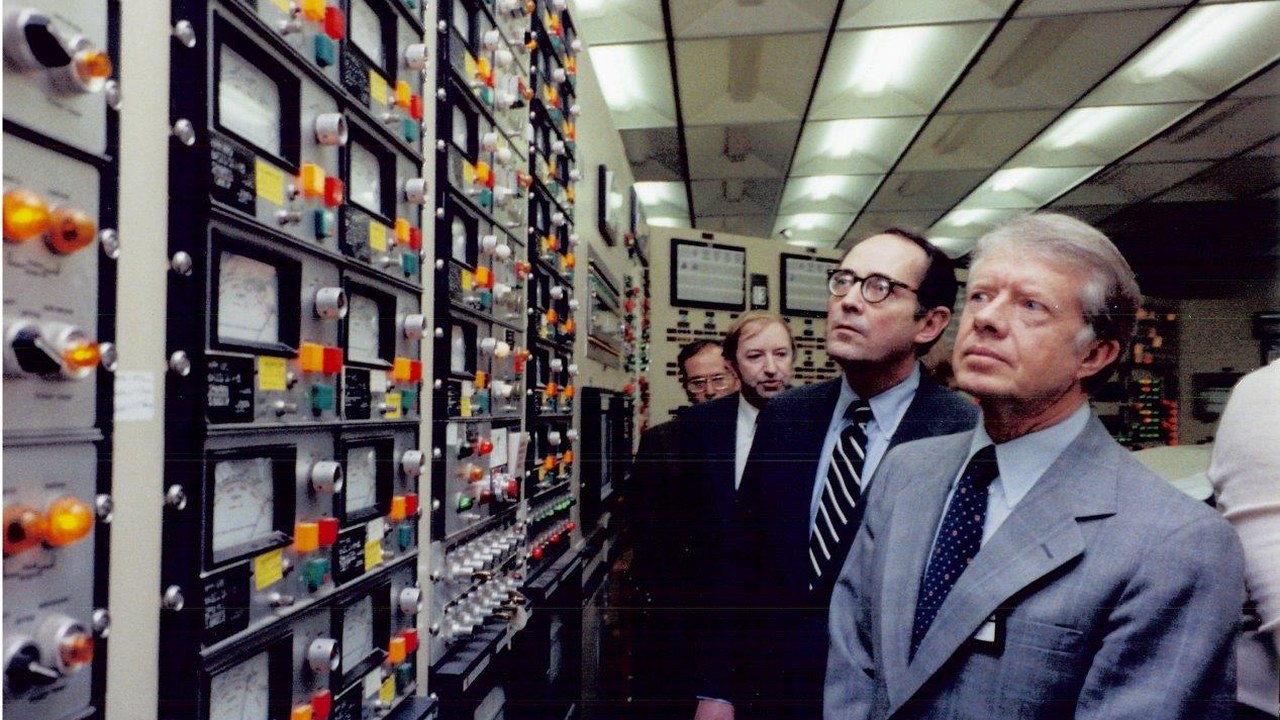
Inside the TMI-2 control room, operators fought the accident with instruments that hid the problem. The account of the accident says a block valve was closed in each of two emergency feedwater lines, and the position lights for one were covered by a yellow maintenance tag.
The President’s Commission on the Accident at Three Mile Island, led by Dartmouth president John Kemeny, later found that the procedures were inadequate and that the control room “was greatly inadequate for managing an accident.” It called for fundamental changes in the attitudes of the Nuclear Regulatory Commission and the industry.
TMI-2 dormant reactor: The Unit That Stays Dark
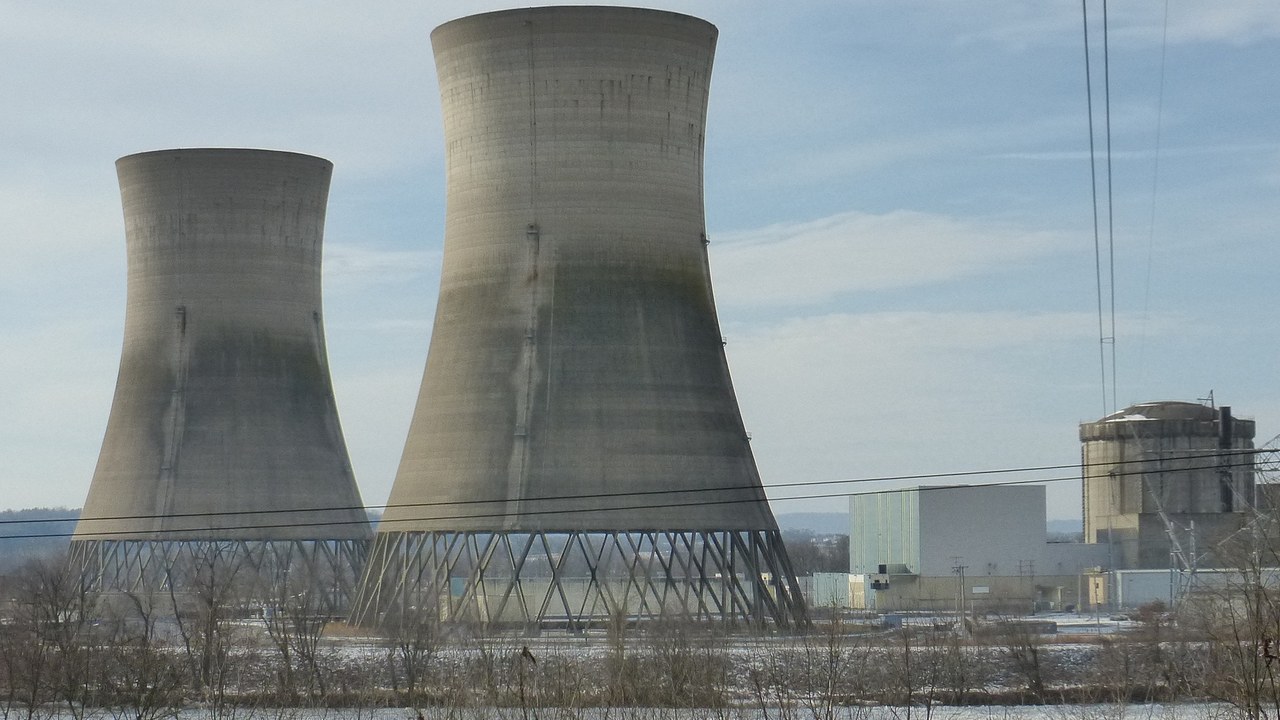
Unit 2 will not be part of the restart. The station’s record says the reactor has been dormant since the 1979 accident and is expected to close in 2052, long after its neighbor is due to return to the grid.
In December 2020, FirstEnergy transferred Unit 2’s license to TMI-2 Solutions, a subsidiary of EnergySolutions, after approval from the Nuclear Regulatory Commission. The site’s original operator had been Metropolitan Edison, a GPU subsidiary, before GPU merged with FirstEnergy in 2001.
Three Mile Island cleanup: A 14-Year Cleanup
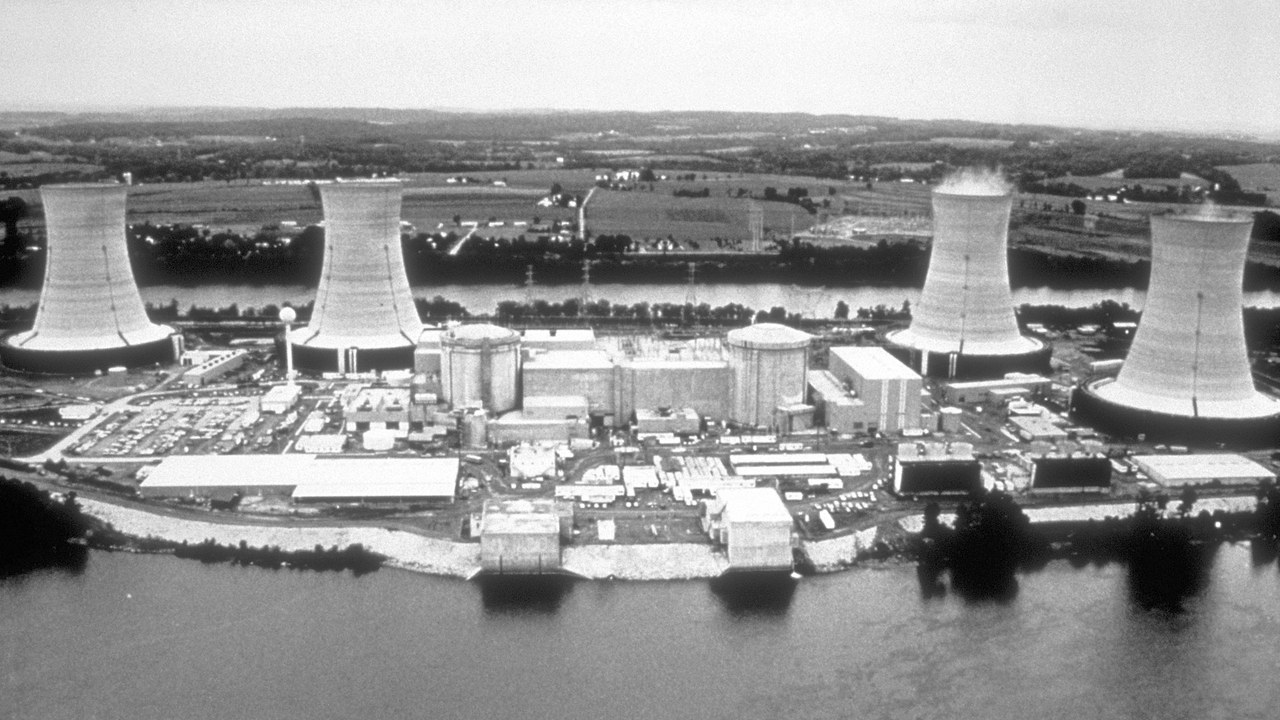
Cleaning up the damaged reactor took far longer than the accident itself. The record of the TMI-2 cleanup says work started in August 1979 and officially ended in December 1993, at a total cost of about $1 billion, the equivalent of about $2 billion in 2025.
Unit 1, which had been shut for refueling at the time, was restarted in 1985 and ran until its 2019 retirement for operating losses. Investigators found that the reactor vessel had held, containing the damaged fuel and nearly all of the radioactive isotopes in the core.
Federal Energy Regulatory Commission: The Regulator That Cleared a Shortcut
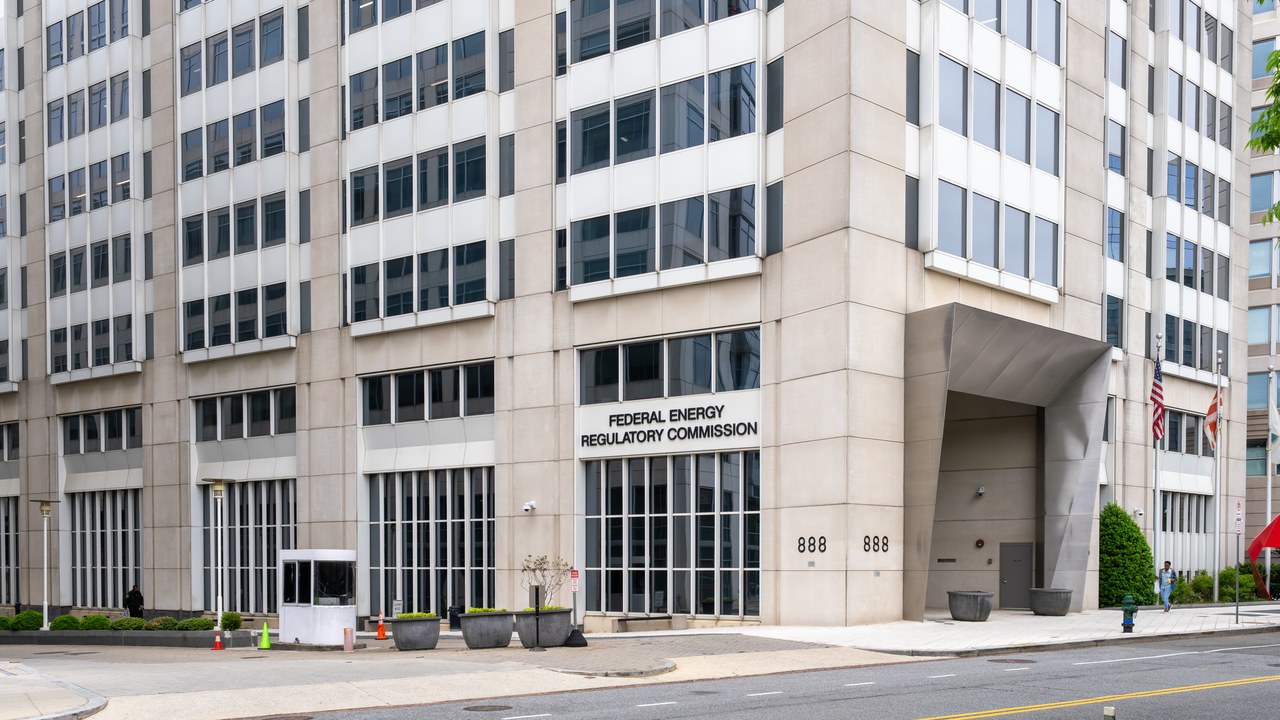
In June 2026, the Federal Energy Regulatory Commission approved a waiver that let Constellation move 760 MWe of capacity interconnection rights from its retiring Eddystone gas and oil plant near Philadelphia to the Crane Center. The ruling, reported by Nuclear Engineering International, addressed grid studies showing the plant could not fully deliver its output until 2031.
That delay came from required transmission upgrades, including hundreds of miles of new power lines. With the waiver, the restart timeline was separated from the backlogged grid queue, and the Nuclear Regulatory Commission separately issued a draft finding that the restart would have no significant environmental impact.
Crane Clean Energy Center grid delivery: Power Expected in 2027
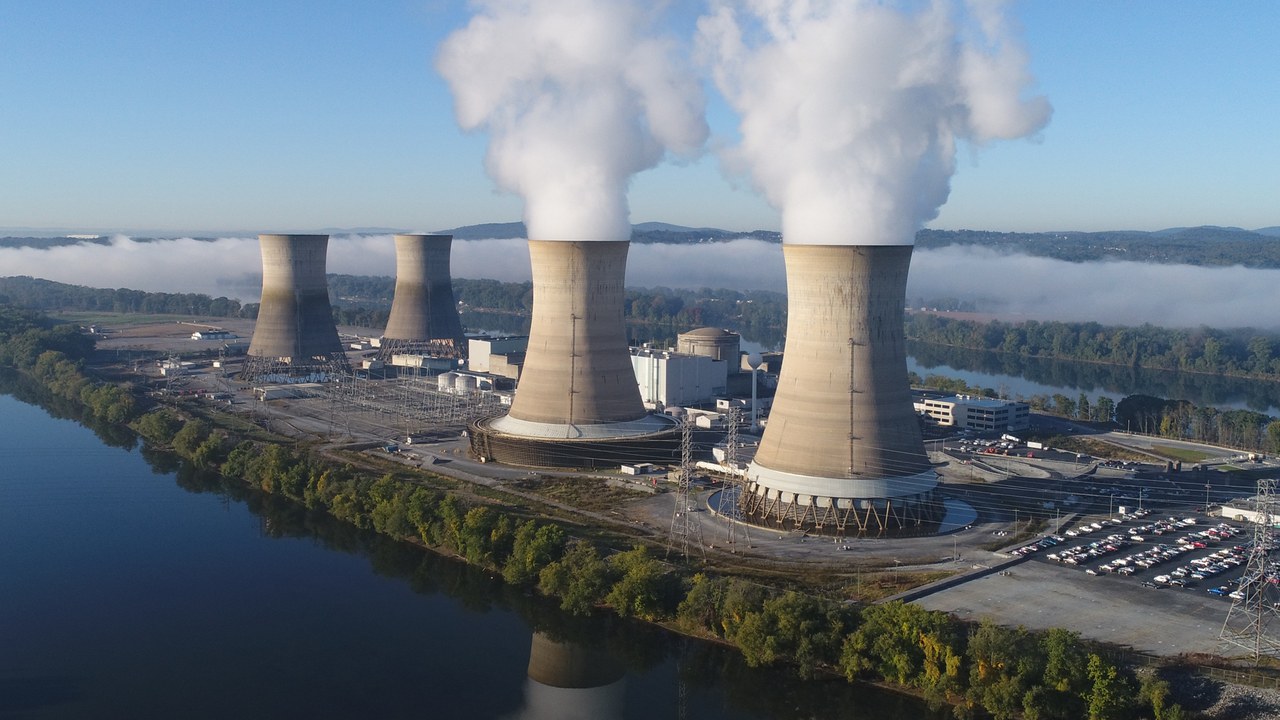
In its November 2026 earnings call, Constellation said the Crane restart remains on track for the second half of 2027, which chief executive Joe Dominguez described as ahead of schedule. The Nuclear Regulatory Commission issued its final environmental assessment and a finding of no significant impact in September.
Fuel assemblies and transformers are already on site, Dominguez said. The restart is part of a wider nuclear push at the company, which reported agreements for 1,165 MW of new nuclear capacity through planned uprates and a conditional Department of Energy loan of up to $5 billion.
More from Morning Overview
- New FCC rules on how people can stop robocalls and texts take effect Nov. 25
- Neanderthals in Spain carved a wooden object that matches nothing archaeologists have ever found
- The FAA wants $2.39 million from a flight school it says flew a Cessna about 280 times with an unapproved part
- A $1 billion gas plant planned for Superior, Wisconsin, has been abandoned
