
Forty years after reactor 4 exploded, the giant steel arch built to seal it away is itself a damaged structure. A drone strike in February 2025 punched through the New Safe Confinement, and engineers now say it may never be fully restored to its original design. These eight pictures follow the disaster, the abandoned zone around it and the shelter’s uncertain future.
Read next on Morning Overview: A $1 billion gas plant planned for Superior, Wisconsin, has been abandoned
Chernobyl New Safe Confinement: A Shield That Needs Saving
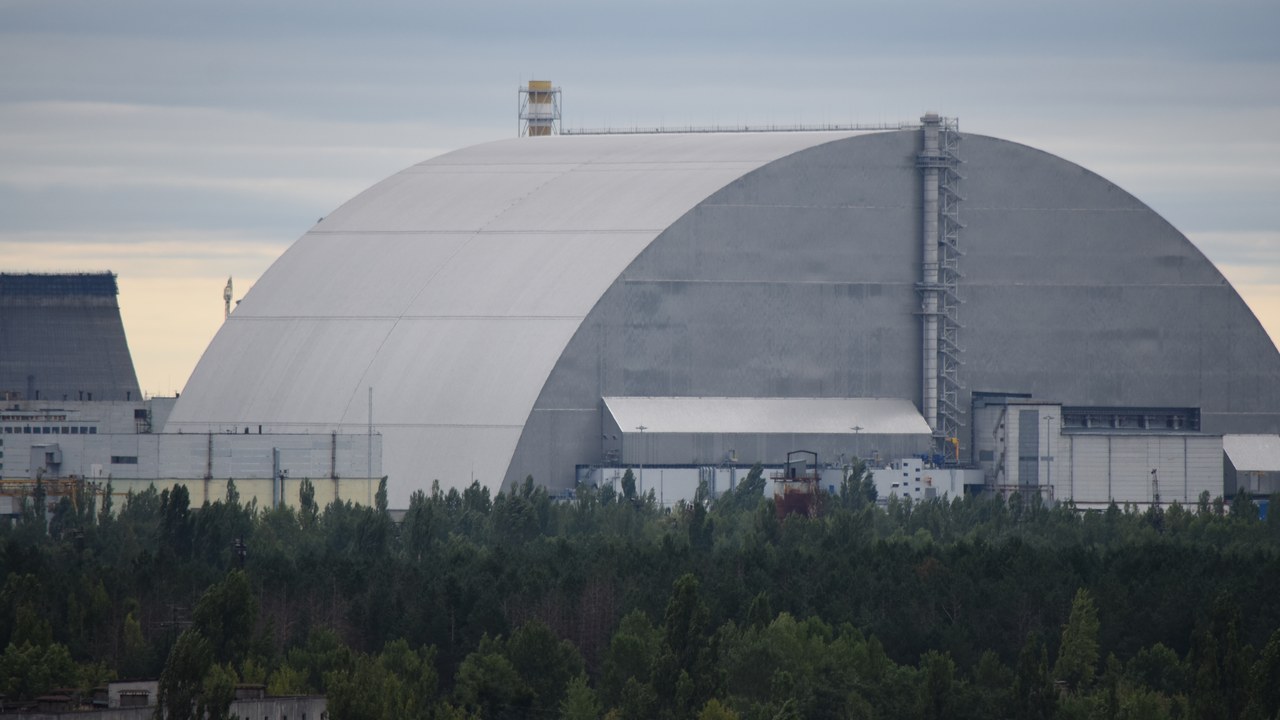
The New Safe Confinement, the arch over Chernobyl’s destroyed reactor 4, was damaged by a Russian drone strike on 14 February 2025. In April 2026 the plant and the European Bank for Reconstruction and Development signed a €30 million grant agreement to start early engineering and procurement work for its restoration, and the plant stresses that this is preparation, not the repair itself.
That work is planned in three stages over 18 months to assess the damaged systems and design repairs the regulator can approve. According to the EBRD, actual repair work might begin in 2028, with restoration tentatively scheduled for 2028 to 2030 at a preliminary cost of about €500 million.
Chernobyl Reactor No. 4: The Reactor That Exploded
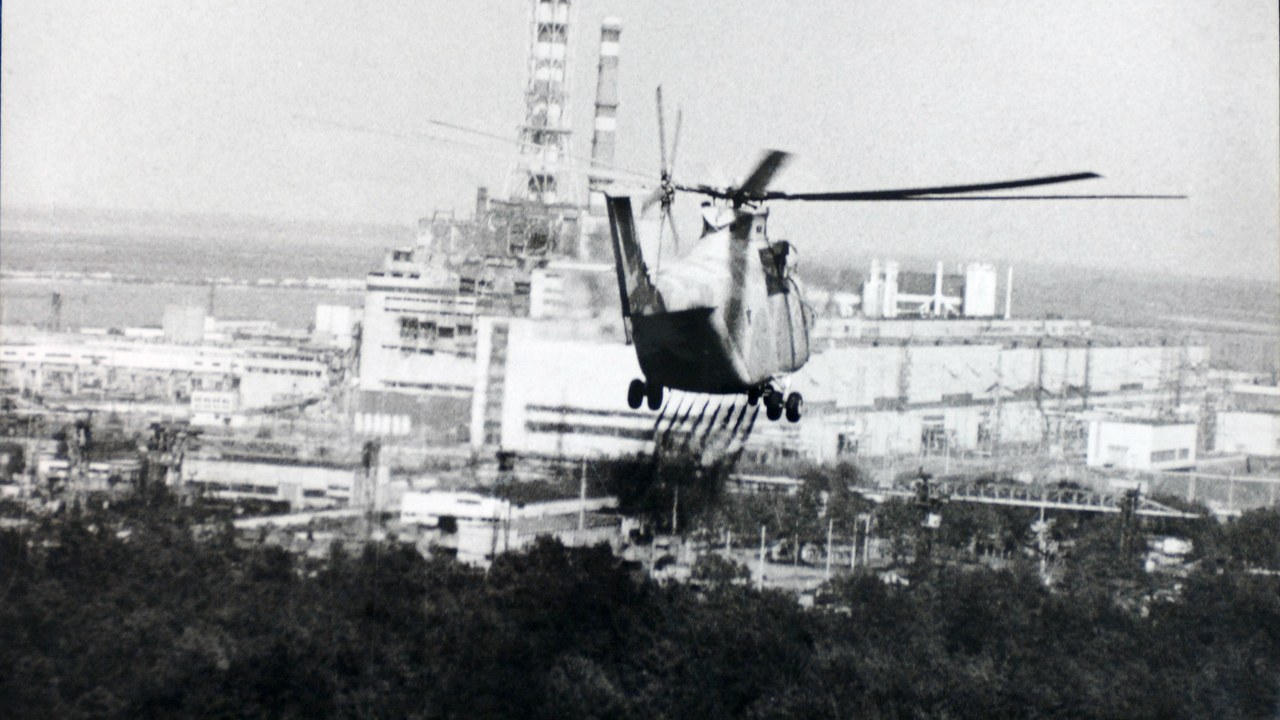
In the early hours of 26 April 1986, reactor 4 of the Chernobyl Nuclear Power Plant exploded during a test of its generator. The account of the Chernobyl disaster notes that it was an RBMK reactor with 1,661 individual fuel channels, cooled by water that needed about 42 million litres an hour for the whole reactor.
The test began at 01:23:04, and 36 seconds later an operator pressed the emergency AZ-5 shutdown button. Because the RBMK design had a positive void coefficient, steam bubbles in the coolant increased the reactor’s power instead of reducing it, a flaw that helped turn a routine test into a catastrophic power surge.
Pripyat: A City Emptied in Hours
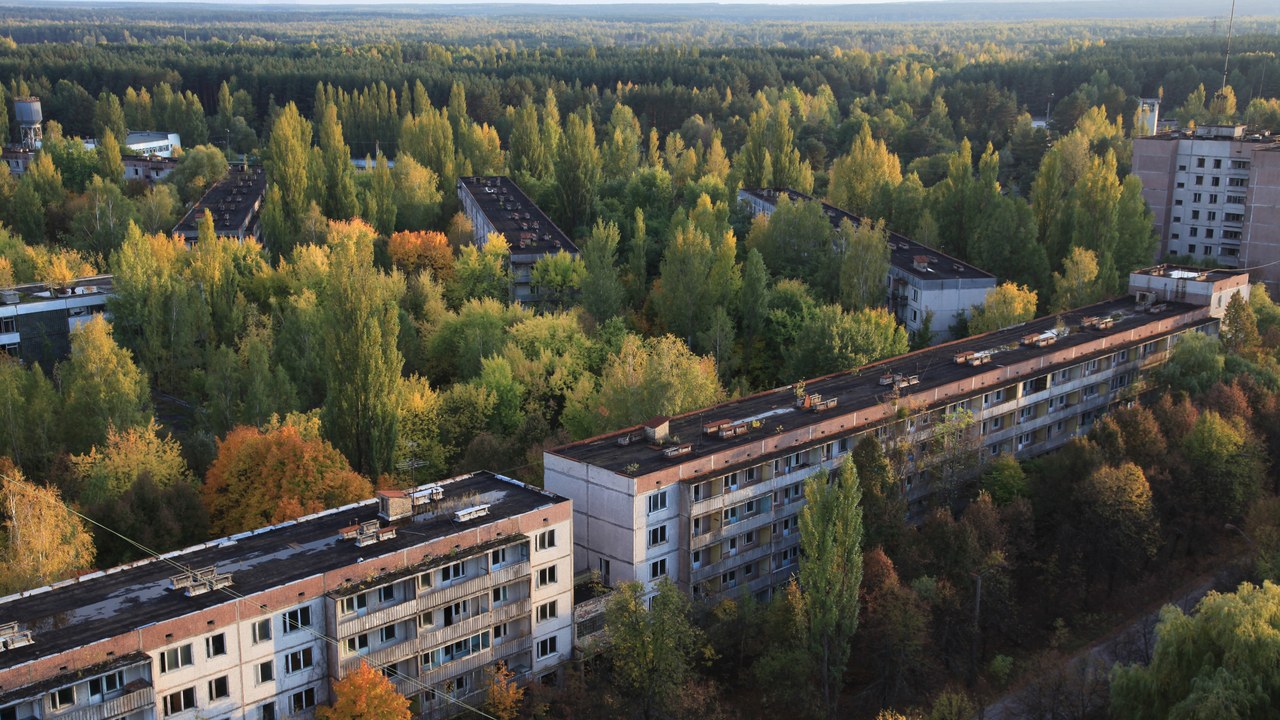
Pripyat, the city built for the plant’s workers, was ordered evacuated in the early daylight hours of 27 April 1986. The evacuation announcement told residents that from 14:00 each apartment block would have a bus at its disposal, and by 15:00 some 53,000 people had been moved to the Kiev region.
Residents were told to bring only essentials and that they would be gone for about three days. As a result, most personal belongings were left behind, and residents were allowed to recover certain items only after months had passed. The broadcast itself told listeners the move was temporary and that children were the top priority.
Red Forest: Trees Killed by Radioactive Dust
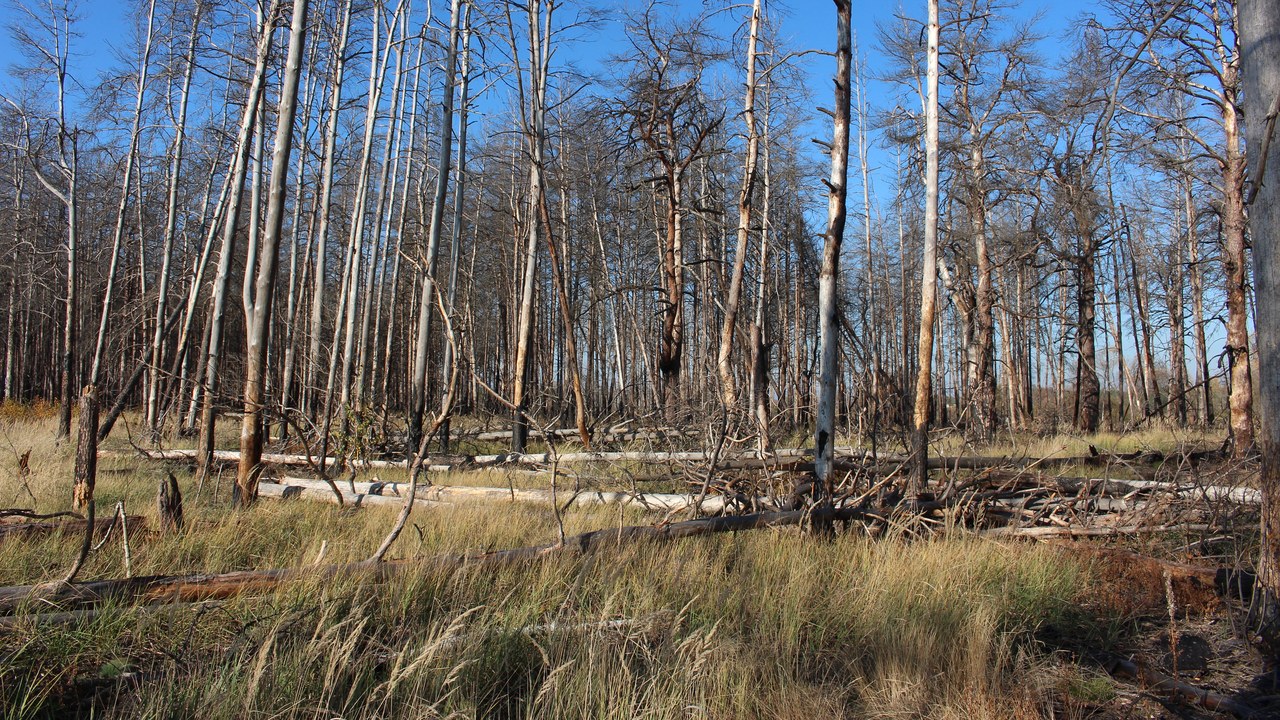
Near the plant, a dense cloud of radioactive dust killed a large area of Scots pine, and the rusty orange color of the dead trees gave the area its nickname, the Red Forest. The exclusion zone record calls it one of the world’s most radioactive places at the time.
To reduce the hazard, the Red Forest was bulldozed and the highly radioactive wood buried, but the soil still emits significant radiation. Birch trees in the same area survived, suggesting that plant species vary widely in their sensitivity to radiation. The wider zone now covers about 2,600 square kilometers in Ukraine.
Duga radar: The Russian Woodpecker
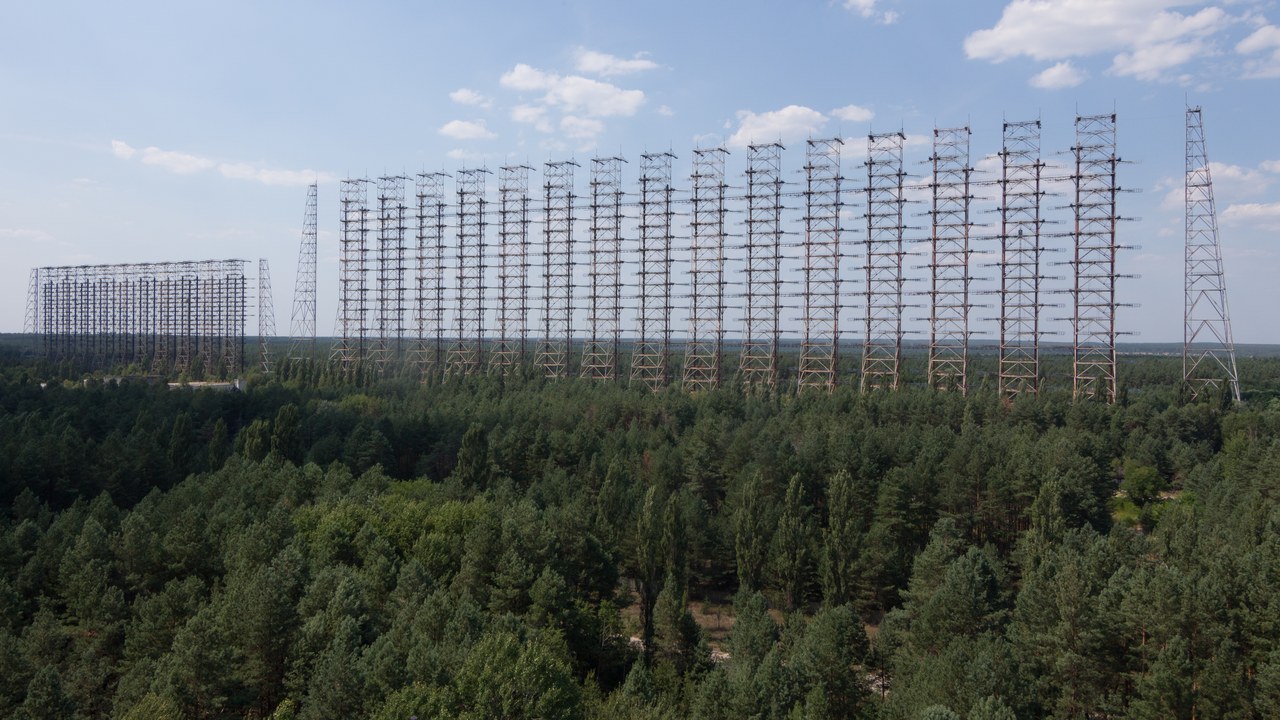
Inside the zone stands the Duga, a Soviet over-the-horizon radar used for missile early warning from July 1976 to December 1989. Its antenna array was 700 meters long and 150 meters tall, and NATO gave it the reporting name Steel Work or Steel Yard.
The system was extremely powerful, reaching more than 10 megawatts on shortwave bands. Listeners around the world nicknamed it the Russian Woodpecker for its sharp, repetitive tapping at 10 Hz, which disrupted broadcasts, aviation and amateur radio and drew thousands of complaints from many countries.
Przewalski’s horse: Wild Horses in the Fallout Zone
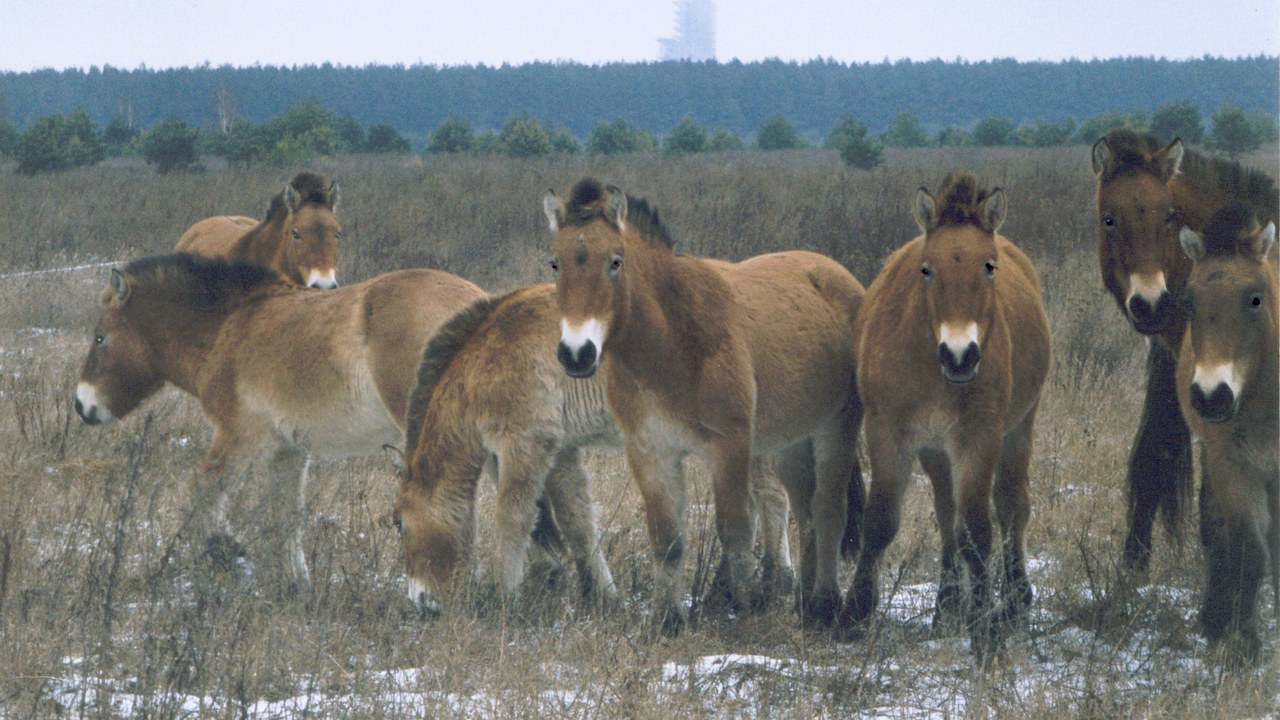
With people gone, wildlife moved in. The exclusion zone’s wildlife record says Przewalski’s horses, which are not native to the area, were introduced in 1998, and European bison also live there; camera traps have recorded lynx, and videos show brown bears, an animal not seen there for more than a century.
The horse population has reportedly fallen since 2005 because of poaching, and special game warden units now protect the animals. The effect of radiation on individual animals has not been studied, but the zone is considered a classic example of an involuntary park.
Chernobyl Nuclear Power Plant Unit 3: The Reactor That Kept Running
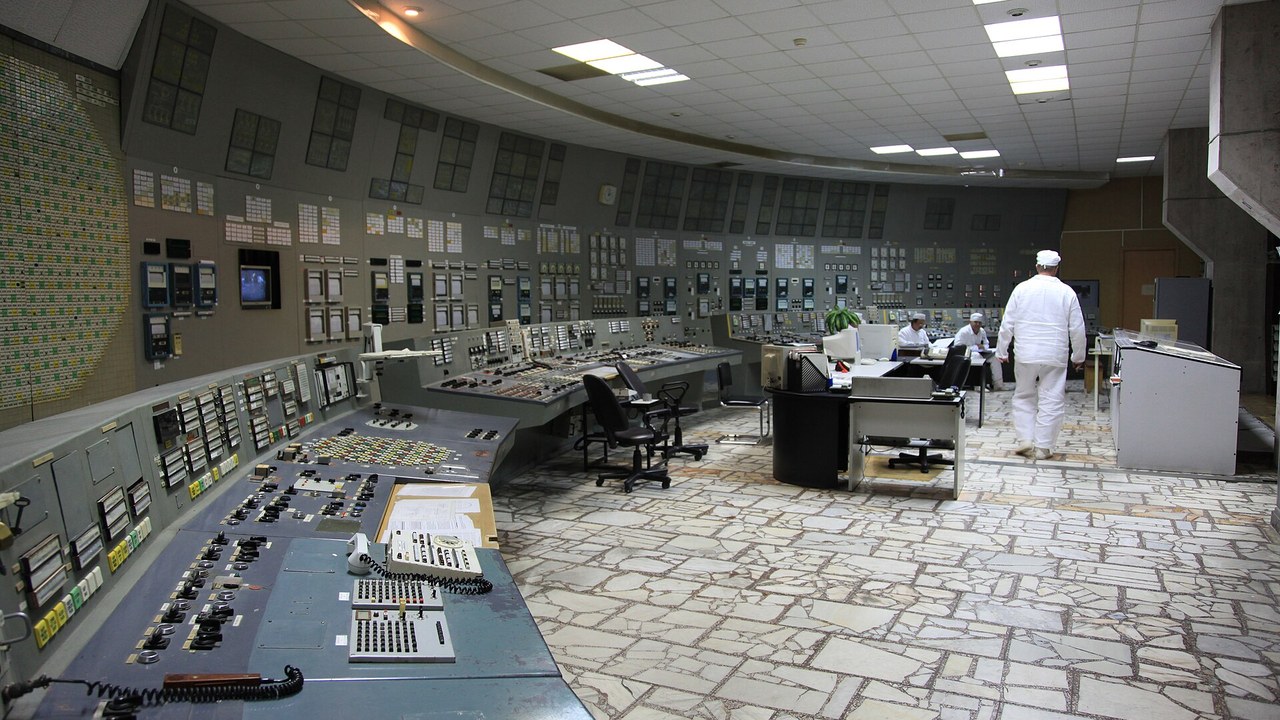
Chernobyl did not shut down after the 1986 disaster. Its other reactors kept producing power for years, and reactor 1 was decommissioned in November 1996 under a deal with the IAEA and other international organizations. According to the history of the plant’s closure, President Leonid Kuchma personally turned off reactor 3 in an official ceremony on 15 December 2000.
That switch-off shut down the entire site and ended power generation at Chernobyl more than 14 years after the explosion, even as the wrecked reactor 4 remained sealed inside its hastily built shelter.
Chernobyl Object Shelter: The 1986 Sarcophagus Underneath
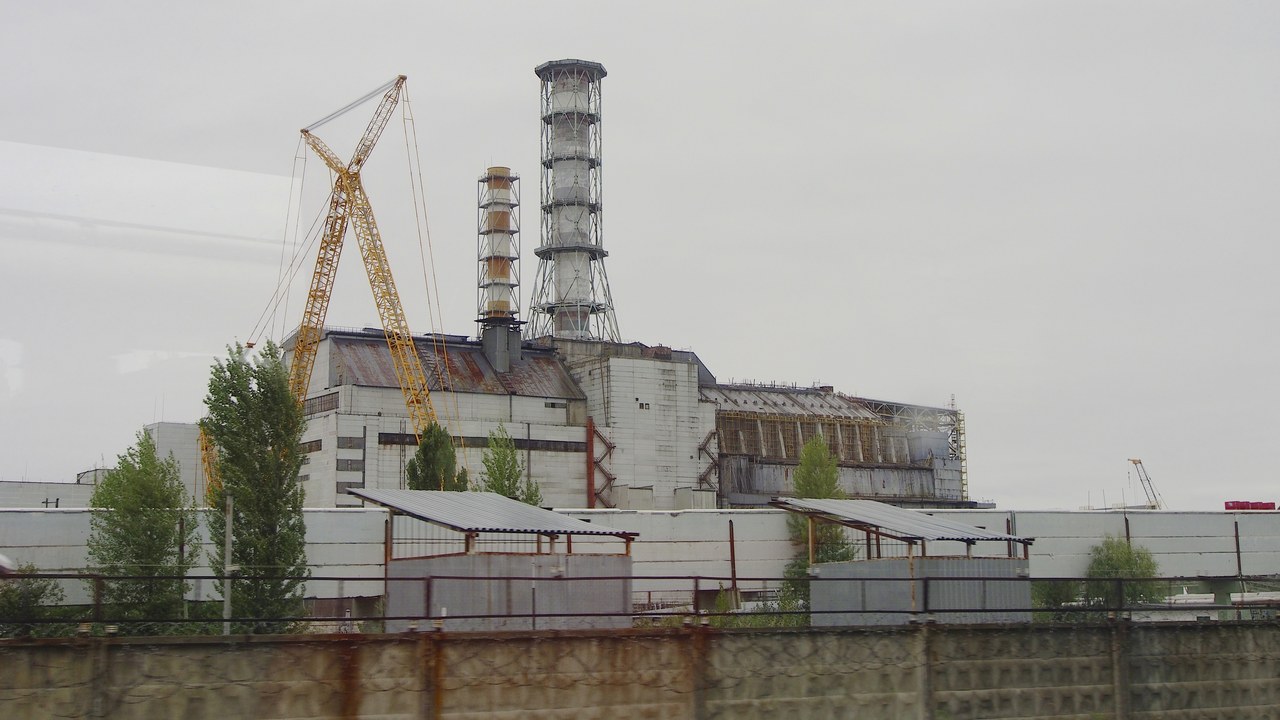
The shelter hastily built around reactor 4 in 1986 still sits beneath the arch and contains the reactor’s molten core and an estimated 200 tonnes of highly radioactive material. At a September 2025 IAEA meeting, the EBRD’s Steven White warned that full restoration of the damaged arch under its original design was unlikely and that “difficult choices lie ahead.”
The drone strike breached both layers of the arch’s cladding, and an IAEA official said it could no longer perform its confinement function, although radiation levels had not changed. Ukraine’s regulator added that plans to dismantle the unstable old shelter, once meant to be possible by 2023, are now impossible.
More from Morning Overview
- Zero Motorcycles unveiled an electric motorcycle targeted at under $8K and a street-legal dirt bike at EICMA
- New FCC rules on how people can stop robocalls and texts take effect Nov. 25
- Neanderthals in Spain carved a wooden object that matches nothing archaeologists have ever found
- The FAA wants $2.39 million from a flight school it says flew a Cessna about 280 times with an unapproved part
