
For decades, American aircraft carriers flung jets into the air with steam. The Navy’s newest carrier replaced that system with electromagnetic launchers and a new kind of arresting gear, and the change has been argued over ever since. These nine pictures show what the Navy built, how it performed and why steam is back in the conversation.
Read next on Morning Overview: Winter weather advisories cover I-80, I-70 and the Bighorns with up to 15 inches of snow
USS Gerald R. Ford: The Largest Warship Ever Built
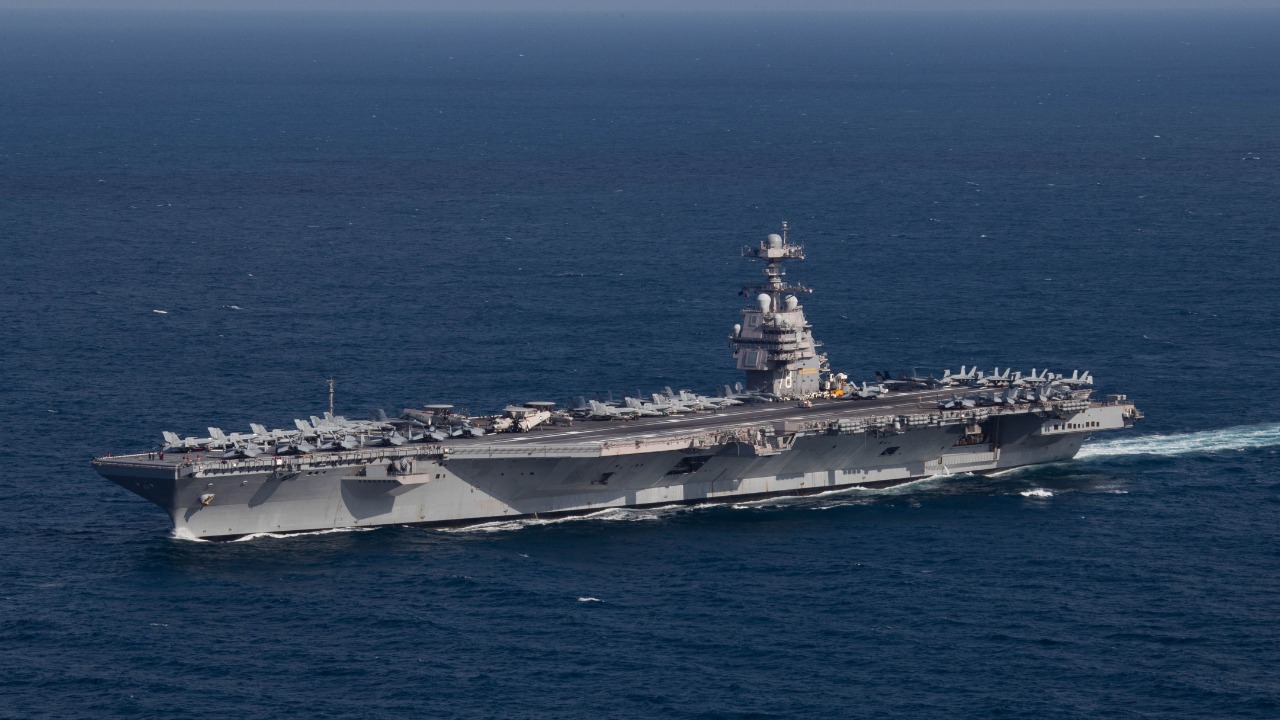
When she was commissioned on July 22, 2017, USS Gerald R. Ford was the world’s largest aircraft carrier and the largest warship ever constructed. She was delivered on May 31, 2017, two years later than the originally planned 2015, after years of testing delays.
Her service has been demanding. On May 16, 2026, Ford returned to Naval Station Norfolk after a deployment of 326 days, the second longest for an aircraft carrier behind USS Midway’s 332. From there she entered an extended maintenance period to fix plumbing problems that had troubled the ship and to repair damage from a fire on board in March.
Electromagnetic Aircraft Launch System: Launching Jets Without Steam
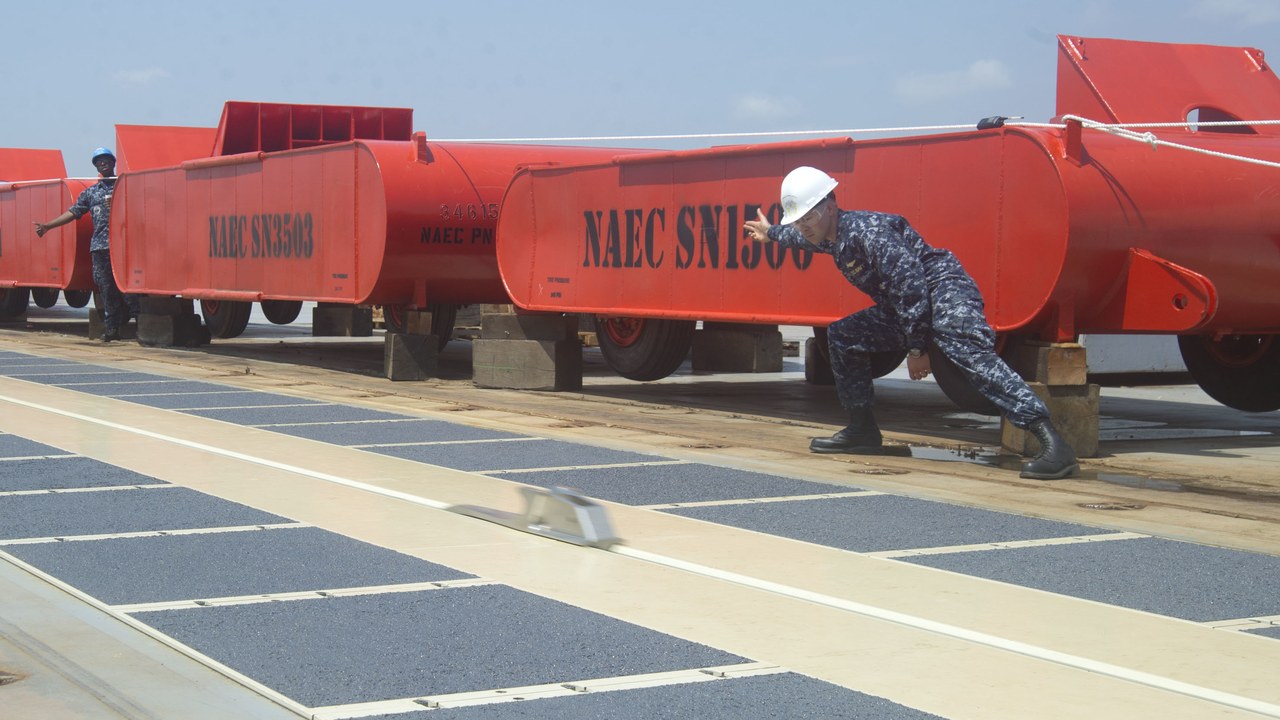
The Ford class replaced traditional steam catapults with the Electromagnetic Aircraft Launch System, which uses a linear induction motor rather than the steam piston on Nimitz-class carriers. It accelerates aircraft more smoothly, putting less stress on airframes, and can launch both heavier and lighter aircraft than steam.
It also weighs less, was expected to cost less and need less maintenance, and cuts the ship’s demand for fresh water. Not everyone is sold. In an August 2026 memo, President Donald Trump called for removing the system from future ships in the class, starting with USS Doris Miller. At a November 17 hearing, Senator Roger Wicker said “returning to steam is a nonstarter.”
Advanced Arresting Gear: Catching Jets With Electromagnets
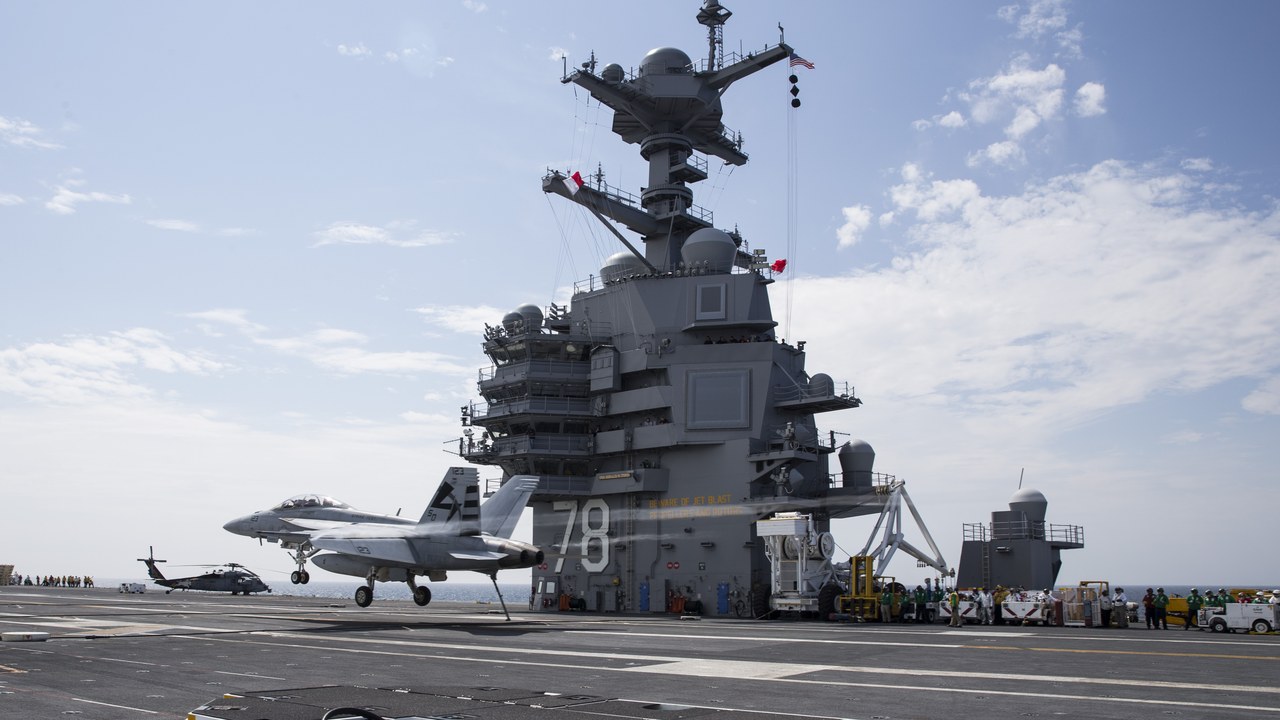
Recovery got the same rethink. The Advanced Arresting Gear uses electromagnets, with the energy of a landing jet absorbed under the control of a turbo-electric engine. The result is a smoother trap that reduces shock on the airframe.
The electric systems lean on a bigger power plant. Each Ford-class carrier has two A1B reactors providing at least 25 percent more power than the two reactors in a Nimitz-class ship, and the class is designed to generate triple the electrical power. Only half of the lead ship’s generating capacity is needed for currently planned systems, including the launch system, leaving reserves for future weapons such as lasers.
F/A-18F Super Hornet: The First Launch and Landing
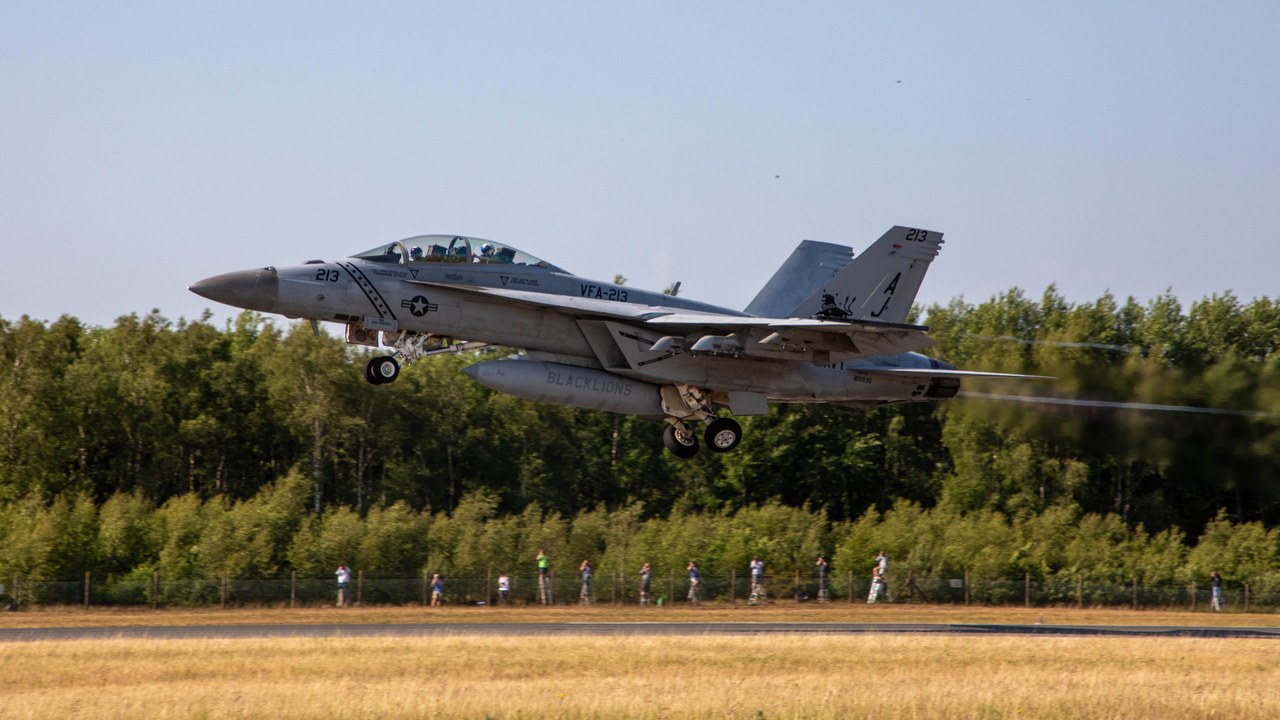
The new systems got their first real test days after commissioning. On July 28, 2017, Air Test and Evaluation Squadron 23 performed the first arrested landing and catapult launch from Gerald R. Ford, flying an F/A-18F Super Hornet.
Ford’s construction stretched back years before that milestone. A ceremonial steel cut for a 15-ton plate in August 2005 began the work, the keel was laid in November 2009 and the ship was christened in November 2013. In June 2021, she survived a full-ship shock trial off Florida, with about 40,000 pounds of explosives detonated underwater to prove she could withstand battle conditions.
Carrier Strike Group 12: A Strike Group Built Around the Ford
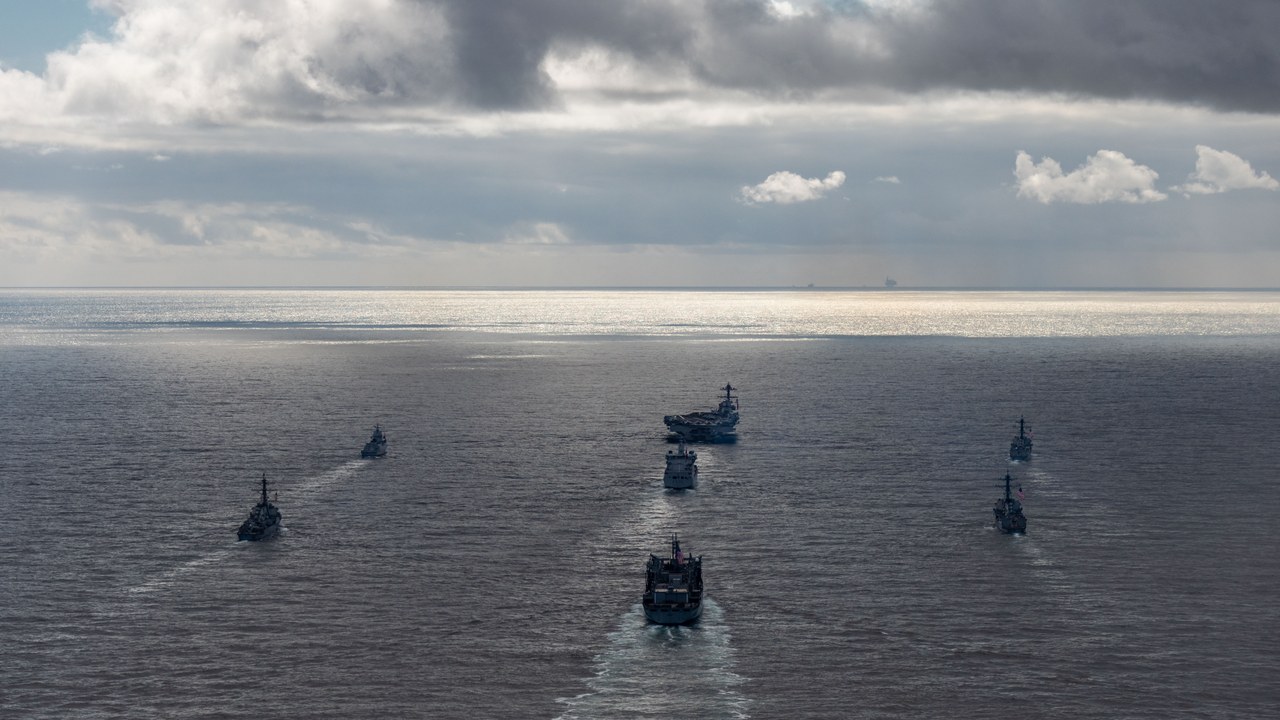
Ford sails at the center of Carrier Strike Group 12. On her inaugural deployment in late 2022, the group included Carrier Air Wing 8, the cruiser Normandy and destroyers from Destroyer Squadron 2, operating with NATO allies across the Atlantic.
Her first full-length deployment, from May 2023 to January 2024, was upended by events. The day after the Hamas attack on Israel in October 2023, the defense secretary sent the strike group to the eastern Mediterranean. By the time Ford returned to Norfolk she had spent 239 days away, conducted more than 10,396 sorties and sailed more than 83,000 nautical miles.
Newport News Shipbuilding: The Only Yard That Builds Carriers
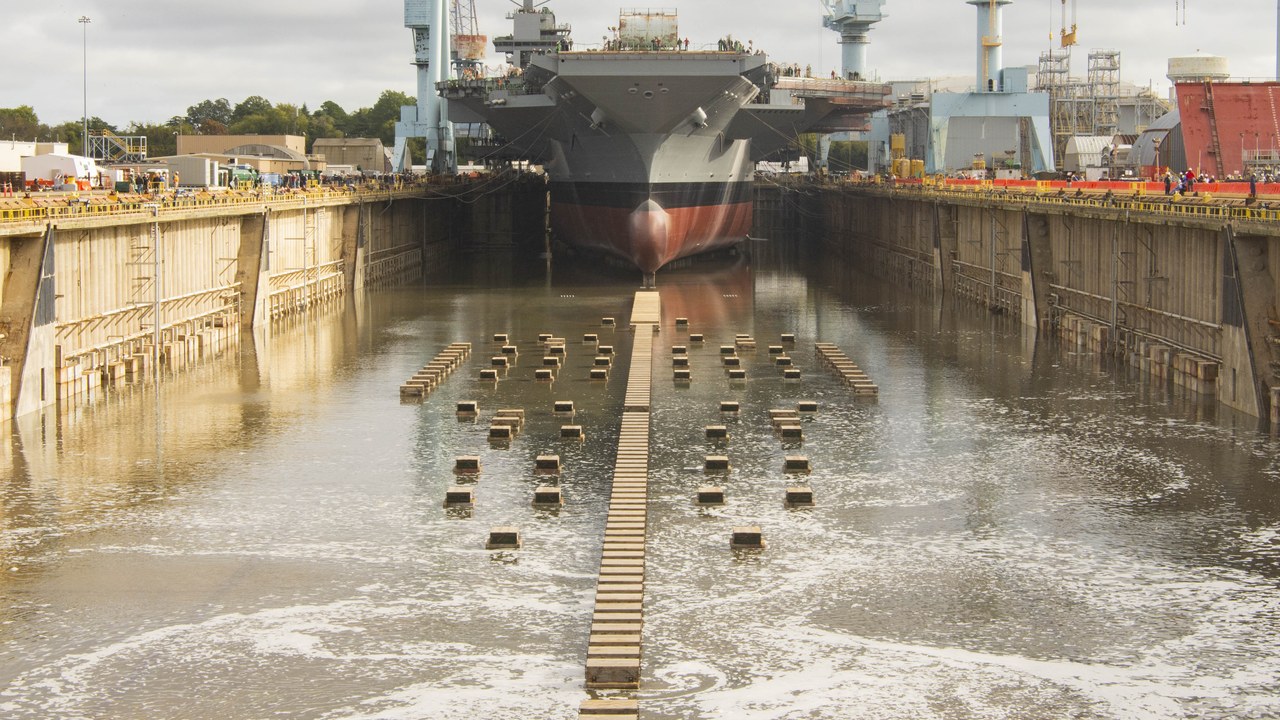
Newport News Shipbuilding, a division of Huntington Ingalls Industries in Virginia, is the sole designer, builder and refueler of the U.S. Navy’s aircraft carriers. Founded in 1886 as the Chesapeake Dry Dock and Construction Co., it has built more than 800 ships on a site spanning more than 550 acres.
Its work covers both ends of a carrier’s life. The yard is building the Ford-class Enterprise, it began deactivating the earlier nuclear carrier Enterprise in 2013, and it handles the four-year refueling and complex overhauls of Nimitz-class carriers. On September 30, 2026, USS Harry S. Truman entered dry dock for its overhaul, at an estimated cost of $5.1 billion.
Norfolk Naval Shipyard: The Navy’s Oldest Shipyard
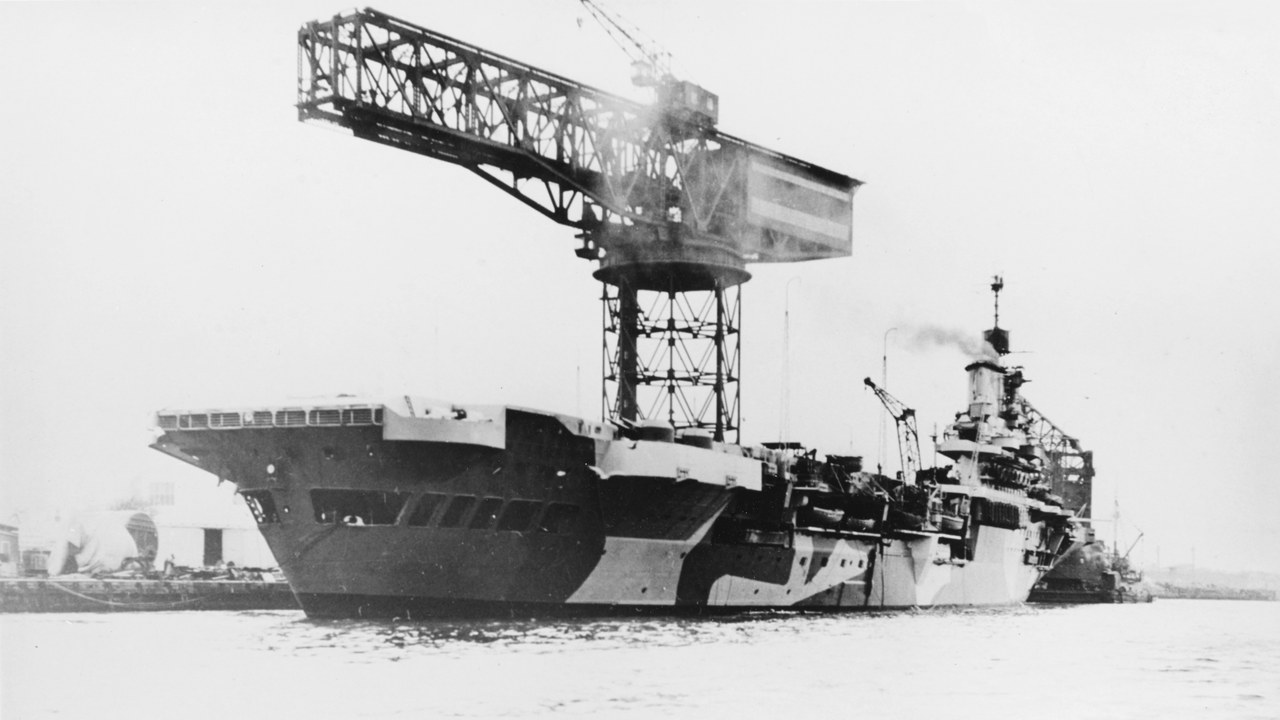
Big repairs fall to yards like Norfolk Naval Shipyard in Portsmouth, Virginia, the oldest and largest industrial facility belonging to the U.S. Navy. It was founded in 1767 as Gosport Shipyard and in the 1830s became home to the first operational dry dock in the United States.
It has been burned and rebuilt twice, during the Revolutionary War and again in 1862, when it took its current name. At its peak during World War II, it employed 43,000 people and repaired 6,850 vessels. Today it provides repair and modernization work for the Navy’s fleet.
USS Dwight D. Eisenhower: The Steam Carrier Ford Will Replace
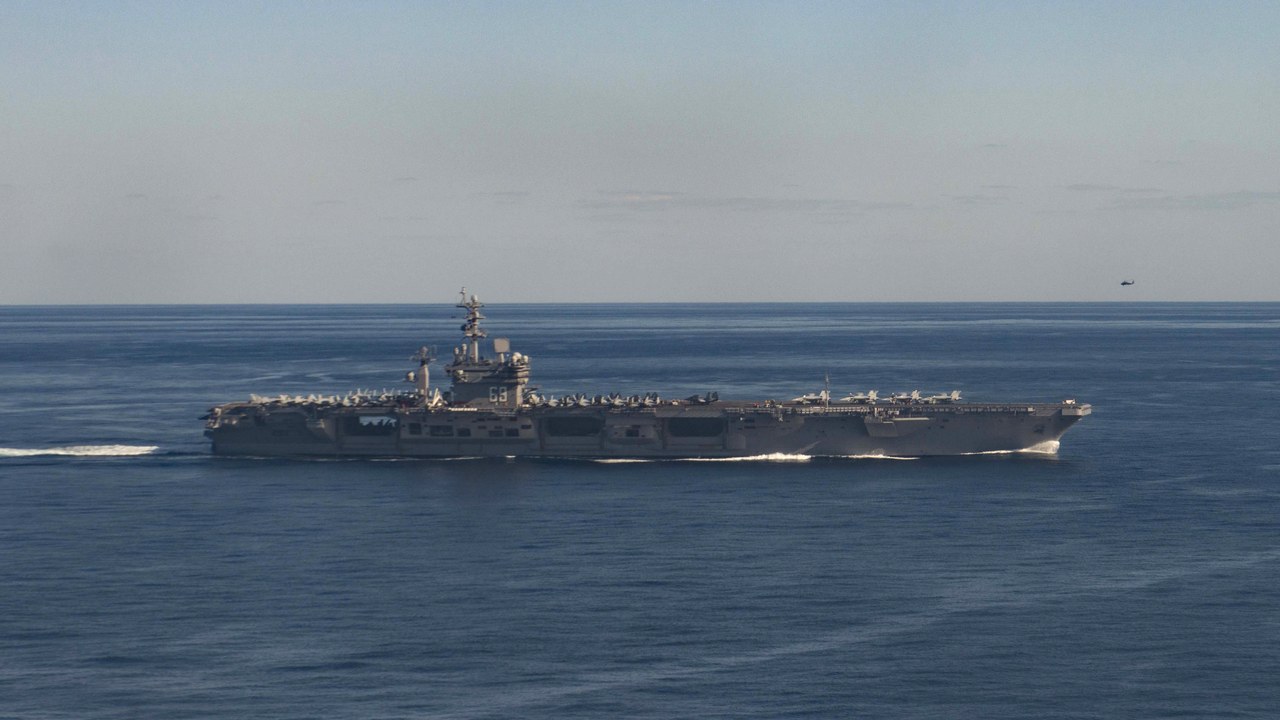
USS Dwight D. Eisenhower shows what came before. Commissioned in 1977, she is the second of ten Nimitz-class aircraft carriers and was built at Newport News at a cost of $679 million, about $5.6 billion in 2025 dollars.
She remained a front-line ship nearly half a century later. In late 2023 she joined Ford in the eastern Mediterranean, and in the Red Sea she shot down drones and missiles fired from Yemen before returning to Norfolk in July 2024 after a nine-month combat deployment. Eisenhower is scheduled to be replaced around 2029 by the new Ford-class Enterprise.
USS John F. Kennedy (CVN-79): The Second Ford Is at Sea
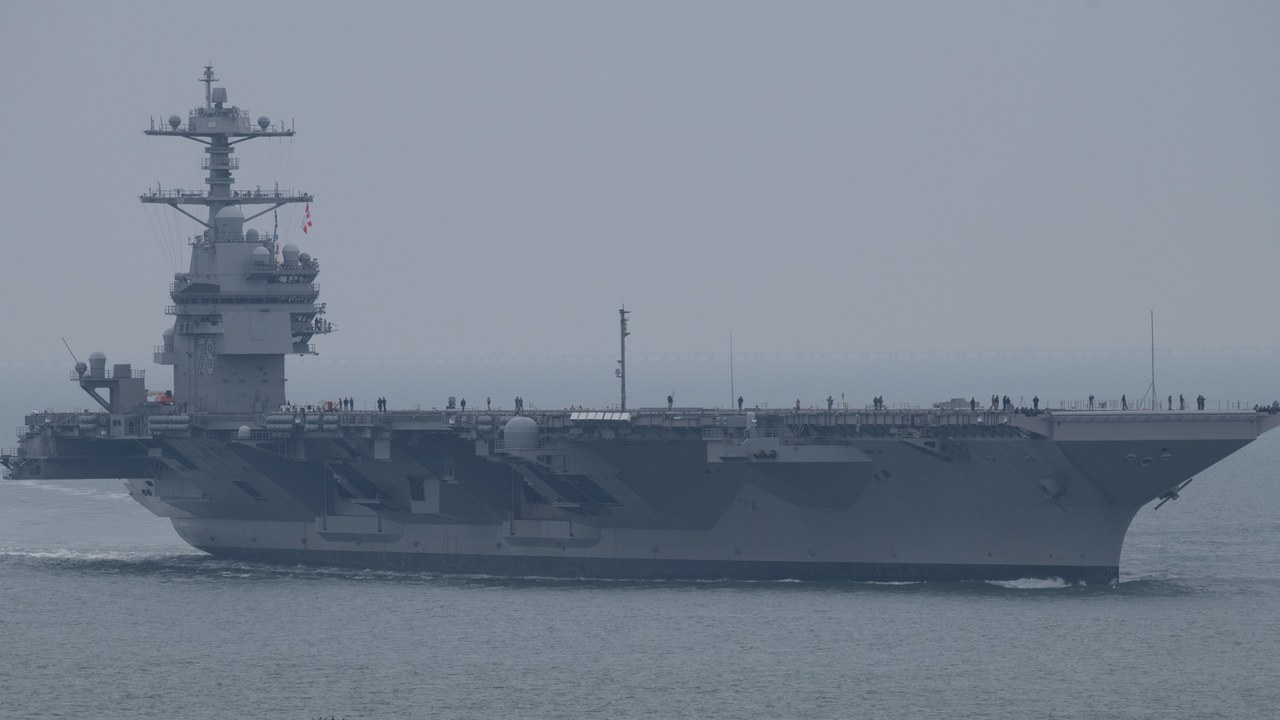
The second ship of the class, USS John F. Kennedy, was launched on October 29, 2019, and is in sea trials, with commissioning expected in 2027. She is scheduled to replace USS Nimitz, the first ship of the previous class.
Kennedy brings changes of her own. Starting with her, the Navy swapped Ford’s dual-band radar for the cheaper AN/SPY-6(V)3, which cost about $180 million per unit against roughly $500 million. The class is designed to launch 25 percent more sorties than Nimitz carriers and run with about 2,600 sailors, roughly 700 fewer.
More from Morning Overview
- Two Kentucky residents died when a small plane crashed at Missouri’s Lake of the Ozarks, and the NTSB is investigating
- A handful of car transmissions are so tough that mechanics say they almost never die
- Melting permafrost is setting off a newly identified kind of catastrophic landslide, scientists say
- Cadillac cut the price of its cheapest EV, which goes up to 317 miles on a charge
