
Most rocks from space burn up long before they reach the ground, and most of those that survive are never found. A few became famous for their size, their age or the trouble they caused when they landed. Here are fifteen famous meteorites and where they landed on Earth, from a 66-ton slab in Namibia to a fireball over Russia.
Read next on Morning Overview: Cadillac cut the price of its cheapest EV, which goes up to 317 miles on a charge
1. Hoba Meteorite: The Heaviest Ever Found
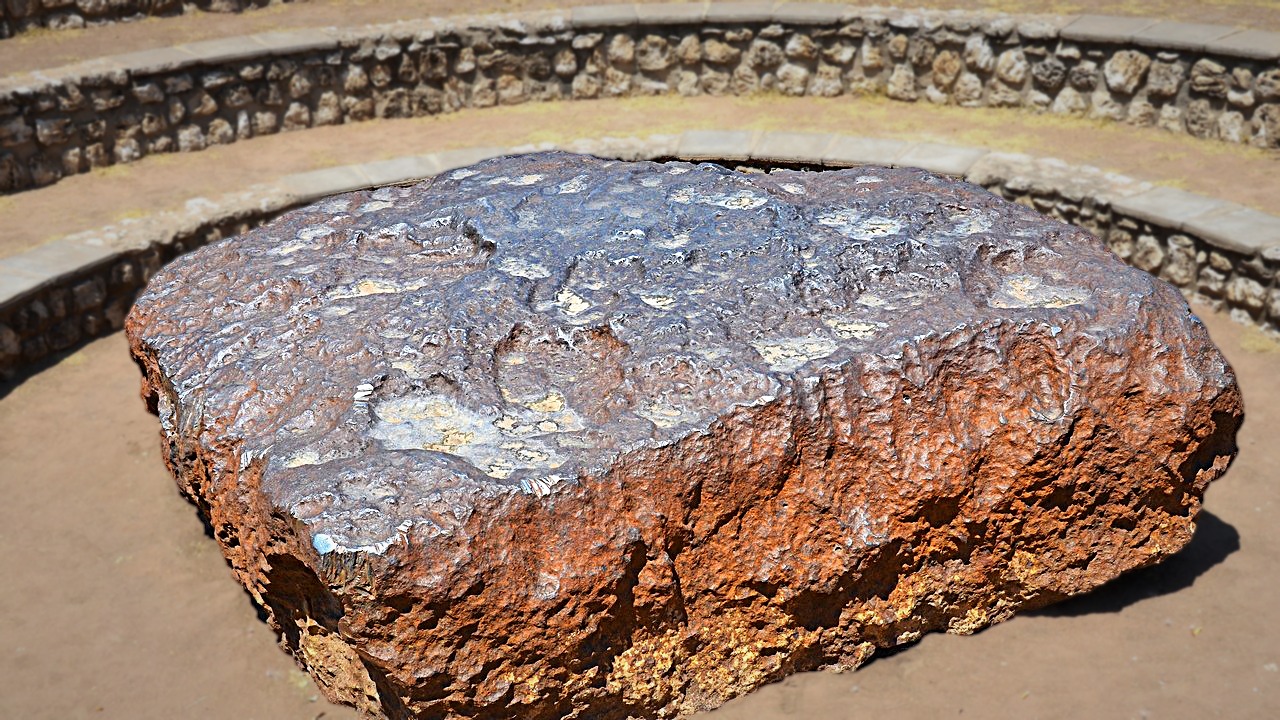
The Hoba meteorite is the largest known meteorite on Earth, weighing an astonishing 66 tons. It was discovered in 1920 on a farm near Grootfontein, Namibia, but likely fell about 80,000 years ago.
Remarkably, it left no crater. Scientists think it entered the atmosphere at a very shallow angle and slowed down before landing. It has never been moved and is now protected as a Namibian national monument.
2. Cape York Meteorite: The Great Irons of Greenland
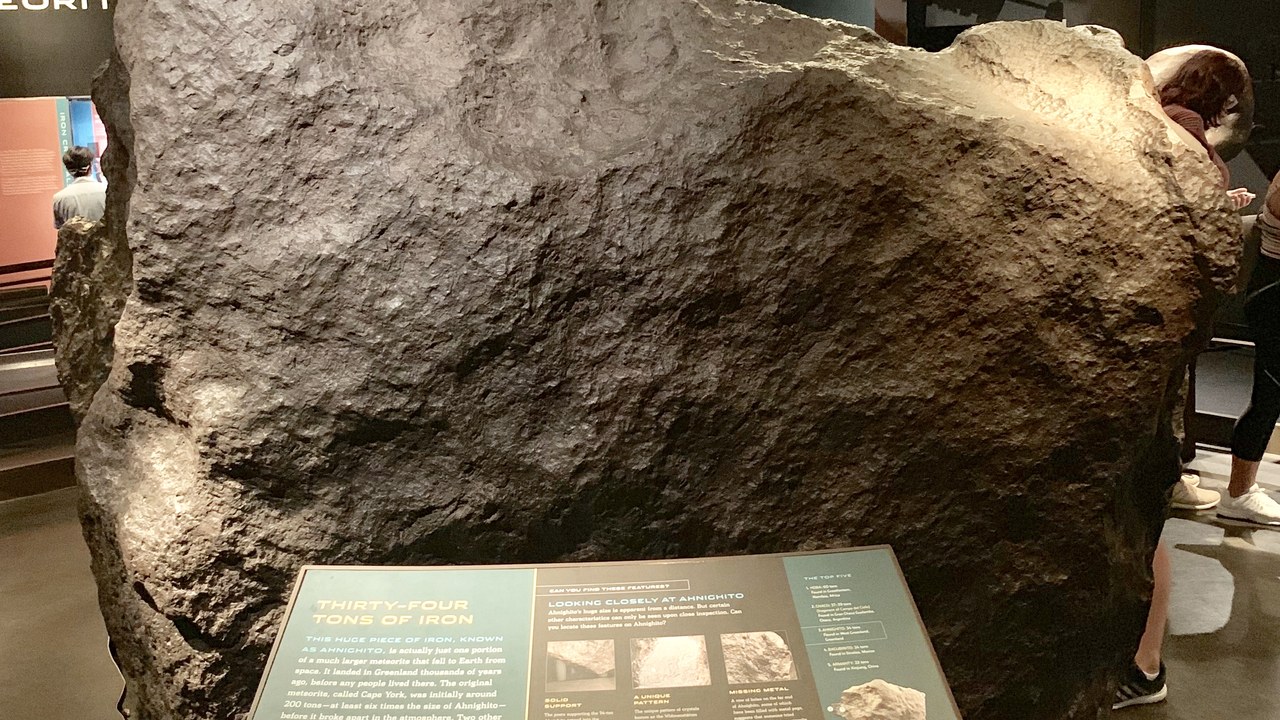
The Cape York meteorite is one of the largest known iron meteorites. At least eight large fragments with a total mass of 58 tonnes have been recovered in northern Greenland, the largest weighing 31 tonnes.
For centuries the local Inughuit used it as a source of iron for tools, and later Inuit called the fragments Saviksue, the Great Irons. The meteorite is named after Cape York, near where the first fragments were found.
3. Campo del Cielo: The Field of Craters
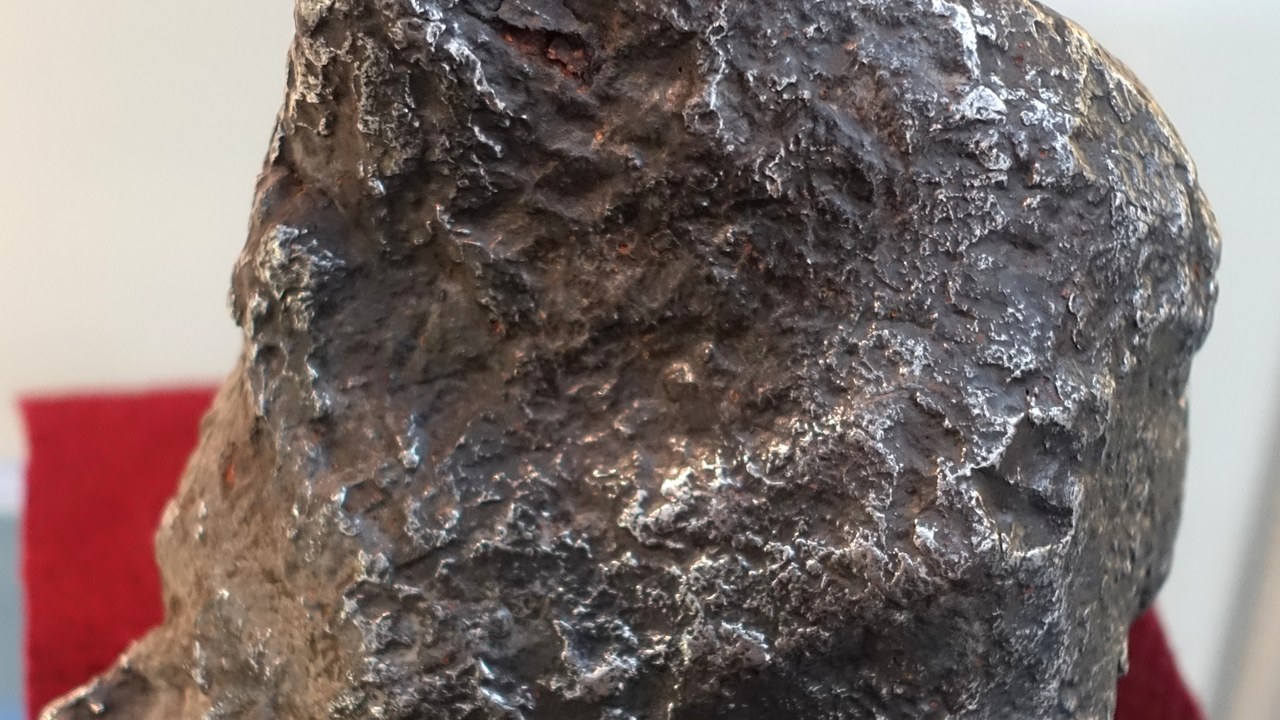
Campo del Cielo is a meteorite crater field in northern Argentina, straddling the provinces of Chaco and Santiago del Estero. It covers 18.5 by 3 kilometers and holds at least 26 craters.
The craters are estimated to be four to five thousand years old. A 1783 expedition used explosives to dig around one huge iron mass and dismissed it as worthless, but samples sent to London proved to be 90 percent iron and 10 percent nickel.
4. Canyon Diablo Meteorite: The Rock That Made Meteor Crater
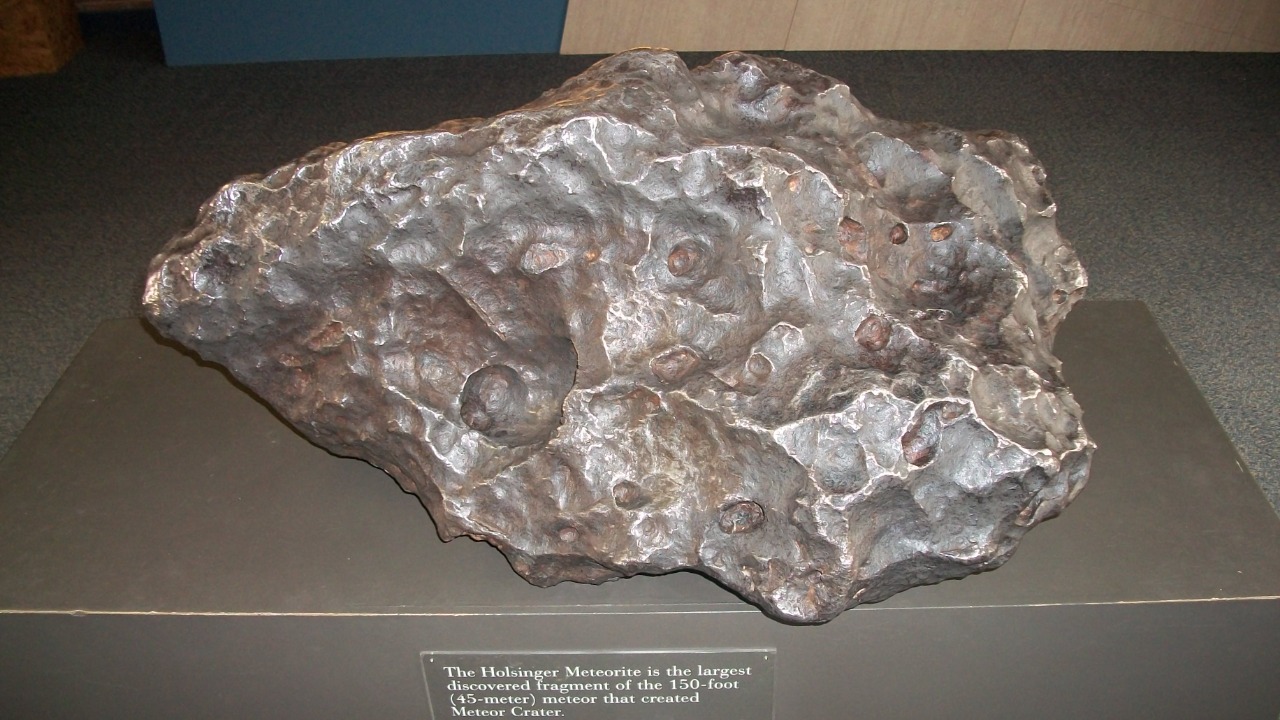
Canyon Diablo meteorites are fragments of the impactor that created Meteor Crater in Arizona when it struck about 50,000 years ago. They were named in 1891 after the nearest post office.
Prehistoric Native Americans knew and used the pieces long before scientists began collecting them in the 19th century. The crater itself sat at the center of a long dispute over whether such craters were made by impacts or volcanoes.
5. Gibeon Meteorite: Iron for Spearheads
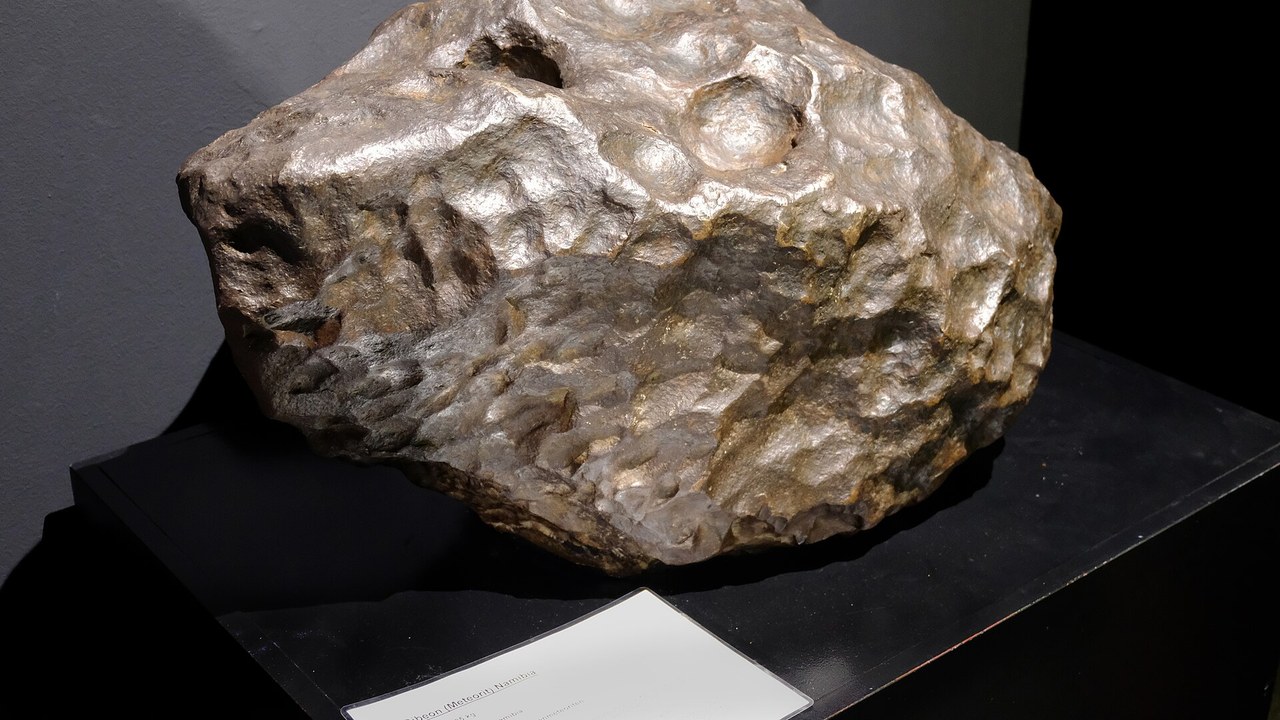
The Gibeon meteorite fell in prehistoric times in what is now Namibia and is named after the nearby town of Gibeon. The Nama people discovered it and used it to make tools and weapons, including spearheads.
In 1836, an English captain sent samples to London, where John Herschel analyzed them and confirmed for the first time that the material came from space.
6. Willamette Meteorite: The Sacred Visitor
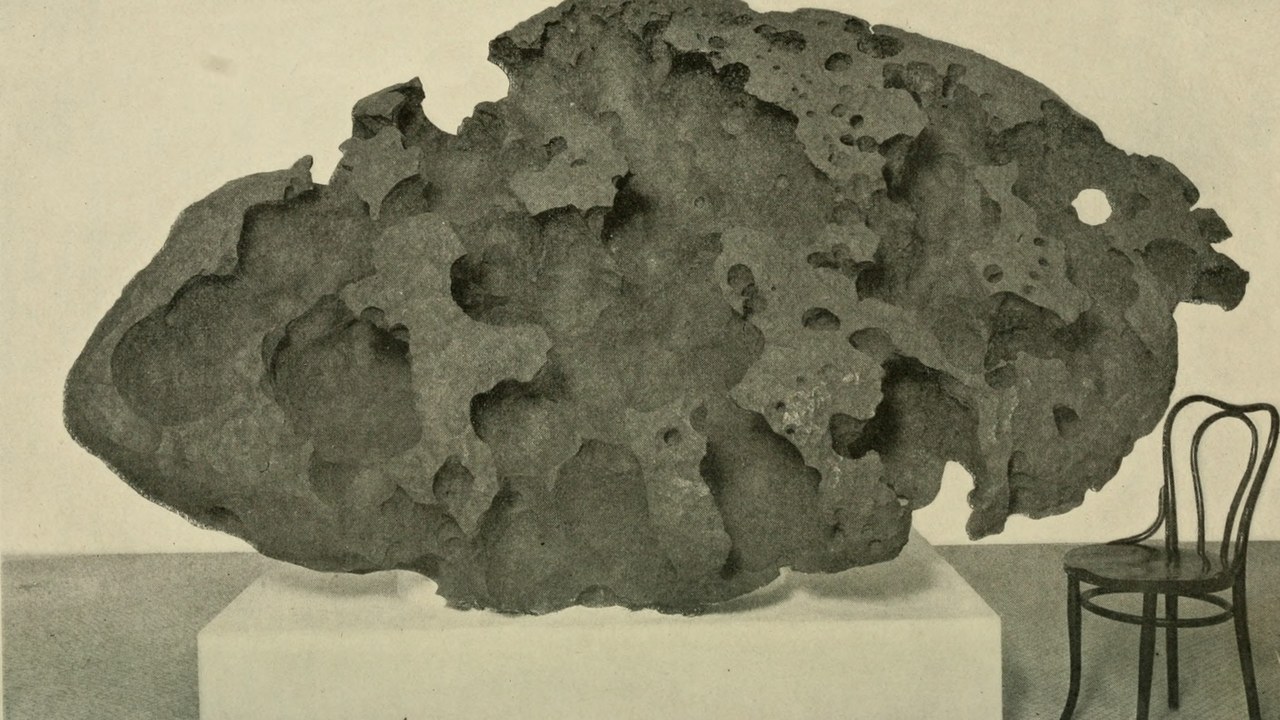
Found in 1902 near West Linn, Oregon, the Willamette Meteorite weighs about 15.5 tons, the largest meteorite found in the United States and the sixth-largest in the world.
The Clackamas people knew it for centuries before European settlers arrived, calling it Tomanowos and treating it as sacred. It now stands in New York’s American Museum of Natural History, where the Clackamas still hold annual ceremonies.
7. Mbozi Meteorite: Kimondo of Tanzania
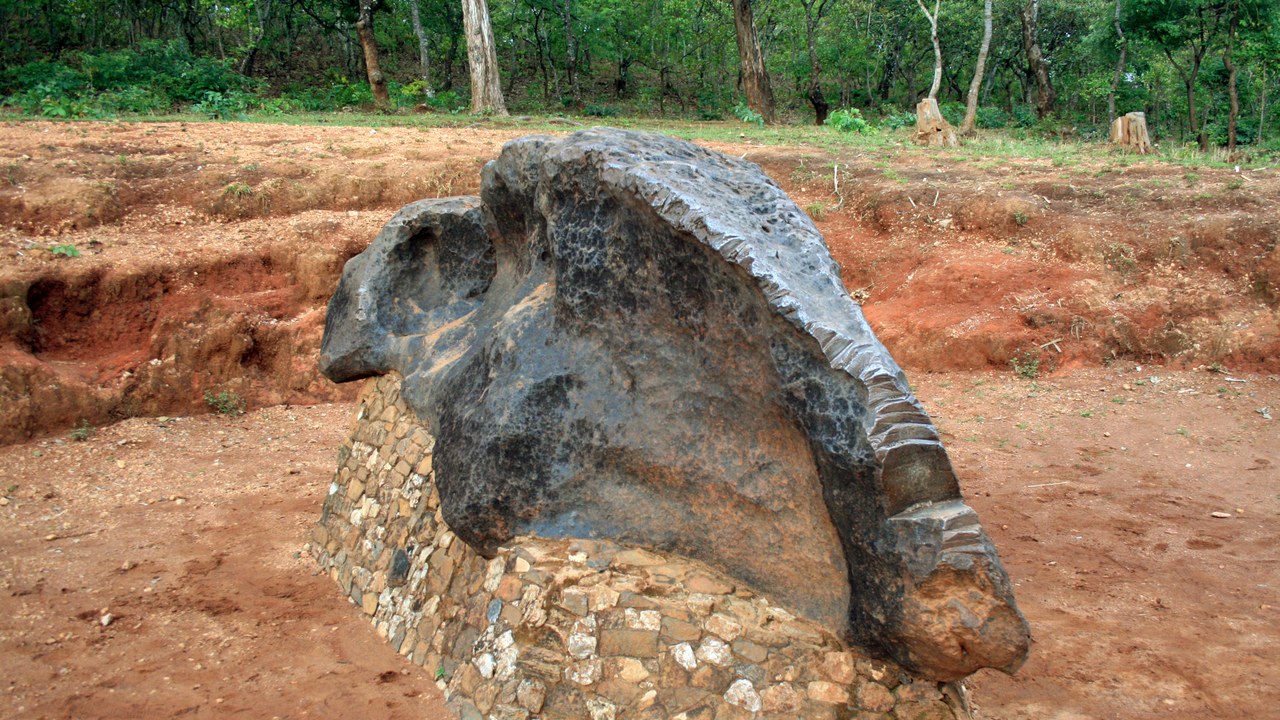
The Mbozi meteorite is an iron meteorite in Tanzania’s southern highlands, near the city of Mbeya. It is 3 meters long, 1 meter high and weighs an estimated 16 metric tons.
It ranks somewhere between the fourth- and eighth-largest meteorites in the world. Locals had long known it as kimondo, but outsiders learned of it only in the 1930s. It takes its name from Mbozi District in the Mbeya region.
8. Ensisheim Meteorite: Europe’s Oldest Saved Fall
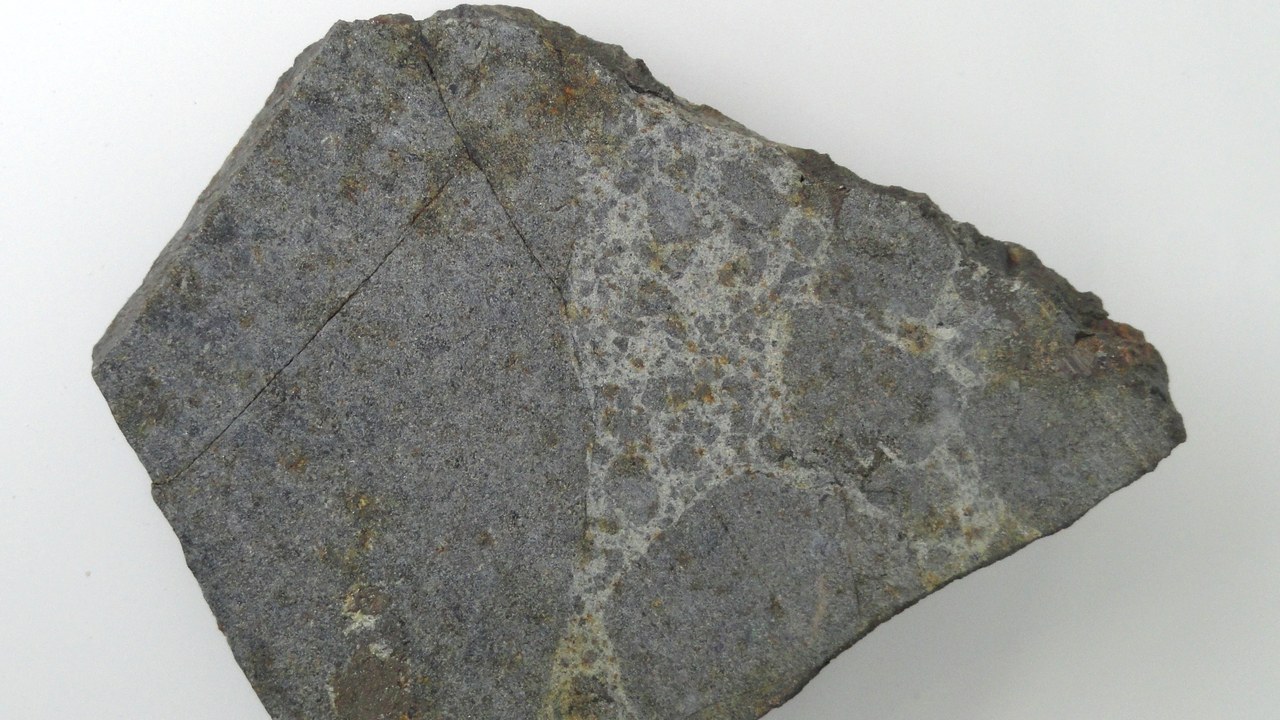
The Ensisheim meteorite fell on November 7, 1492, in a wheat field outside the walled town of Ensisheim in Alsace, now part of France. It is the oldest recorded European stony fall with material still preserved.
The 127-kilogram stone punched a hole about a meter deep. It was described as triangular in shape, and it is an ordinary chondrite. Visitors can still see it in Ensisheim’s 16th-century Musée de la Régence.
9. Sikhote-Alin Meteorite: A Storm of Shrapnel
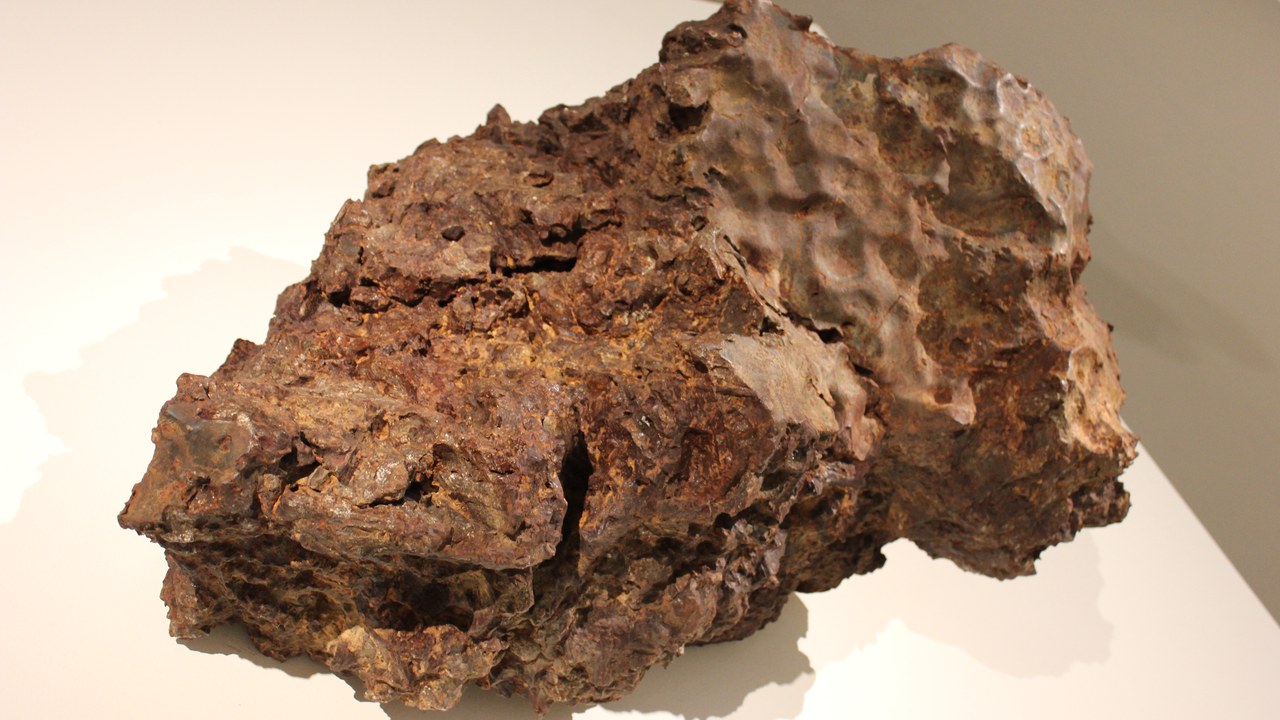
On 12 February 1947, a metal meteoroid weighing around 100,000 kilograms exploded over Russia’s Sikhote-Alin mountains with a deafening boom. The ground below was peppered with jagged fragments of metal.
Some pieces blasted out craters, while others lodged in trees. Around 23 tonnes of material has since been recovered, some as rounded nuggets with thumbprint-like marks and some as twisted shards that look like bomb shrapnel.
10. Allende Meteorite: Older Than the Solar System
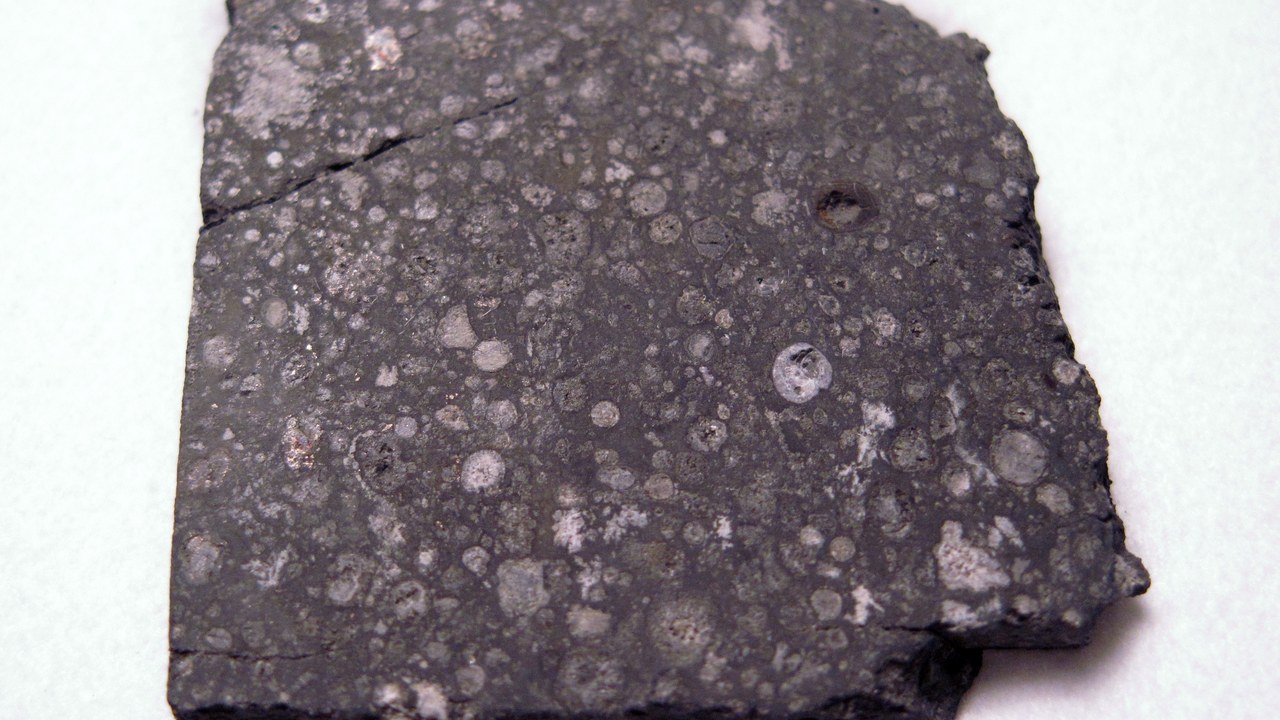
On 8 February 1969, a shower of dark rocks fell near the Mexican town of Pueblito de Allende, scattered over 150 square kilometers. They were pieces of a car-sized meteoroid that broke apart high in the atmosphere.
The coal-black stones turned out to be a rare, primitive carbonaceous chondrite. Their tiny grains date back to the birth of the Solar System, and scientists found evidence of matter even older.
11. Murchison Meteorite: Seven Billion Years Old
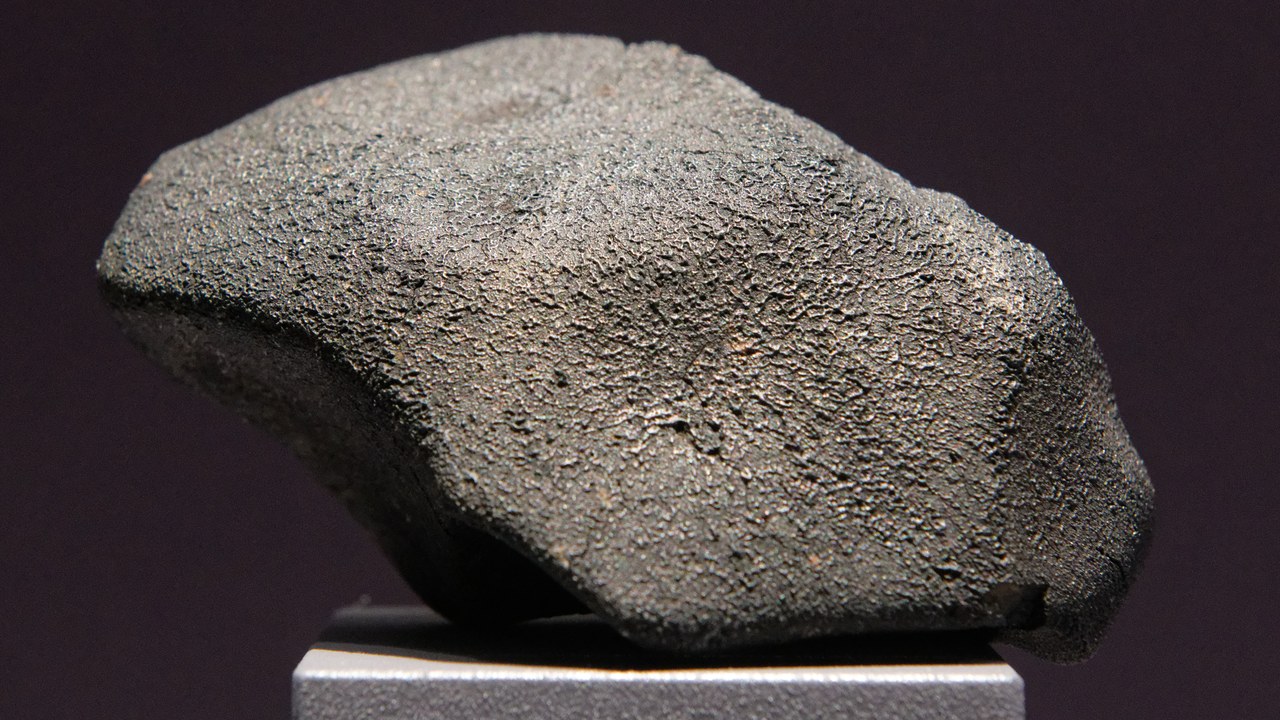
The Murchison meteorite fell in Australia in 1969 near Murchison, Victoria. It is a carbonaceous chondrite rich in organic compounds, and because more than 100 kilograms of it fell in an observed fall, it is one of the most studied meteorites.
In January 2020, researchers reported that silicon carbide grains from Murchison are about 7 billion years old, the oldest material found on Earth to date and billions of years older than the Solar System.
12. Allan Hills 84001: The Mars Rock That Made Headlines
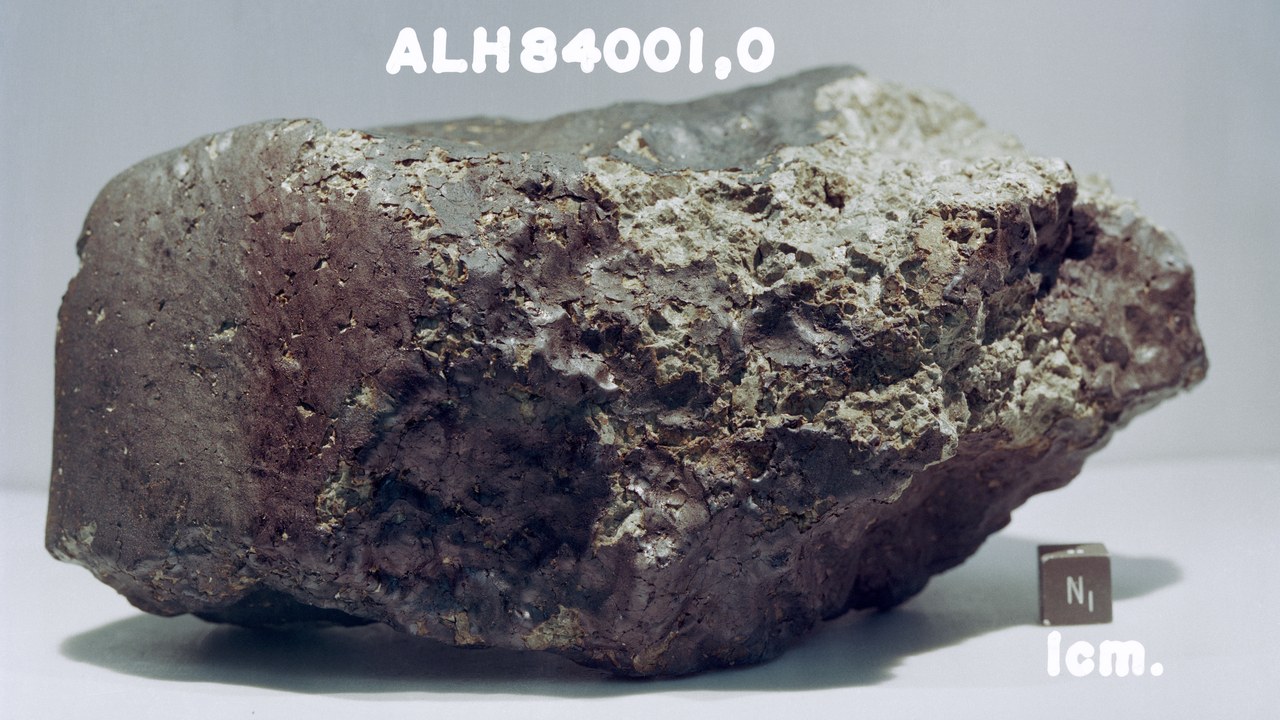
On 27 December 1984, scientist Roberta Score spotted an unusual dark rock in Antarctica. Years later, the 1.93-kilogram ALH84001 was identified as being from Mars.
In 1996, scientists looking inside it with an electron microscope saw what looked like fossilized bacteria, and President Bill Clinton held a press conference about the find. More recent research suggests the structures are not biological.
13. Peekskill Meteorite: The Meteorite That Hit a Car
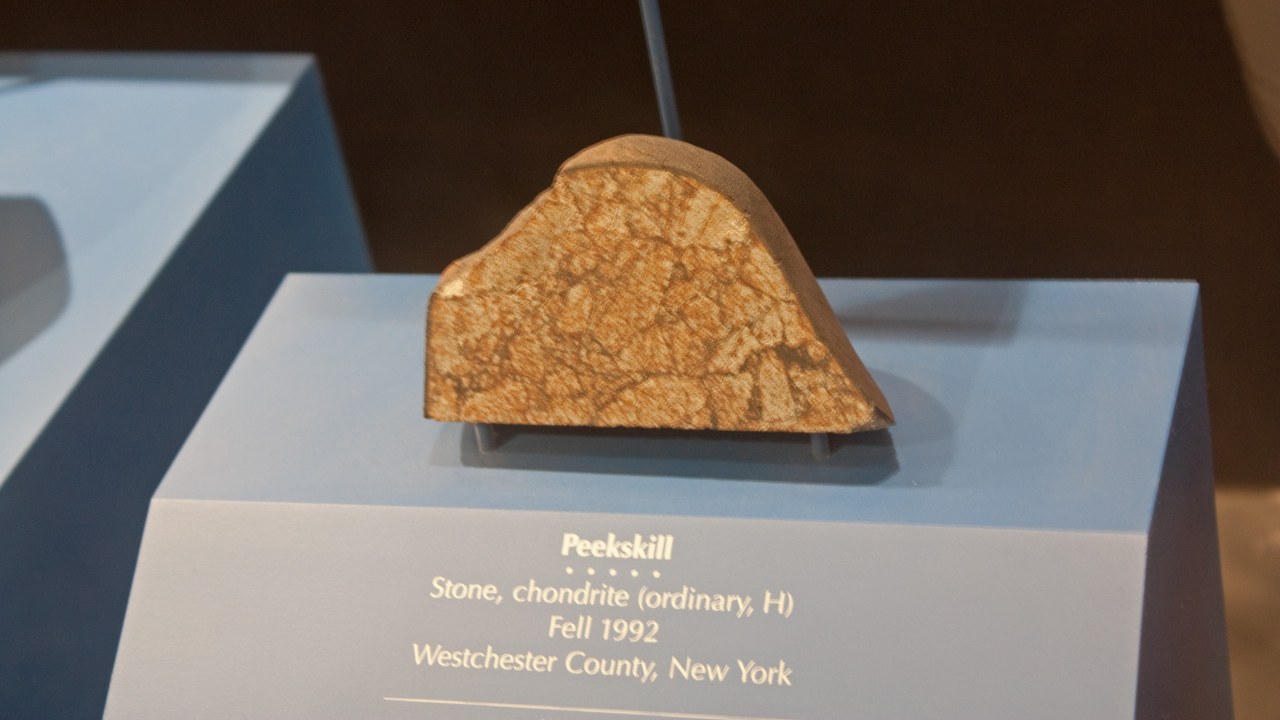
In October 1992, sixteen separate video recordings caught a fireball burning through the atmosphere before the meteorite struck a parked car in Peekskill, New York.
It is a stony meteorite whose texture comes from the shock and heat of a collision between two asteroids in space. About 20 percent of its mass is tiny flakes of nickel-iron, and the fall is one of the best documented in history thanks to all that footage.
14. Fukang Meteorite: A Gem From Space
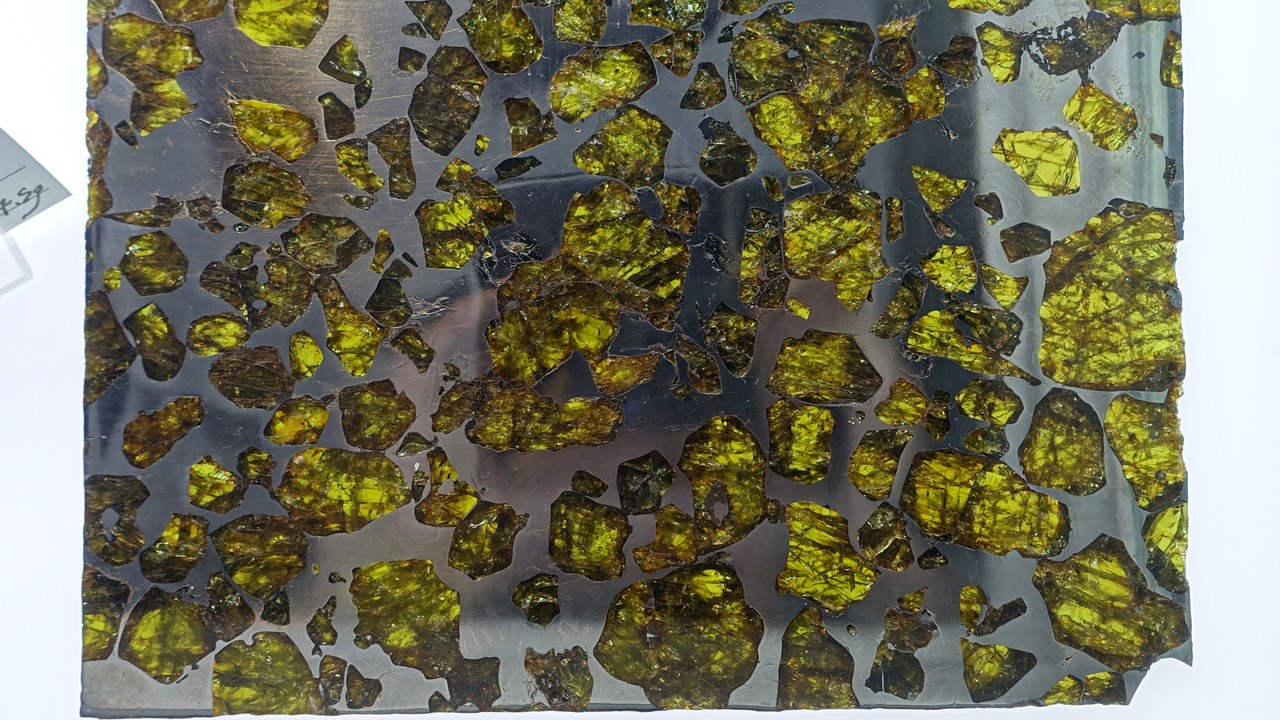
Discovered in China’s Gobi Desert in 2000, the Fukang meteorite is a rare pallasite, often described as a gem from space. Large, transparent olivine crystals sit inside a metal matrix of iron and nickel.
Pallasites make up only about 0.1 percent of known meteorites and are thought to come from the boundary between an asteroid’s core and mantle. Fukang weighed over a thousand kilograms before it was cut up.
15. Chelyabinsk Meteorite: The Fireball Caught on Camera
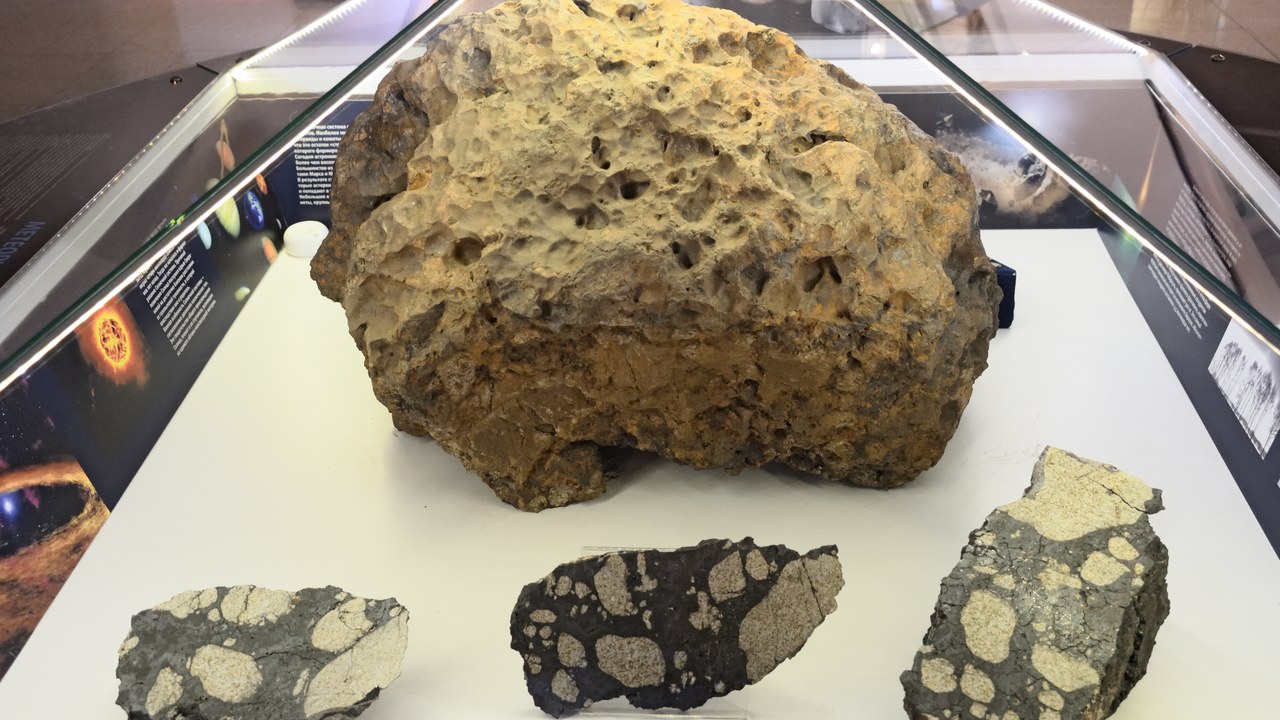
In 2013, a meteoroid about 20 meters wide exploded over the Russian city of Chelyabinsk, releasing energy equal to about 470 to 500 kilotons of TNT. The shockwave shattered windows and injured more than 1,500 people.
Thousands of dashcams, phones and security cameras recorded the event, giving scientists unprecedented data on its path and breakup. It renewed global interest in preparing for asteroid impacts.
More from Morning Overview
- 11 engines built to run well past 200,000 miles
- Two Kentucky residents died when a small plane crashed at Missouri’s Lake of the Ozarks, and the NTSB is investigating
- A handful of car transmissions are so tough that mechanics say they almost never die
- Melting permafrost is setting off a newly identified kind of catastrophic landslide, scientists say
