
A truly great comet needs luck, arriving close enough to the sun and to Earth to grow a tail that stretches across the night sky. A few have outshone the brightest stars, while others drew a worldwide audience for very different reasons. Here are ten great comets that lit up Earth’s sky or changed what scientists know about these icy wanderers.
Read next on Morning Overview: Neanderthals in Spain carved a wooden object that matches nothing archaeologists have ever found
1. Halley’s Comet: The Most Famous Return
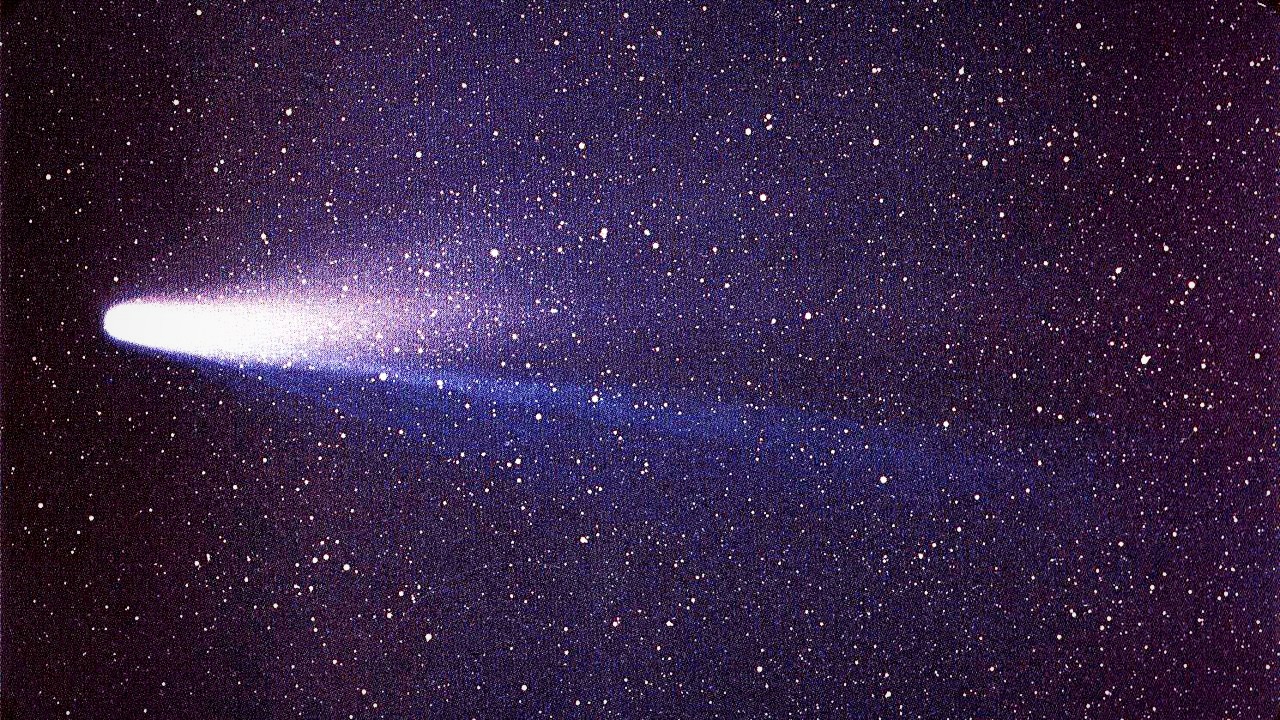
Halley’s Comet dominates NASA’s list of great naked-eye comets, with dozens of recorded returns, and its pass in 837 was the closest approach to Earth it has ever made, the JPL Solar System Dynamics group notes. That April it shone at about magnitude -3, brighter than Sirius.
JPL says Halley is the only periodic comet on the list, since the others were passing through for the first time or return only after thousands or millions of years. Its 1910 visit kept it visible to the naked eye for about 80 days, with closest approach to Earth on May 20.
2. Comet Hyakutake: The Close Pass of 1996
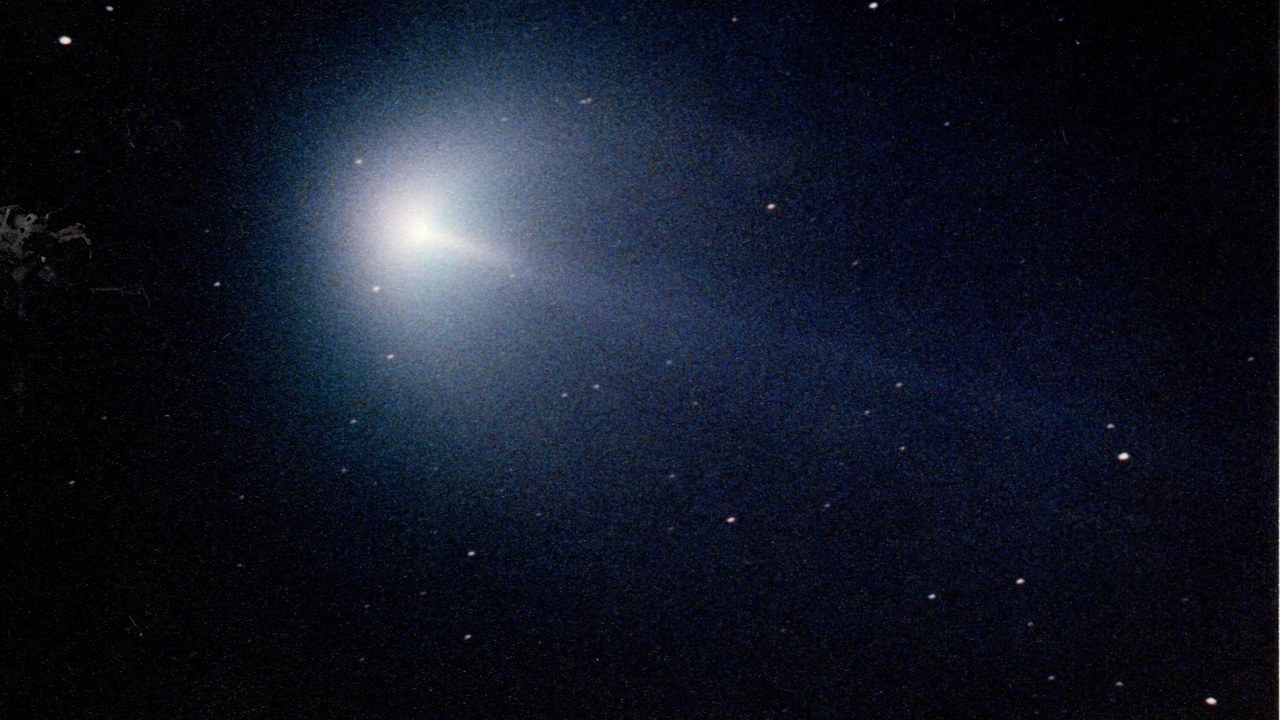
Comet Hyakutake became a naked-eye sight in mid-March 1996 and swept within about 0.10 astronomical units of Earth on March 25, JPL’s table of great comets shows. It stayed visible without a telescope for about 30 days.
An astronomical unit is roughly the average distance between Earth and the sun, so Hyakutake passed about a tenth of that distance away. At its brightest in April it reached about magnitude 1 to 2, comfortably above the magnitude 3.4 threshold at which a diffuse comet becomes noticeable to the naked eye.
3. Comet McNaught: Magnitude Minus Six
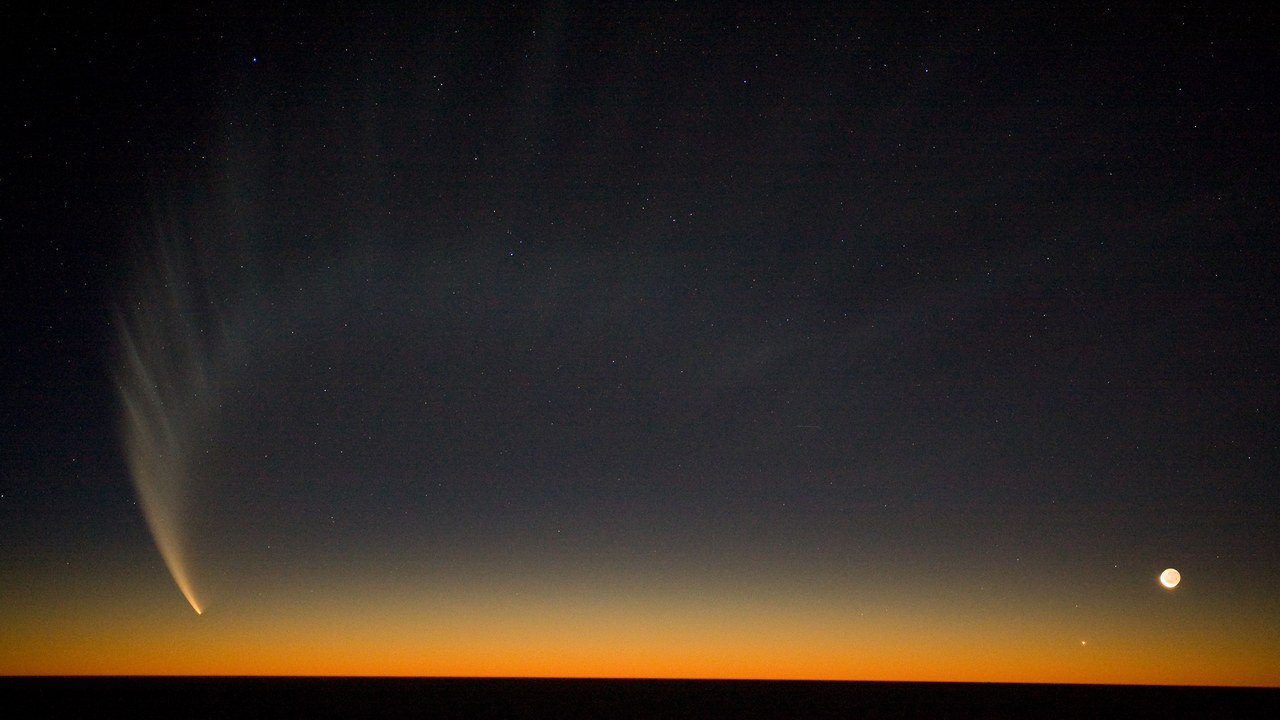
Comet McNaught reached magnitude -6 at its brightest in mid-January 2007, making it the brightest entry of modern times on JPL’s list of great comets. For comparison, Jupiter at its brightest appears at about magnitude -2.7.
JPL notes that its brightness was dramatically enhanced by forward scattering of sunlight off its dust. The comet was a naked-eye object through January, and its impressive dust tail stretched 30 degrees across the sky with obvious striations, similar to Comet West in 1976.
4. Comet West: A Tail That Split the Sky
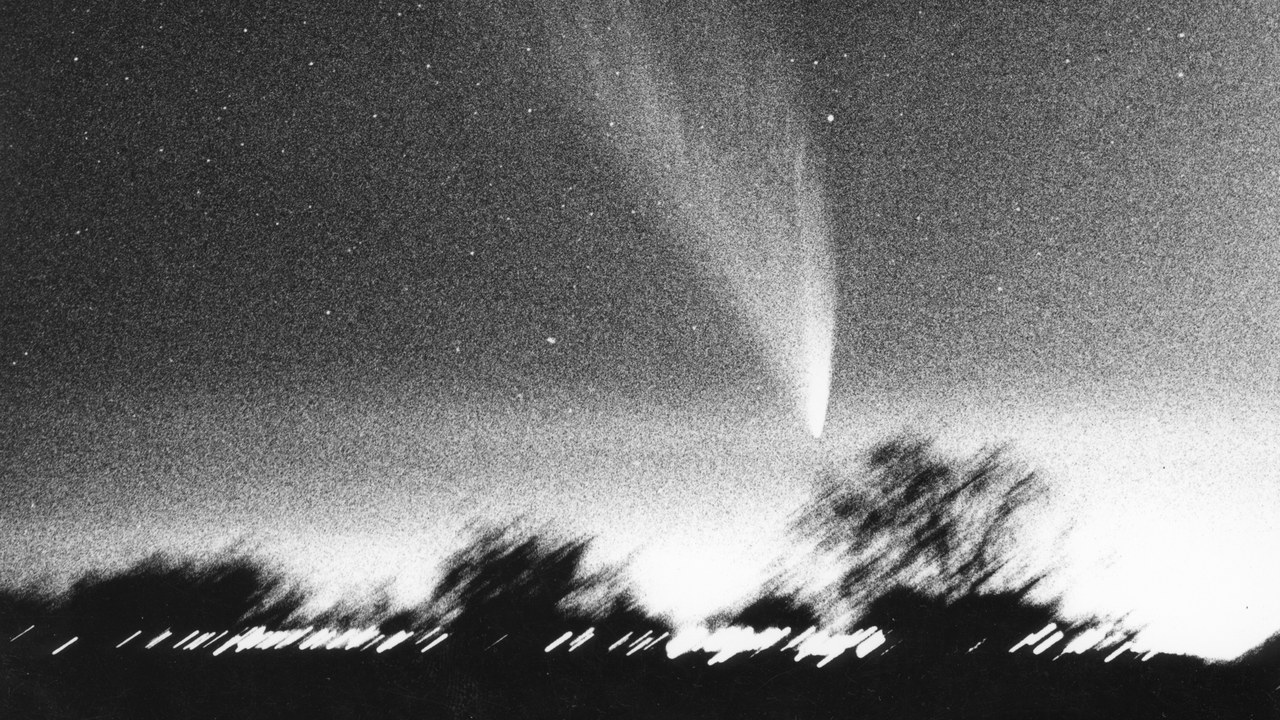
Comet West first appeared to the naked eye in early February 1976 and peaked at about magnitude -1, around the brightness of Sirius, according to JPL’s great comets table. It remained visible without optical aid for about 55 days.
Its impressive broad tail reached a length of 30 degrees on March 8, JPL notes. Near its closest approach to the sun, at about 0.20 astronomical units in late February, the comet’s nucleus split into four pieces, a dramatic finale to its visit.
5. Comet NEOWISE: A Once-in-6,800-Years Visitor
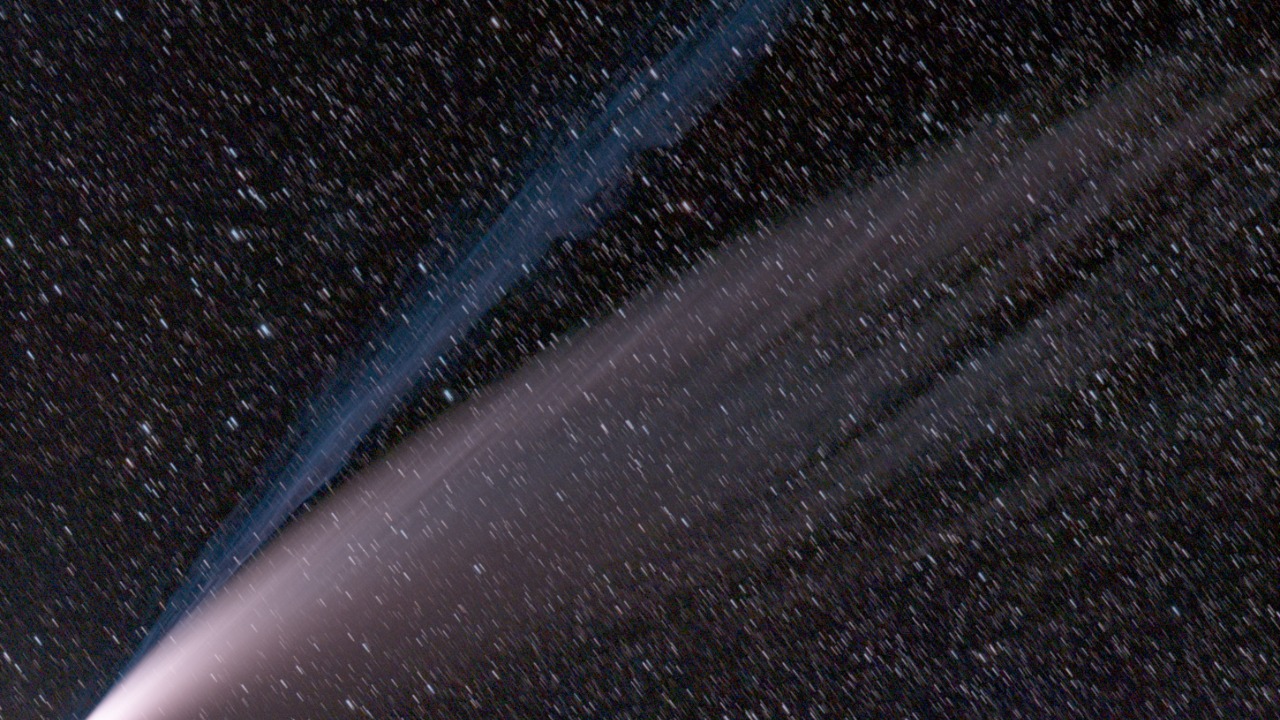
Discovered on March 27, 2020, by NASA’s NEOWISE spacecraft, Comet NEOWISE became one of the brightest comets to grace Northern Hemisphere skies in decades, NASA’s Earth Observatory reported.
It thrilled skywatchers across North America and Europe in July 2020, and an astronaut aboard the International Space Station shot more than 340 photos as it rose above Earth’s limb. Its nucleus is roughly 5 kilometers across, and its long elliptical orbit means it will not return to the inner solar system for about 6,800 years.
6. Comet Tsuchinshan-ATLAS: A First Visit From the Oort Cloud
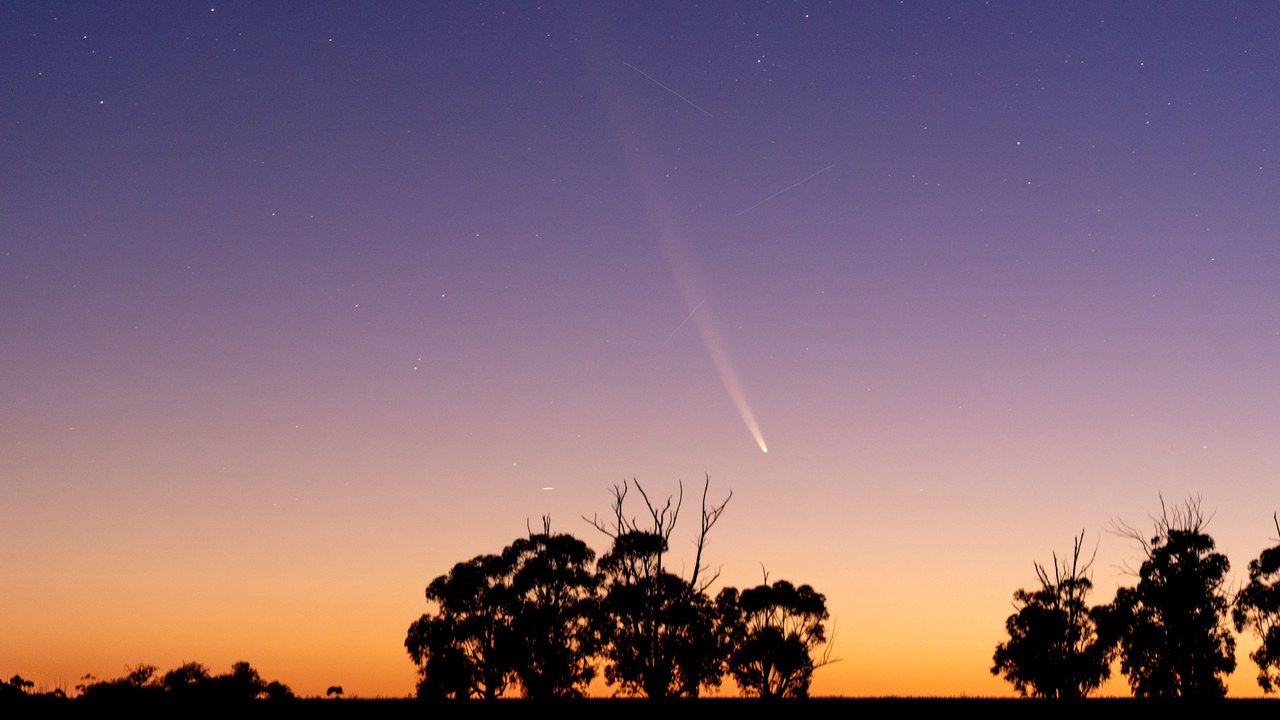
Comet C/2023 A3 Tsuchinshan-ATLAS, discovered in 2023, was making its first documented pass through the inner solar system and came within about 44 million miles of Earth on October 12, 2024, NASA reported.
It was spotted by China’s Purple Mountain Observatory and an ATLAS telescope in South Africa. Scientists feared it might break apart when it rounded the sun on September 27, but it survived more or less intact, and NASA astronaut Matthew Dominick photographed it from the International Space Station in late September.
7. Shoemaker-Levy 9: A Comet That Hit Jupiter
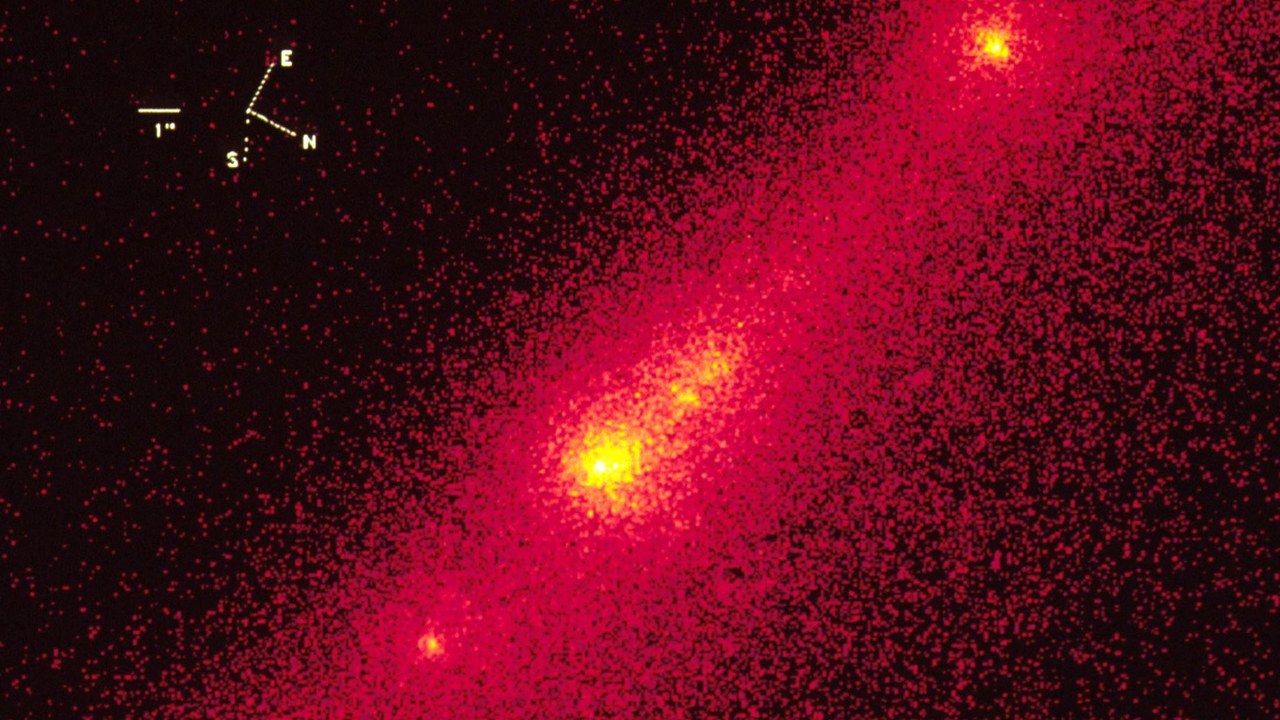
Comet Shoemaker-Levy 9 was found in March 1993 already torn into more than 20 pieces orbiting Jupiter, and from July 16 to 22, 1994, the fragments smashed into the planet’s cloud tops, NASA explains.
A close approach to Jupiter in July 1992 had ripped the comet apart with tidal forces. For the first time in history, NASA had spacecraft in position to watch a collision between two solar system bodies, and the Galileo probe captured direct views of the impacts.
8. Comet 67P (Rosetta): The Comet We Landed On
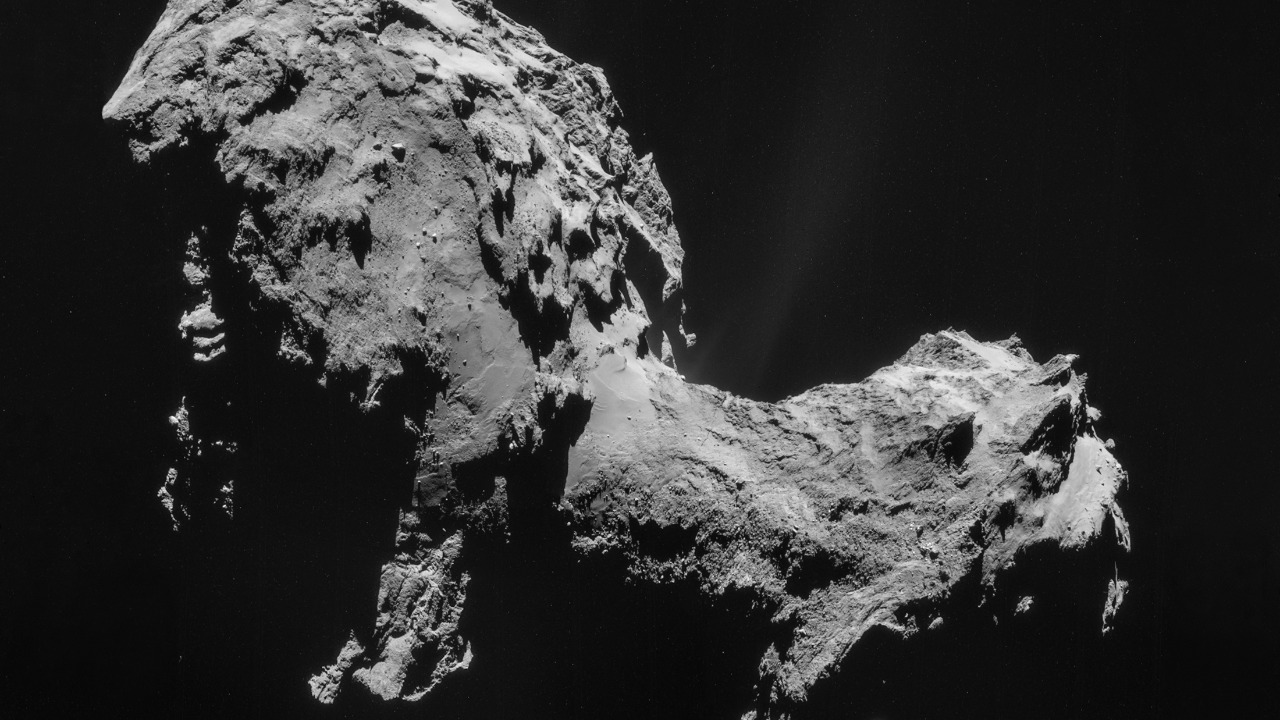
Comet 67P/Churyumov-Gerasimenko, discovered in 1969 at the Alma-Ata Observatory, made history as the first comet to be orbited and landed on by robotic spacecraft, NASA notes. Europe’s Rosetta, carrying the Philae lander, arrived in August 2014.
Rosetta escorted the comet toward the sun and back out again. Among its findings were water vapor significantly different from Earth’s and the first detection of molecular nitrogen and oxygen at a comet. Its porous nucleus has a density much lower than water and gives off about twice as much dust as gas.
9. Comet Hale-Bopp: Eighteen Months of Wonder
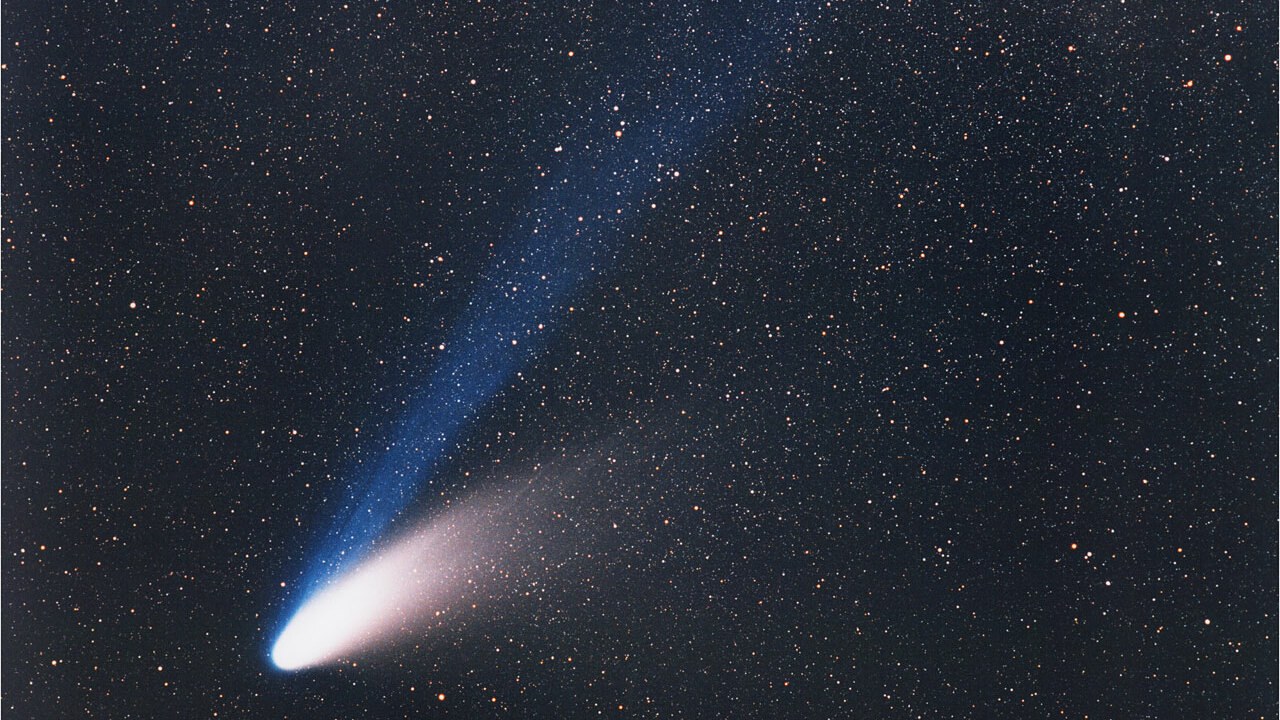
Spotted independently by amateur astronomers Alan Hale in New Mexico and Thomas Bopp in Arizona on July 23, 1995, Comet Hale-Bopp stayed visible to the naked eye for about 18 months, Space.com recounts.
It was probably one of the most viewed comets in history, appearing 1,000 times brighter than Halley’s Comet at the same distance, with twin blue-and-white tails visible even from light-polluted Chicago. Hubble Space Telescope observations showed its nucleus was huge, 19 to 25 miles across, and it reached its closest approach to Earth in 1997.
10. Comet 17P/Holmes: Half a Million Times Brighter
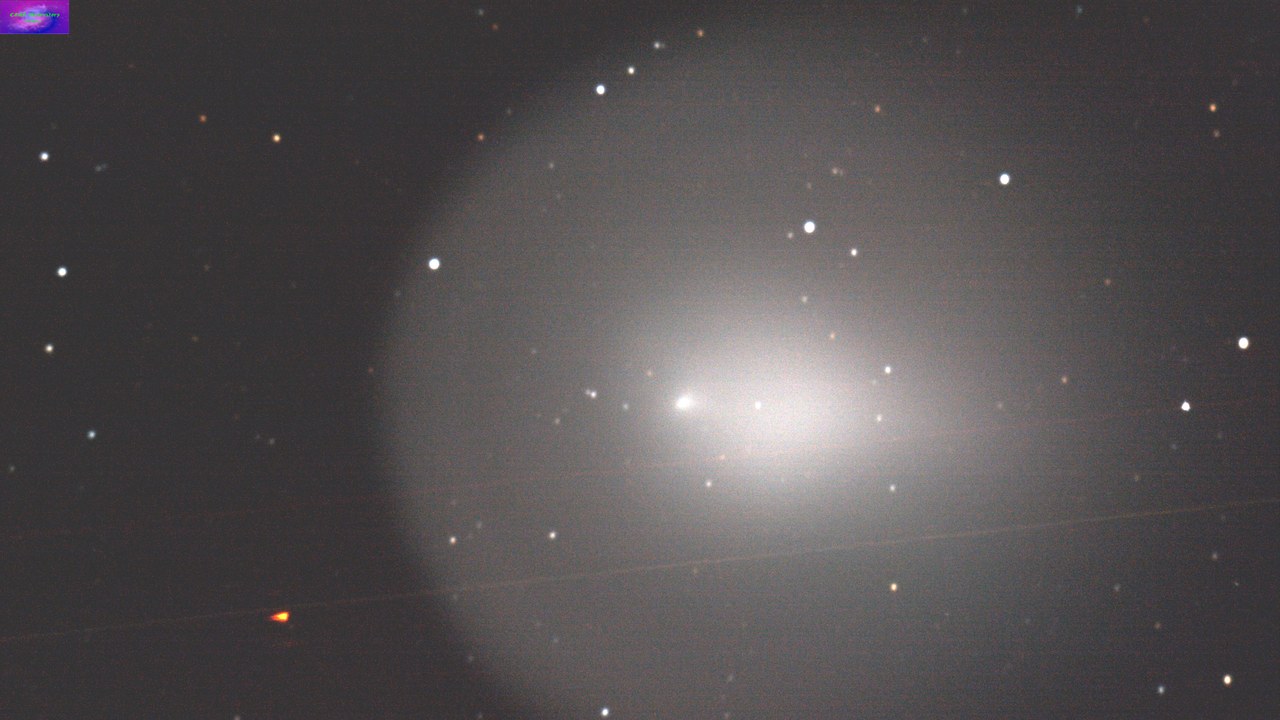
On October 24, 2007, the faint Comet 17P/Holmes brightened more than half a million times in a matter of hours, NASA’s Astronomy Picture of the Day reported. The obscure comet, which circles the sun about every 7 years, suddenly rivaled the brighter stars of Perseus.
Telescopic images showed a greatly expanded coma but little sign of a tail. Astronomers suggested the outburst could be due to a sudden exposure of fresh ice or even the breakup of the comet’s nucleus, and the sight was visible even from city skies.
More from Morning Overview
- Winter weather advisories cover I-80, I-70 and the Bighorns with up to 15 inches of snow
- Arizona’s governor declared a statewide emergency after Flagstaff logged its wettest Nov. 1 on record
- Zero Motorcycles unveiled an electric motorcycle targeted at under $8K and a street-legal dirt bike at EICMA
- New FCC rules on how people can stop robocalls and texts take effect Nov. 25
