
Winter thins out the bird traffic at a feeder, but a dependable cast of species keeps showing up through the cold. Each one has a distinct way of coping, from clever body-temperature tricks to bold feeder manners and specific food preferences. Here are fourteen of them, each tied to a documented habit worth watching.
The day in tech, in one email: TLDR is the daily newsletter with links and TLDRs of the most interesting stories in startups, tech and programming.
We may earn a commission if you sign up.
1. Black-capped chickadee: Cold-Night Energy Saver
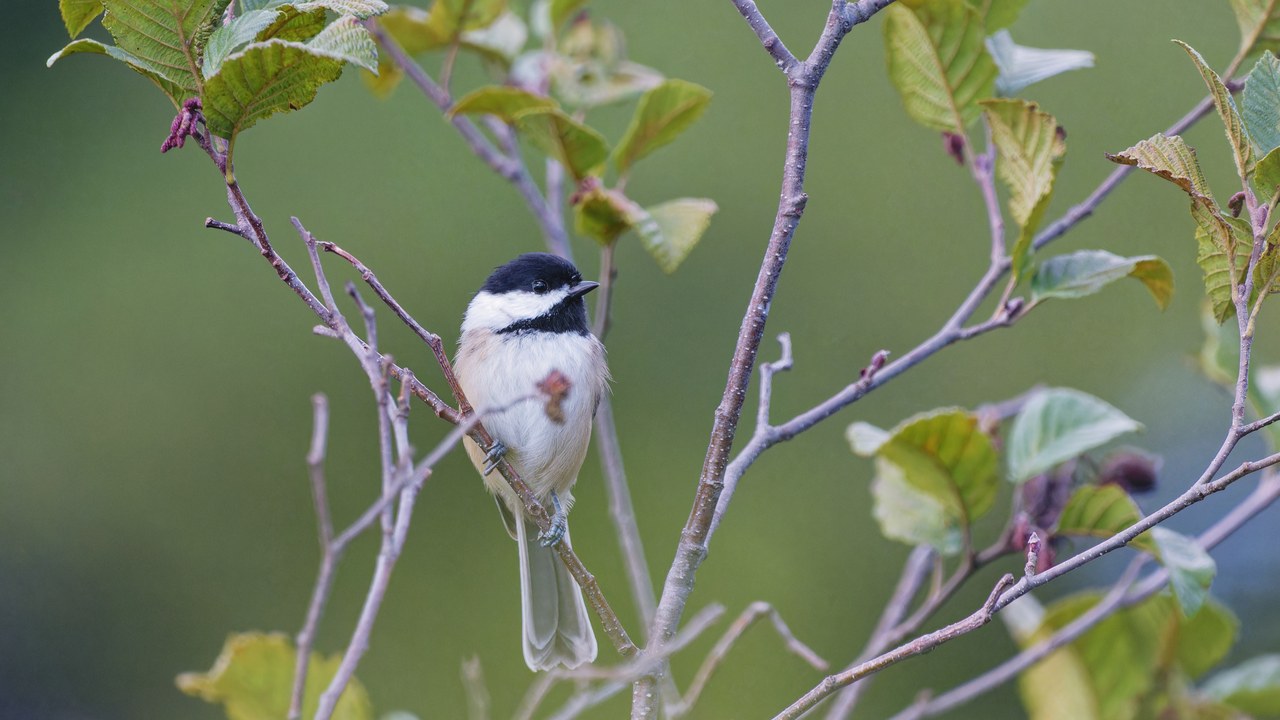
Few feeder visitors manage the cold as cleverly as this one. Cornell’s Cornell’s winter survival guide notes that the chickadee is among the small birds able to drop its body temperature into controlled hypothermia on frigid nights, trimming the energy it burns while it sleeps. That trick turns a tiny body into a far more efficient furnace.
For anyone filling a feeder, the lesson is timing. A chickadee that spends the night in a low-power state still wakes hungry, so fresh seed available at first light helps it rebuild reserves before the next cold stretch arrives.
2. Northern cardinal: Safflower Specialist
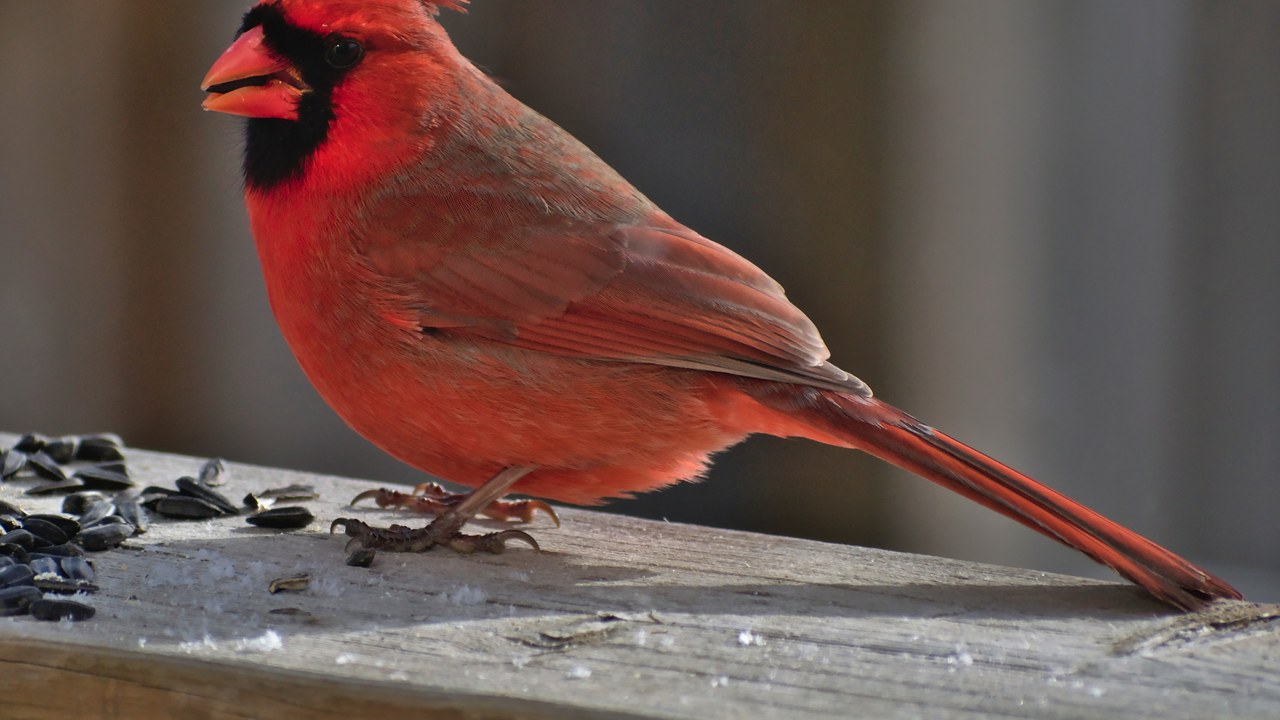
Brilliant red against the snow, the cardinal is a ground-feeding winter regular, according to American Bird Conservancy’s winter list. It flocks to sunflower seed and especially loves safflower, a seed that many other birds find hard to crack.
That preference is a practical tool. Offering safflower in a platform tray or scattered below the feeder can draw cardinals while discouraging some of the crowd that dominates ordinary seed mixes. It also suits the bird’s habit of feeding low rather than clinging to a perch.
3. Mourning dove: Millet Below the Feeder
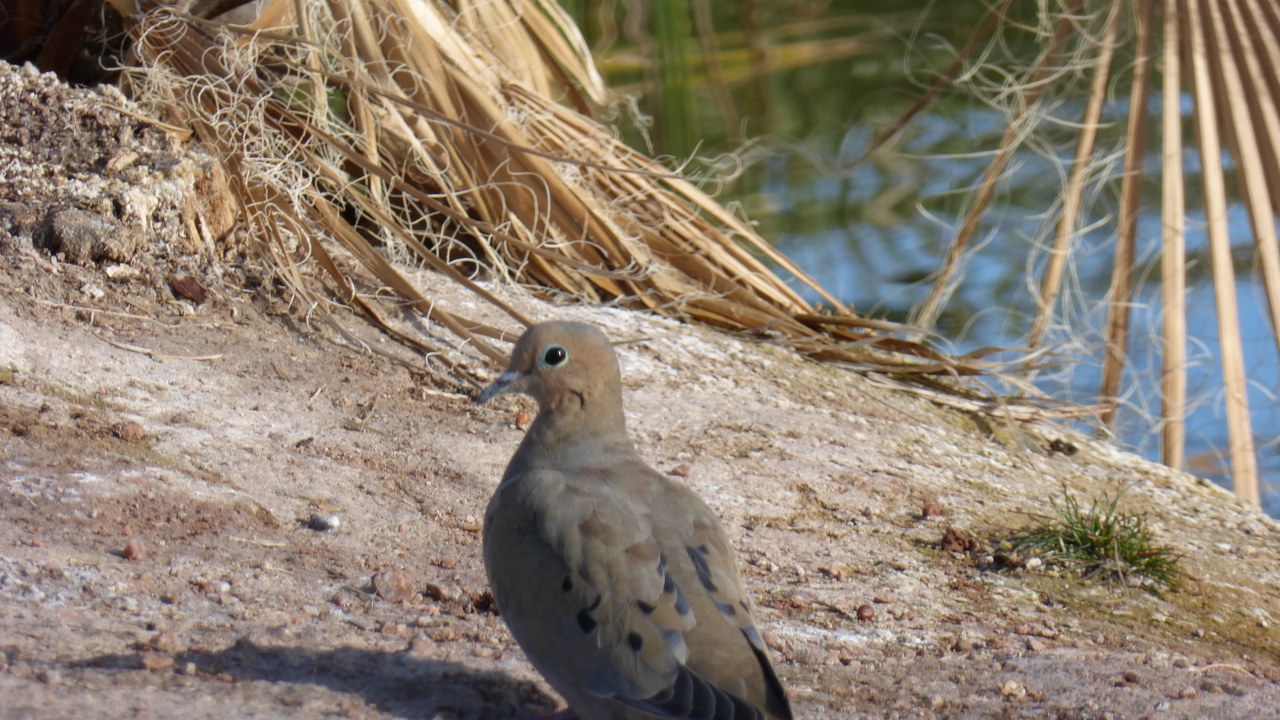
Quiet and unhurried, the mourning dove does its winter foraging on the ground. The same conservancy guide describes it working beneath feeders for white millet and dried corn, both favorites of doves.
Because doves rarely cling to hanging feeders, the easiest way to host them is to put food where they already like to walk. A low tray or a scattering of millet on cleared ground works, and the leftovers they pick up also tidy the area under busier feeders.
4. American robin: Berries and Heated Water
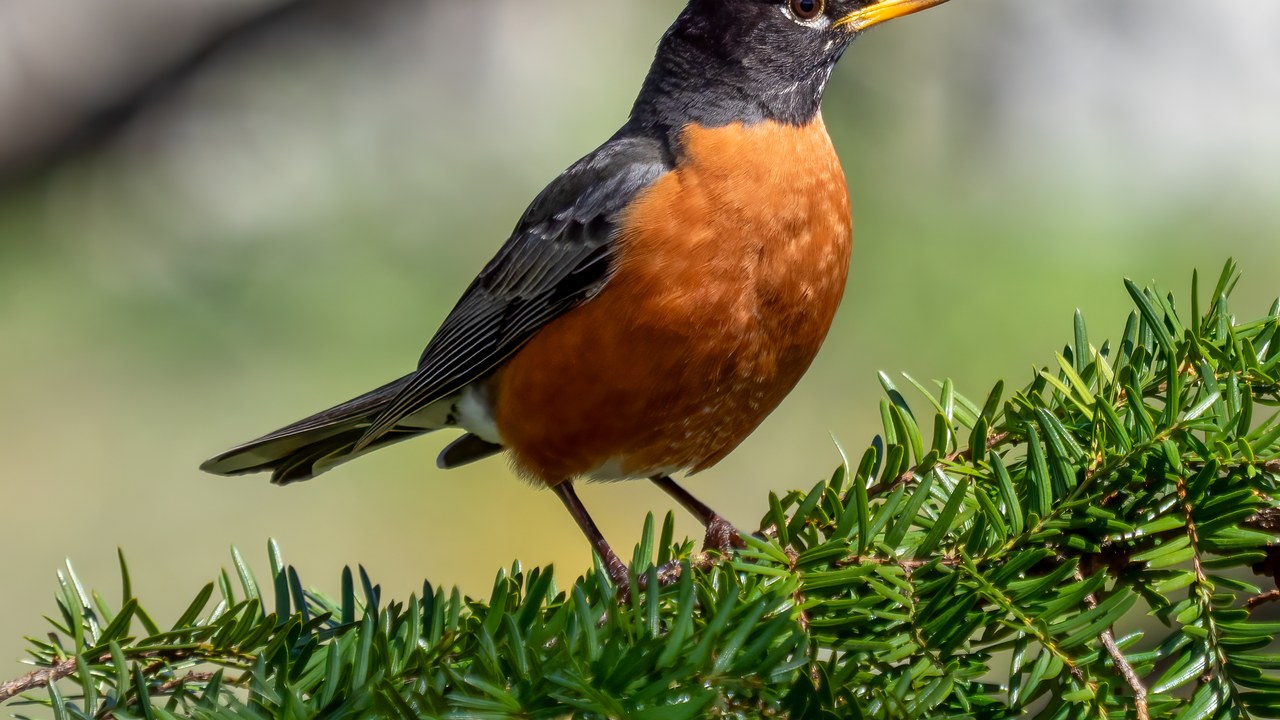
Robins are not always the spring-only birds many assume. In winter, Minnesota winter bird report reports, they often feast in large flocks on hackberry berries and show up at heated birdbaths to drink and bathe.
The takeaway is that robins respond to fruit and open water more than to seed. A shrub that holds berries into the cold months, or a birdbath with a heater, can bring flocks into view when the lawn is frozen and worms are out of reach.
5. Dark-eyed junco: Snowbird From the North
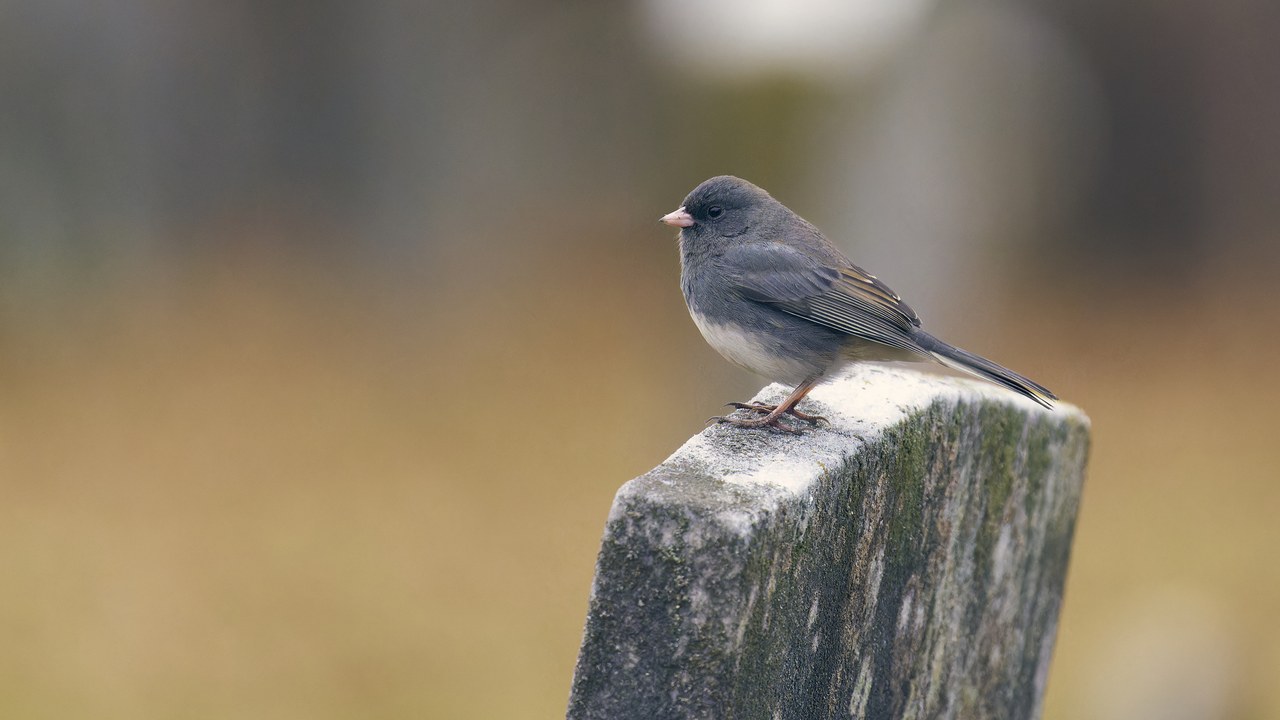
Often called a snowbird, the dark-eyed junco is a small sparrow that, per Minnesota winter bird report, travels down from Canada for the winter. It feeds on the ground in flocks, and watchers can see its pecking order on full display as individuals jostle for the best spots.
Juncos reward patience at a window. Scattered seed beneath a feeder gives them room to forage, and the shifting social drama among them often looks like a lively game of rank, not a random scramble for crumbs.
6. White-breasted nuthatch: Head-Down Feeder Regular
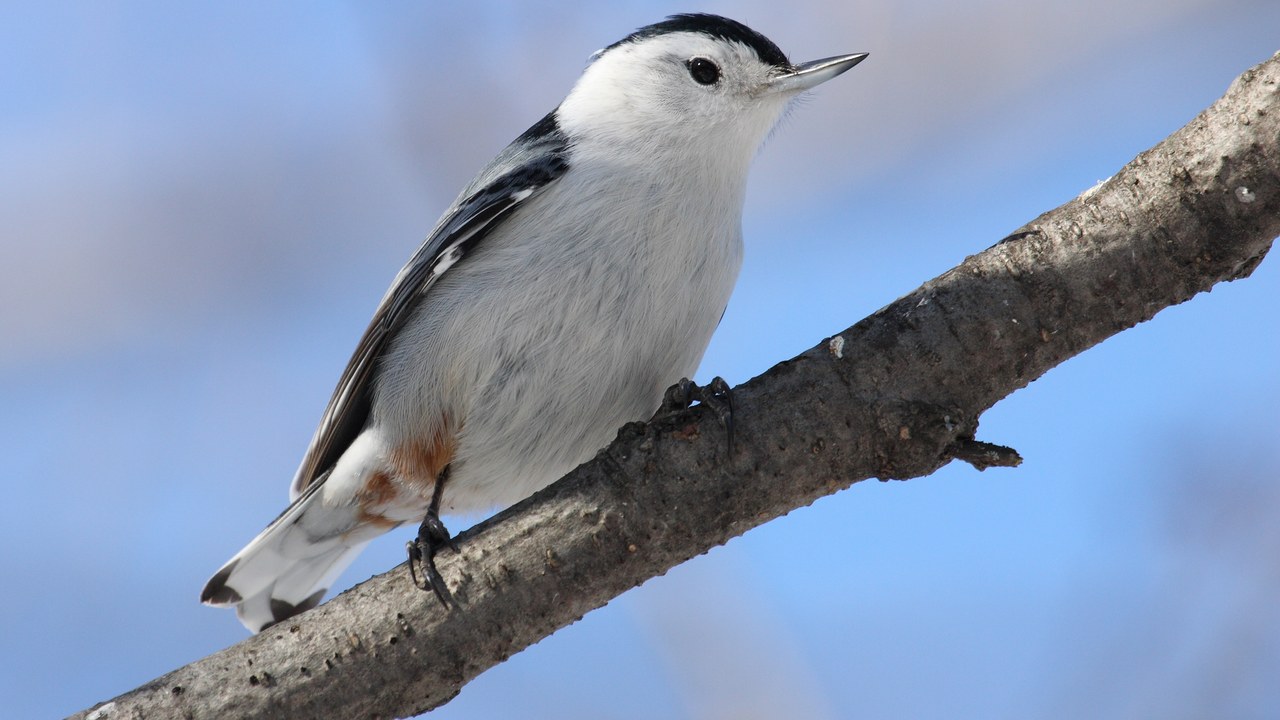
The nuthatch earns its reputation as the upside-down bird. According to Minnesota winter bird report, it prefers tube feeders because it can perch head down and peck out morsels from the ports.
That quirk is a useful clue for choosing equipment. A tube feeder with sturdy perches suits this bird’s acrobatic style, and watching it work from the wrong way up is one of the more entertaining sights at a winter feeding station.
7. Blue jay: Peanut-Loving Hoarder
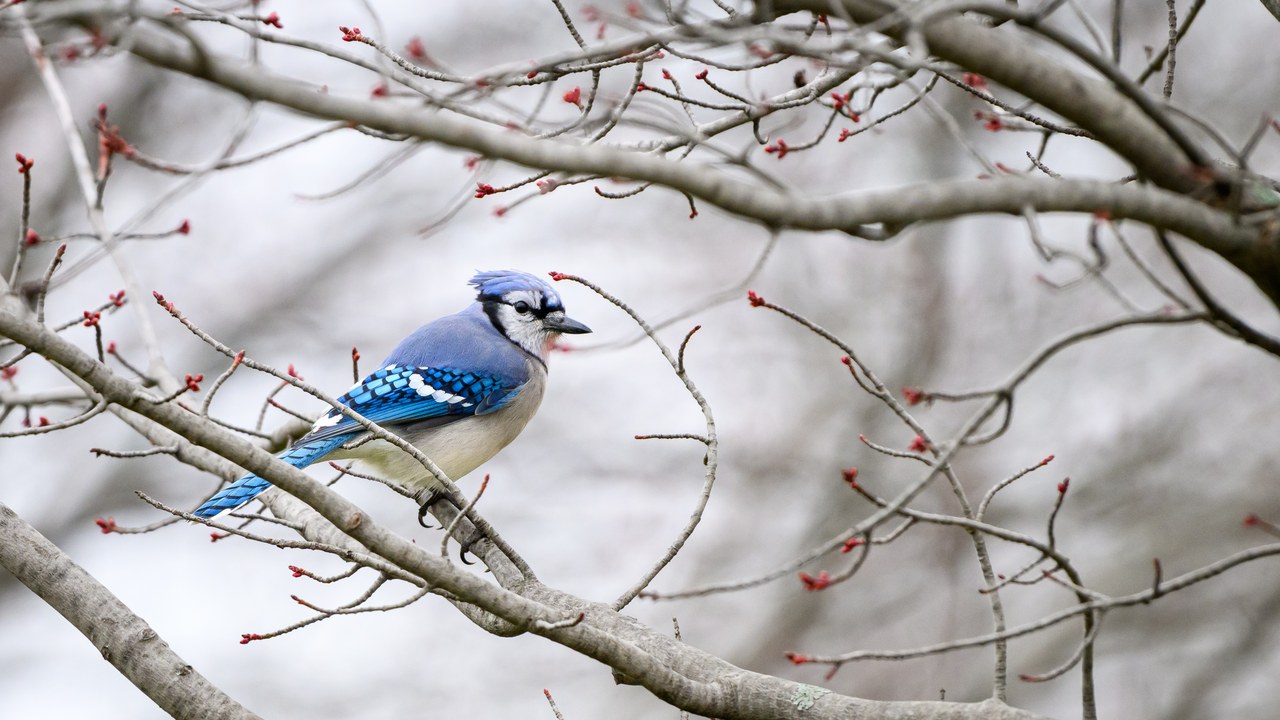
Loud and bold, the blue jay is especially fond of peanuts in the shell. The Star Tribune roundup adds that it scoops up sunflower seeds by the dozens to digest later, treating the feeder like a pantry.
Anyone offering whole peanuts should expect jays to empty the supply quickly, and many of those seeds will leave in bulk rather than get eaten on the spot. A separate peanut feeder can help keep smaller birds supplied with their own food.
8. Downy woodpecker: No Down, Extra Effort
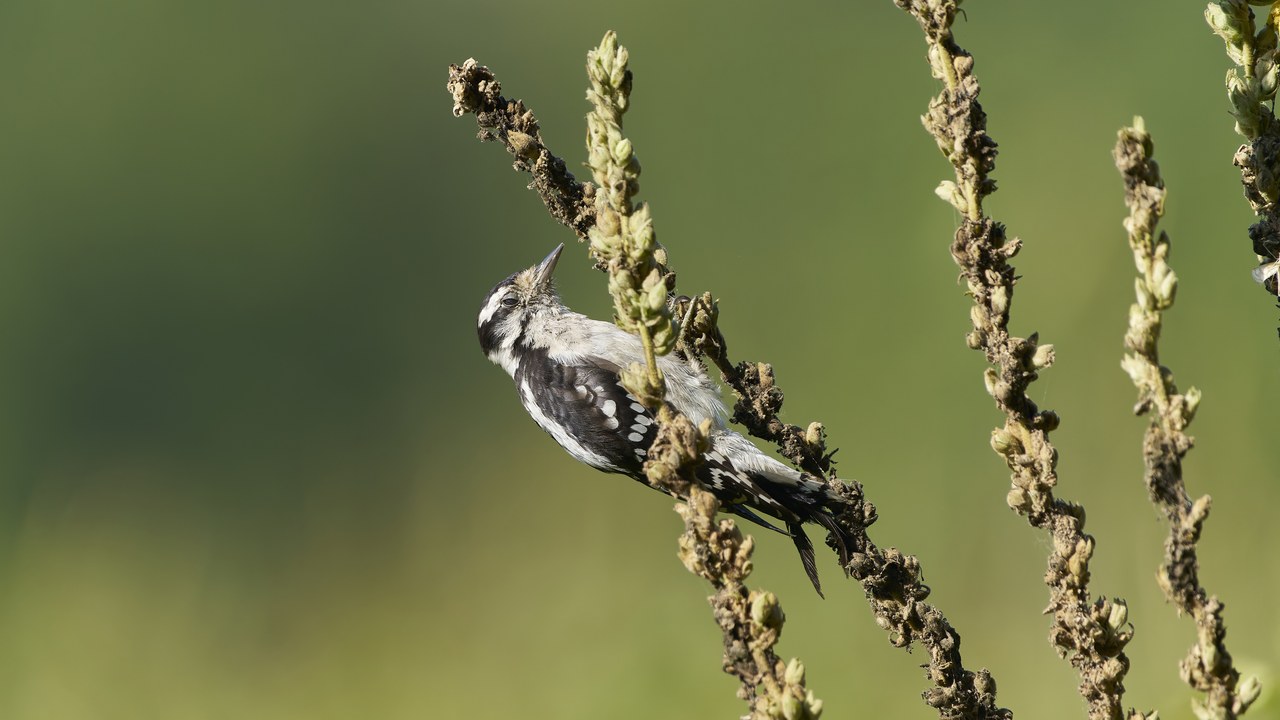
Insulation matters, and the downy woodpecker has less of one kind than most. As Cornell’s winter survival guide explains, woodpeckers have no down feathers at all, so they must lean harder on food and shelter to stay warm.
That makes reliable winter food especially valuable for this small bird. Suet and a protected spot such as a dense evergreen or a cavity can fill the gap left by missing down, helping it make it through the longest nights.
9. Eastern bluebird: Fluffed Up Near Suet
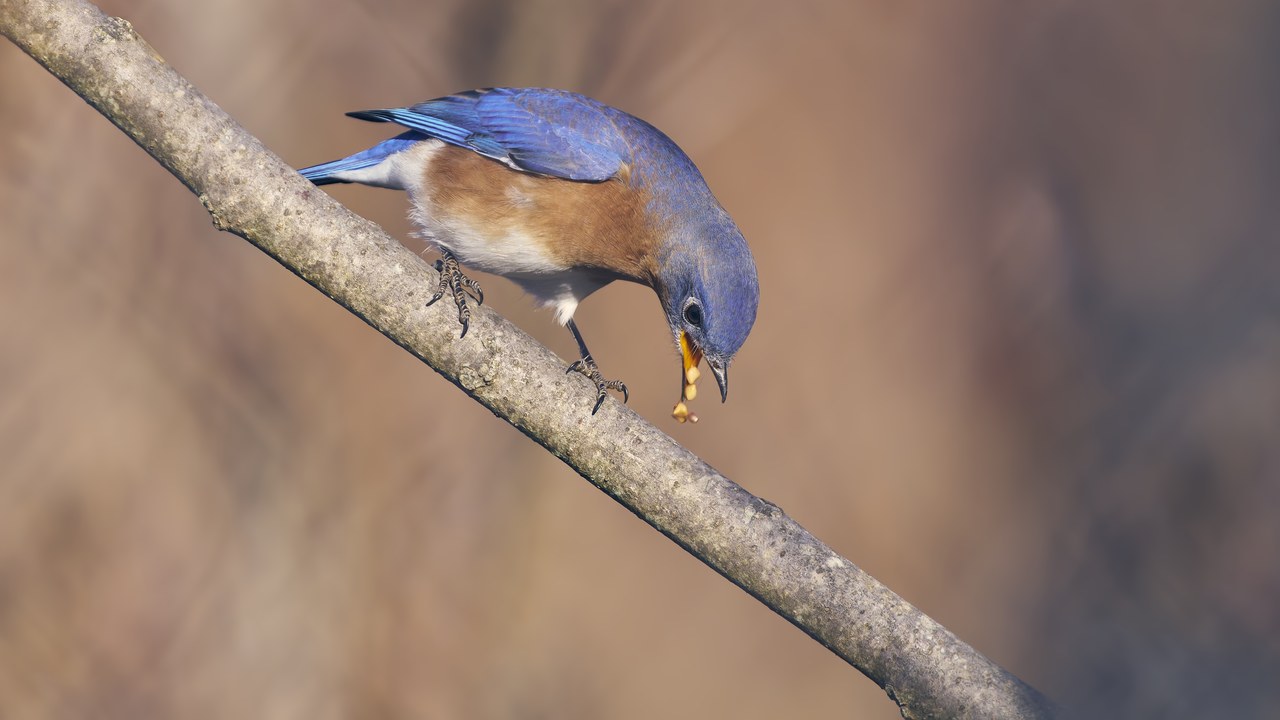
Winter bluebirds combine two defenses. Cornell’s Cornell’s cold-weather guide says they puff up their feathers and perch within reach of fatty suet cakes, pairing insulation with high-energy food.
For people hoping to see bluebirds in cold months, suet is the more promising offering than seed. Placing it in an open, sunny spot where a bluebird can sit nearby and eat at will mirrors the behavior described, and keeps the effort modest.
10. Tufted titmouse: Crested and Combative
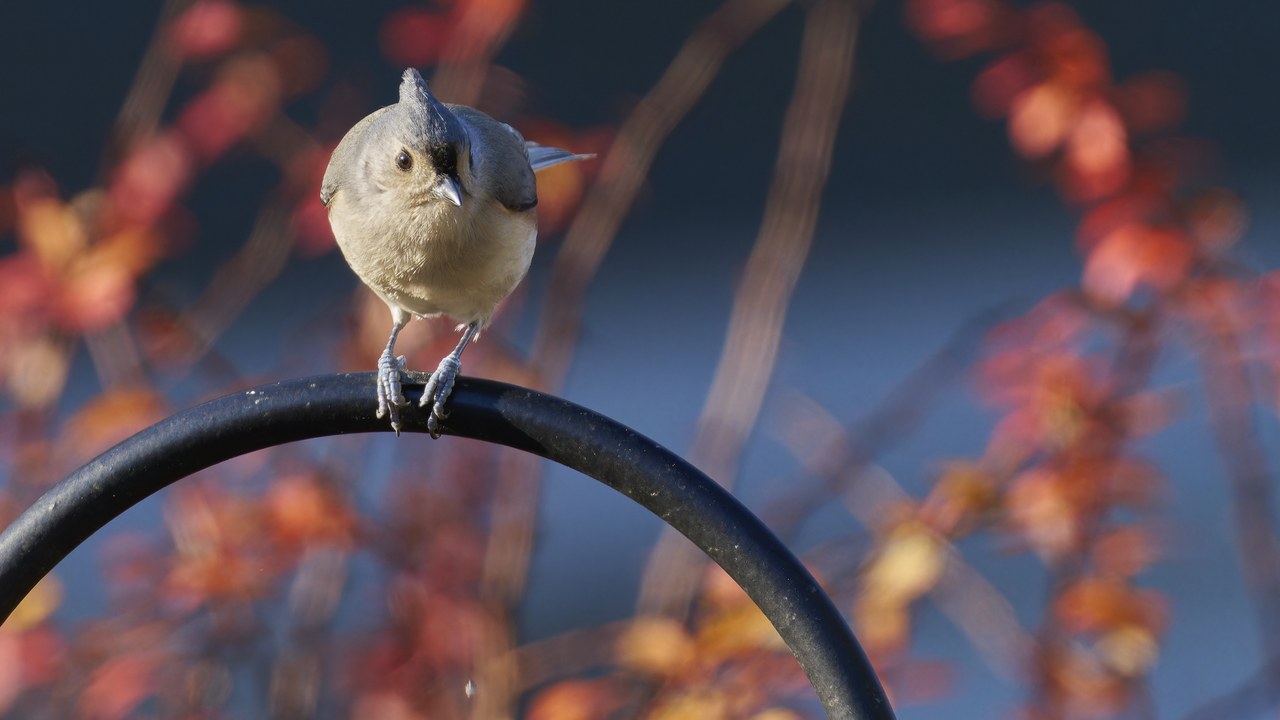
Small does not mean timid. The tufted titmouse is particularly feisty, and Cornell’s feeder behavior article notes that it holds its ground against bigger birds and raises its crest to signal aggression.
Watching that crest is a handy way to read feeder politics. When it stands up, a standoff is likely, and a feeder with several perches or more than one station gives the smaller combatants room to feed without constant disputes.
11. Carolina wren: Fearless Brawler
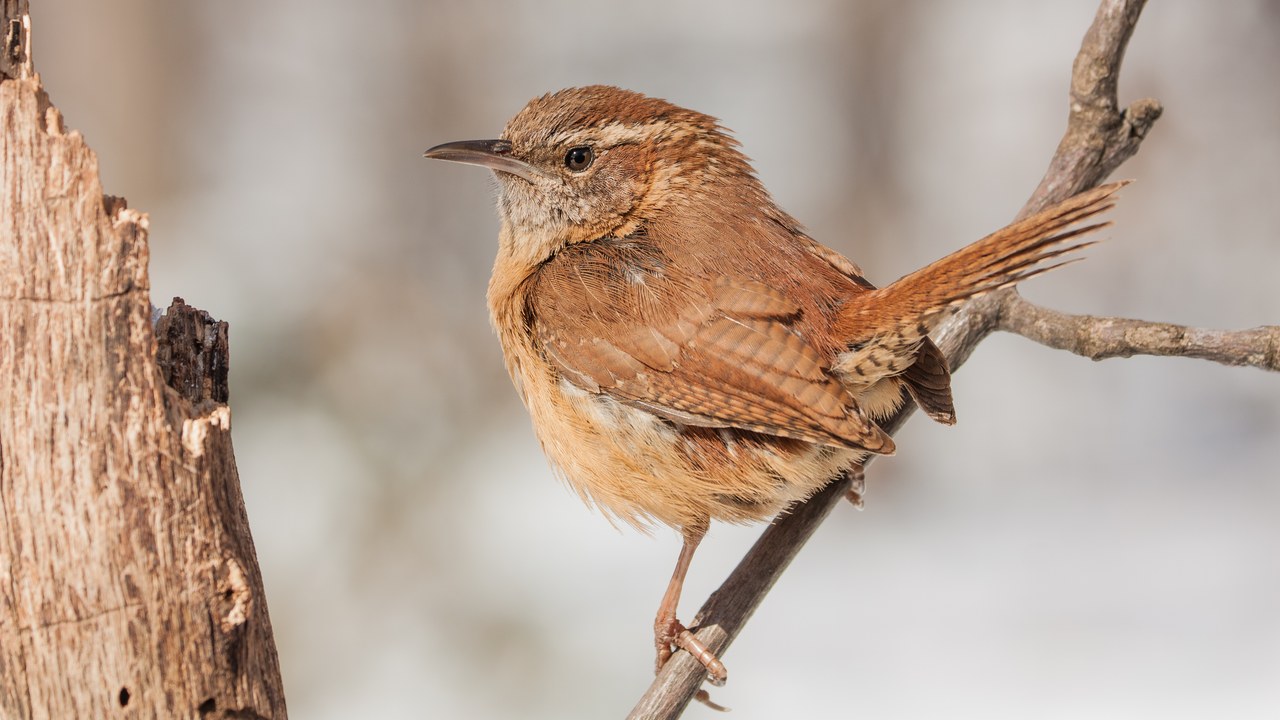
Some feeder visitors pick fights they cannot win. Cornell’s feeder cameras, described in Cornell’s feeder behavior article, caught a Carolina wren that was ‘super aggressive and incredibly fearless,’ picking fights whether it was likely to win or not.
The finding is a reminder that boldness is not tied to size. A wren may take on far larger rivals, so anyone studying feeder behavior should watch the smallest birds as closely as the bigger ones, since they sometimes behave like the toughest.
12. American goldfinch: Low Rung on the Ladder
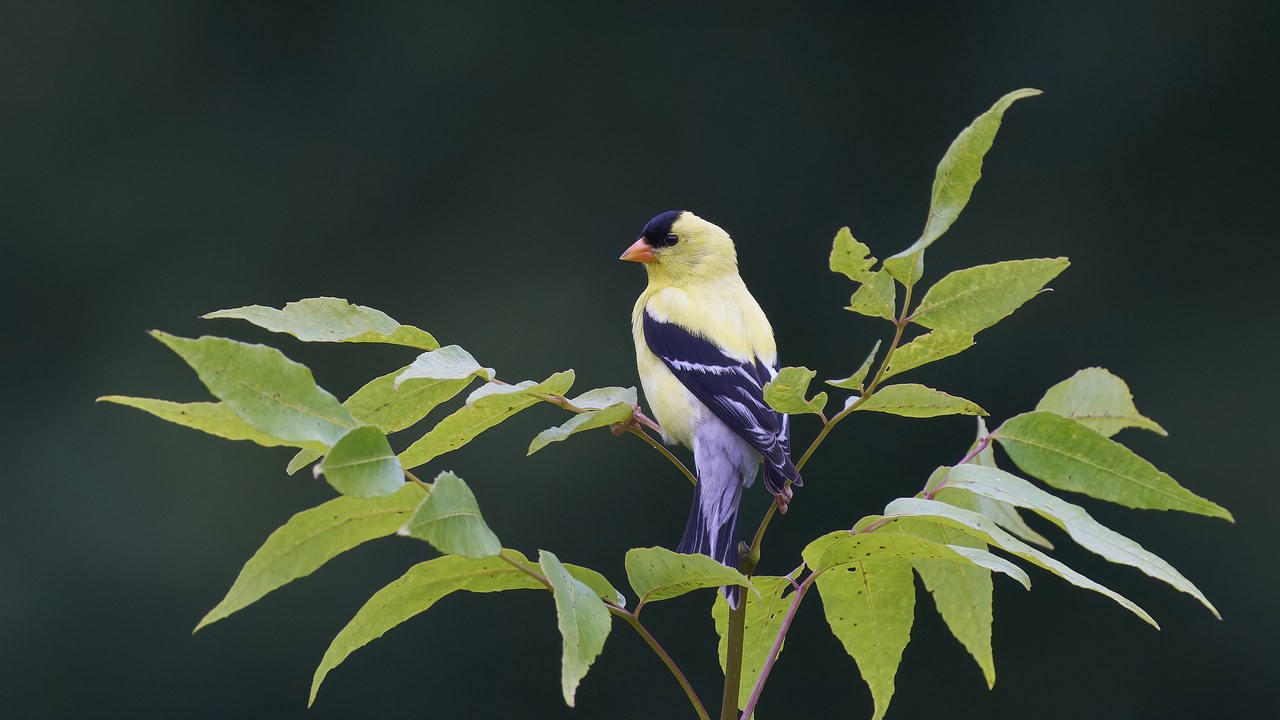
Brightness fades in the cold months, and so does social standing. Per Cornell’s feeder behavior article, the winter goldfinch is drab and usually lowest in the feeder hierarchy, losing practically every interaction.
That low rank explains why goldfinches often wait their turn or settle for leftover perches. Adding extra feeding ports, or a separate feeder just for them, lets this gentle bird eat without being displaced by every arrival, which matters when winter food is already hard to come by.
13. House finch: Group Perchers Who Yield
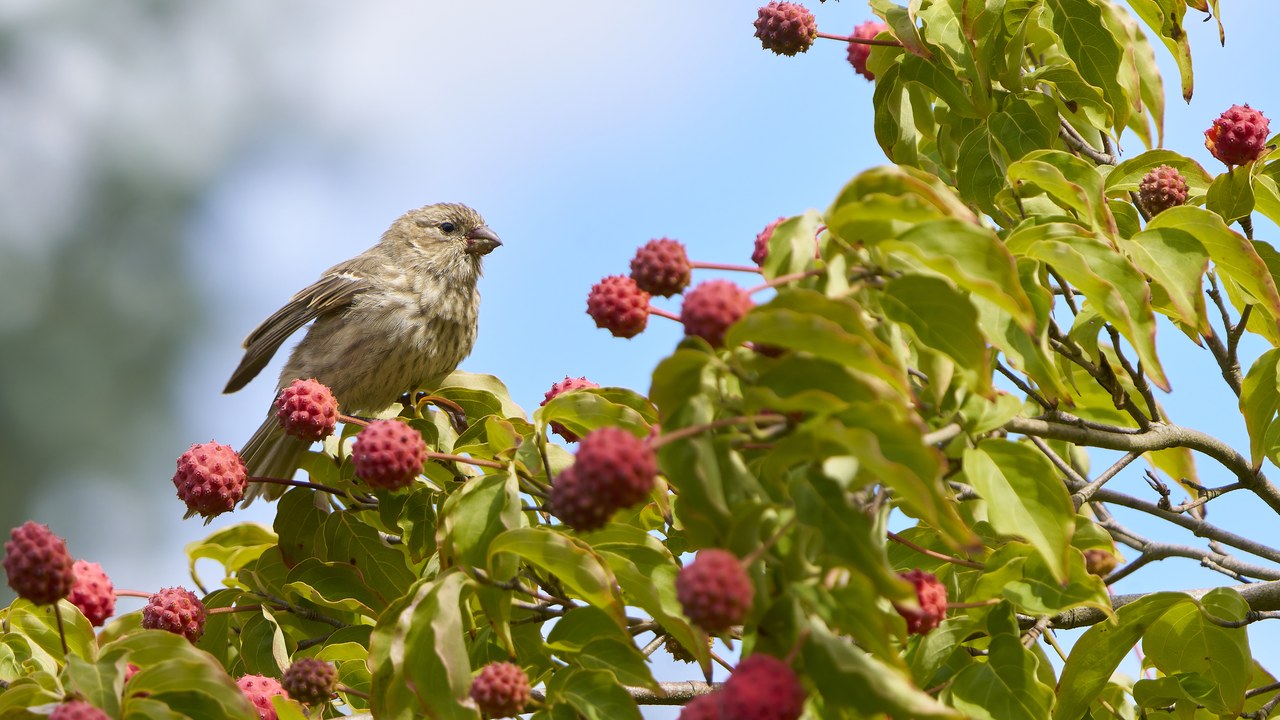
House finches are social at the feeder. Cornell’s feeder behavior article observes that they like to park on the feeder in larger groups, but make room when blue jays arrive.
The pattern shows that crowd size does not guarantee dominance. A finch flock may hold a perch for a long time yet give way instantly to a bigger rival, so feeders with several stations help keep the whole group fed, and the pecking order stays peaceful.
14. Common redpoll: Four-Penny Survivor
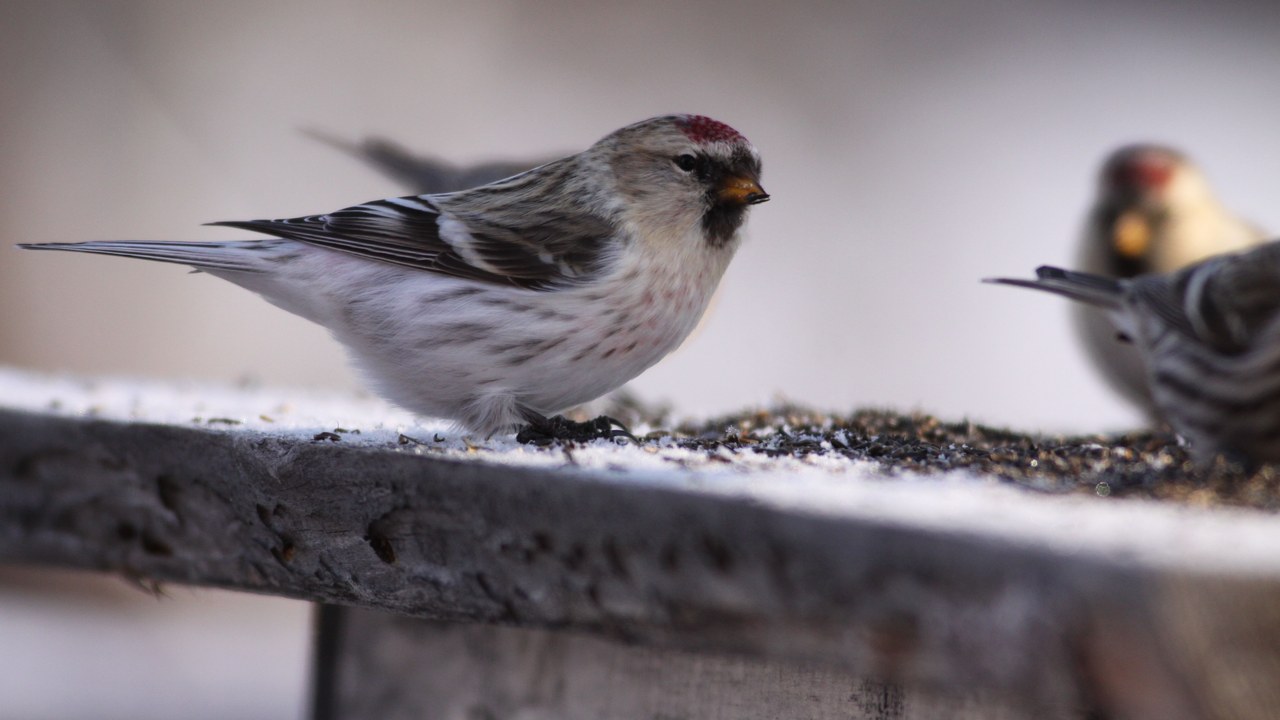
The common redpoll is a study in small-body endurance. Audubon’s account in Audubon’s redpoll survival story reports that it weighs only as much as four pennies and eats about 40 percent of its body weight in seeds every day to stay alive.
That appetite makes redpolls a reminder of why consistent feeding matters in harsh weather. When these northern visitors do turn up, a steady supply of small seeds can be the difference between a hungry visit and a productive one.
The day in tech, in one email: Get TLDR →
We may earn a commission if you sign up.
More from Morning Overview
- Long use of a common prostate pill is tied to a higher chance of glaucoma
- Ford is recalling 223,472 F-150 pickups because the fuel tank can leak or detach
- Hybrids have 15% fewer problems than gas cars, while EVs and plug-in hybrids have about 80% more, Consumer Reports finds
- Regulators cleared the first U.S. small modular reactor, 4 months early
