
American crewed spaceflight has leaned on a surprisingly varied roster of launchers, some borrowed from missile programs and others designed from scratch for people. Each one reflects the technology and ambitions of its era, from brief suborbital lobs to journeys beyond low Earth orbit. Here are nine of the vehicles that carried American crews skyward.
Tech news worth reading: Get Techpresso, the daily email with the most interesting tech news and insights, read by 400,000+ professionals from Google, Apple and OpenAI.
We may earn a commission if you sign up.
1. Mercury-Redstone: Suborbital Pioneer
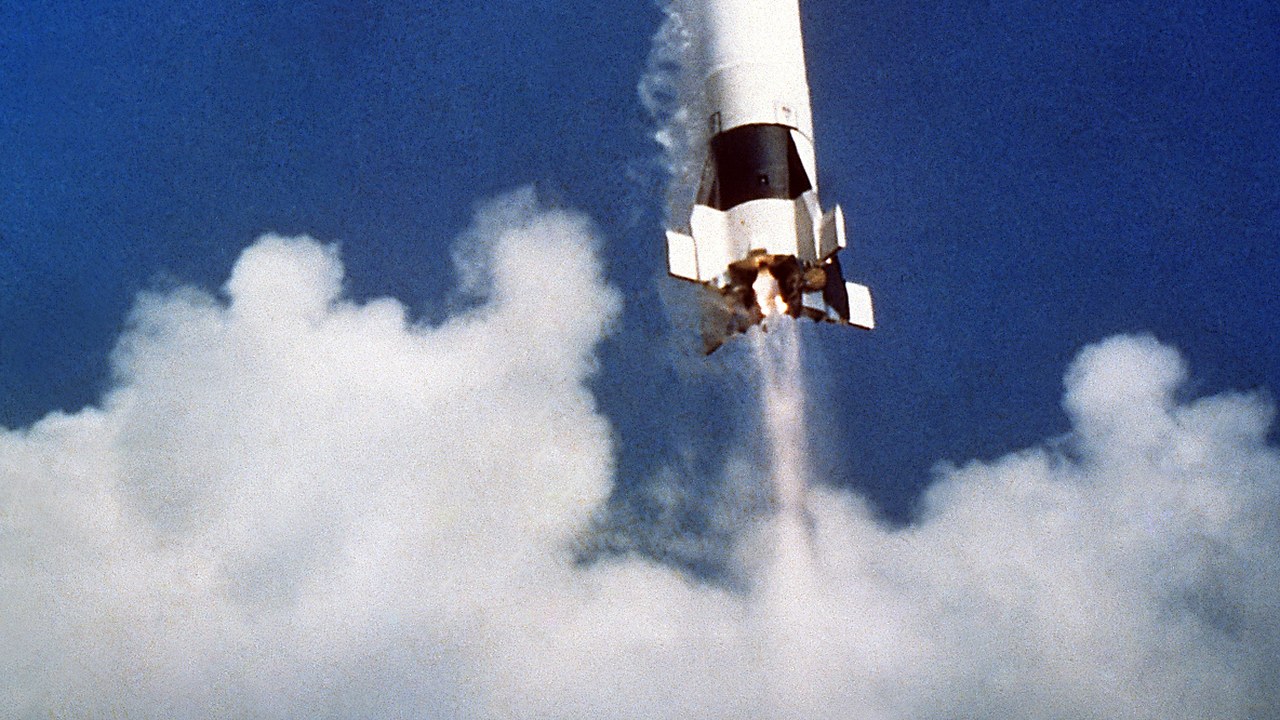
Alan Shepard’s Freedom 7 ride on May 5, 1961, reached a peak altitude of 116 miles and was over after only 15 minutes, according to AmericaSpace history of Redstone flights. That short arc made the Redstone the first American rocket to put a person into space, even though it never reached orbit.
The Redstone began life as a military missile, and its modest power explains the brevity of the trip. Anyone tracing the lineage of crewed flight should treat it as the proof of concept: a simple, proven booster that let NASA show a human could ride a rocket and return safely.
2. Atlas (Mercury-Atlas): Orbit At Last
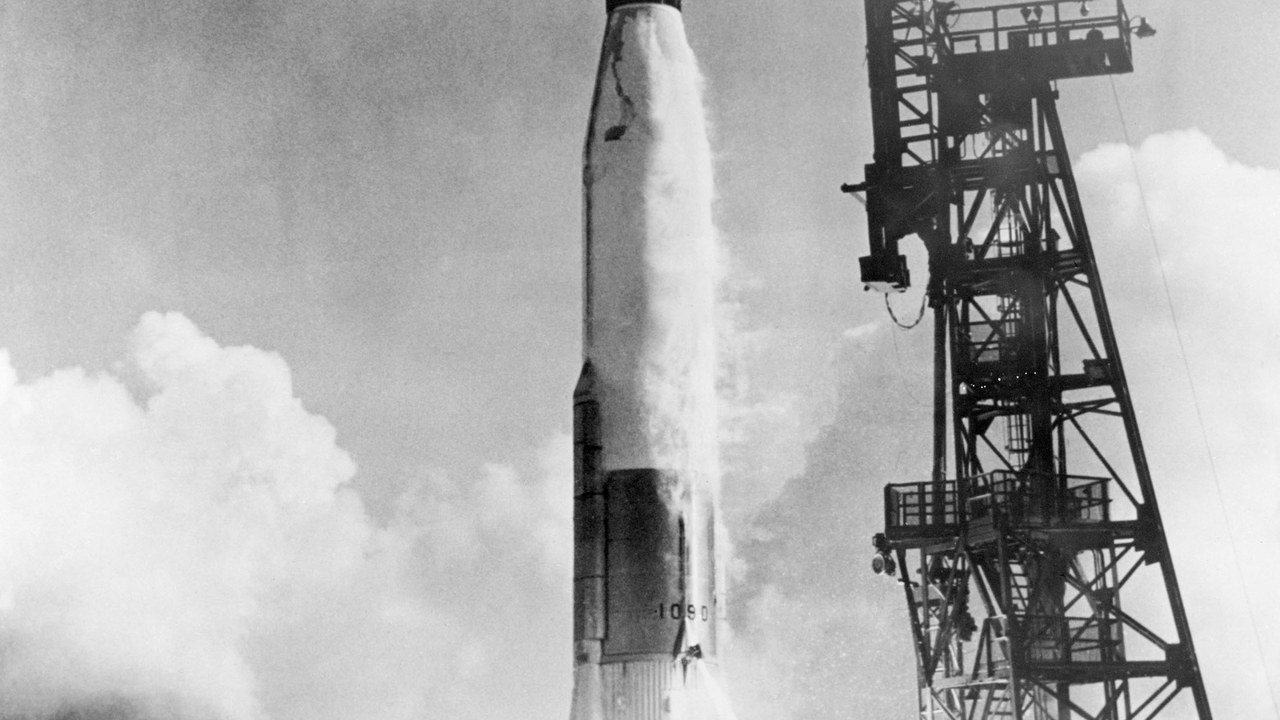
John Glenn became the first human to ride an Atlas on Feb. 20, 1962, the first of four Mercury-Atlas crew flights, as AmericaSpace account of Mercury-Atlas recounts. Where the Redstone could only lob a capsule up and over, the Atlas had the muscle to carry a Mercury spacecraft all the way into orbit.
The Atlas was another missile pressed into new service, which meant its reliability had to be earned flight by flight. For readers following the story, this is the moment American crewed spaceflight stopped being a brief hop and became a matter of circling the planet.
3. Titan II: Gemini’s Workhorse
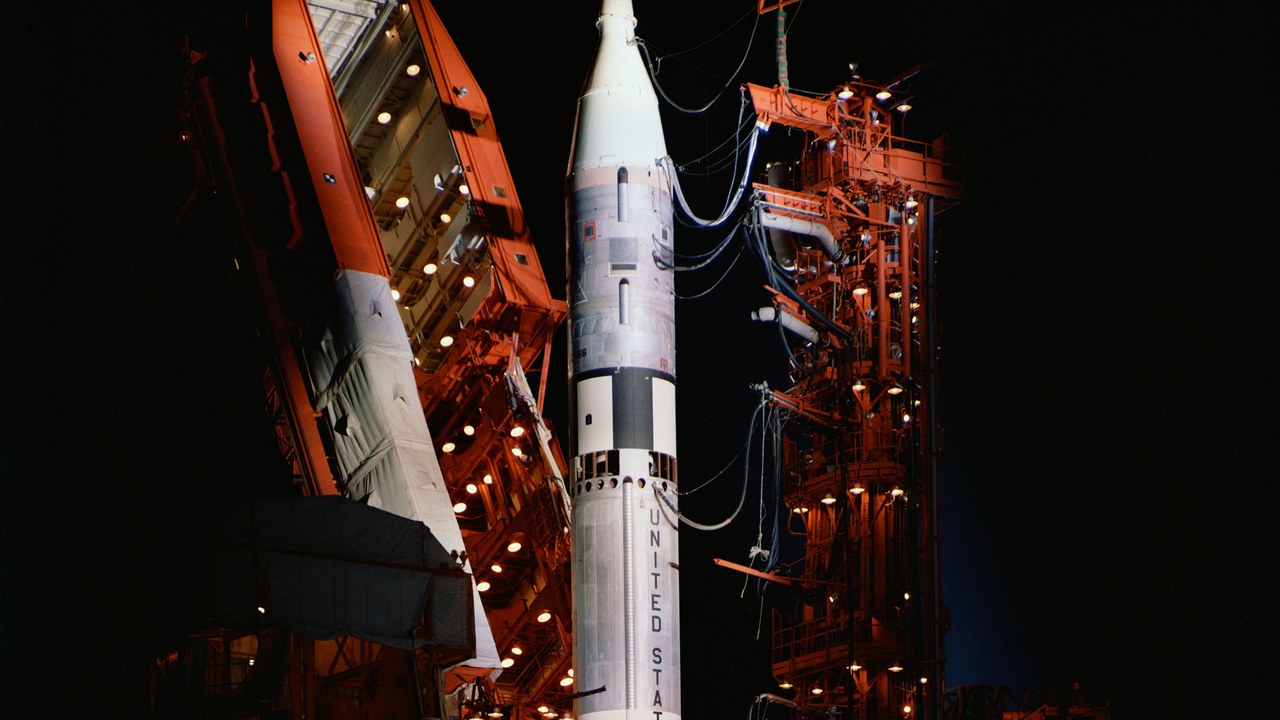
Converted Titan II missiles launched Gemini crews ten times between March 1965 and November 1966, with G-forces peaking close to eight, per AmericaSpace Gemini launch history. That is a punishing ride, and it came packaged with a rocket that was never designed with passengers in mind.
The Titan II gave NASA the lifting power needed for two-person capsules and the long-duration, rendezvous-heavy missions that followed. Its tight ten-flight record in under two years shows how quickly the Gemini program turned a surplus missile into a dependable crew launcher.
4. Saturn IB: Apollo’s Warm-Up
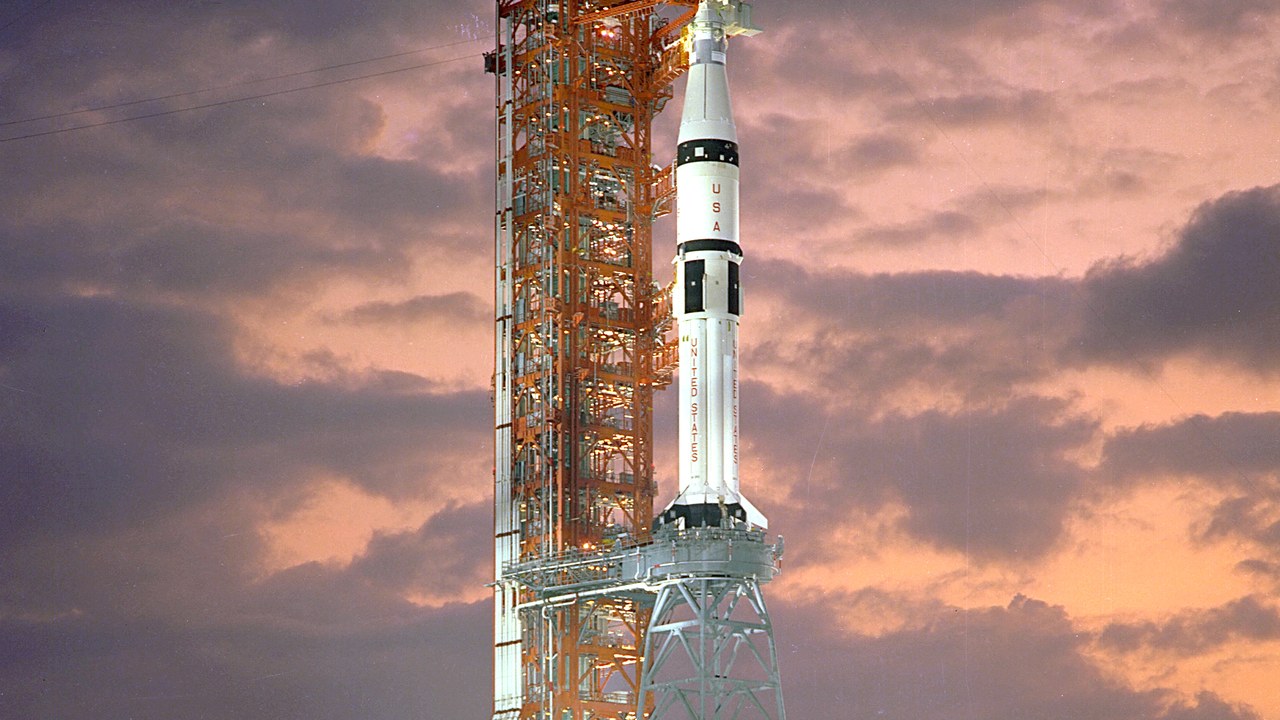
The Saturn IB flew from 1966 to 1975 and also launched the Apollo-Soyuz mission, based on the Wikipedia list of NASA launch vehicles. Its long service life stretched from the early Apollo era to the first joint American and Soviet crewed flight.
Smaller than the Saturn V, the Saturn IB handled Earth-orbit work, which made it the practical rocket for testing Apollo hardware close to home. Its place on this list is a reminder that the glamorous moon vehicle depended on a quieter sibling to prove out the spacecraft first.
5. Saturn V: The Moon Rocket
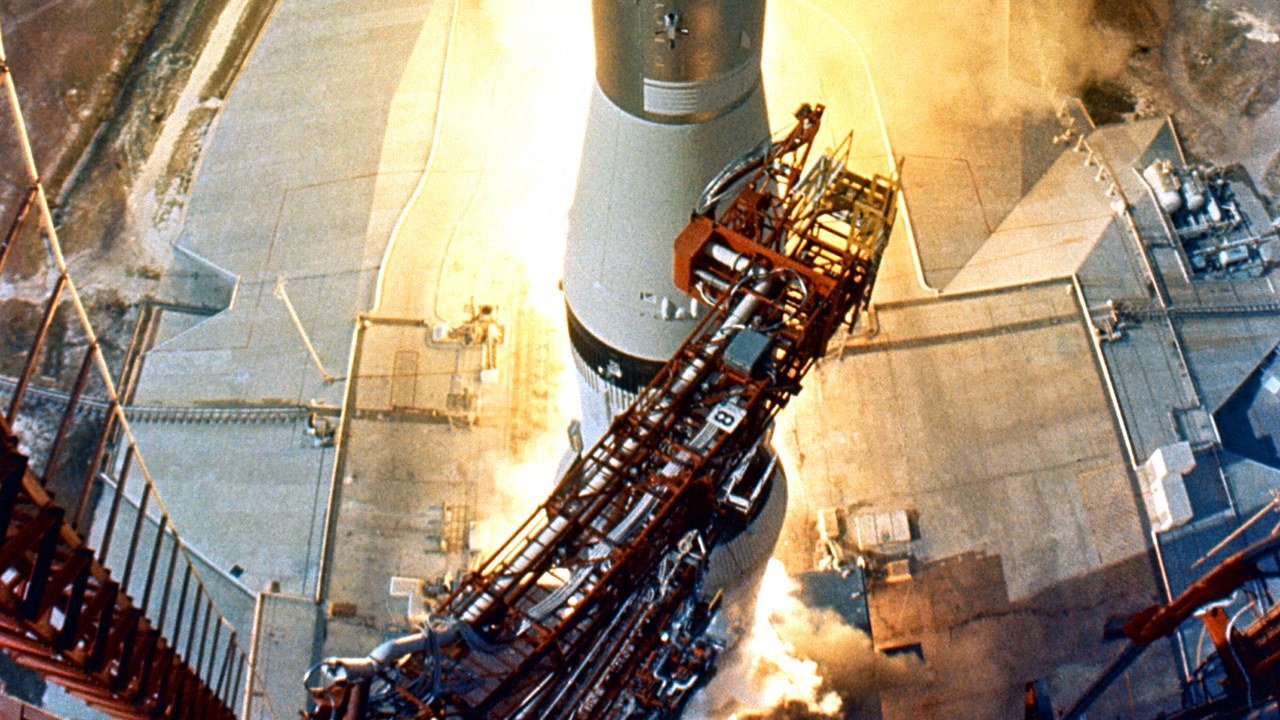
Flying from 1967 to 1973, the Saturn V was the first launch vehicle to take humans past low Earth orbit, according to the NASA launch vehicle listing. No earlier American rocket had carried people beyond the near-Earth neighborhood where Mercury, Gemini and the Saturn IB operated.
The Saturn V remains the benchmark against which later heavy-lift rockets are measured, and its six-year operating window shows how brief the Apollo push really was. Anyone judging the current moon effort will find this vehicle is still the reference point.
6. Space Shuttle: Reusable Ambitions
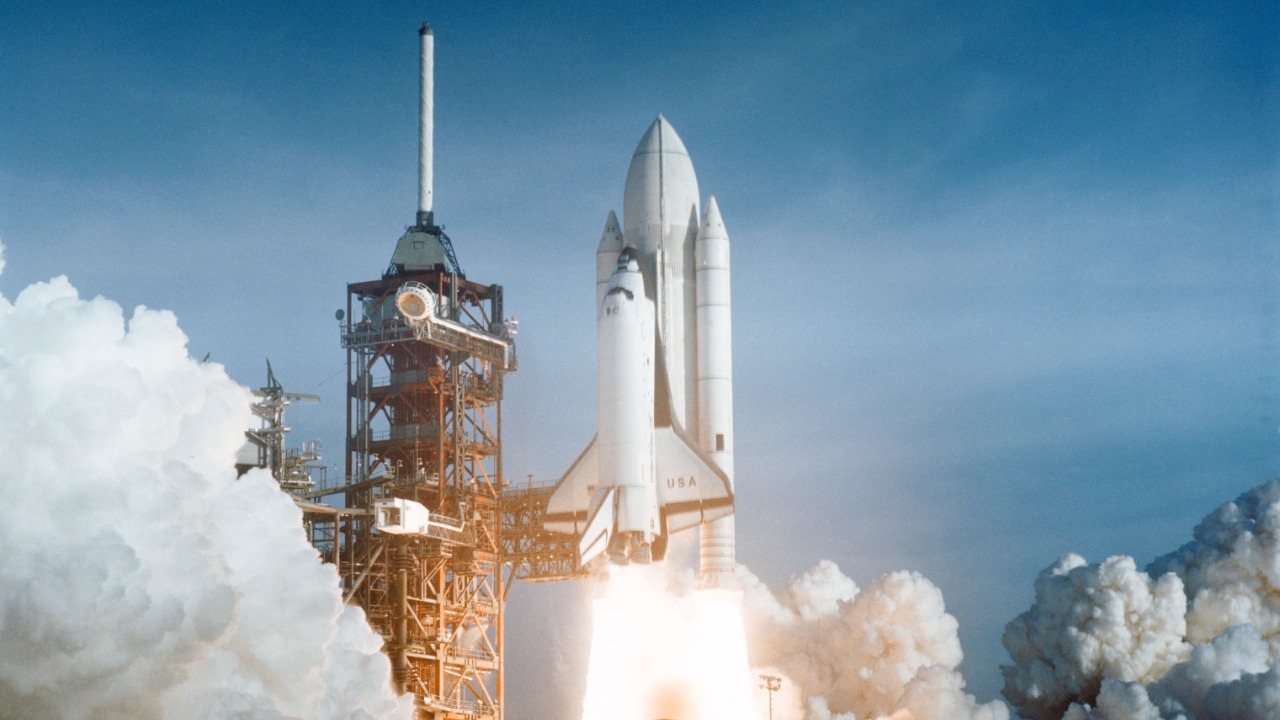
The shuttle flew from 1981 to 2011 as the first partially reusable launch vehicle, a distinction noted in the Wikipedia NASA vehicle summary. Its three decades of service dwarf the operating spans of the earlier crew rockets in this gallery.
Unlike the capsule-topped boosters before it, the shuttle was a winged orbiter that returned to a runway, with parts of the system recovered for reuse. That design promised cheaper access to orbit, and its long career defines what American crewed flight looked like for a generation.
7. Falcon 9: Commercial Crew Era
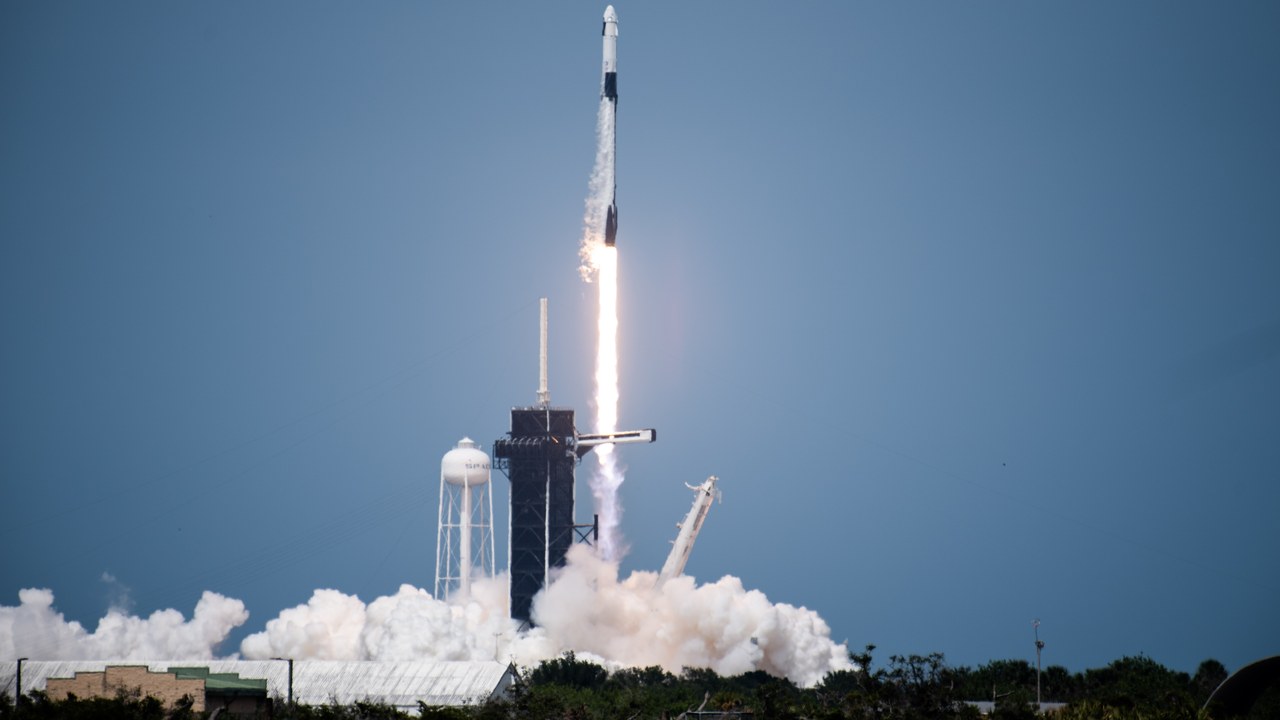
SpaceX’s 229.6-foot, two-stage Falcon 9 first launched two American astronauts to the space station in May 2020, as NASA commercial crew rockets page describes. It marked the return of crew launches from American soil to a privately operated rocket.
NASA’s commercial crew program shifted the model from agency-owned rockets to a service bought from industry. For station operations, the Falcon 9 restored a domestic route to orbit and gave NASA a second path alongside its other crew vehicles. The vehicle’s two-stage design and published height make it easy to compare against the older, shorter Redstone and Atlas boosters.
8. Atlas V: Starliner’s Ride
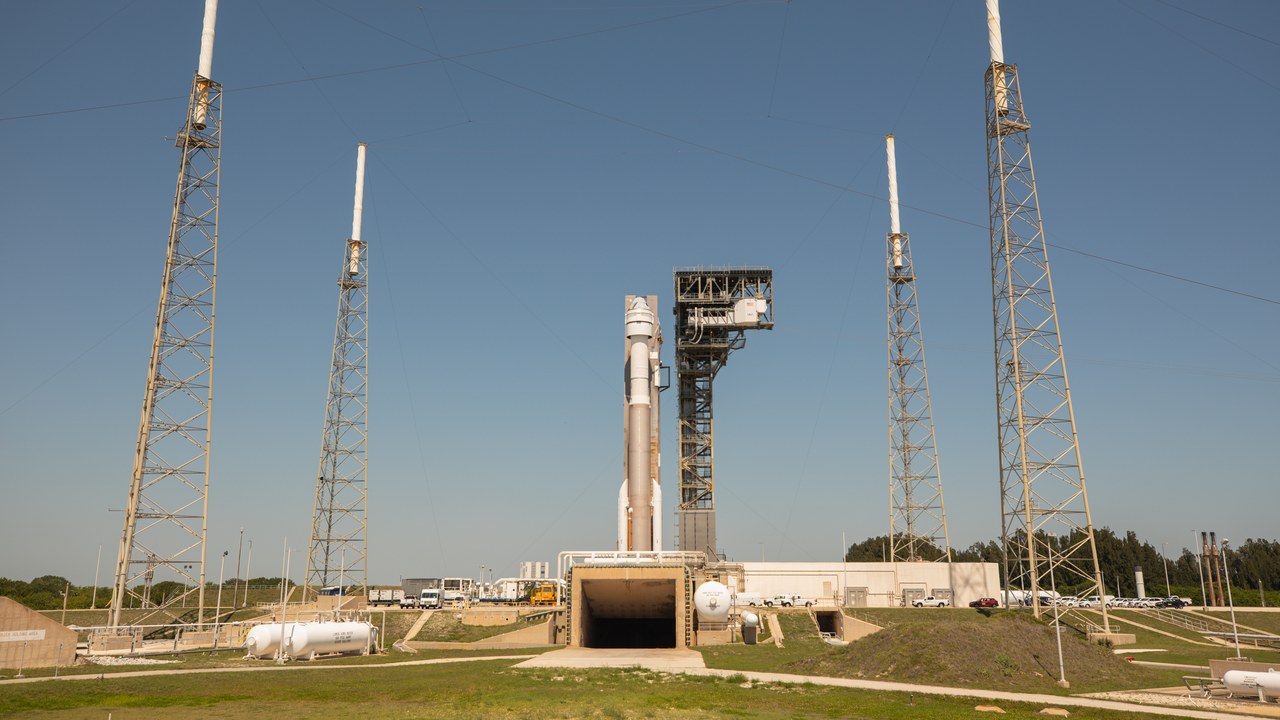
NASA lists the 205-foot Atlas V as the rocket for Boeing’s Starliner crew flights, according to its NASA commercial crew overview. The Atlas name links back to John Glenn’s era, though this modern version is a far larger and more capable machine.
Pairing the Atlas V with Starliner gave the commercial crew program a second launch-and-capsule combination, built to avoid depending on a single provider. Readers weighing the options should note that the rocket is the settled part of the pairing, listed by NASA for the job.
9. Space Launch System: Artemis Heavy Lifter
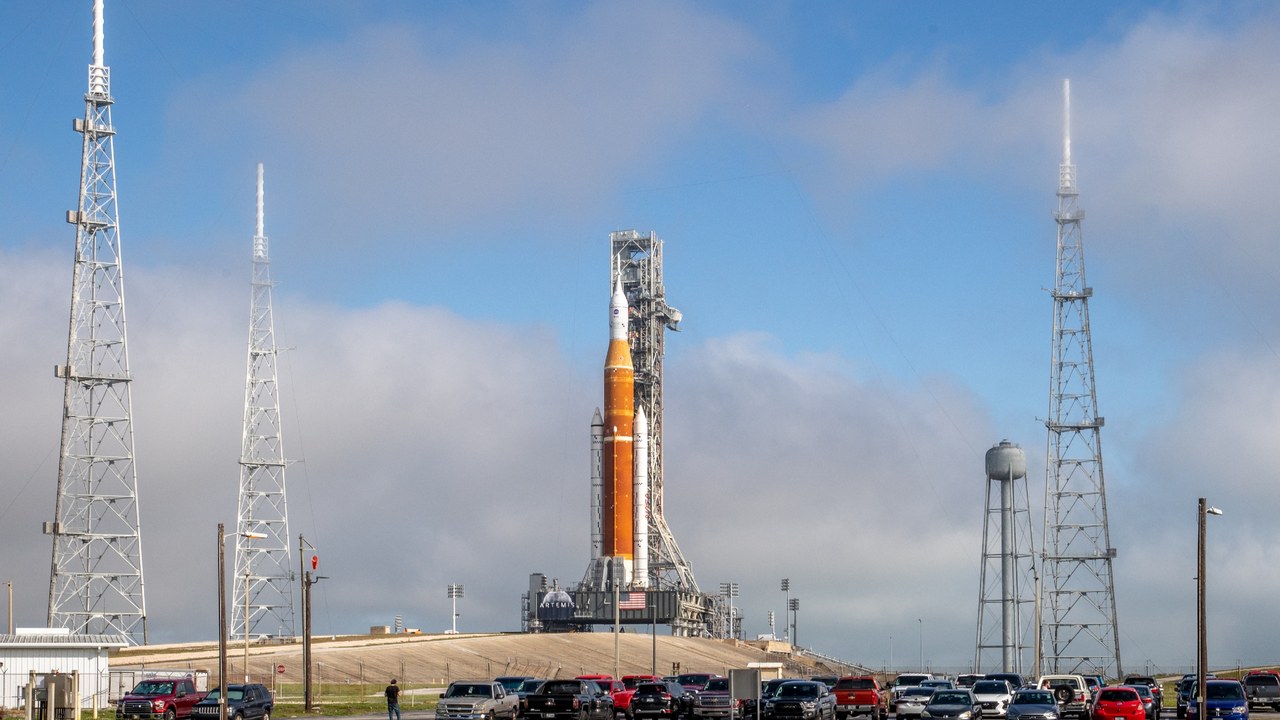
NASA’s SLS has already launched Artemis II, and its twin boosters supply more than 75 percent of its liftoff thrust as Artemis III stacking advances, per a NASA Artemis III booster update. The booster share explains much of the rocket’s raw power at launch.
The Space Launch System is the first vehicle since the Saturn V built to send crews toward the moon. With booster stacking for the next Artemis flight underway, it represents the current chapter in the long line of American crew launchers.
Tech news worth reading: Get Techpresso →
We may earn a commission if you sign up.
More from Morning Overview
- Two passengers died at an Ohio toll plaza, and the NTSB now wants the cash lanes shut
- Long use of a common prostate pill is tied to a higher chance of glaucoma
- Ford is recalling 223,472 F-150 pickups because the fuel tank can leak or detach
- Hybrids have 15% fewer problems than gas cars, while EVs and plug-in hybrids have about 80% more, Consumer Reports finds
