
Few environmental problems in America come with a price tag as vivid as the damage done by creatures that arrived from somewhere else. This gallery tallies the mammals, birds, fish, insects and mollusks that have reshaped ecosystems, farmland and waterways. Here are eleven of the most notorious invaders.
AI, explained every day: The Deep View is the go-to daily newsletter for 600,000+ founders, knowledge workers and professionals who want to stay up to date with artificial intelligence.
We may earn a commission if you sign up.
1. Feral hog: Costliest Of All
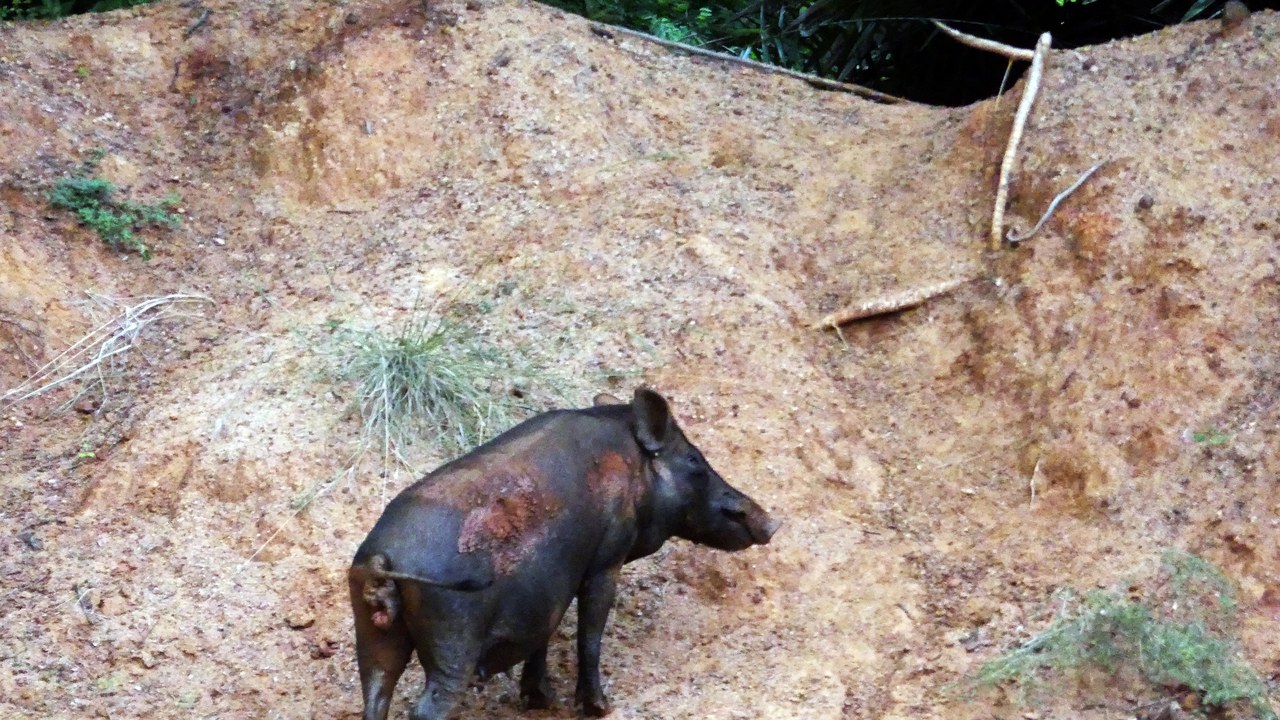
USDA puts the minimum annual cost of damage from feral swine in the United States at $3.4 billion, and about 8% of the animals carry brucellosis. That combination of crop, property and disease impact is why hogs top the list.
Landowners and hunters handle wild pigs at their own risk, since brucellosis can pass to people through contact with infected animals. Wearing gloves and cooking meat thoroughly are standard precautions, and sightings on farmland are worth reporting to state wildlife officials.
2. Burmese python: Everglades Eating Machine
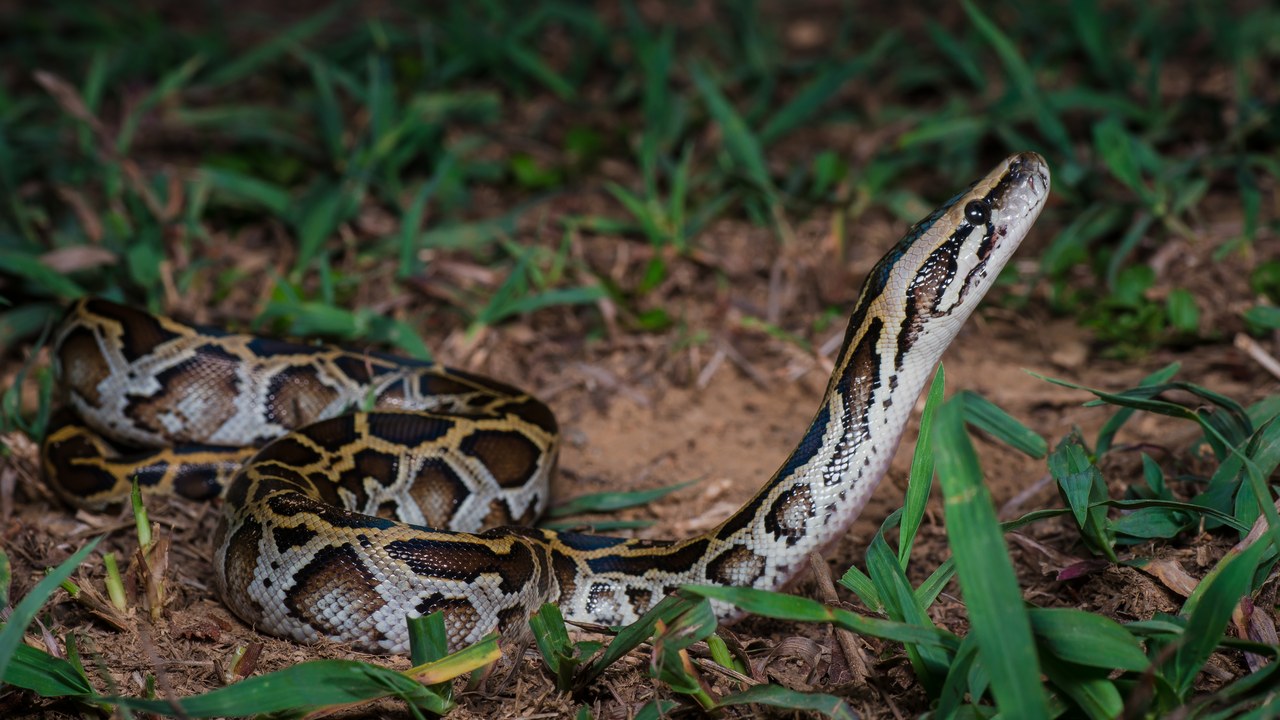
Burmese pythons that can reach 20 feet or more have devoured more than 90 percent of the small and medium-sized mammals in the Everglades, according to an account of invasive species. The snakes, established in southern Florida, now sit near the top of the food web there.
Releases of pet reptiles are widely blamed for the population, which is why wildlife agencies urge owners never to dump an unwanted snake outdoors. Many states run amnesty or surrender programs for exactly that purpose.
3. European starling: Central Park Takeover
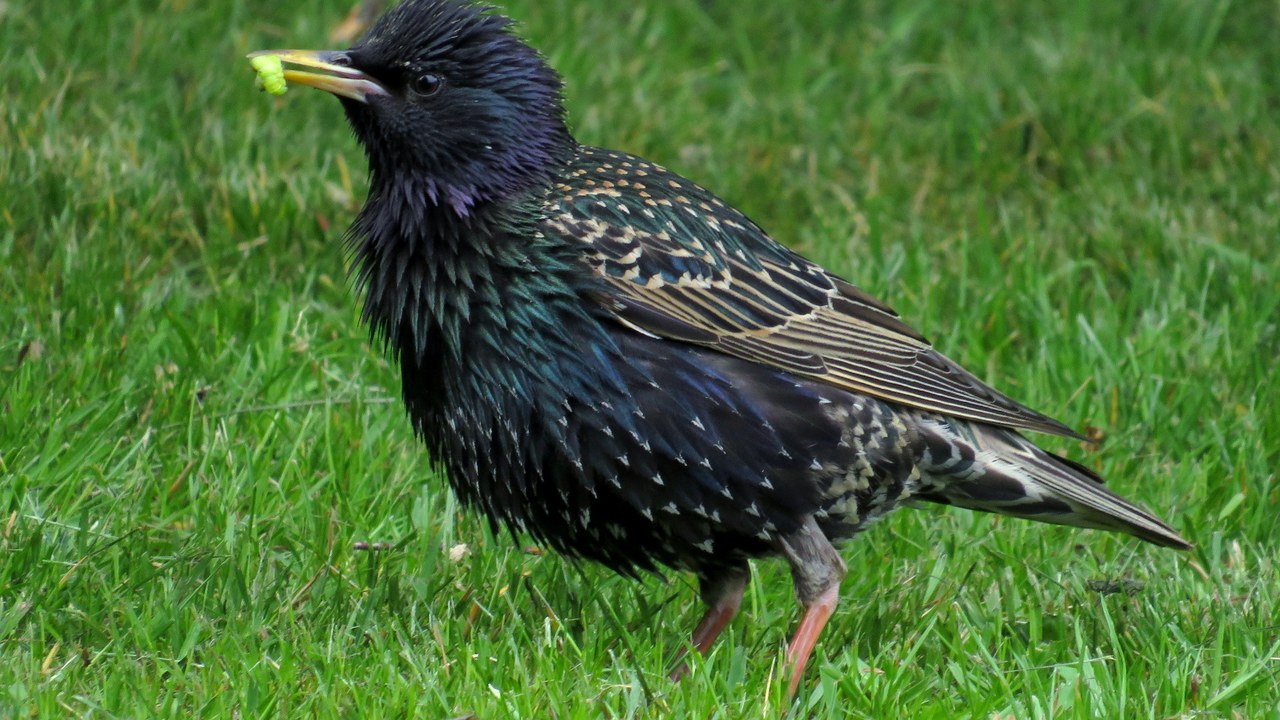
Roughly 100 starlings released in Central Park in 1890 and 1891 grew into more than 200 million birds across North America, as this HISTORY feature recounts. Few introductions in the continent’s history have multiplied so completely from such a small start.
Starlings compete with native cavity nesters such as bluebirds and woodpeckers for nest holes. Homeowners who put up nest boxes can cut the problem by choosing entrance holes sized to exclude the larger, aggressive newcomers.
4. Nutria: Bounty On Tails
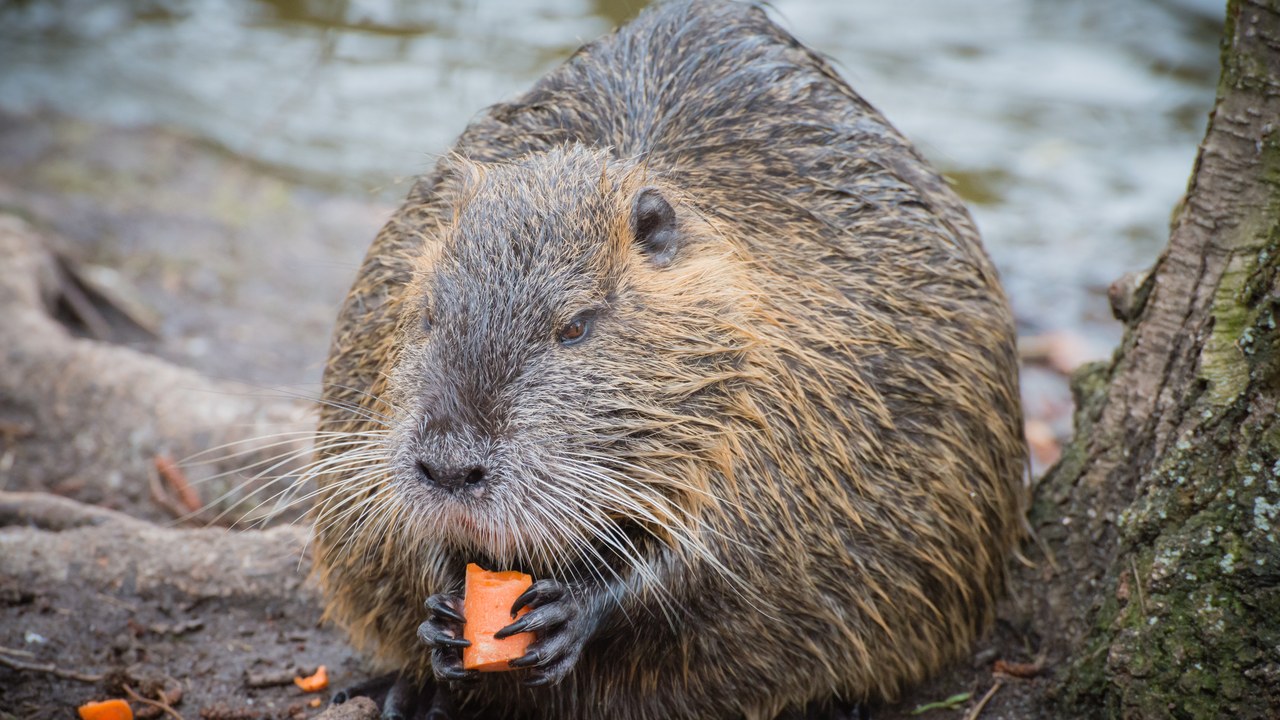
The fur-trade rodent known as nutria grows as large as 20 pounds, and a $6 bounty in Louisiana brought in nearly 11,000 tails in 2019, according to the HISTORY overview. Escaped and released animals from fur farms seeded wild colonies in the Gulf region.
Nutria burrow into levees and chew through marsh vegetation, so the damage shows up as eroding wetland and weakened banks. Bounty programs reward trappers, but they work best alongside sustained control rather than as a one-off measure.
5. Asian carp: Fifteen Million Pounds
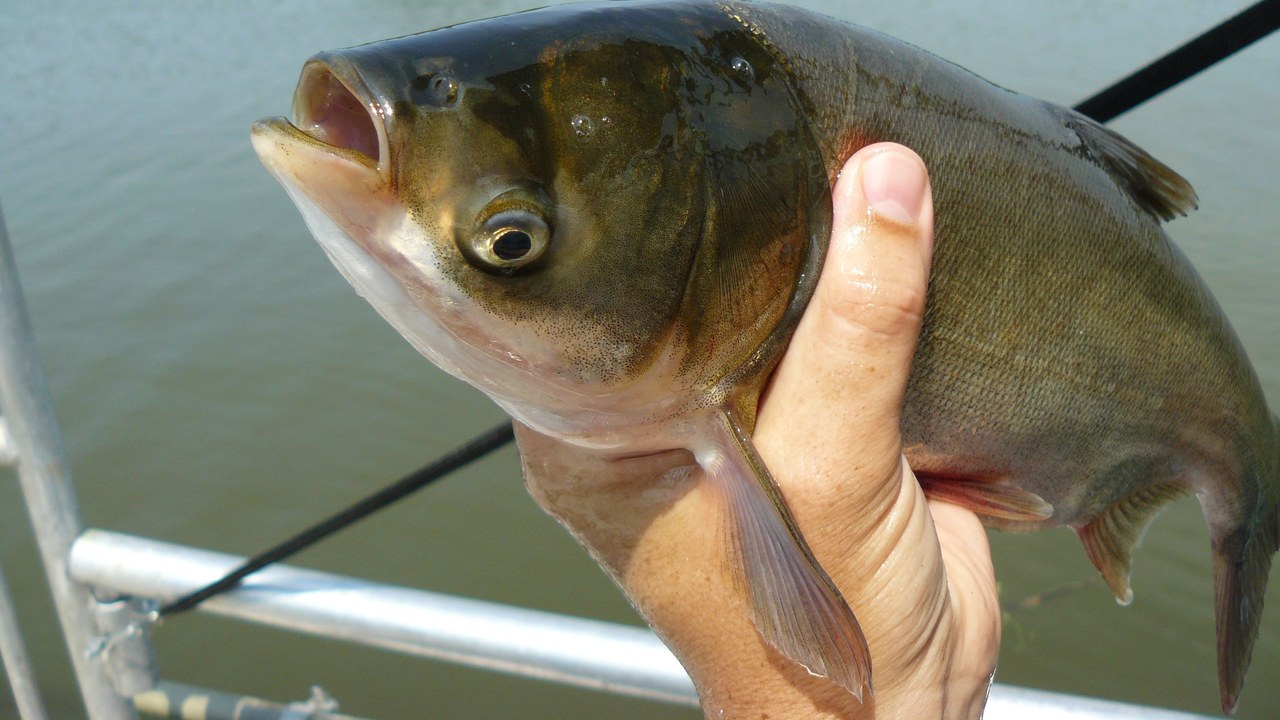
More than 15 million pounds of bighead and silver carp were harvested in 2024 alone, a figure reported in this A-Z Animals roundup. The haul shows how large the populations of these filter-feeding fish have grown in the waterways they now occupy.
Silver carp are notorious for leaping out of the water when startled by boat motors, which makes boating in infested rivers hazardous. Managers are guarding the Great Lakes, where the fish would compete with native species for plankton.
6. Sea lamprey: Great Lakes Parasite
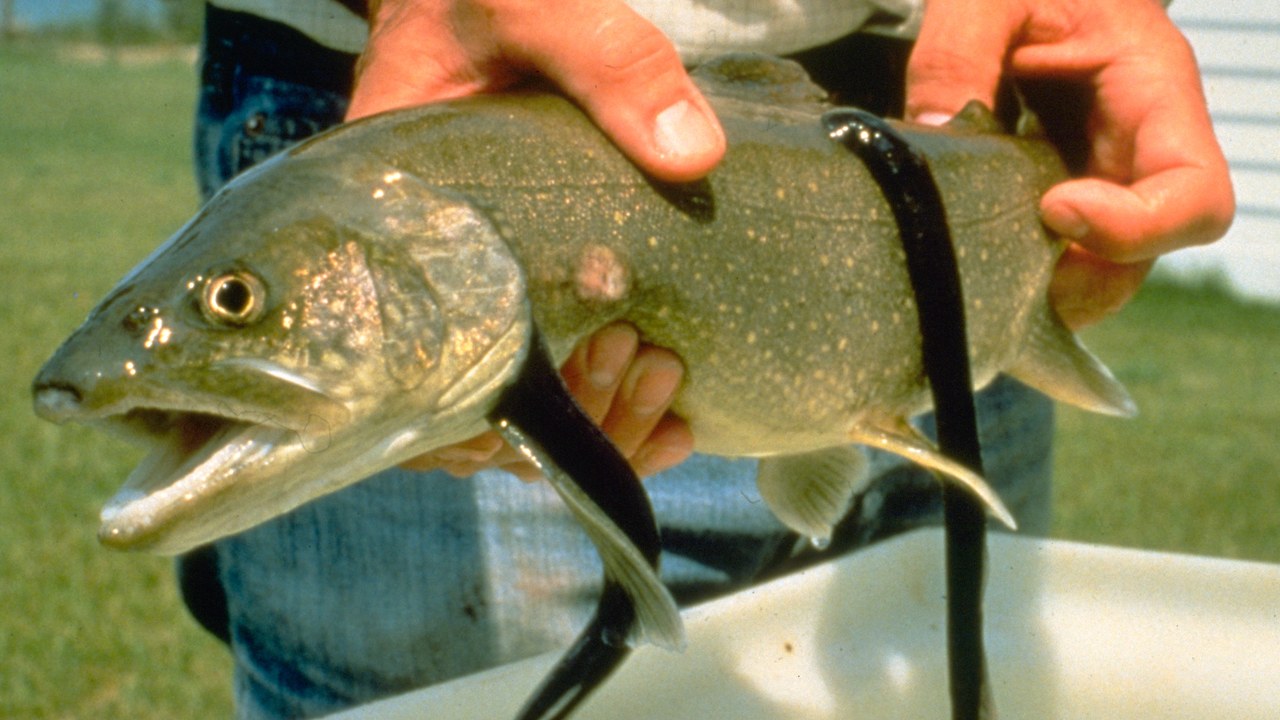
The sea lamprey, a bloodsucking parasite, cut fish populations by about 90% in most areas of the Great Lakes, according to this summary of destructive invaders. It attaches to a host with a toothed, sucker-like mouth and feeds on its blood and body fluids.
Control relies on ongoing treatment of spawning streams, not a single fix, so the threat is held in check rather than removed. Anglers on the lakes benefit indirectly, since stocked trout and salmon fisheries depend on that effort.
7. Red imported fire ant: Texas-Sized Stings
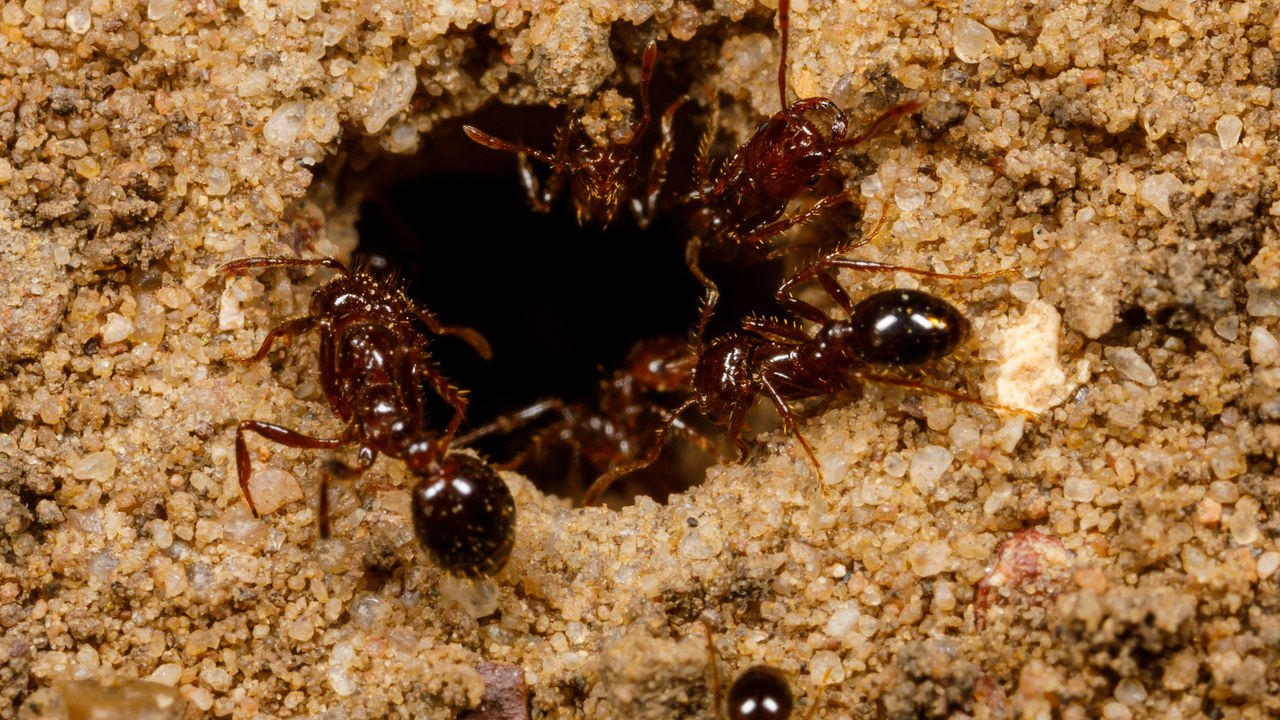
Annual impacts of the red imported fire ant in Texas alone run around $1.2 billion, according to the A-Z Animals list. The insect inflicts costs through medical care, damaged equipment and losses to livestock and agriculture across the state.
Mounds appear quickly after rain and the ants swarm when disturbed, so a bite from one often means dozens more. Homeowners should treat mounds with bait products and keep children and pets away from disturbed nests.
8. Emerald ash borer: Metallic Tree Killer
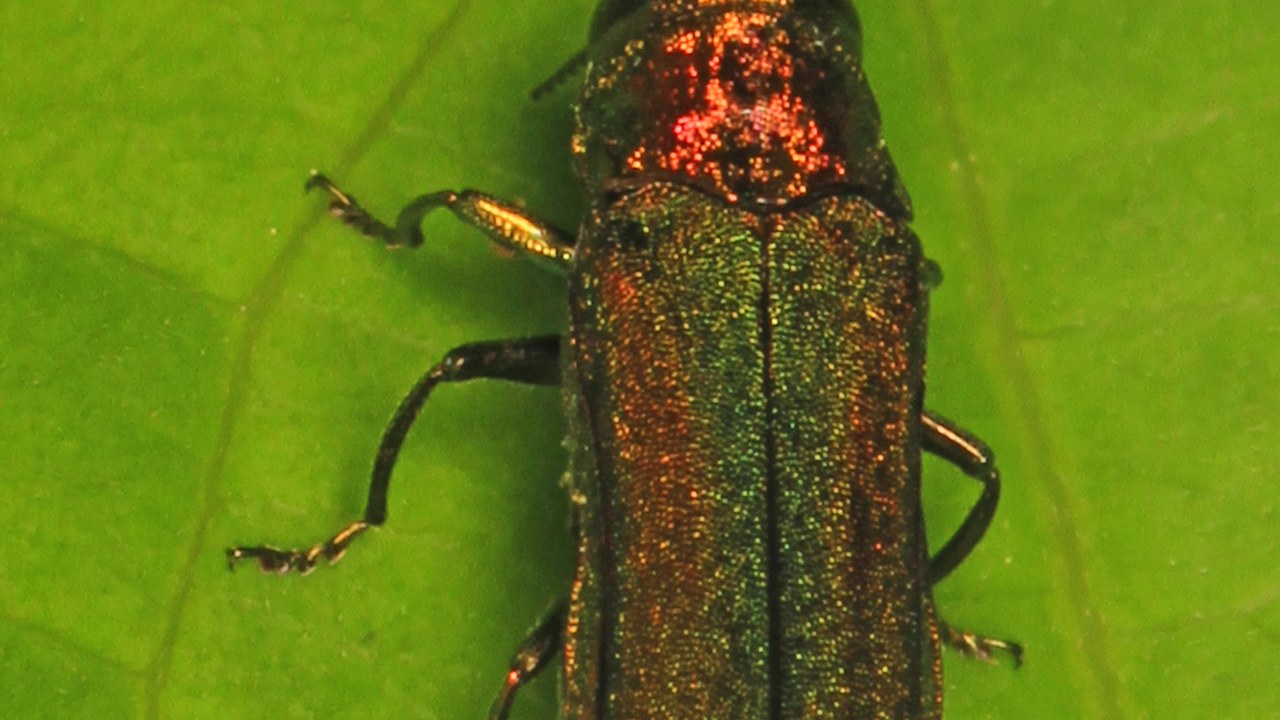
The emerald ash borer, a metallic green beetle, has killed millions of ash trees across the U.S. and Canada, as this ranking of damaging species notes. Its larvae tunnel beneath the bark and cut off the tree’s flow of water and nutrients.
Property owners with ash trees face a choice between trunk treatments and eventual removal, and acting early is cheaper than clearing dead trunks. Moving firewood across state lines is a common way the beetle reaches new areas.
9. Spotted lanternfly: Eighteen-State Spread
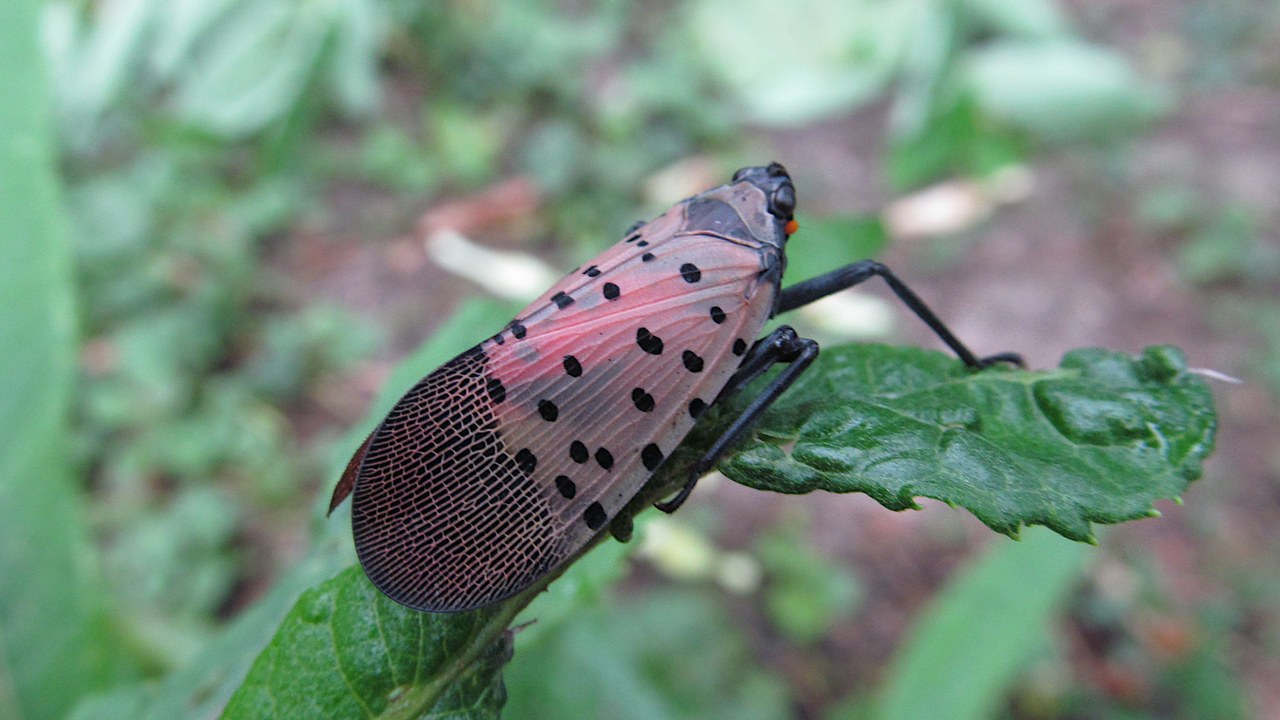
First detected in Berks County, Pennsylvania, in 2014, the spotted lanternfly has since been detected in over 18 states and feeds on over 70 plant species, according to the North Carolina Department of Agriculture. Its wide diet helps explain how quickly it has moved.
Residents in affected areas are asked to check vehicles and outdoor gear for egg masses before travelling. Squashing adults and scraping egg masses are common recommendations, and state agriculture offices often want sightings reported.
10. Zebra mussel: Ballast Water Stowaway
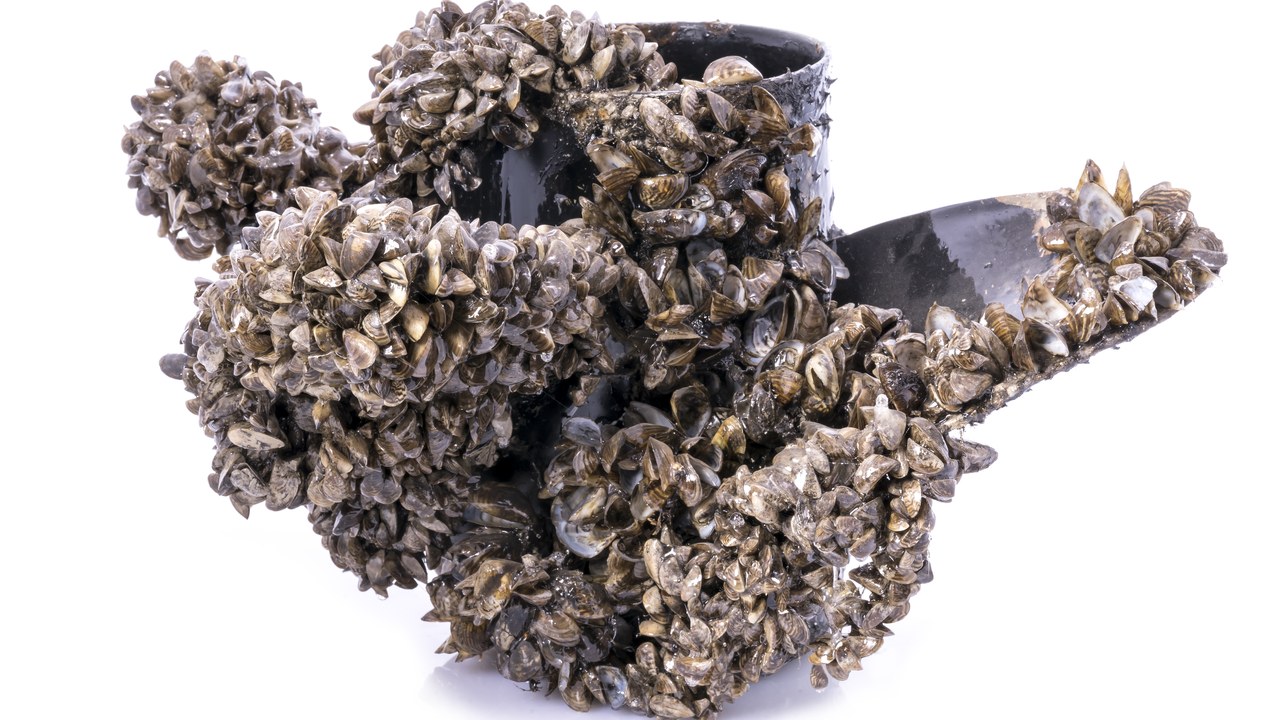
Less than ten years after arriving in ballast water, zebra mussels had spread to all five Great Lakes, and they have since turned up as far west as California, the USGS reports. Ships carried the small mollusks across the ocean in their tanks.
Boaters can slow the spread by draining water, cleaning hulls and drying gear between lakes. Zebra mussels clog water intake pipes and encrust docks, so waterfront owners and utilities end up bearing much of the practical burden.
11. Northern snakehead: Fish That Breathes Air
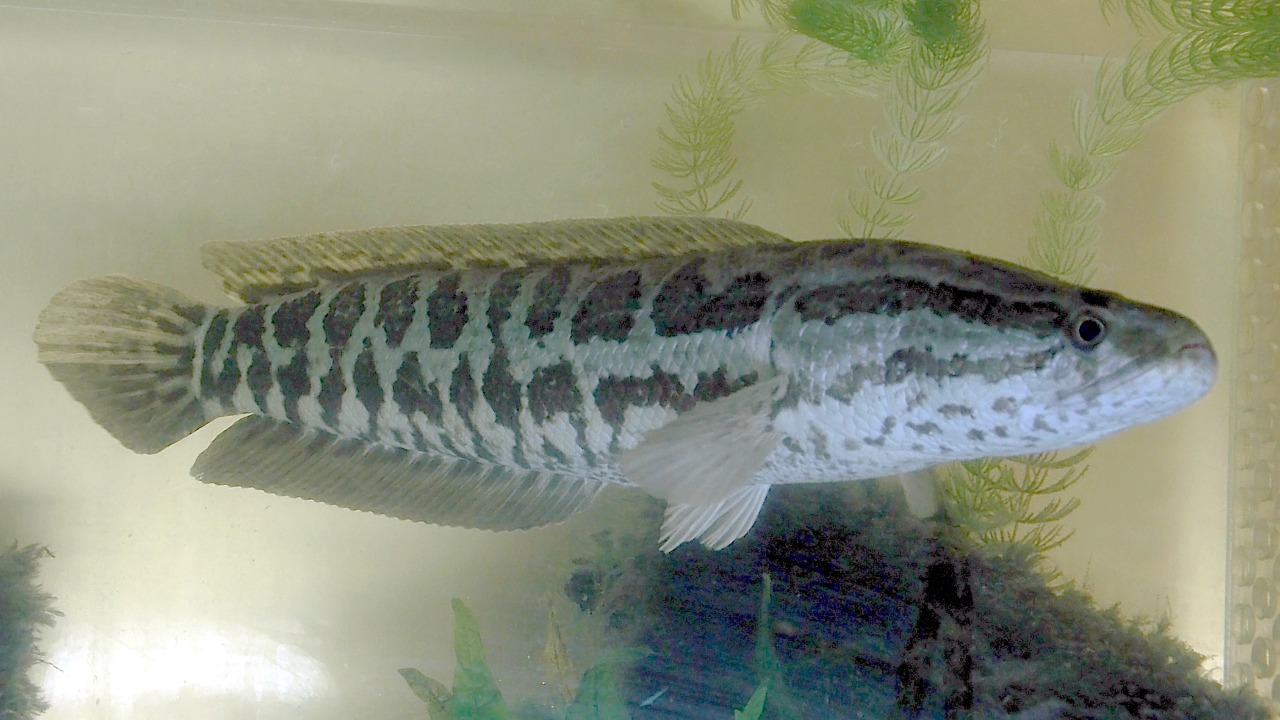
The northern snakehead, an air-breathing fish, drew national attention when anglers caught it in summer 2002 and again in late spring 2004, according to the USGS. Its ability to gulp air gave the catches an extra dose of alarm.
Anglers who land a snakehead are generally told to keep it, never release it, and to report the catch to state wildlife officials. Aquarium and live-food releases are the usual suspected origin of such fish in local ponds.
AI, explained every day: Get The Deep View →
We may earn a commission if you sign up.
More from Morning Overview
- The FBI told the rest of ShinyHunters to surrender after a 24-year-old was arrested
- Two passengers died at an Ohio toll plaza, and the NTSB now wants the cash lanes shut
- Long use of a common prostate pill is tied to a higher chance of glaucoma
- Ford is recalling 223,472 F-150 pickups because the fuel tank can leak or detach
