
Lizards in the United States range from a venomous desert native to invasive giants spreading through Florida, and the group is more varied than most people expect. Some are protected, some are prohibited, and one has a defense that shoots blood several feet. Here are twelve lizards, each with its own stake.
Tech news worth reading: Get Techpresso, the daily email with the most interesting tech news and insights, read by 400,000+ professionals from Google, Apple and OpenAI.
We may earn a commission if you sign up.
1. Gila monster: Medical Emergency Bite
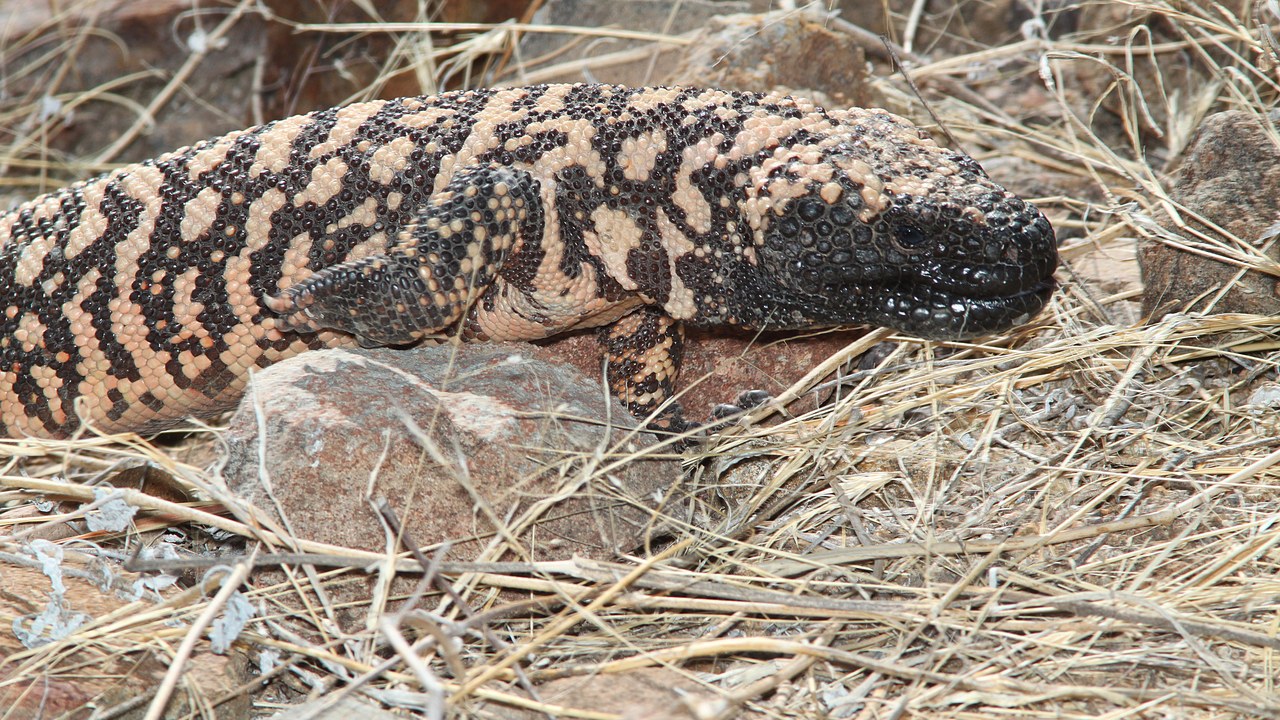
Adults reach about 22 inches, and the Saguaro park profile identifies this as the only venomous lizard native to the U.S. Its bite is called a serious and painful medical emergency.
A bite always calls for a trip to the Emergency Room, according to the agency. Length figures differ a little between park pages, since another National Park Service page puts the animal at about 20 inches, so the size is best read as approximate.
2. Texas horned lizard: Aimed Blood Stream
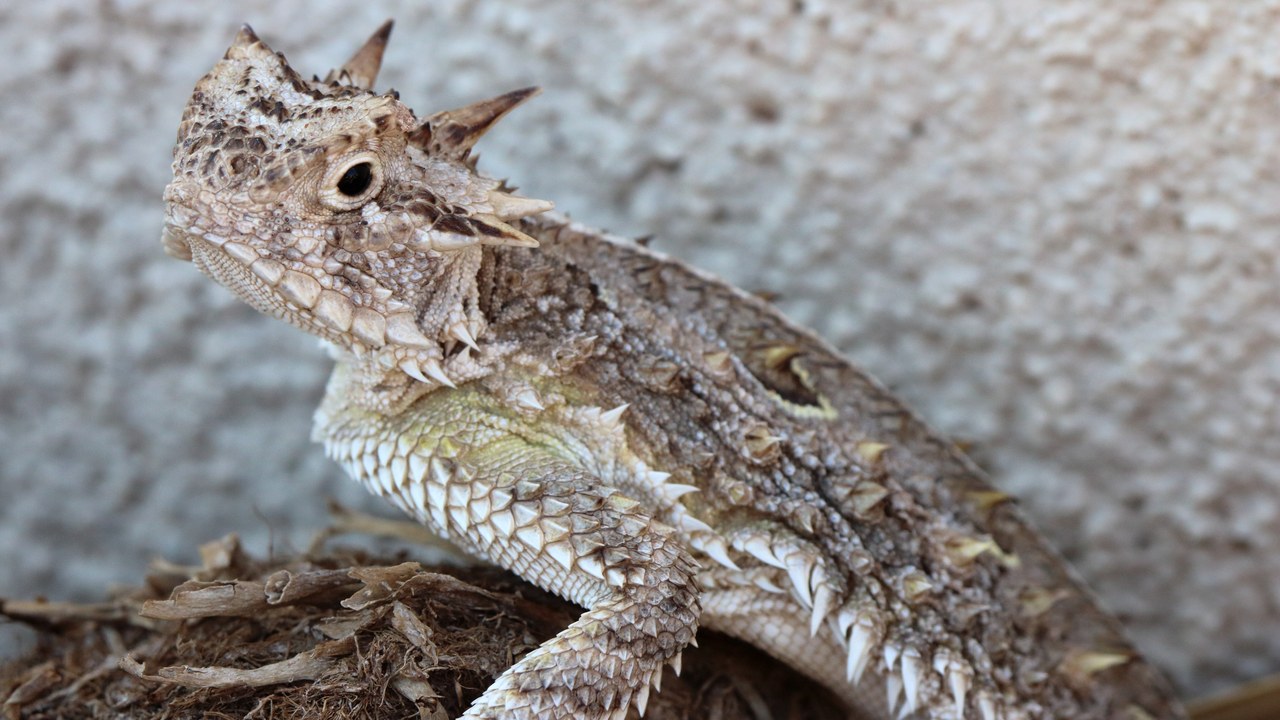
According to the San Antonio River Authority profile, this species can shoot an aimed stream of blood and foul-tasting chemicals up to five feet at predators. That defense is the hook behind the headline, and the animal is a small horned reptile of Texas.
Texas gave the lizard threatened status in 1977. The blood squirt is a last-resort tactic aimed at attackers, and the protection listing shows that a species with such an unusual defense still needed legal help to hold its ground in its home state.
3. Brown anole: Florida’s First Reptile Import
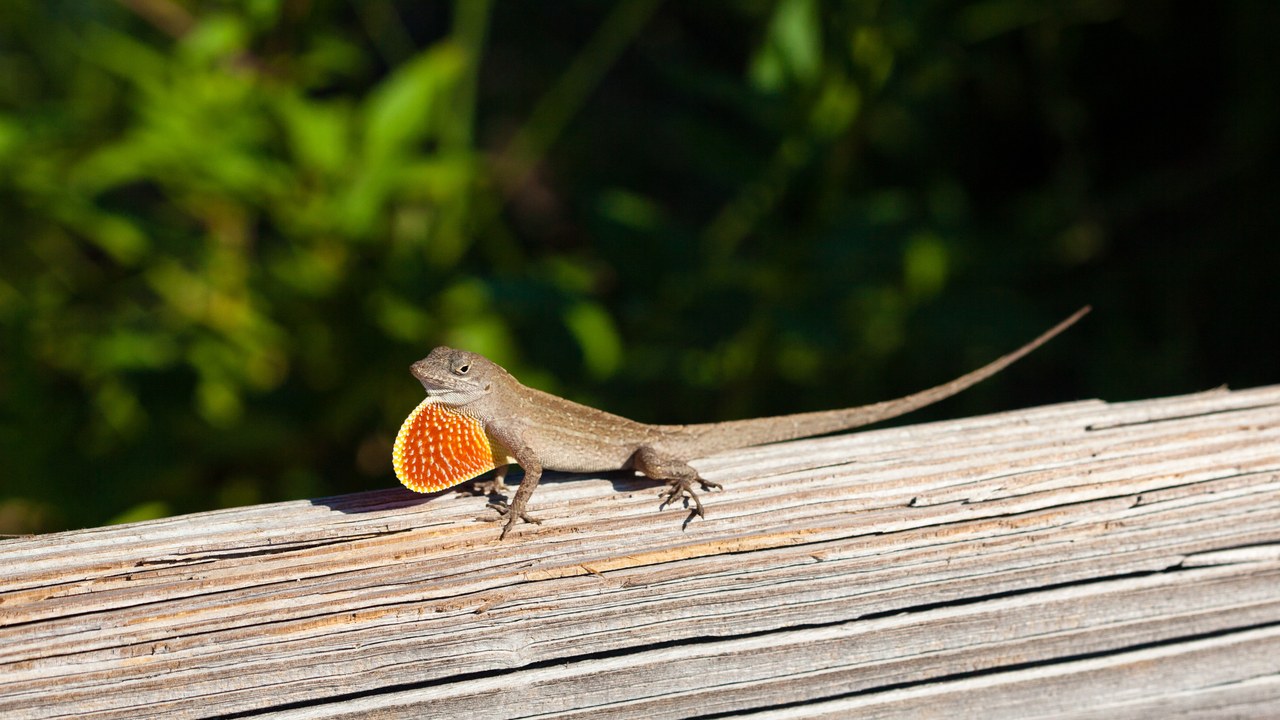
The University of Florida extension guide states that the first documented reptile introduction to Florida was this species, arriving in the late 1800s. Adults reach 5 to 9 inches in length.
That makes the small lizard the starting point of Florida’s reptile introductions, a history that stretches back well over a century. Several later entries on this list followed it into the state, though none arrived as early as this one.
4. Green iguana: Florida’s Giant Arrival
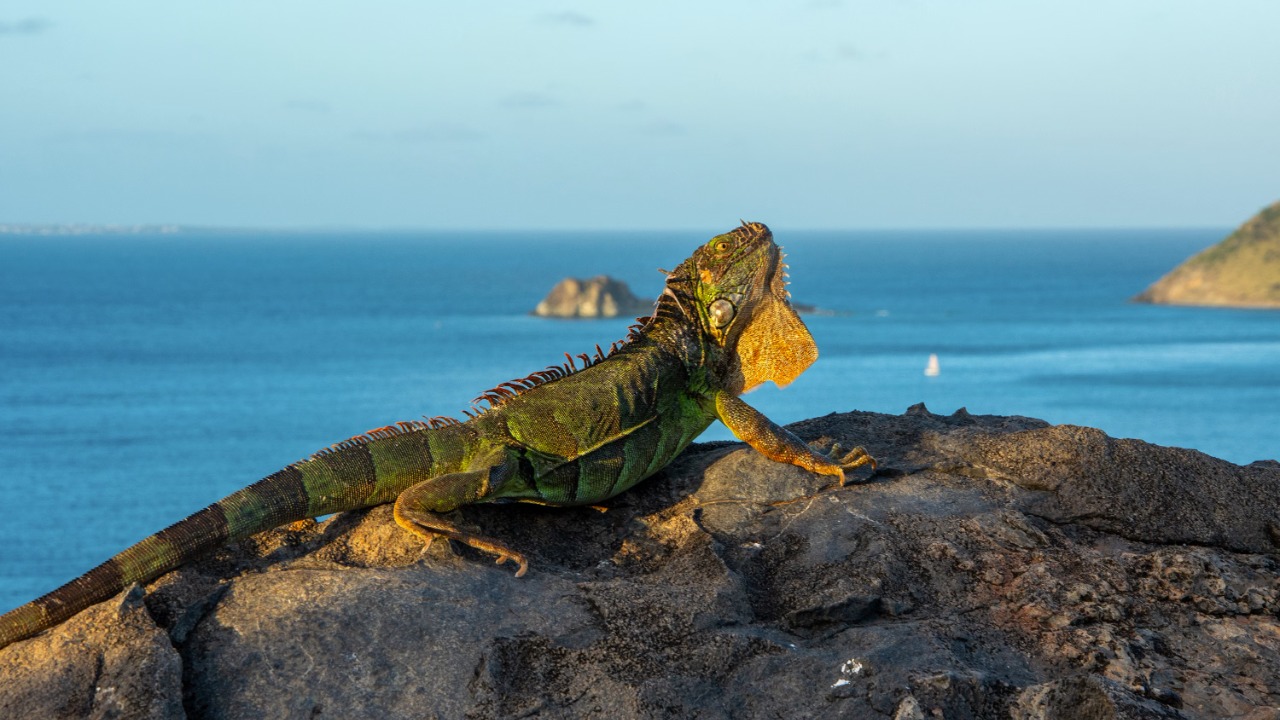
First reported in Florida in the 1960s, this iguana is described by the state wildlife commission profile as large, with males topping 5 feet and 17 pounds. Clutches run from 14 to 76 eggs.
Such heavy bodies and large clutches show why the animal draws attention in Florida, where it is not native. The state agency profile lays out the size and egg figures, and the 1960s first report marks how long the species has been present.
5. Argentine black and white tegu: Prohibited Tegu

Reaching nearly 5 feet, the animal described on the Florida wildlife commission tegu page lays an average of 35 eggs per year. Florida banned it as a prohibited species in 2021.
Big bodies combined with that steady egg output help explain the prohibition, which came with the 2021 listing. Florida’s wildlife agency treats the black and white lizard as a prohibited species, and its profile supplies both the size and the annual egg count cited here.
6. Nile monitor: Giant African Monitor
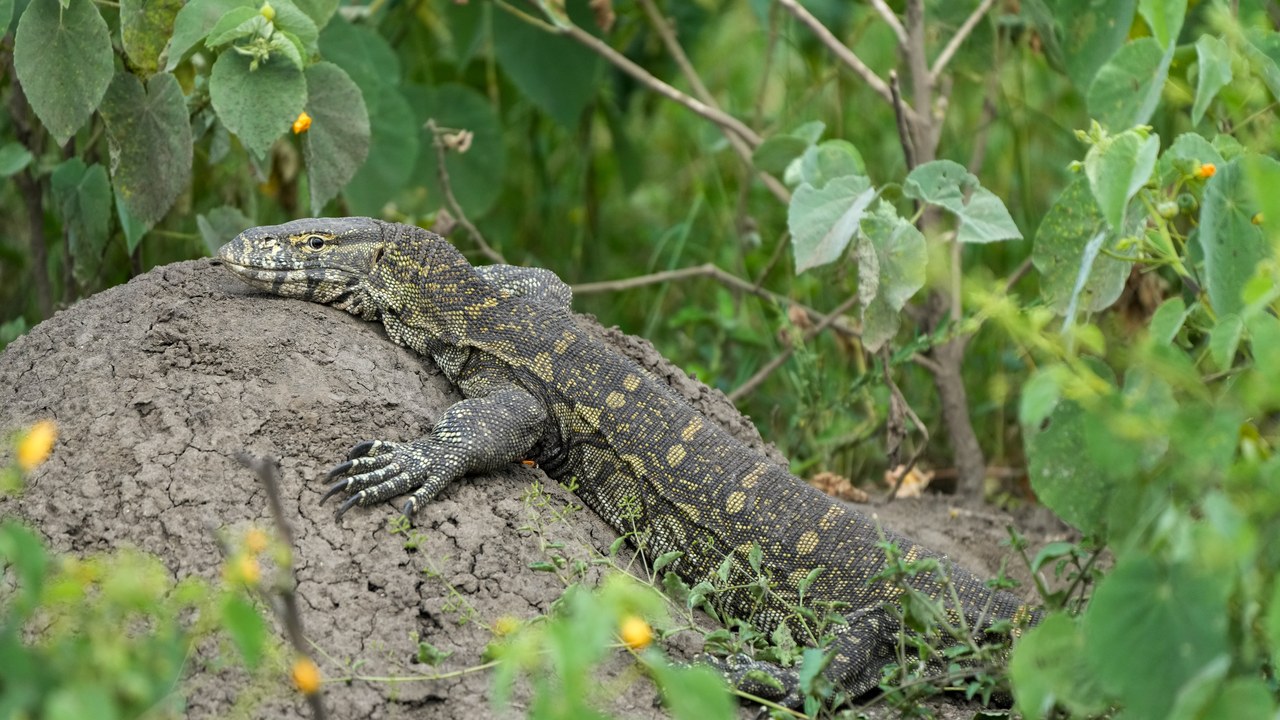
The state Nile monitor profile reports that this monitor grows to about 6.5 feet and up to 17.8 pounds. Clutches consist of 12 to 60 eggs, depending on the size of the female.
Populations are established in Lee and Palm Beach Counties, according to the state profile. By length it is the largest lizard on this list, standing well apart from the anoles and geckos that fill out most of the remaining entries.
7. Common chuckwalla: Rock-Wedging Desert Dweller
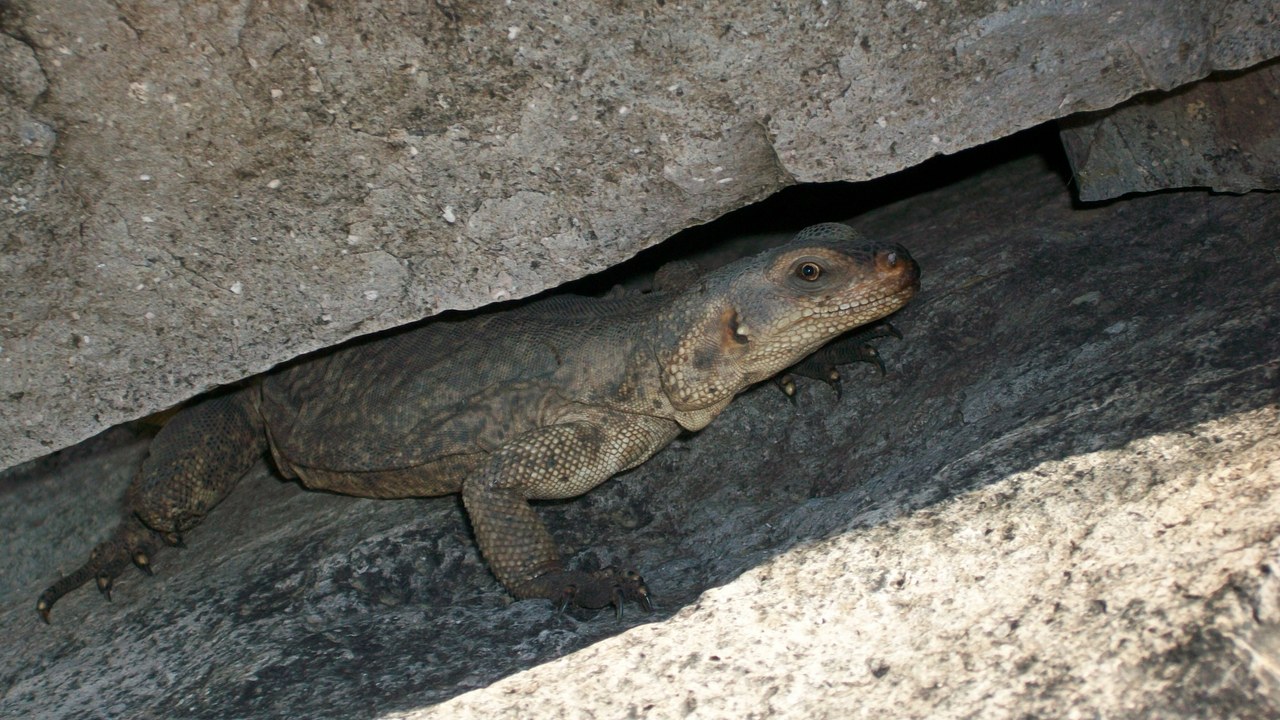
Growing up to 20 inches, this lizard is profiled by the Grand Canyon-Parashant page, which notes that it inflates its lungs to wedge itself into rock crevices. A female lays 5 to 10 eggs.
The lung-inflating trick makes the animal hard for a predator to pull out of its hiding place, since the body swells against the rock. The 20-inch maximum puts it among the larger lizards of the desert Southwest in this gallery.
8. Green anole: Pushed Up the Trees
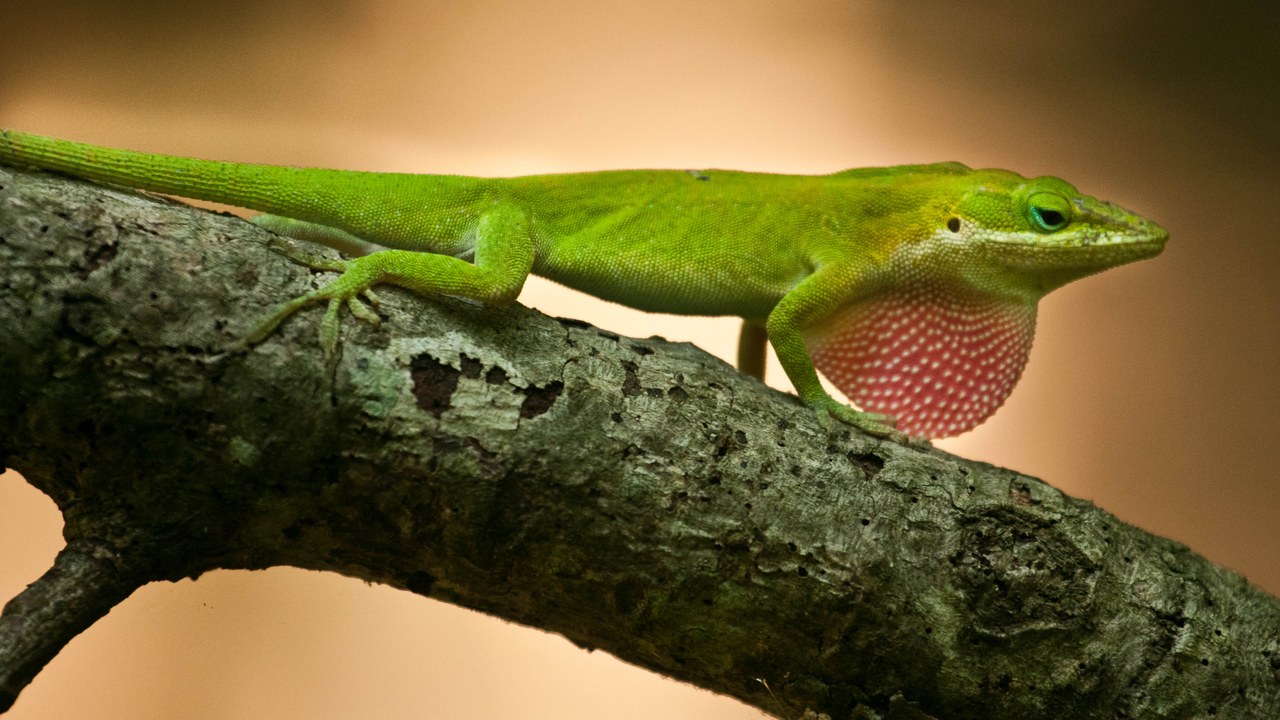
Florida’s native anole has moved an average of 17 times higher into the canopy since invasive brown anoles arrived, according to a UF/IFAS Escambia County article. The native species retreated upward.
The shift shows how an invasion can change where a native animal lives without wiping it out. Brown anoles, covered earlier on this list, are the competitors behind the change, and the numbers describe an average across observed lizards.
9. Common collared lizard: Sprinting on Two Legs
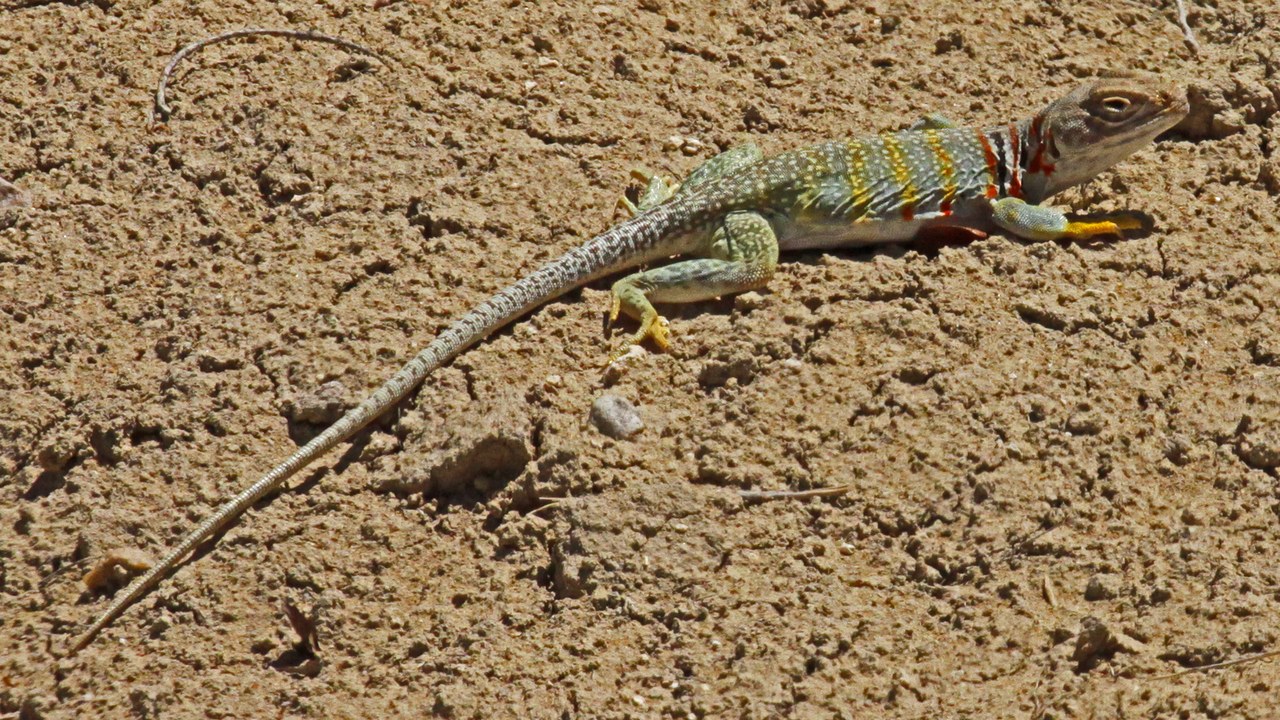
Reaching speeds up to 16 mph and sometimes running on its hind legs, the collared lizard is described on the Organ Pipe lizard page. The tail can measure up to 15 inches.
A tail of that length helps make the collared lizard one of the more striking sights in the desert. The Organ Pipe Cactus National Monument page supplies the speed and tail figures for the species, and both are stated as upper limits.
10. Mediterranean house gecko: The Wall Dweller
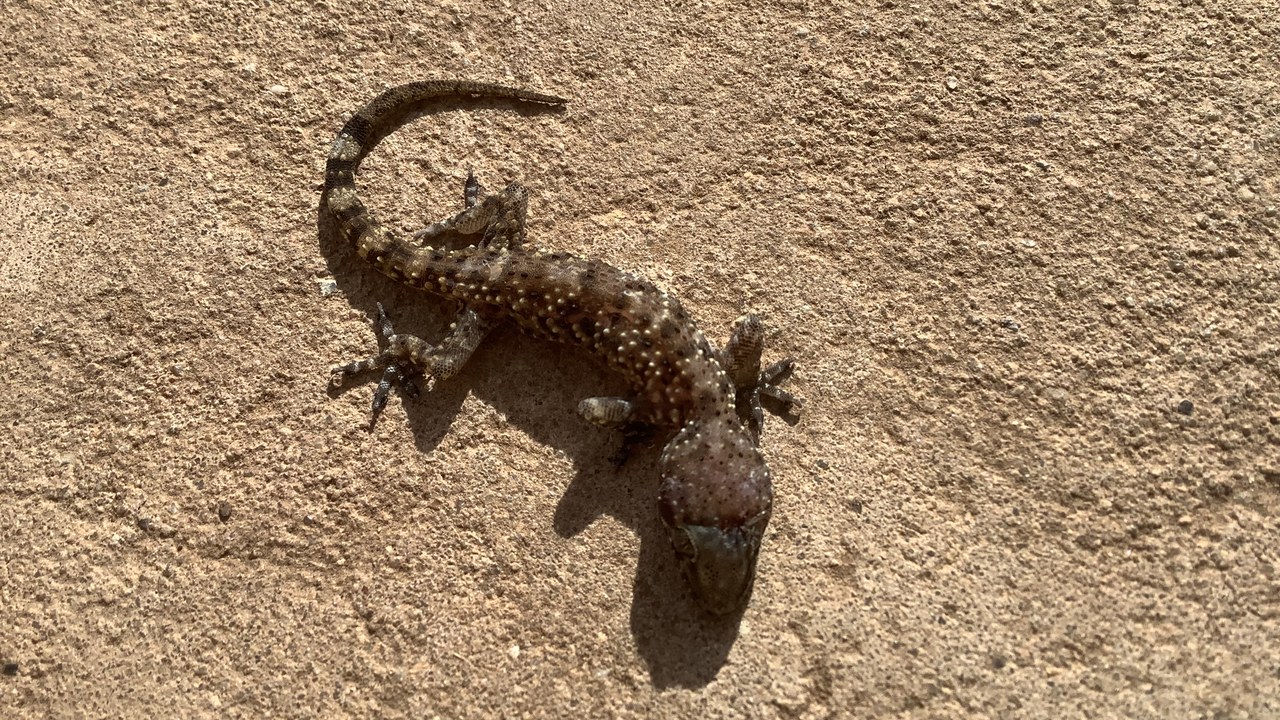
The Lake County extension guide says the species was first identified in Florida in 1910. The lizard is a Mediterranean house gecko, a species the extension guide discusses in the context of managing it around homes.
A stay of more than a century makes the species one of the longest-established non-native lizards on the list. The extension source gives no size figure for the animal, and the date marks its first identification, not its present range.
11. Desert iguana: Heat-Tolerant Resident
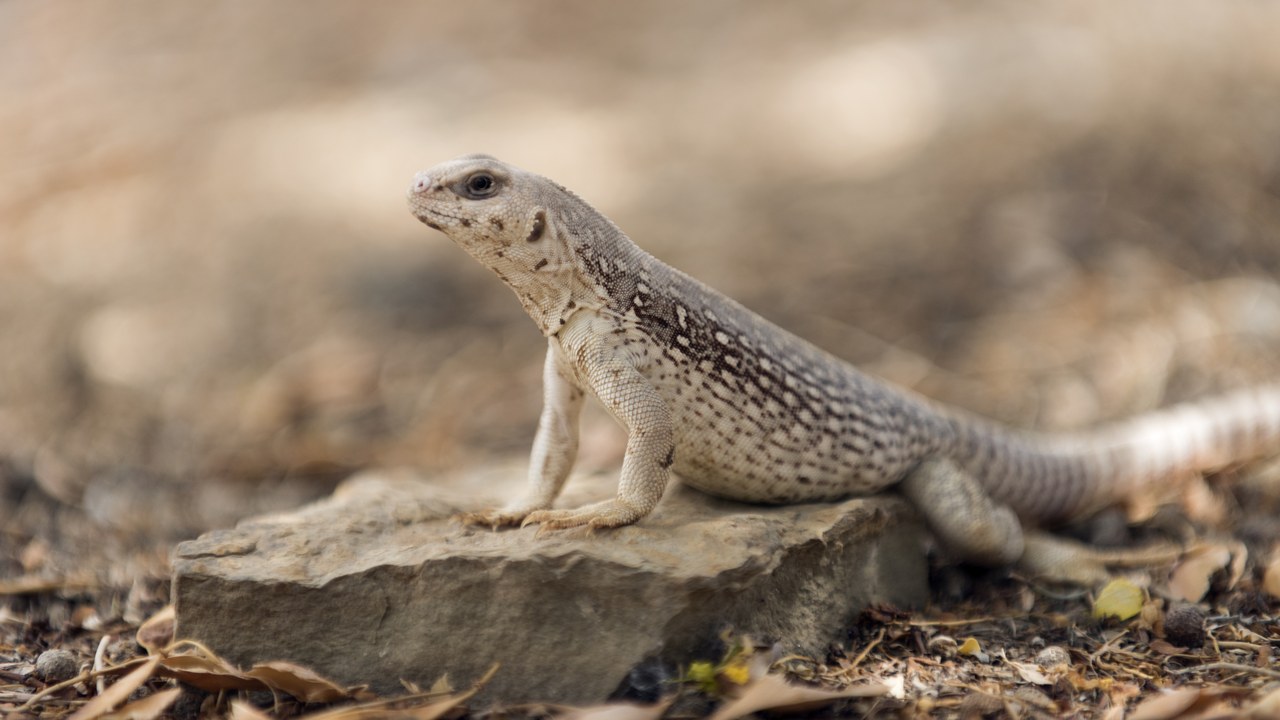
Averaging 16 inches, the Desert iguana article notes, this lizard withstands body temperatures in the low 40s Celsius. It lays 3 to 8 eggs, and only one clutch each year.
That tolerance for desert heat is the defining trait for this reptile of the Southwest. A single yearly clutch is modest compared with the large clutches of invasive species earlier in the list, and the figures here come from a reference article.
12. Eastern glass lizard: The Breakable Tail
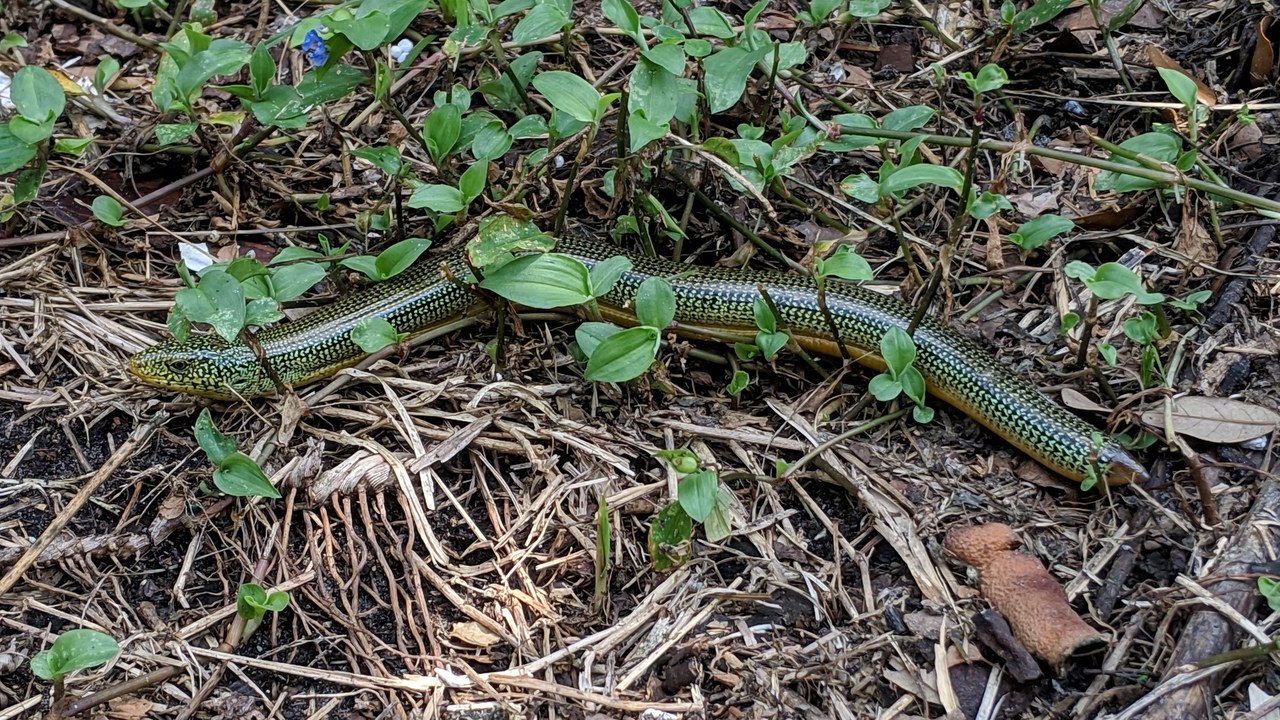
A legless lizard, this species has a tail that can be more than two-thirds of its body length, as ecologist Whit Gibbons’s write-up explains. The tail breaks into three or four pieces.
The snake-like look explains why the source describes legless lizards as animals that resemble snakes. A tail that breaks into pieces is a striking feature, and its length relative to the body is what makes the loss so conspicuous.
Tech news worth reading: Get Techpresso →
We may earn a commission if you sign up.
More from Morning Overview
- Two passengers died at an Ohio toll plaza, and the NTSB now wants the cash lanes shut
- Long use of a common prostate pill is tied to a higher chance of glaucoma
- Ford is recalling 223,472 F-150 pickups because the fuel tank can leak or detach
- Hybrids have 15% fewer problems than gas cars, while EVs and plug-in hybrids have about 80% more, Consumer Reports finds
