
Wild cats range from the 9-pound bobcat to the 660-pound Amur tiger, and each has a trait that sets it apart. The cheetah leads the list as the fastest land animal, with a top speed that averages 60 to 70 mph. Here are twelve wild cats, each paired with one figure from a trusted source.
Save more, waste less: The Cool Down’s newsletter sends smart, simple changes that help you and the planet in your everyday life.
We may earn a commission if you sign up.
1. Cheetah: Fastest on Land
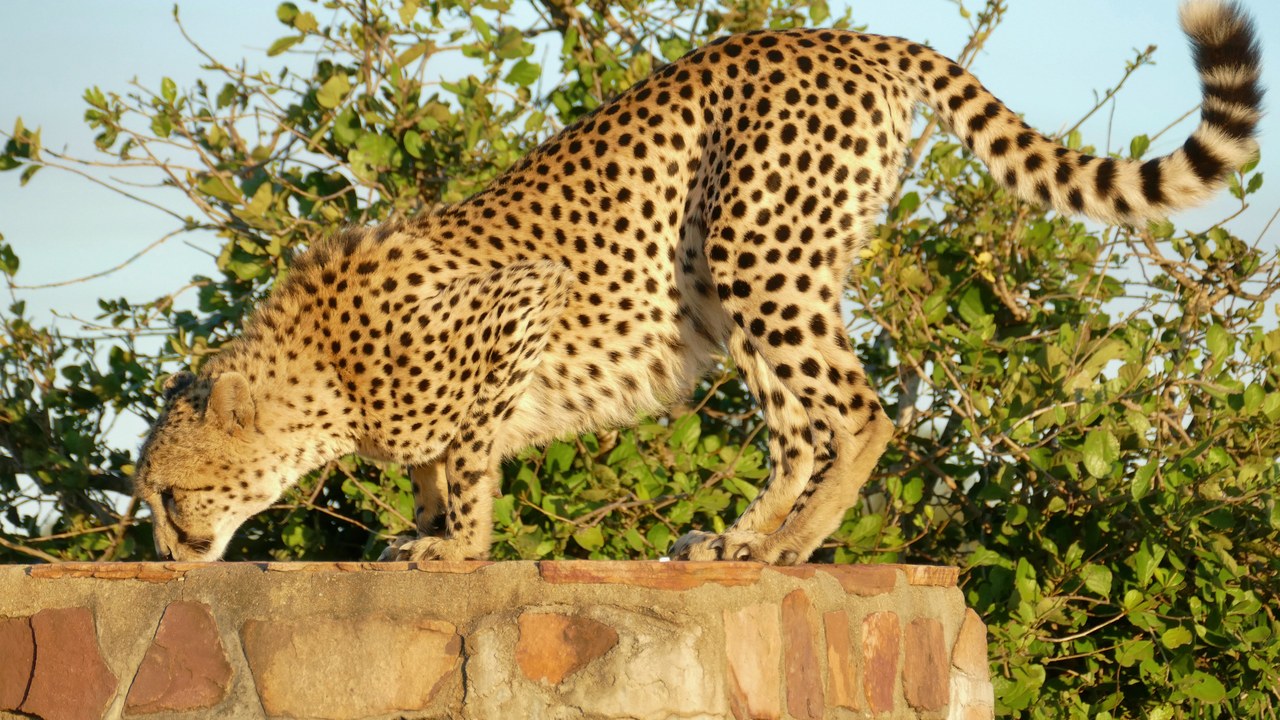
Per the Smithsonian National Zoo’s cheetah page, the cheetah’s top speed averages between 60 and 70 miles per hour, though it can hold that pace for only about 300 yards. From a standstill it reaches 45 mph in roughly 2.5 seconds.
The sprint is a short, costly burst rather than a long chase. The zoo puts the wild population at 7,500 to 10,000 animals, a small number for the fastest land animal.
2. Tiger: Biggest of the Big Cats
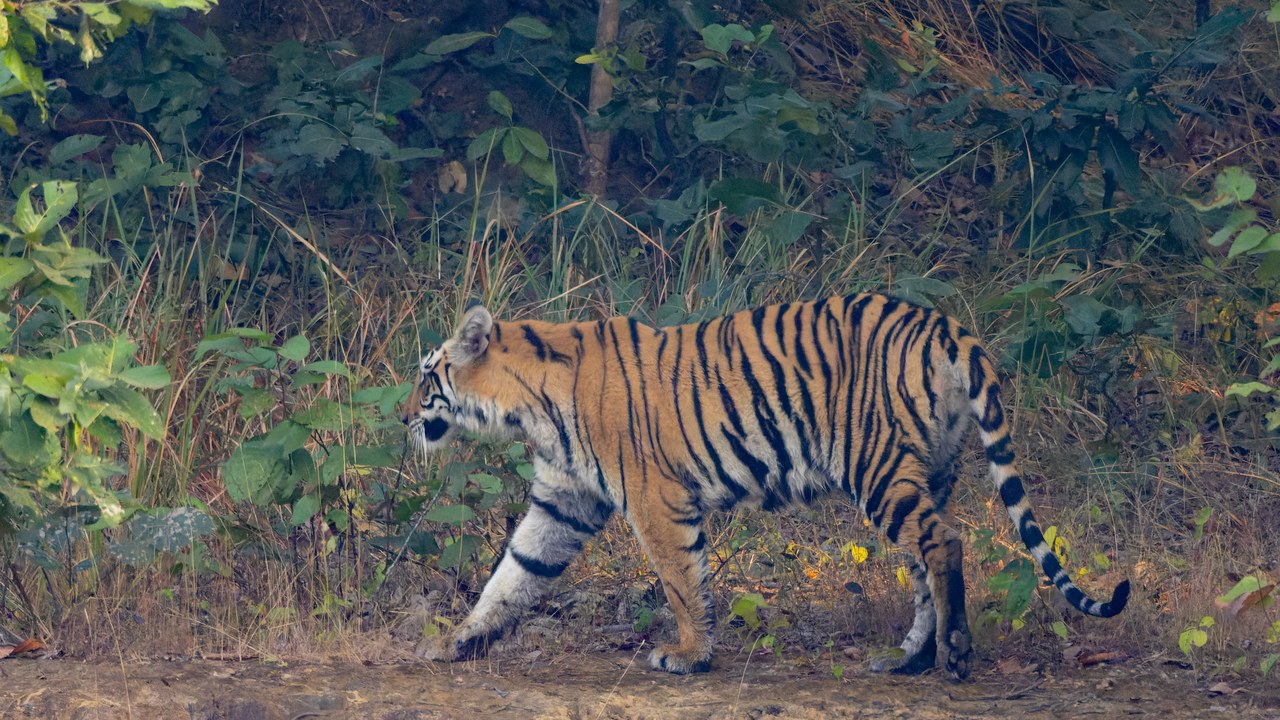
The National Zoo’s tiger profile says Amur males weigh up to 660 pounds and measure about 10 feet long. The zoo also notes that only 3,900 tigers exist in the wild.
That count is a sobering contrast with the animal’s size and reputation. Few cats in this gallery combine so much bulk with so little remaining wild habitat and numbers. Even at that size, the Amur male is only one of the tiger types, and the zoo’s cautious wording about the count signals how uncertain wild estimates can be.
3. Lion: Life in the Pride
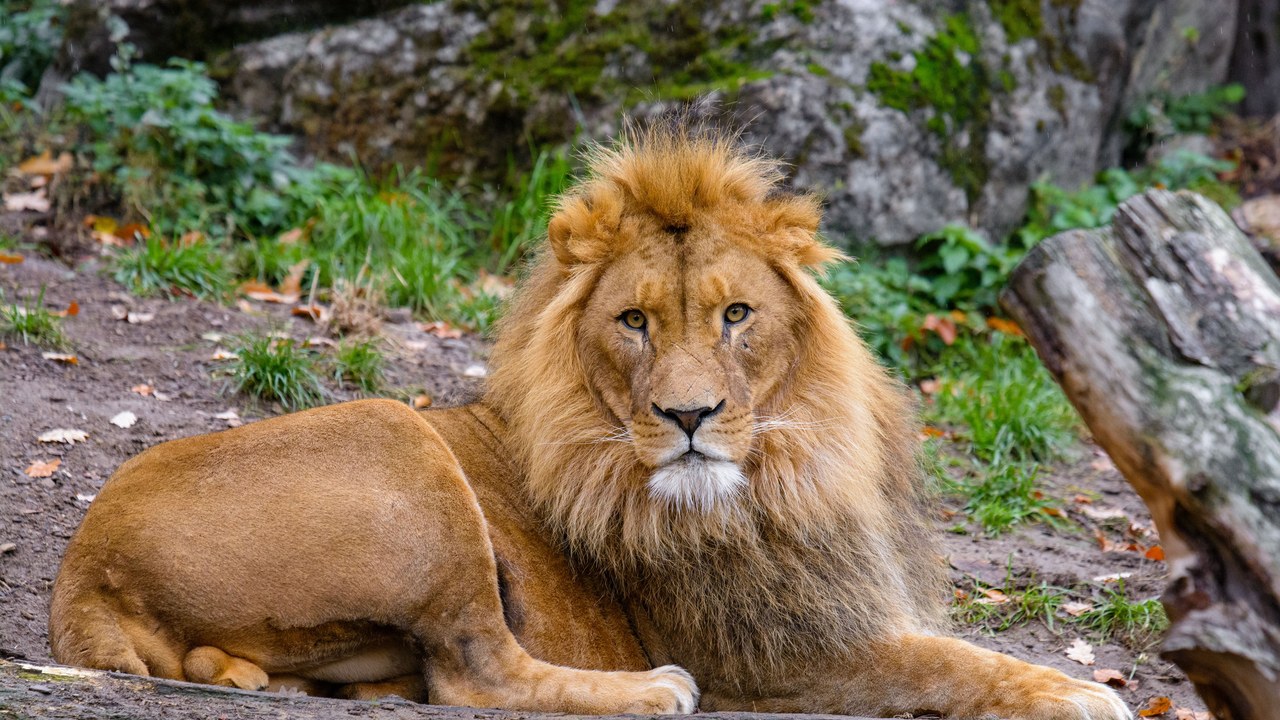
Lions weigh from 242 to 599 pounds, according to World Wildlife Fund’s lion page. The IUCN estimates that between 23,000 and 39,000 lions remain in the wild.
Unlike most cats on this list, lions live in groups, with prides ranging from two to 30 members. That social habit sets the species apart from the mostly solitary cats that follow. The weight range is wide, reflecting the gap between smaller animals and the heaviest males, and the population estimate itself spans a gap of 16,000 animals.
4. Jaguar: Strongest Bite
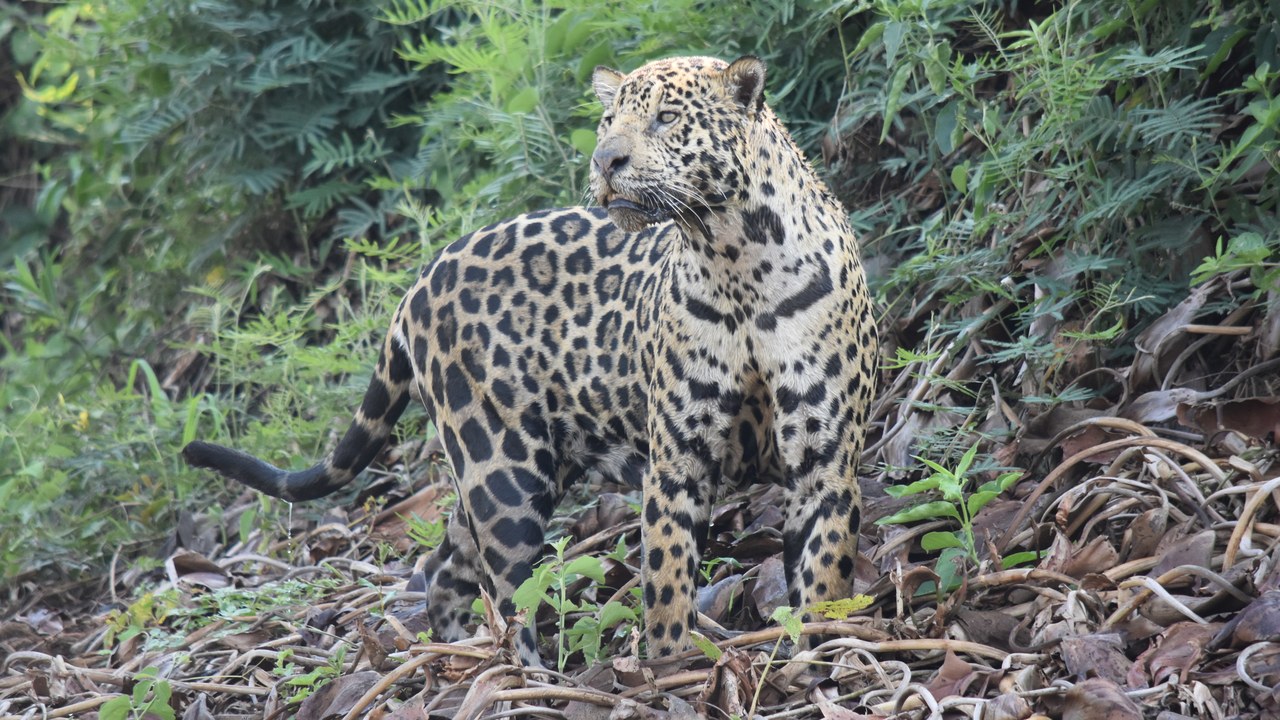
WWF’s jaguar profile states that the jaguar has the strongest bite of all the felines. Most jaguars weigh 150 to 250 pounds.
The range is huge, stretching from Mexico to Argentina across 18 countries. That spread makes it the most far-reaching cat of the Americas in this gallery. The cat’s powerful jaws are the headline trait, yet the sheer number of countries in its territory says just as much about how adaptable it is.
5. Leopard: Tree-Climbing Specialist
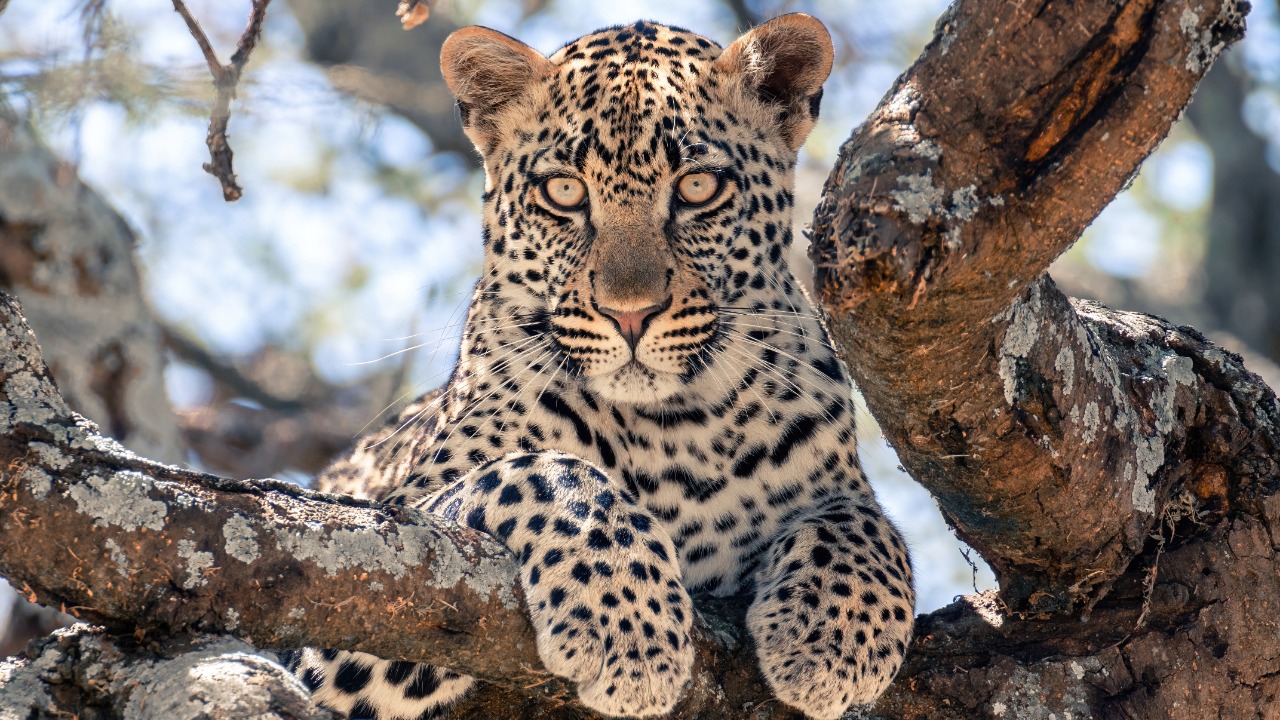
The San Diego Zoo’s leopard page calls it the most widespread large cat. It can run in bursts up to 36 miles an hour.
Leopards also climb well, hauling kills as high as 50 feet up a favorite tree to stash them. The habit keeps meals out of reach of competitors on the ground. Few big cats can match that blend of reach, speed in short bursts and tree-climbing skill, which helps explain how the species spans so many regions.
6. Snow leopard: Ghost of the Mountains
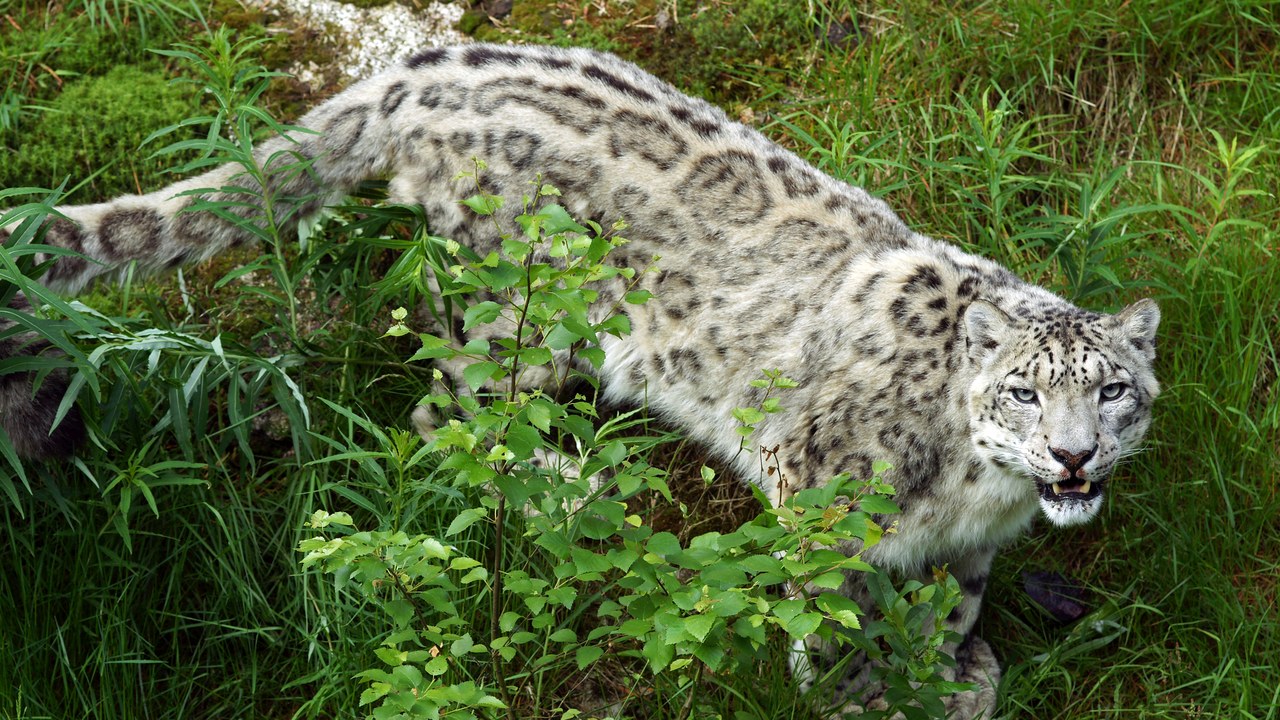
Snow leopards weigh 60 to 120 pounds, and WWF’s snow leopard profile estimates 4,000 to 6,500 across 12 Asian countries. The cat can leap six times the length of its body.
That leaping ability suits steep, broken terrain. The modest population spread over so many countries helps explain why the species is rarely seen. Because the cat is so lightly built compared with a tiger or lion, its leaping power is a more telling figure than its weight.
7. Cougar (mountain lion): One Deer a Week
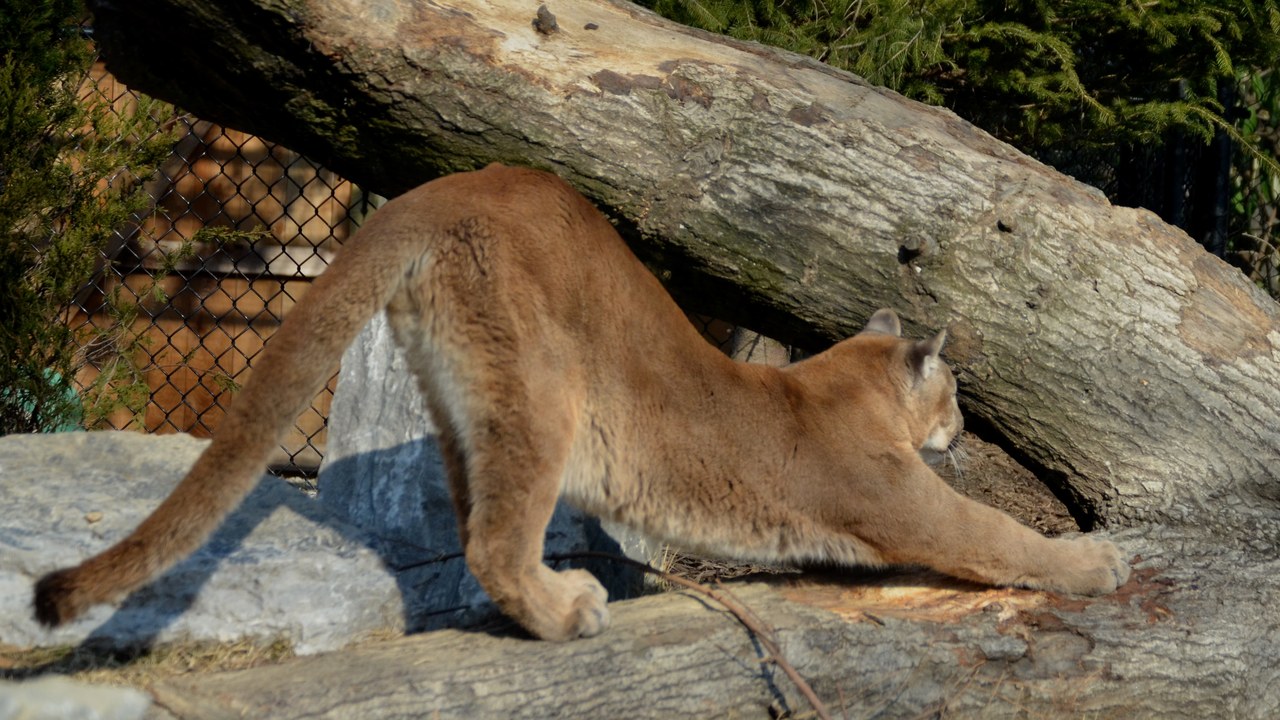
Adults weigh 130 pounds or more and eat about one deer a week, per Colorado Parks and Wildlife’s mountain lion page. The agency projects 3,800 to 4,400 independent lions statewide.
The cougar goes by several names, including mountain lion. Colorado’s figure covers one state only, so it is a local snapshot rather than a count of the whole species. Each deer a week adds up quickly across a year, which shows how much prey a single adult needs to stay fed in the Colorado mountains.
8. Canada lynx: Snowshoe Paws
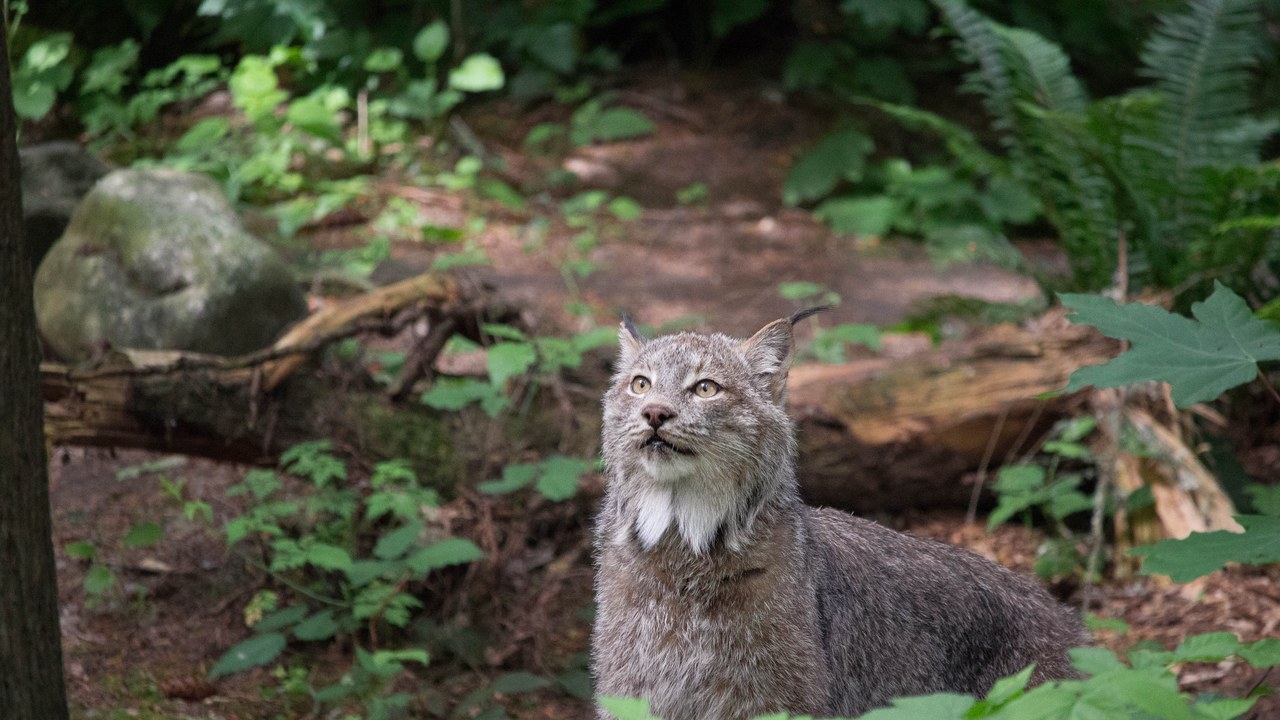
The National Zoo’s Canada lynx page says the cat weighs 15 to 30 pounds and has snowshoe-like paws. Snowshoe hares make up 60 to 97 percent of its diet.
That reliance on one prey animal ties the lynx closely to its habitat. The zoo adds that the lower-48 population is federally threatened. Its large, furred paws spread weight on deep snow, which is why the animal is so closely linked with cold northern forests rather than open country.
9. Bobcat: Common but Elusive
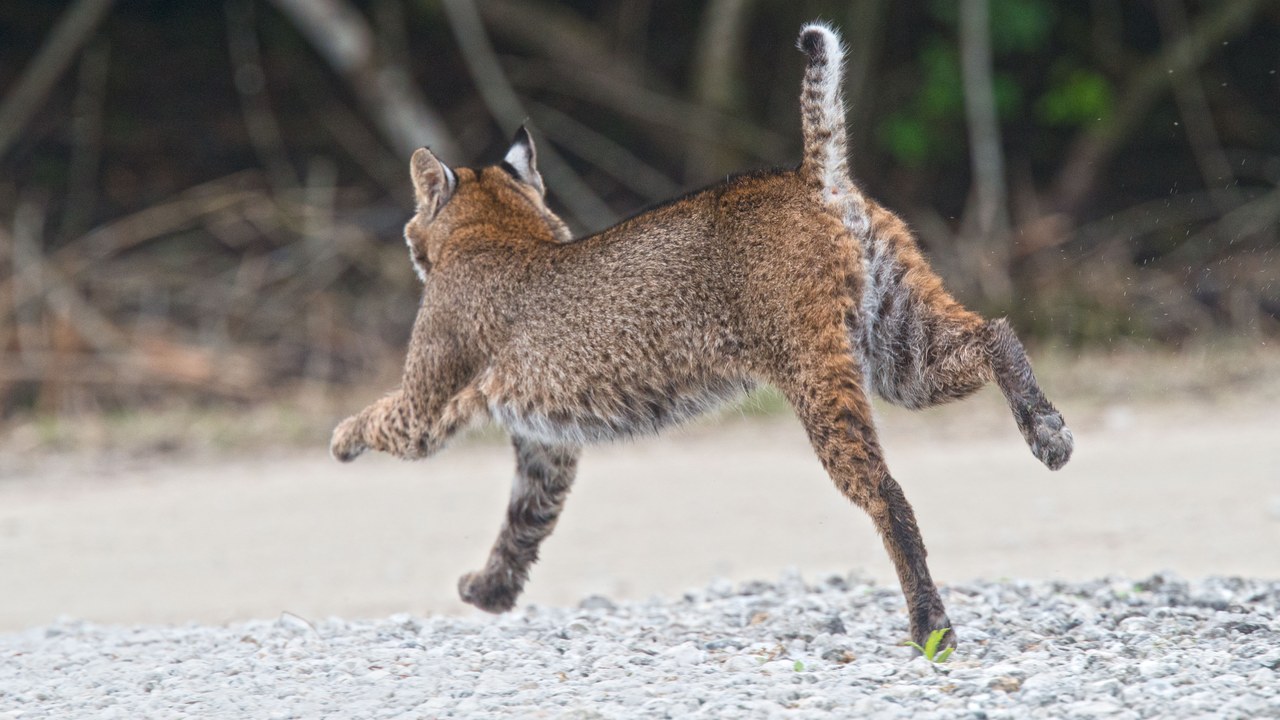
Adult bobcats weigh between 9 and 33 pounds, according to the National Zoo’s bobcat profile. Most of the world’s bobcats live in the United States.
Their range runs from Mexico up to southern Canada. As the smallest weights on the list suggest, this is a modest cat with an outsized footprint across North America. Their weight can differ by a factor of more than three between a small adult and a large one, which makes the range itself the notable figure.
10. Ocelot: Endangered in Texas
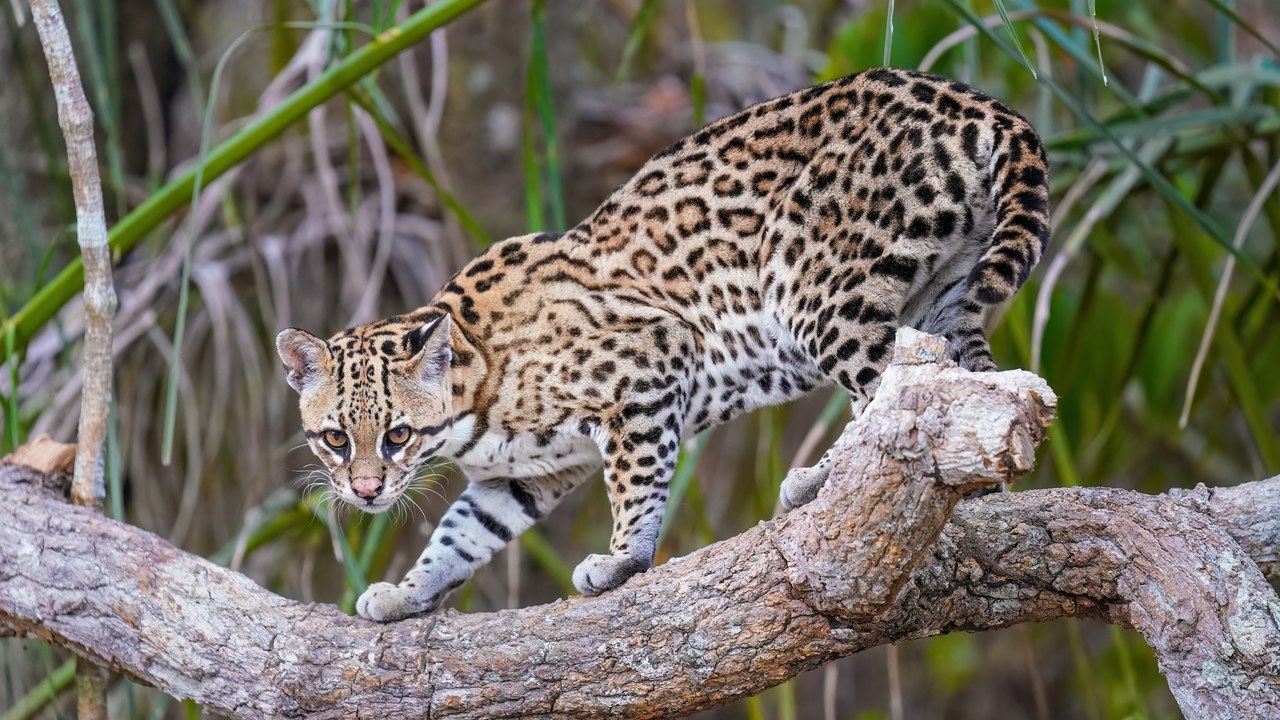
Texas Parks and Wildlife’s ocelot page lists weights of 15 to 30 pounds and lengths of 30 to 41 inches. The ocelot has been federally Endangered since 1972.
Only about 30 to 35 remain near the Laguna Atascosa refuge in Texas. That tiny group makes the state’s ocelots one of the most fragile cat populations in the country. For a cat weighing no more than 30 pounds, the legal protection and the shrinking count show how much conservation attention a small animal can need.
11. Clouded leopard: Longest Canines
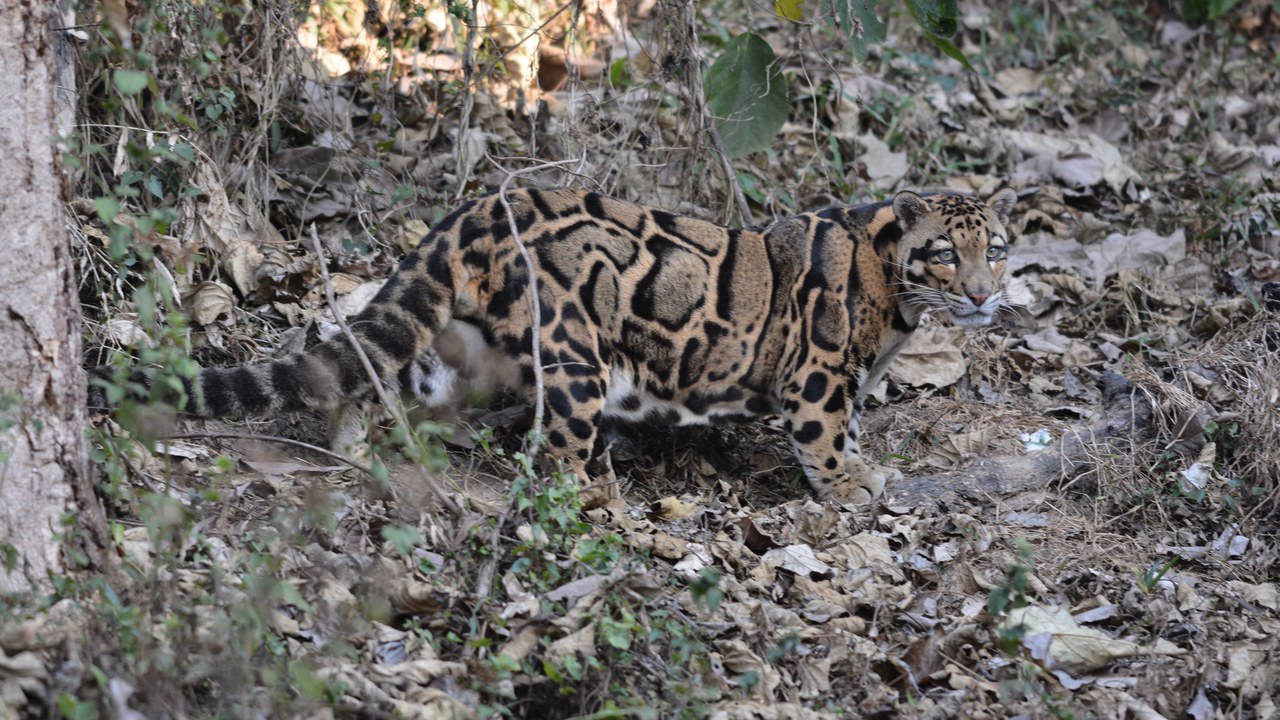
Clouded leopards reach up to 50 pounds, and the National Zoo’s clouded leopard page counts fewer than 10,000 mature individuals. Their canines are longer relative to skull size than any other wild cat’s.
That dental feature is the species’ signature trait. The small adult count adds conservation weight to an already unusual animal. Such oversized teeth make the clouded leopard a standout among all the cats here, even though it weighs far less than the lions and tigers.
12. Caracal: Leaping for Birds
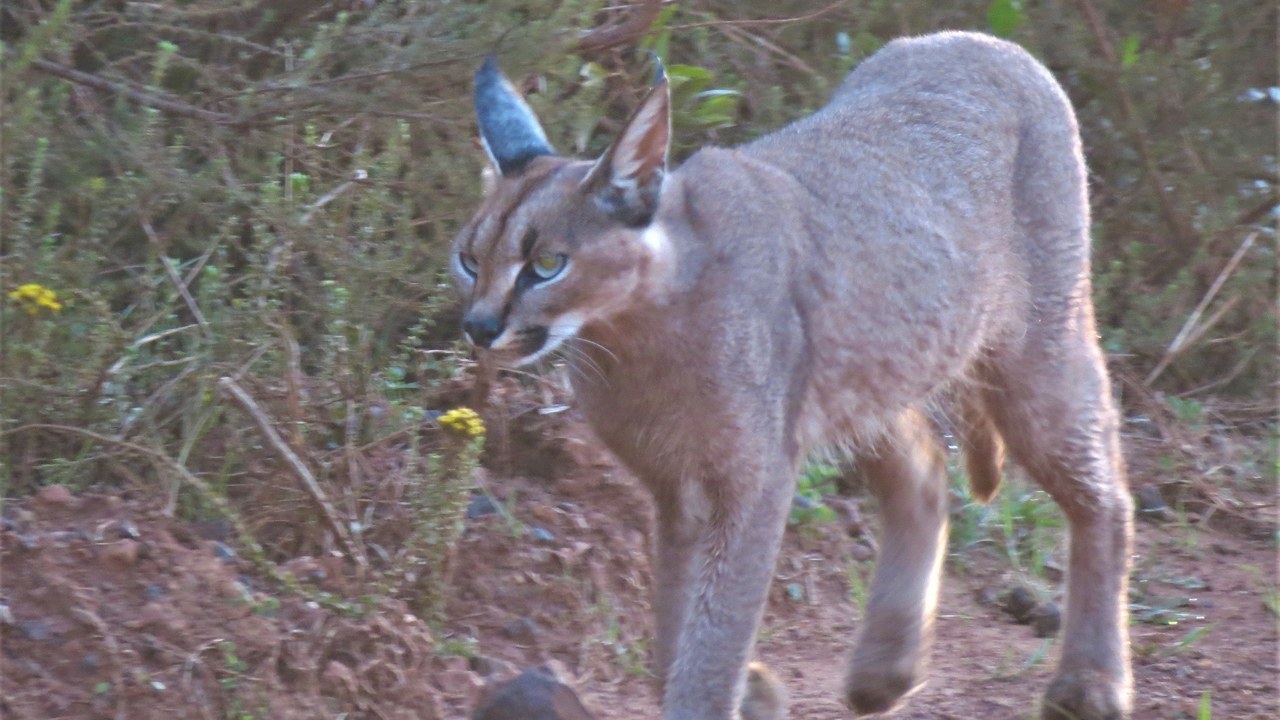
Caracals weigh 25 to 40 pounds and are the heaviest of the small African cats, as the National Zoo’s caracal page notes. They are excellent jumpers.
A caracal can leap to catch birds in flight. That athletic trick closes out the list with a small cat whose skills rival those of far larger relatives. Weight alone makes it the largest of its group in Africa, but its jumping ability is what most often draws attention from visitors and researchers.
Save more, waste less: Subscribe to The Cool Down →
We may earn a commission if you sign up.
More from Morning Overview
- Doctors warn a silent liver disease now affects one in three American adults
- The FBI told the rest of ShinyHunters to surrender after a 24-year-old was arrested
- Two passengers died at an Ohio toll plaza, and the NTSB now wants the cash lanes shut
- Long use of a common prostate pill is tied to a higher chance of glaucoma
