
American trucking has always been shaped by a handful of nameplates that fleets and independents trusted mile after mile. Their histories include movie cameos, production milestones, aerodynamic experiments and, most recently, battery power. Here are ten tractors that show how the road to the modern semi was built.
Help yourself and the planet: The Cool Down makes it easy to help yourself while helping the planet, with smart, simple changes to save more and waste less in your everyday life.
We may earn a commission if you sign up.
1. Kenworth W900: Smokey’s Long Hood
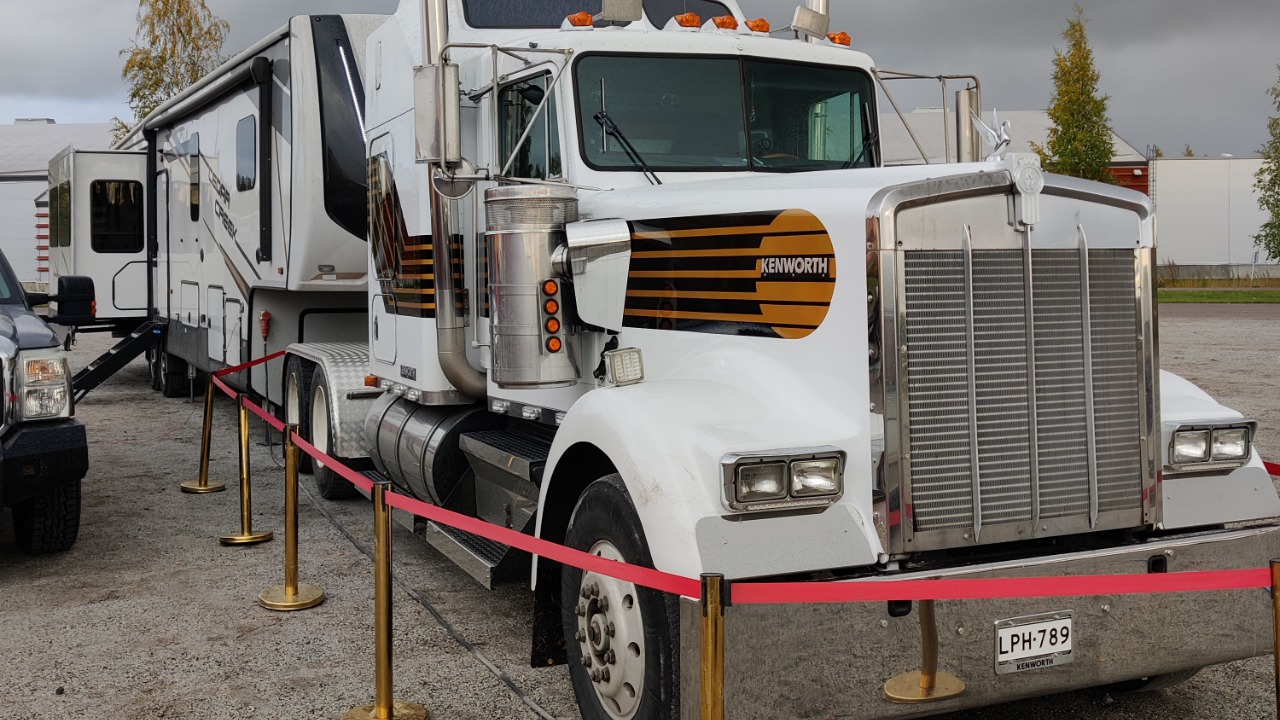
By 1965, Kenworth was producing over 3,000 trucks a year, a pace that followed the arrival of the W900 line and its bigger cabs. The W900A later became a movie star when one appeared in Smokey and the Bandit in 1977.
That blend of roomy cab, long-hood profile and screen fame explains why the W900 name still carries weight with owner-operators. Few truck badges have been recognized by people who never held a commercial license. Readers comparing classic trucks will find the W900 a useful starting point, since its story ties factory output, cab design and popular culture together in one nameplate.
2. Kenworth K100 Aerodyne: Standing Room Sleeper
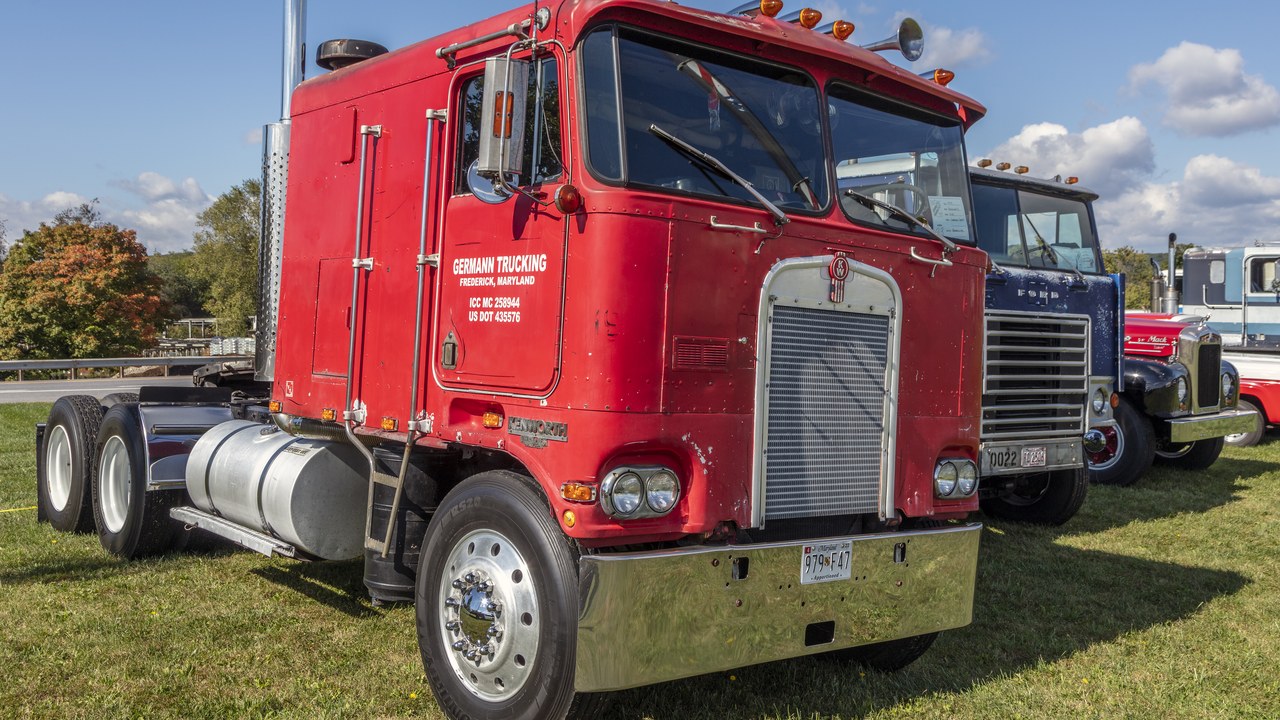
In 1976, the K100 cabover gained a raised-roof sleeper called the Aerodyne, and Kenworth advertised seven feet of headroom inside it. Drivers who spent nights on the road could finally stand upright in the bunk area.
Cabovers sit the driver above the engine, which keeps overall length short, so interior space was a real selling point. For long-haul crews, extra headroom meant easier dressing, easier storage and a less cramped life between shifts. Sleeper design remains a major factor when fleets recruit drivers, and this early example shows the idea of a comfortable bunk is far from new.
3. Kenworth T680: Hydrogen Option Arrives
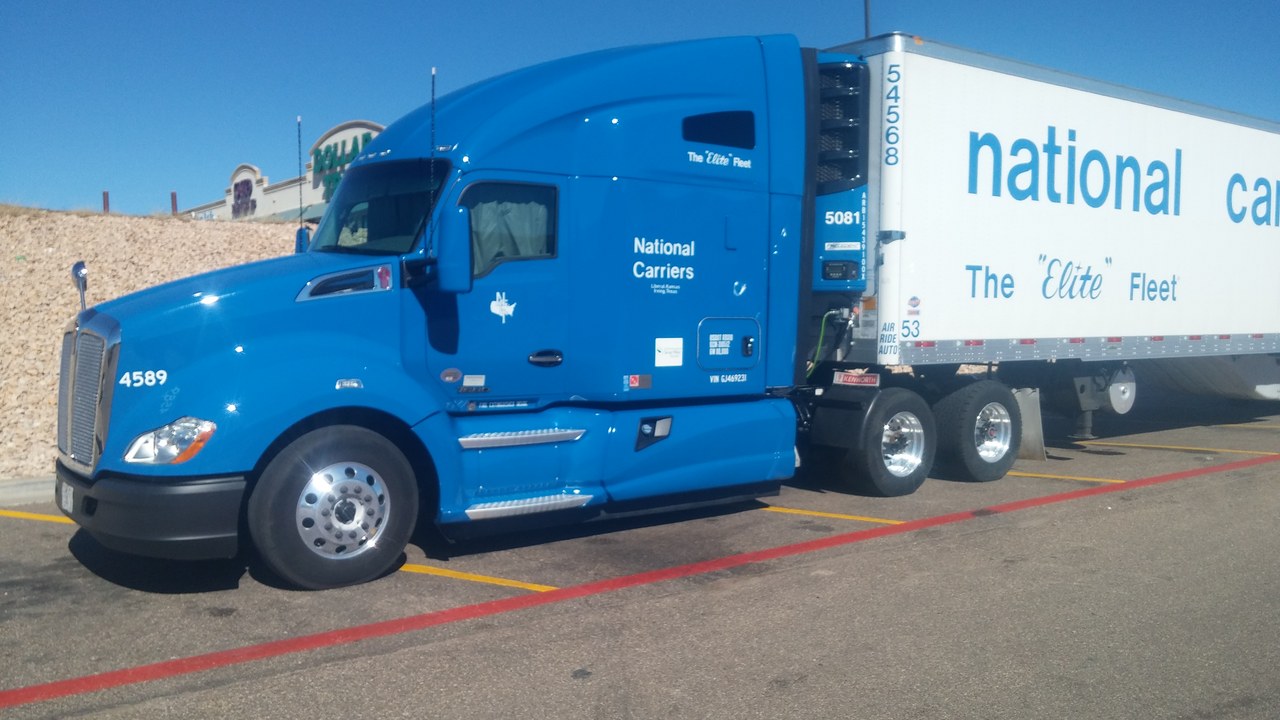
Introduced for 2013 as Kenworth’s third-generation aerodynamic conventional, the T680 is documented on Wikipedia’s Kenworth page with a later hydrogen fuel-cell version. That variant is listed with a driving range of over 300 miles at an 80,000-pound full load.
The figure matters because 80,000 pounds is the loaded weight regional haulers care about. A zero-tailpipe tractor holding more than 300 miles under that burden shows how far a conventional design can stretch beyond diesel. Anyone tracking the shift away from diesel can treat this entry as a reminder that established long-haul models are being adapted rather than abandoned.
4. Peterbilt 359: Hundred Thousand Milestone
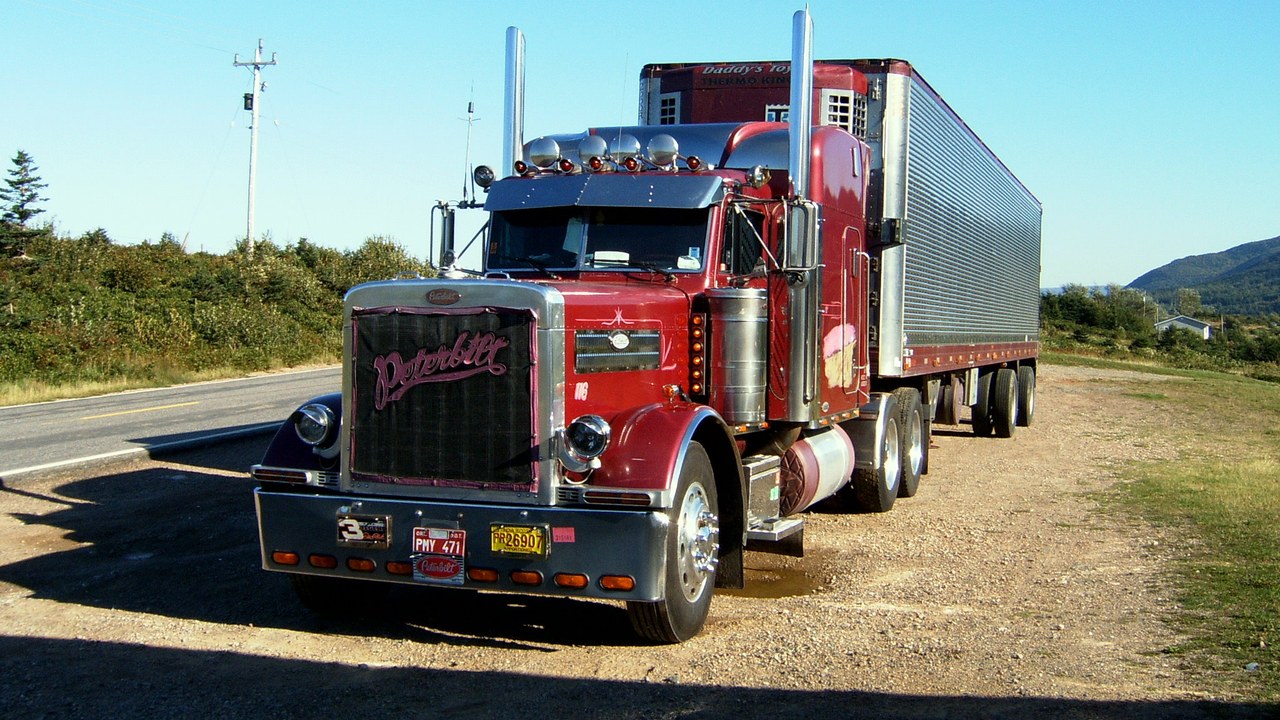
In 1977, Peterbilt assembled its 100,000th vehicle, and the truck was a long-hood Model 359. The 359 had served as the company’s highway tractor since 1967, so it carried the brand through a decade of heavy growth.
For buyers, the long hood is the shape most people picture when they think of a classic American rig. A milestone unit wearing that profile helps explain why the 359 remains a favorite for restorers and show trucks. Shoppers browsing older tractors can use the milestone as a reference point for how large the brand had grown by the late seventies.
5. Peterbilt 379: Twenty Years Standard
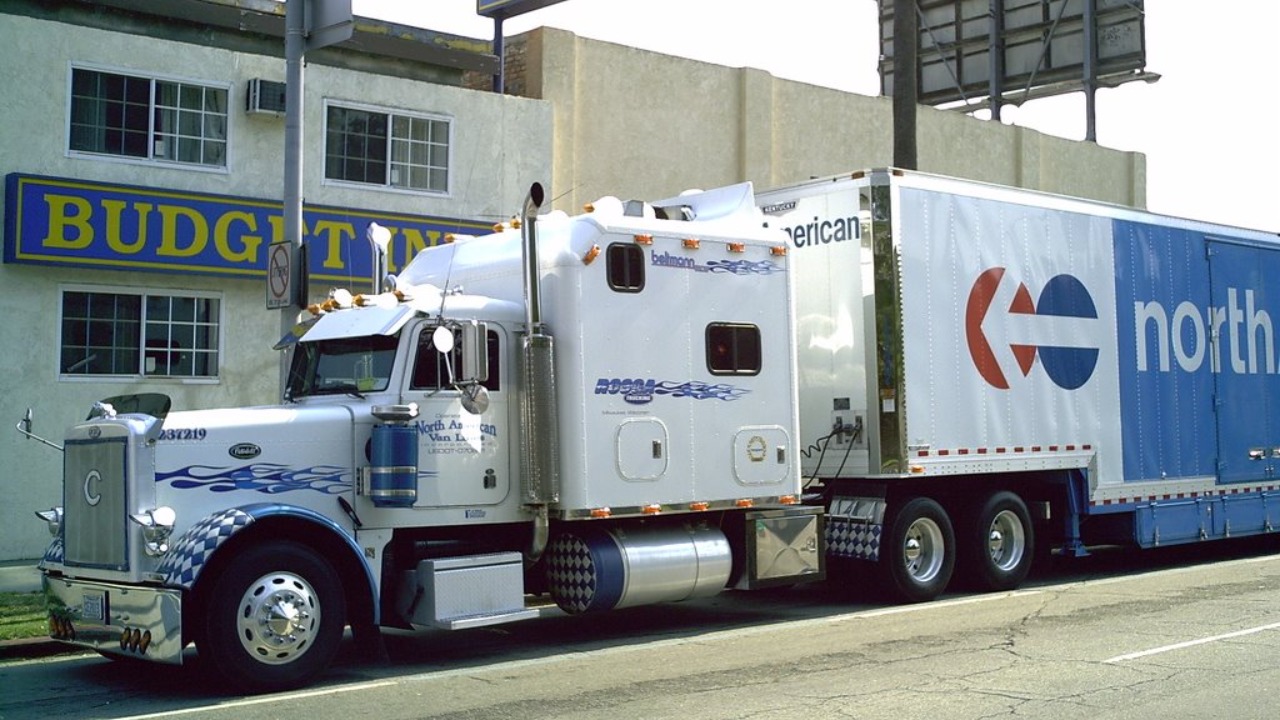
The 379 replaced the 359 in 1987 and became the standard Class 8 highway tractor for Peterbilt. According to Wikipedia’s Peterbilt entry, it ran for 20 years before the Model 389 replaced it.
A production run that long is rare in a business where emissions rules and aerodynamics keep changing. Used 379s remain easy to find, which suggests the design aged well enough for fleets and owner-operators to keep them working. Anyone pricing a used long-hood Peterbilt will likely run into the 379 first, so knowing its place in the lineup helps frame what the truck represents.
6. Peterbilt 389: Denton’s Big Number
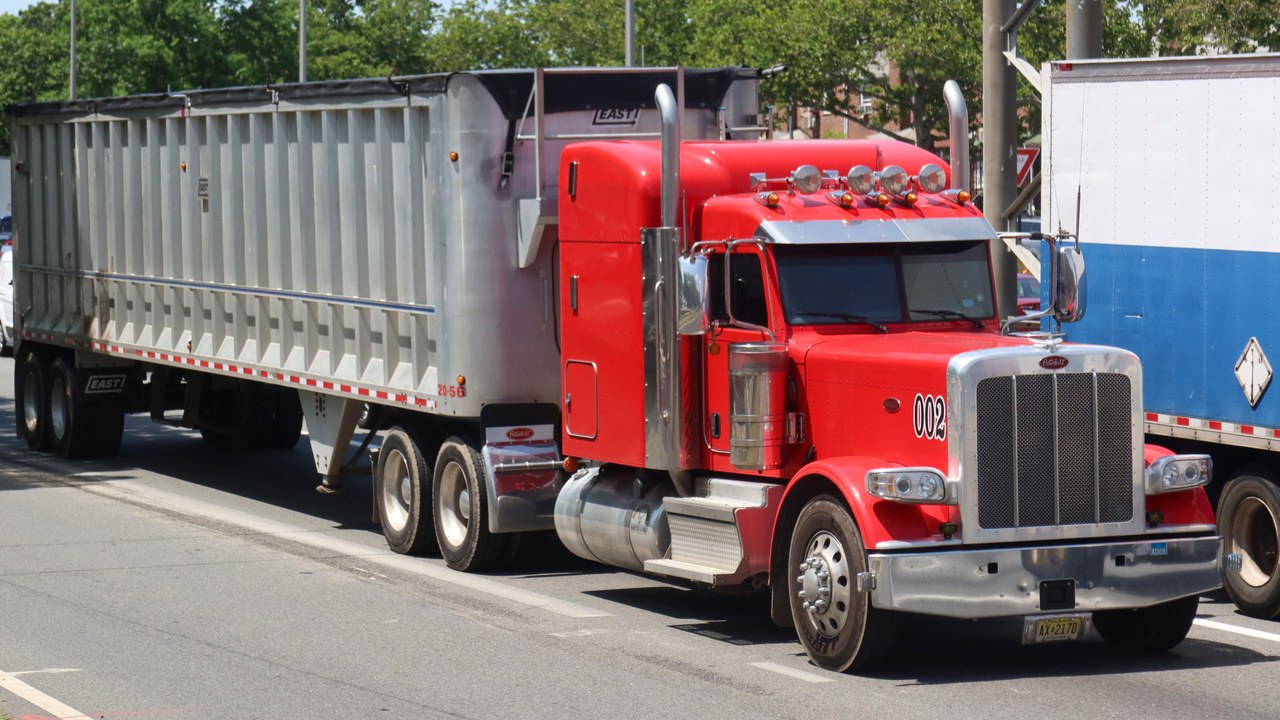
Peterbilt marked the 100,000th Model 389 on Sept. 7 at its Denton, Texas plant, as Overdrive reported. The 589 was set to succeed the 389 after that celebration.
Reaching six figures on a single model shows how steadily fleets and independents kept ordering the traditional long-nose look. Anyone shopping used will find a deep supply of 389s, though the successor now points to where new orders are heading. The listing also helps date the transition between generations, which can matter when matching parts, trim and cab details on a used truck.
7. Freightliner Cascadia: Three Million Milestone
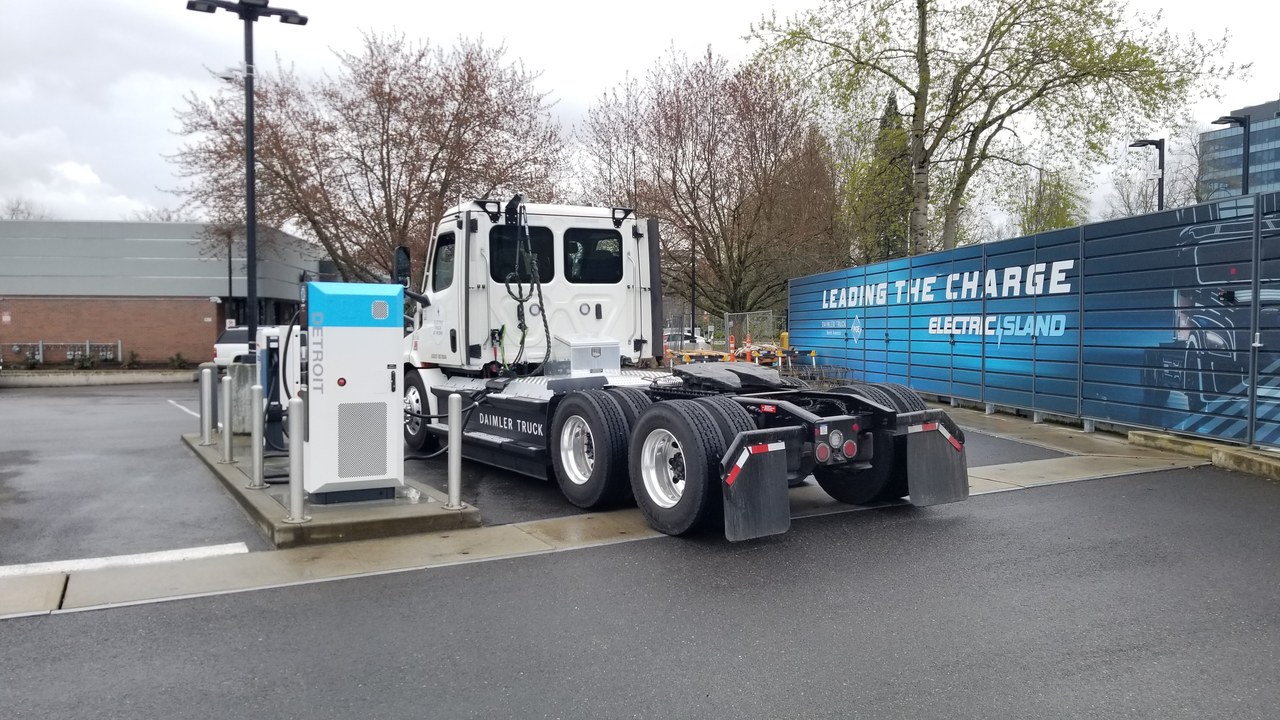
Introduced for 2008, the Cascadia became the truck that gave Daimler Truck North America its 3 millionth vehicle on August 22, 2014. That unit was a 2015 Cascadia Evolution built in Cleveland, North Carolina.
Hitting that count with an aerodynamic tractor signals how thoroughly the market shifted toward fuel-conscious designs. Cascadia sightings on interstates are now routine, which makes it a practical benchmark when comparing other tractors on fleet lots. For anyone comparing current options, the Cascadia story offers a sense of scale, since a corporate milestone of that size reflects years of steady sales.
8. Freightliner FLD: Skirted and Smooth
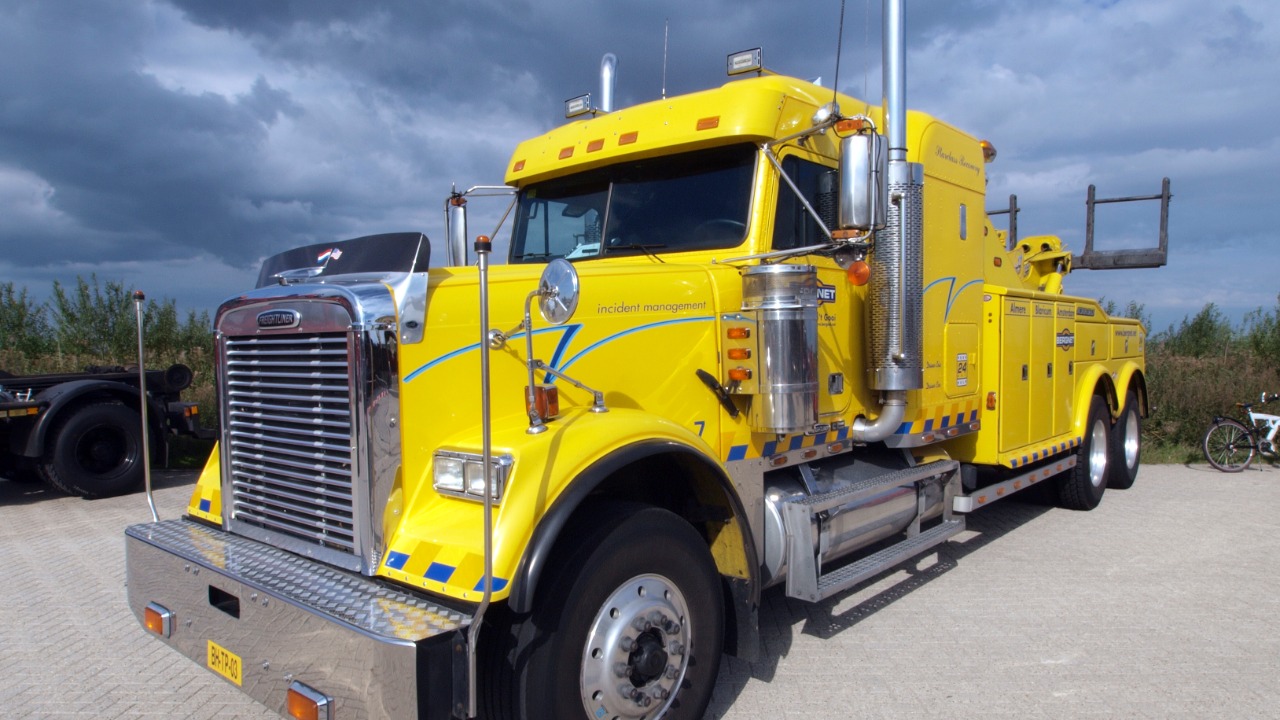
Built from 1987 to 2010, the FLD was Freightliner’s aerodynamic conventional, with skirted sides and curved bumpers and fenders. The styling set it apart from boxier trucks that dominated earlier decades.
Rounded edges were a deliberate bet that smoother airflow would pay off at highway speed. A run of more than two decades suggests the formula worked, and surviving FLDs still show how the idea shaped later tractors. Buyers hunting older Freightliners can use the production window as a quick guide to which tractors belong to this aerodynamic generation.
9. Mack B-61: Sixty Miles an Hour
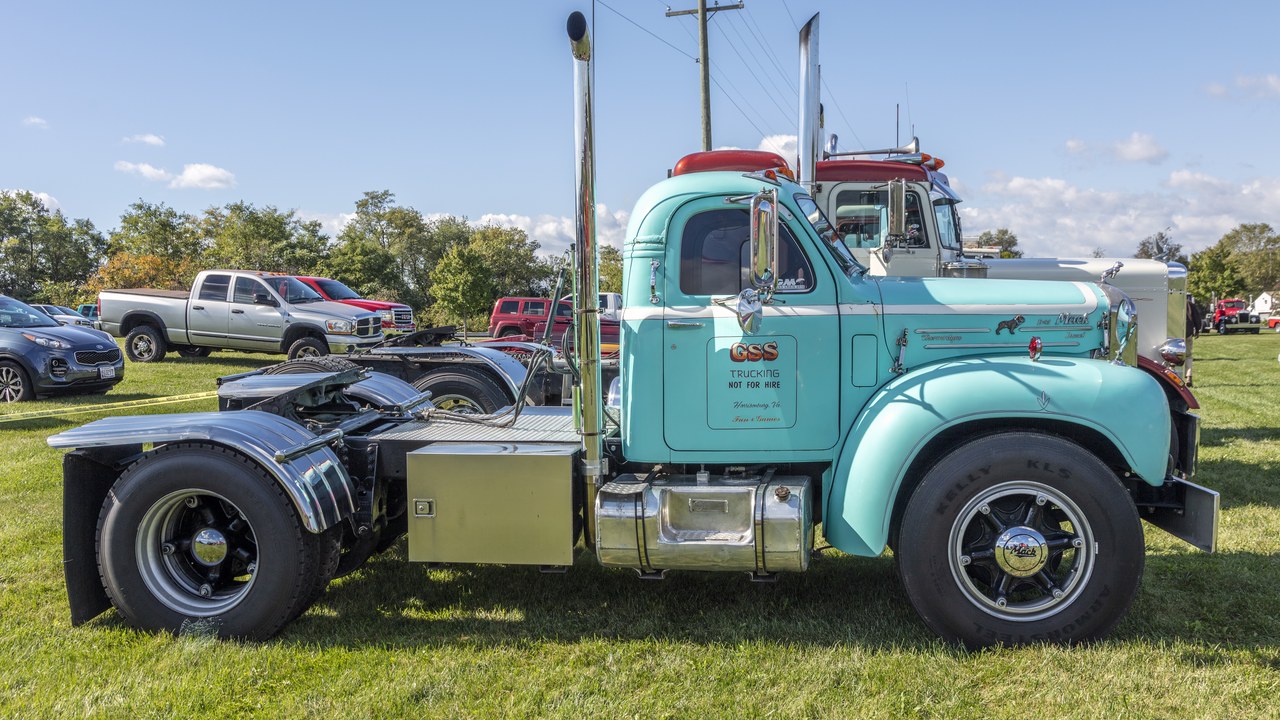
A 1963 B-61 on display at Iowa 80 Trucking Museum was one of 137,000 B-model Macks built between 1953 and 1966. It used a 673-cubic-inch, 205-horsepower engine and topped out around 60 mph.
Those numbers look modest beside current tractors, yet the B-model’s long production run made it a familiar sight on roads of its era. Collectors value surviving examples as a measure of how much trucking has changed. The museum listing is a useful reality check for anyone who assumes older trucks matched modern highway speeds or power outputs.
10. Tesla Semi: Two Ranges, One Truck
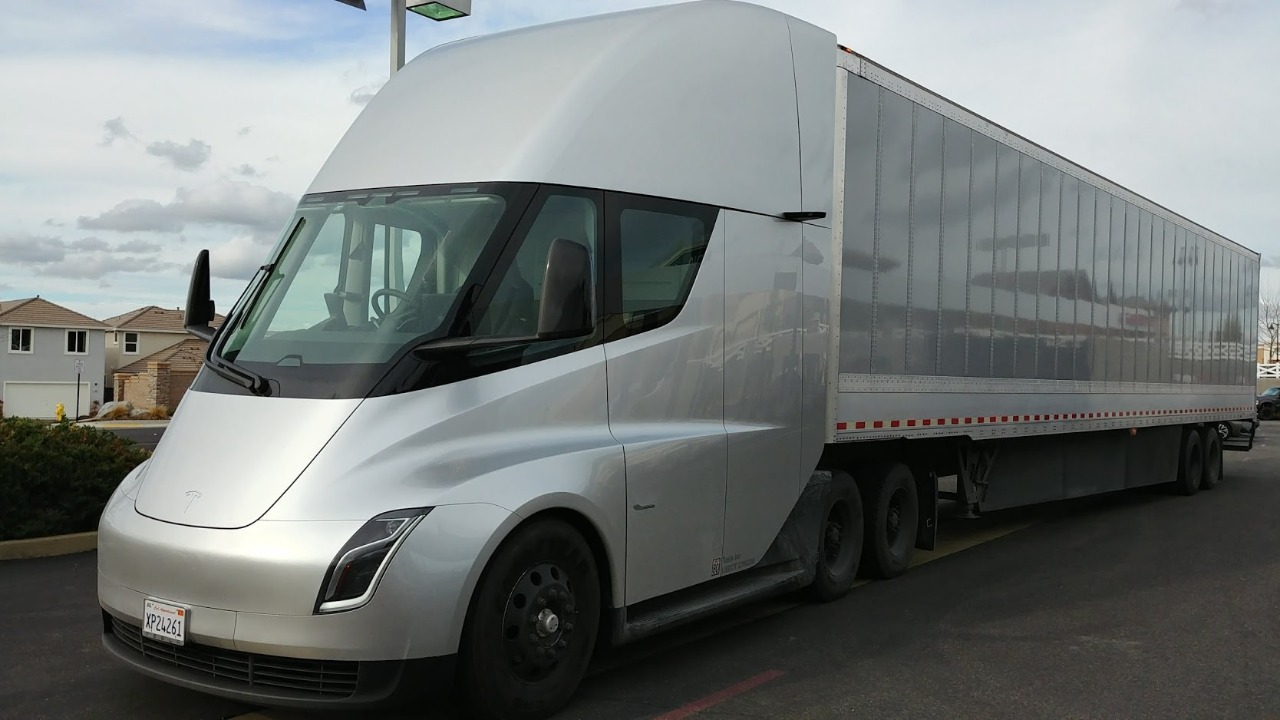
Tesla’s electric Semi comes with 325- or 500-mile range and hauls 45,000-pound loads. Volume production started on April 29, 2026, with a price under $300,000.
A choice of ranges lets fleets match battery size to route length instead of buying maximum capacity everywhere. The price and payload figures give buyers concrete numbers to compare against diesel tractors when planning a switch. Operators weighing electric tractors can read the entry as a snapshot of where specifications stood at the start of volume production.
Help yourself and the planet: Get The Cool Down →
We may earn a commission if you sign up.
More from Morning Overview
- Hurricane Hunter radar shows four warning signs that a tropical cyclone is about to strengthen, a University of Miami study found
- Tropical Storm Rachel is dumping up to 12 inches on four Mexican states on its way to major hurricane strength
- The FTC says Lens.com doubled the price shoppers saw in Google ads
- Common allergy, bladder and sleep pills tied to sharply higher dementia odds
