
The Smithsonian’s National Zoo publishes a species page for each animal in its collection, and every one carries a hard number worth knowing. The giant panda leads with as few as 1,864 left in the wild, while other residents range from a fast-running emu to a rattlesnake that grows to 8 feet. Here are twelve National Zoo animals, each paired with a fact from its own page.
Tech news worth reading: Get Techpresso, the daily email with the most interesting tech news and insights, read by 400,000+ professionals from Google, Apple and OpenAI.
We may earn a commission if you sign up.
1. Giant panda: Bamboo Appetite

Smithsonian’s National Zoo lists a giant panda species page: as few as 1,864 giant pandas live in their native habitat, with another 600 in zoos and breeding centers.
Each panda eats 70 to 100 pounds of bamboo a day, a huge daily haul that shapes everything about where and how the species can survive. The wild count is a floor rather than a firm census, since the page words it as “as few as.”
2. Southern cassowary: Razor Claw
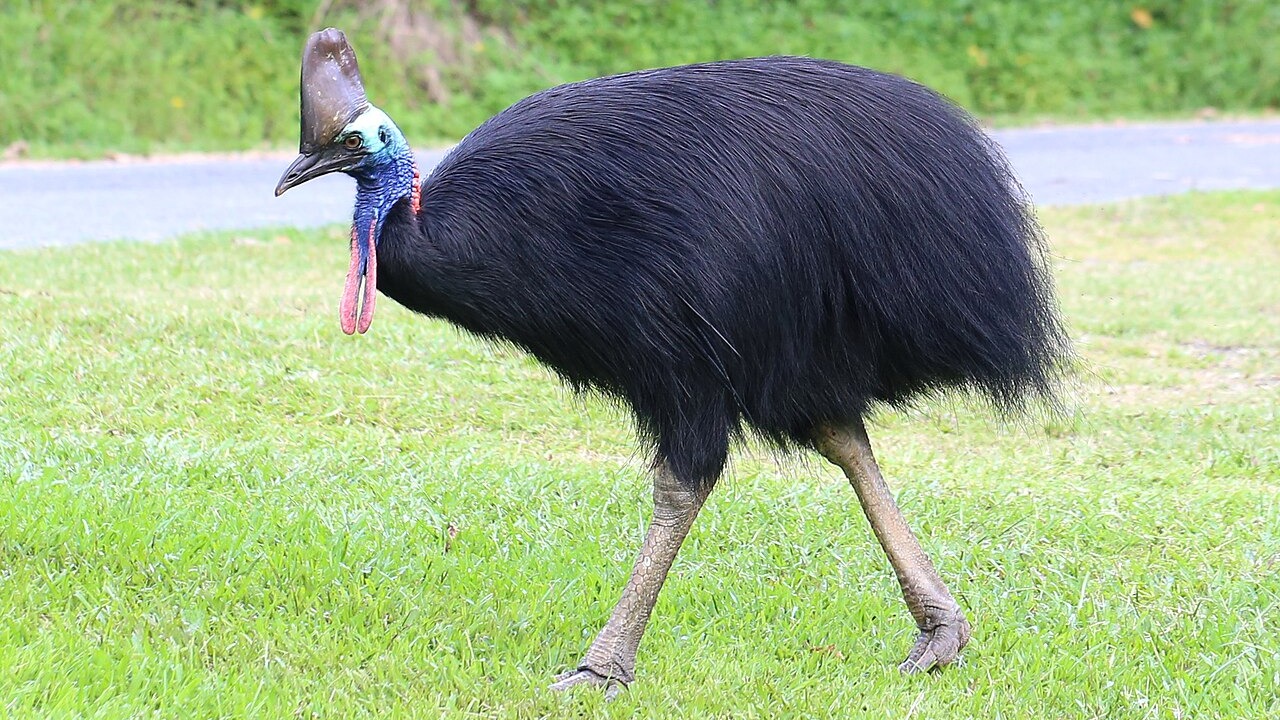
The southern cassowary profile gets its reputation from size and weaponry: females can reach 175 pounds and 5.5 feet tall, and each foot carries a 5-inch razor-sharp claw.
The zoo’s page adds that these big flightless birds can jump 7 feet off the ground. Taken together, the figures explain why the cassowary is treated with respect rather than approached casually, even though it is a bird. Those details come straight from the zoo’s own species page, which makes the cassowary a standout among the large birds in this lineup.
3. Western lowland gorilla: Gentle Heavyweight
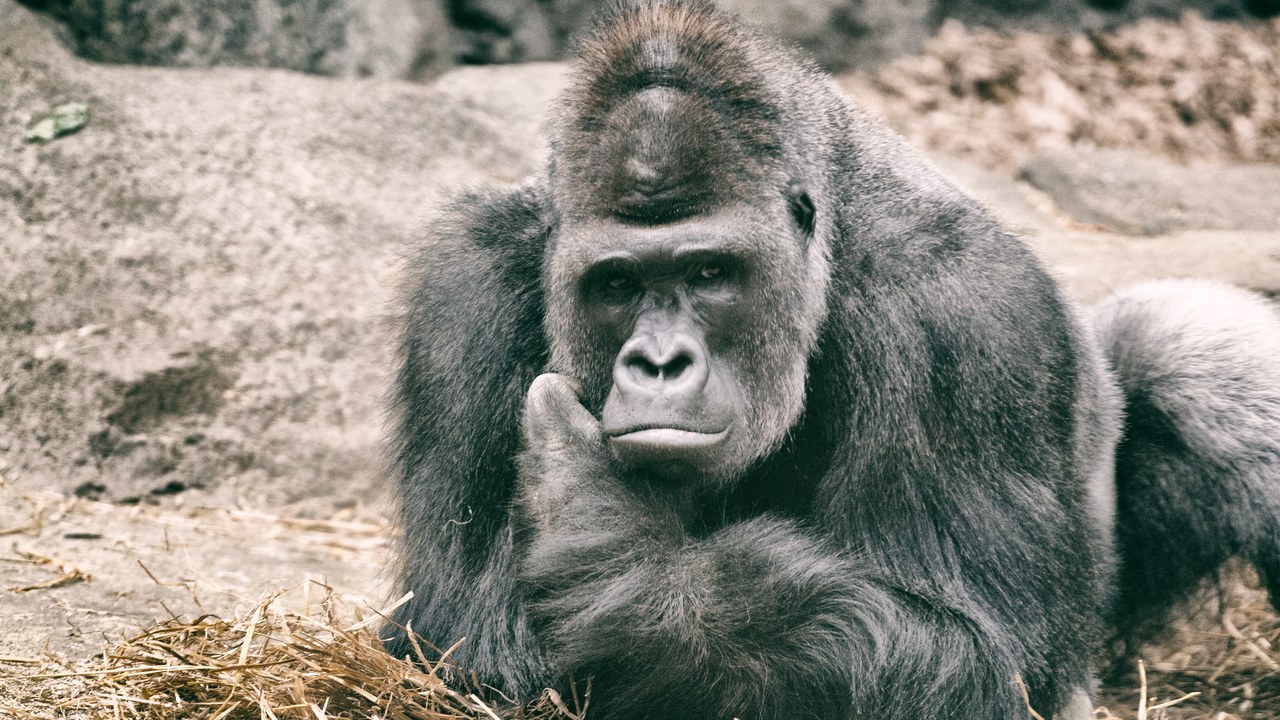
Adult males average 300 pounds and can reach 500, according to the western lowland gorilla page, and they stand up to 6 feet tall.
A gorilla eats about 45 pounds of food a day to fuel that frame. The zoo also notes the species is critically endangered, so the impressive size figures sit alongside a sobering conservation status. Those numbers come from the zoo’s species page, which tracks body size, diet and status together for the apes in its care.
4. Asian elephant: Longest Pregnancy
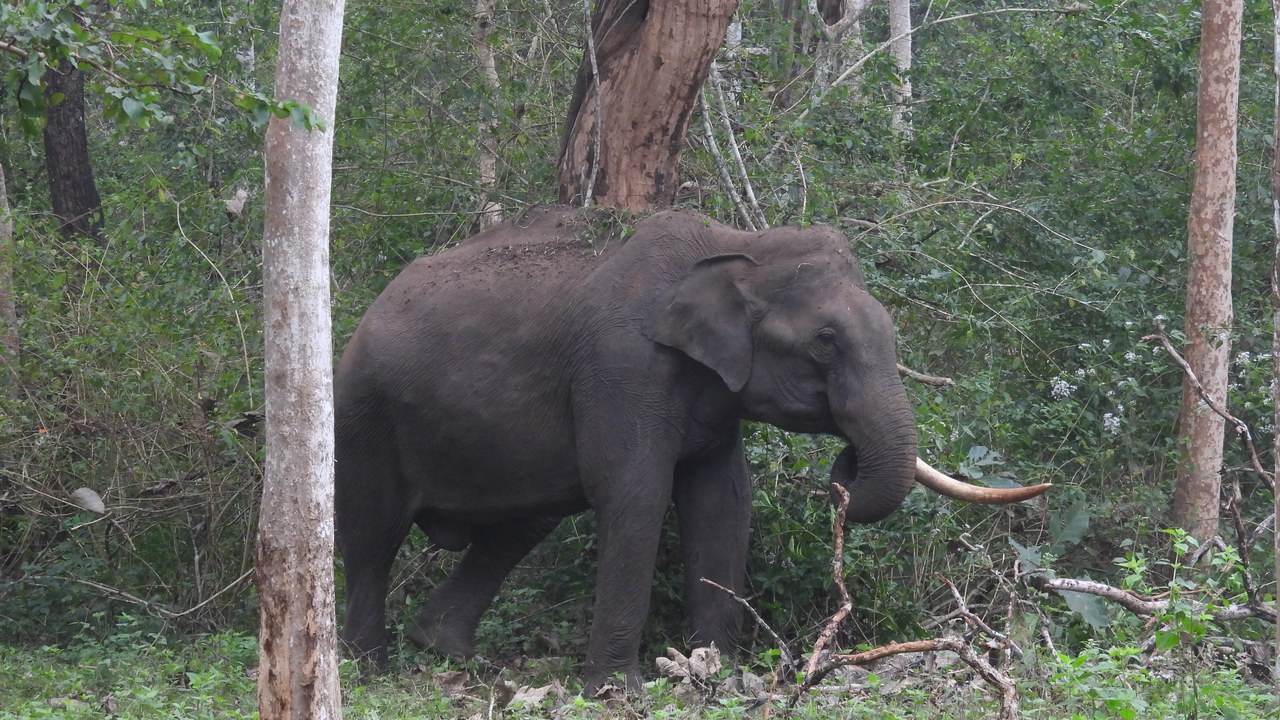
The Asian elephant profile carries a record: gestation lasts 21.5 to 22 months, the longest of any animal.
At birth a calf weighs 150 to 350 pounds, which puts the long wait in perspective. The wide weight range on the zoo’s page shows how much individual calves can vary even at the very start of life. The zoo’s figures make the elephant’s reproductive timeline stand apart from every other species in this gallery, giant panda included.
5. Orangutan: Three Species
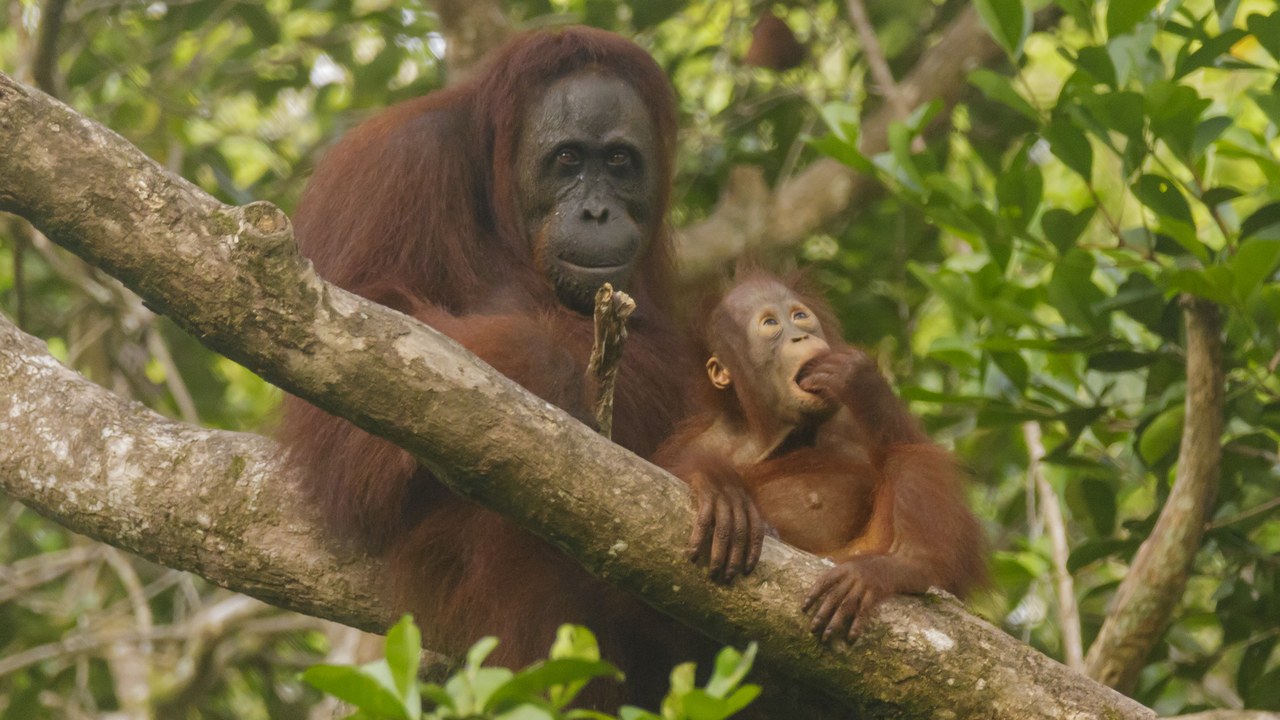
The zoo’s orangutan page separates orangutans into three species, and the counts differ sharply: Bornean orangutans number roughly 70,000 to 100,000, and Sumatran about 13,800.
Only about 800 Tapanuli orangutans remain. All three species are listed as critically endangered, so even the most numerous of them is far from secure. The spread from tens of thousands to a few hundred is the central takeaway of the zoo’s page, and it shows how uneven the picture is within a single group of apes.
6. Sloth bear: Shaggy and Scarce
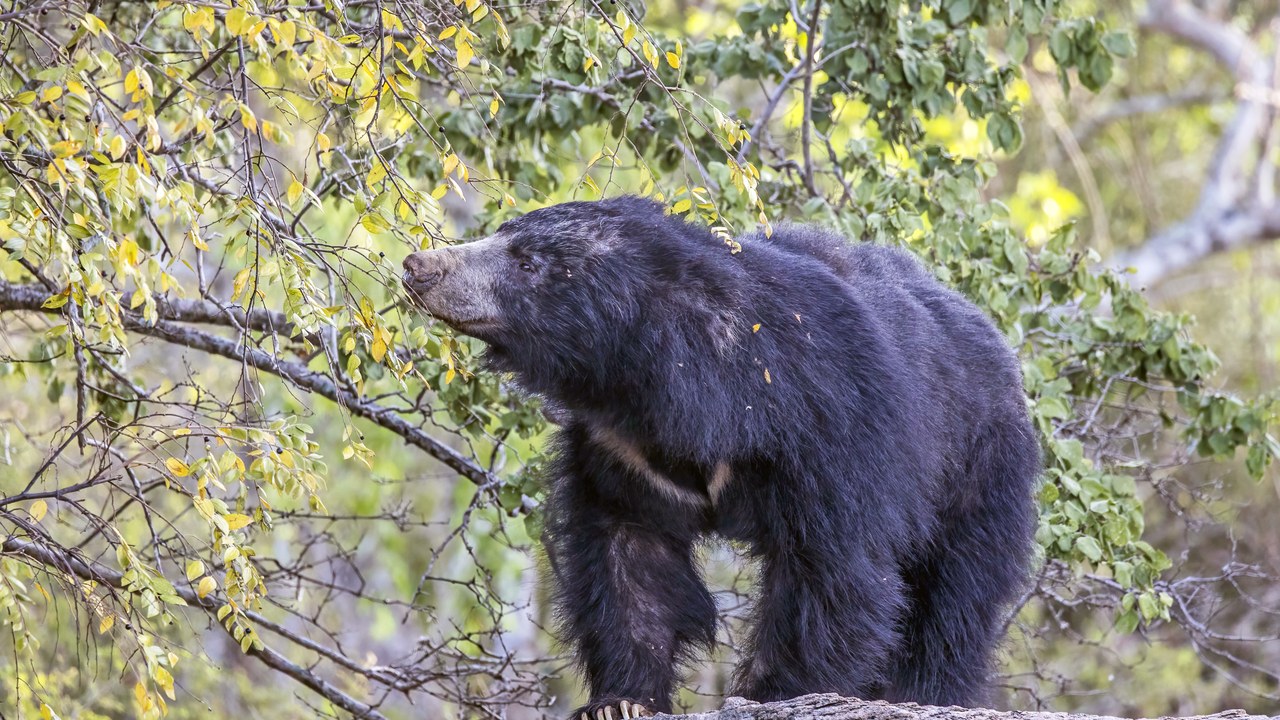
About 20,000 or fewer sloth bears remain in the wild, according to the sloth bear profile.
The zoo reports that the species has fallen 30 to 49 percent over 30 years. That steep decline, paired with a small remaining population, is what makes the shaggy-coated bear a conservation concern. The zoo’s page frames the bear’s situation through those two numbers, a current estimate and a multi-decade trend, which together give a clearer picture than either would alone.
7. Andean bear: Mountain Bear
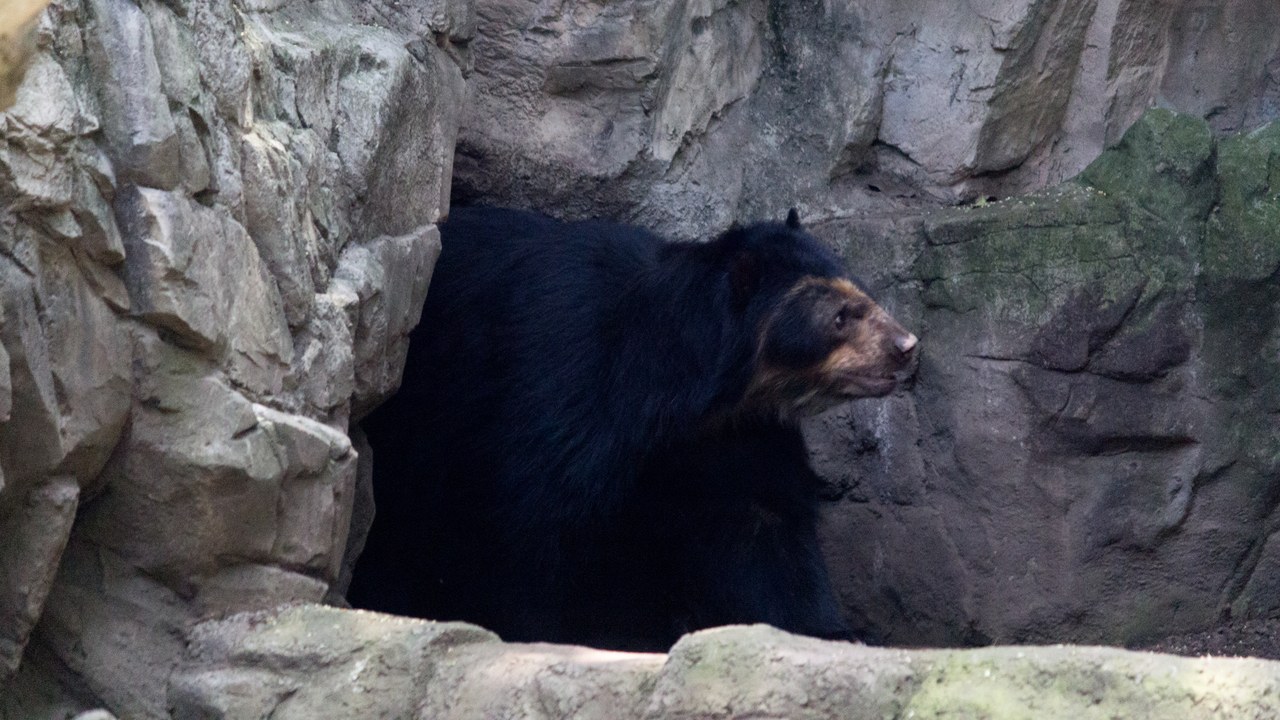
Males can weigh up to 340 pounds, the Andean bear page reports, making this one of the larger bears on the zoo’s roster.
The species ranges from western Venezuela south to Bolivia, a long north-to-south stretch of South America. It is also known as the spectacled bear, a name that nods to the pale markings around its eyes. The weight figure comes from the zoo’s species page, which gives it as 340 pounds or 154 kilograms.
8. Chinese alligator: Tiny Wild Numbers
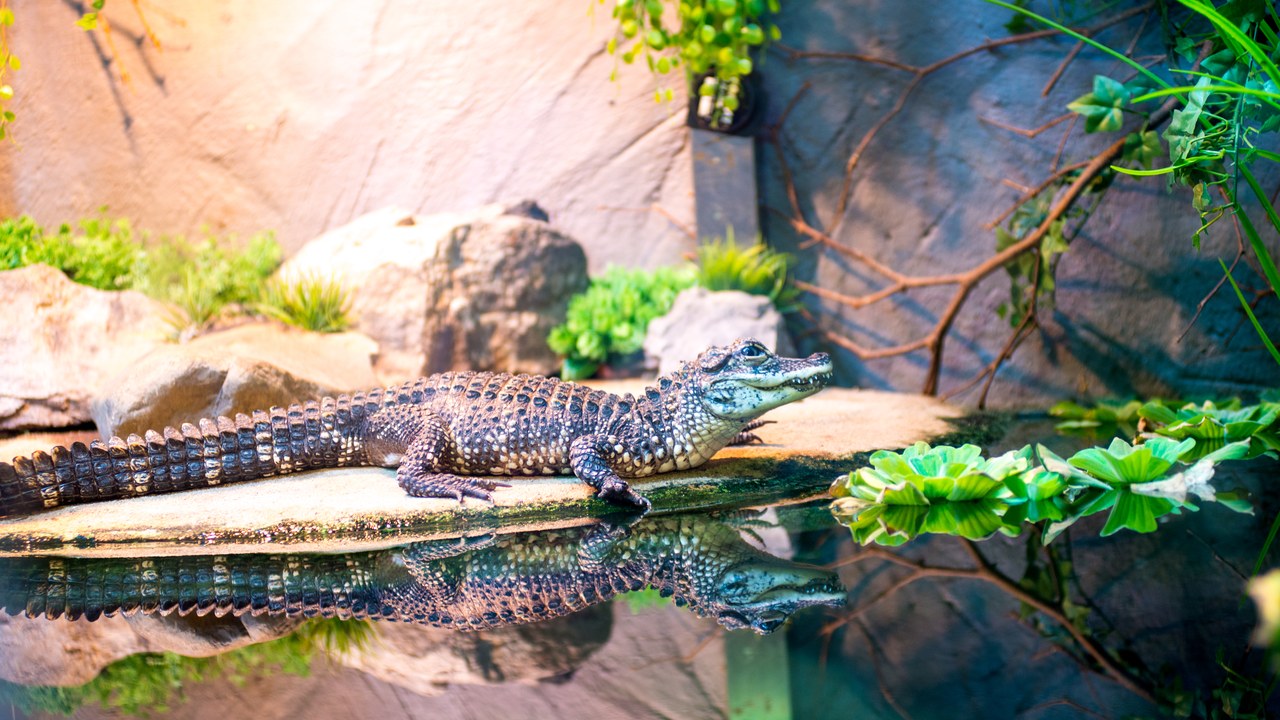
There may be fewer than 150 individuals left in the wild, says the zoo’s Chinese alligator entry.
Chinese alligators usually grow to about 5 feet, far smaller than their American cousins. The tiny wild count makes this modest reptile one of the most precarious residents covered in this gallery. The figure comes from the zoo’s species page and is phrased as a possibility, so the true number could differ, but the page leaves no doubt that the wild population is very small.
9. Cuban crocodile: Small Range
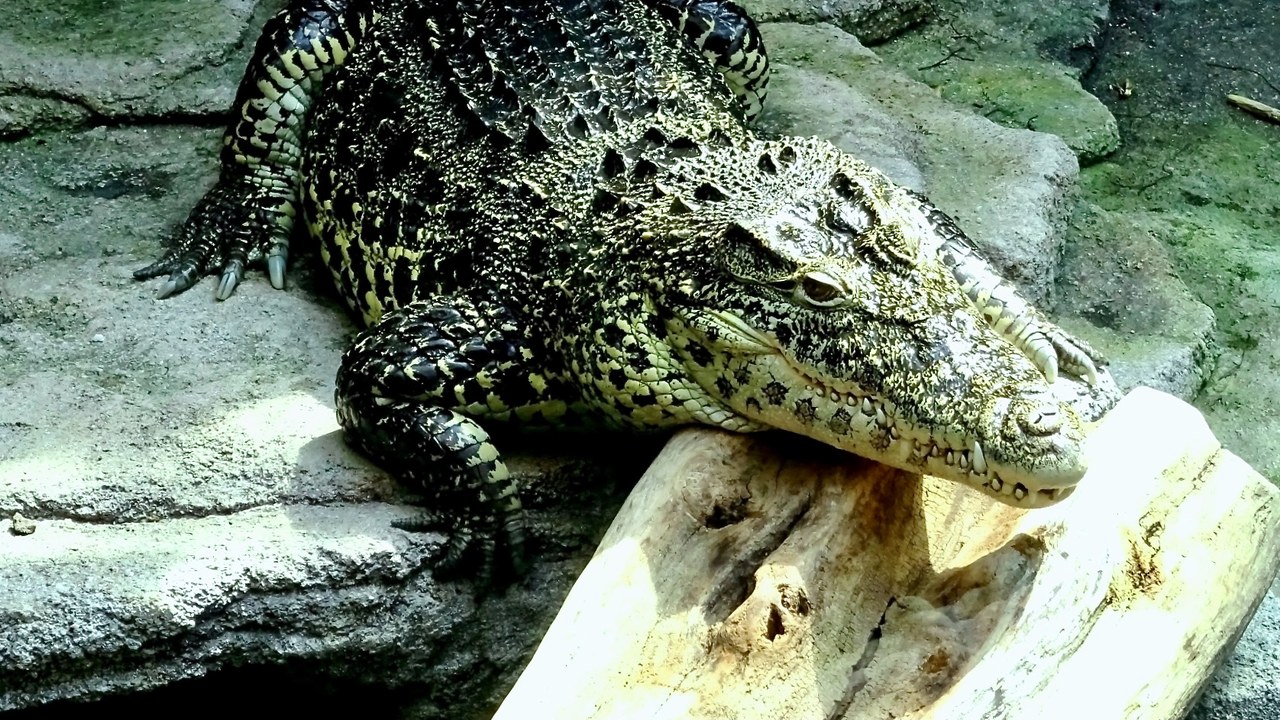
Around 3,000 purebred animals remain in the wild, according to the Cuban crocodile page.
They live in a range of less than 200 square miles. The word purebred in the zoo’s figure matters, because it points to a population count that is narrower than all crocodiles living there. The zoo’s page ties the two numbers together, so the small population and the limited territory are presented as part of the same conservation challenge.
10. Eastern diamondback rattlesnake: Strike Distance
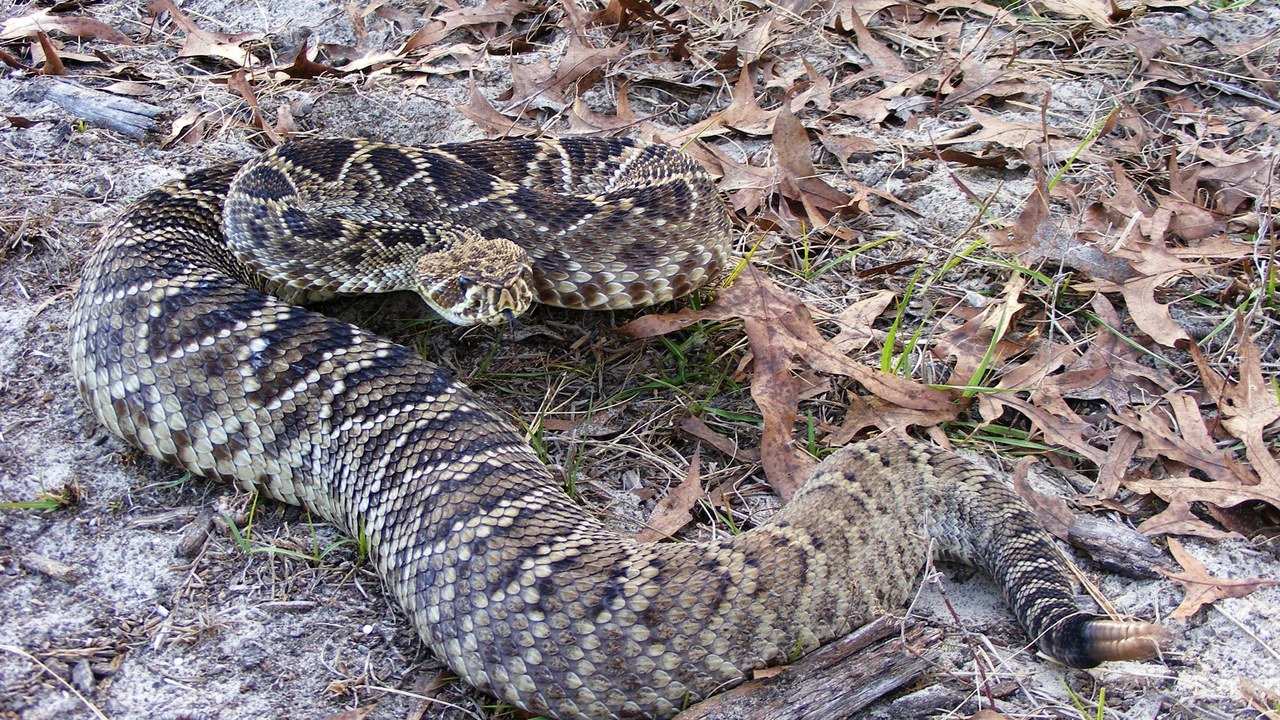
The eastern diamondback rattlesnake page can grow as long as 8 feet, according to the National Zoo.
The zoo adds that the snake can strike up to about two-thirds of its body length. That reach is a useful reminder of why a large rattlesnake commands distance, even when it appears motionless on the ground. Both measurements come from the zoo’s species page, and both are stated as upper limits, so typical snakes will fall short of them.
11. North Island brown kiwi: Giant Egg
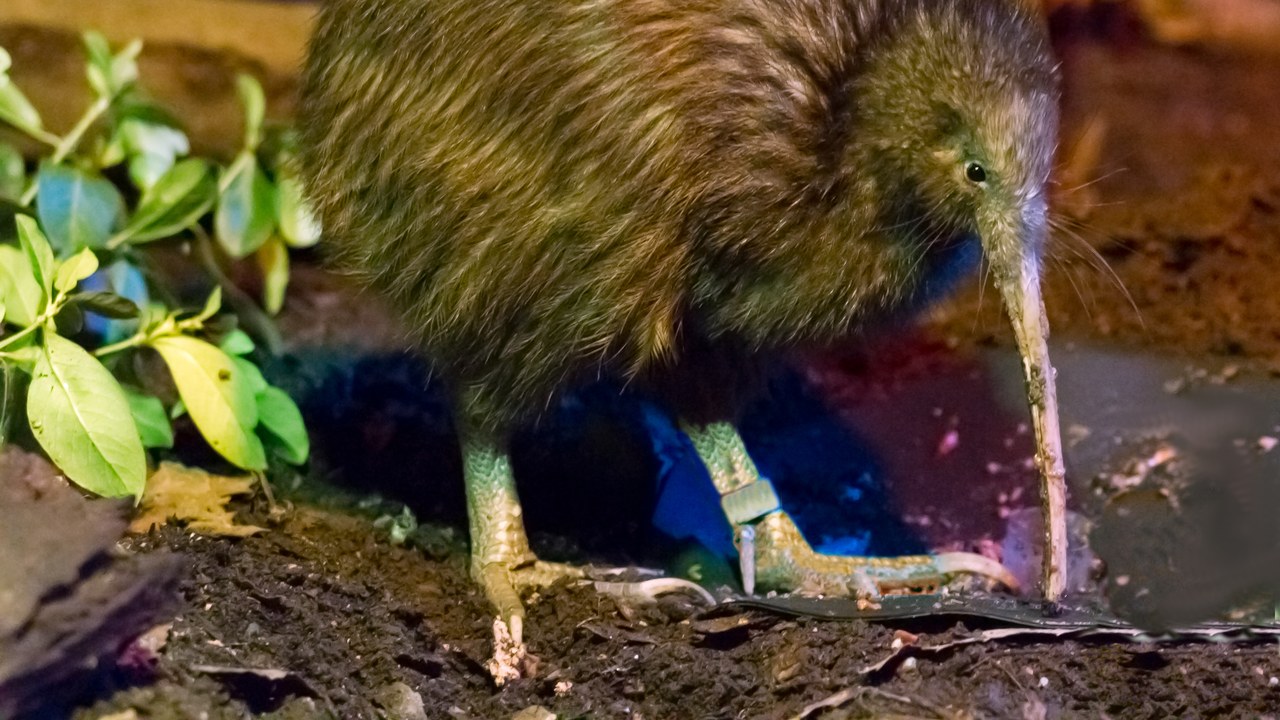
Female North Island brown kiwis weigh 4.5 to 8.5 pounds, and each lays an egg about 15 percent of her body weight, per the North Island brown kiwi page.
The wild population is dropping about 6 percent each year, according to the zoo. A small bird with an outsized egg is charming, but the steady annual decline is the more urgent part of the story. The zoo’s page also lists the female weight range, which helps explain why the egg is such a large share of the mother’s body mass.
12. Emu: Fast Runner
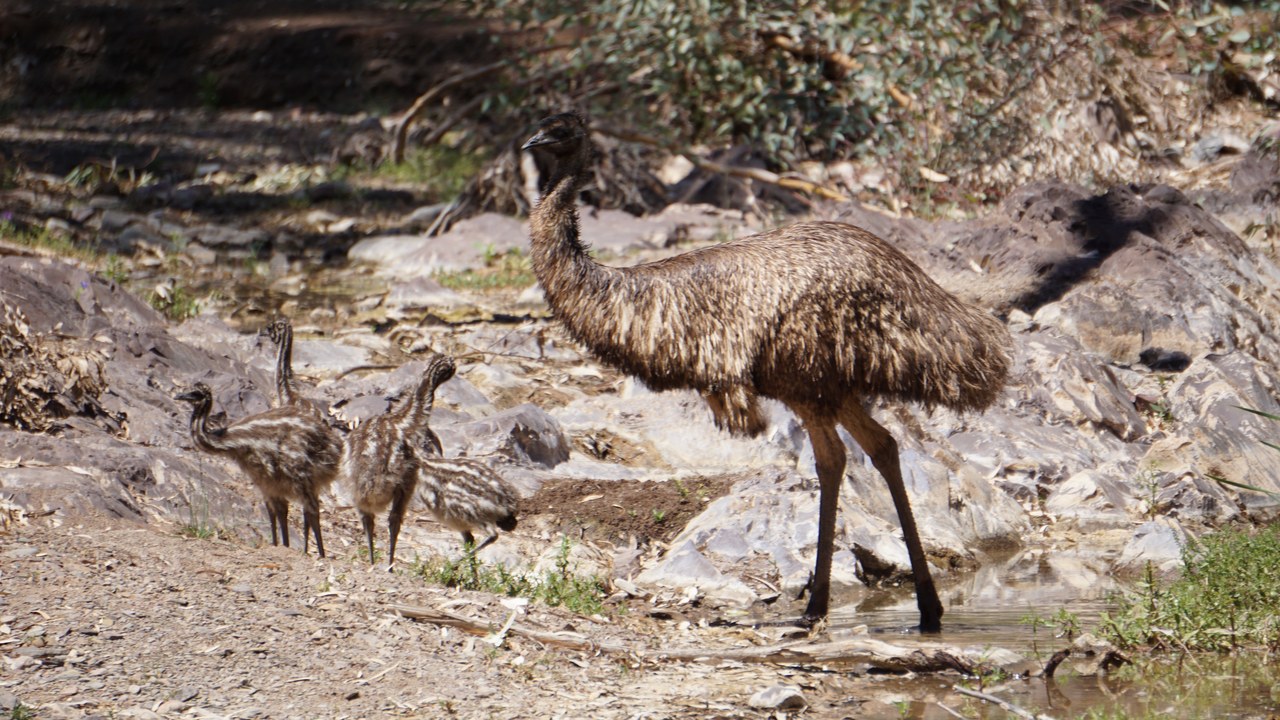
The emu is the second-largest living bird, standing about 5.7 feet tall, according to the emu profile.
Its top speed is up to 31 mph. The zoo’s figures show a flightless bird built for covering open ground quickly rather than for staying aloft. The pairing of a tall frame with a quick stride is what the page emphasizes. These figures come from the zoo’s species page, which describes the emu as the second-largest living bird and lists its height and speed side by side.
Tech news worth reading: Get Techpresso →
We may earn a commission if you sign up.
More from Morning Overview
- Two passengers died at an Ohio toll plaza, and the NTSB now wants the cash lanes shut
- Long use of a common prostate pill is tied to a higher chance of glaucoma
- Ford is recalling 223,472 F-150 pickups because the fuel tank can leak or detach
- Hybrids have 15% fewer problems than gas cars, while EVs and plug-in hybrids have about 80% more, Consumer Reports finds
