
Grand Canyon National Park is known for its layered rock, but the habitats along the rims and canyon floor shelter a surprising range of wildlife. Large mammals, rare birds, and secretive reptiles all share the landscape, each adapted to a different elevation and climate. Here are nine animals that live in the park, drawn from the National Park Service’s own descriptions.
Save more, waste less: The Cool Down’s newsletter sends smart, simple changes that help you and the planet in your everyday life.
We may earn a commission if you sign up.
1. California condor: Rim To Rim Giants
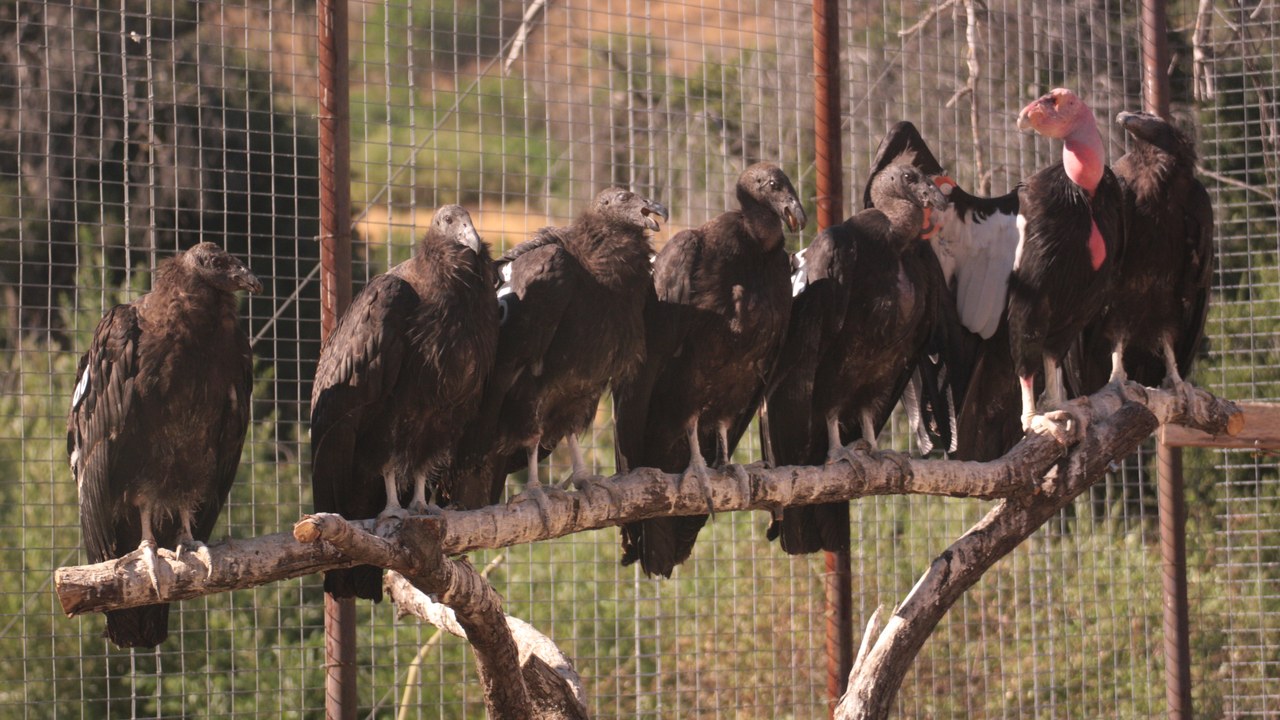
Spanning as much as nine and a half feet from wingtip to wingtip, the California condor is the largest land bird in North America. The National Park Service reports that 73 of these scavengers are currently flying free over northern Arizona and southern Utah,.
The figure of 73 marks a fragile recovery rather than a settled one, because the entire free-flying flock in the region remains small. Visitors who spot a condor gliding above the canyon are watching one of the rarest wild birds on the continent, and a wingspan of that size is hard to mistake for any other bird overhead.
2. Desert bighorn sheep: The Park’s Biggest Native
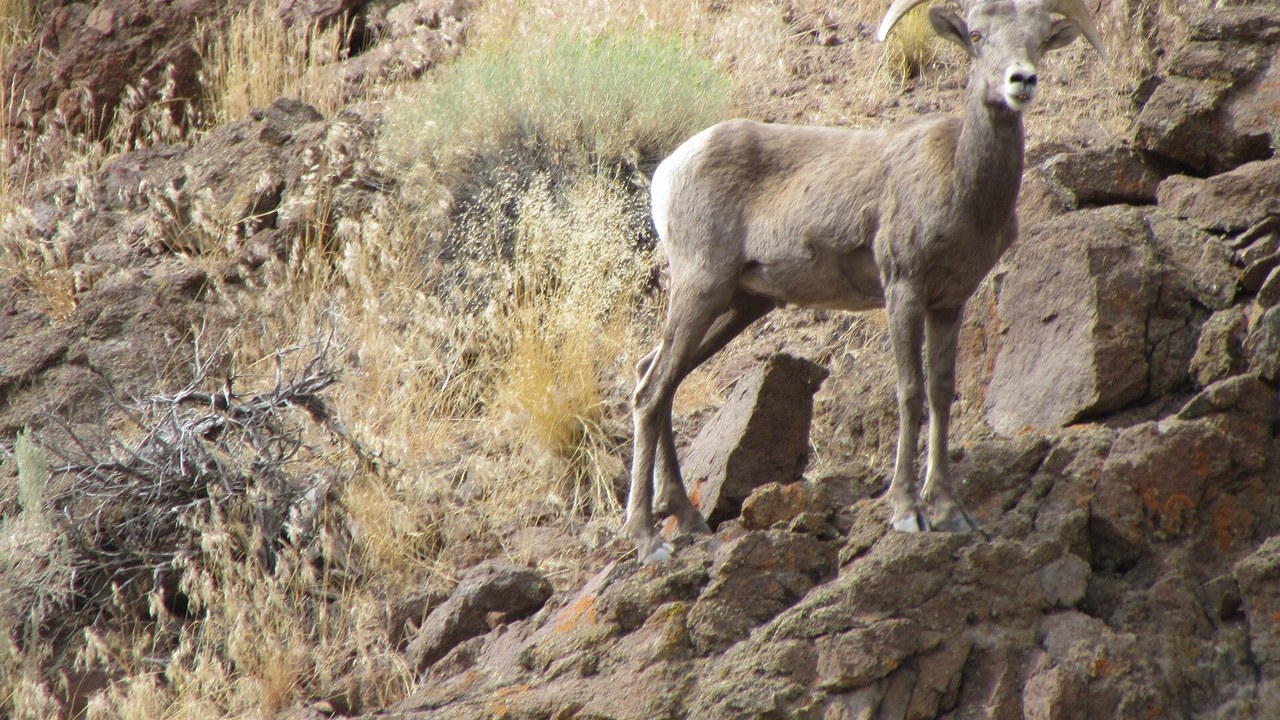
Males of this species weigh up to 300 pounds, and the park’s own mammal description calls the desert bighorn the largest native animal in the park. Curved horns and padded hooves let the sheep move across steep ledges where most other large mammals cannot follow.
The sheep are built for the rugged terrain that defines the park, which is why the animal fits the canyon so well. Spotting one takes patience, and a pair of binoculars along the canyon’s cliffs and slopes improves the odds of a clear look at the largest native animal the park service describes.
3. Rocky Mountain elk: Dangerous Neighbor
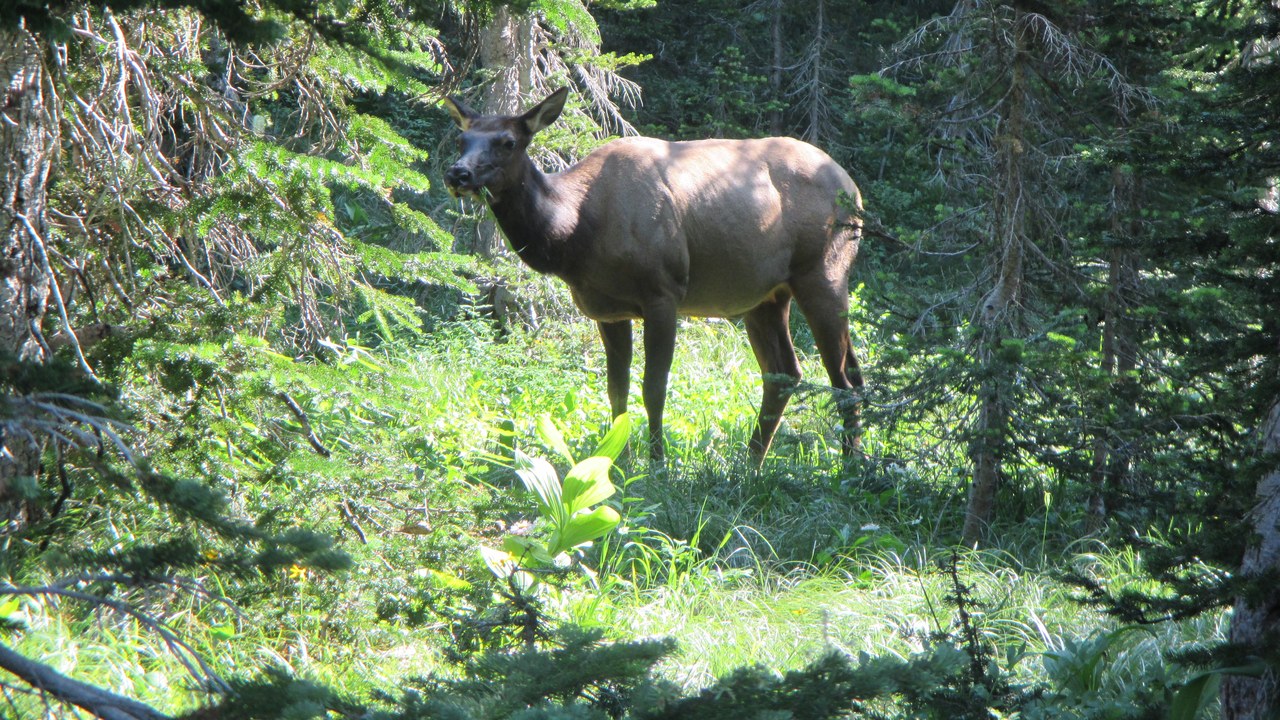
Bulls can reach up to 700 pounds, and the park service uses blunt language about them, saying elk are one of the most dangerous animals in Grand Canyon National Park. Rocky Mountain elk are most often met near the rims and in forested areas, where they graze close to visitors.
The warning exists because large, unpredictable wildlife can injure people who crowd them for a photograph. Keeping a generous distance, and never approaching an animal that appears calm, is the standard advice on any park visit.
4. Mule deer: Everyday Browser
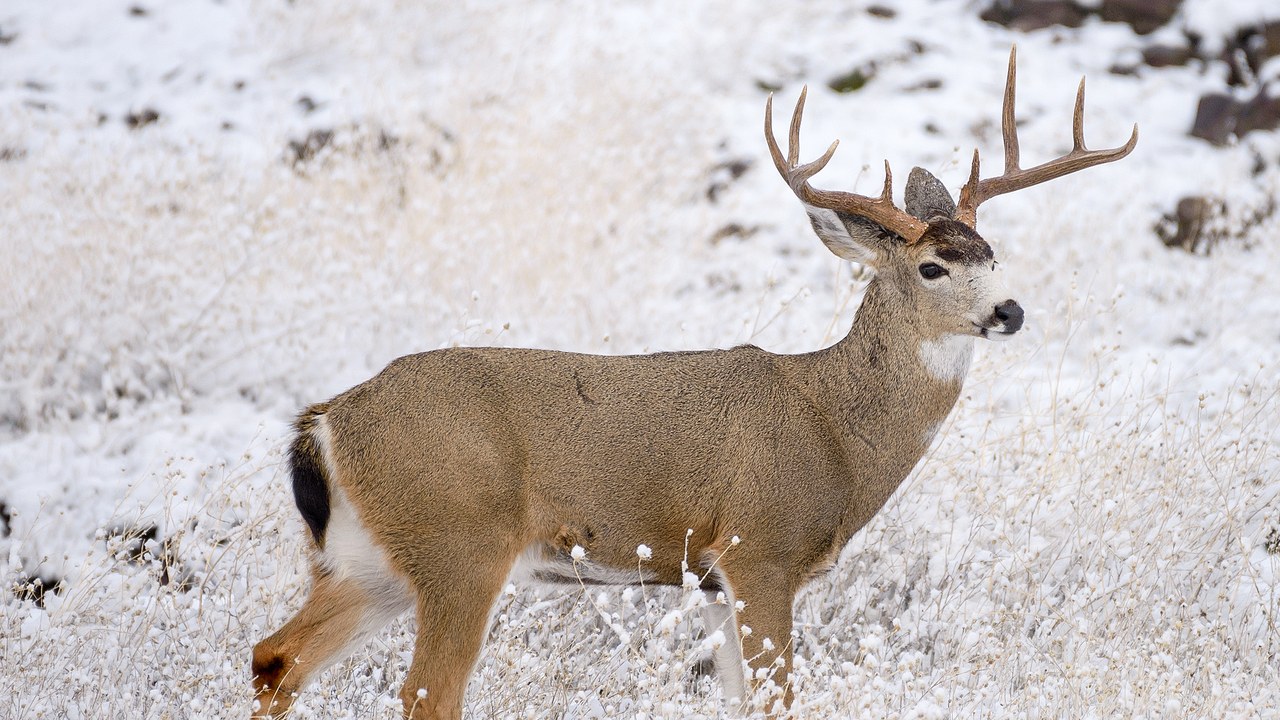
Few animals appear as often along park roads and meadows as the mule deer, which the park service lists as one of the most commonly seen animals in the park. Adults stand 31 to 42 inches tall at the shoulder, with large ears that give the species its name.
Familiarity can make the deer seem tame, though they remain wild animals that should not be fed or approached. Their frequent appearance makes them a good first sighting for newcomers learning to watch for wildlife in the park.
5. Abert’s squirrel: The Tassel-Eared Regular
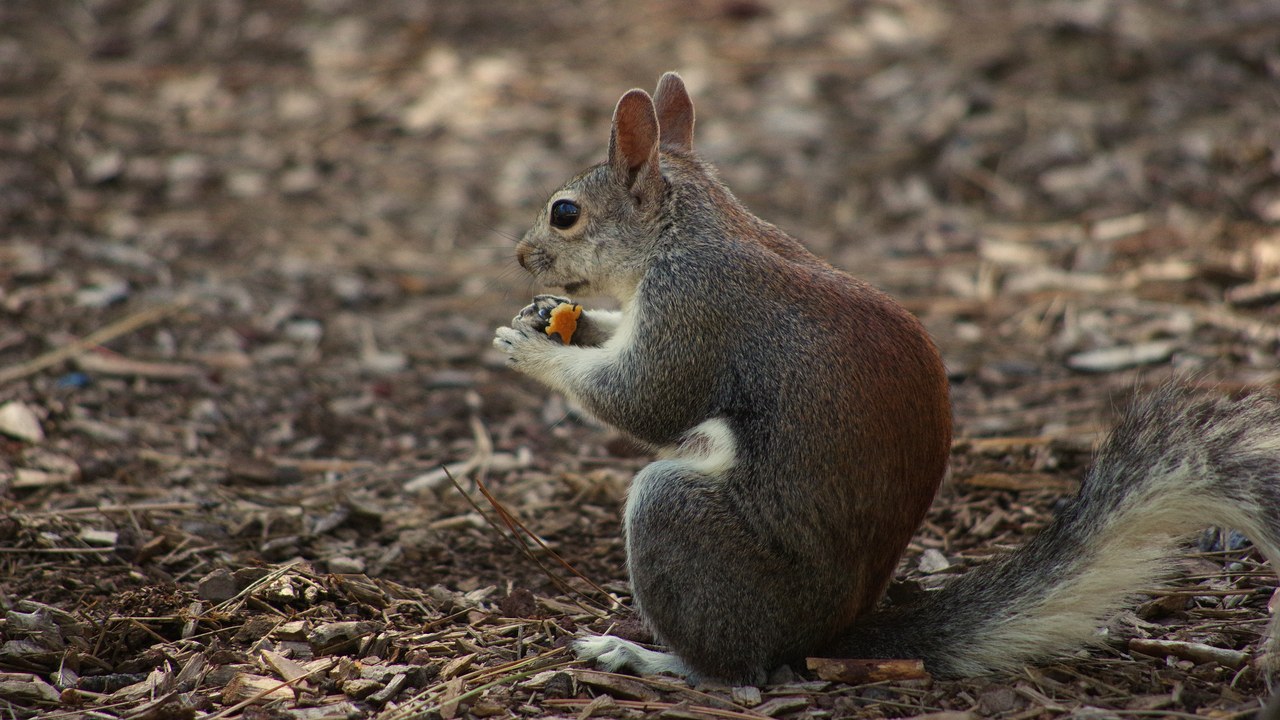
Abert’s squirrel, also called the tassel-eared squirrel, is described by the National Park Service as one of the most commonly seen mammals at Grand Canyon National Park. The long tufts of fur that rise from its ears in colder months give the animal its nickname and make it easy to pick out among the pines along the rim.
Because it is so often spotted near viewpoints and trails, the squirrel is one of the few Grand Canyon mammals that most visitors can expect to see without special effort. It offers a useful contrast to the park’s rarer residents, such as condors and bighorn sheep, which usually take patience, binoculars and a measure of luck to find.
6. American bison: Kaibab Plateau Herd
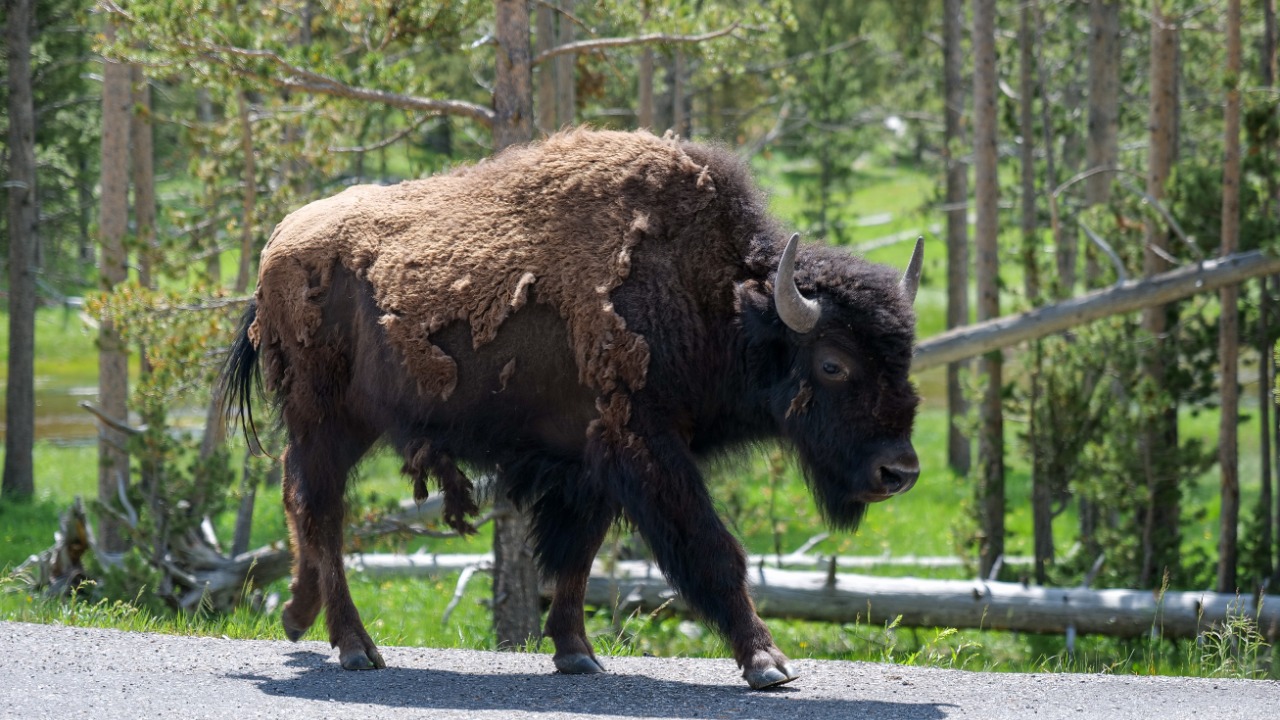
Bison are not usually the first animal associated with a desert chasm, but the North Rim is home to the Kaibab Plateau Bison Herd, as the park service notes. The herd lives on the high, forested plateau on the canyon’s northern side.
That setting is far cooler and greener than the inner gorge, which helps explain why such a large grazer can thrive there. Travelers who reach the North Rim, which sits at higher elevation than the South Rim, have the best chance of encountering the animals.
7. Gila monster: Venomous Lizard
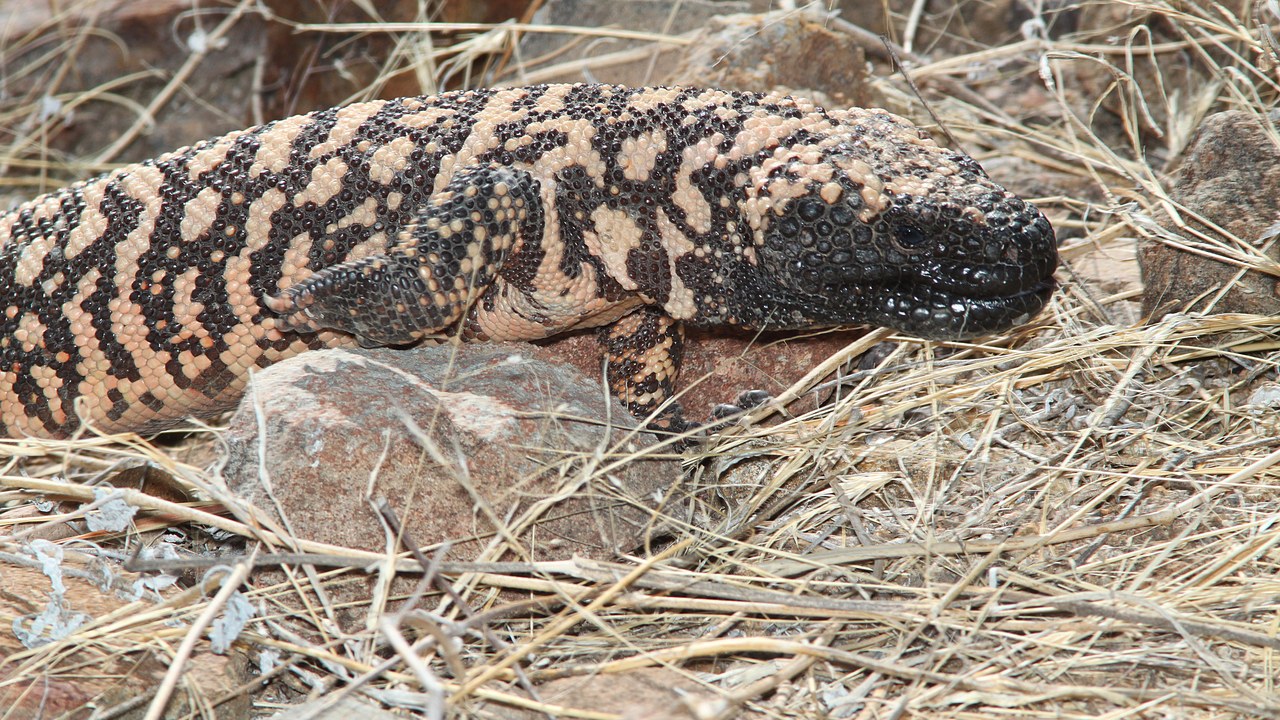
The Gila monster appears in the park’s reptile listing as the only venomous lizard in the United States, a description taken directly from the National Park Service page. Its range here sits at the far western edge of the park, far from the most visited areas.
Because the lizard is venomous, it draws more curiosity than most reptiles in the region, although the park listing places it only in a remote corner. Anyone hoping to see one would need to head toward the western end of the park rather than the familiar rim viewpoints.
8. Desert tortoise: Elusive Shelter-Digger
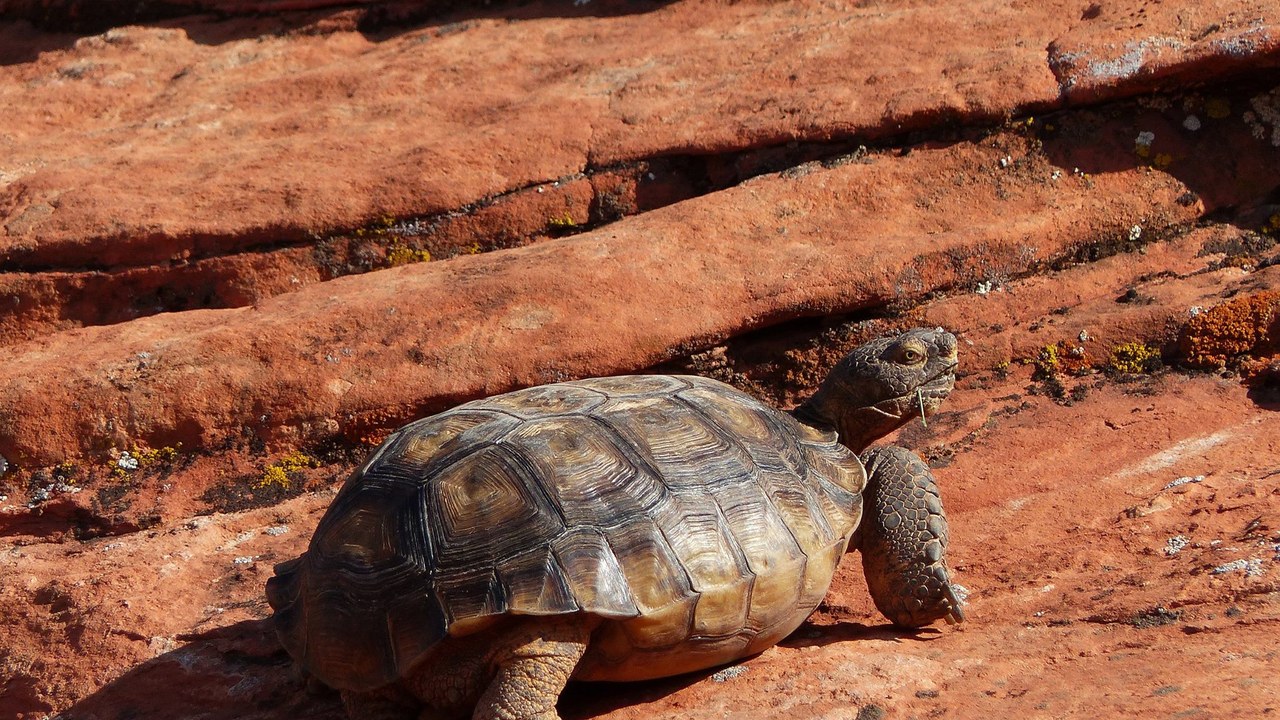
Only one tortoise species lives in the park, and the desert tortoise is described as elusive in the National Park Service reptile listing. It is one of 41 reptile species recorded across the park, a count that includes lizards and snakes.
Because the tortoise spends much of its time out of view, many visitors pass through its habitat without noticing it. The single-species tally also shows how narrow its place in the canyon’s wider reptile community really is, with just one tortoise set against dozens of lizards, snakes, and other reptiles.
9. Gopher snake: Big Snake, Wrong Reputation
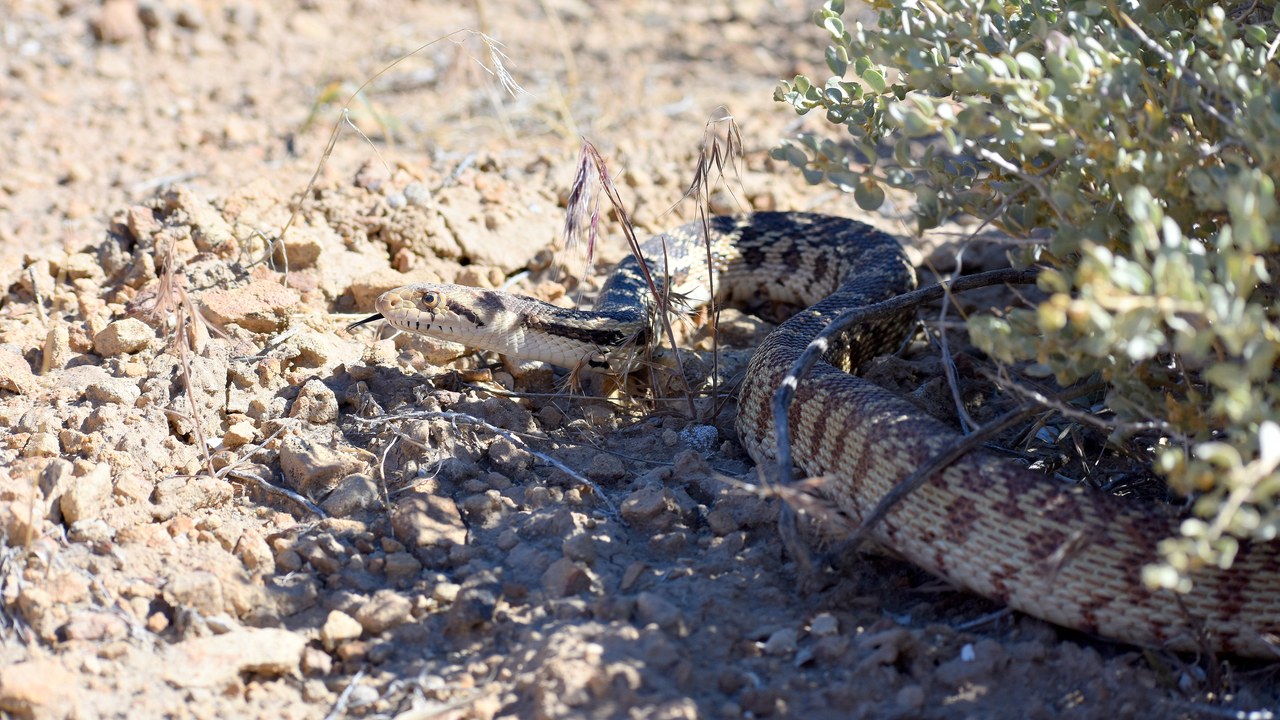
Measured by length, the gopher snake is the longest snake in Arizona, according to the park service. It is often mistaken for a rattlesnake, a confusion that has led some people to harm a harmless animal.
The resemblance is a bluff worth knowing about, since the snake can flatten its head and hiss when threatened. Learning to tell the two apart helps visitors react calmly if one crosses a trail. Because the species is the longest snake in the state, its size alone can cause alarm, though length alone is not a reason to fear it.
Save more, waste less: Subscribe to The Cool Down →
We may earn a commission if you sign up.
More from Morning Overview
- Lake Powell sank to a record 3,517 feet, nearing the level that stops Glen Canyon Dam’s turbines
- Seven of Earth’s nine planetary boundaries are breached, and all seven are worsening
- The NSA says three phone features should be off whenever you aren’t using them
- Hurricane Hunter radar shows four warning signs that a tropical cyclone is about to strengthen, a University of Miami study found
