
Hummingbirds look alike at a glance, but the species that visit the United States differ in size, range and travel habits. Some stay in a single region while one of them flies thousands of miles each year. Here are twelve of them, from the rufous to the buff-bellied.
AI, explained every day: The Deep View is the go-to daily newsletter for 600,000+ founders, knowledge workers and professionals who want to stay up to date with artificial intelligence.
We may earn a commission if you sign up.
1. Rufous hummingbird: Longest Flyer
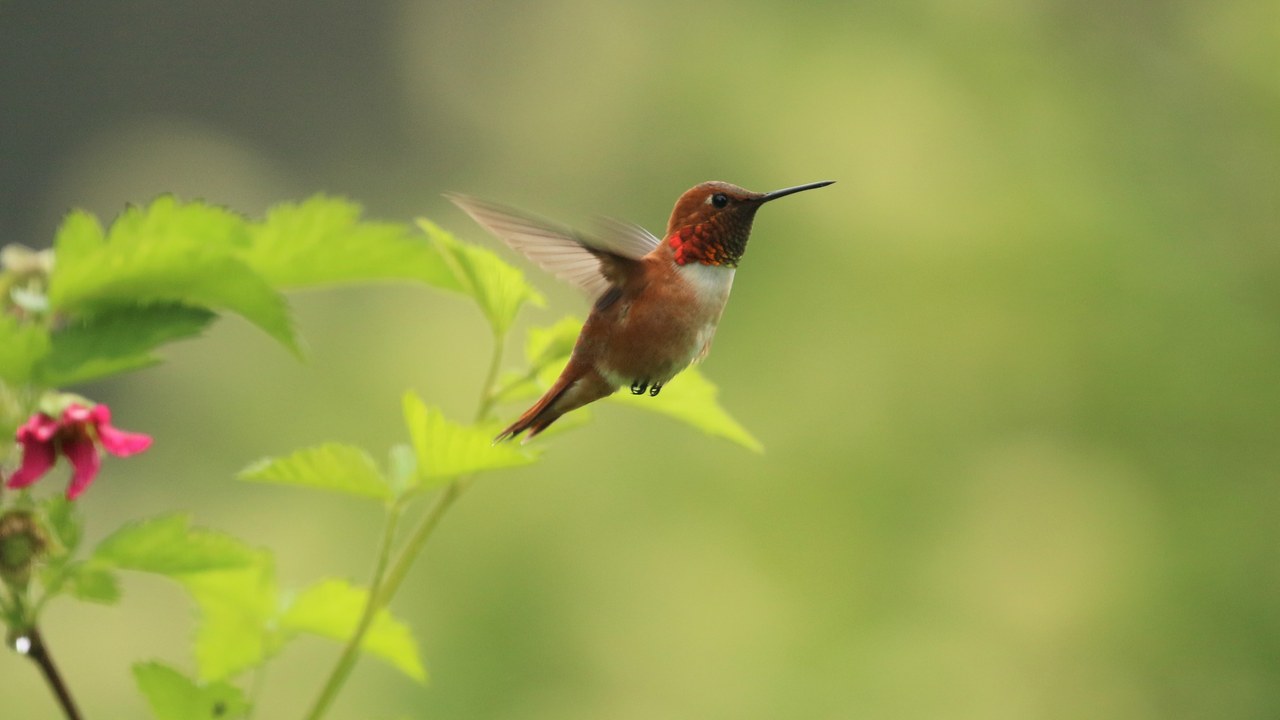
The rufous hummingbird makes the longest migration of any bird when distance is measured in body lengths, according to the Fish and Wildlife Service. The trip runs about 4,000 miles one way, a staggering journey for an animal that weighs only a few grams.
That figure explains why this species anchors the list. Few birds of any size spend so much of the year simply getting from one end of the continent to the other.
2. Ruby-throated hummingbird: Gulf Crosser
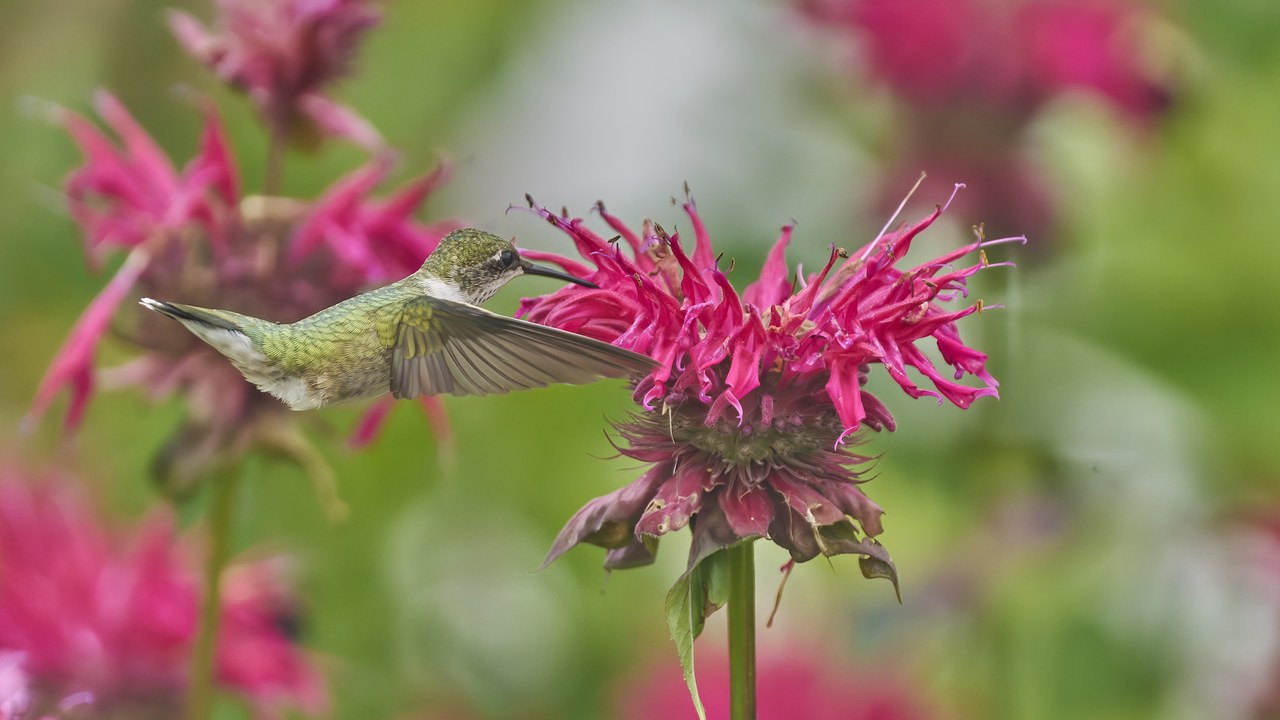
The ruby-throated hummingbird is the only hummingbird that breeds in eastern North America, a distinction noted by the Fish and Wildlife Service. Some birds can fly nonstop for up to 18 to 20 hours across the Gulf of Mexico.
That crossing leaves no room for rest stops over open water, so fuel matters enormously. Anyone watching feeders in the East will know this as the species that defines the hummingbird season each year.
3. Anna’s hummingbird: Mid-Sized Regular
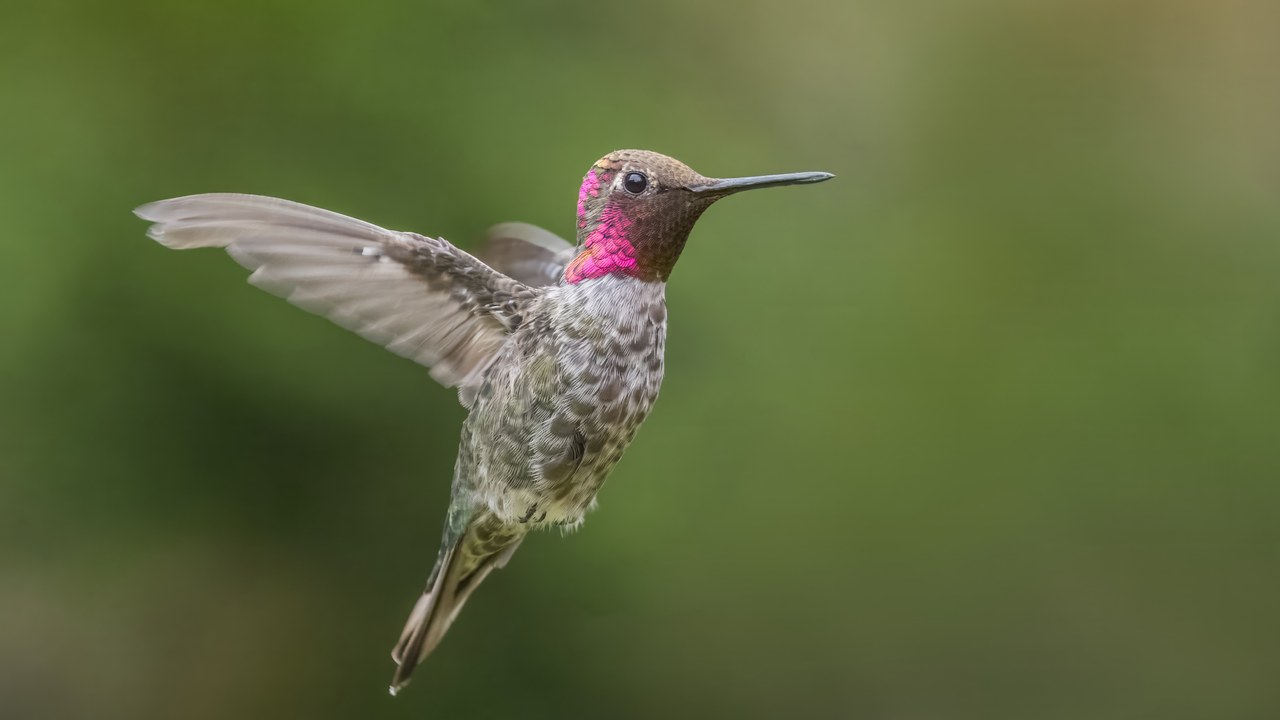
Anna’s hummingbird measures about 3.9 inches long, weighs between 0.1 and 0.2 ounces, and spans roughly 4.7 inches across the wings, per the Cornell Lab species guide. In grams, that works out to just 3 to 6.
Those numbers make it a mid-sized hummingbird by U.S. standards, larger than Costa’s and Allen’s but well short of the biggest western species. A bird this light barely registers on a kitchen scale.
4. Black-chinned hummingbird: Everywhere Flyer
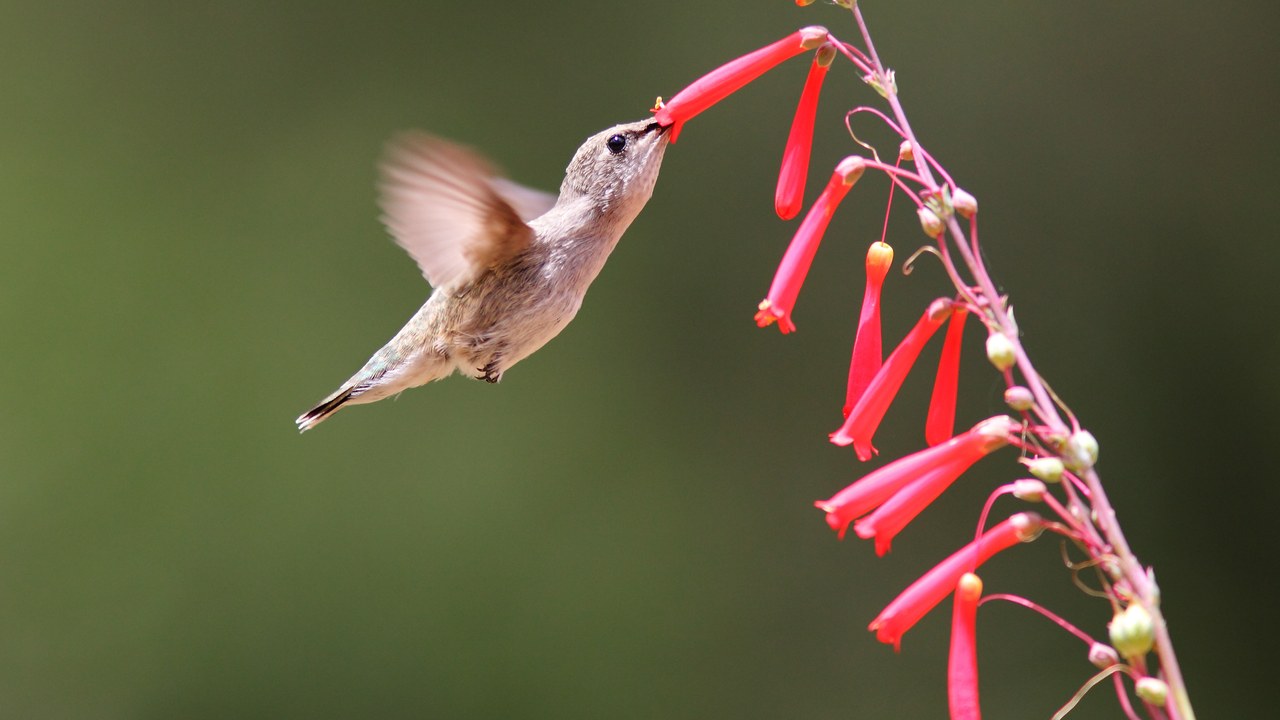
Few hummingbirds cover as much ground as the black-chinned, which the Cornell Lab profile calls exceptionally widespread, which is a high bar among North American hummingbirds. It turns up from deserts to mountain forests across the West, a range that few of its relatives can match.
Many of these birds winter along the Gulf Coast rather than heading all the way south. That flexibility in habitat helps explain why the species is such a common sight at western feeders and gardens.
5. Allen’s hummingbird: Coppery Rival
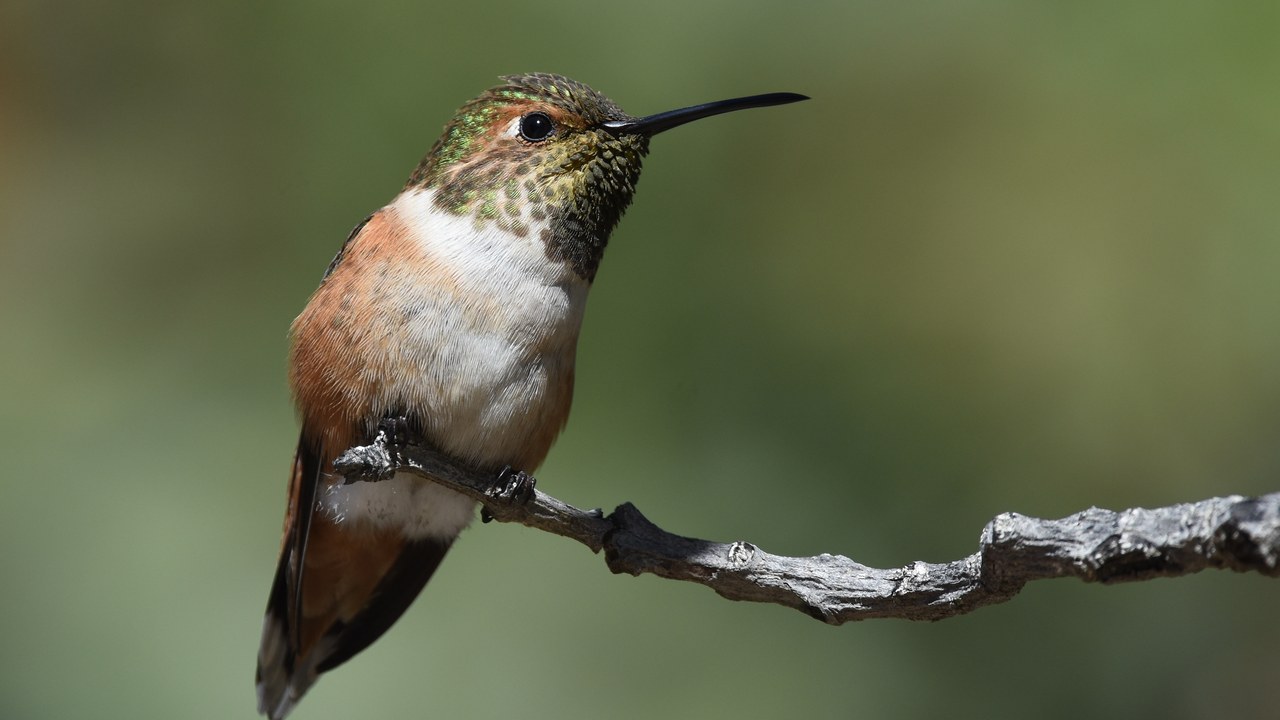
Allen’s hummingbird is slightly smaller than an Anna’s, measuring about 3.5 inches long with a 4.3-inch wingspan, according to the Cornell Lab species guide. It weighs just 2 to 4 grams, which is hard to picture without a comparison to something familiar.
At that size, a flick of the wings separates it from its larger neighbor in the same western range. That small difference is the main way to tell the two apart in the same western range.
6. Costa’s hummingbird: Featherweight
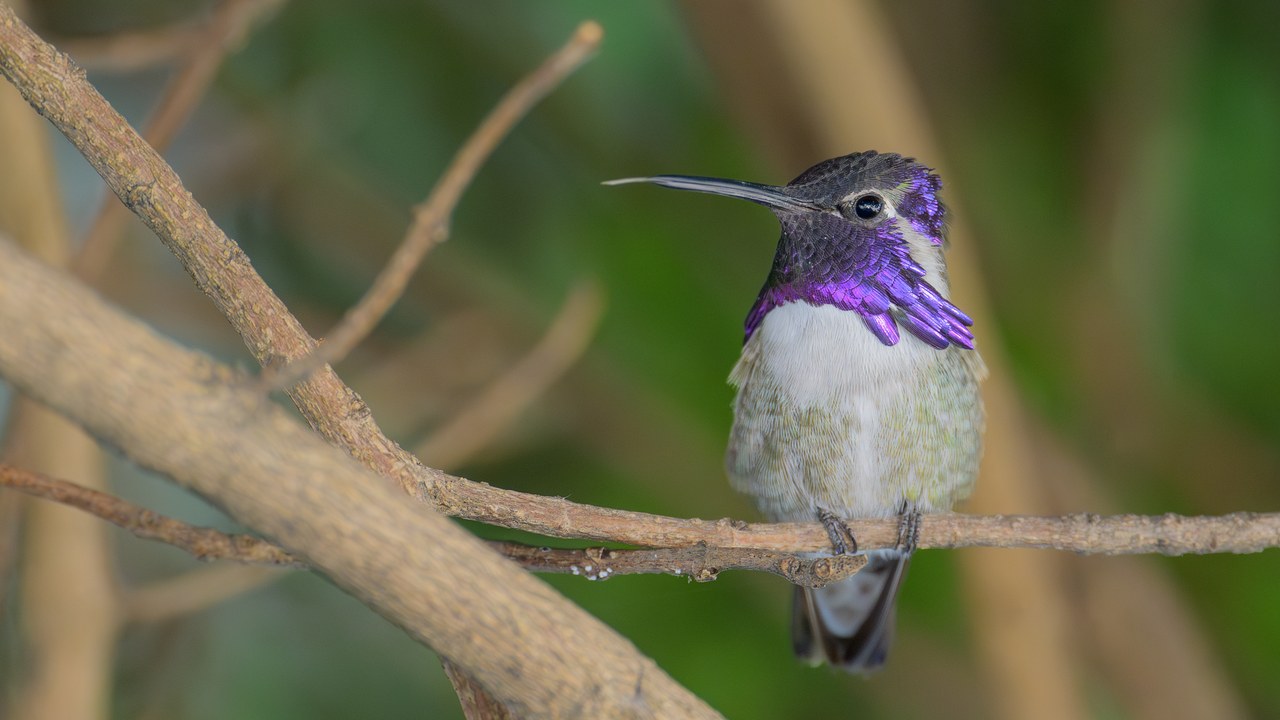
Costa’s hummingbird weighs only 2 to 3 grams, a figure the Cornell Lab species guide lists alongside a body size at or below that of a sparrow. It is larger than a Calliope but smaller than an Anna’s.
That puts it near the bottom of the weight chart among U.S. hummingbirds. That lightness is the defining trait of the species, and it sets Costa’s apart from the heavier birds elsewhere on this list.
7. Broad-tailed hummingbird: High-Altitude Nester
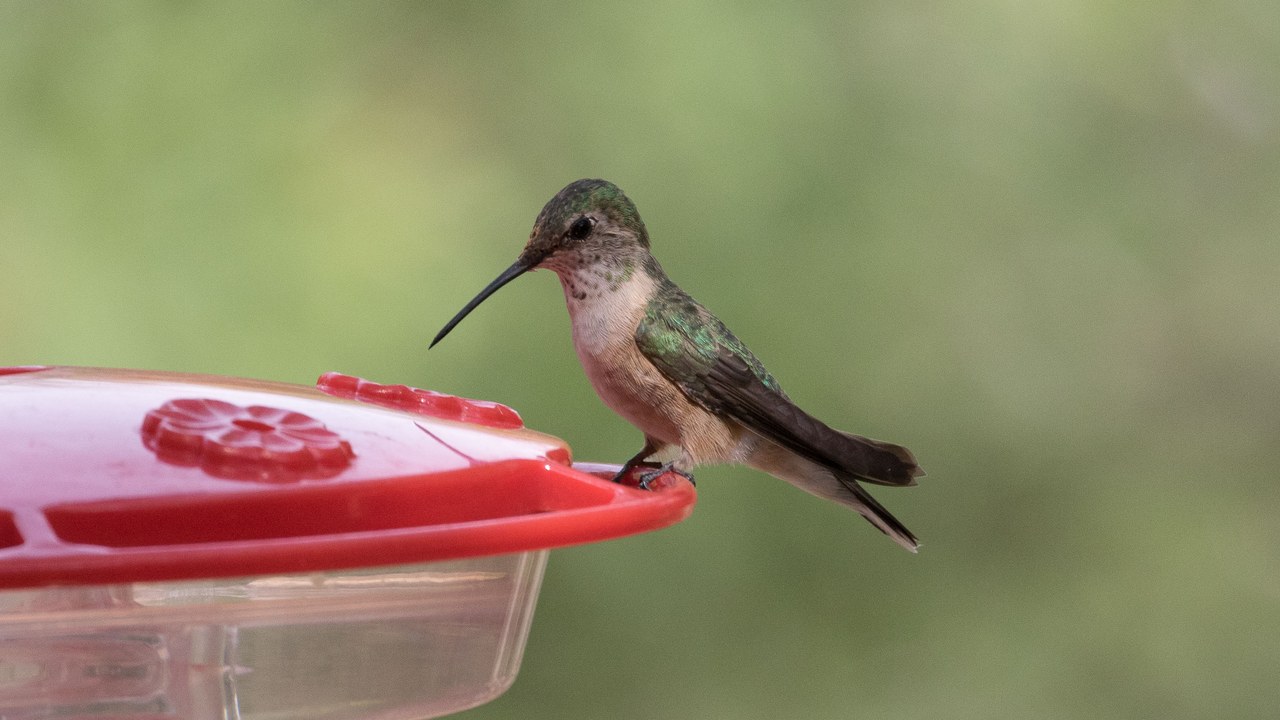
The broad-tailed hummingbird breeds in high-elevation meadows of the western United States, at altitudes up to 10,500 feet, per the Cornell Lab species guide. It measures 3.1 to 3.5 inches and weighs 2.8 to 4.5 grams.
Nesting that high means cool nights and thin air, which is a demanding setting for an animal with such a fast metabolism. Few other U.S. hummingbirds make their summer homes at similar elevations, which makes the species a signature bird of the western mountains.
8. Calliope hummingbird: Smaller Still
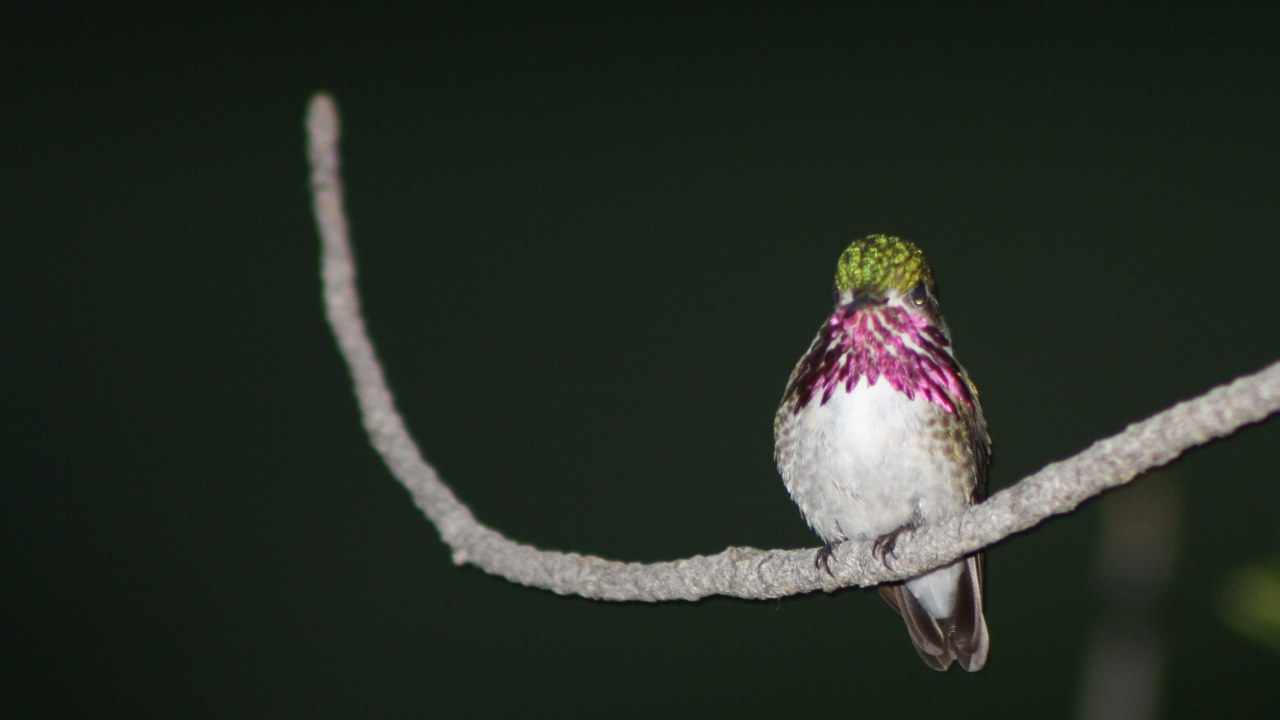
The calliope hummingbird measures 3.1 to 3.5 inches and weighs 2.3 to 3.4 grams, and the Cornell Lab species guide describes it as small even for a hummingbird. That is a notable label in a family built around tiny birds.
The species is smaller than a Costa’s, which already sits near the lightest end of the scale. Anyone comparing weights across the list will find it near the very bottom.
9. Magnificent hummingbird (Rivoli’s): Heavyweight Visitor
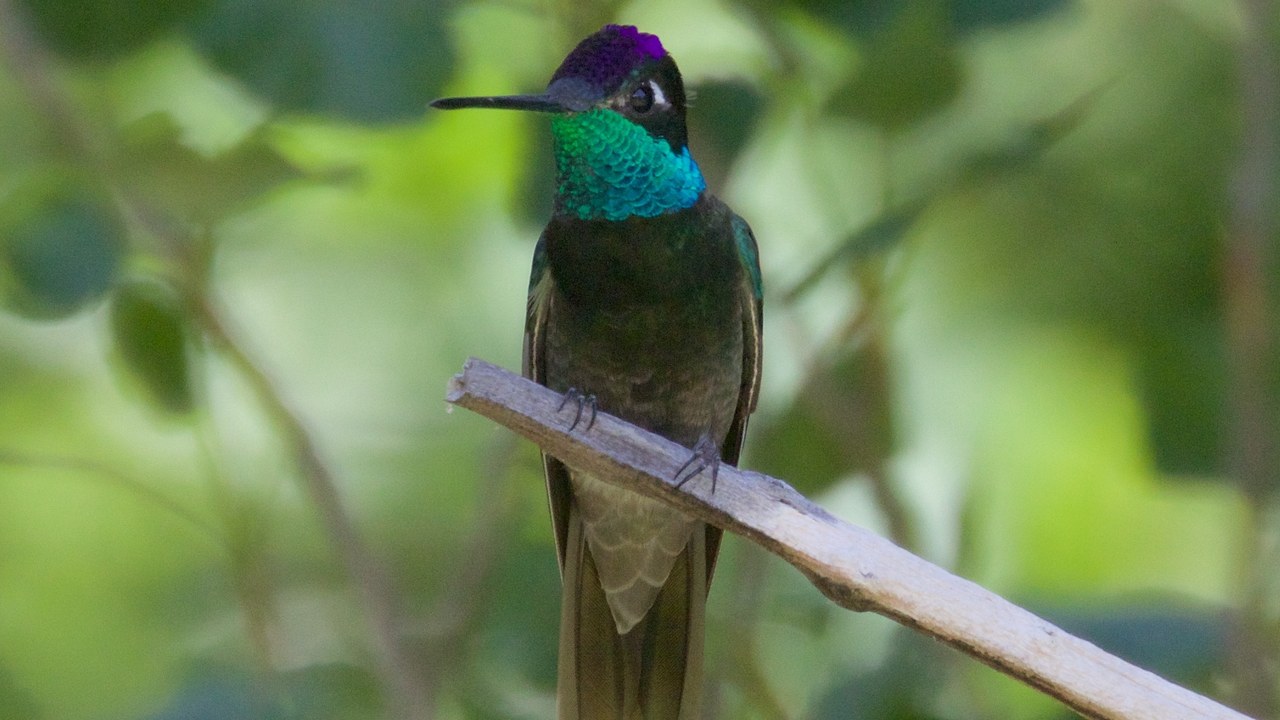
The magnificent hummingbird, listed by Cornell as the bird once known as Rivoli’s, measures 4.3 to 5.5 inches and weighs 7 to 8 grams, according to the Cornell Lab species guide. That is nearly triple the weight of a Costa’s.
Its heft makes it one of the largest hummingbirds seen in the United States. Side by side with a tiny western species, the difference in bulk is easy to see even without a scale.
10. Blue-throated mountain-gem: Border Giant
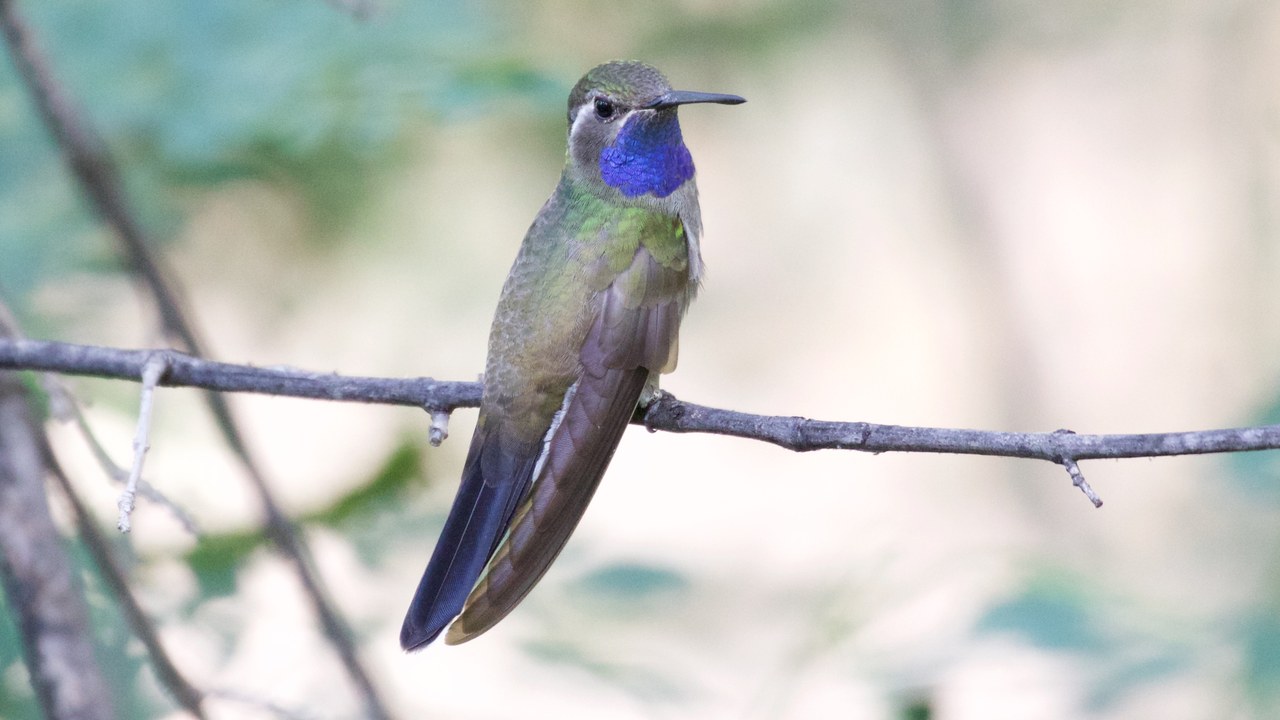
The blue-throated mountain-gem is the largest hummingbird that nests in the United States, at 4.3 to 4.7 inches and about 8 grams, per the Cornell Lab species guide. It only barely reaches southeastern Arizona and southwestern Texas.
Birders hoping to see one generally have to travel to those border mountains, well away from most backyards. Its size makes it hard to confuse with the smaller species around it, even for newer birdwatchers.
11. Broad-billed hummingbird: Southwest Specialist
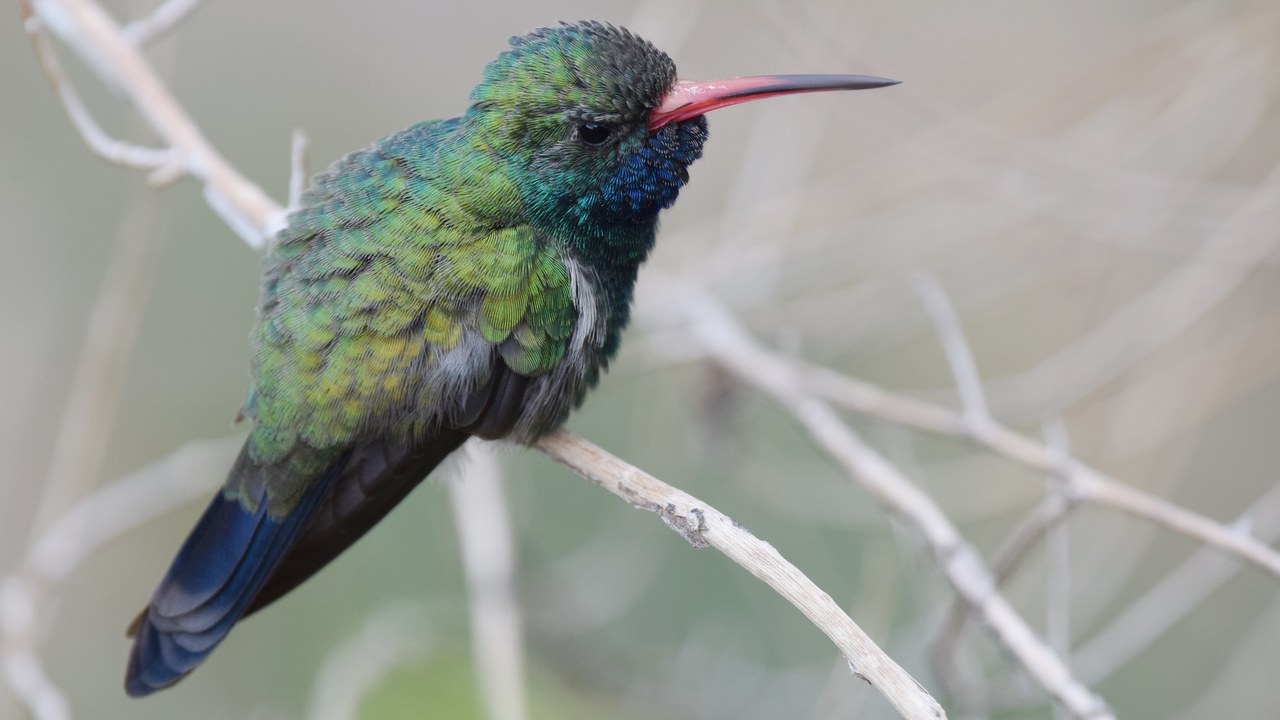
The broad-billed hummingbird is about the size of a ruby-throated or black-chinned, at 3 to 4 grams, according to the Cornell Lab species guide. Only the subspecies magicus occurs in the United States, so only that one form of the species is found north of the border.
That narrows the American presence of the species to a single form. The red bill of the male is a handy clue for telling it apart from the other small hummingbirds on this list.
12. Buff-bellied hummingbird: Texas Edge
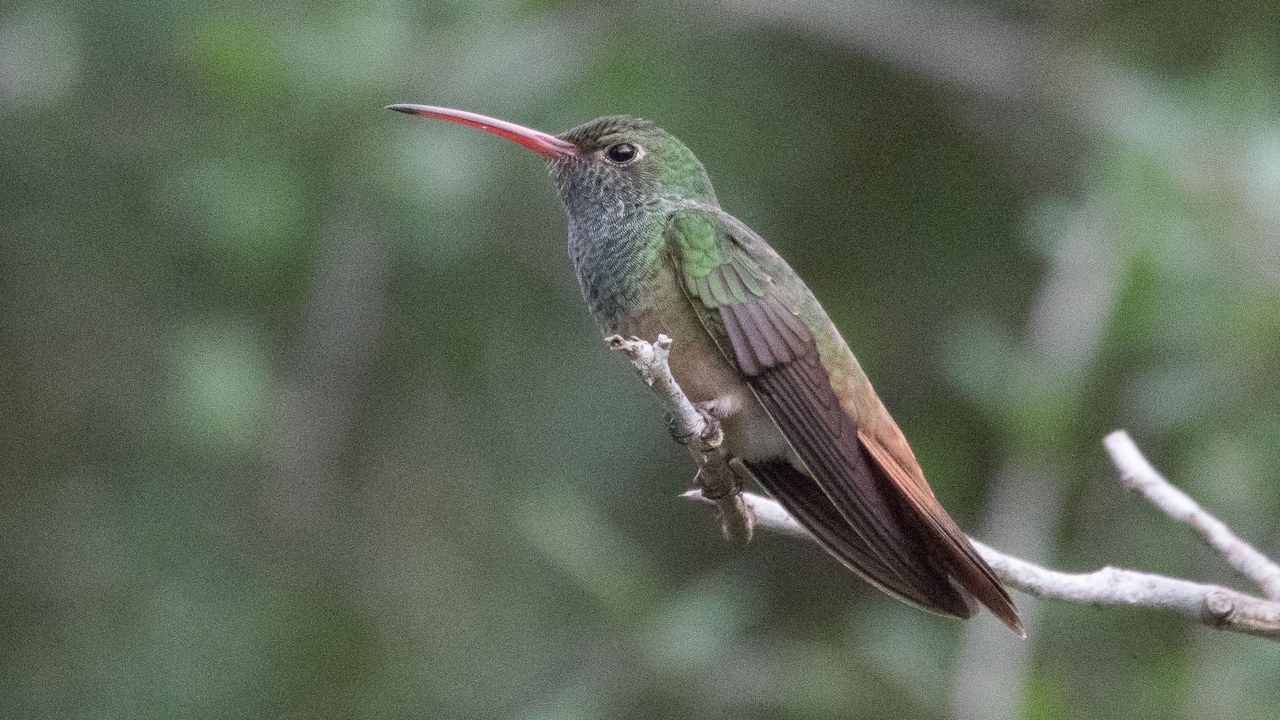
The buff-bellied hummingbird measures 3.9 to 4.3 inches and weighs 2 to 4 grams, and the Cornell Lab species guide notes that it barely crosses the U.S.-Mexico border. Its American range is limited to the southernmost tip of Texas.
Some individuals winter in Louisiana, which adds a Gulf Coast footnote to a mostly southwestern story. Seeing one in the United States means looking in a very small corner of the country.
AI, explained every day: Get The Deep View →
We may earn a commission if you sign up.
More from Morning Overview
- The FBI told the rest of ShinyHunters to surrender after a 24-year-old was arrested
- Two passengers died at an Ohio toll plaza, and the NTSB now wants the cash lanes shut
- Long use of a common prostate pill is tied to a higher chance of glaucoma
- Ford is recalling 223,472 F-150 pickups because the fuel tank can leak or detach
