
The federal endangered and threatened species list covers far more than the animals most people picture. Each animal below comes with the listing year or the population figure that federal agencies themselves publish. Here are eleven animals under federal protection, starting with the Indiana bat.
The day in tech, in one email: TLDR is the daily newsletter with links and TLDRs of the most interesting stories in startups, tech and programming.
We may earn a commission if you sign up.
1. Indiana bat: Winter Census
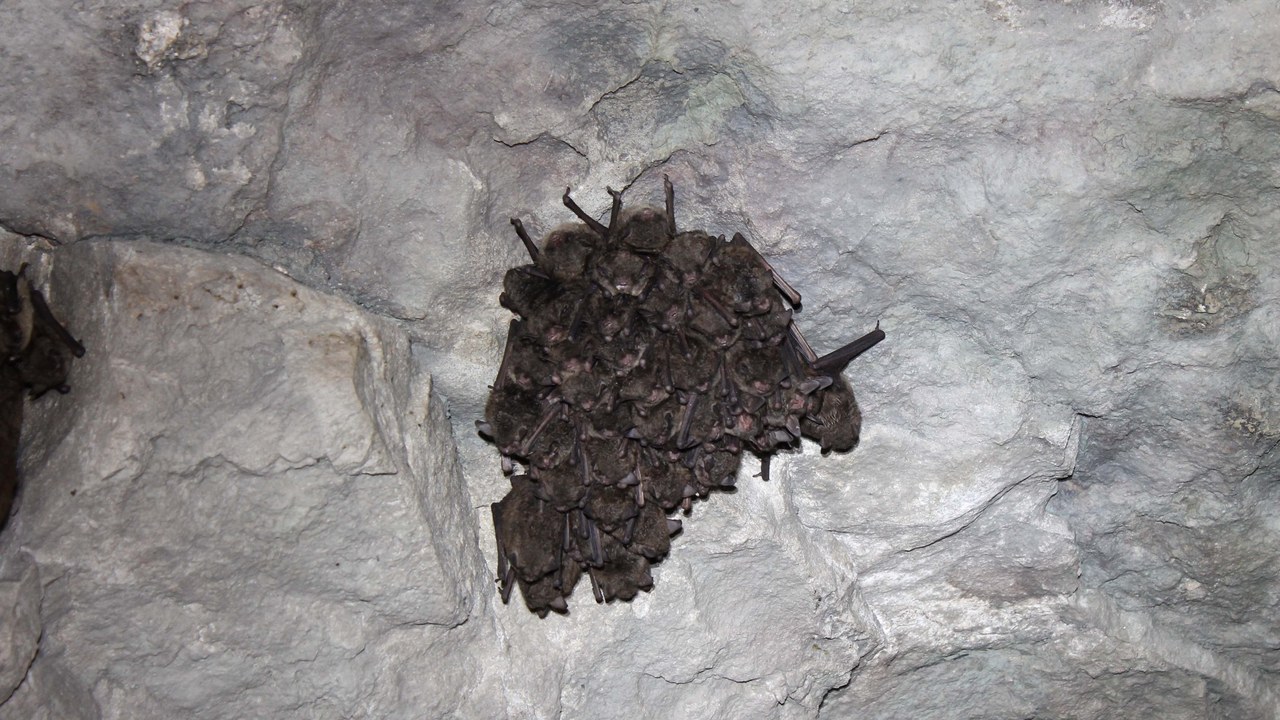
Winter surveys by the U.S. Fish and Wildlife Service counted 537,297 Indiana bats in 223 hibernacula across 16 states in 2019. That is half as many as when the species was listed as endangered, and the survivors huddle in clusters that pack up to 500 bats per square foot, per an FWS Indiana bat page.
The tight clustering means a single disturbed cave can affect a large share of the animals at once. The census figure is a snapshot of hibernating colonies, which is how the agency tracks a species that spends much of its life out of sight.
2. Northern spotted owl: Old-Growth Owl
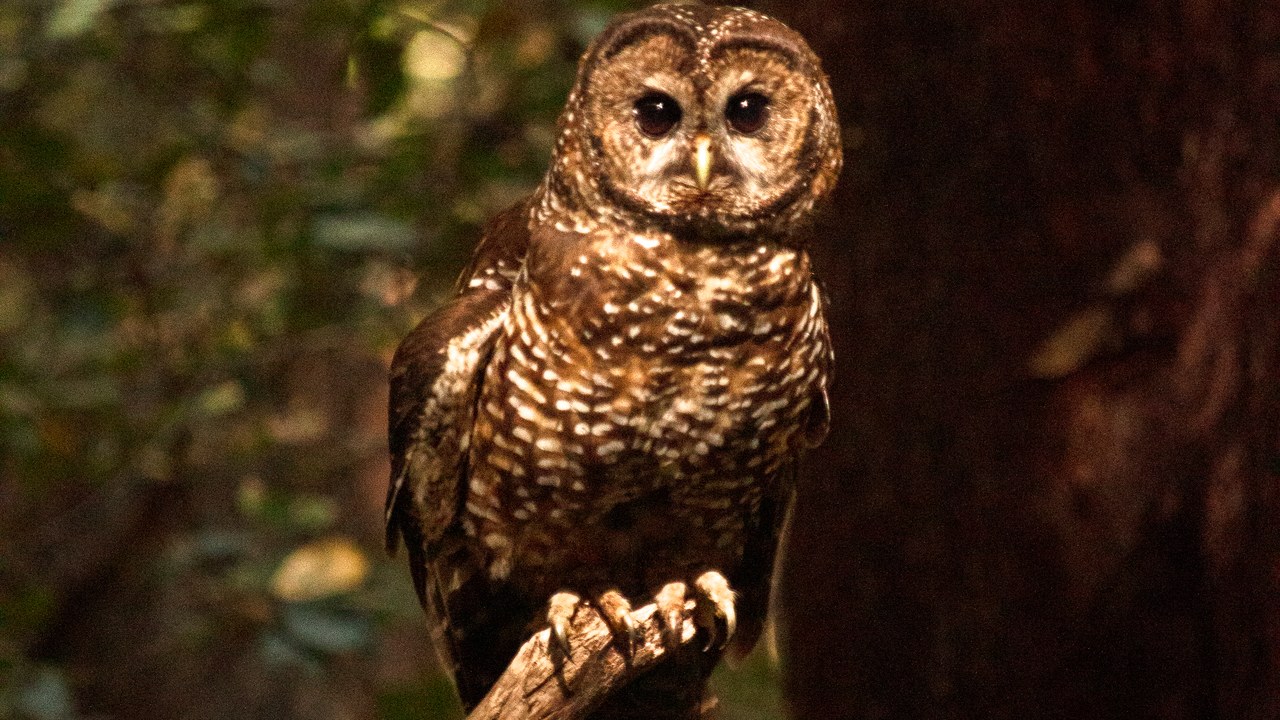
The northern spotted owl was listed as threatened under the Endangered Species Act in June 1990, according to the Fish and Wildlife Service, per the FWS spotted owl listing.
That date places the bird among the better-known cases of federal protection in the Pacific Northwest. A threatened designation is a step below endangered, meaning the agency judged the subcategory likely to become endangered in the foreseeable future rather than on the brink of extinction today.
3. Desert tortoise: Underground Life
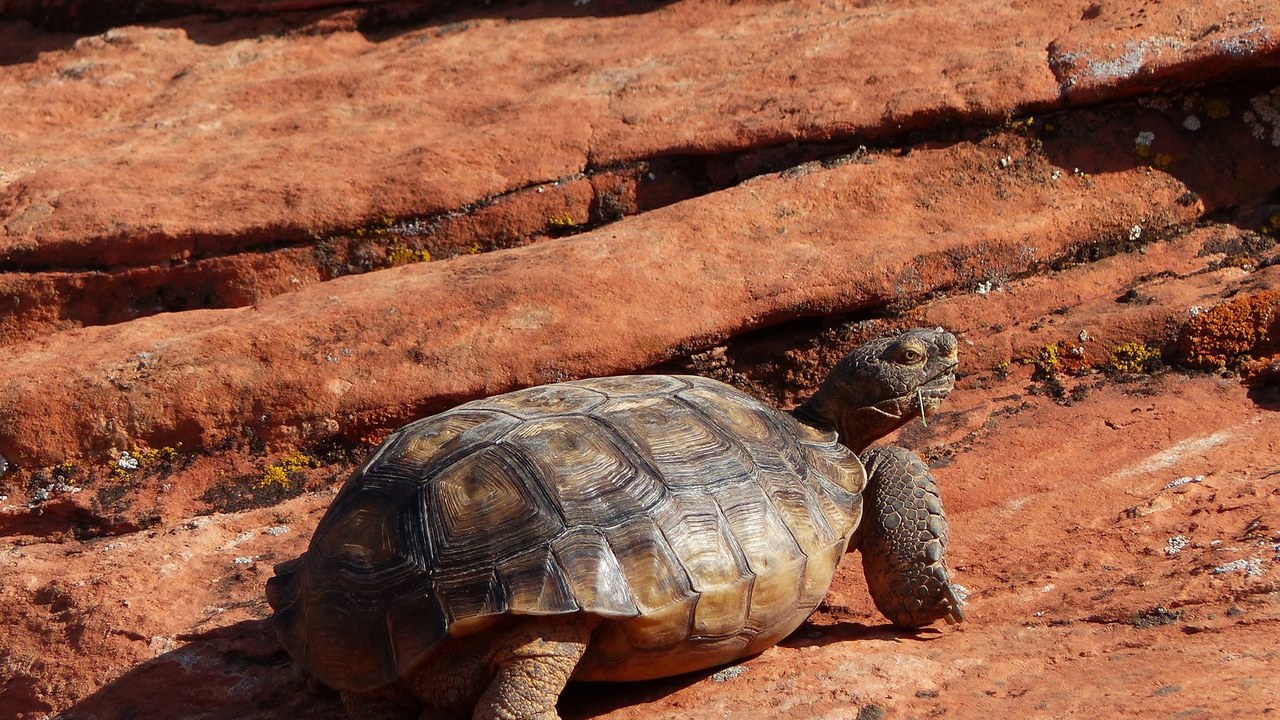
The Mojave population of the desert tortoise was listed as threatened in 1990. The Fish and Wildlife Service notes that the animal spends up to 95% of its life underground, and it can live roughly 50 to 80 years, per FWS desert tortoise information.
Such a long lifespan and so much time in burrows make the reptile hard to count and slow to recover. Protection in this case applies to the Mojave population specifically, so the listing covers a defined part of the species’ range.
4. Eastern massasauga: Small Rattler
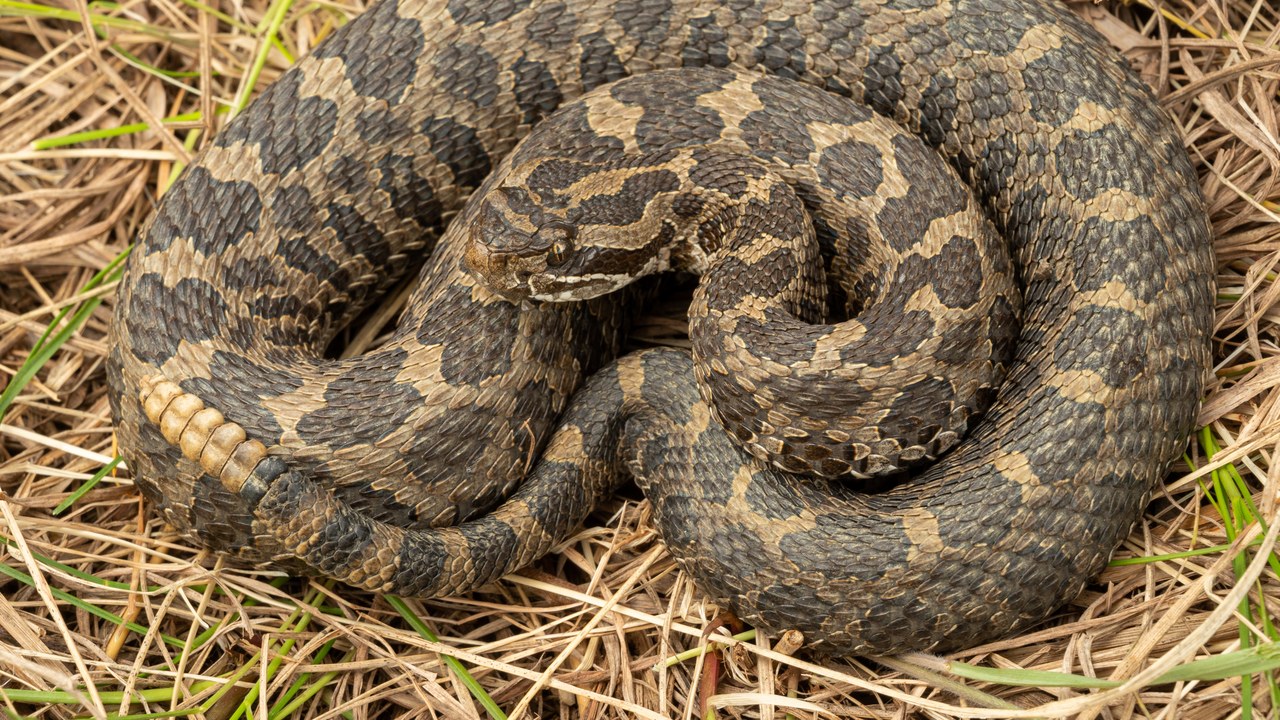
The eastern massasauga is a rattlesnake that averages about two feet long. The Fish and Wildlife Service lists it as threatened under the Endangered Species Act, a status it received in 2016, per the massasauga listing page.
Compared with the large rattlesnakes of the desert Southwest, this one is modest in size. Its inclusion shows that the federal list reaches well beyond mammals and birds to reptiles that most people rarely encounter.
5. Kemp’s ridley sea turtle: Smallest Sea Turtle
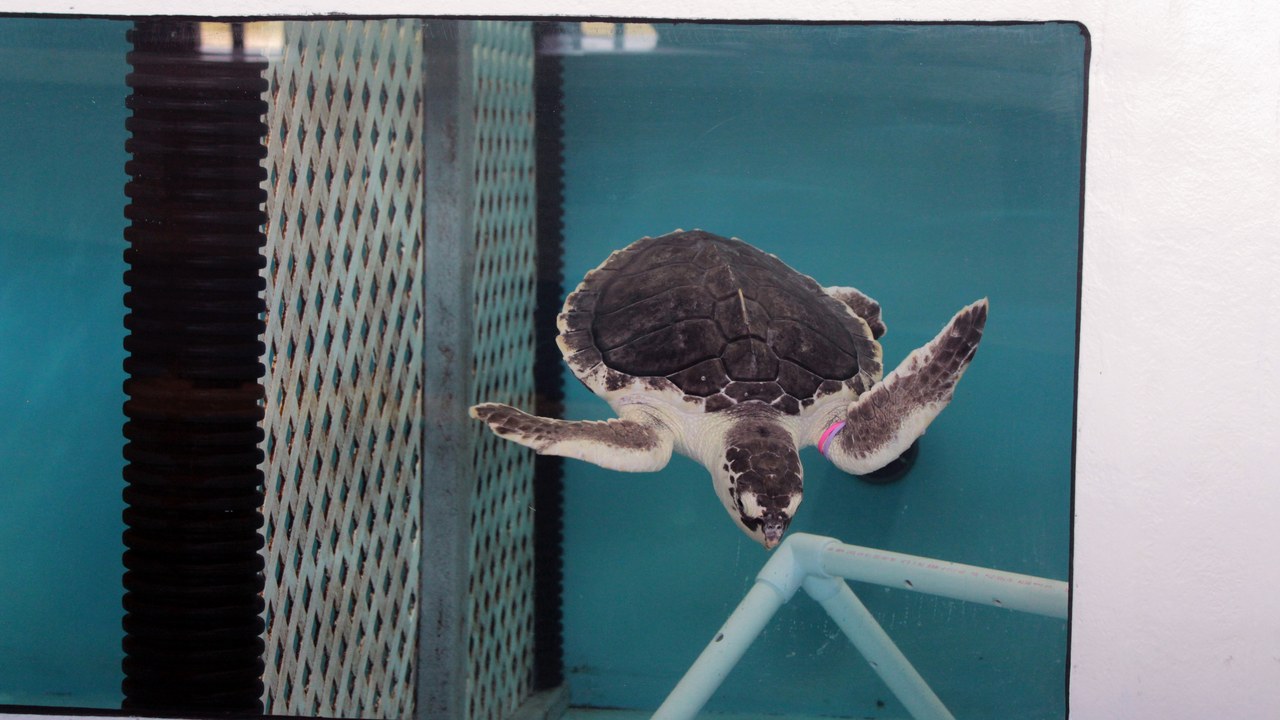
Kemp’s ridley is the world’s smallest sea turtle and has been endangered since Dec. 2, 1970. NOAA Fisheries reports that nests reached a record low of 702 in 1985, representing fewer than 250 nesting females, per NOAA’s Kemp’s ridley profile.
That low point shows how close the species came to disappearing. The nest count is a useful yardstick because it lets scientists estimate the breeding population from beaches instead of counting animals at sea.
6. Hawksbill sea turtle: Shell Trade Victim
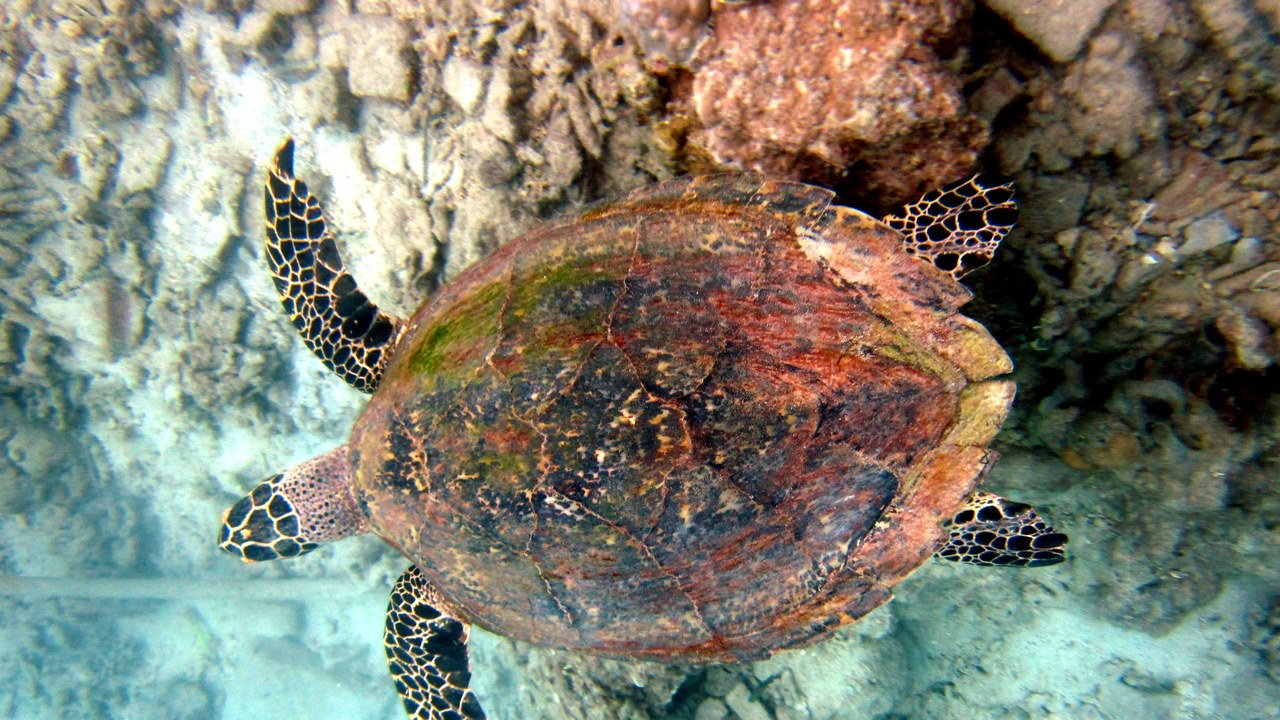
Hawksbill turtles are listed as endangered, and NOAA Fisheries says hunting for their shell nearly drove the species to extinction. In Hawaii, only 10 to 25 females nest each year, per NOAA’s hawksbill profile.
The Hawaii figure is tiny, which shows how fragile a regional nesting group can become once a species is heavily exploited. It also illustrates that protection often hinges on a few beaches and a few dozen animals.
7. Loggerhead sea turtle: Nine Populations
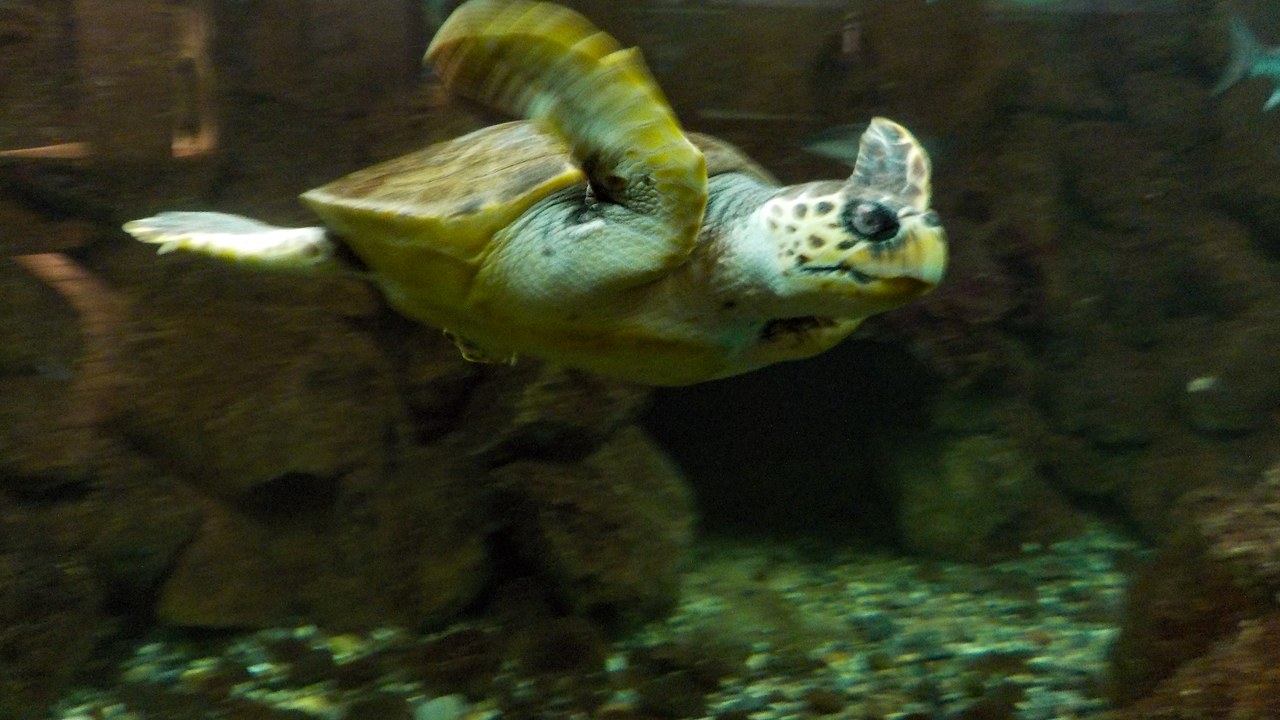
Loggerheads are divided into nine populations worldwide, and NOAA Fisheries says five of them are endangered while four are threatened. Adults weigh 200 to 350 pounds, per NOAA loggerhead turtle details.
The split status means no single label fits the species. Each regional group is assessed on its own, so a turtle swimming in one ocean basin may carry a different level of protection than a nearly identical one elsewhere.
8. Atlantic salmon: Gulf of Maine Salmon
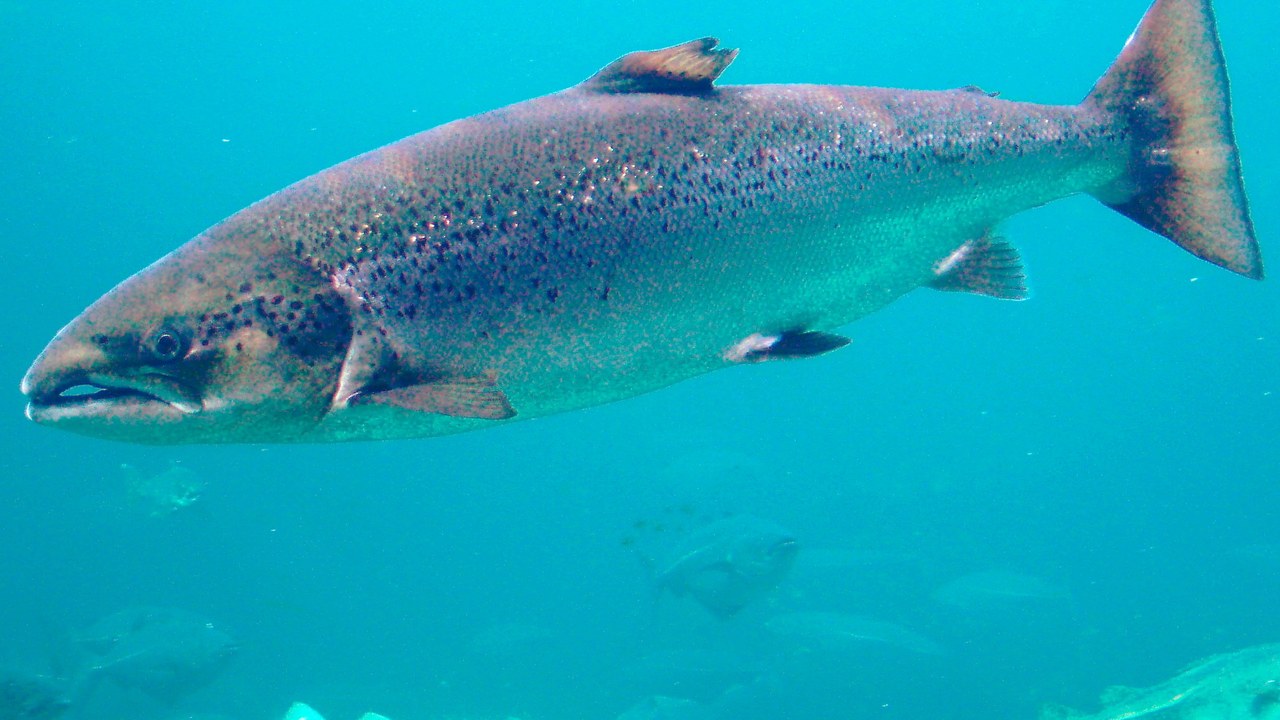
The Gulf of Maine population of Atlantic salmon was listed as endangered in 2000. NOAA Fisheries says the average number of fish returning to rivers there each year is only around 1,200, down from hundreds of thousands historically, per NOAA’s Atlantic salmon page.
The comparison with the historical runs shows the scale of the decline. It also makes clear that the federal listing applies to one regional population, not to every Atlantic salmon, including those found elsewhere.
9. Scalloped hammerhead shark: Hammerhead Split
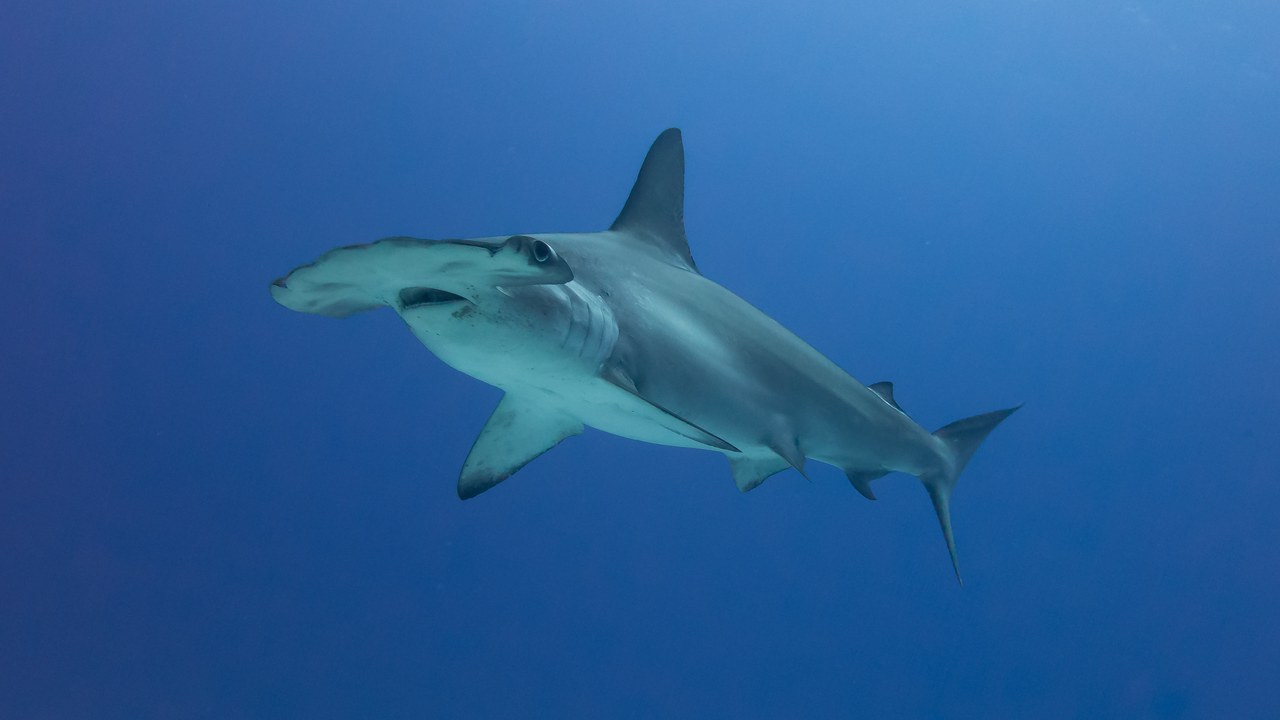
The scalloped hammerhead is listed by population. NOAA Fisheries classes the Eastern Pacific group as endangered and the Central and Southwest Atlantic group as threatened, and the shark grows up to 11 feet and 335 pounds, per NOAA’s scalloped hammerhead profile.
Splitting the listing by ocean region lets managers focus on the groups in the most trouble. The size figures are a reminder that this is a large predator, even though it appears here as a species needing protection.
10. Cook Inlet beluga whale: Cook Inlet Belugas
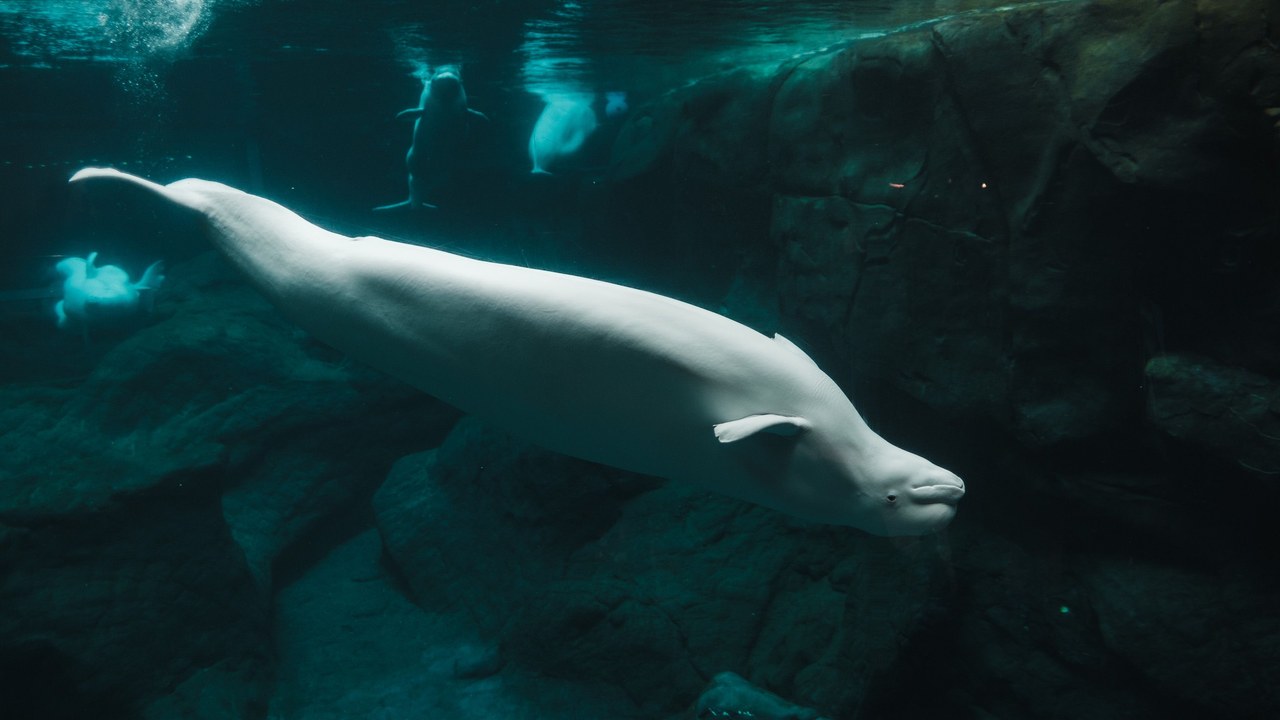
The Cook Inlet beluga whale has been endangered since 2008. NOAA Fisheries gives the most recent estimate as 331 whales, down from about 1,300 in 1979, per NOAA’s beluga whale page.
The drop of roughly three quarters over decades places this Alaska population among the most closely watched marine mammals on the list. The estimate describes the Cook Inlet population alone, not belugas as a species overall, and the figure is the agency’s most recent count.
11. Hawaiian monk seal: Hawaiian Seal
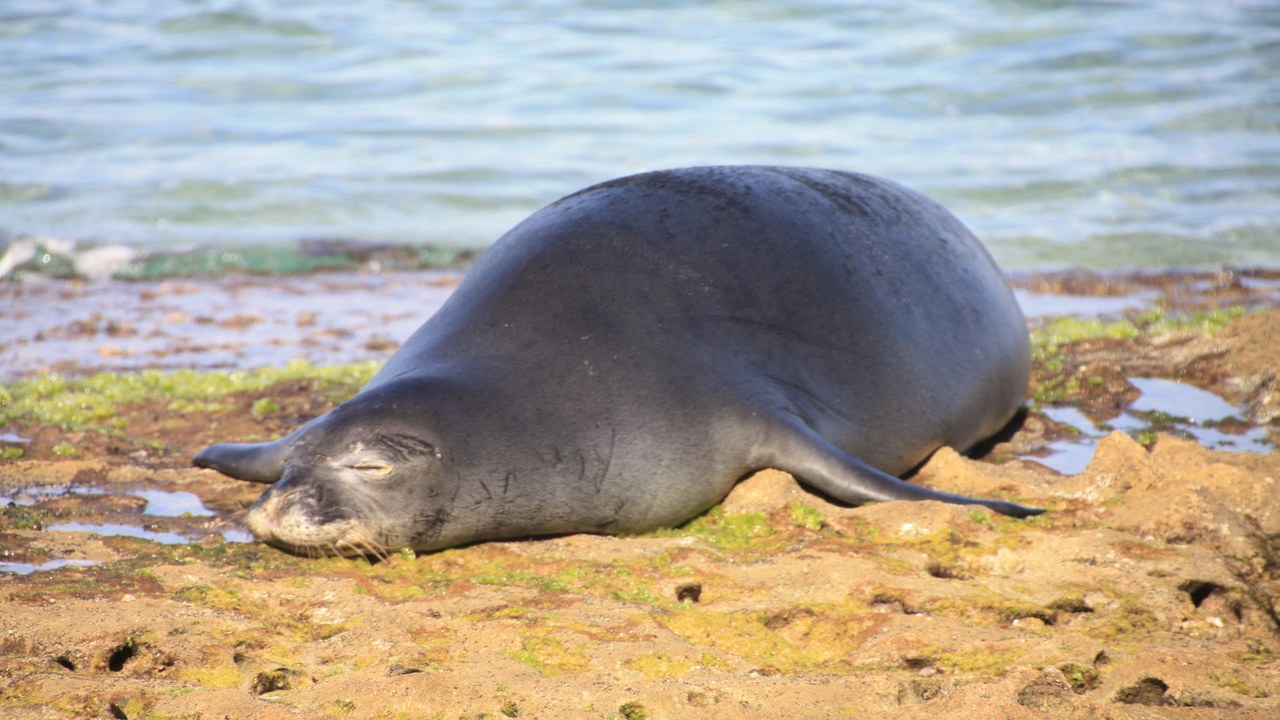
The Hawaiian monk seal has been endangered since 1976. NOAA Fisheries estimates the population at around 1,600 seals, which it describes as about a third of the historic size, per NOAA’s monk seal profile.
Only one third of the historic population remains, so the species has a long way to go. The listing year is among the oldest in this gallery, showing that federal concern for the animal goes back nearly five decades.
The day in tech, in one email: Get TLDR →
We may earn a commission if you sign up.
More from Morning Overview
- Long use of a common prostate pill is tied to a higher chance of glaucoma
- Ford is recalling 223,472 F-150 pickups because the fuel tank can leak or detach
- Hybrids have 15% fewer problems than gas cars, while EVs and plug-in hybrids have about 80% more, Consumer Reports finds
- Regulators cleared the first U.S. small modular reactor, 4 months early
