
Denali National Park covers a vast stretch of Alaska where bears, wolves and caribou share open tundra and braided rivers. National Park Service counts give a rare, dated look at how many of these animals live there. Here are eleven Denali animals, each backed by the agency’s own figures or research.
Tech news in one quick read: Get the most interesting stories in startups, tech and programming, each with a short TLDR, in one daily email from TLDR.
We may earn a commission if you sign up.
1. Grizzly bear: North Side Heavyweight
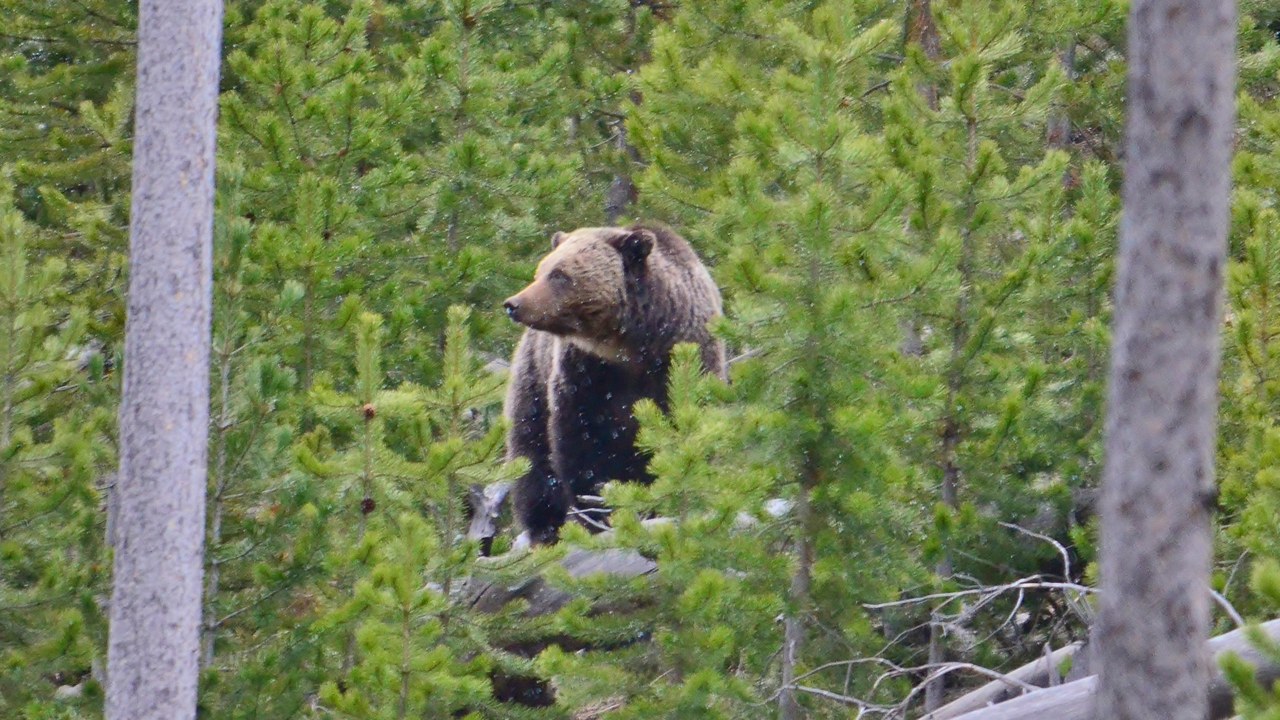
National Park Service estimates put roughly 300 to 350 grizzlies on the north side of the Alaska Range, a figure built on radiocollar surveys from the 1990s. That makes the grizzly a major predator sharing Denali’s tundra, rivers and gravel bars with caribou, moose and sheep.
The number is decades old and covers only the north side, so it works best as a rough benchmark rather than a current head count. Even so, it gives a sense of how many big bears roam the park’s open landscape.
2. Gray wolf: A Pack Count In Print
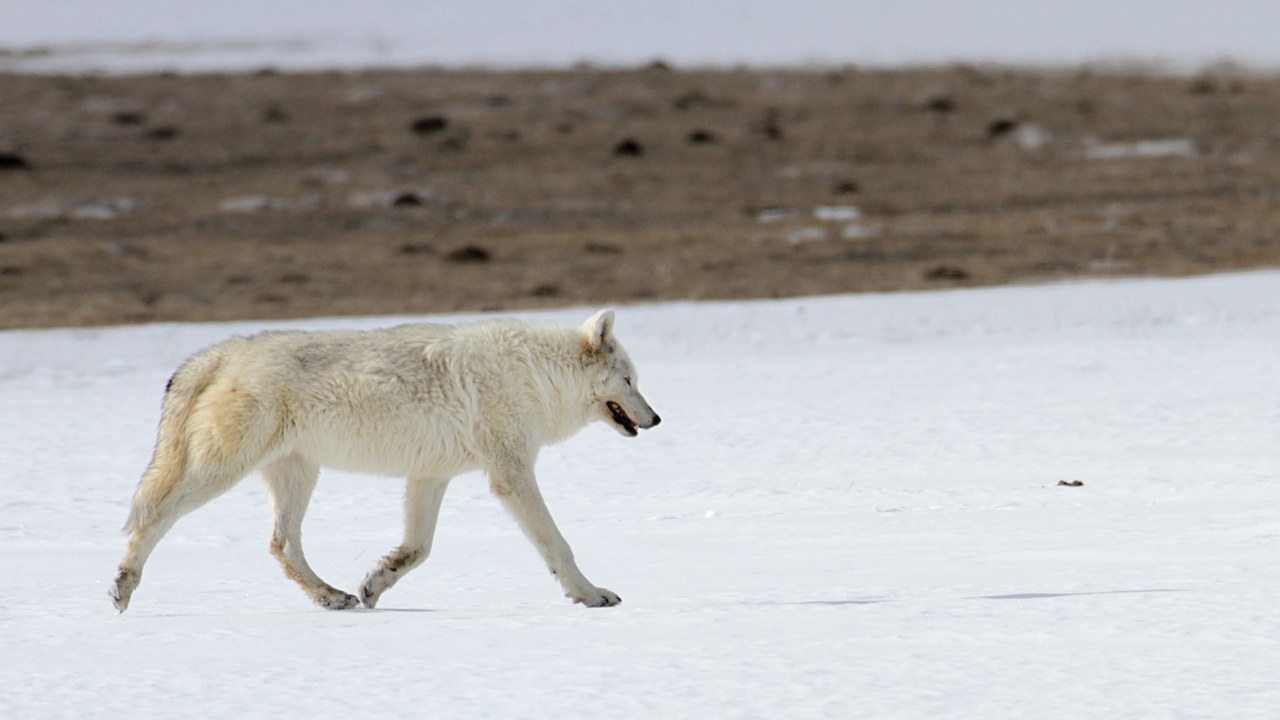
Park biologists counted approximately 105 wolves in the 14 packs they regularly monitor, a tally from spring 2022. Those packs range across the same country as the park’s caribou, moose and Dall sheep.
The count reflects only monitored packs and a single spring, so it is a dated snapshot, not a live census. Wolf numbers shift from year to year, which is why the National Park Service attaches a date to the figure instead of treating it as permanent.
3. Moose: Giants Of The Willows
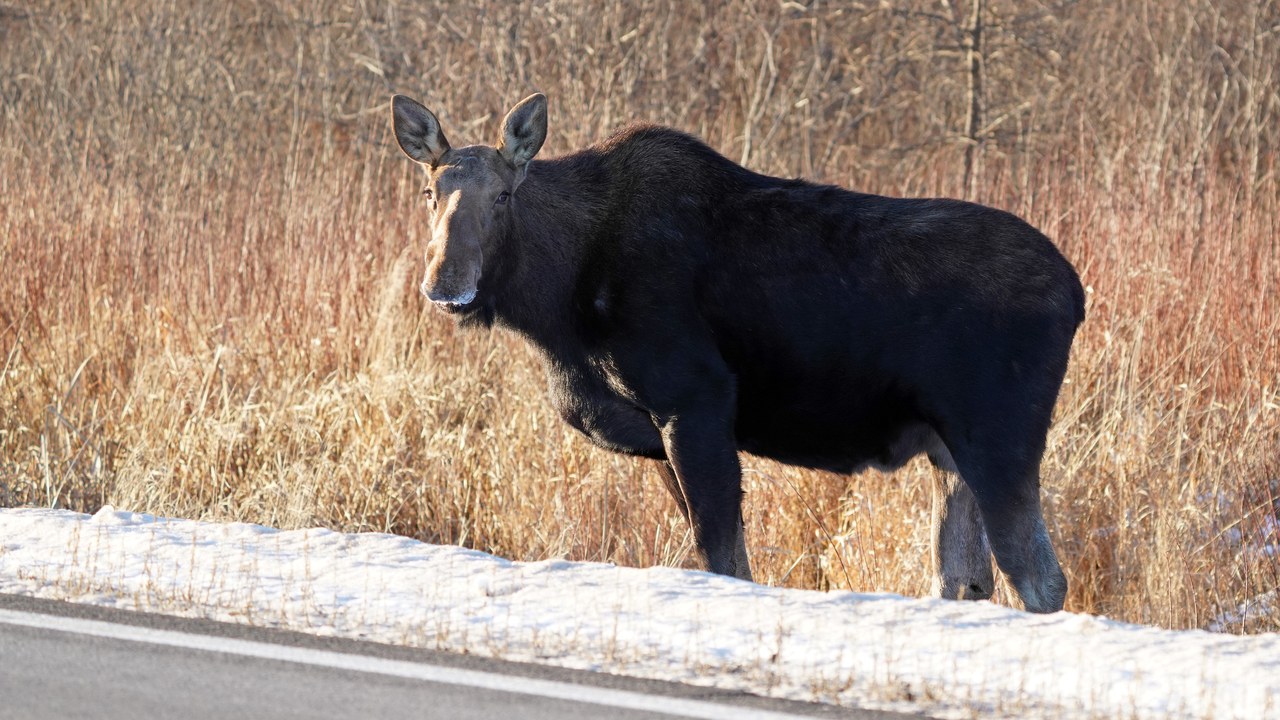
Denali is home to enormous moose that can weigh over 1,200 pounds, according to the National Park Service. A 2017 survey estimated 1,743 moose on the park’s north side, a sizable herd of giants on that side alone.
That size and abundance help explain why moose are a staple of wildlife viewing near the road corridor. The 2017 figure covers only the north side and one survey year, so it should be read as an estimate from that moment rather than today’s population.
4. Caribou: A Herd In Decline
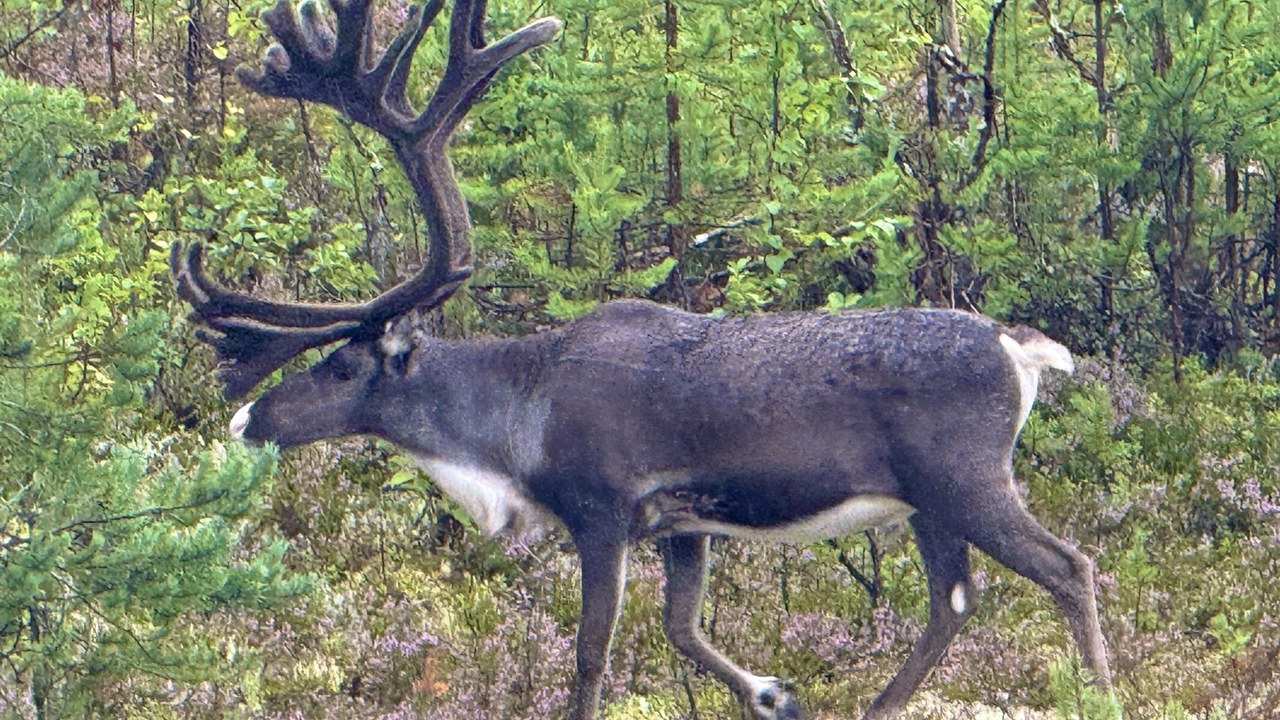
The Denali caribou herd was estimated at about 1,510 animals in fall 2022, down from 2,060 the year before. The drop of roughly 550 animals in a single year is a notable change in the park’s published wildlife counts.
The fall 2022 figure was preliminary, and herd numbers can move for reasons that a single year of data cannot explain. It is a useful reminder that these counts can fall as well as rise.
5. Dall sheep: White Sheep On The Ridgelines
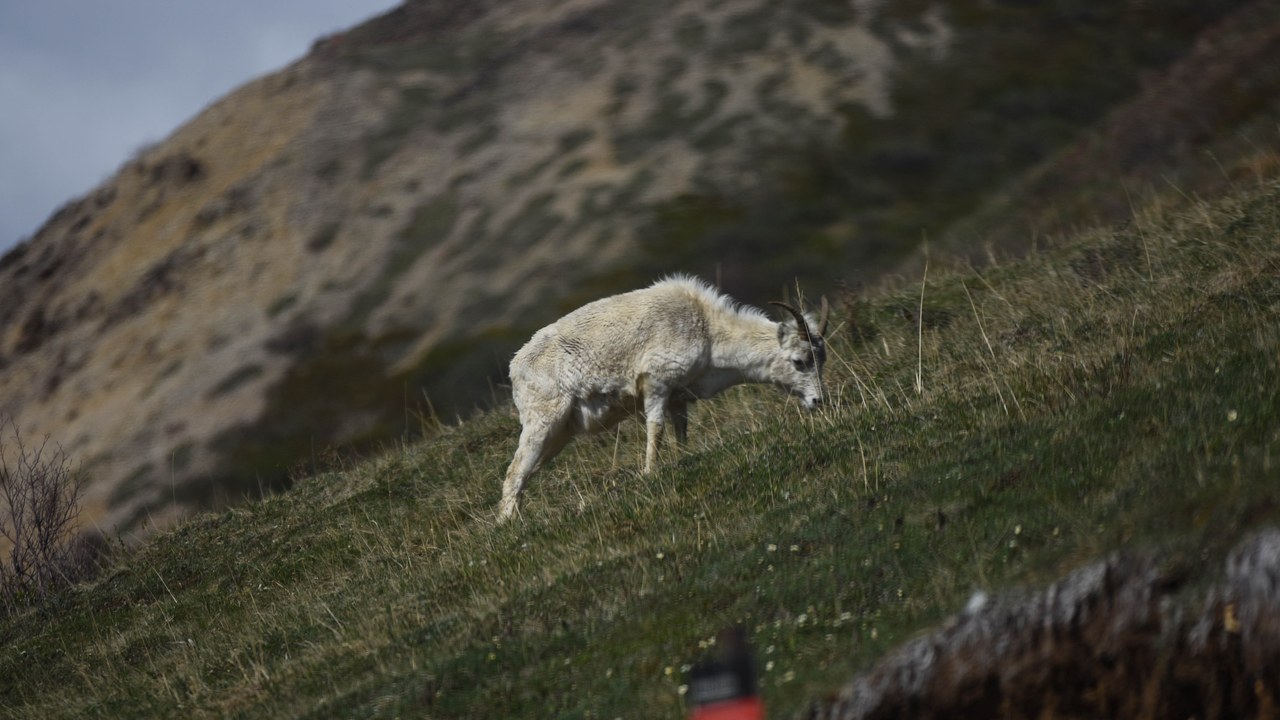
North-side Dall sheep estimates have swung widely, with about 1,100 to 2,000 sheep reported between 2011 and 2020. Those white animals are a fixture of Denali’s steep slopes.
A range that broad shows how hard it is to pin down a mountain species spread across rugged terrain. The figure covers the north side only, and the spread across nine years suggests that any single count captures just a moment in a changing population.
6. Wolverine: The Elusive Wanderer
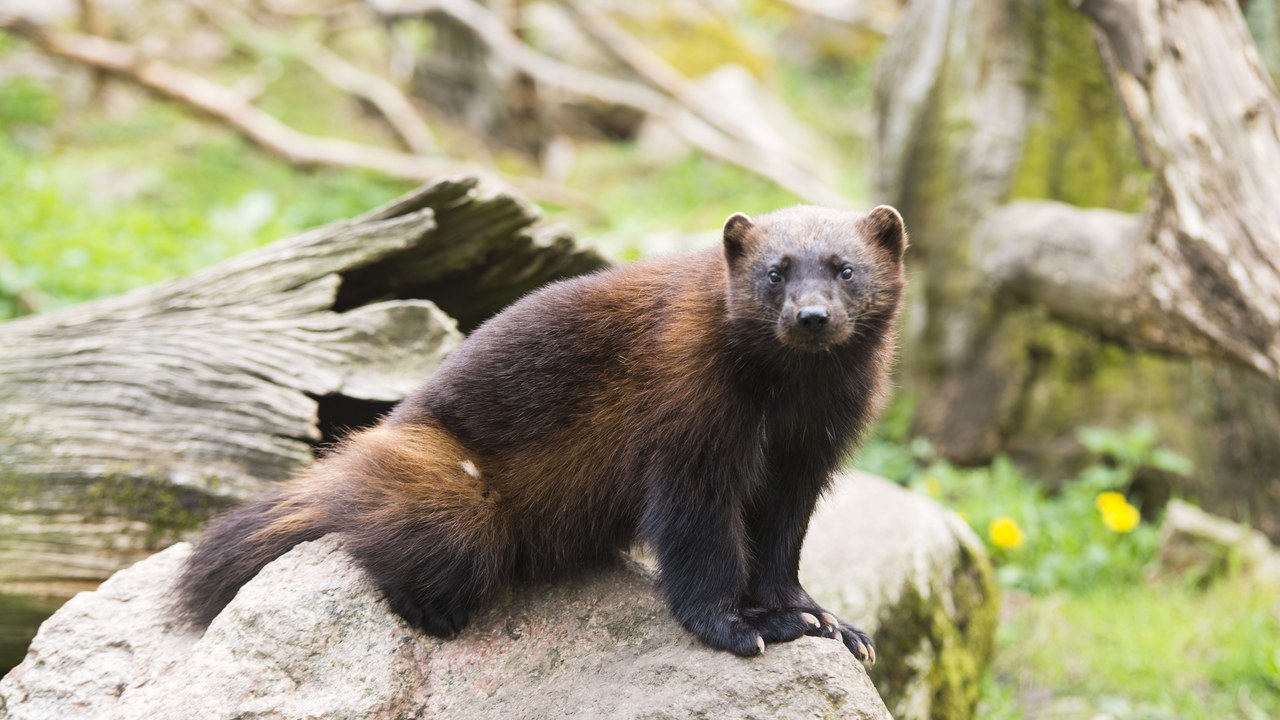
Wolverines roam enormous areas, and in parks like Denali the home range of an individual may span 100 to 800 square kilometers. The National Park Service treats a sighting as a special event, a sign of how thinly these animals are spread across the landscape.
That huge range, rather than any shortage of habitat, helps explain why visitors so rarely see one. A wolverine glimpsed from the park road is far less likely than a moose or caribou, and the sighting tends to stay memorable.
7. Canada lynx: Alaska’s Only Wild Cat
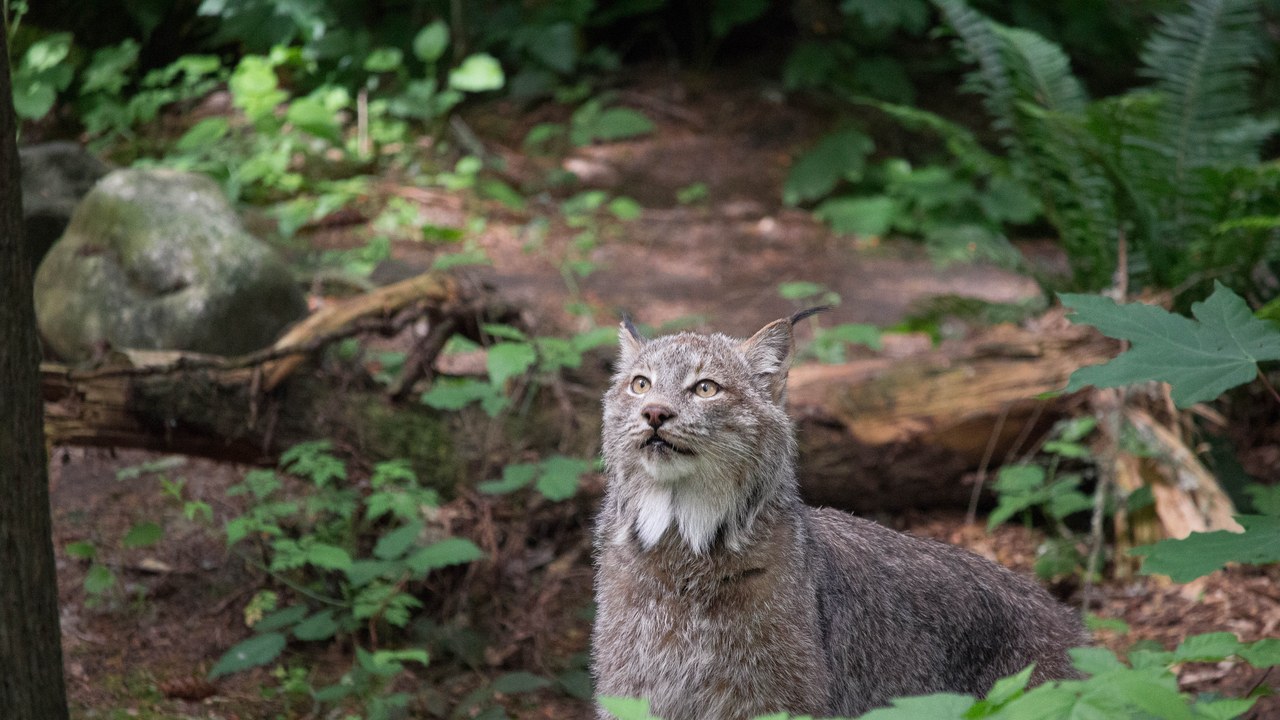
The Canada lynx is Alaska’s only wild cat, and the National Park Service notes that in years when snowshoe hares are abundant, lynx sightings do increase in Denali. The cat’s fortunes are tied closely to its main prey.
Because hare numbers rise and fall in cycles, lynx visibility changes with them. A visitor’s chance of spotting one therefore depends partly on timing within that cycle, not just on luck or on how long a trip lasts.
8. Red fox: The Commonest Carnivore
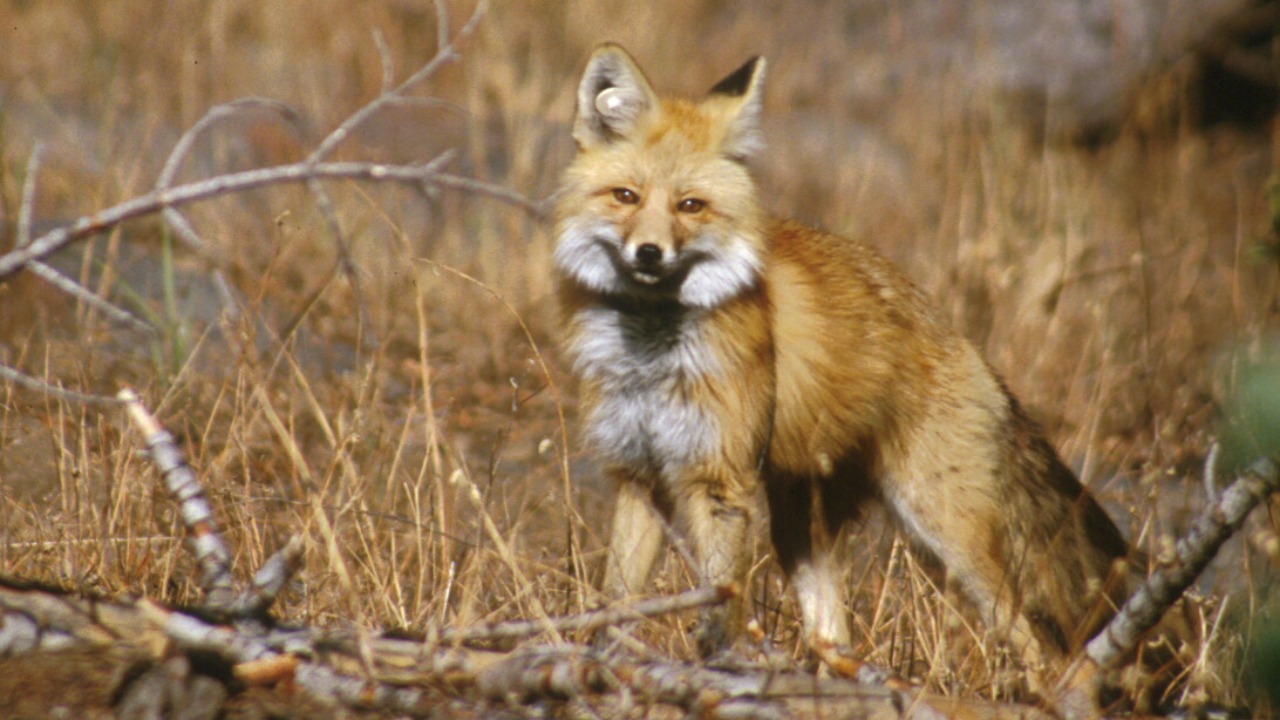
Among Denali’s medium-sized predators, the red fox is the most common mesocarnivore according to National Park Service research. It is often seen on tundra or along roadsides, which makes it one of the easier carnivores for visitors to notice.
Its familiarity should not hide its role in the ecosystem, where it shares the landscape with lynx, coyotes and wolverines. Being the most common of that group makes the fox a reliable first sighting for anyone scanning open ground.
9. Coyote: A Newcomer From The 1920s
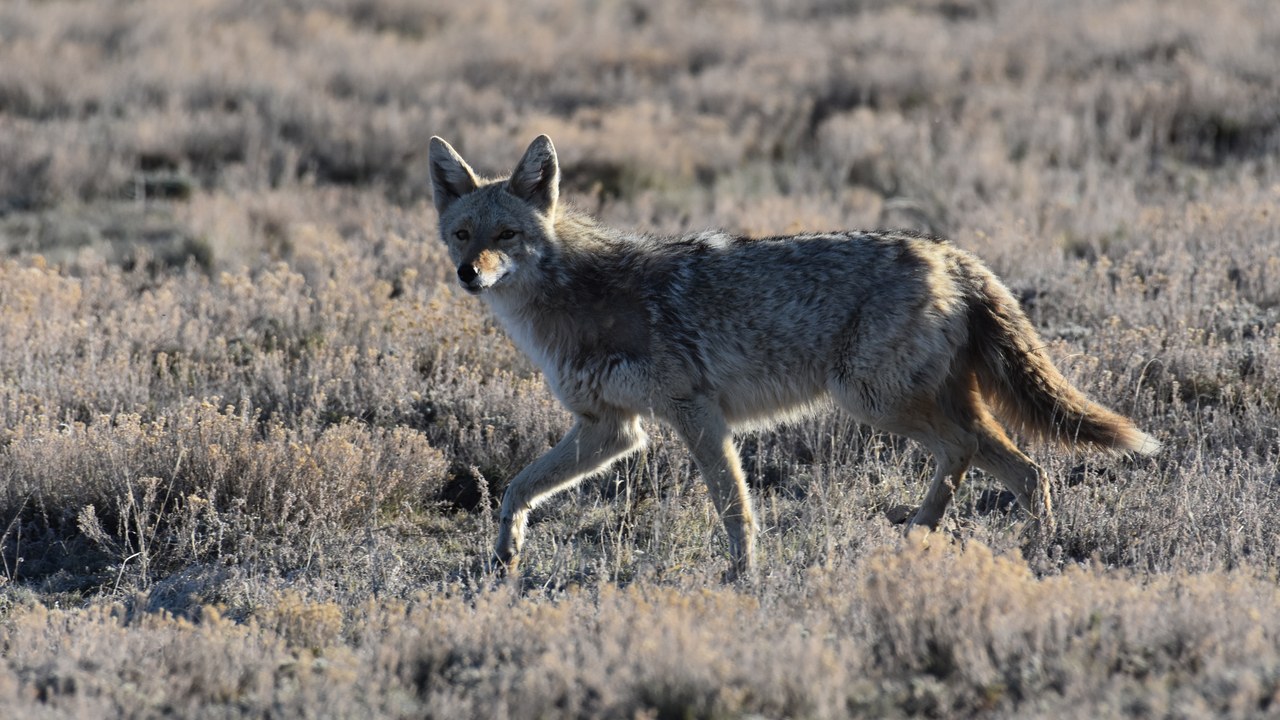
Coyotes are relative latecomers, since park research says they arrived sometime in the 1920s, and the park superintendent noted one in July 1928. They now count among the mesocarnivores that live alongside red foxes and lynx.
That arrival is recent in ecological terms, and it shows that Denali’s wildlife roster is not fixed. The animals now treated as part of the park’s fauna include species that moved in within the last century.
10. Hoary marmot: The House Cat Of The Rocks
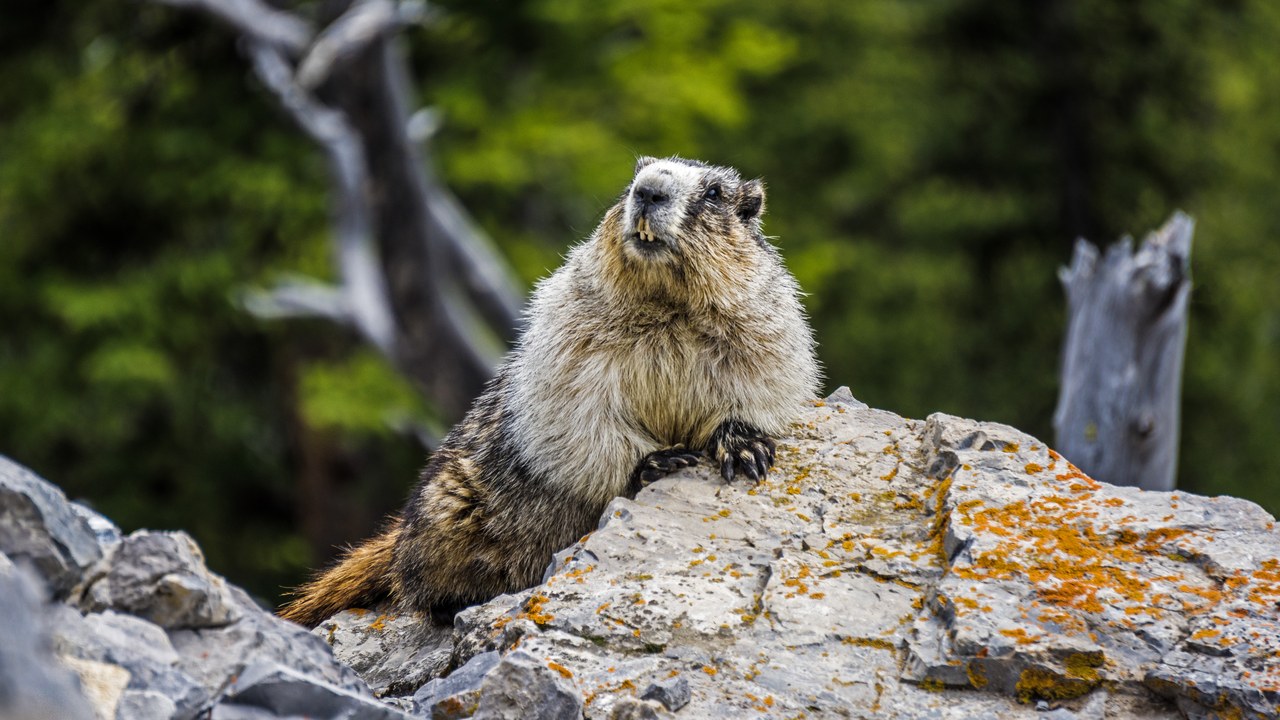
The hoary marmot is about the size of a house cat and hibernates through the arctic winter, according to the National Park Service. One appears in the agency’s photography near Eielson Visitor Center, a spot reached on the park road.
Hibernation means the animal spends much of the year out of sight, so summer is the window for seeing it. Its modest size sets it apart from the park’s bears and moose, yet it is a distinctive part of the alpine scene.
11. Snowshoe hare: A Cycle That Drives Predators
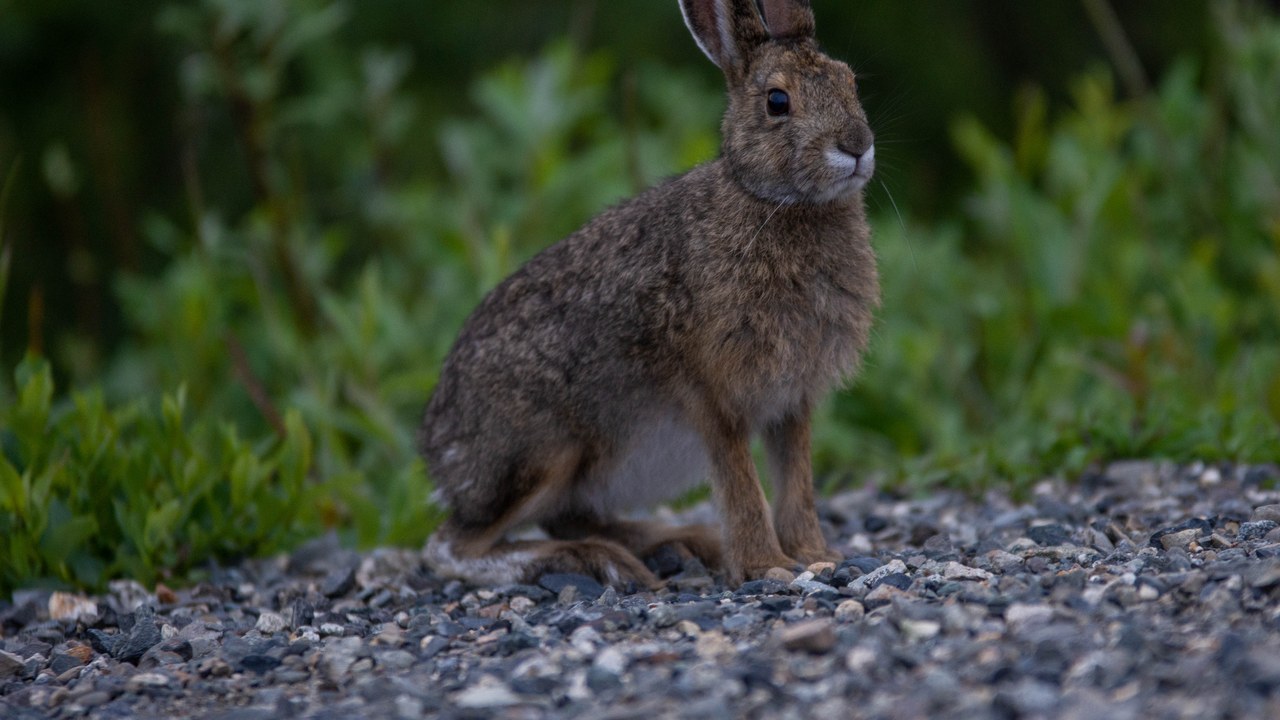
Snowshoe hare numbers do not hold steady, since populations cycle in 8 to 11 year periods and swing 5 to 25-fold. That boom and bust drives lynx numbers, linking one of the park’s smallest mammals to one of its most elusive predators.
The swings explain why wildlife sightings change from one era to the next. A year with many hares can bring more lynx into view, while a crash in hare numbers leaves the cats scarcer and harder to find.
Tech news in one quick read: Subscribe to TLDR →
We may earn a commission if you sign up.
More from Morning Overview
- Regulators cleared the first U.S. small modular reactor, 4 months early
- Lake Powell sank to a record 3,517 feet, nearing the level that stops Glen Canyon Dam’s turbines
- Seven of Earth’s nine planetary boundaries are breached, and all seven are worsening
- The NSA says three phone features should be off whenever you aren’t using them
