
Owls across North America range from a heavyweight at about 4 pounds to a bird the size of a sparrow, and each species carries its own oddity. These records and quirks come from Cornell Lab, Audubon, BirdWatching Daily and the Fish and Wildlife Service. Here are eleven owls, each with the fact that sets it apart.
Tech news worth reading: Get Techpresso, the daily email with the most interesting tech news and insights, read by 400,000+ professionals from Google, Apple and OpenAI.
We may earn a commission if you sign up.
1. Snowy owl: Heaviest of the Lot
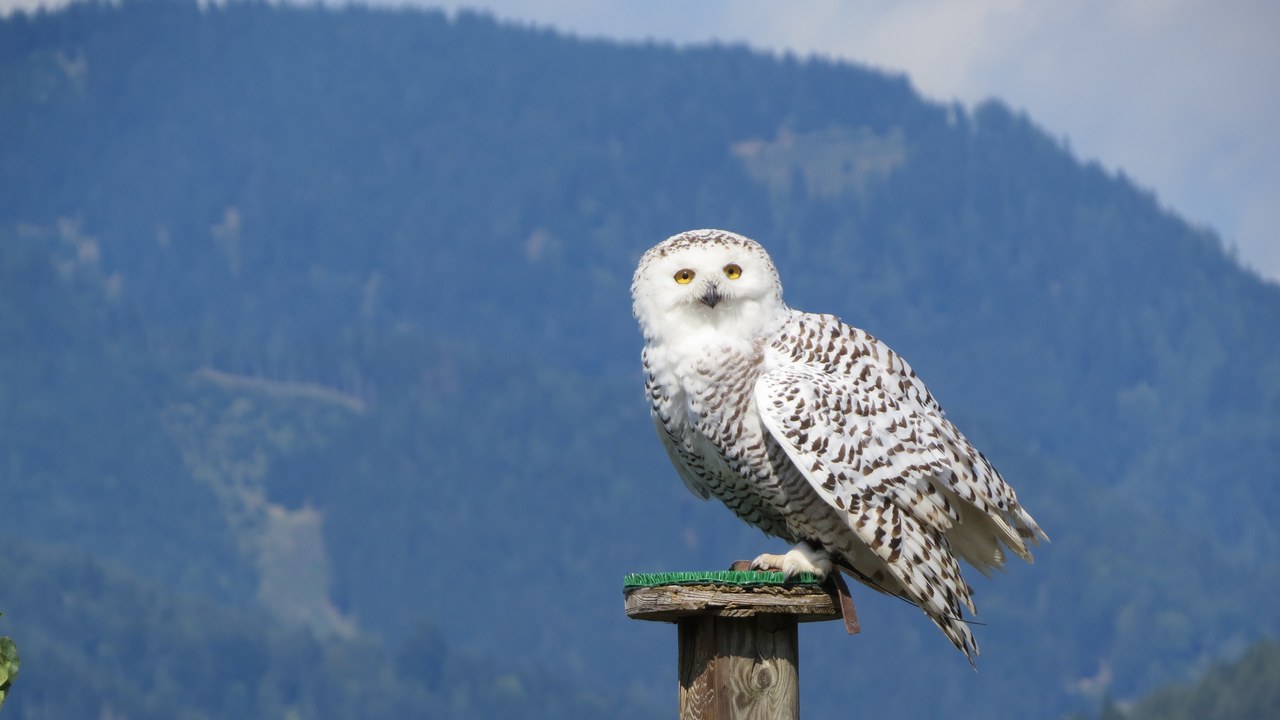
The snowy owl is North America’s heaviest owl, at about 4 pounds, according to a Cornell Lab owl sampler. The same source credits the species with eating about 2,000 lemmings, a figure that shows how much prey a bird of that bulk takes.
Both numbers are approximate, so they describe a typical bird rather than a fixed measurement. Even so, the heaviest-owl title gives this species a clear place at the top of any North American owl list, and the lemming tally adds a vivid sense of appetite.
2. Great horned owl: The Skunk Specialist
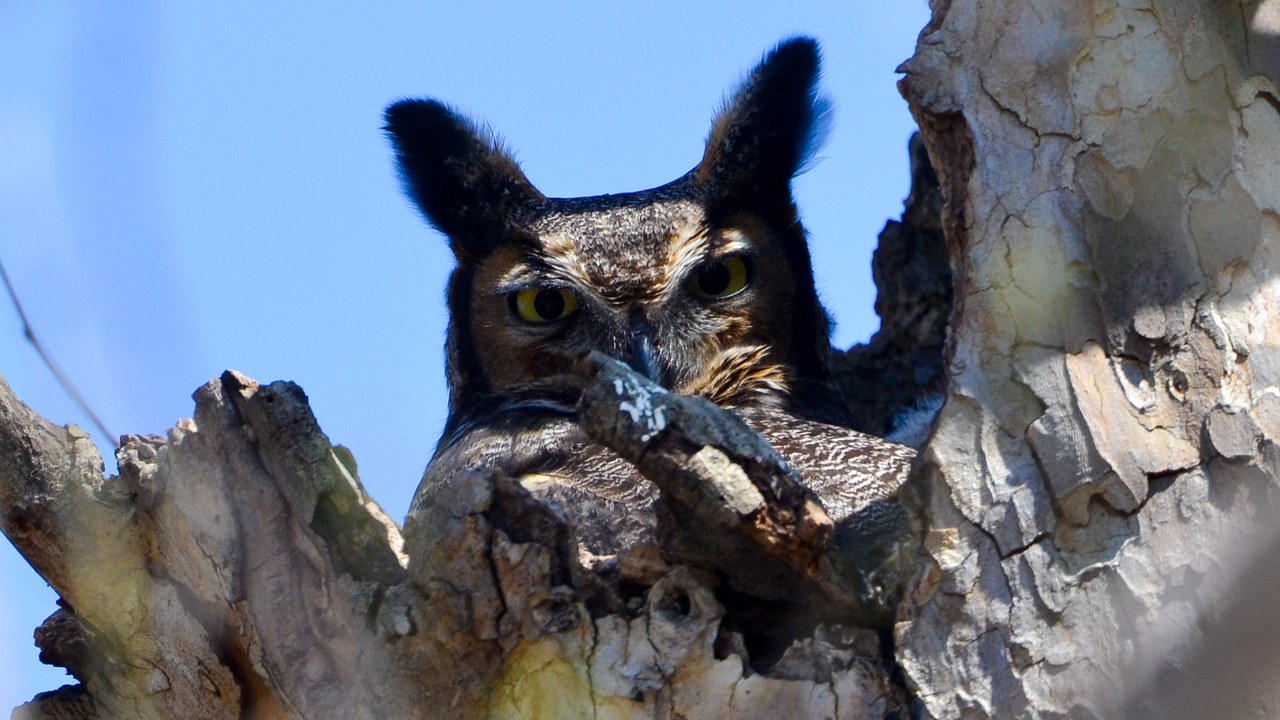
The great horned owl is described in Cornell Lab’s favorite-owl roundup as the only animal that regularly eats skunks. The same account notes that it nests in forests up to about 11,000 feet.
That combination points to a bird at home both with a pungent menu and at serious elevation. The skunk claim is worded as regularly, which leaves room for other animals that try one only now and then, and the elevation is given as about.
3. Barn owl: Nearly Silent Wings
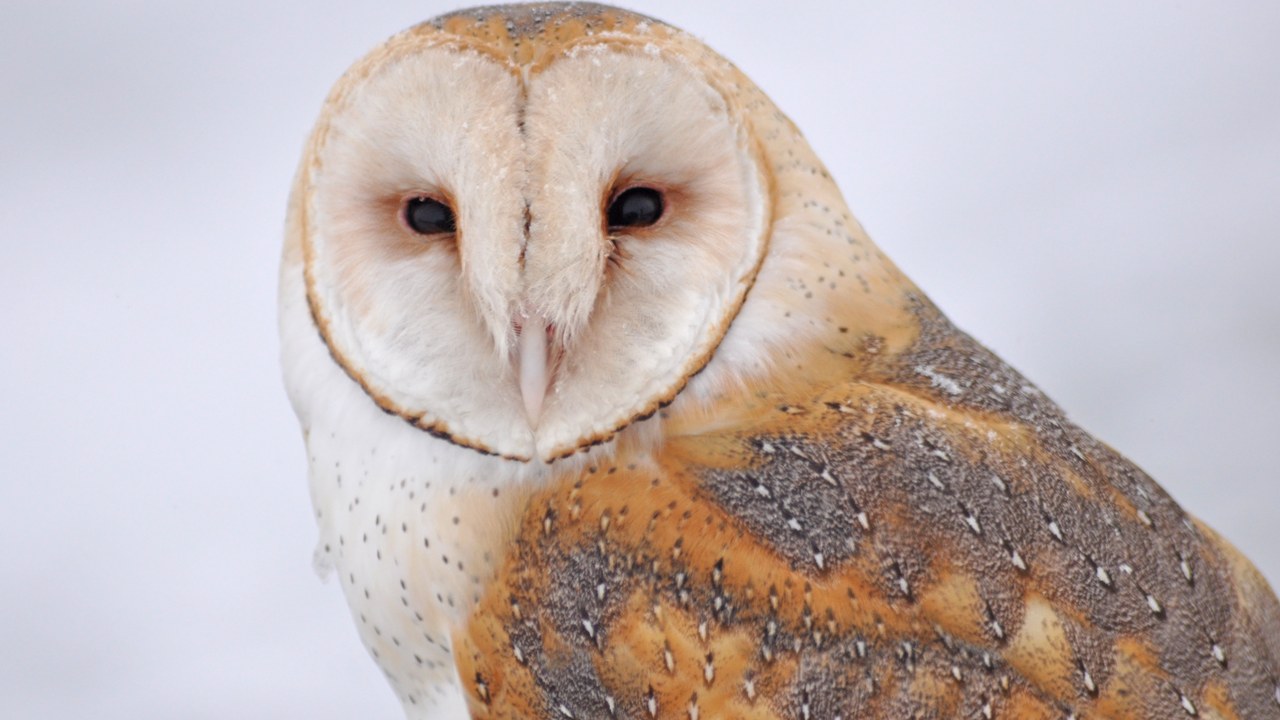
The barn owl turns up on every continent except Antarctica, a range noted in Cornell Lab’s owl sampler. The same source calls its flight virtually silent, a trait that sets it apart from many birds.
A range that wide is unusual in a gallery of North American owls, and it shows the species is far from a local specialty. The silence in flight is a quality of the bird itself, noted by the source as virtual rather than absolute.
4. Great gray owl: Hunting Through the Snow
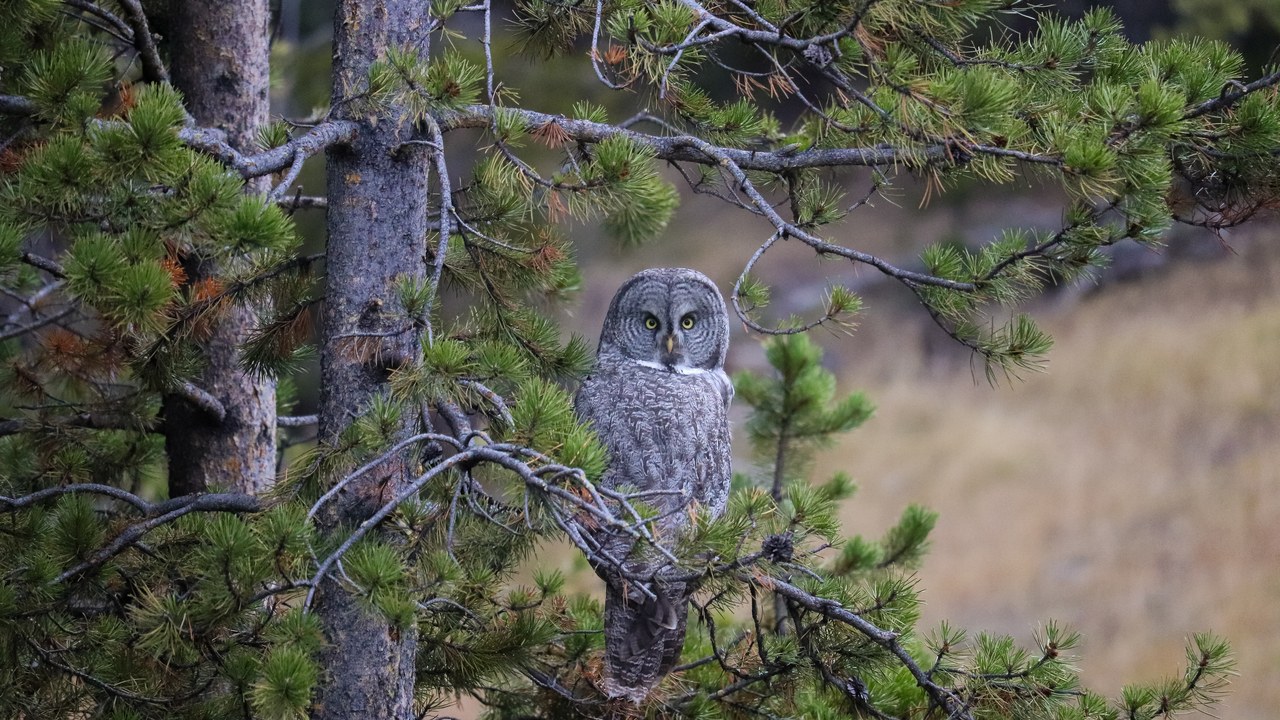
The great gray owl hunts voles beneath the snow, crashing through crust strong enough to support a 176-pound human, as laid out in Cornell Lab’s great gray owl profile. Its eyes are roughly the size of an adult human’s.
The crust detail shows how much force the bird brings to a strike on prey it cannot see. The eye comparison is a rough one, intended to convey scale rather than an exact measurement, but it gives the large face a memorable human reference point.
5. Northern saw-whet owl: Landed Far Out at Sea
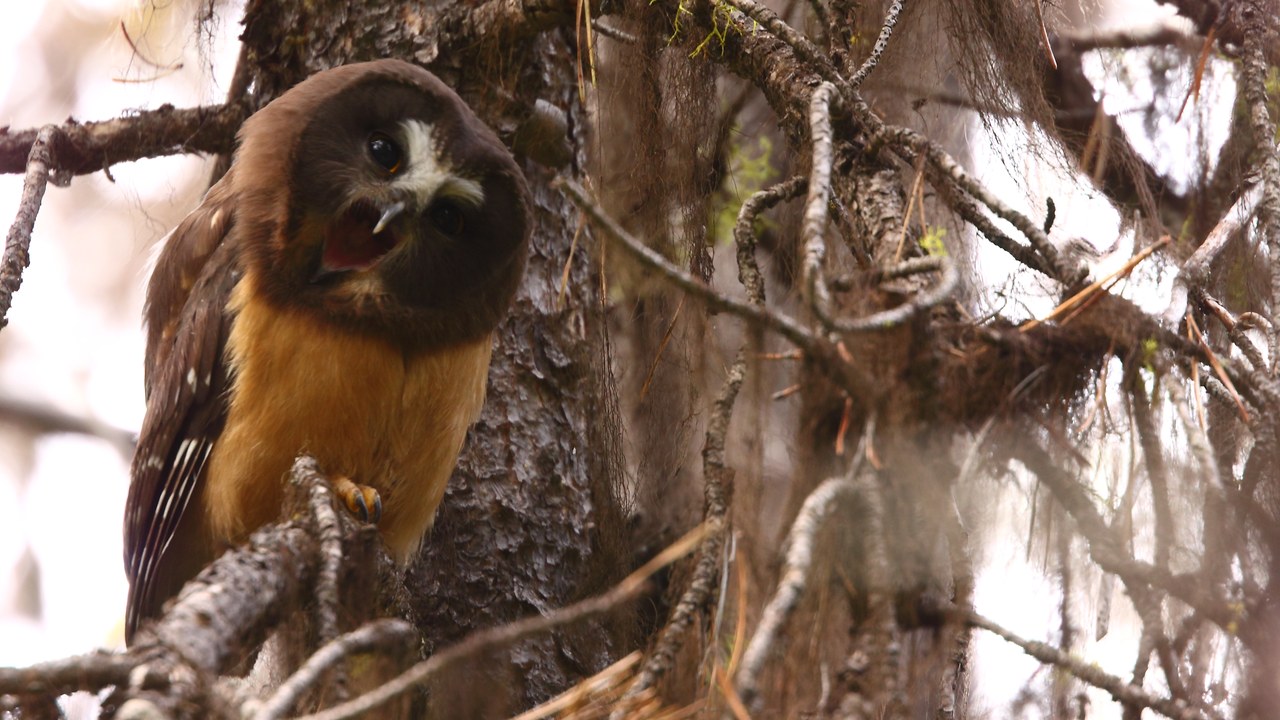
One northern saw-whet owl landed on a fishing vessel 70 miles from shore during a night migration, according to Cornell Lab’s saw-whet owl profile. The episode shows a small owl traveling well beyond land.
A single report cannot say how common such crossings are, and the account treats it as one notable sighting. It still illustrates how a small owl can turn up in places few people would think to look for one, far from any coast.
6. Elf owl: Sparrow-Sized Scorpion Hunter
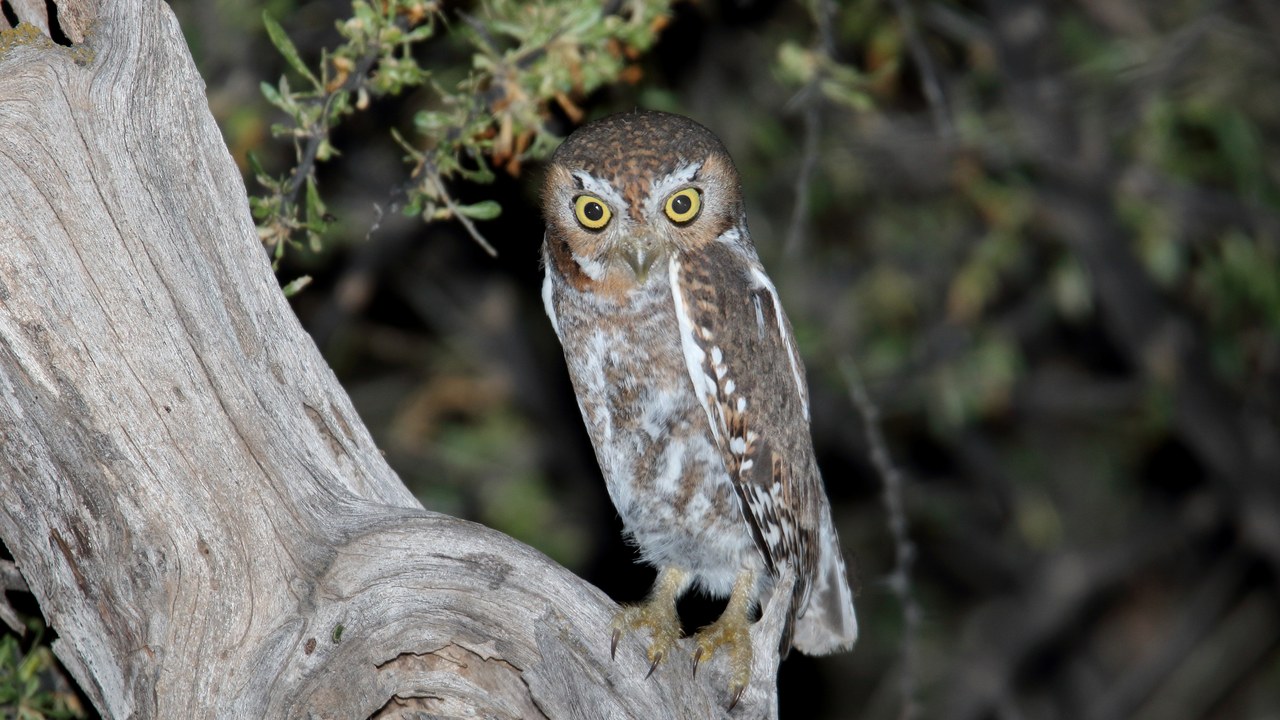
The elf owl is billed as the world’s smallest owl, only the size of a sparrow, in BirdWatching Daily’s owl guide. The guide adds that it hunts scorpions, a diet that seems surprisingly bold for such a tiny bird.
That size is the reason the gallery headline singles out a sparrow comparison. It also makes the species a pocket-sized counterpart to the much heavier snowy owl, and a reminder that North American owls span a wide range of scales.
7. Burrowing owl: The Rattlesnake Hiss
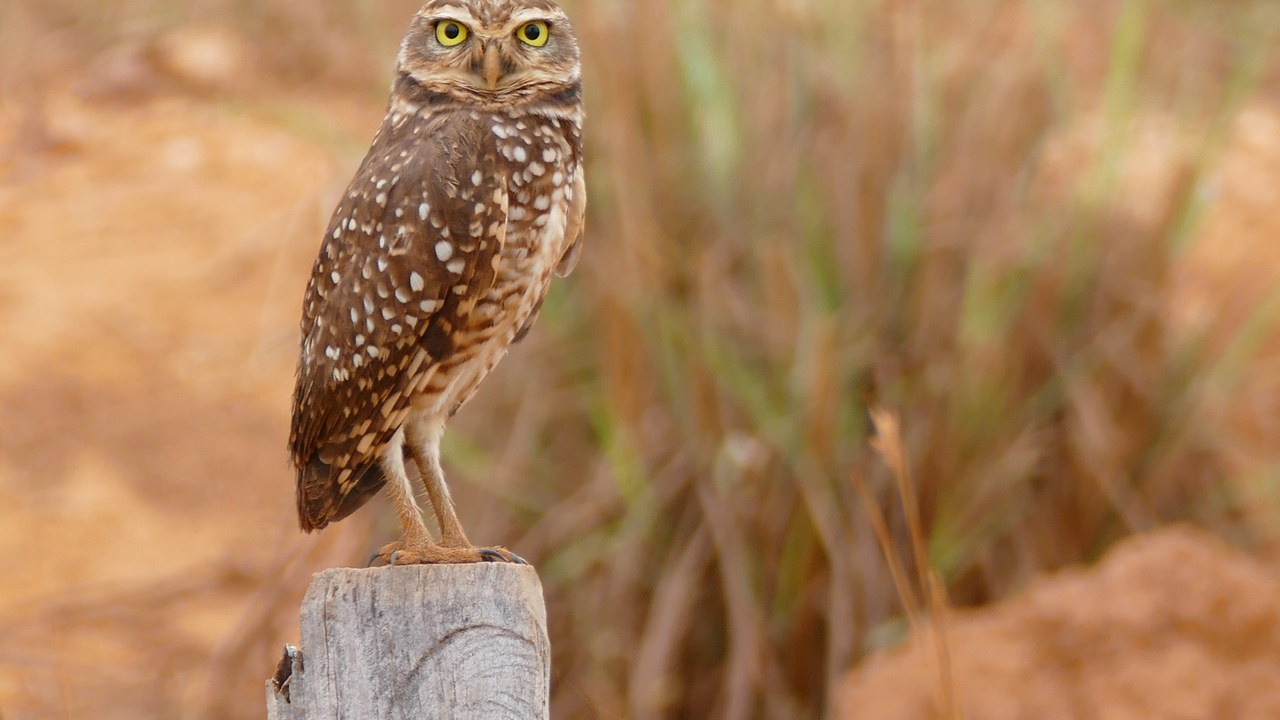
The burrowing owl has a hiss that is believed to imitate a rattlesnake, a fun fact from Audubon’s owl field notes. The sound would borrow the warning of a far more dangerous animal as a form of defense.
The wording is cautious, since the mimicry is believed rather than proven. Even as a theory, it adds a touch of bluff to a bird whose name points to a life underground, and it makes a hiss sound like a deliberate disguise.
8. Boreal owl: Females Run Bigger
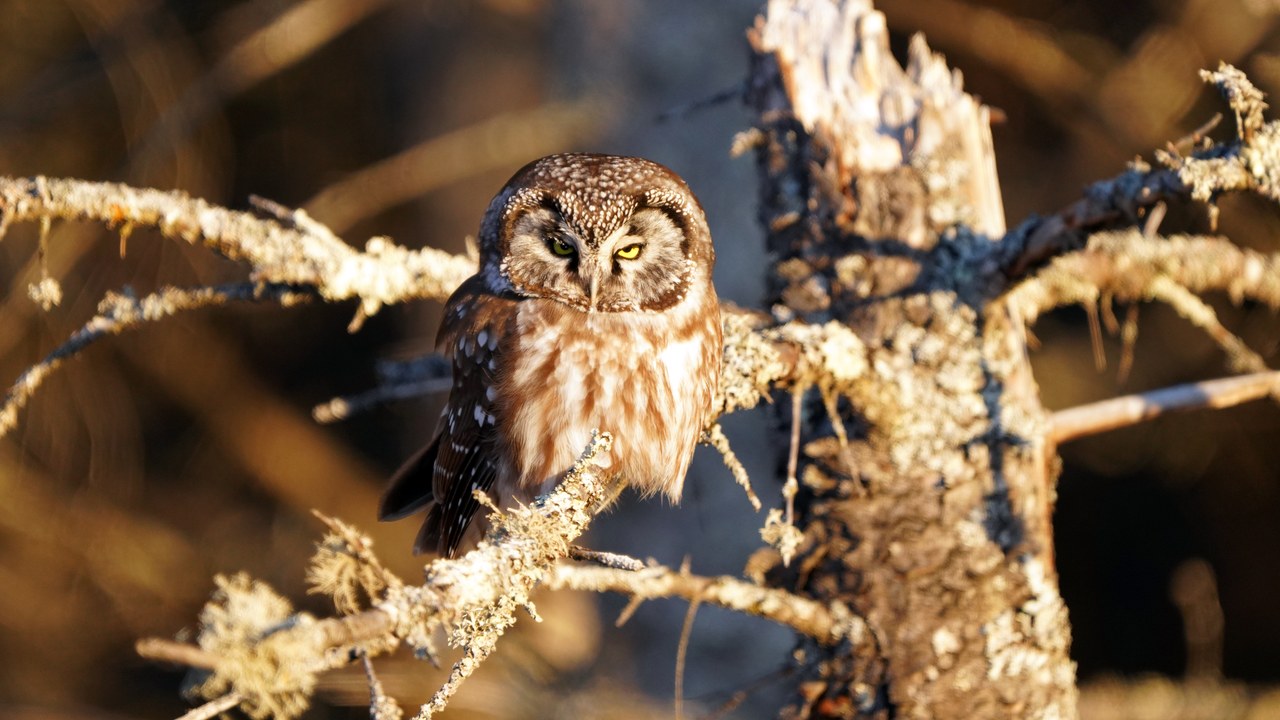
Female boreal owls can weigh up to twice as much as males, per Audubon’s guide to owls. That gap is a striking difference between the sexes of a single species, and it is the oddity Audubon picks for this owl.
The phrase up to matters here, because it describes the largest gap rather than a typical one. Even so, a difference that large would make the two sexes easy to tell apart on a scale, if not always at a glance in the field.
9. Eastern screech-owl: Not Much of a Screech
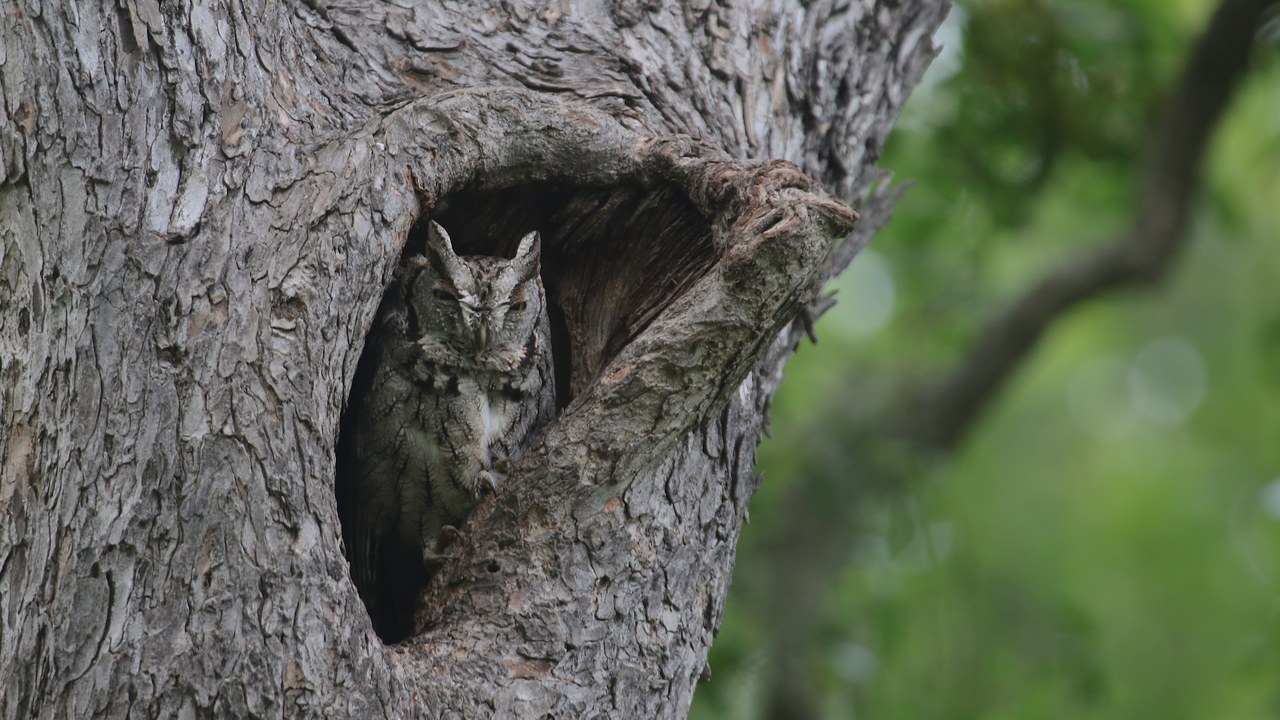
Despite the name, eastern screech-owls do not screech at all, according to Audubon’s owl rundown. The label is a misnomer that has stuck with the species, and Audubon lists it as the fun fact for this owl.
That makes it a good reminder that common names do not always describe the animal. The note says only what the bird does not do, and leaves the real sound for listeners to discover on their own rather than defining it here.
10. Northern spotted owl: Threatened Since 1990
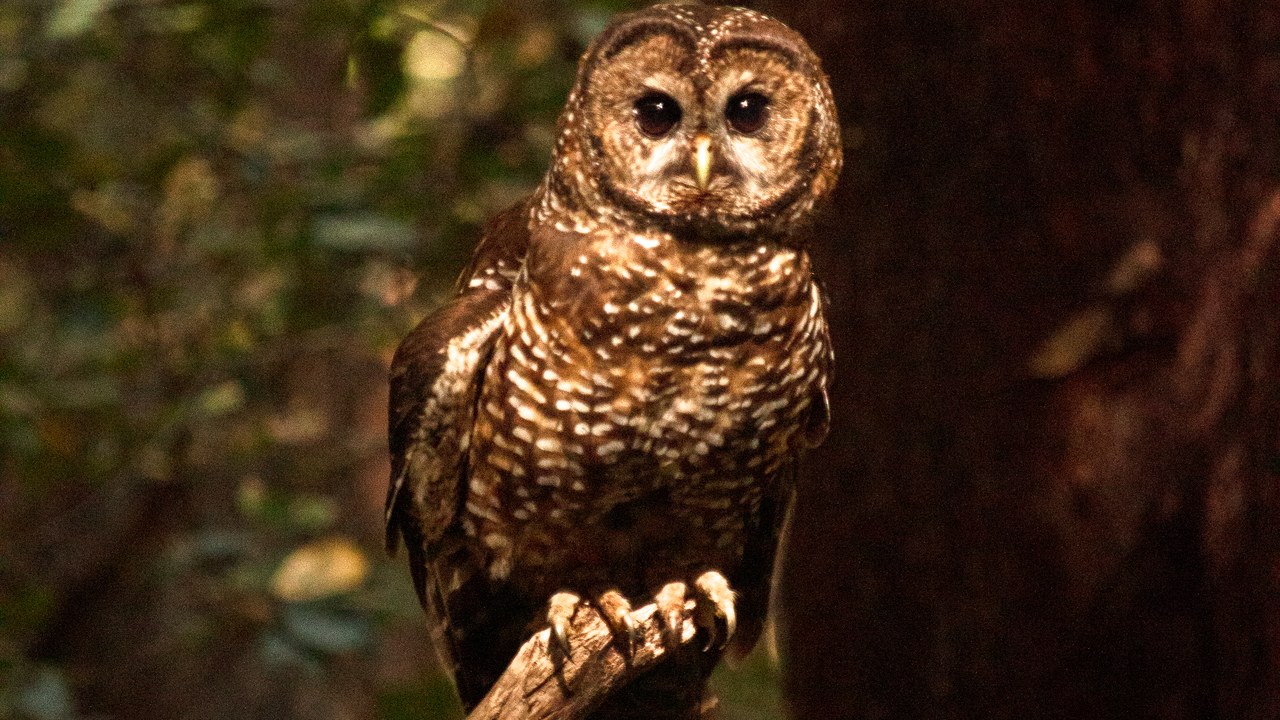
The northern spotted owl has been federally threatened since June 1990, based on its U.S. Fish and Wildlife Service listing. It is also the largest of the three spotted owl subspecies, a distinction listed by the agency.
That legal status makes it the one bird in this gallery defined by its protection as much as its looks. The largest-subspecies detail sets it apart from the other two spotted owls, and the 1990 date shows the listing has stood for decades.
11. Barred owl: Who Cooks for You?
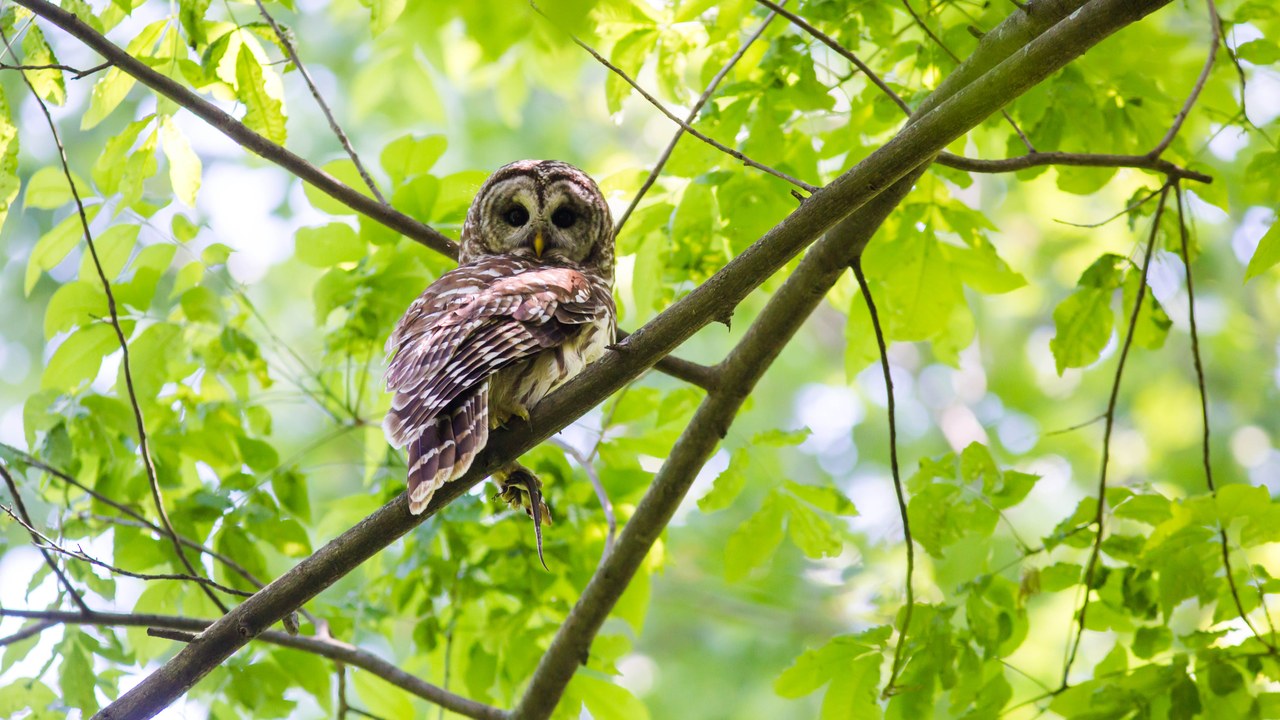
The barred owl spread from the East through the Pacific Northwest and southward into California in the 20th century, as described in Cornell Lab’s barred owl overview. Its call is rendered as the phrase Who cooks for you?
The westward spread is the headline fact, and it explains why a bird once tied to the East now appears along the Pacific coast. The call is the easiest way to remember the species.
Tech news worth reading: Get Techpresso →
We may earn a commission if you sign up.
More from Morning Overview
- Two passengers died at an Ohio toll plaza, and the NTSB now wants the cash lanes shut
- Long use of a common prostate pill is tied to a higher chance of glaucoma
- Ford is recalling 223,472 F-150 pickups because the fuel tank can leak or detach
- Hybrids have 15% fewer problems than gas cars, while EVs and plug-in hybrids have about 80% more, Consumer Reports finds
