
Published dog lifespans depend heavily on who is counting and how. Kennel-club and pet-health tables give generous breed ranges, while a large UK veterinary study measured life expectancy at birth and landed far lower for breeds such as the Chihuahua. This list covers both kinds of figure across twelve popular breeds.
The tech news worth your time: 400,000+ professionals from Google, Apple and OpenAI read Techpresso, a daily email with the most interesting tech news and insights.
We may earn a commission if you sign up.
1. Chihuahua: Top Of The Table
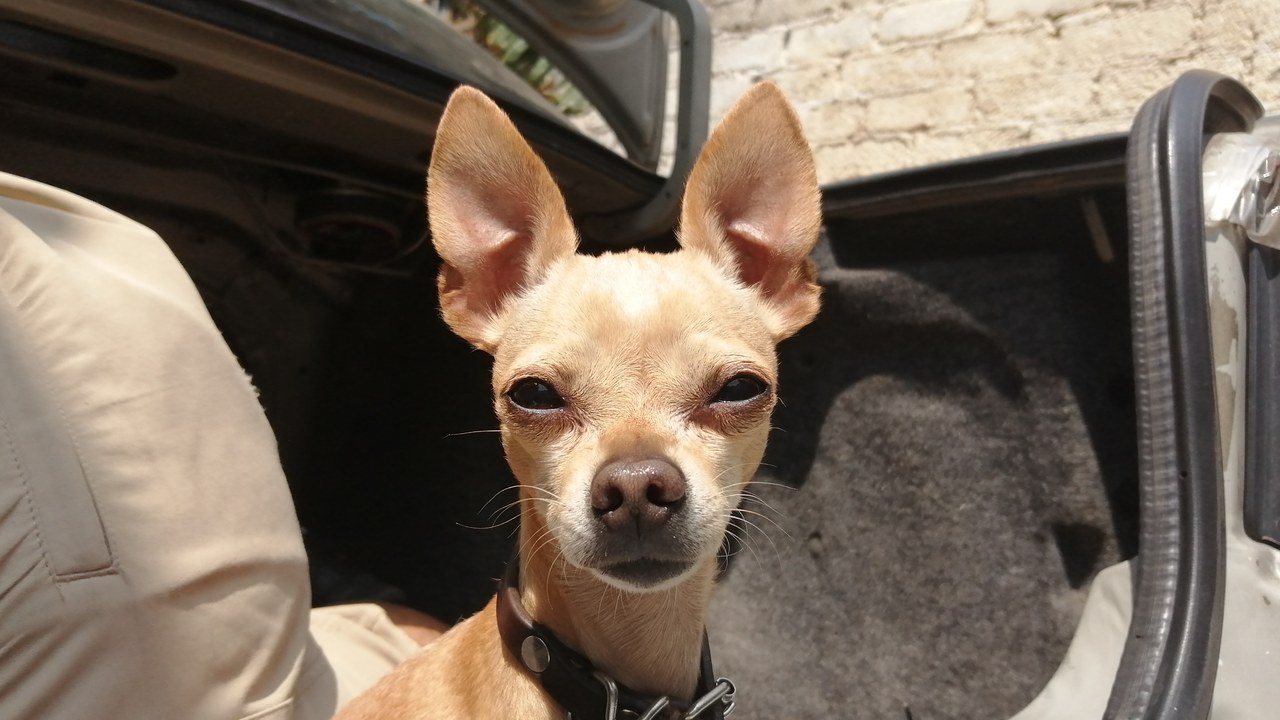
The American Kennel Club lifespan table lists the Chihuahua at 15 to 17 years, the highest range among the small breeds it covers and the source of the 17-year ceiling in this gallery’s headline.
That is a breed-standard range rather than a measured average. The Royal Veterinary College’s UK study put Chihuahua life expectancy at birth at only 7.9 years, so the 17-year figure describes the best case, not the typical dog. Anyone comparing breeds should keep that distinction in mind, since the two methods answer different questions.
2. Pomeranian: Close Behind
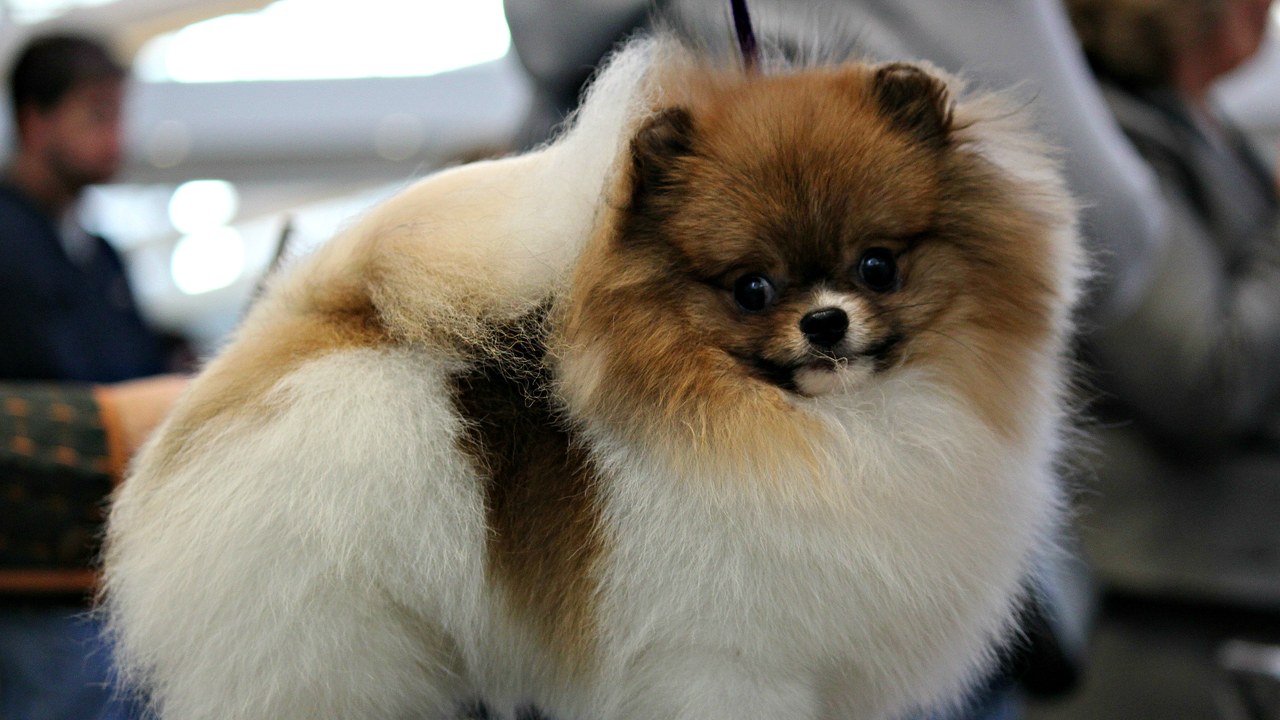
The Pomeranian appears in the AKC’s lifespan chart at 14 to 16 years, a range one year short of the Chihuahua’s at both ends.
As with every AKC entry, the numbers describe what the breed standard expects, not a promise for any single dog. Prospective owners can treat the range as a planning guide, while remembering that a measured population average, as the later entries show, can sit lower. Both the Pomeranian and the Chihuahua come from the same AKC table, so the two figures can be compared fairly with each other.
3. Belgian Malinois: Longest-Lived Large Breed
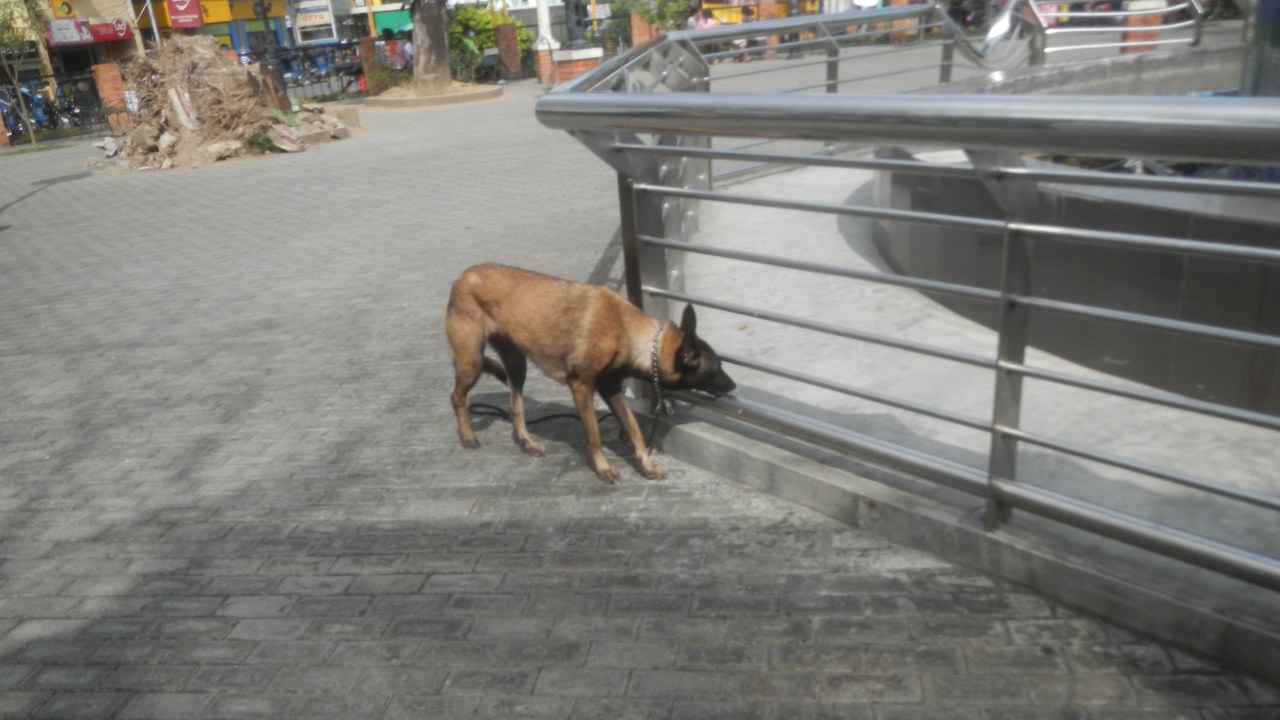
The Belgian Malinois is listed at 14 to 16 years in the AKC table of large breeds, the longest range of any large breed in that table.
Large dogs are often assumed to age faster than small ones, which makes the Malinois entry notable. The figure is a breed range from the kennel club, so it reflects expectation under good conditions rather than a measured average across all Malinois. Even so, the same table places it at the top of the large-breed group, which is a useful point of comparison for those weighing a bigger dog.
4. Whippet: Lean Sighthound
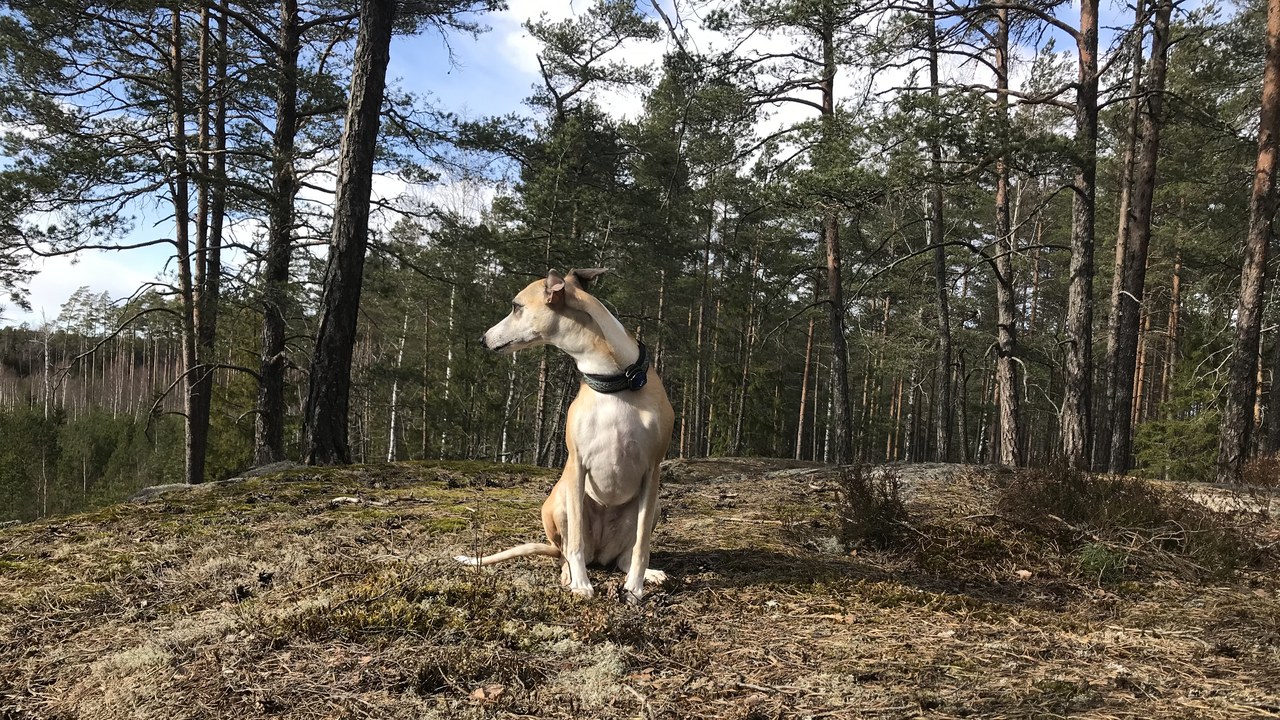
The AKC lifespan listing puts the Whippet at 12 to 15 years.
That sits a few years below the Chihuahua at the top of the same table but still comfortably past a decade. The span is wide, three years from low to high, which leaves room for individual dogs to land well on either side of the middle. It is the lowest-ranked breed of the four taken from the AKC table, which makes it a useful reminder that even the shorter range there is a long life.
5. Dachshund: Long And Low
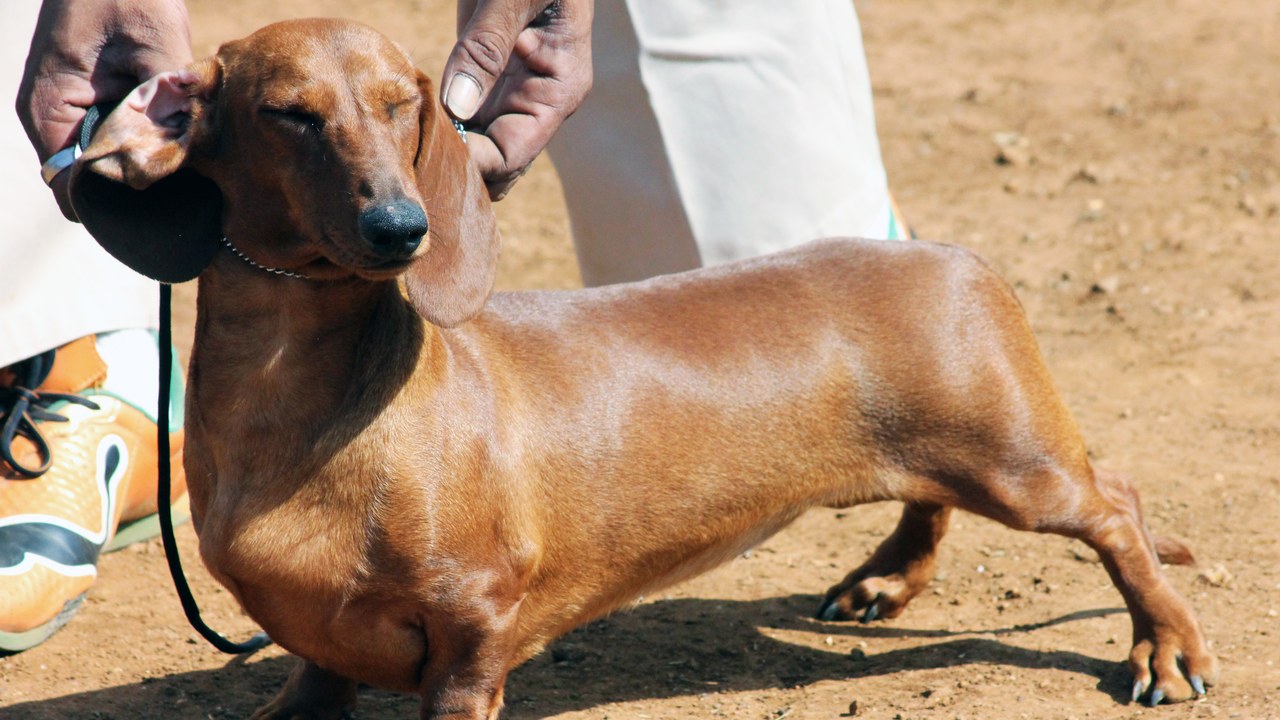
PetMD’s PetMD longevity list gives the Dachshund a life expectancy of 12 to 16 years, one of the widest ranges in this gallery.
The four-year spread means the breed’s lower and upper figures differ considerably. These PetMD numbers come from a pet-health publication rather than a measured study, so they work best as a general expectation for the breed, to be weighed against an individual dog’s health history. Readers comparing this against the AKC entries should note that the two sources use different lists and different breeds.
6. Shiba Inu: Japanese Spitz Type

The Shiba Inu is listed in PetMD longevity ranking at 13 to 16 years.
The floor of 13 years is higher than the minimum for the Whippet, Dachshund or Australian Cattle Dog on the lists used here. Like the rest of the PetMD entries, it is an expected range for the breed and not a result from tracking a group of dogs. That makes it one of the sturdier showings among the breeds drawn from PetMD, which also supplies the Dachshund, Bichon Frise and Cattle Dog figures.
7. Bichon Frise: Narrow Range

The Bichon Frise comes in at 14 to 15 years on PetMD’s breed lifespan page, the tightest range of any breed in this gallery.
A one-year window suggests the publication expects little variation, though that narrowness reflects how the figure is presented rather than proof that every Bichon lives to the same age. The range still places the breed among the longer-lived entries from the breed-standard sources. Readers should still treat it as an expected range, since PetMD’s page does not describe tracking a particular group of dogs over time.
8. Australian Cattle Dog: Working Heeler
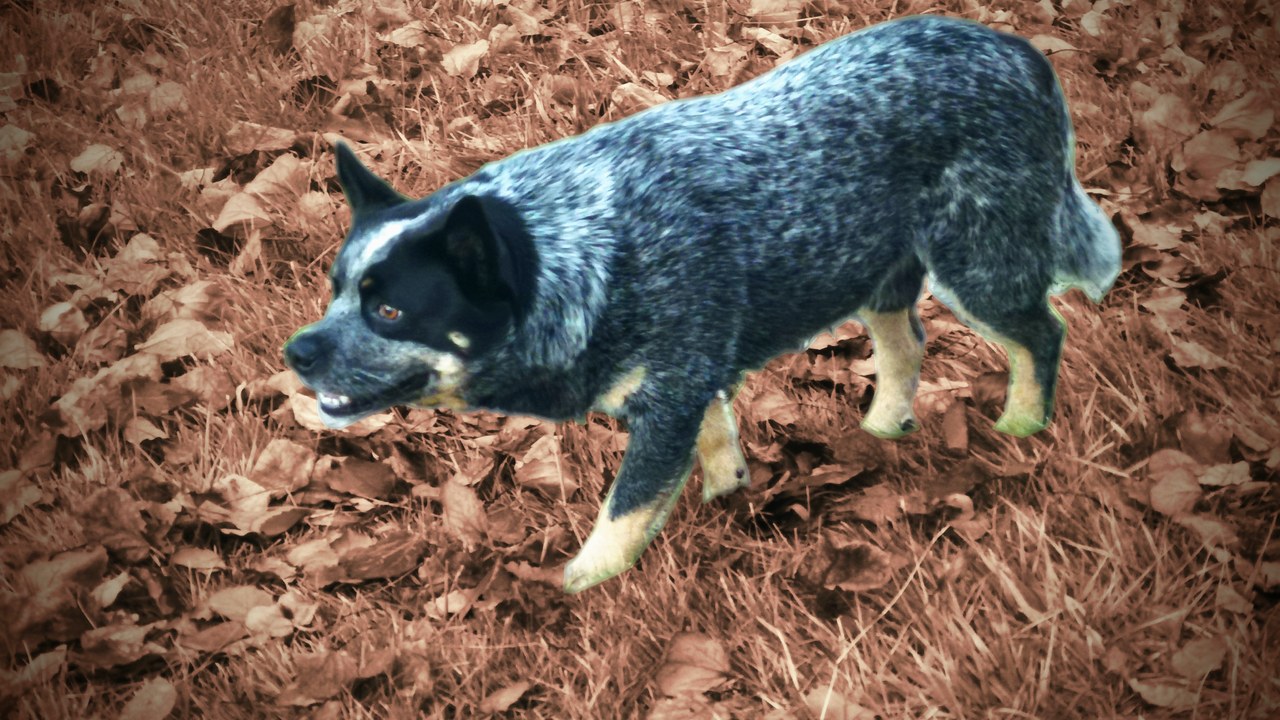
PetMD’s PetMD longevity list puts the Australian Cattle Dog at 12 to 16 years.
The four-year spread matches the Dachshund’s and brackets the Whippet’s range. For a herding breed bred to work, the upper end of the range is a generous figure, but the lower end shows how much individual dogs can differ within one breed’s expected lifespan. Taken with the other PetMD entries, it shows that breed-standard ranges overlap heavily from one breed to the next.
9. Jack Russell Terrier: Study Leader
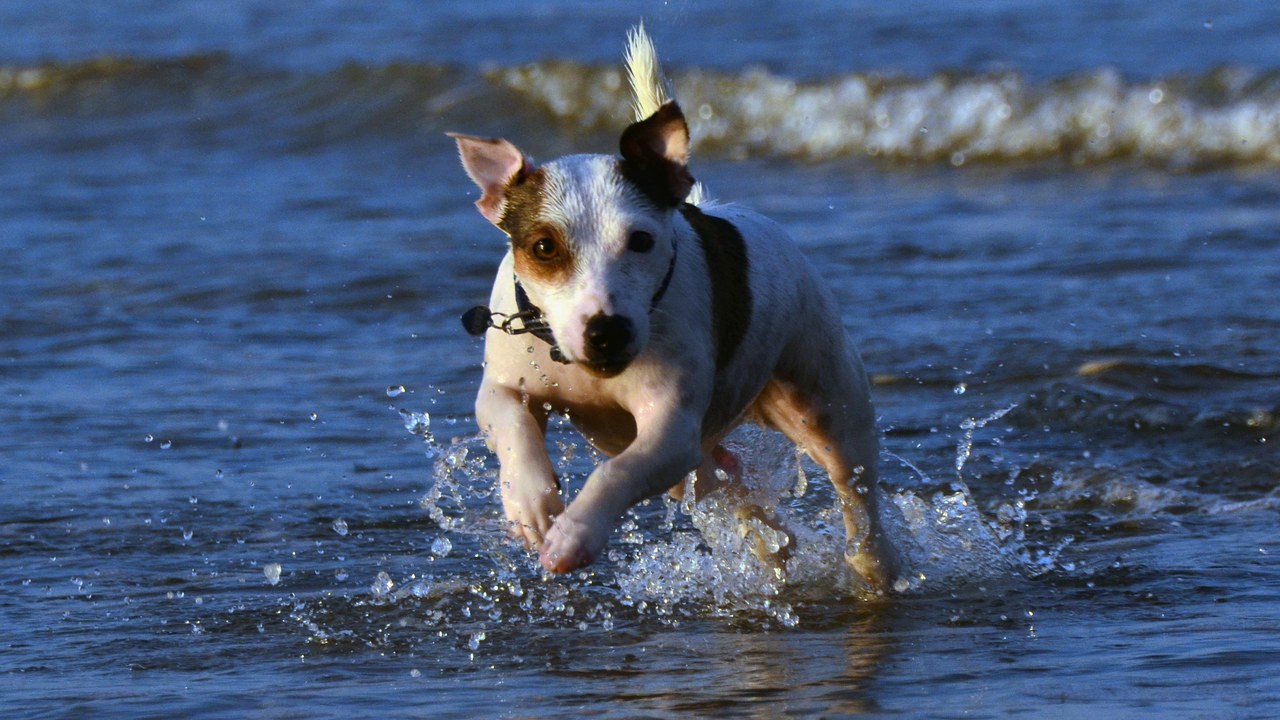
In the Royal Veterinary College life tables, the Jack Russell Terrier had the longest life expectancy at birth of any breed, at 12.7 years.
This number comes from a different method than the earlier entries. It measures life expectancy at birth across dogs in UK veterinary records, so it is lower than the breed-standard ranges above, and it shows what an average dog of that breed actually lived. The study also appears in the entries that follow, with the Yorkshire Terrier, Border Collie and English Springer Spaniel all drawn from the same dataset.
10. Yorkshire Terrier: Second Place

The Yorkshire Terrier ranks second in the Royal Veterinary College study, with a life expectancy at birth of 12.5 years.
It trails the Jack Russell by only two-tenths of a year. Measured averages like this sit under the 14 to 16 year ranges often quoted for small breeds, a gap that helps explain why the headline’s 17 years is a ceiling and not an expectation. The two terriers together lead the study, which is why both appear near the top of the measured data in this gallery.
11. Border Collie: Herding Champion

The same RVC VetCompass data, reported by Pets Radar report, gives the Border Collie a life expectancy of 12.10 years.
Despite its reputation as a fit, athletic working dog, the breed’s measured figure is close to that of the terriers at the head of the study. It is also just above the 11.2-year average the study found for all dogs, which makes the Border Collie a modestly better-than-typical result. Its placement shows how a breed with a high reputation for vigor ends up near the middle of a measured ranking.
12. English Springer Spaniel: Bottom Of The List
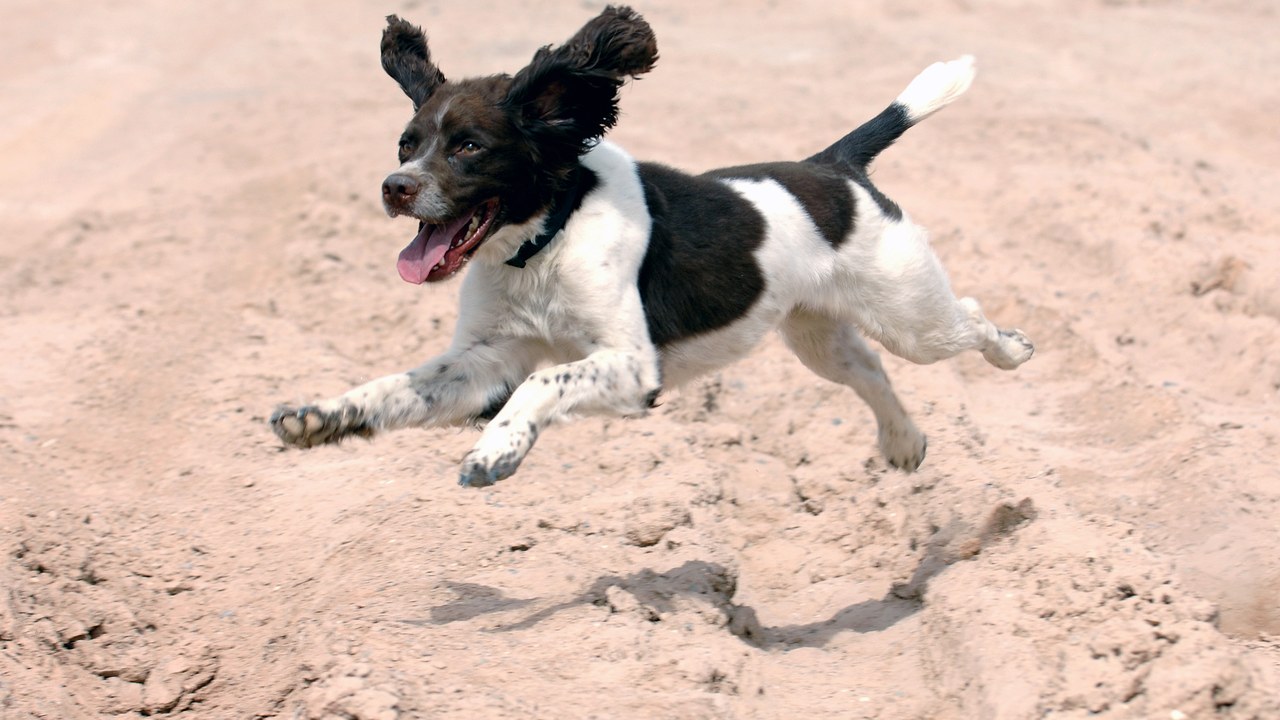
As reported by Pets Radar coverage, the RVC VetCompass data gives the English Springer Spaniel 11.92 years, against an 11.2-year average for all dogs.
That is the only entry here below 12 years, though it still beats the all-dog average by roughly 0.7 of a year. The comparison shows that a breed can fall short of the popular 12-to-16-year ranges and yet live longer than the typical dog. For owners, the lesson is that every figure here is an average of many dogs, and any single dog can live well beyond it.
The tech news worth your time: Subscribe to Techpresso →
We may earn a commission if you sign up.
More from Morning Overview
- Hybrids have 15% fewer problems than gas cars, while EVs and plug-in hybrids have about 80% more, Consumer Reports finds
- Regulators cleared the first U.S. small modular reactor, 4 months early
- Lake Powell sank to a record 3,517 feet, nearing the level that stops Glen Canyon Dam’s turbines
- Seven of Earth’s nine planetary boundaries are breached, and all seven are worsening
