
Airbus built its place in the sky by pairing a bold first airliner with families of jets that airlines could mix and match. The company’s range runs from compact single-aisle models to the largest passenger aircraft ever delivered. Here are ten aircraft that mark the major steps along that path.
Stay ahead on AI: Join 600,000+ professionals who read The Deep View, the daily newsletter that keeps you up to date with artificial intelligence.
We may earn a commission if you sign up.
1. Airbus A300: The Twinjet Pioneer
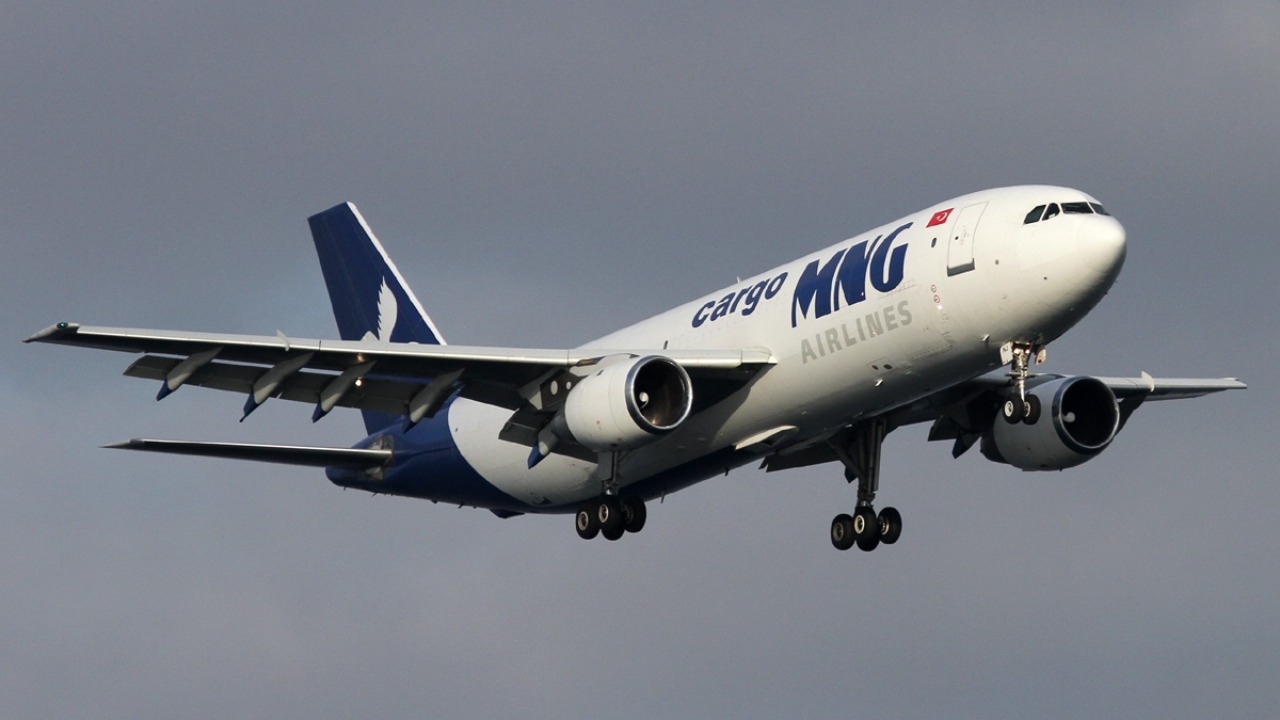
The A300 first flew on 28 October 1972, and Wikipedia describes it as the world’s first wide-body twinjet. Airbus delivered 561 of them before the last left the line in July 2007.
Two engines on a wide-body frame was a different approach from the multi-engine giants of the period. More than three decades of deliveries show that the idea gave the young manufacturer a lasting foothold. Aviation enthusiasts will recognize it as the starting point for an entire lineage of Airbus designs that followed in the decades afterward.
2. Airbus A318: Frontier’s Small Fry
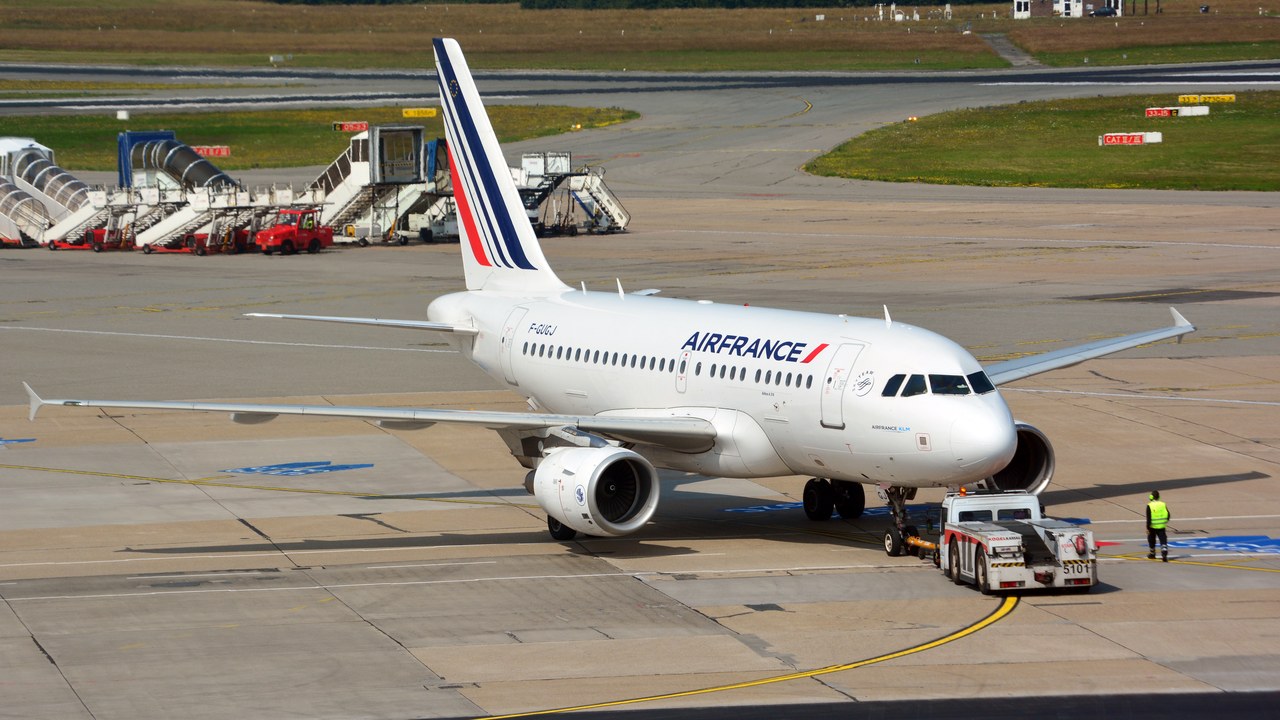
Airbus delivered the A318, a member of the A320 family, first to Frontier Airlines on 21 July 2003. The date appears in the A320 Family Facts and Figures sheet published in November 2025.
A shorter fuselage suited airlines that wanted the family’s cockpit and systems on thinner routes. Pilots and crews could stay within one family, which keeps training simpler for operators mixing sizes. Travelers on short routes may not notice the model name, yet the date marks when this smaller member began carrying passengers for a customer.
3. Airbus A319: Swiss Air Gets First
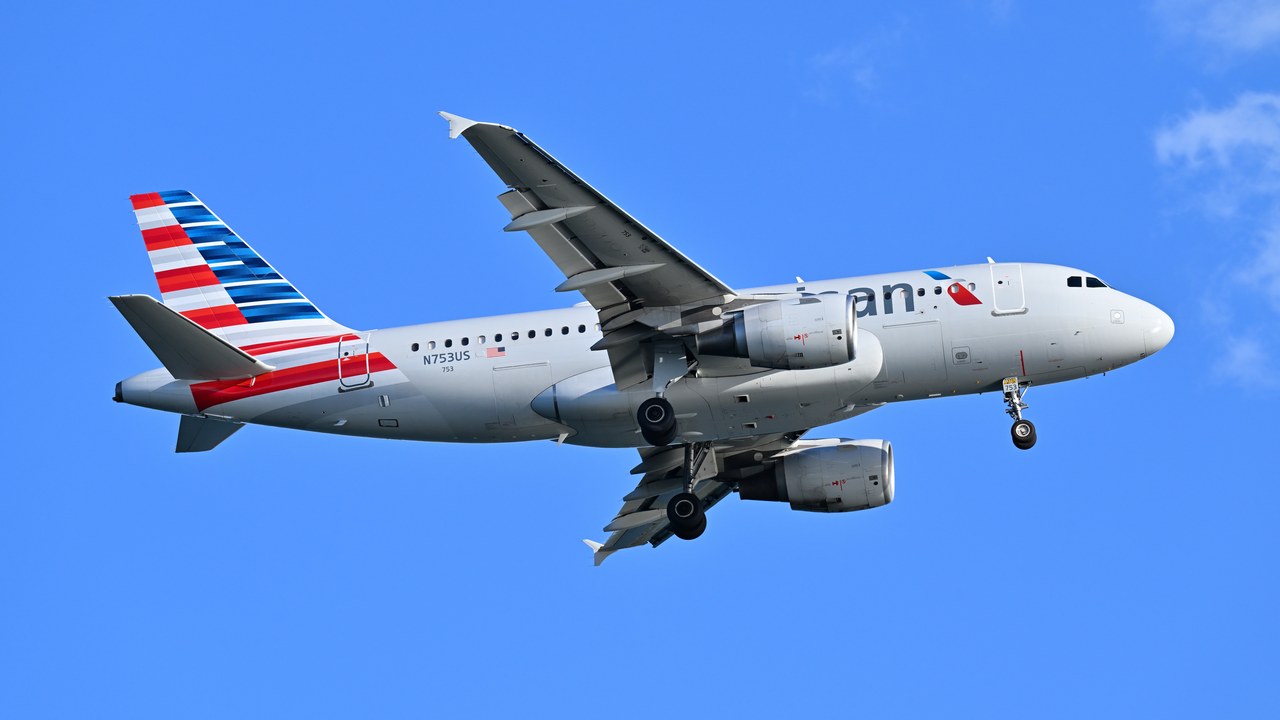
On 25 April 1996, Swiss Air received the first A319 delivery, according to the Airbus A320 family data. That handover marked the start of the type’s airline service.
Sitting between the A318 and the A320 in length, the A319 gave carriers a middle option inside one family. Airlines could add or trim capacity without moving to an unrelated cockpit design. Spotting the type at an airport takes some practice, but the delivery date gives plane watchers a concrete anchor for its place in the family.
4. Airbus A320: Air France Starts It
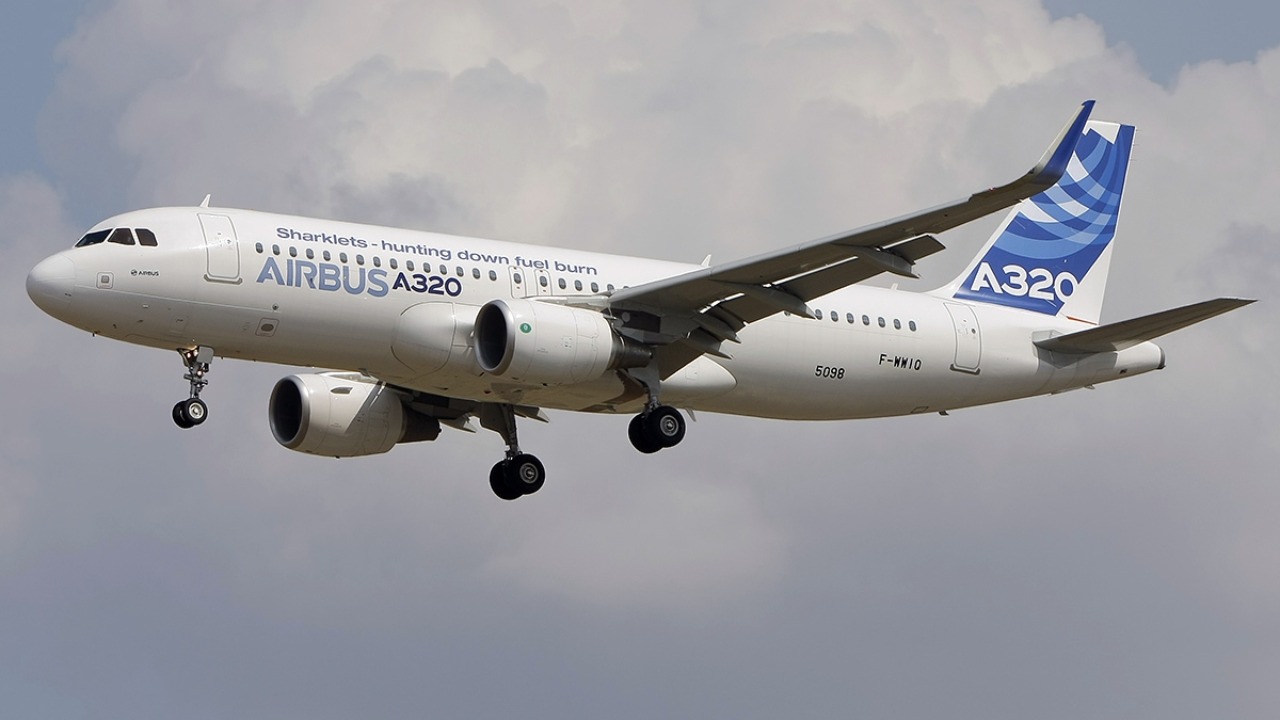
Air France took the first A320 on 26 March 1988. As of October 2025, the A320 family has 19,472 orders from more than 300 customers.
Few airliner programs reach orders in the tens of thousands. The breadth of that customer list explains why A320-family jets are among the aircraft most travelers are likely to board on short and medium routes. Plane spotters and travelers alike will see these jets constantly, which makes the scale of the order book easy to believe in everyday terms.
5. Airbus A321: Lufthansa’s Stretch
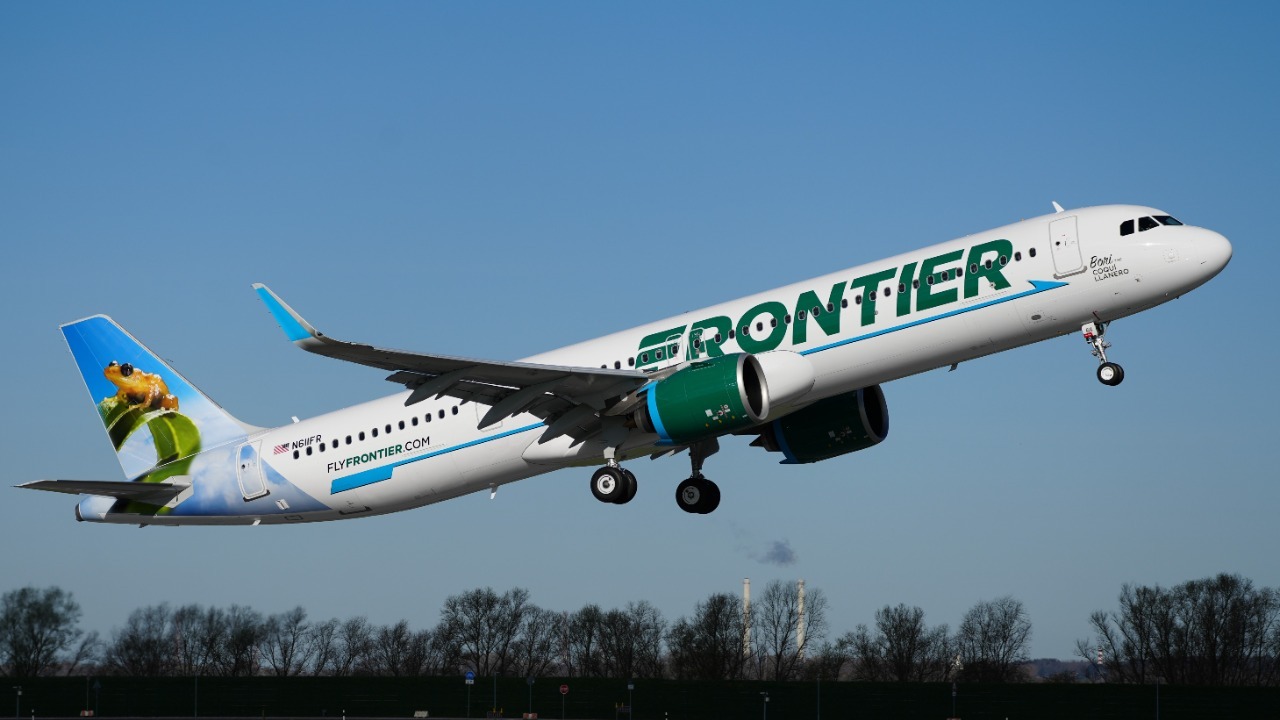
Lufthansa received the first A321 on 27 January 1994. Decades later, the A321XLR is listed with a range of up to 4,700 nautical miles, or 8,700 kilometers.
A single-aisle jet covering that distance lets airlines open thinner long routes without a larger wide-body. Passengers benefit when direct flights replace connections, though smaller cabins mean fewer seats to sell per trip. Passengers can check the aircraft type when booking, and this entry gives context for why the longest-range version draws attention from airlines.
6. Airbus A330: Neo Rebuild
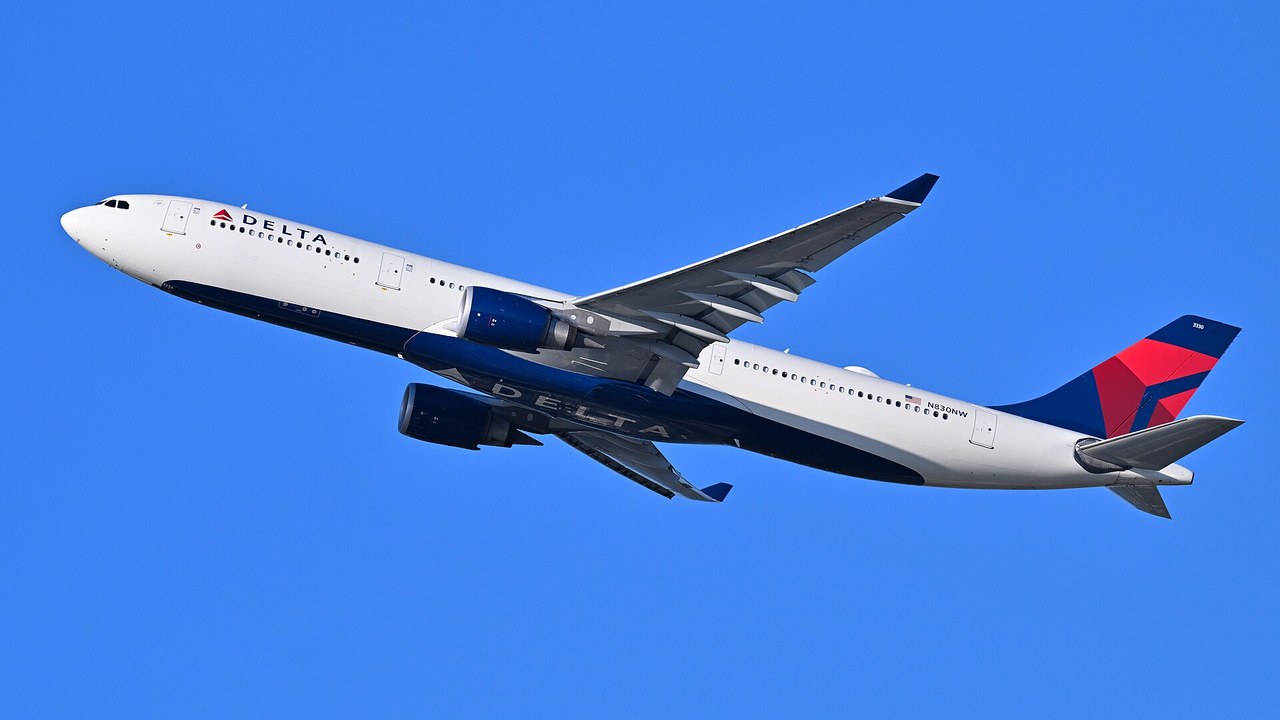
First flown on 2 November 1992, the A330 was re-engineered as the A330neo in 2018. Figures on Airbus’s Wikipedia page show 1,955 orders for the type.
Updating an existing design rather than starting over kept a proven airframe in demand for decades. For airlines, a refreshed engine option can extend a fleet’s useful life while holding down retraining costs. Travelers booking long flights may find the A330 on the schedule more often than expected, thanks to that decision to refresh the design.
7. Airbus A340: Four Engines, Fewer Years
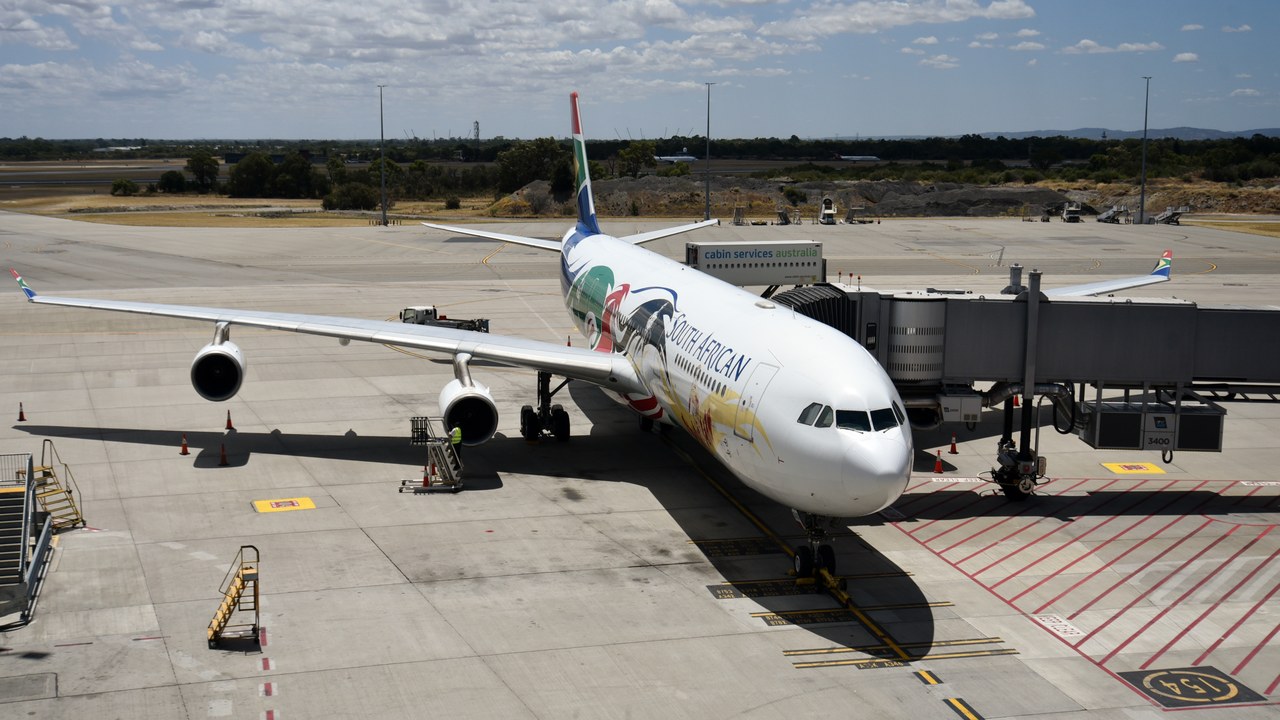
The four-engine A340 entered service in March 1993 with Lufthansa and Air France. Wikipedia’s A340 article records that 377 were delivered before twinjets such as the Boeing 777 replaced it on many routes.
Four engines once carried a safety logic on long overwater flights, but efficient twinjets changed the math. The A340 shows how quickly airline economics can shift a design from front-line workhorse to rare sight. Plane watchers should treat sightings as increasingly special, because the type is less common on schedules than the delivery total might suggest.
8. Airbus A380: Double-Deck Finale
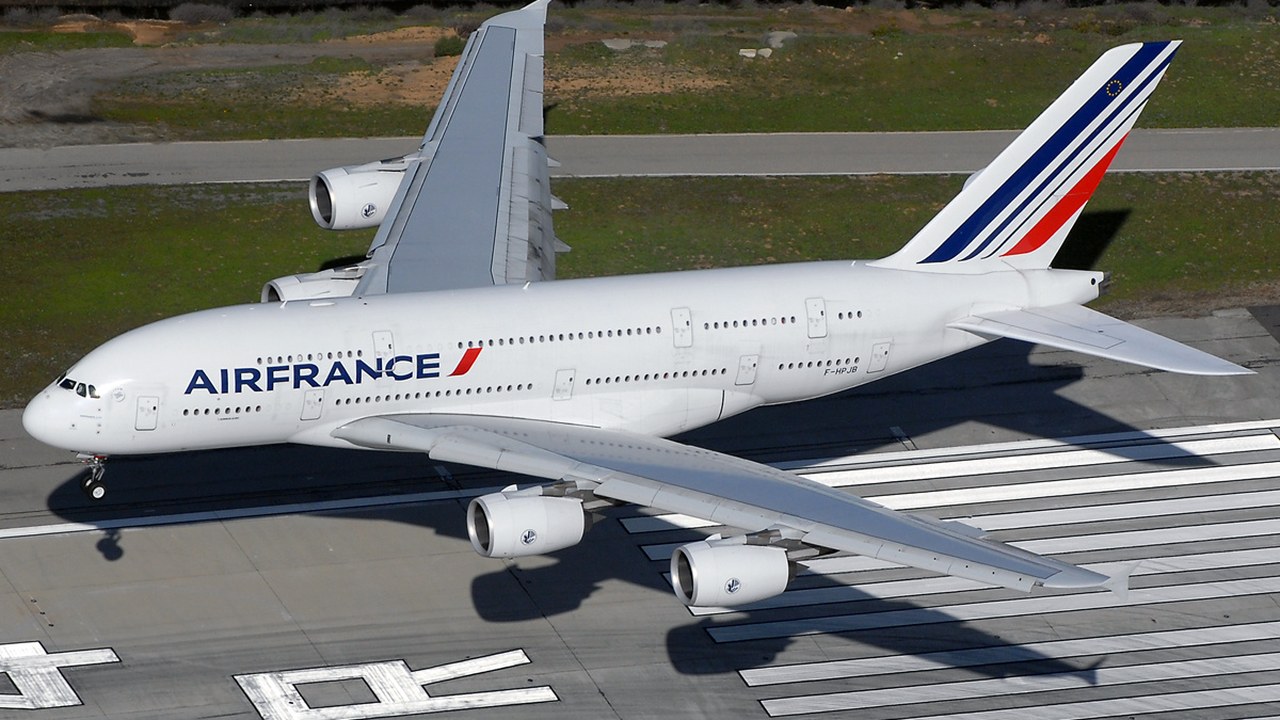
The double-deck A380 first flew on 27 April 2005 and seats a typical 555 to 853 passengers. The last of 251 was delivered on 16 December 2021.
Few aircraft have offered that much room for passengers. The delivery count shows how few airlines had routes and airport capacity to fill such a jet, which makes surviving A380 flights worth noticing. Anyone hoping to fly one should check airline schedules carefully, since the aircraft no longer comes off the production line.
9. Airbus A350: Carbon Fiber Debut
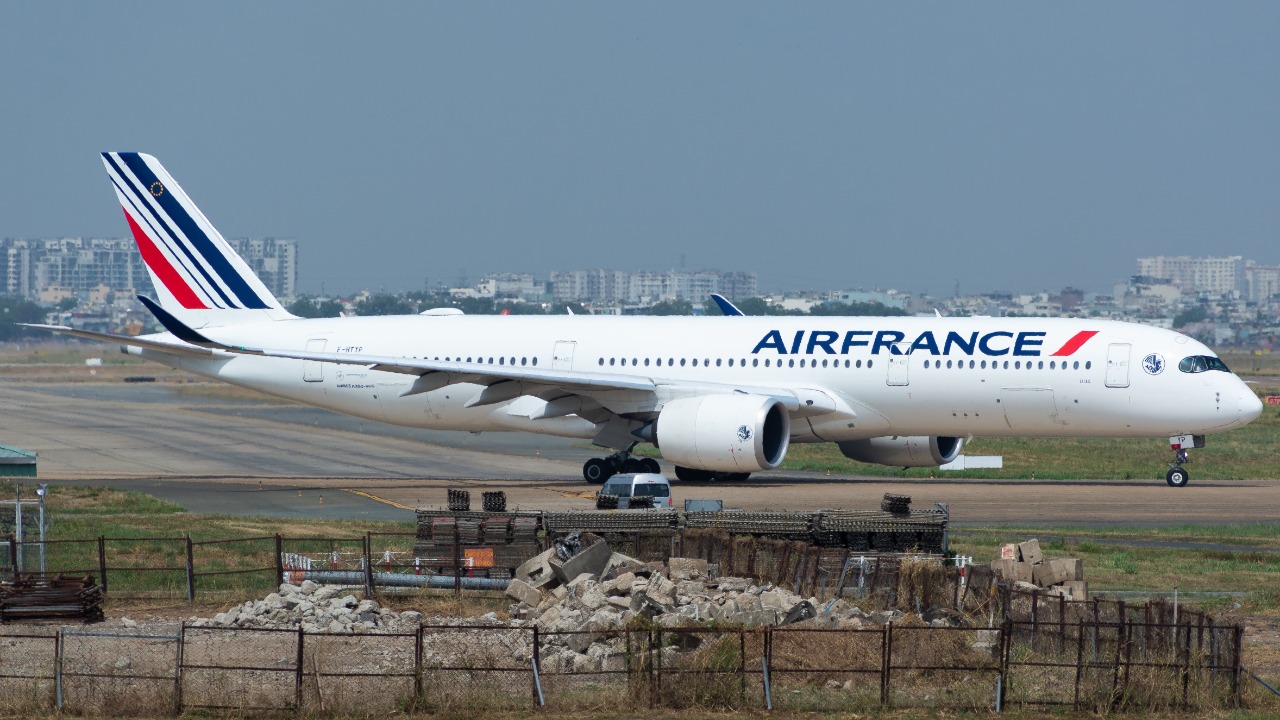
First flown on 14 June 2013, the A350 was described on Wikipedia’s Airbus page as the first Airbus largely produced from carbon-fiber-reinforced polymers. The material replaced much of the metal in the structure.
Composite construction resists fatigue and weighs less than comparable metal structures, which helps with efficiency. Travelers often notice the benefit in cabin comfort, since composites allow different design choices than aluminum. Booking a long-haul flight on this type offers a practical way to experience a clear shift in how large airliners are built.
10. Airbus A220: Bombardier’s Dollar Deal
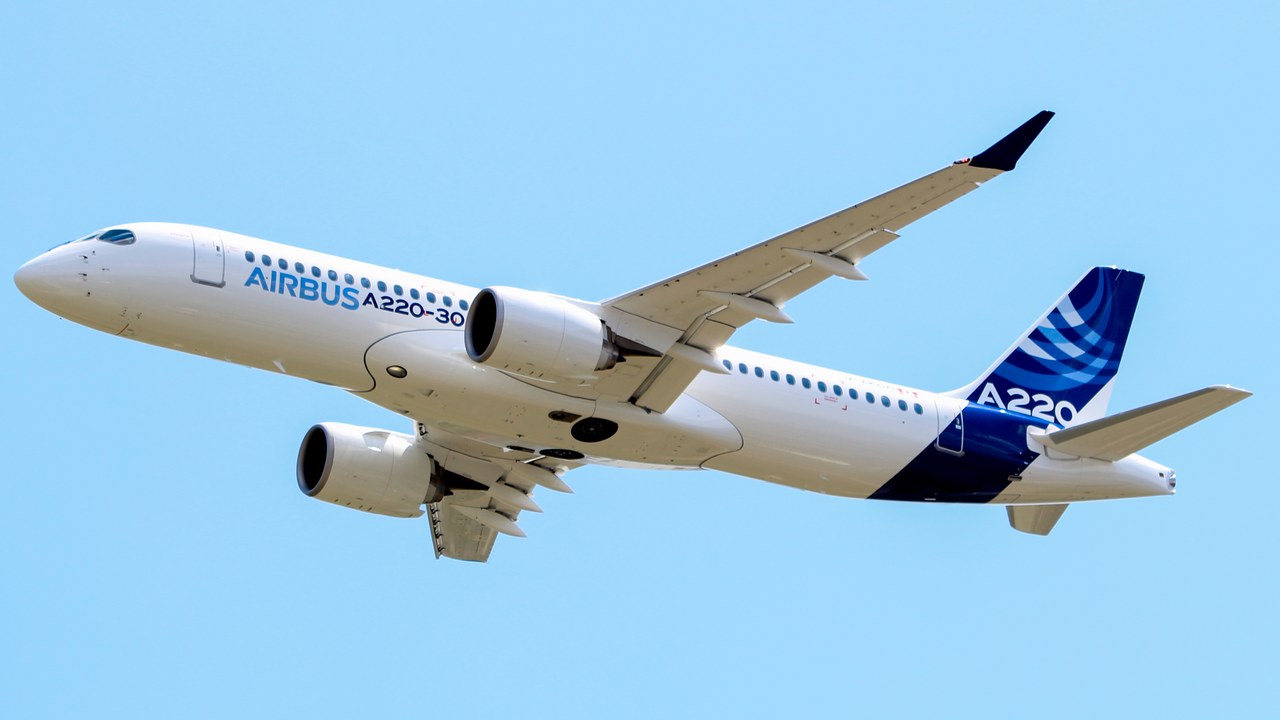
Bombardier agreed to give up 50.01% of its CSeries program to Airbus for a symbolic CAD$1, per Wikipedia’s A220 article. The renamed A220 entered service with Swiss on 15 July 2016, and Delta flies 94.
The arrangement brought a modern small jet into the Airbus catalog without a clean-sheet program. Passengers on regional and mid-sized routes now meet a design that began outside the company. Travelers choosing a flight on this model are riding an aircraft with an unusual ownership story behind its familiar Airbus badge.
Stay ahead on AI: Subscribe to The Deep View →
We may earn a commission if you sign up.
More from Morning Overview
- Tropical Storm Rachel is dumping up to 12 inches on four Mexican states on its way to major hurricane strength
- The FTC says Lens.com doubled the price shoppers saw in Google ads
- Common allergy, bladder and sleep pills tied to sharply higher dementia odds
- NOAA now gives this winter a 75% chance of the strongest El Nino since 1950
