
Charging time has become one of the most important numbers on an electric car’s spec sheet. Peak power, measured stops and miles added per hour each tell a different part of the story. This list ranks twelve electric vehicles by how quickly they refill their batteries.
Help yourself and the planet: The Cool Down makes it easy to help yourself while helping the planet, with smart, simple changes to save more and waste less in your everyday life.
We may earn a commission if you sign up.
1. Lucid Gravity: Fastest Peak Of The Pack
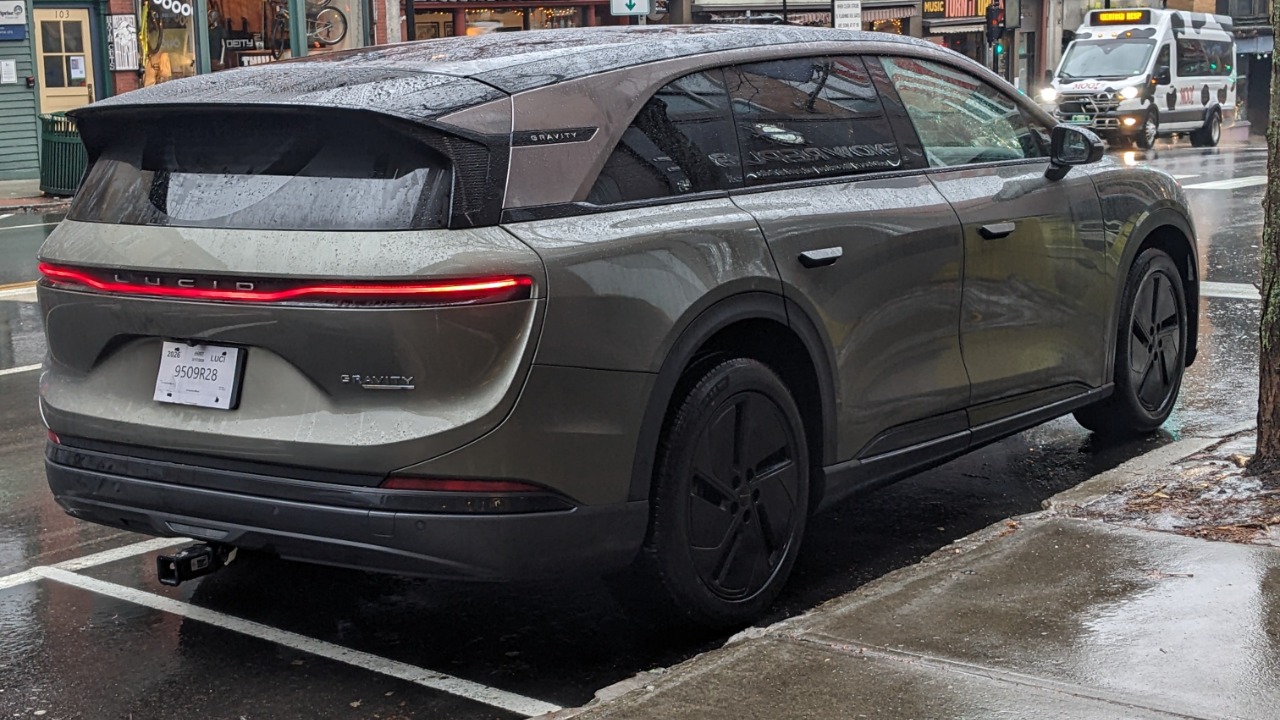
The Lucid Gravity tops the field with a manufacturer-claimed peak of 400 kW, and a charge from 10% to 80% takes 23 minutes, as laid out in an InsideEVs charging ranking. That combination of raw power and a short stop puts the SUV at the head of the list.
A claimed peak is a ceiling reached under ideal conditions, not a guaranteed average. Battery temperature, charger output and starting charge all shape what a driver sees, though the 23-minute figure suggests a long road trip stop can stay brief.
2. BMW iX3: Beating Its Own Claim
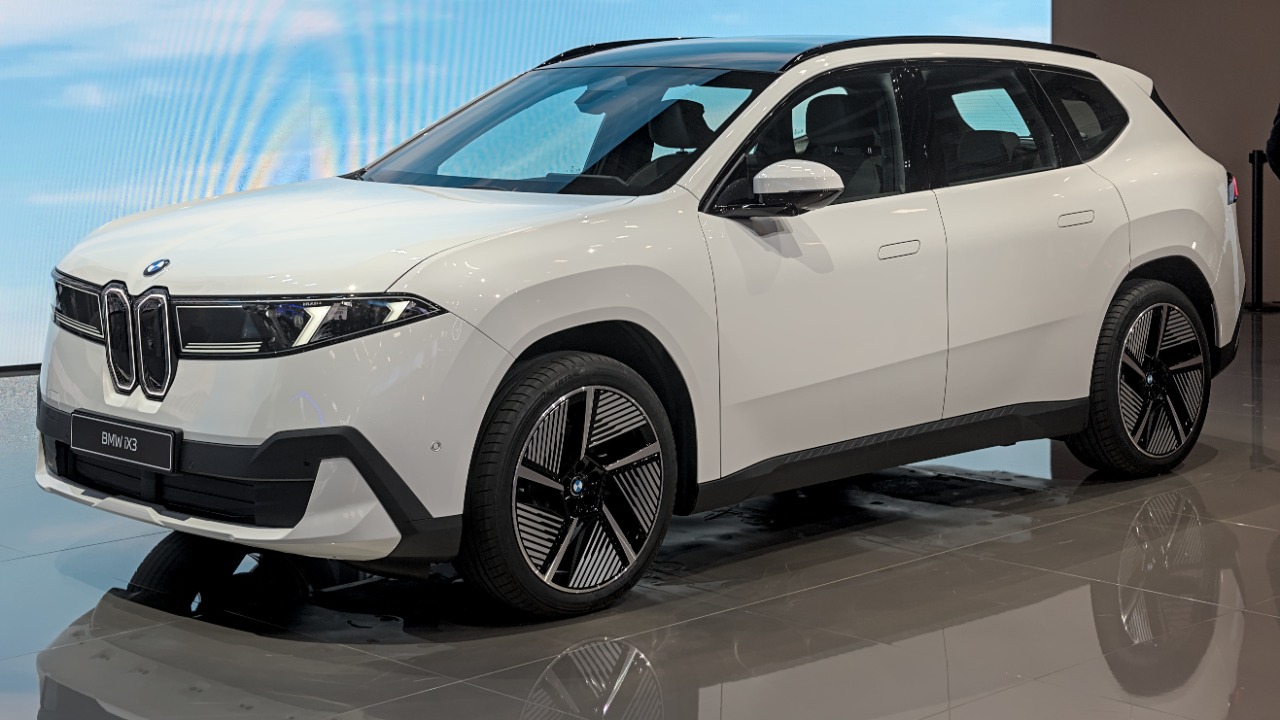
BMW claims 400 kW for the iX3, and testing recorded a peak of 415 kW, slightly above the figure on paper. Charging from 10% to 80% took 21 minutes in the Go-Electra newsroom comparison. Few cars beat a measured result that exceeds its own claim.
Real-world numbers that top the brochure are rare in this category. The result positions the compact SUV alongside much pricier rivals, and it shows how quickly newer battery architectures are closing the gap with the earliest fast chargers.
3. Hyundai Ioniq 9: Big SUV Quick Stop
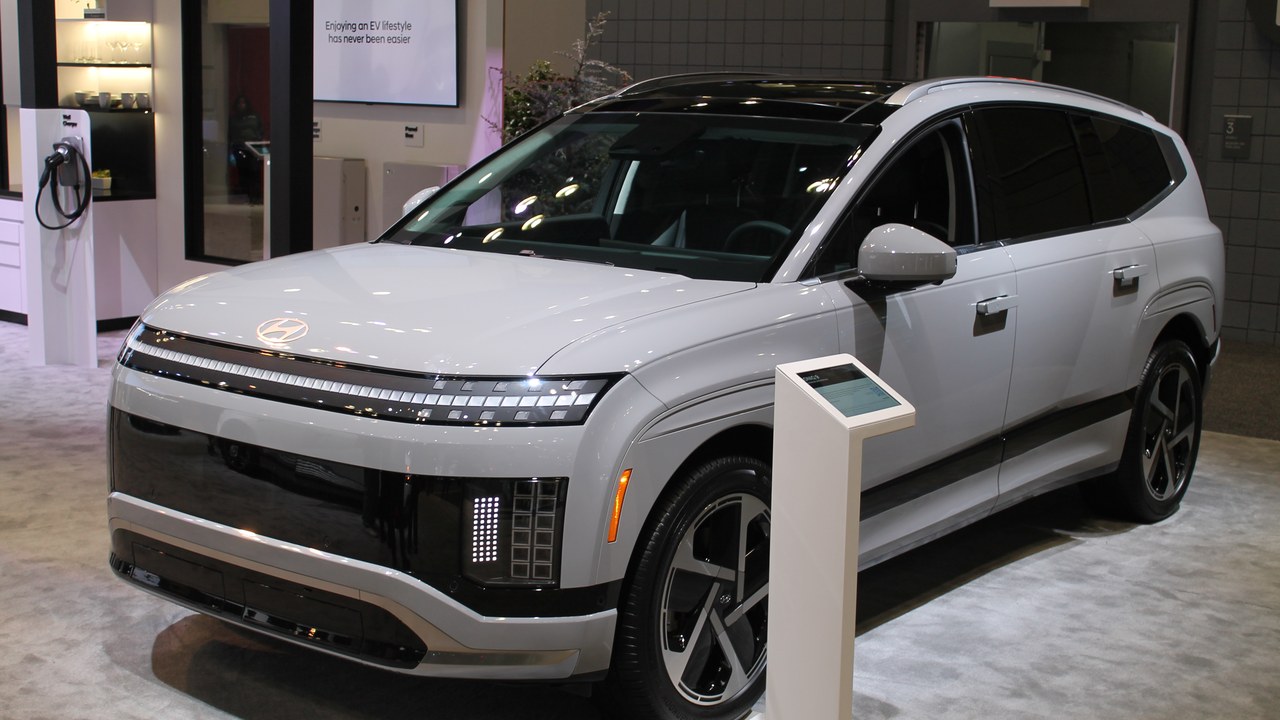
Hyundai’s Ioniq 9 peaks at 250 kW and charges from 10% to 80% in 24 minutes, according to the InsideEVs charging ranking. For a large three-row electric SUV, that is a brisk turnaround that keeps a family road trip moving.
The figure lands below the leaders on peak power yet remains close on total time. A high peak matters less than how long a car holds a strong rate, which is why the 24-minute window keeps the Ioniq 9 well inside this ranking.
4. Porsche Taycan: Measured Sprint To Eighty
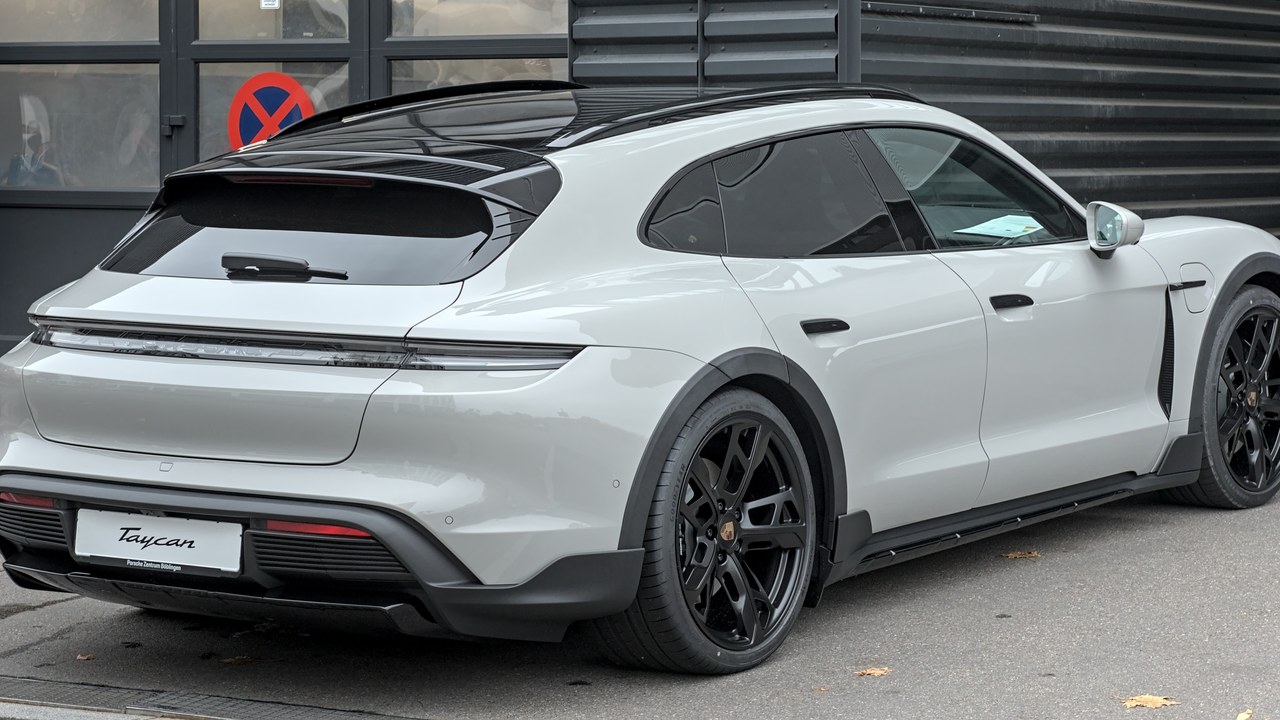
Testing measured the Porsche Taycan at 10% to 80% in 17 minutes, with charging at up to 320 kW. That 17-minute result is the shortest measured stop among the cars in the Go-Electra newsroom comparison.
The Taycan shows that a well-managed charging curve can beat a higher headline peak. Holding a strong rate through most of the session shortens the stop more than a brief spike, which explains the sports sedan’s lasting place near the top.
5. Lucid Air: Luxury Sedan, Steady Pull
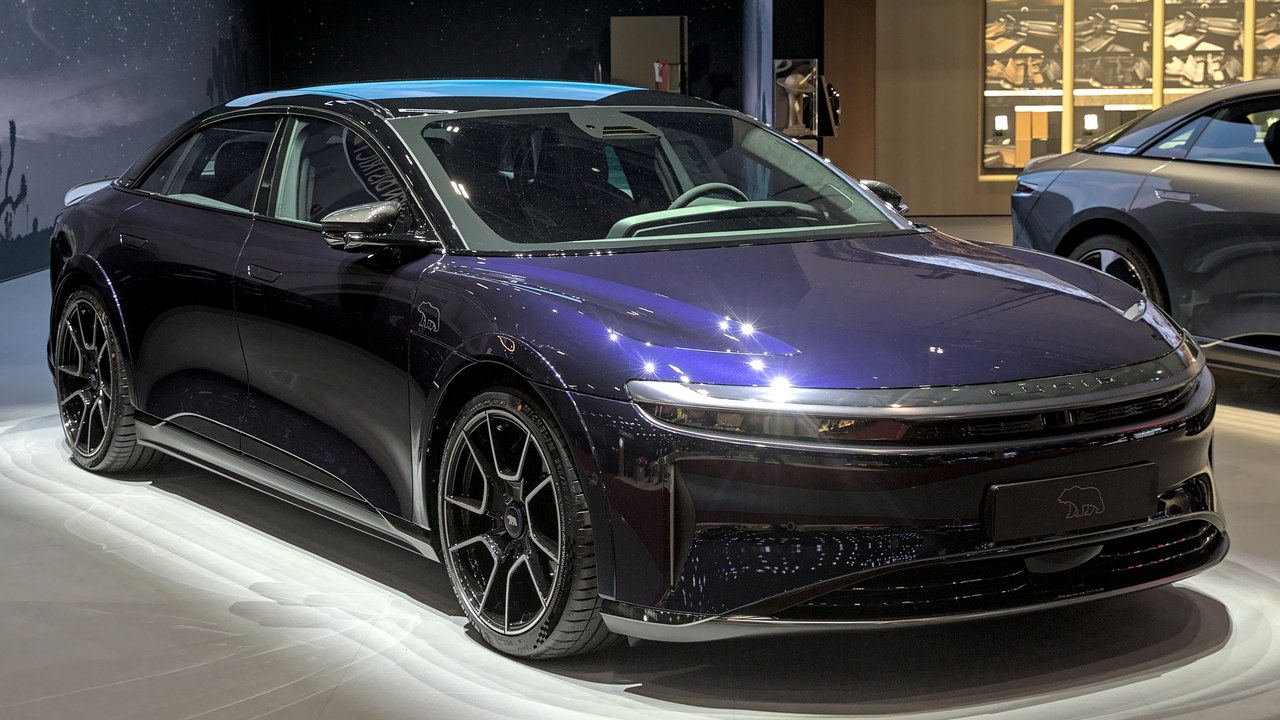
The Lucid Air peaks at 300 kW, and the Grand Touring version measured 10% to 80% in 34 minutes, as detailed in the Go-Electra newsroom comparison. Strong power on paper does not always translate into the shortest stop.
The gap between 300 kW and a 34-minute session shows that peak rate is only part of the story. The Air’s long range reduces how often a driver needs to plug in at all, which offsets a slower trip through the charge curve.
6. Tesla Model Y: Miles Added In Minutes
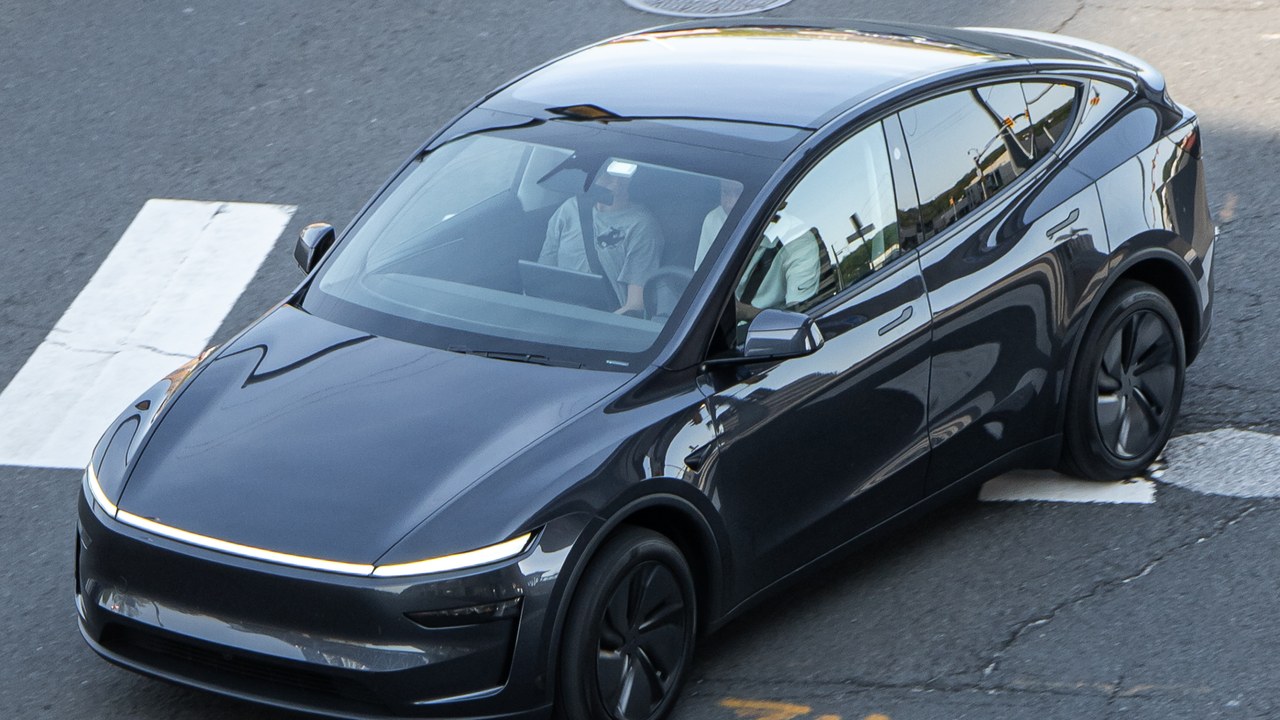
Tesla’s Model Y peaks at 250 kW and adds 162 miles in 15 minutes, a pace listed in the InsideEVs charging ranking. Expressing the result in miles rather than percentages makes the benefit easy to picture at a roadside stop.
The miles-added view favors efficient cars, since a vehicle that uses less energy per mile gains more distance from each kilowatt-hour. That efficiency, paired with a dense charger network, keeps the Model Y among the most practical choices for travel.
7. Mercedes-Benz CLA: Compact Sedan, Big Charge
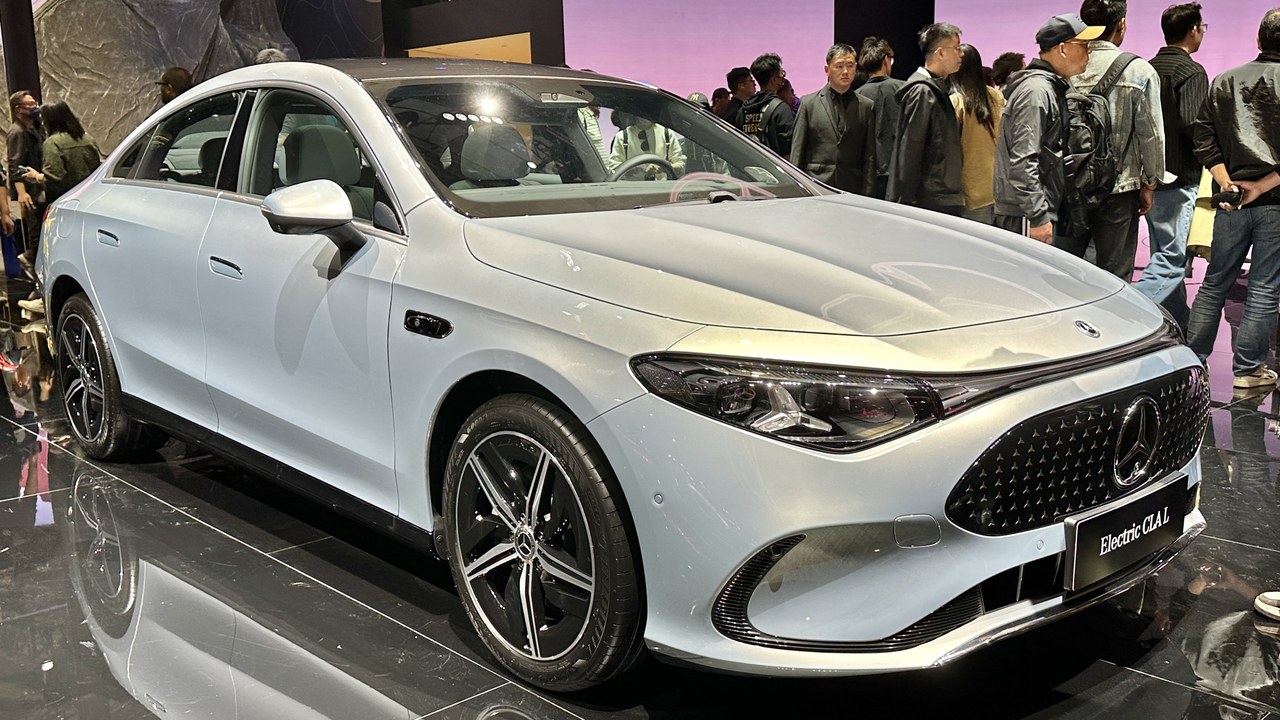
The Mercedes-Benz CLA measured 10% to 80% in 21 minutes, a result recorded in the Go-Electra newsroom comparison. A compact four-door that matches the quickest stops of far larger machines signals how much the new platform has improved.
The result brings a compact, entry-level body into territory usually held by larger and costlier cars. A 21-minute stop makes a long-distance drive realistic for buyers who might once have viewed such a car as a city runabout.
8. Kia EV9: Three Rows, Twenty Minutes
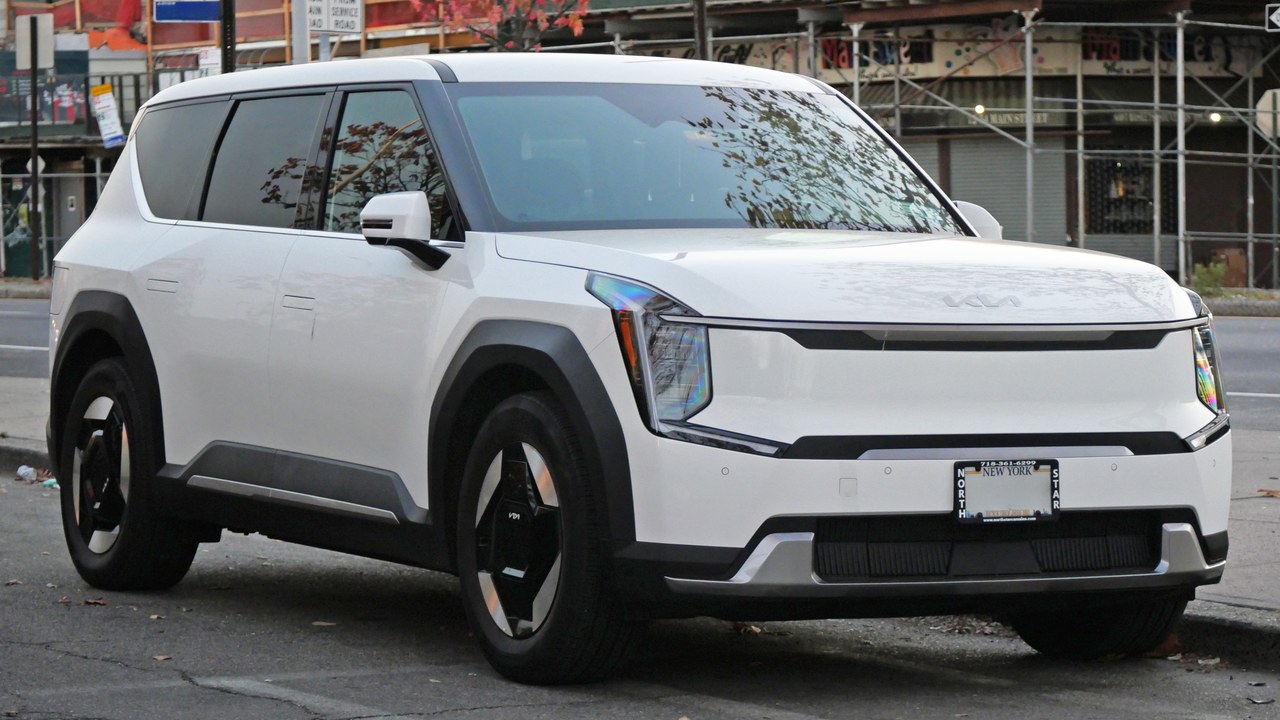
Kia’s EV9 peaks at 235 kW and charges from 10% to 80% in 20 minutes, according to the InsideEVs charging ranking. Few three-row SUVs complete that charge window so quickly, and the figure edges out its Hyundai cousin.
The EV9 shares battery and charging hardware with other cars from the same group, and the result reflects that engineering. For families who carry passengers and cargo, a 20-minute stop is close to the length of a typical break.
9. Hyundai Ioniq 6: Edmunds Test Winner
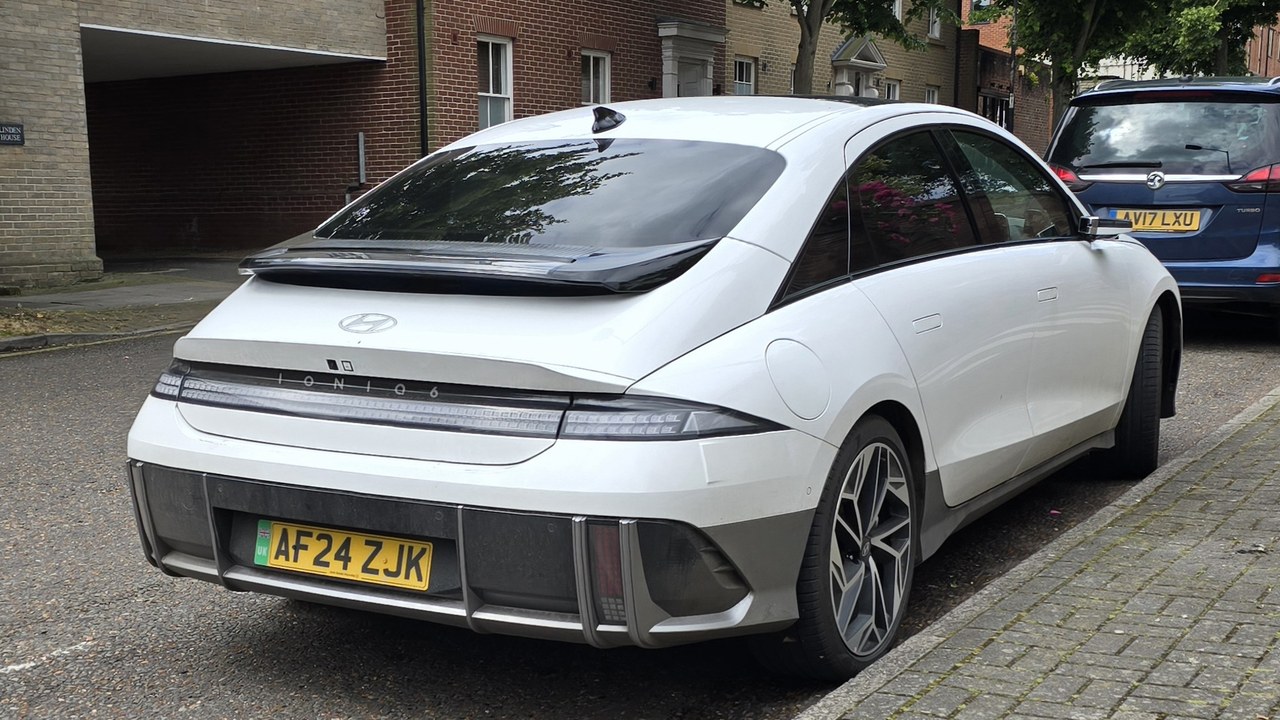
In the Edmunds test, the Hyundai Ioniq 6 was fastest at 868 miles per charging hour, adding 100 miles in 6:54, as summarized by Electrek’s charging coverage. The tested car was a 2024 Ioniq 6 Limited RWD.
Miles per charging hour rewards efficiency as well as power, and the streamlined sedan benefits from both. The result held up against rivals with higher peak ratings, showing that a smooth charging curve and low consumption can matter more than a headline number.
10. Kia EV6: Close Behind Its Cousin

The Kia EV6 managed 769 miles per charging hour in the same test, adding 100 miles in 7:48, based on Electrek’s charging coverage. That places the crossover just behind its Hyundai relative in the ranking.
The two cars share a platform, so similar charging behavior is expected. The gap of roughly one minute in time to add 100 miles shows how small design and efficiency choices can separate closely related models, even when the underlying hardware is the same.
11. Hyundai Ioniq 5: The Pioneer Of The Platform
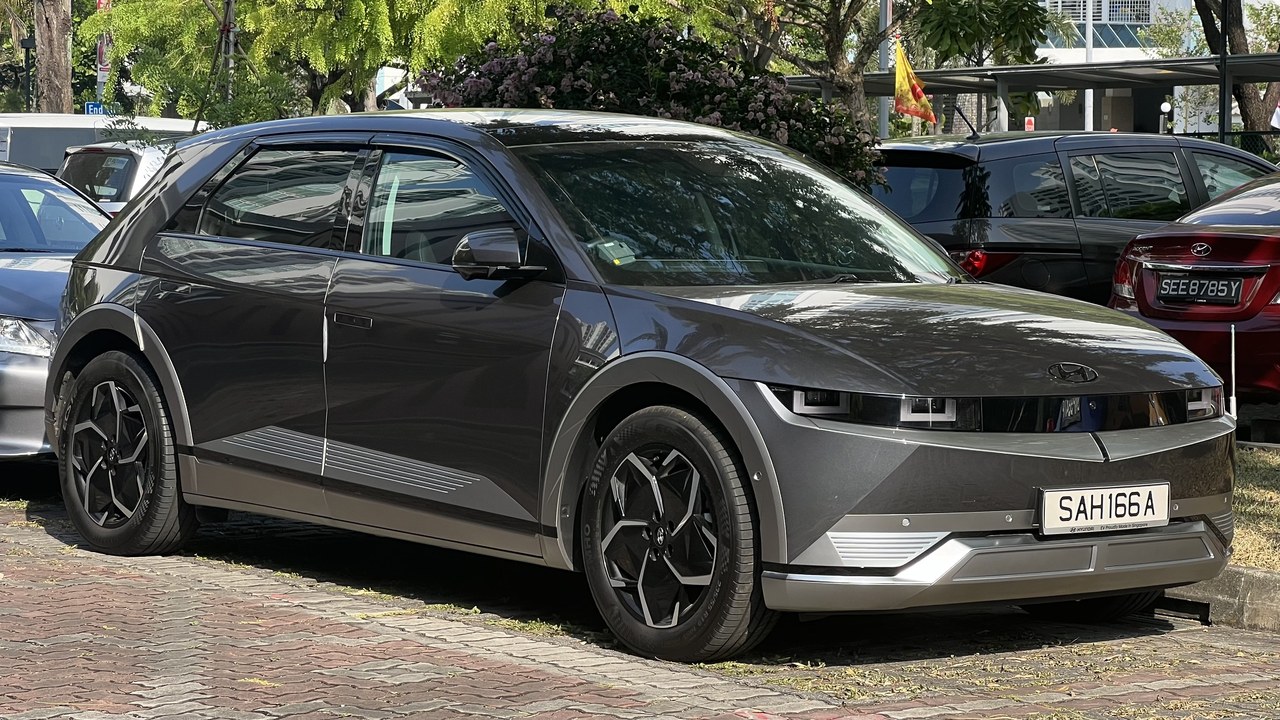
The Hyundai Ioniq 5 recorded 673 miles per charging hour, adding 100 miles in 8:54, a result reported by Electrek’s charging report. It trails the Ioniq 6 and EV6, yet it remains well within the quick group.
The boxy crossover helped introduce the platform now used across several models. Slightly lower efficiency than its sleeker siblings explains the slower time, and it still posts a strong figure for a vehicle that arrived years before many rivals.
12. Mercedes-Benz EQS: Flagship Takes Its Time
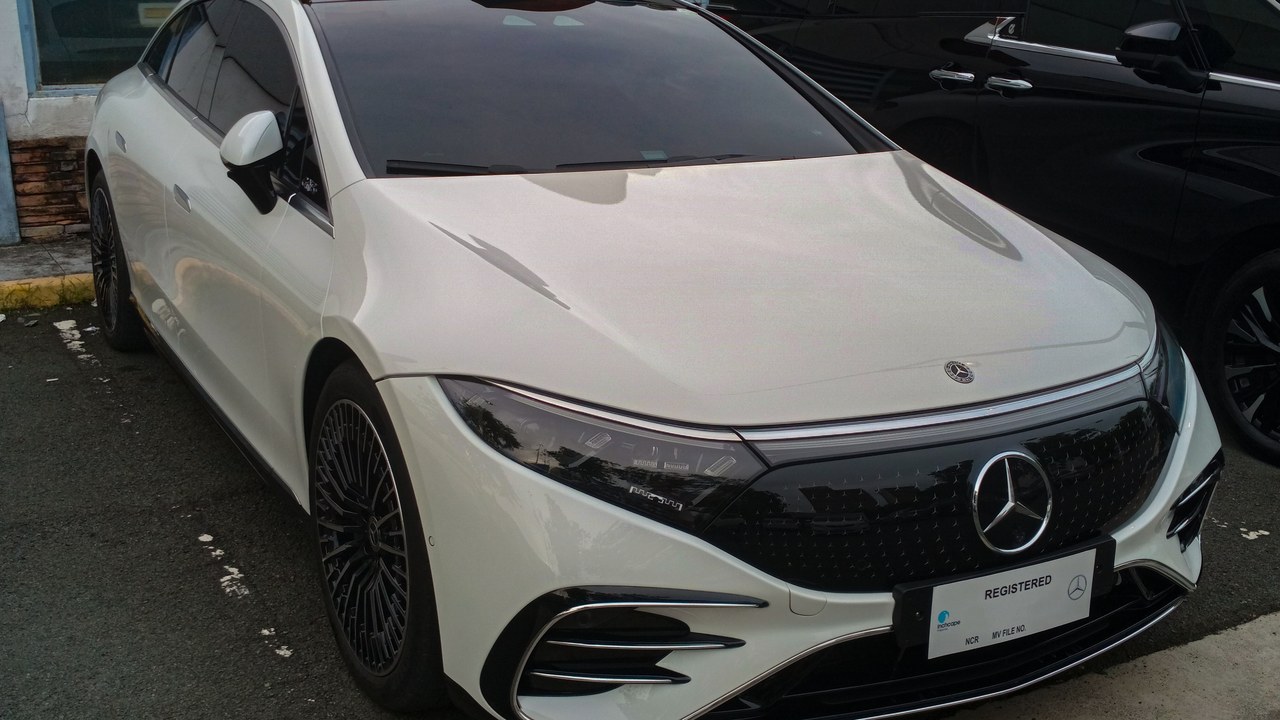
The Mercedes-Benz EQS 450+ managed 593 miles per charging hour, adding 100 miles in 10:06, according to Electrek’s charging results. It closes out the list, yet a luxury flagship still lands within reach of far more compact rivals.
A large, heavy sedan uses more energy per mile, which trims the miles added each hour. The EQS makes up some of that deficit through its large battery and long range, so fewer stops are needed overall even if each one runs longer.
Help yourself and the planet: Get The Cool Down →
We may earn a commission if you sign up.
More from Morning Overview
- Hurricane Hunter radar shows four warning signs that a tropical cyclone is about to strengthen, a University of Miami study found
- Tropical Storm Rachel is dumping up to 12 inches on four Mexican states on its way to major hurricane strength
- The FTC says Lens.com doubled the price shoppers saw in Google ads
- Common allergy, bladder and sleep pills tied to sharply higher dementia odds
