
American police work has always depended on a small group of rugged sedans and utilities. This collection looks at the cars, trucks and SUVs that filled highway patrol fleets across several decades. Test times, sales figures and fleet orders reveal how each of the twelve earned its place.
The tech news worth your time: 400,000+ professionals from Google, Apple and OpenAI read Techpresso, a daily email with the most interesting tech news and insights.
We may earn a commission if you sign up.
1. Ford Crown Victoria Police Interceptor: The Default Cruiser

By May 2003 the Ford Crown Victoria Police Interceptor made up about 85% of the police cars in use across the United States, a share that earned it a place in the record of a dominant fleet car of American patrol work.
Assembly ran from 1992 to 2011, nearly two decades of near-universal presence in departments large and small. That figure measures cars in service in one month, not sales, and not the present day, but it explains why the body style still defines the popular image of a police car.
2. Chevrolet Caprice 9C1: Detuned Big V8
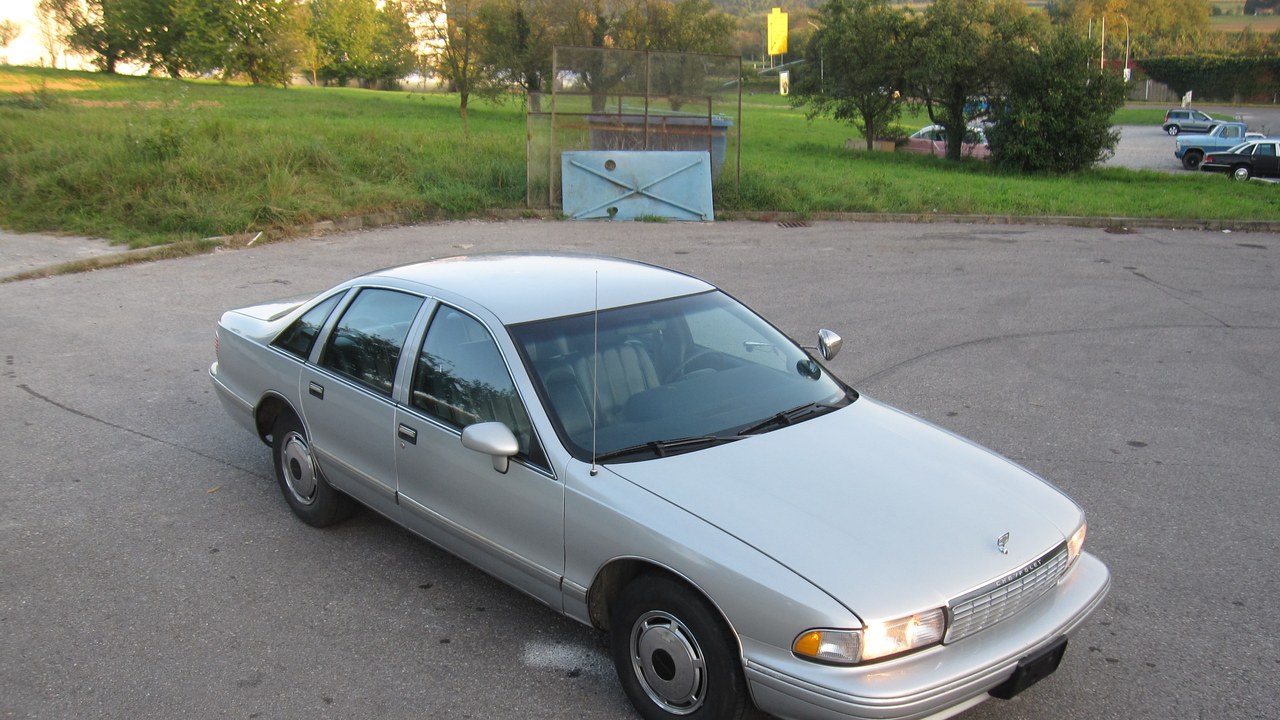
The Caprice 9C1 offered a detuned 260-horsepower LT1 V8 as a popular option from 1994 to 1996, a performance-tuned police engine that kept the big rear-drive sedan competitive in squad-car duty.
General Motors ended fourth-generation production in 1996, closing the era of full-size Chevrolet patrol sedans. Departments that relied on the model then had to look to other makers, and the Ford sedan that was already widespread in fleets absorbed much of that demand. Few other products matched its blend of room, power and durability.
3. Dodge Charger Pursuit: Hemi Comes Back
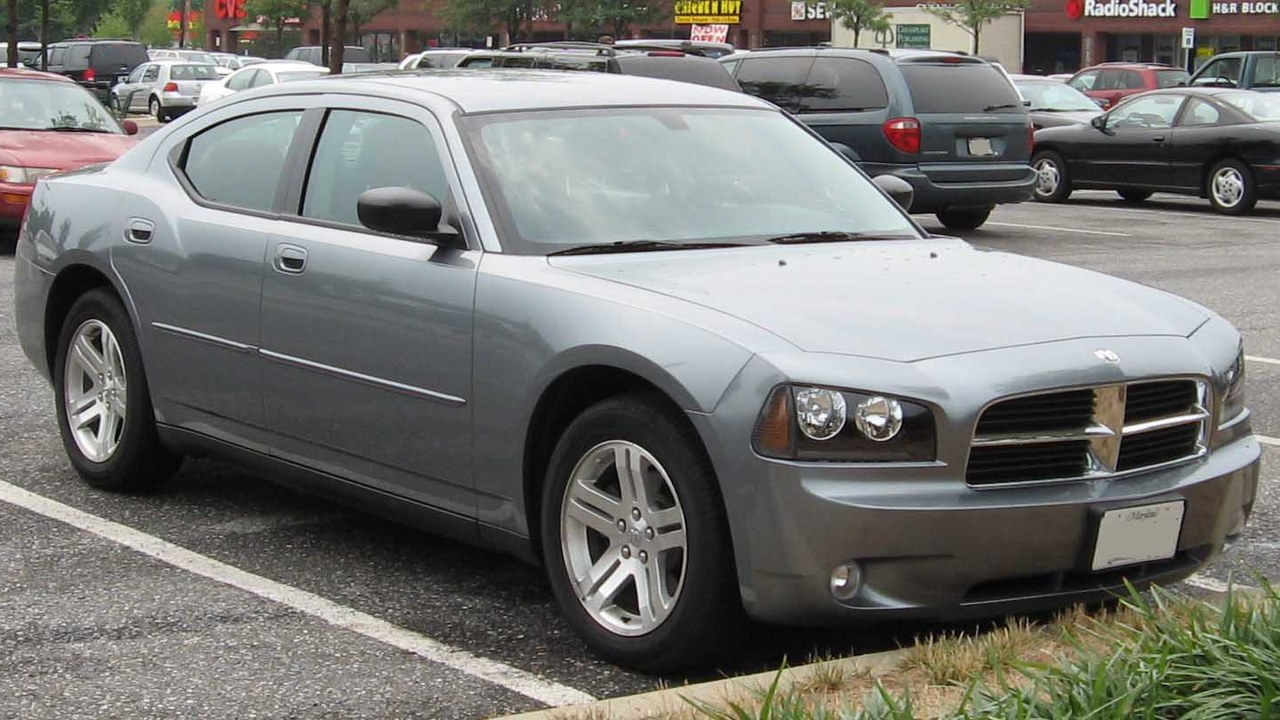
Launched for 2006, the Dodge Charger Pursuit paired a 370-horsepower 5.7-litre HEMI with a 0-60 mph time of 6.0 seconds and a top speed of 152 mph.
Production continued until 2024, giving the rear-drive sedan a long run as the main alternative to Ford patrol cars. Those performance numbers matter most for highway work, where closing speed decides how quickly an officer can reach a violator or a crash scene. The model brought a muscular image back to a segment dominated by plain sedans.
4. Chevrolet Tahoe PPV: SUV On Patrol
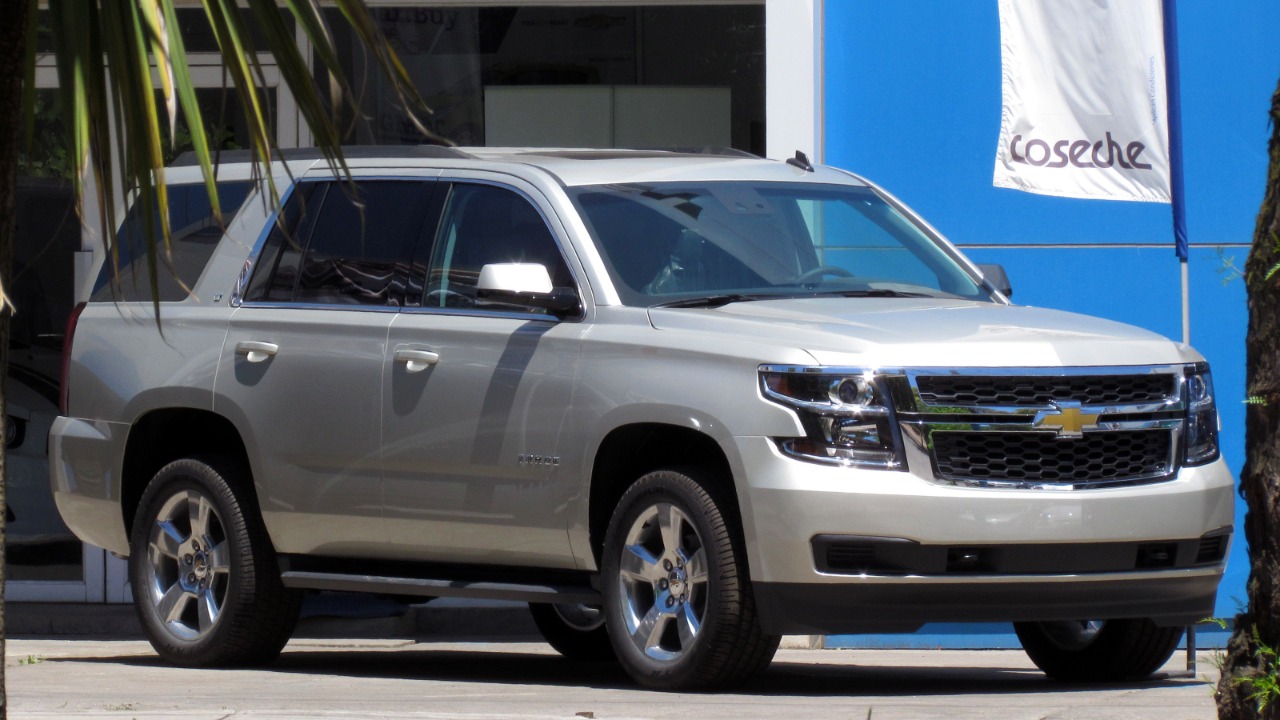
In Michigan State Police 2026-model-year testing, the rear-drive 5.3-litre Tahoe averaged 7.39 seconds to 60 mph and reached a top speed of 130 mph.
Those figures trail the quickest sedans and utilities, yet the Tahoe carries more gear and more people, which is why many agencies accept the slower times. The test is run on identical tracks for every entrant, so the numbers allow a fair comparison between models. Its inclusion shows how heavily agencies now lean on truck-based vehicles.
5. Plymouth Gran Fury: Slow By Today
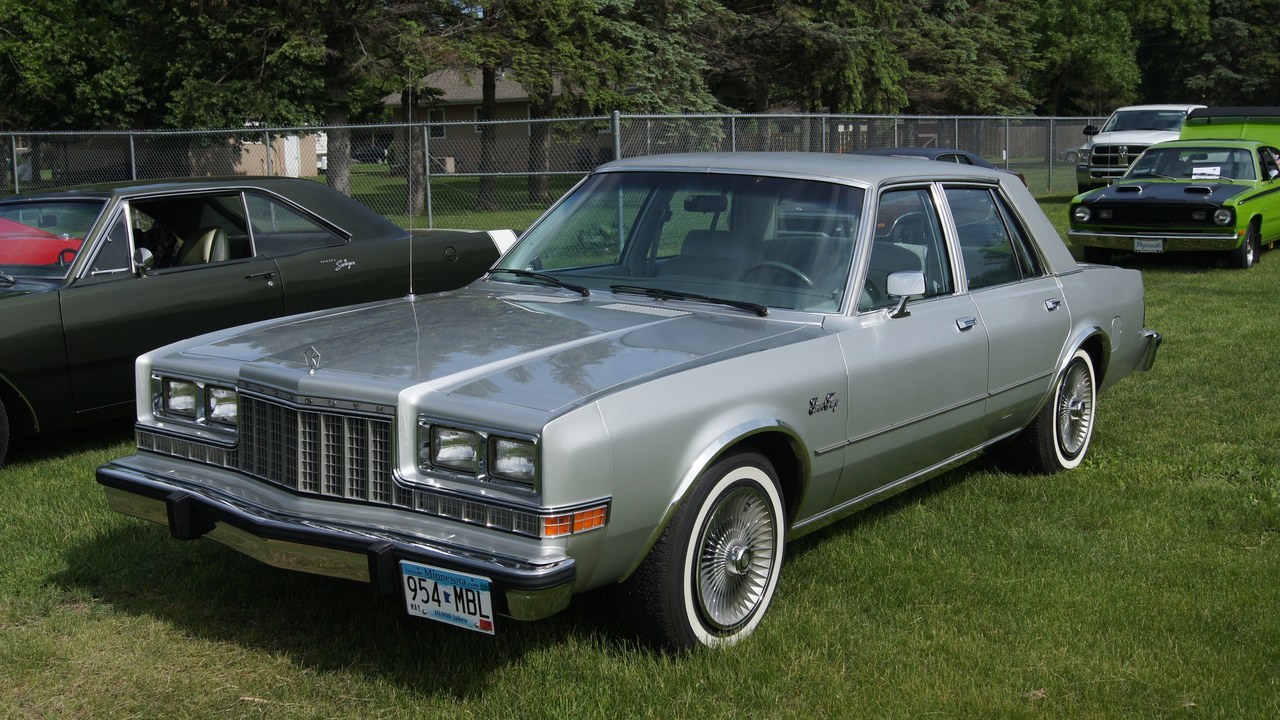
The 1984 Plymouth Gran Fury with the four-barrel 318 ran 0-60 mph in 10.9 seconds and needed 40 seconds to reach 100 mph, according to Michigan State Police tests.
A modern family crossover would beat that pace without effort, so the figures show how far patrol performance has moved. In its day the car was still one of the quicker choices among a limited field of American rear-drive sedans sold to departments. Highway officers of the period had to rely on tactics as much as raw speed.
6. Ford Taurus Police Interceptor: Front-Drive Sedan
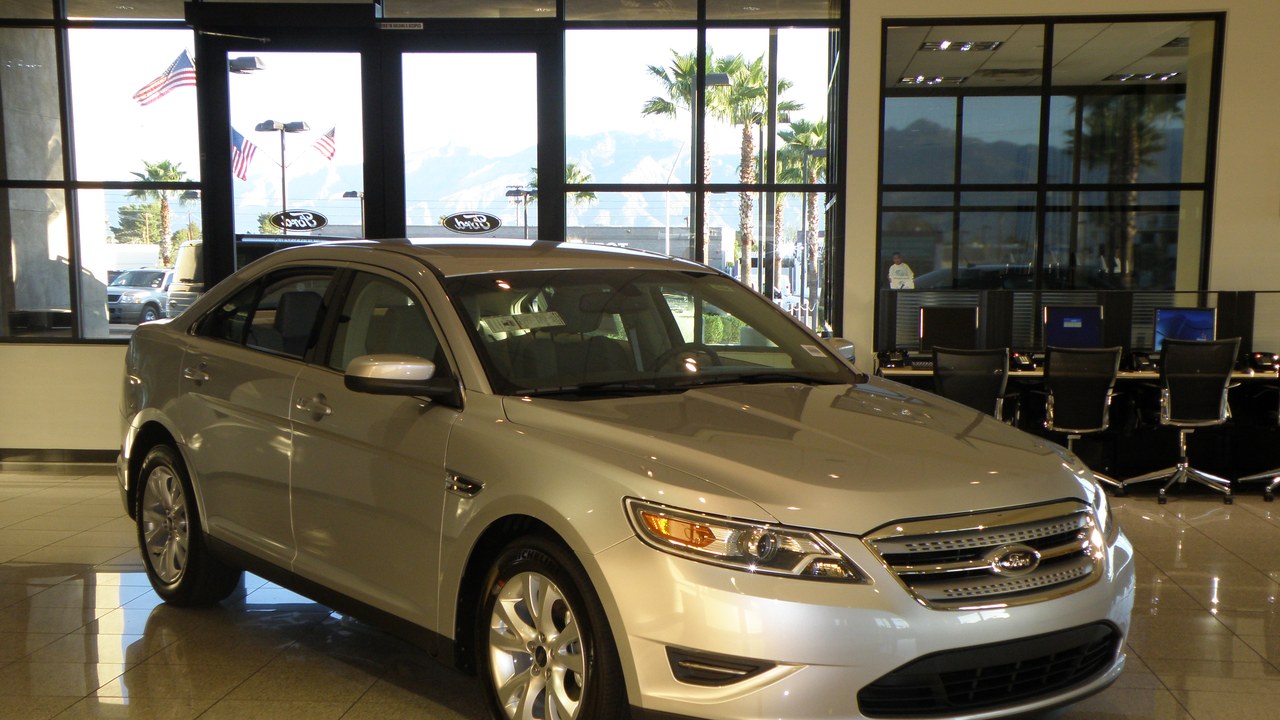
The Taurus-based Police Interceptor sedan sold 10,897 units in 2013, according to sales figures from a trade publication covering government vehicles.
It replaced the long-serving rear-drive Ford sedan with a unibody front-drive design, a change that signalled the end of the traditional body-on-frame cruiser. The same article notes that the Ford utility model was rising quickly to the top of the patrol-car market. Fleet managers weighed fuel economy and purchase price against tradition when making the switch.
7. Dodge Diplomat: Mopar M-Body
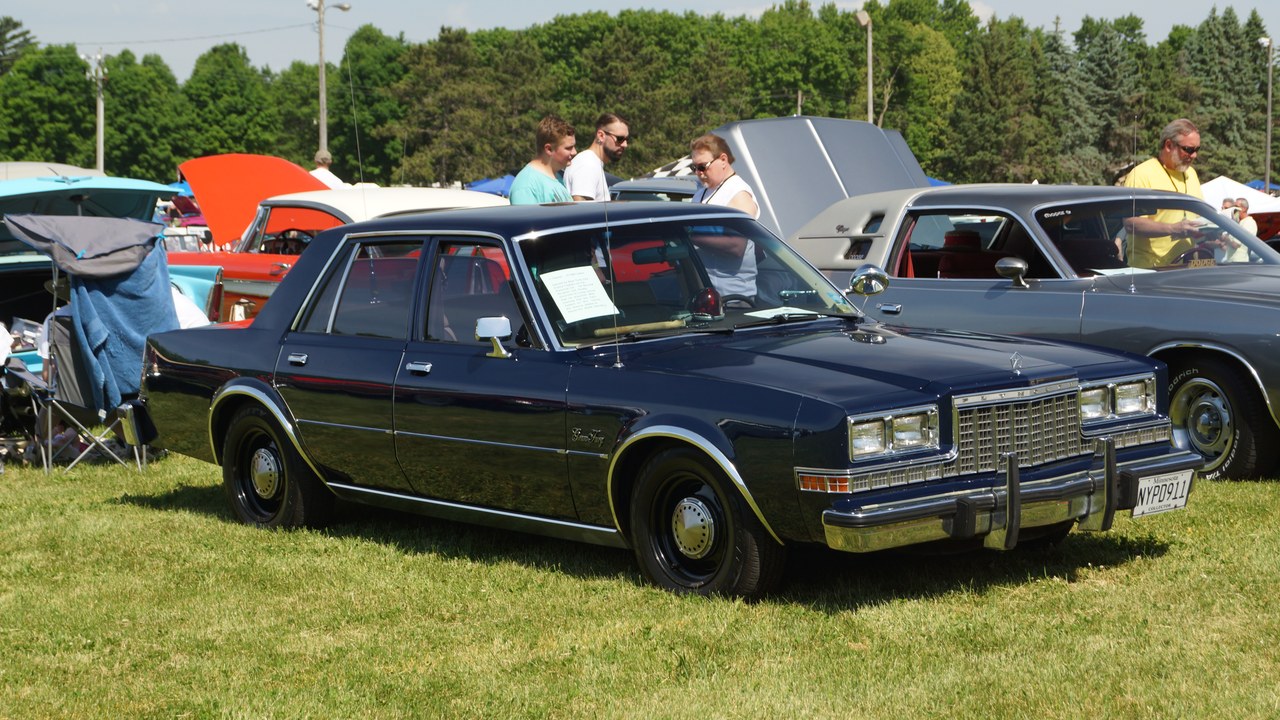
The Dodge Diplomat gained a police package in 1981, and the 1984 version with the two-barrel 318 needed 13.1 seconds to reach 60 mph in state police testing.
That was slower than the four-barrel Plymouth sibling tested in the same period. The last model year was 1989, after which the mid-size Chrysler platform left patrol work and departments moved toward larger sedans from other manufacturers. Agencies of the era often chose such cars on price and parts supply rather than outright pace.
8. AMC Matador: LAPD Surprise
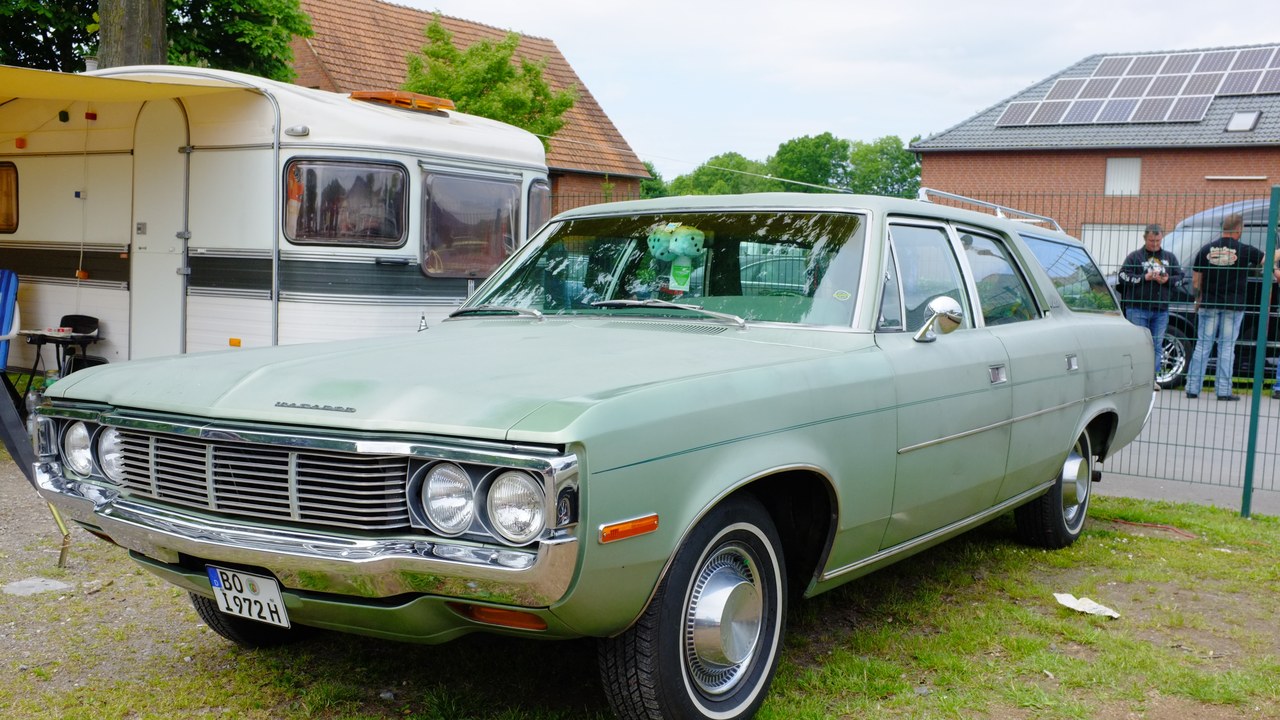
The Los Angeles Police Department bought 534 Matadors in 1972, saying the car out-handled and outperformed every rival, a claim recorded in the Matador article on Wikipedia.
The purchase covered one agency in one year, so it should not be read as a national trend. It remains a notable case of a small independent manufacturer winning a large municipal order against Detroit competition. Such a verdict from a major department carried real weight with other buyers watching.
9. Chevrolet Impala 9C1: Test Track Entry
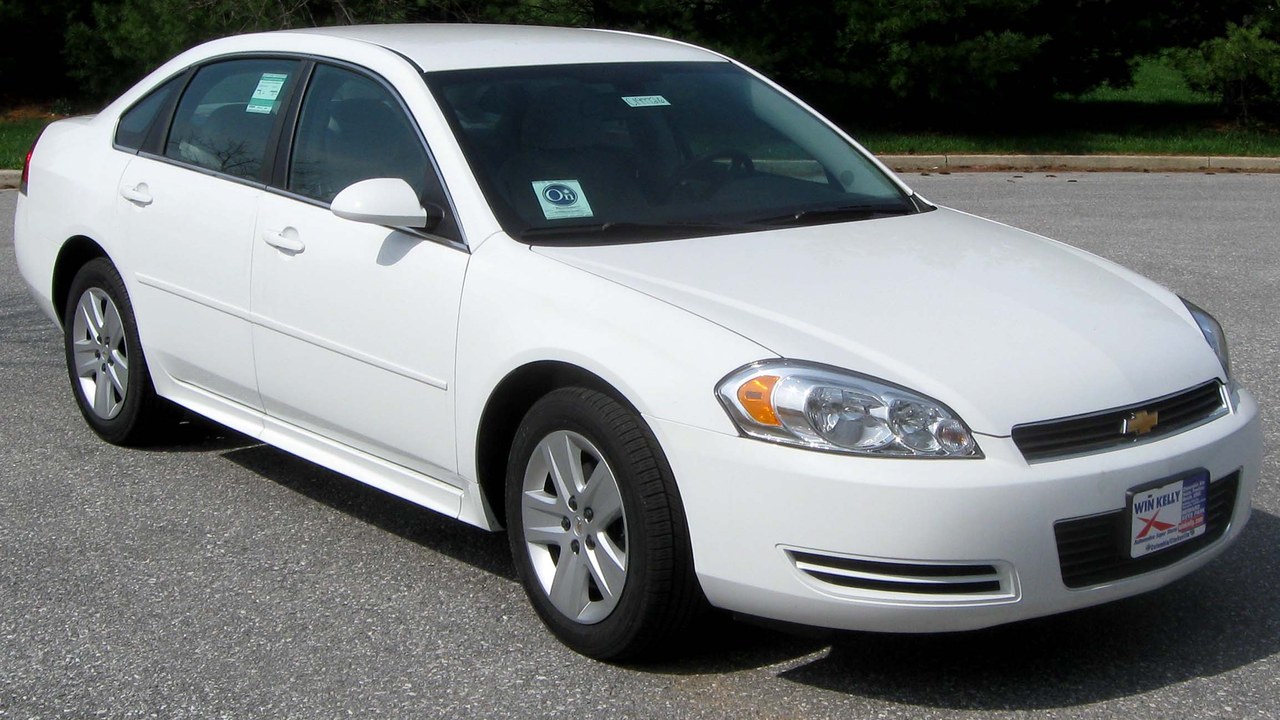
The Chevrolet Impala 9C1 appeared in the Michigan State Police 2004 patrol vehicle evaluation, listed in the police category alongside the Dodge Intrepid and the Ford Police Interceptor, according to an Office of Justice Programs record.
The record is sponsored by the National Institute of Justice, which makes it a primary source. Only the police category is covered, so the listing says nothing about how the same cars ranked in the separate special-service category. The evaluation remains a useful snapshot of what American agencies could choose that year.
10. Chevrolet Nova 9C1: Compact Cruiser
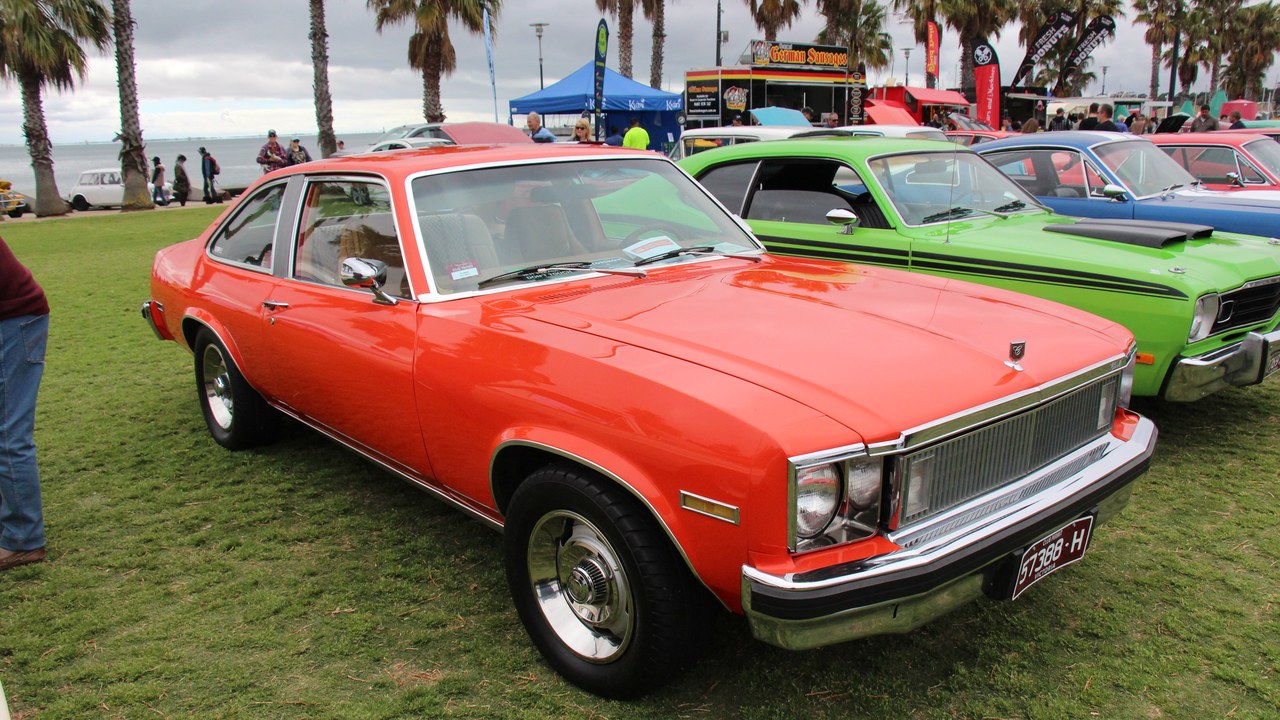
Chevrolet offered the Nova 9C1 police package to agencies from 1975 to 1979, a compact-car option documented on the Wikipedia page of 9C1 history.
Smaller than a full-size sedan, the Nova suited urban departments that wanted something cheaper and more agile for city streets. The short window of availability explains why it is remembered far less often than the Caprice and the Impala. Compact patrol cars have always been a niche, but a persistent one.
11. Ford Police Interceptor Utility: Fastest In Class
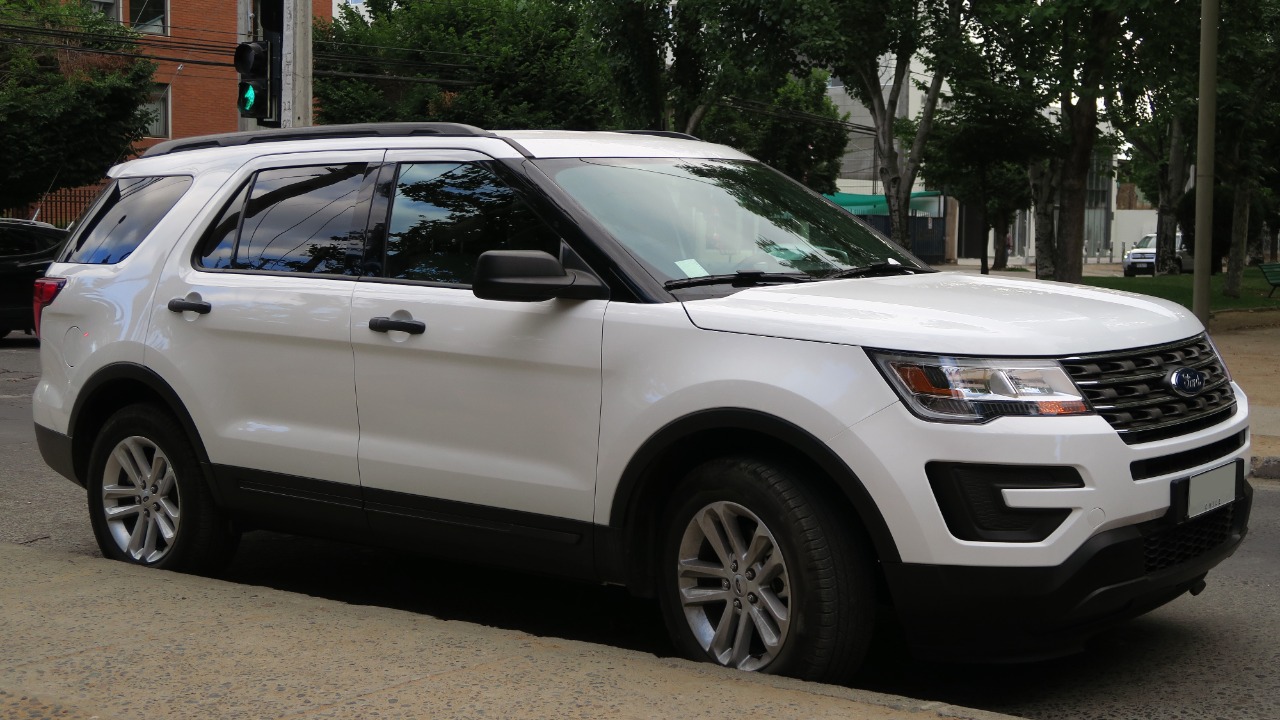
Ford’s 3.0-litre EcoBoost all-wheel-drive Police Interceptor Utility averaged 5.95 seconds to 60 mph and 148 mph in Michigan State Police 2026-model-year testing.
That result applies only to the EcoBoost version, since other powertrains in the lineup are slower. A figure like this helps explain why utilities have overtaken sedans in many fleets, offering sedan-like acceleration with added cargo room. Michigan State Police results are widely read by purchasing officers when fleets are renewed.
12. Dodge Monaco: Big Block Fleet Car
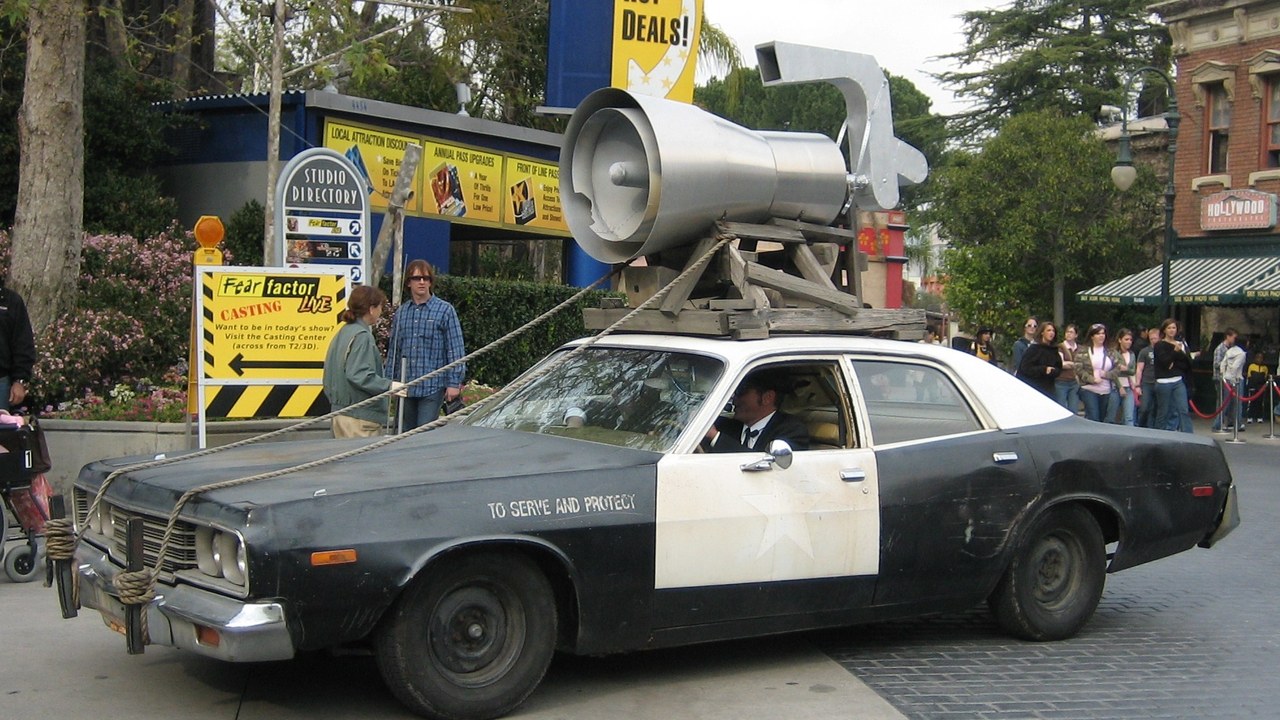
The 1969 Dodge Monaco could be ordered with the 375-horsepower 440 Magnum V8, and the St. Regis that succeeded it was sold mainly to law-enforcement fleets, as the Dodge Monaco entry notes.
The combination of a big engine and a body built for hard use gave the model a lasting reputation in police service. Fleet sales rather than showroom buyers kept the nameplate relevant through its later years. Collectors and film fans have kept the shape familiar long after patrol use ended.
The tech news worth your time: Subscribe to Techpresso →
We may earn a commission if you sign up.
More from Morning Overview
- Common allergy, bladder and sleep pills tied to sharply higher dementia odds
- NOAA now gives this winter a 75% chance of the strongest El Nino since 1950
- Doctors warn a silent liver disease now affects one in three American adults
- The FBI told the rest of ShinyHunters to surrender after a 24-year-old was arrested
