
Cold-climate animals have found strikingly different ways to get through winter, from freezing solid to wearing layers of specialized fur. Some let ice form in their bodies and recover, while others slow their metabolism or insulate against wind and water. Here are ten that show how varied the answers can be.
Save more, waste less: The Cool Down’s newsletter sends smart, simple changes that help you and the planet in your everyday life.
We may earn a commission if you sign up.
1. Wood frog: Freezes Solid and Lives
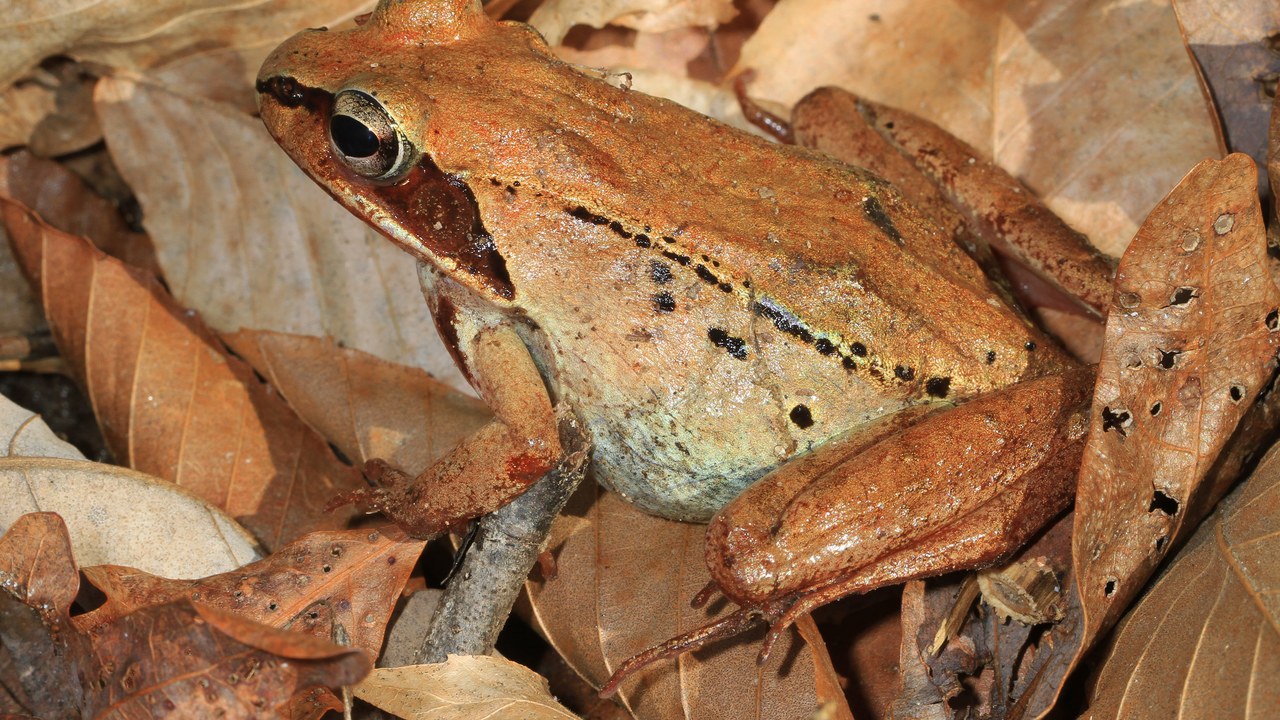
Wood frogs in Alaska endure temperatures down to minus 5°F, according to National Geographic’s coverage of freeze tolerance. Ice spreads through the body until even the heart and brain are frozen, and the animal then thaws out in spring and resumes normal life. The frog stops breathing and its heartbeat halts during the freeze, which makes it one of the most extreme cases of cold tolerance among vertebrates.
For researchers, the species is a model for how living tissue can be protected from ice damage. The practical lesson is that surviving deep cold does not always mean avoiding freezing; some animals simply let it happen and recover.
2. Arctic ground squirrel: Belly Below Freezing
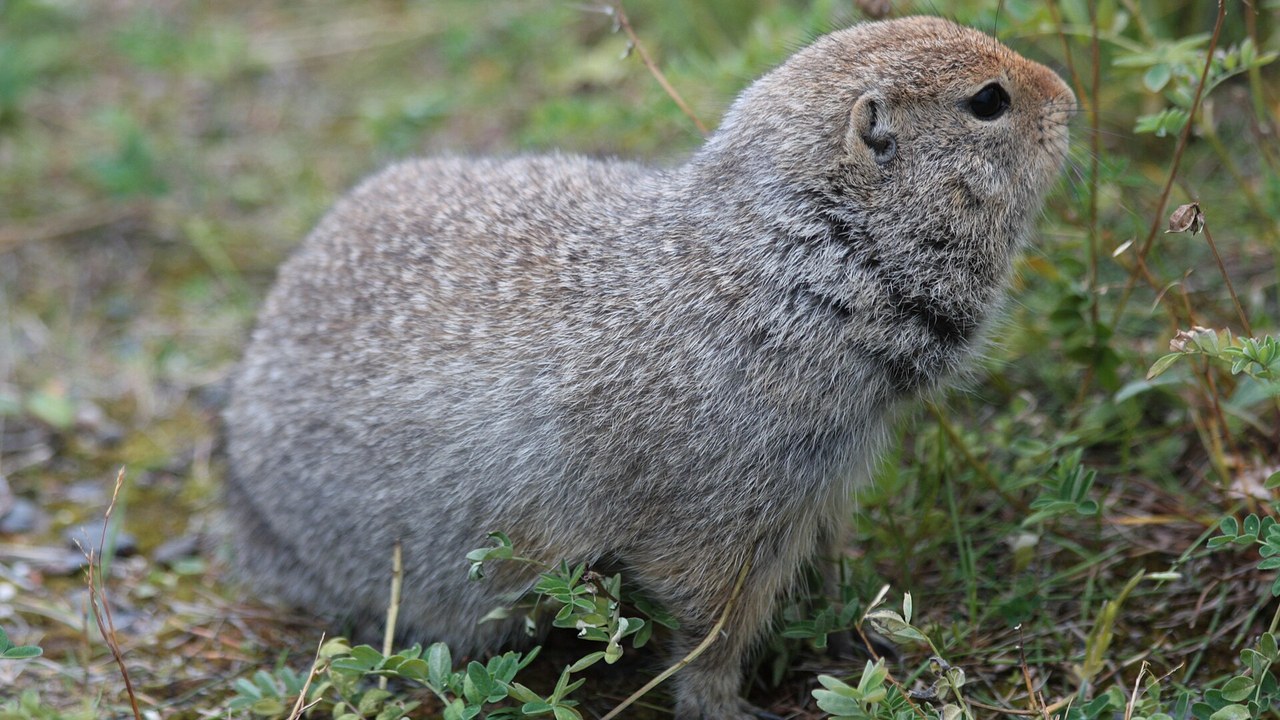
The Arctic ground squirrel can let its abdominal temperature fall as low as 26.8°F, which is below the freezing point of water, and the state can last more than three weeks, as this overview of hibernation describes. The head stays at 32°F or above, so the brain avoids the deepest chill while the rest of the body idles through the Arctic winter.
The pattern shows that hibernation is not a single steady sleep but a managed process. Keeping the head warmer than the belly lets the animal save energy without risking the organs that matter most.
3. Painted turtle: Winter Under the Mud
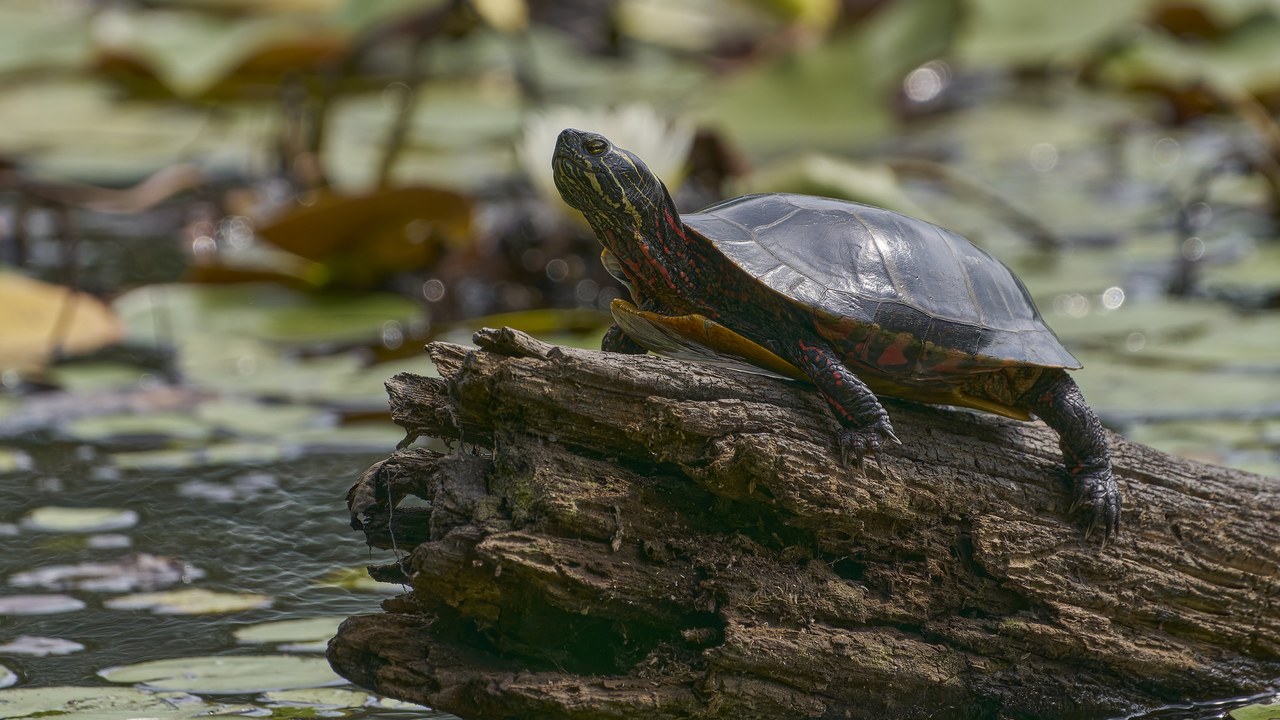
Adult painted turtles sit out winter in pond mud for up to four months without breathing, a feat detailed by National Geographic’s reporting. Hatchlings take a different route, since they can freeze and still survive. Both strategies let a small reptile persist in northern ponds where the surface locks up under ice for much of the season.
Reptiles depend on outside heat, so winter is a hard test for them. The turtle answer is to slow metabolism almost to a halt rather than try to stay warm, a trade that works only because the animal asks so little of its body for months.
4. Spring peeper: Tiny Frog, Big Chill
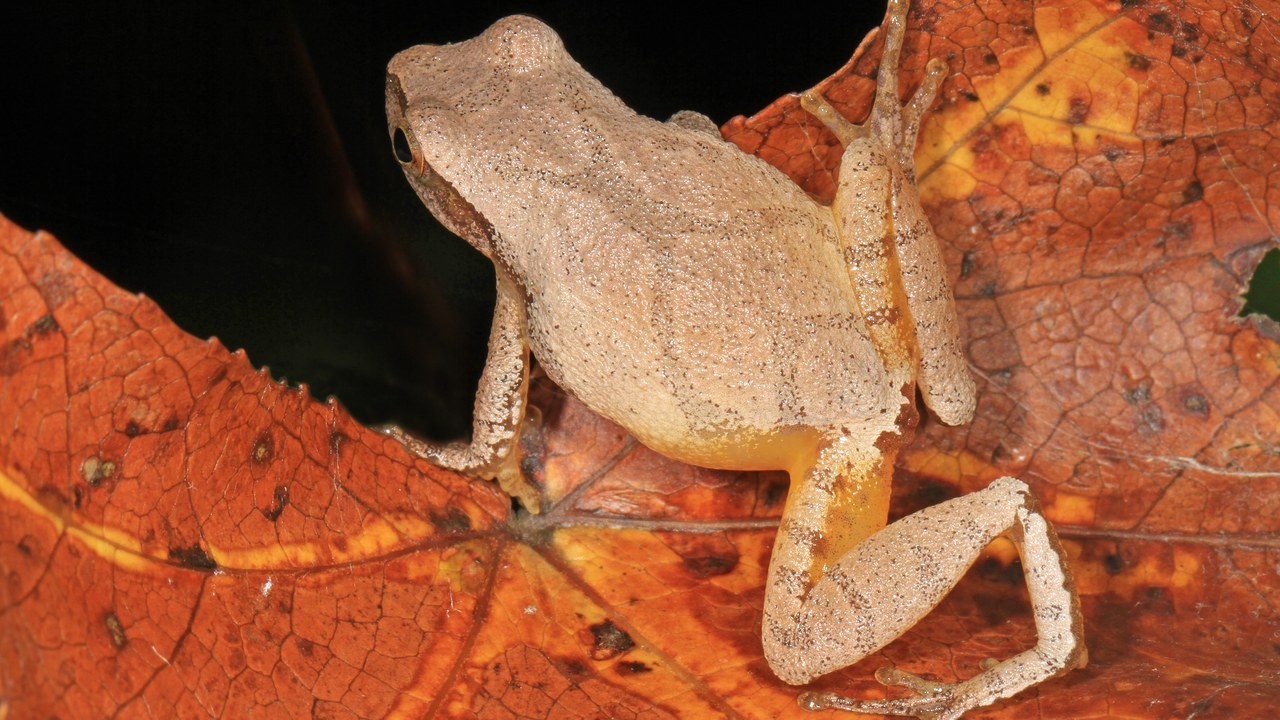
The spring peeper is a small frog that survives freezing using the same ice-tolerance tricks as the wood frog, according to National Geographic’s explainer. Its name comes from the high peeping call that males give in early spring, often among the first frog sounds of the year in the woods and wetlands of eastern North America.
The point for naturalists is that freeze tolerance is not a one-off oddity. More than one frog species has evolved it, which helps explain why these amphibians are among the first to call when the thaw arrives. A cold snap after the calling starts is a risk they are built to handle.
5. Goldenrod gall fly: Larvae Locked in Galls
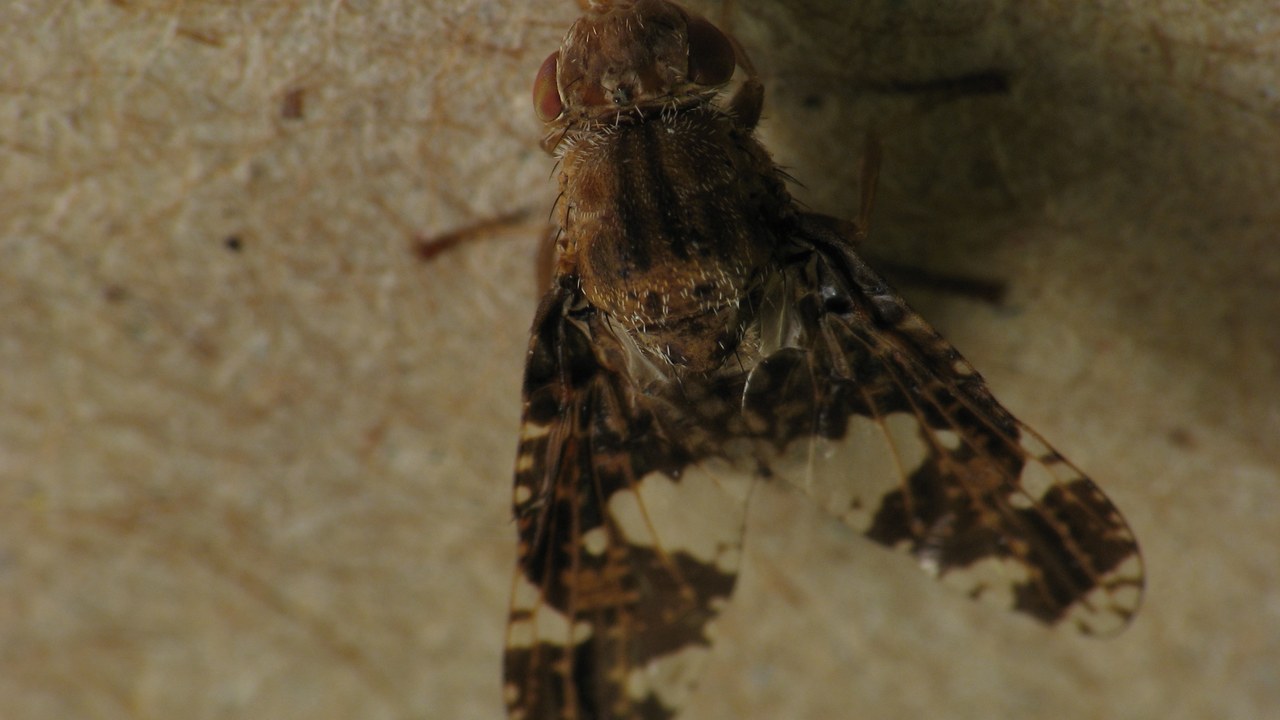
Larvae of the goldenrod gall fly spend winter inside goldenrod galls, the round swellings that form on the plant stems. In subzero weather the larvae freeze solid, then thaw when it warms, sometimes within 24 hours, as National Geographic’s account reports. The insect is a small fly, yet its young tolerate conditions that would kill most other insects outright.
Anyone who spots a gall on a dormant goldenrod stalk is looking at a living, frozen larva in winter. The gall serves as both food and shelter, and the freezing ability handles the rest.
6. Muskox: Wool Beneath the Wind
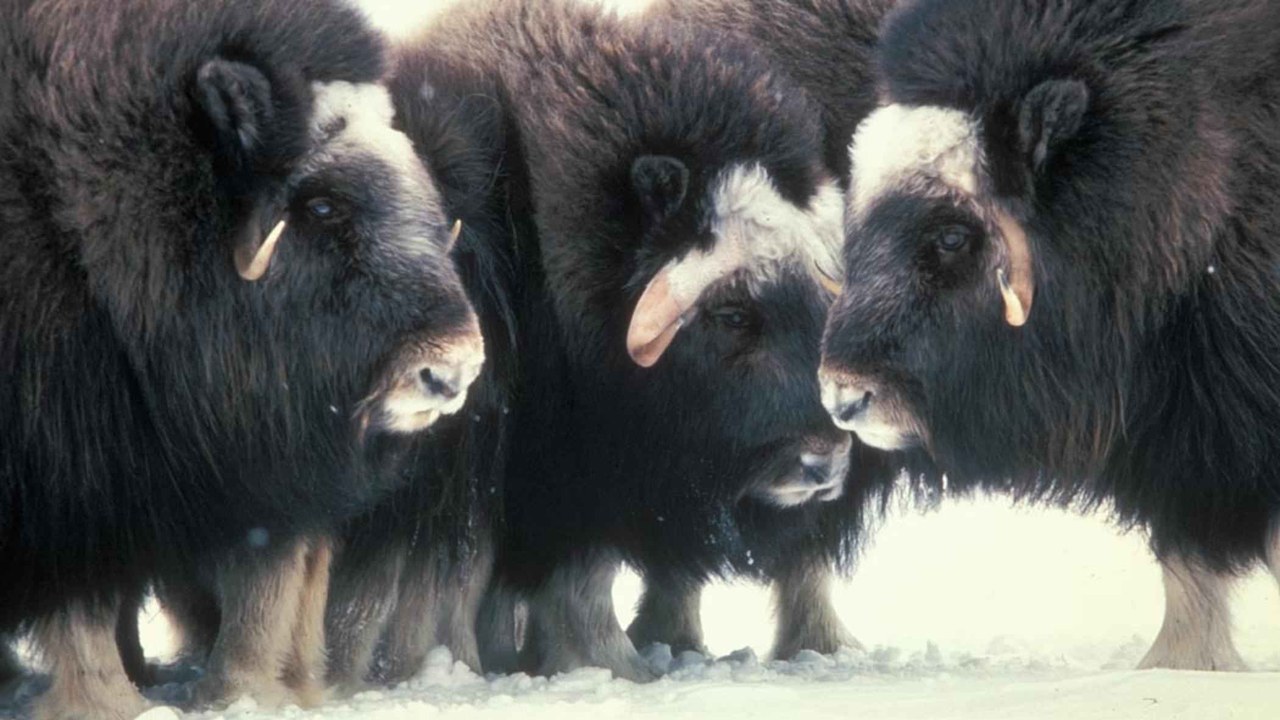
Muskoxen winter on windy hilltops where the wind chill is extreme, and a thick woolly undercoat called qiviut is what lets them do it, according to this park guide on Alaskan adaptations from the National Park Service. The undercoat sits beneath long outer hair, so the animal carries a built-in insulating layer wherever it grazes on the open tundra.
Standing on exposed ridges may seem odd, but the wind keeps snow thin and forage reachable. The coat is the reason that choice is survivable. Qiviut is also valued as a fine fiber, though its role in the muskox is warmth first.
7. Polar bear: Built Head to Paw
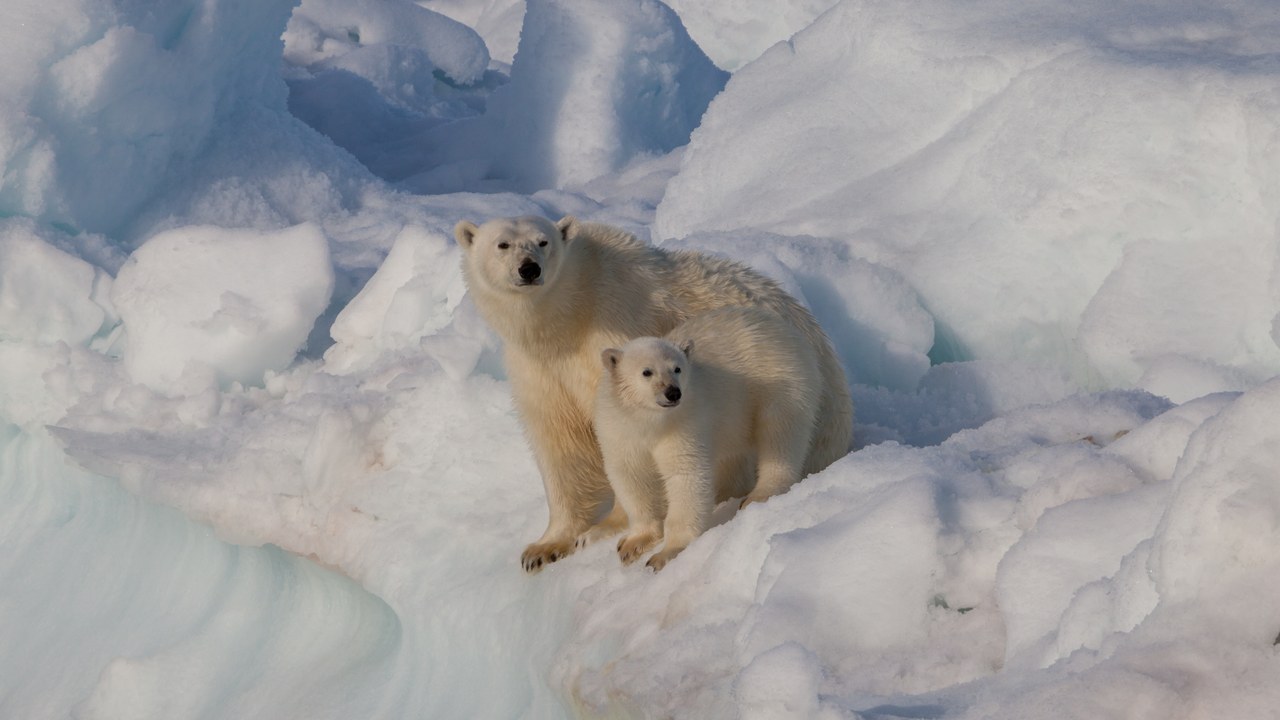
The polar bear gets its cold protection from several features at once, as this park guide on Alaskan adaptations lists. Water-repellent guard hairs cover dense underfur, the ears and nose are small and furred, and hair covers nearly the whole sole of each foot. Together these details cut heat loss on ice and in the water of the Arctic.
Small body parts matter in extreme cold because ears, noses and feet lose heat fastest. The bear design shows insulation working as a system rather than a single thick coat, and it explains why a large predator can stay active across sea ice through winter.
8. Walrus: Blubber and Blood Control
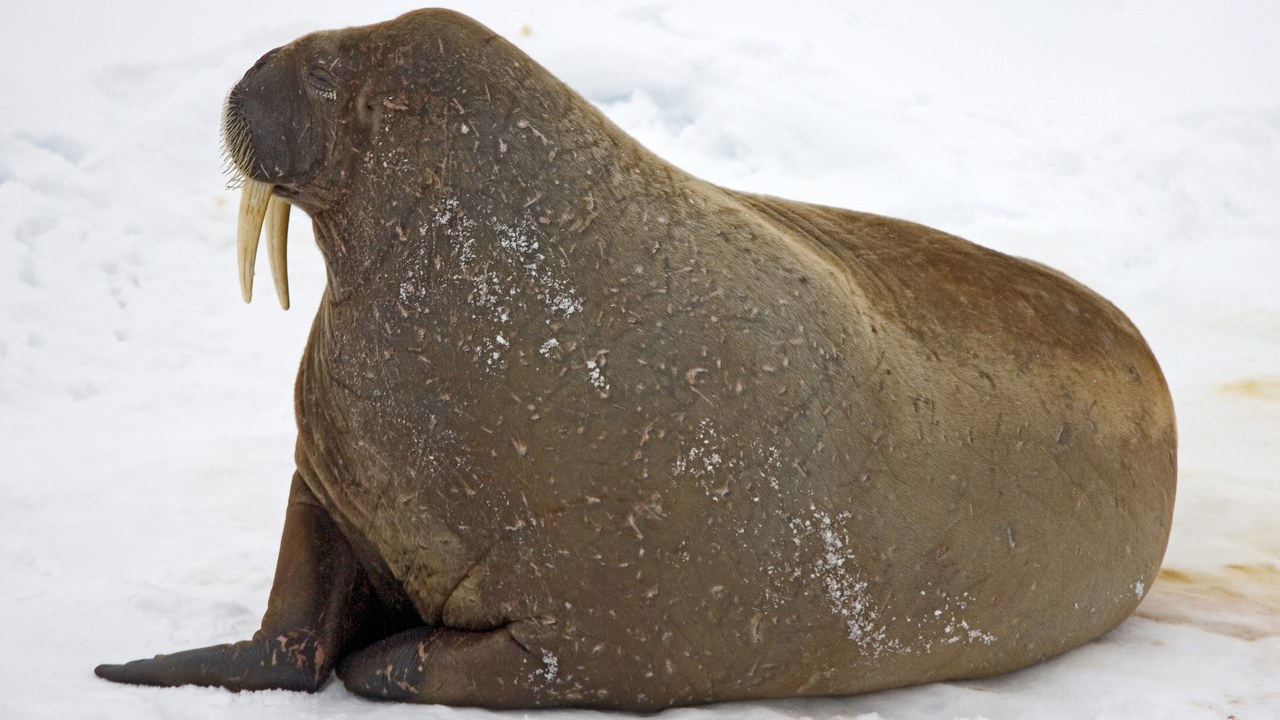
The walrus relies on a layer of blubber that can be up to 4 inches thick, and it also shunts blood away from its skin in the cold, according to this park guide on Alaskan adaptations. Moving blood inward keeps heat near the core and leaves the surface cooler, which reduces how much warmth escapes into frigid air and water.
The combination explains how an animal that hauls out on ice can stay comfortable. Blubber provides steady insulation, while the blood shift acts as an adjustable control, tightened in the cold and relaxed when conditions allow.
9. Caribou: Hollow Hairs Hold Heat
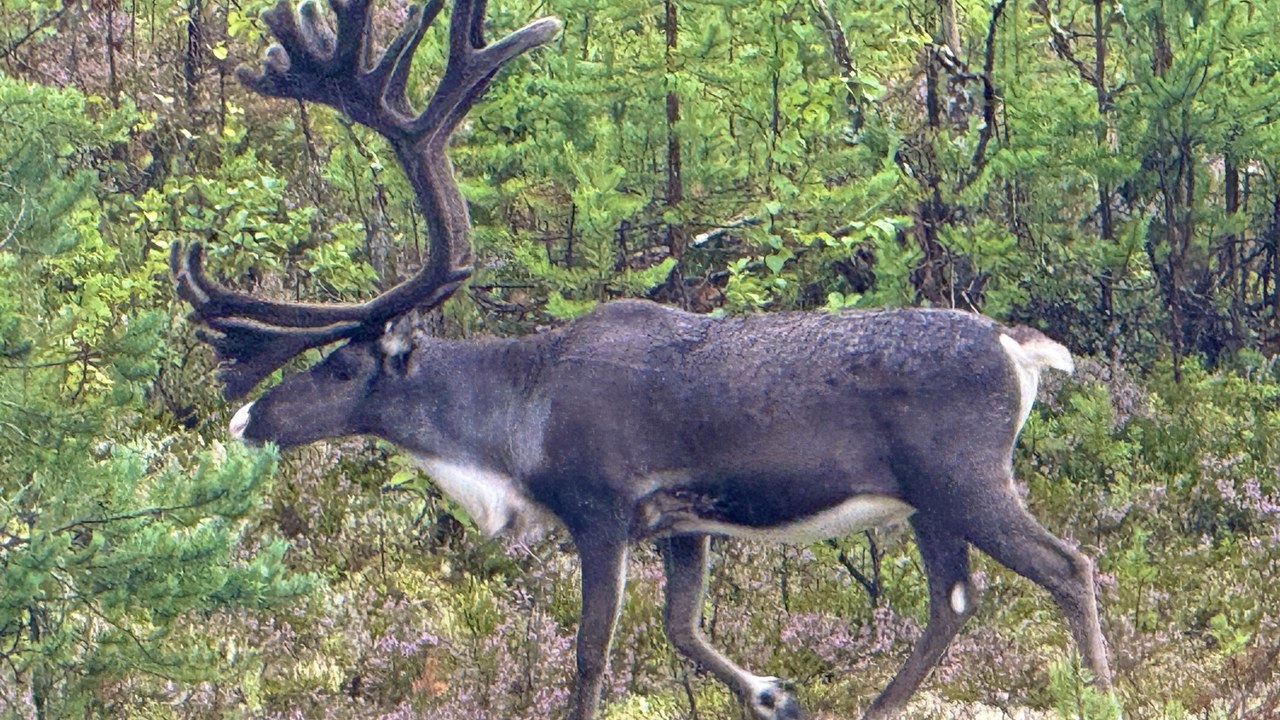
Caribou stay warm through Arctic winter with two layers of insulating fur, and the hairs are completely hollow, according to this park guide on Alaskan adaptations. Air trapped inside the hairs adds insulation without adding much weight, a useful trade for an animal that travels long distances over snow and tundra.
Hollow hair also helps in the water, since trapped air adds buoyancy, though the park source centers on warmth. The design is a reminder that effective insulation is often about holding still air close to the body rather than simply piling on thickness.
10. Black-capped chickadee: Chilling on Purpose
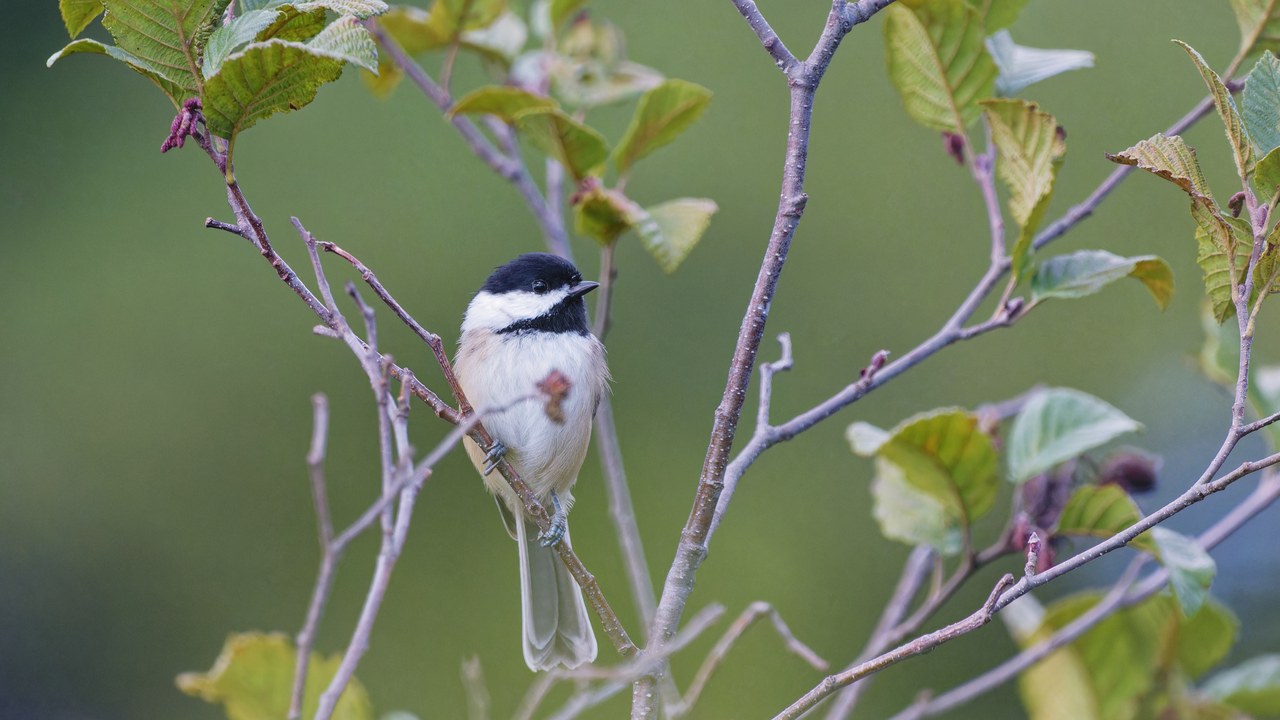
Black-capped chickadees can lower their body temperature into controlled hypothermia to save energy in winter, according to this bird-cold survival article from the Cornell Lab of Ornithology. The lab notes that some small birds, kinglets as well as chickadees, use the trick, trading a little warmth for a lower overnight fuel bill.
For a bird that weighs very little, a long winter night is a real energy crisis, since food is scarce and heat escapes quickly. Letting the temperature drop deliberately is a calculated saving. It also helps explain why feeders matter most on the coldest days.
Save more, waste less: Subscribe to The Cool Down →
We may earn a commission if you sign up.
More from Morning Overview
- Doctors warn a silent liver disease now affects one in three American adults
- The FBI told the rest of ShinyHunters to surrender after a 24-year-old was arrested
- Two passengers died at an Ohio toll plaza, and the NTSB now wants the cash lanes shut
- Long use of a common prostate pill is tied to a higher chance of glaucoma
