
North America’s waters and wild lands hold some of the largest animals on Earth. Federal agencies such as NOAA Fisheries and the National Park Service publish size figures for many of these species. Here are twelve of the continent’s giants, beginning with the biggest of all.
The tech news worth your time: 400,000+ professionals from Google, Apple and OpenAI read Techpresso, a daily email with the most interesting tech news and insights.
We may earn a commission if you sign up.
1. Blue whale: Ocean Record Holder
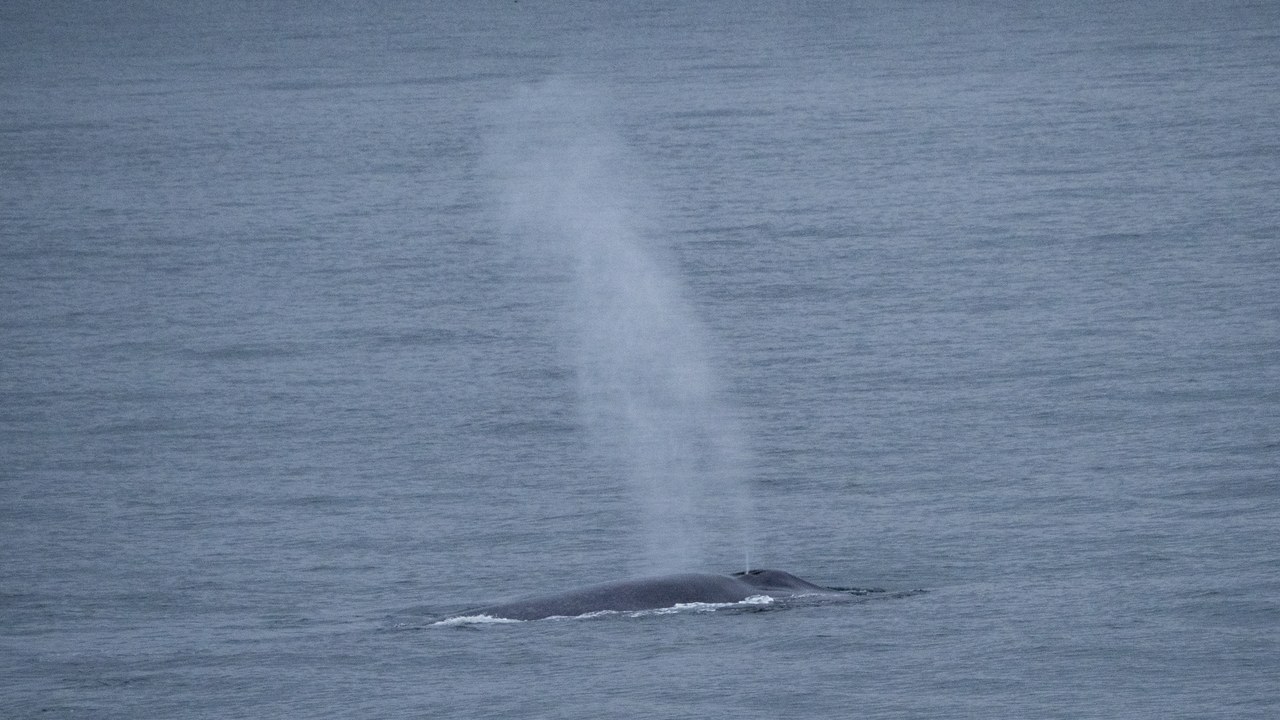
The blue whale tops the list, and NOAA Fisheries on blue whales describe it at up to 110 feet long and 330,000 pounds. The species feeds off the U.S. West Coast, where its enormous body is sustained by some of the smallest prey in the sea.
Blue whales are baleen whales, filtering tiny crustaceans from huge mouthfuls of water instead of hunting large animals. Their size is hard to picture, since a single animal outweighs any land creature that has ever been measured. That scale explains why the blue whale anchors any discussion of North America’s biggest wildlife.
2. Bowhead whale: Arctic Heavyweight
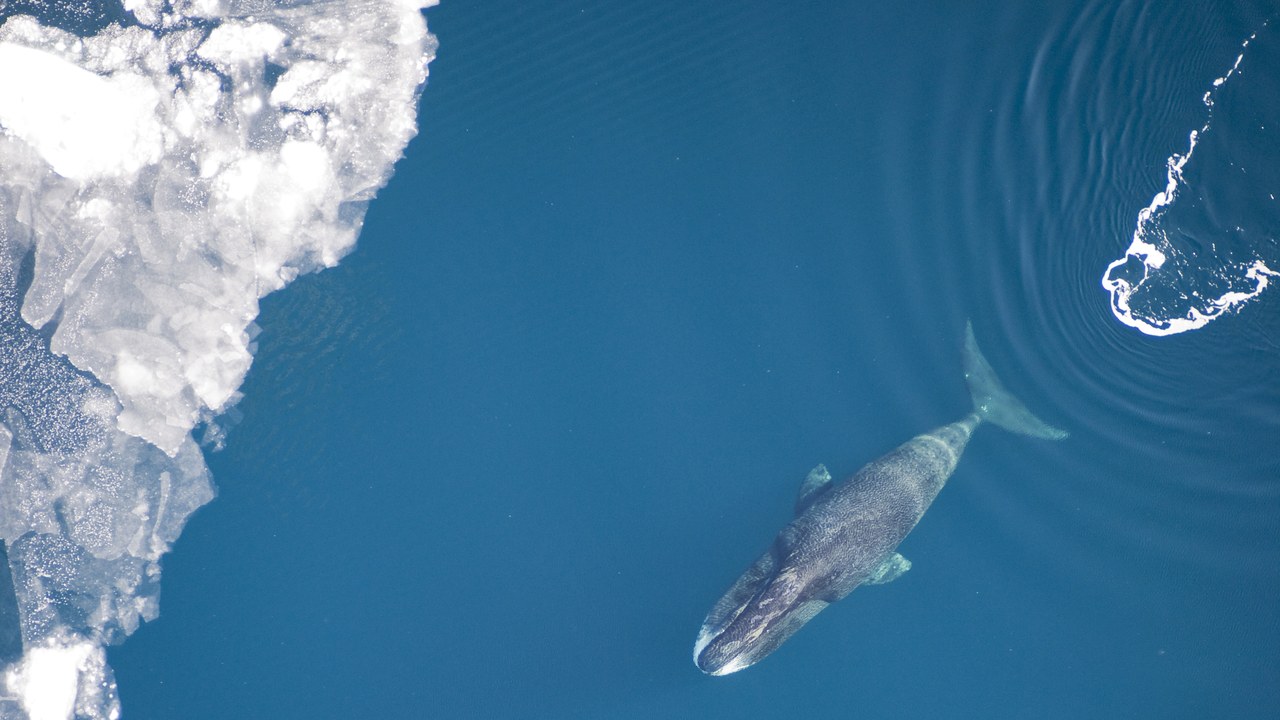
Alaska’s bowhead whale grows up to 62 feet long and weighs about 200,000 pounds, according to NOAA Fisheries on bowheads. It is a stocky, dark whale with a massive head, built for life around Arctic ice.
Bowheads are baleen whales and spend their lives in cold northern seas, where thick bodies suit the frigid water. Their broad skulls are well known for breaking through ice from below to reach air. Among the giants of the continent, the bowhead stands out as a true polar specialist rather than a visitor from warmer oceans.
3. Sperm whale: Deep Diving Giant
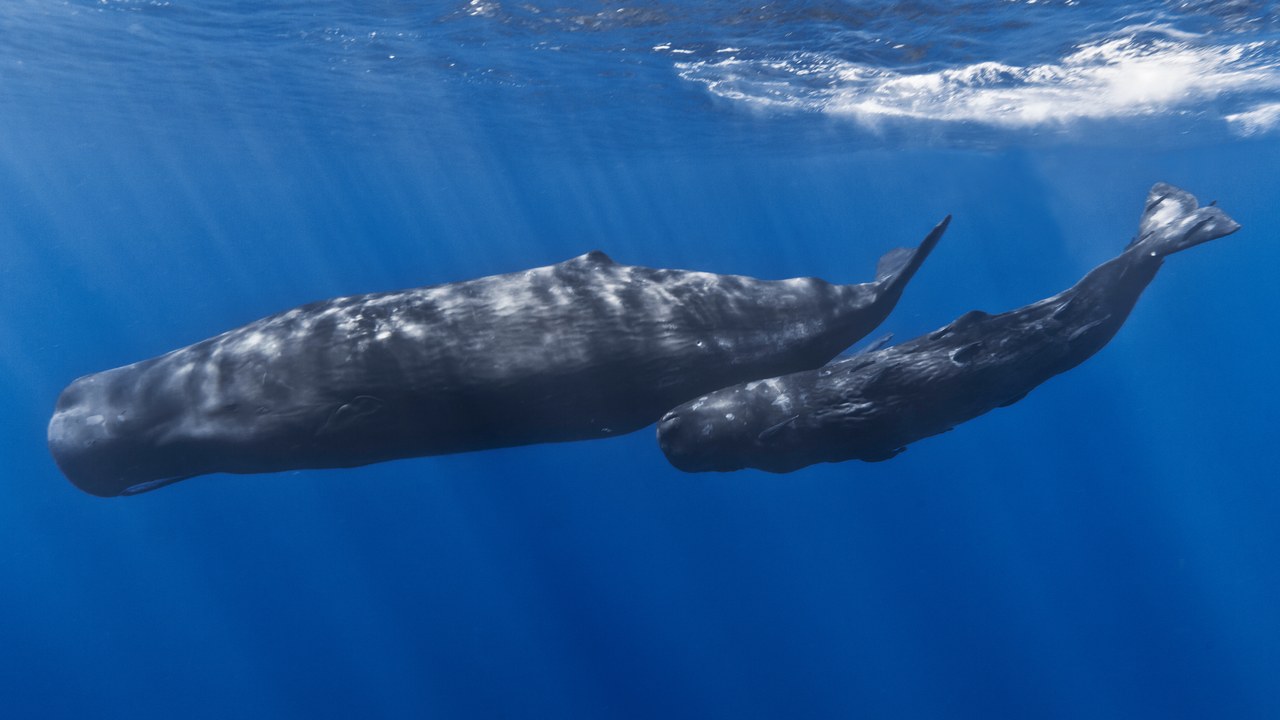
NOAA’s sperm whale page put sperm whales at 15 tons for females and 45 tons for males, with dives reaching 2,000 feet for 45 minutes at a time. That gap between the sexes is among the widest of any large whale.
Unlike the filter-feeding giants on this list, the sperm whale is a toothed whale, and it hunts in the dark depths far below the surface. Its enormous, boxy head is instantly recognizable at sea. The long, deep dives are a reminder that much of the animal’s life unfolds out of sight, well beyond the reach of ordinary observation.
4. Gray whale: Long Distance Traveler
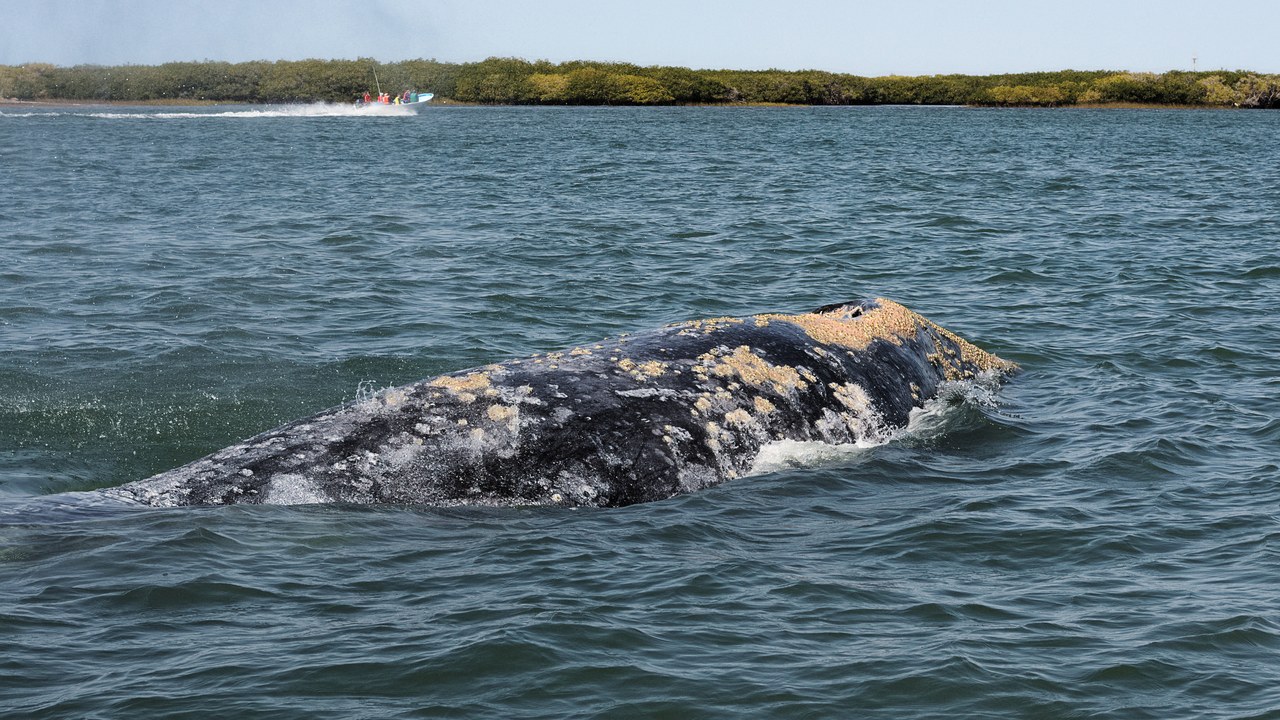
Gray whales can grow to about 49 feet long and weigh approximately 90,000 pounds, and NOAA Fisheries data adds that they migrate roughly 10,000 miles round trip. Few mammals on Earth cover so much distance each year.
Along the Pacific coast, the passing of gray whales is a seasonal event that draws whale watchers to headlands and boats. The animals are mottled gray, often crusted with barnacles and scars. Their annual journey ties together far-apart feeding and breeding waters, making them one of the best known and most closely followed large whales in North America.
5. Steller sea lion: Shoreline Bruiser
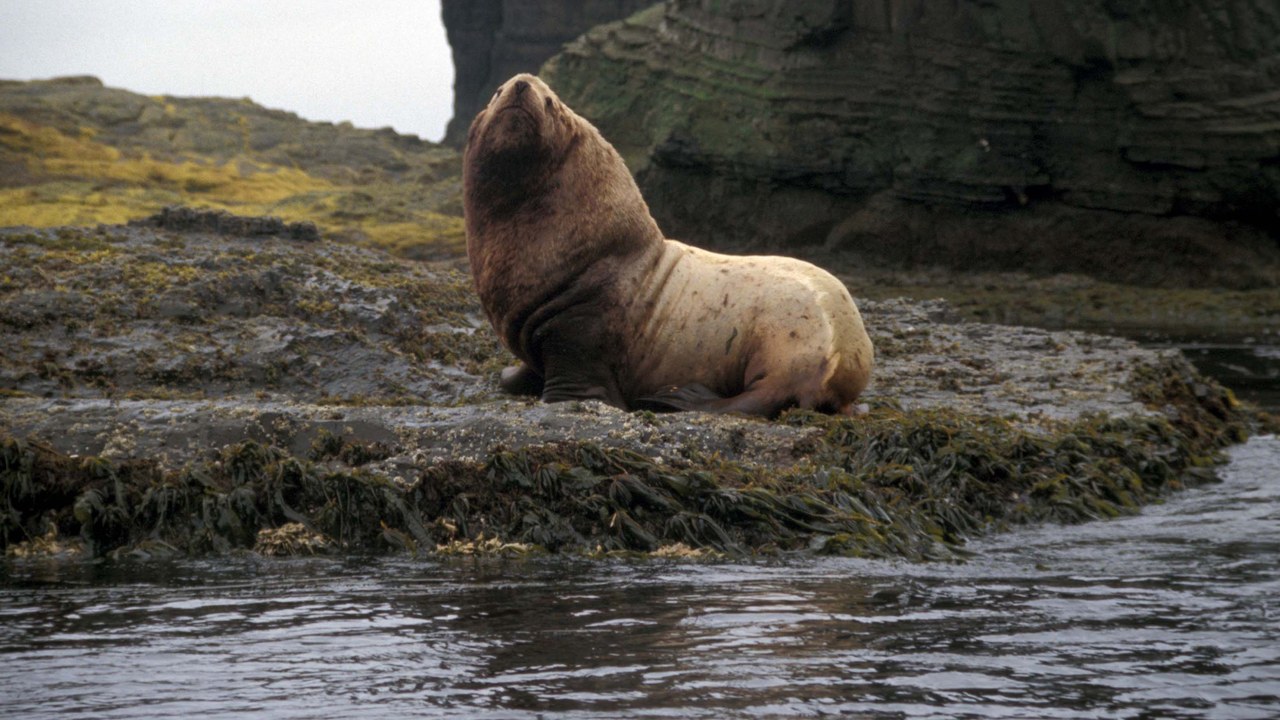
Adult male Steller sea lions may be up to 11 feet long and weigh up to 2,500 pounds, NOAA’s Steller sea lion profile reports. They are the largest of the sea lions, eclipsing the smaller animals often seen on California piers.
Males carry thick necks and a heavy build, with a blond to tan coat that sets them apart from darker relatives. They haul out on rocky shores and islands along the North Pacific rim, where noisy colonies gather. Their bulk and bellowing voices make a close view of one of these animals a memorable, if cautious, wildlife encounter.
6. Northern elephant seal: Beach Master
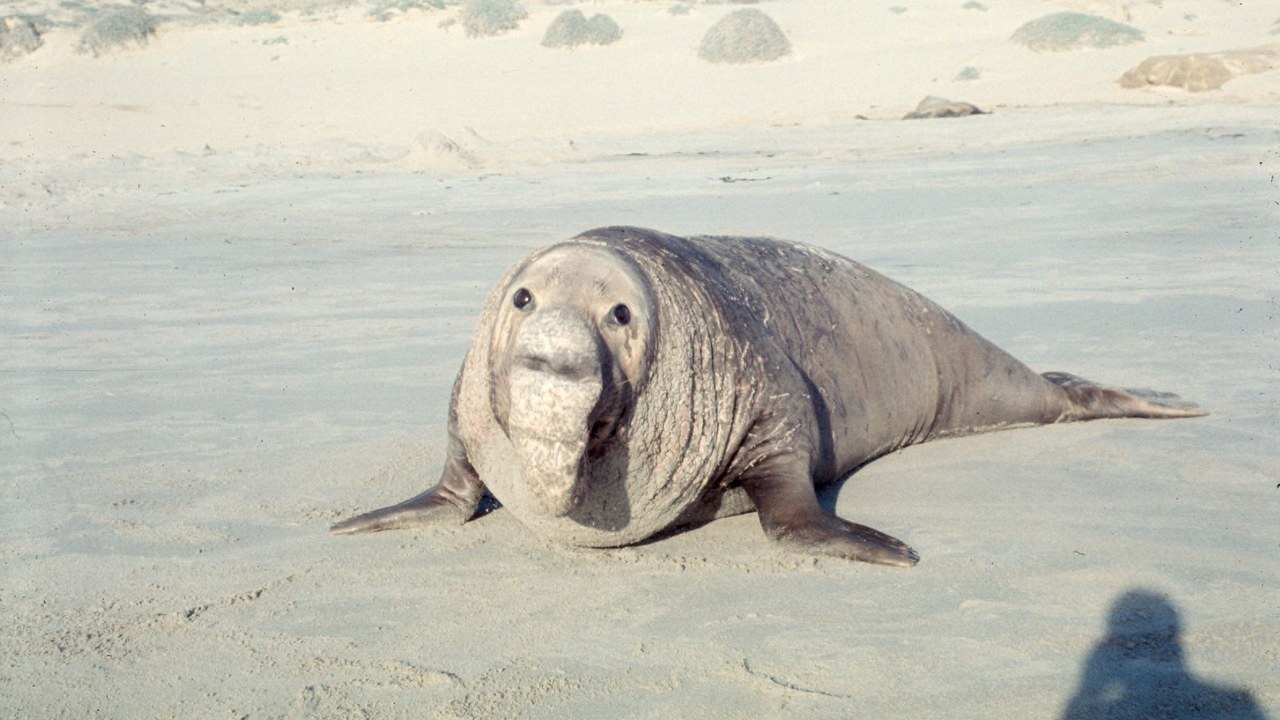
Fully grown male northern elephant seals can reach lengths of over 13 feet and weigh nearly 4,400 pounds, per NOAA’s elephant seal page. About 80 percent of the U.S. population breeds at the Channel Islands.
The name comes from the males’ swollen, trunk-like noses, which they use to produce loud, rattling calls during the breeding season. These seals spend much of the year at sea and come ashore on remote beaches to breed and molt. Their sheer mass, sprawled across the sand, makes them among the most striking sights on the Pacific coast.
7. American bison: Prairie Icon
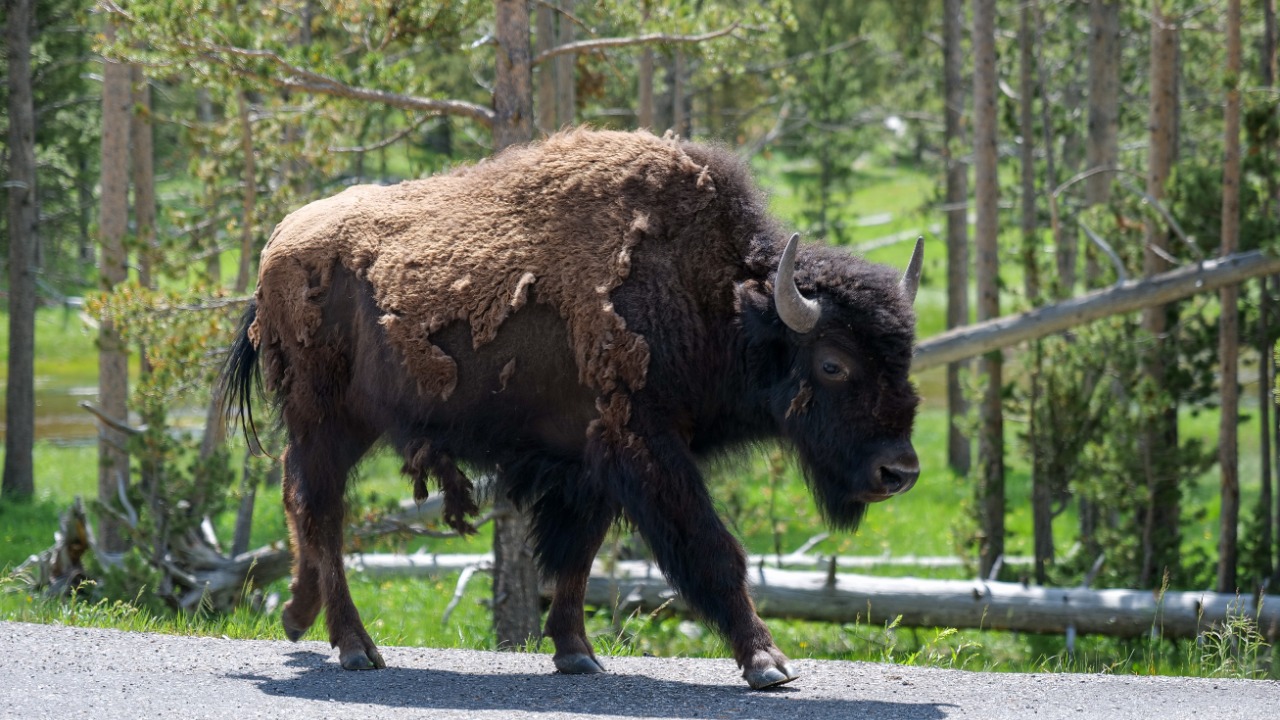
The Park Service calls bison the largest land-dwelling mammal in North America, with bulls up to 2,000 pounds, as Yellowstone’s bison overview explains. No other animal on the continent’s land matches that mass.
Bison once ranged across vast stretches of grassland and became a symbol of the American West. Today they are a signature animal of Yellowstone, where visitors often watch herds graze along roadsides. Their shaggy heads, humped shoulders and sturdy legs give a bison an unmistakable outline, and the species is closely tied to the story of conservation in the United States.
8. Moose: Antlered Giant
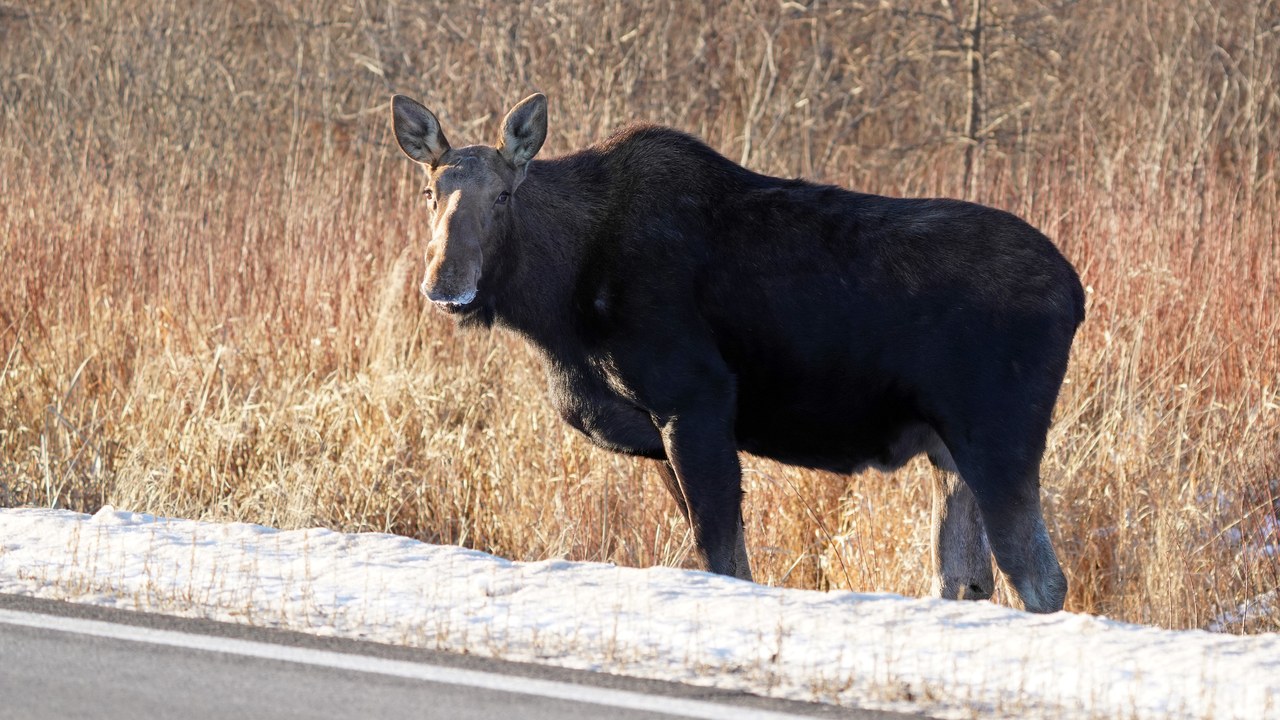
Rocky Mountain National Park bull moose reach as much as 1,500 pounds, with antlers five feet across, according to the Park Service’s moose page. The deer family’s largest member looks the part, with long legs and a drooping muzzle.
Moose favor wet, wooded habitat, wading into ponds and streams to feed on vegetation. Only bulls grow antlers, and they shed and regrow the broad, flattened racks every year. Their height and weight make them a respected presence in any mountain meadow, and wildlife managers often advise visitors to keep a considerable distance.
9. Brown bear: Alaska Powerhouse
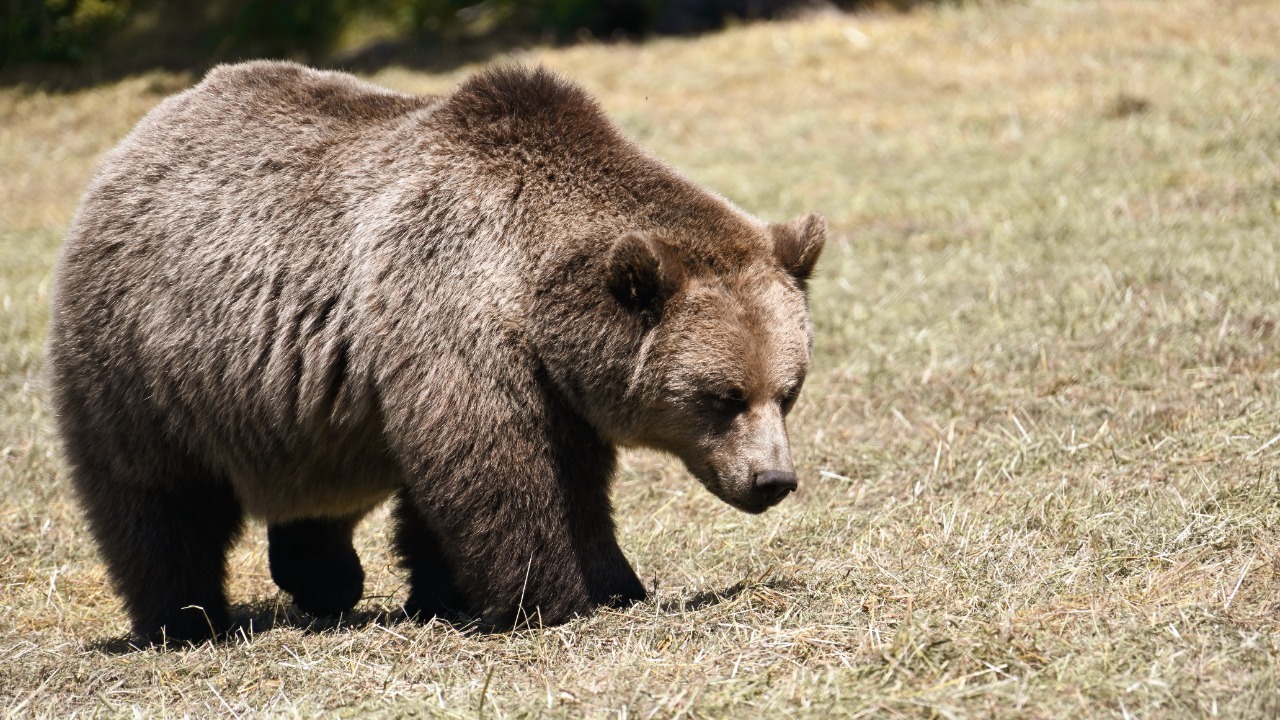
Katmai’s brown bear males typically weigh 600 to 900 pounds in midsummer and top 1,000 pounds in fall, as Katmai’s bear FAQ notes. The seasonal swing reflects how heavily the bears feed before winter.
Brown bears are powerful omnivores, recognizable by the muscular hump over their shoulders and their broad faces. At Katmai they gather at rivers, where abundant fish help them add weight for hibernation. The numbers show how an animal of this size can gain several hundred pounds across the warm months, a feat tied directly to the food available in its home range.
10. American alligator: Swamp Predator
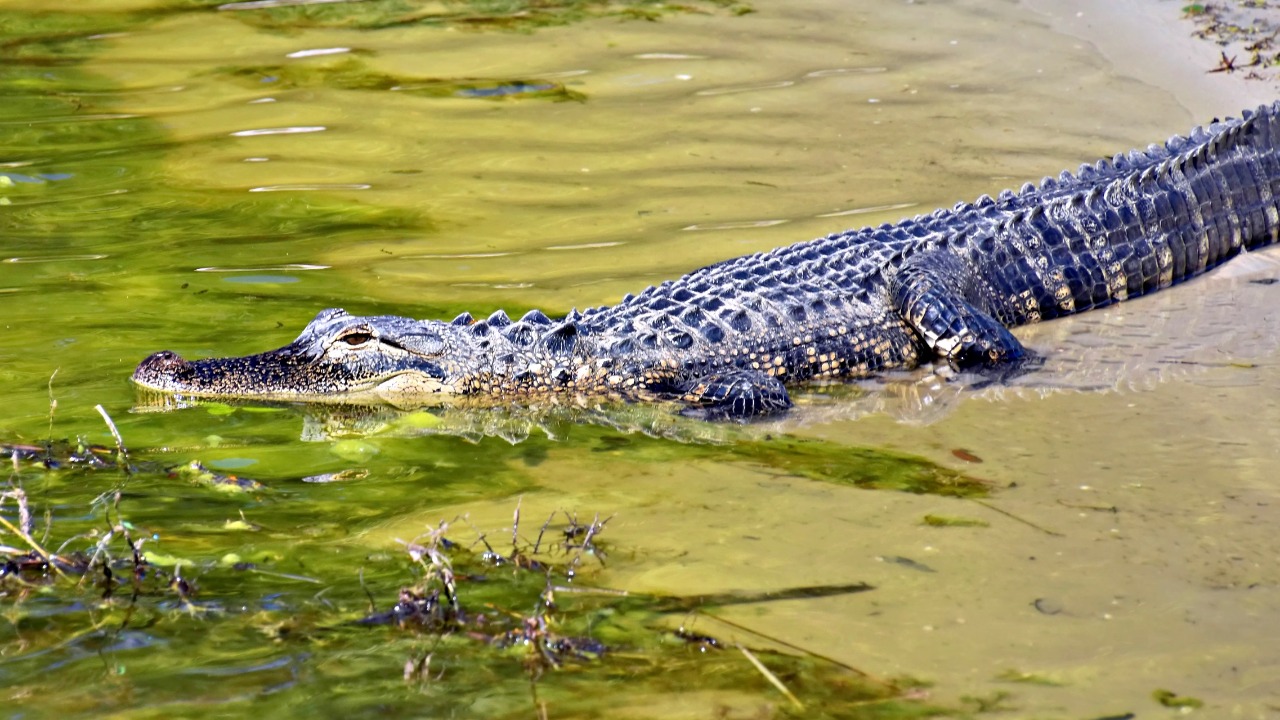
Everglades alligator males occasionally reach 13 to 15 feet in length, and the Everglades alligator page gives that range for the park’s largest animals. The word occasionally matters, since most individuals are noticeably smaller.
American alligators are armored reptiles of southeastern freshwater habitats, where they bask on banks and glide through marshes with only their eyes and nostrils showing. Their broad, rounded snouts differ from the narrower shape of crocodiles. In the Everglades they shape the landscape by digging depressions that hold water through dry spells, benefiting many other creatures.
11. California condor: Soaring Scavenger
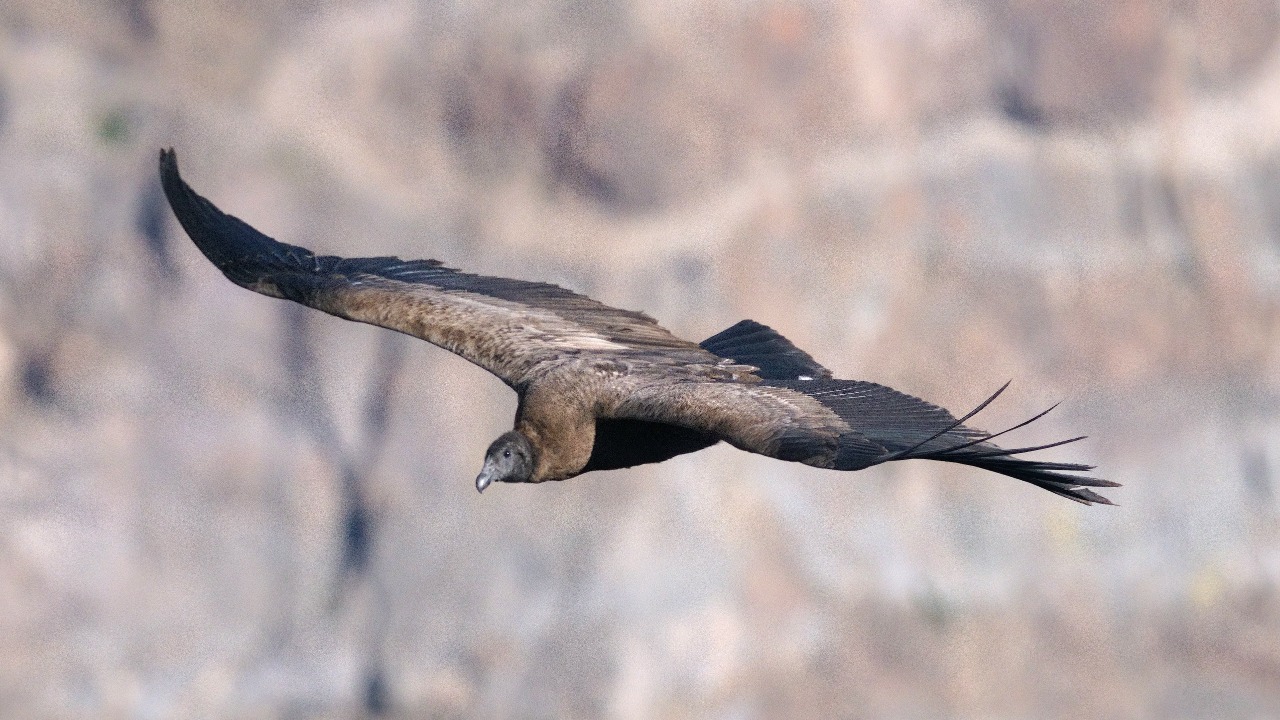
The Grand Canyon’s California condor has a 9.5-foot wingspan, and the Grand Canyon raptor page says fewer than 450 are alive today. That small number makes the bird a rare sight.
Condors ride rising air currents for hours, scanning the ground for carrion. Their bare heads and broad, dark wings make them easy to identify against canyon walls. The small total population is the reason each sighting draws attention, and the bird’s presence over the canyon is a symbol of long-running efforts to protect one of the continent’s rarest species.
12. Leatherback sea turtle: Turtle Titan
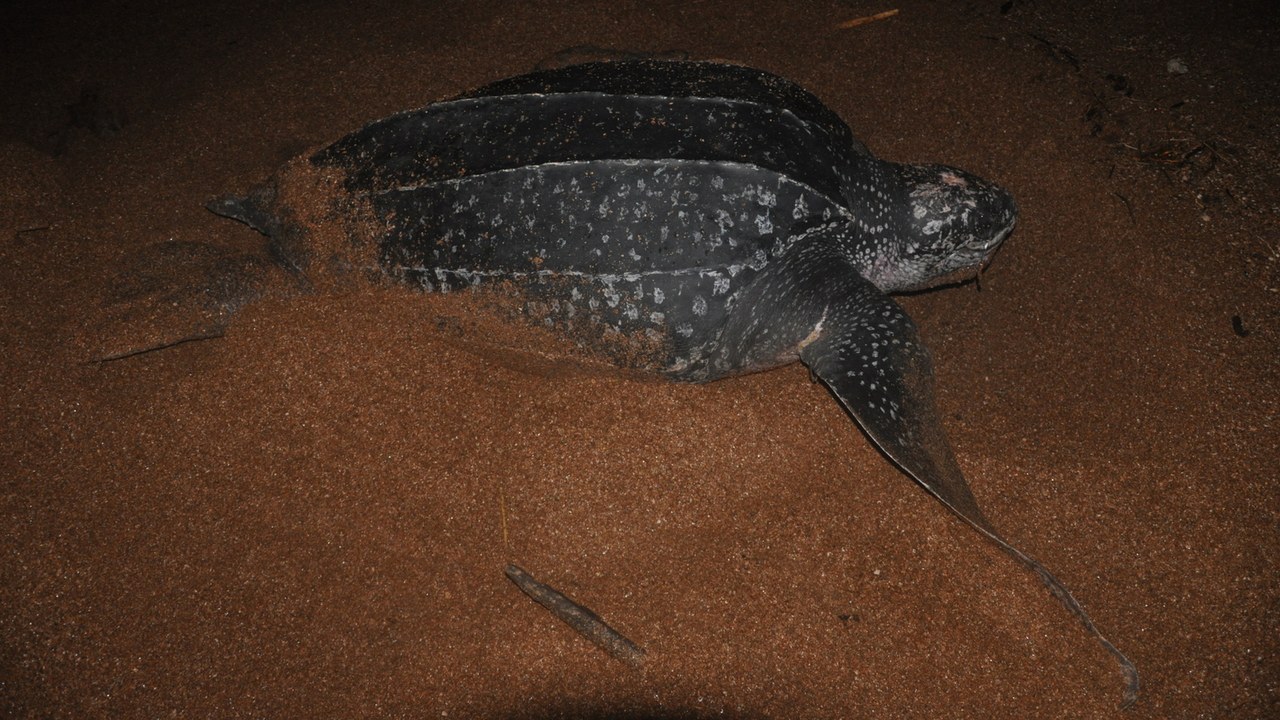
The leatherback is the world’s largest turtle, at 750 to 1,000 pounds, according to NOAA’s leatherback turtle profile. It is also unusual among sea turtles for lacking a hard, bony shell.
Instead of plates, the leatherback has a leathery, ridged carapace that tapers to the rear. These turtles roam open ocean far from shore and travel widely, coming onto warm beaches only to nest. Their size and distinctive shell make them an easy choice for the list of the continent’s giants, even though they are visitors to North American waters rather than permanent residents.
The tech news worth your time: Subscribe to Techpresso →
We may earn a commission if you sign up.
More from Morning Overview
- Common allergy, bladder and sleep pills tied to sharply higher dementia odds
- NOAA now gives this winter a 75% chance of the strongest El Nino since 1950
- Doctors warn a silent liver disease now affects one in three American adults
- The FBI told the rest of ShinyHunters to surrender after a 24-year-old was arrested
