
Sharks are a regular part of the ocean life along American coasts, from the Atlantic and the Gulf of Mexico to the Pacific Northwest. Most species rarely cross paths with people, yet a few draw attention because of bite records, fishing conflicts, or sheer size. Here are eleven sharks found in American waters, each paired with a figure from federal or university sources.
AI, explained every day: The Deep View is the go-to daily newsletter for 600,000+ founders, knowledge workers and professionals who want to stay up to date with artificial intelligence.
We may earn a commission if you sign up.
1. Great white shark: Top of the Record
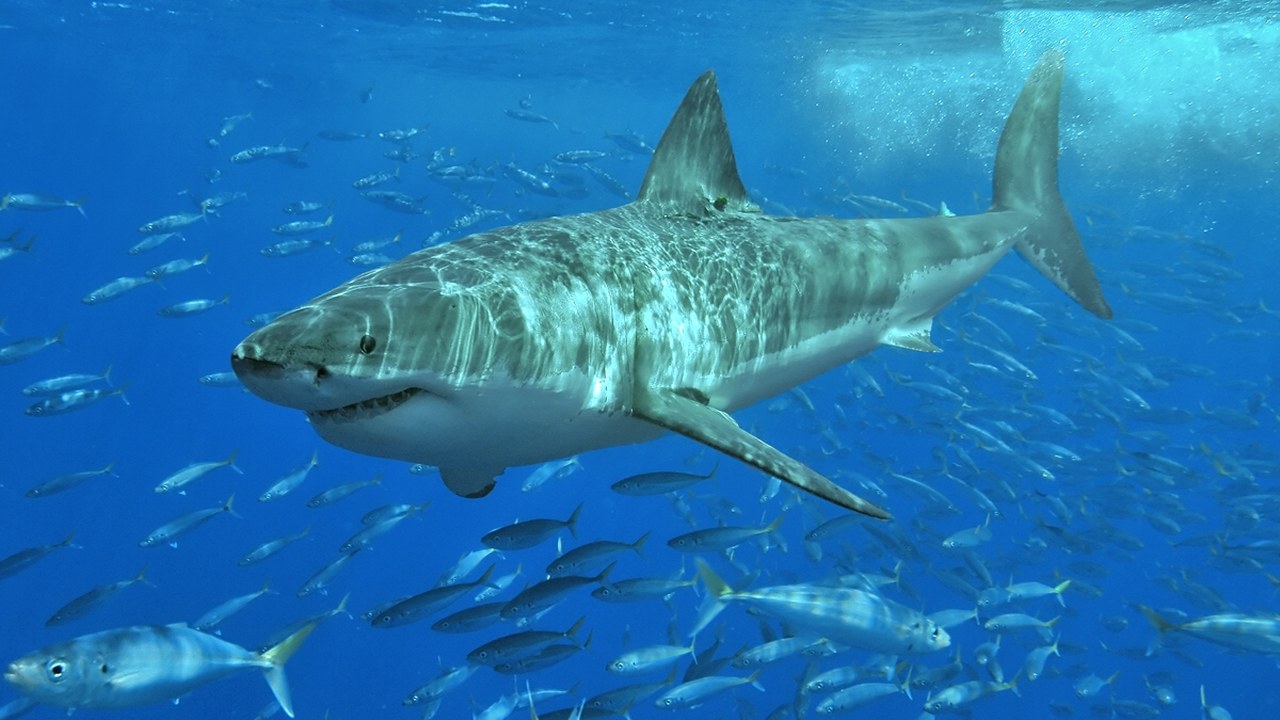
The International Shark Attack File logs 351 unprovoked white shark incidents, 59 of them fatal. That is the largest total of any species in the record, which covers all years and the whole world rather than a single season.
The great white is a large predator of temperate coastal seas, recognized by its conical snout, dark gray back and pale underside. Seals, sea lions and fish make up much of its diet. Both U.S. coasts fall within its range, though most people who swim in the ocean never encounter one, and the long-term counts remain small beside the number of beachgoers.
2. Tiger shark: Striped and Broad-Headed
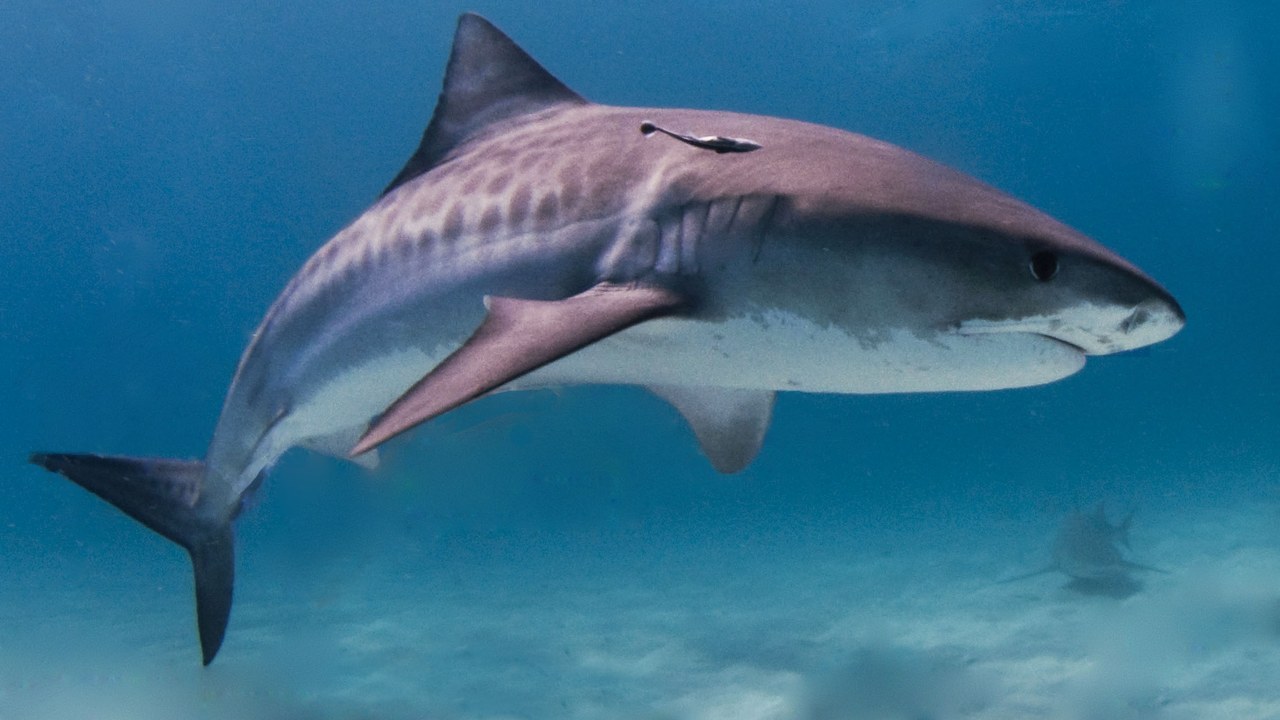
Tiger sharks account for 142 unprovoked incidents in the shark attack file, 39 of them fatal. That places the species second behind the great white in the worldwide tally.
Young tiger sharks carry dark vertical bars along their flanks, the pattern behind the common name, and the marks fade as the animals mature. The species has a blunt, broad head and an unusually varied diet that includes fish, turtles and seabirds. Warm waters of the Atlantic, the Gulf and Hawaii are typical habitat for this large, wide-ranging shark.
3. Bull shark: Built Like a Tank
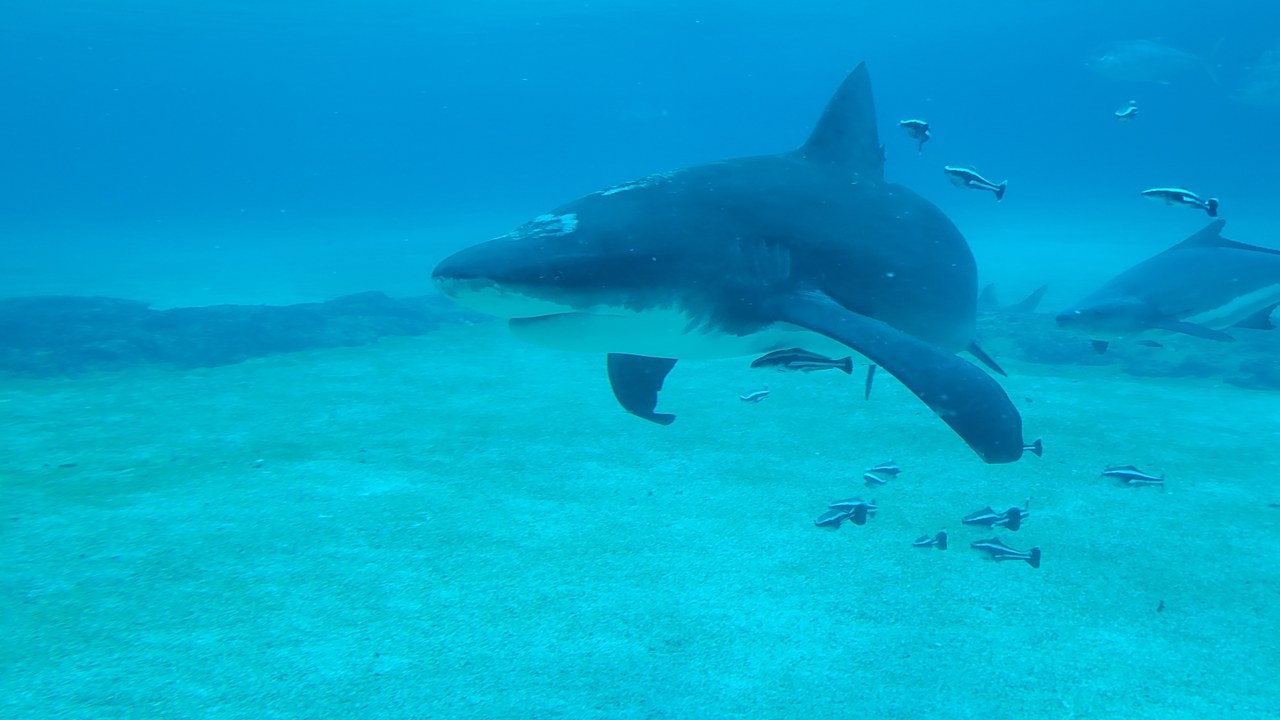
Bull sharks have 119 unprovoked incidents on record, 26 of them fatal, and the Florida Museum file ranks them with the white and tiger as the “Big Three.”
The name reflects a stocky, heavy-bodied build and a short, blunt snout. Unlike most sharks, the species tolerates fresh water and travels far up rivers, so it can turn up in estuaries and lower river stretches as well as along beaches. Warm shallow water near shore is a regular haunt, which helps explain why bull sharks overlap with human swimmers more often than deepwater species do.
4. Sand tiger shark: Fearsome Teeth, Mild Record
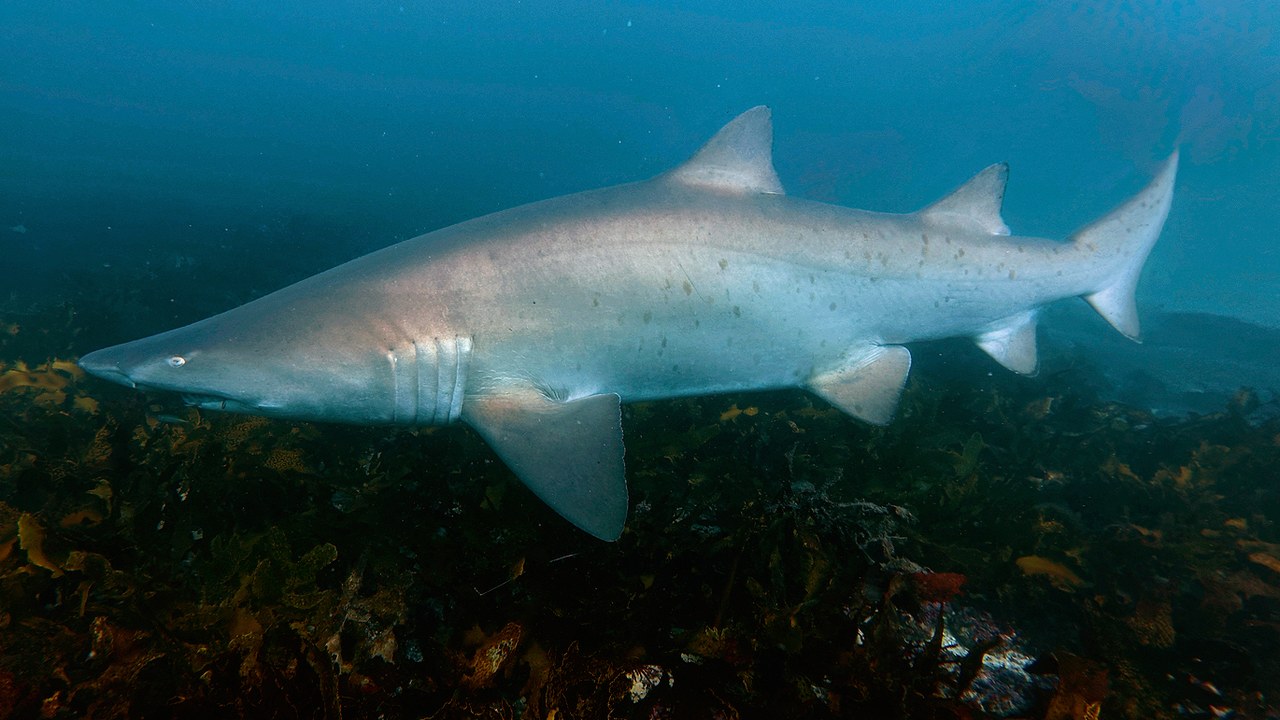
Sand tiger sharks account for 36 unprovoked incidents in the species-implicated table kept by the Florida Museum, and none of those encounters was fatal.
The species looks far more dangerous than its record suggests, with rows of narrow, ragged teeth that stay visible even when its mouth is closed. Sand tigers cruise slowly near the bottom along the Atlantic coast and are a familiar sight in public aquariums and around shipwrecks. They can gulp air at the surface to hover almost motionless, and their placid nature makes them popular with divers despite the menacing look.
5. Blacktip shark: A Fish Thief at Sea
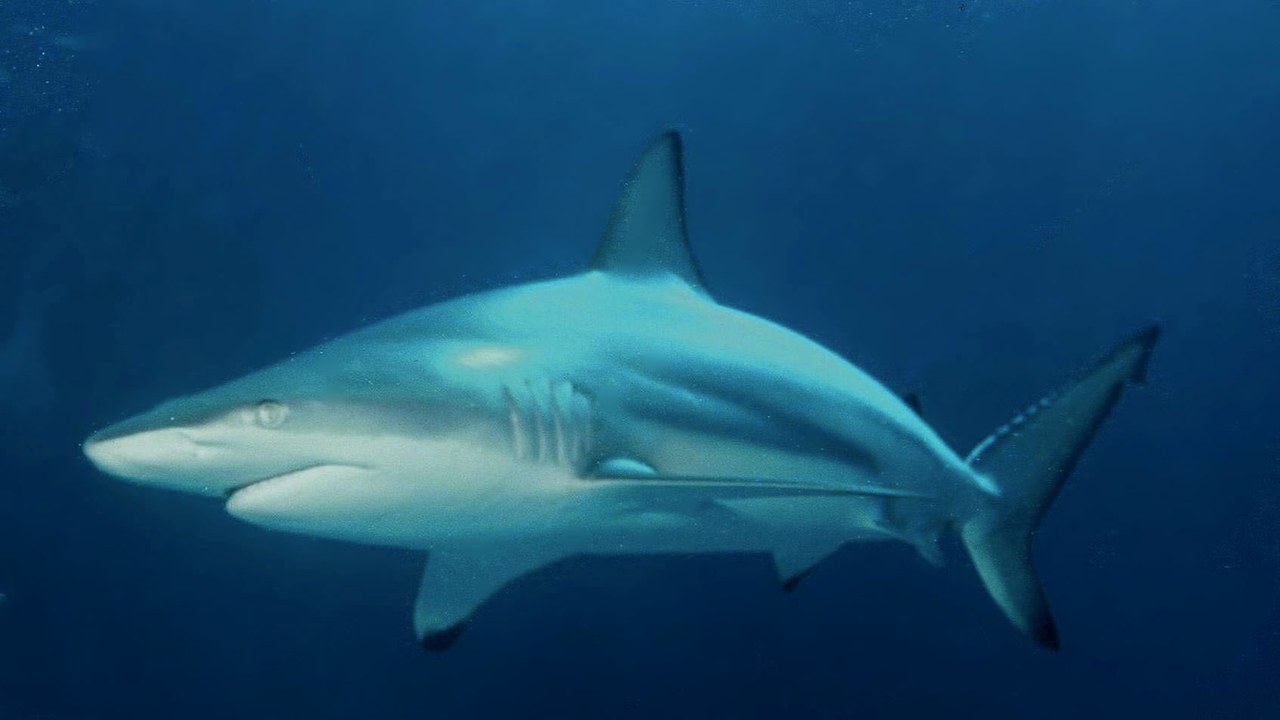
NOAA names blacktips among the four shark species most often stealing hooked fish, and its depredation report says the problem has tripled since 2005.
Depredation means a shark takes a fish from a line before the angler or survey crew can haul it aboard. The blacktip is a fast, streamlined shark whose fin tips look as though they were dipped in ink, a mark that explains the name. Schools often cruise shallow coastal water in warm seasons, and fishing crews that work those waters are the ones most likely to see the losses.
6. Sandbar shark: Tall Fin, Common Thief
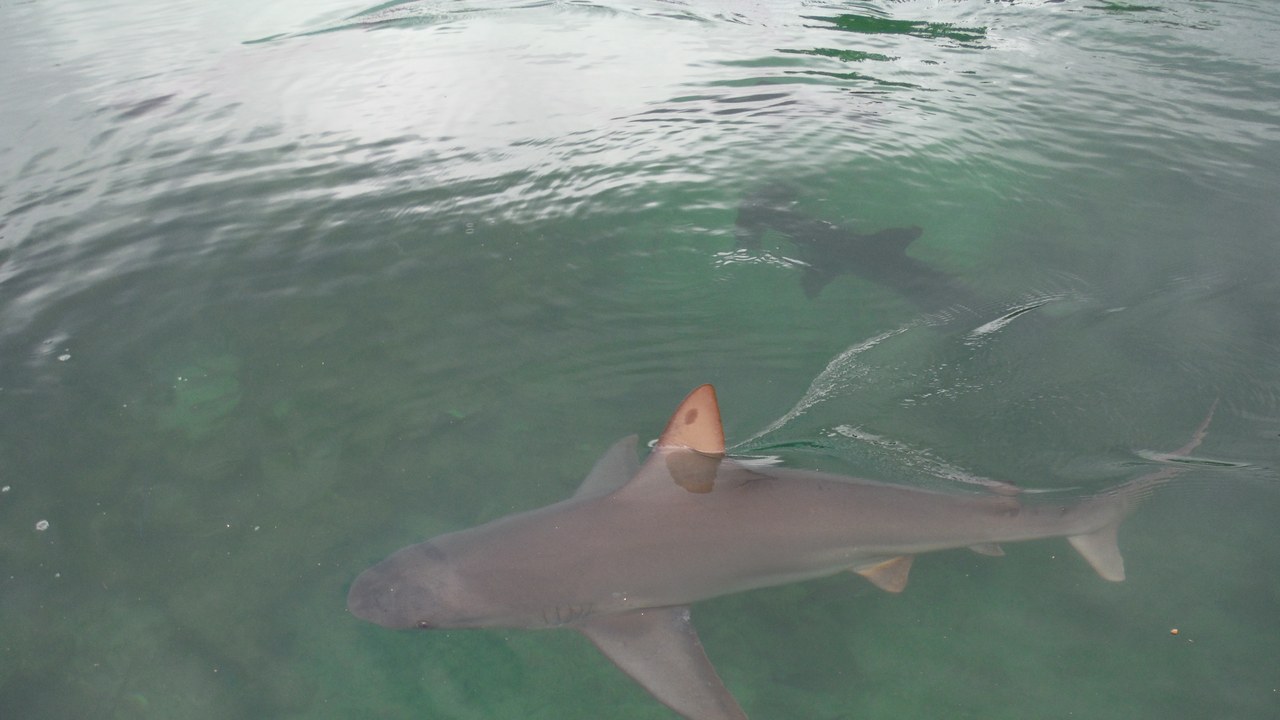
Sandbar sharks rank among the most common fish thieves on NOAA’s Gulf and Southeast longline survey, according to the agency’s depredation findings.
The species is easy to pick out by a tall, triangular first dorsal fin set high on a sturdy, brownish-gray body. Sandbars favor shallow coastal waters and bays, and the Atlantic and Gulf coasts both hold populations. Because the survey identified sharks as the great majority of predators taking hooked fish, a common species such as this one naturally appears often in the record.
7. Lemon shark: Yellow-Tinged and Shallow
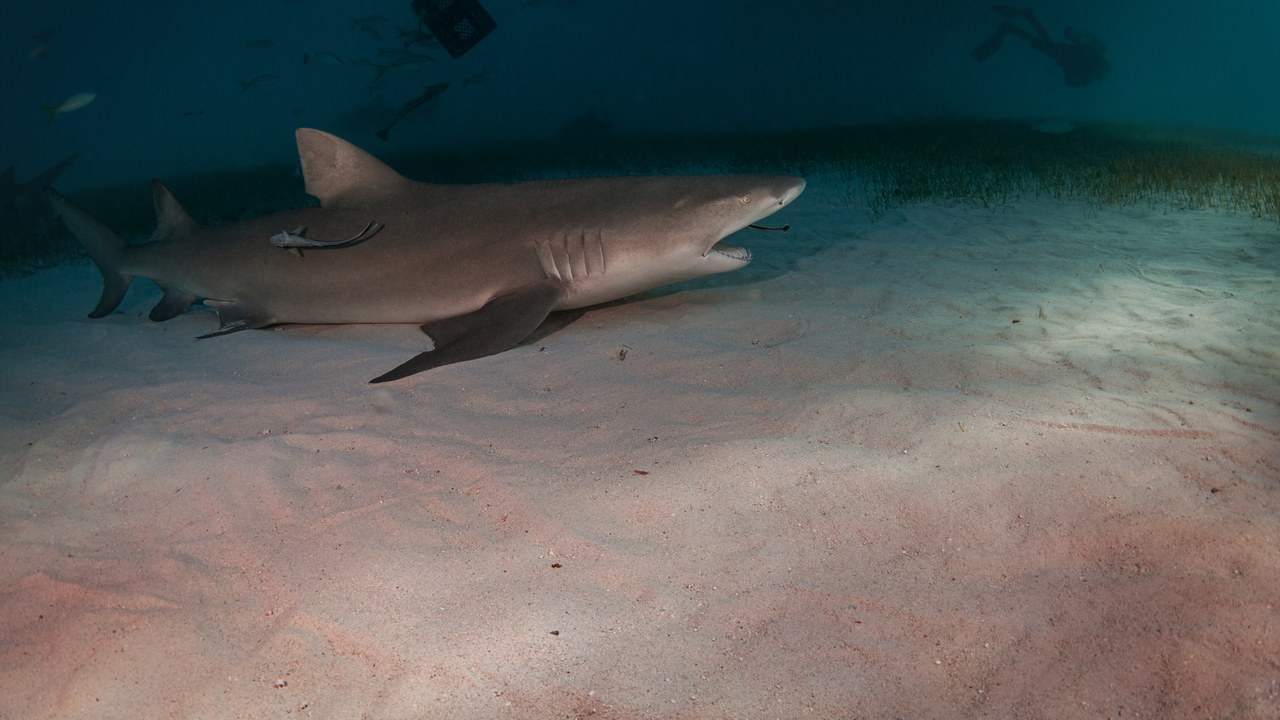
Canaveral National Seashore lists lemon sharks among the species visiting its waters, as the National Park Service article explains.
The common name refers to a yellowish-brown tint on the skin, which blends with sandy bottoms. Lemon sharks have a stout body and two dorsal fins of nearly equal size, a trait that sets them apart from many relatives. Mangroves and shallow lagoons serve as nursery areas, and the species is a familiar sight in warm Atlantic waters off Florida.
8. Shortfin mako: Built for Speed
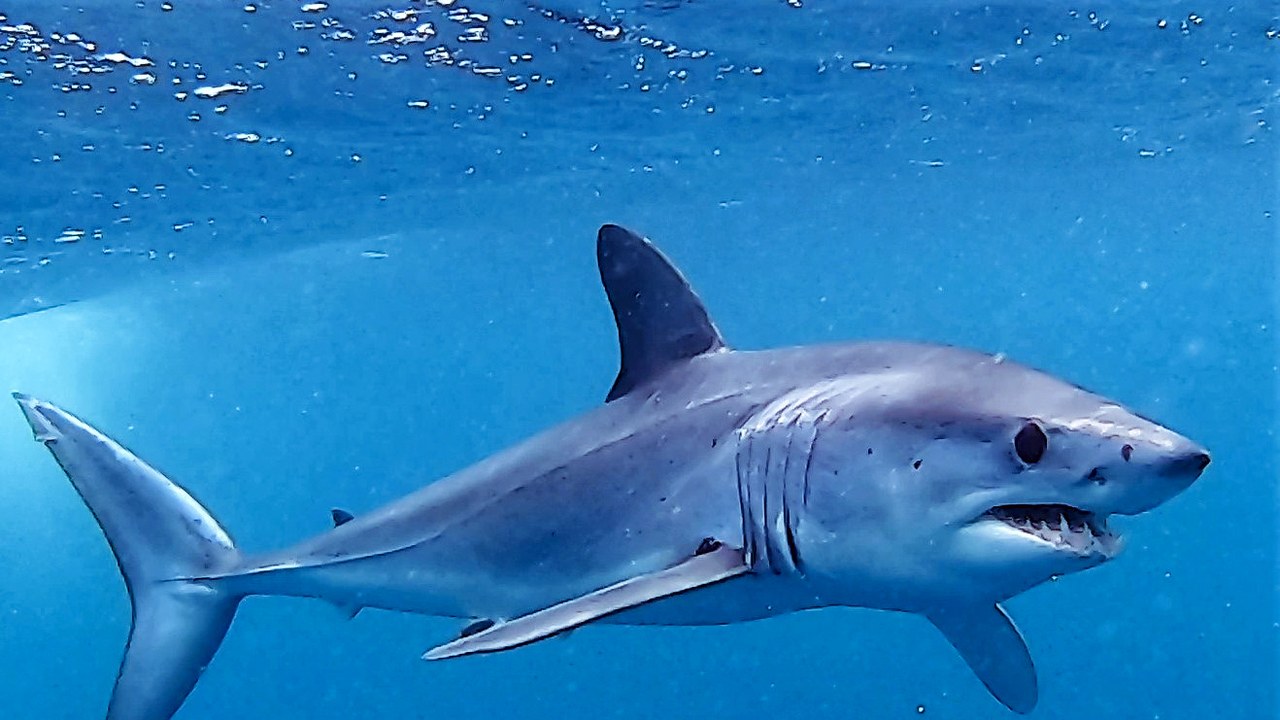
Atlantic shortfin makos reach up to 13 feet long, according to the NOAA species profile.
The mako is a torpedo-shaped open-ocean shark with a deep blue back, a silvery underside and a pointed snout. It is widely regarded as one of the fastest sharks, and its streamlined form shows why. Makos feed mainly on fast fish such as tuna and swordfish, and they roam far offshore in temperate and tropical seas, so most people on the beach never see one.
9. Common thresher shark: The Long-Tailed Hunter
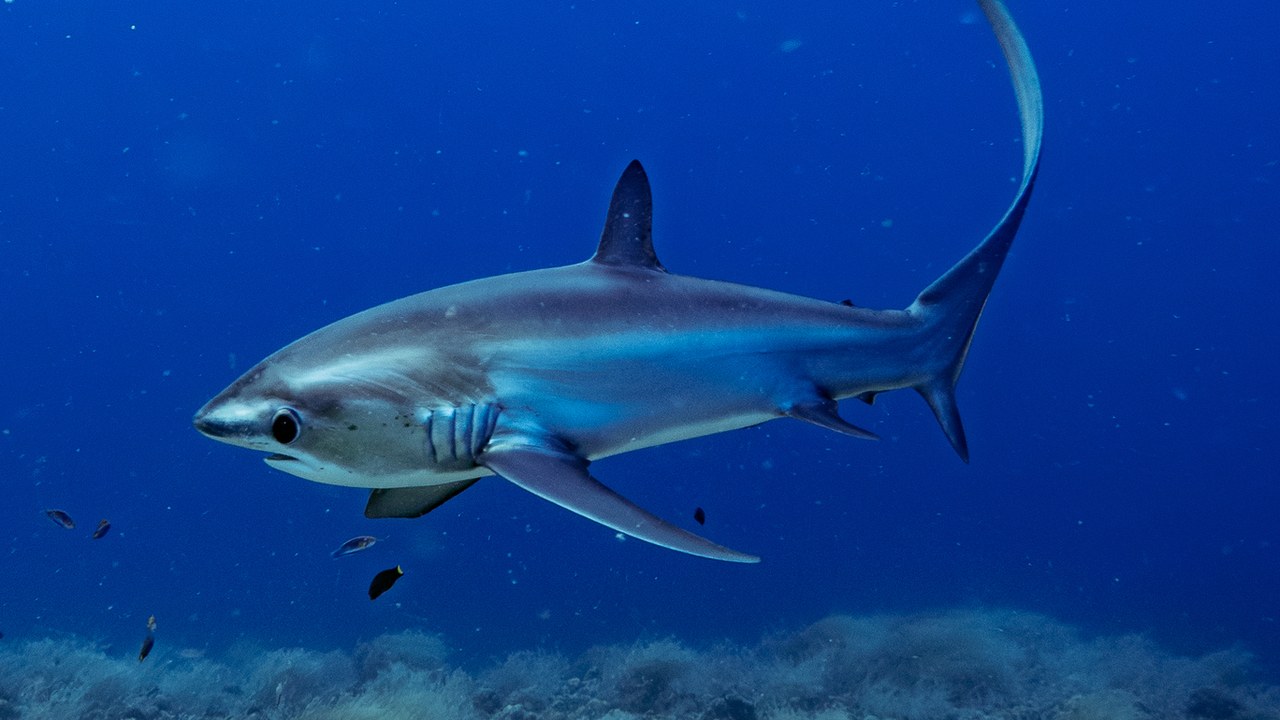
Atlantic common threshers can reach up to 20 feet long, per the NOAA fisheries profile.
Much of that length comes from the upper lobe of the tail, which is nearly as long as the body itself. Threshers use it like a whip, stunning schooling fish before eating them. The species has a small mouth and large eyes, and it spends much of its time in open water away from shore. Despite the impressive size, threshers are not regarded as a threat to swimmers.
10. Scalloped hammerhead: Wide Head, Wider Reach
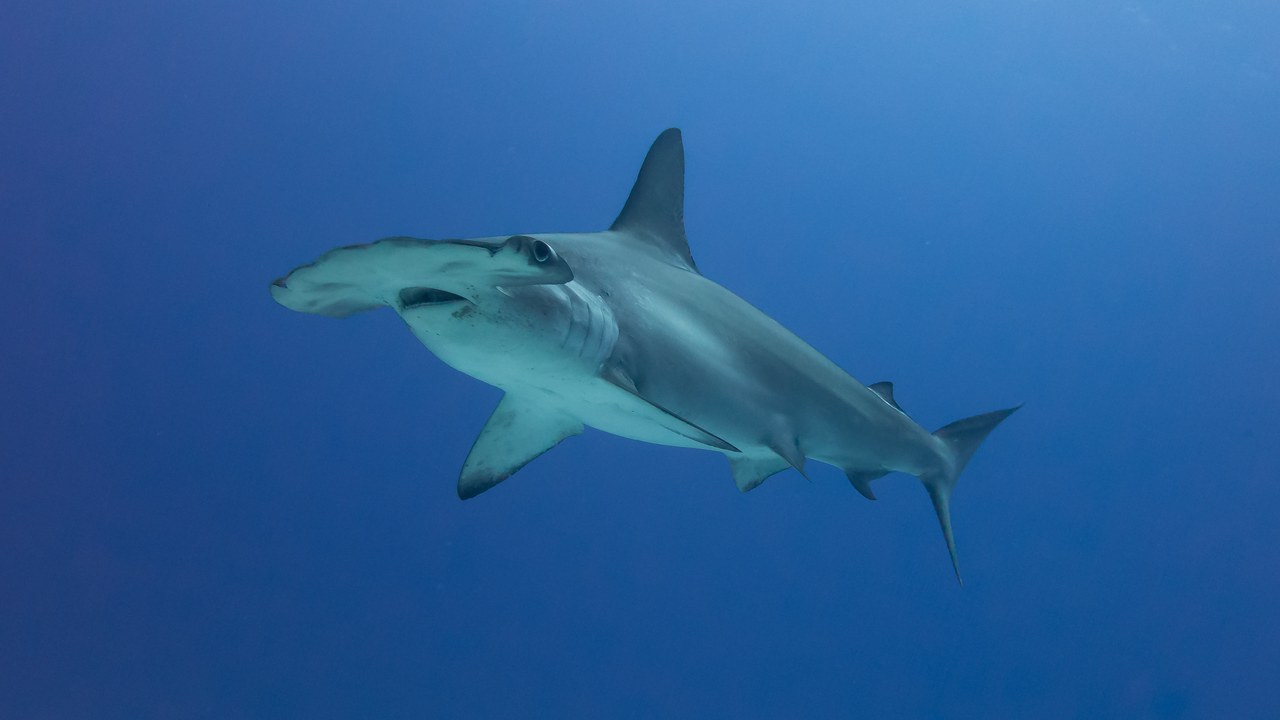
Scalloped hammerheads reach about 11 feet and 335 pounds, based on the NOAA species page.
The flattened, mallet-shaped head carries the eyes at its outer edges and has a shallow notch, or scallop, at its center, the feature behind the name. Many hammerheads gather in large schools in warm coastal waters, and the Canaveral article lists the scalloped hammerhead among the species that visit that Florida shoreline. The wide head is thought to help with sensing prey and scanning the surroundings.
11. Bluntnose sixgill shark: Deep Water Visitor
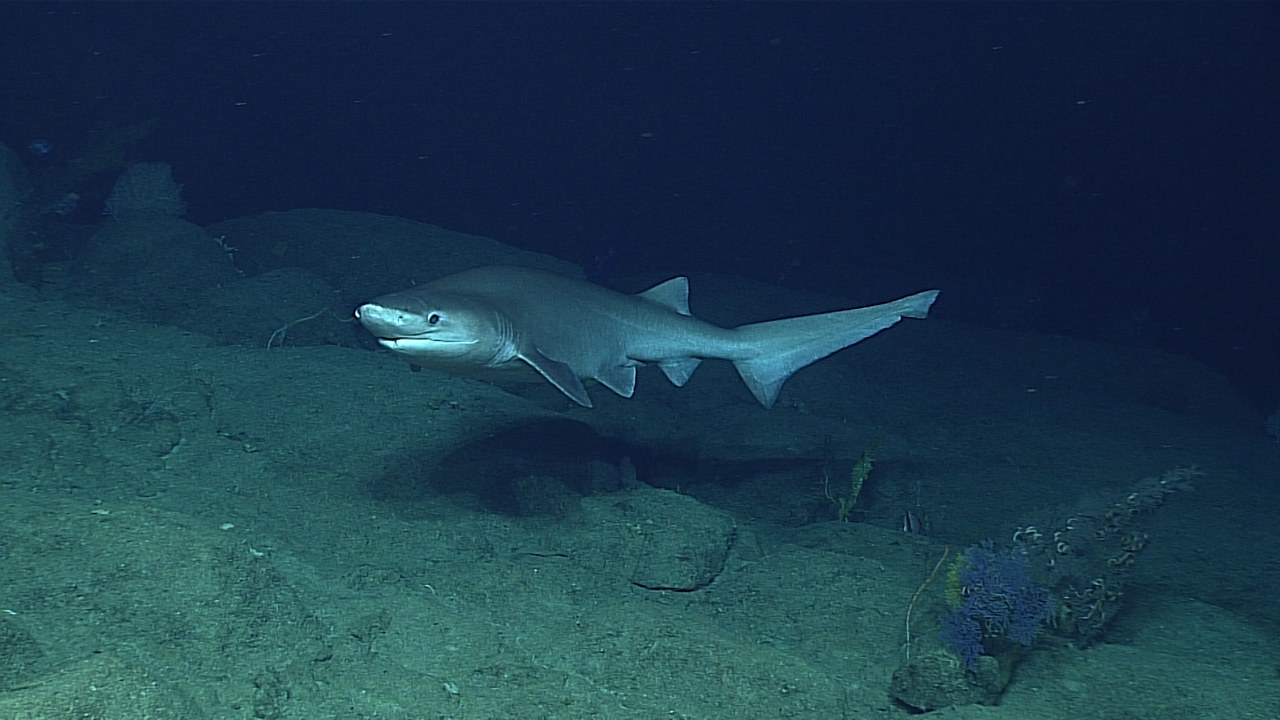
Puget Sound is one of the world’s few known sixgill pupping grounds, and a 2019 stranding there yielded 70 pups, as the NOAA feature story describes.
The bluntnose sixgill is an ancient-looking shark with six gill slits instead of the usual five, a broad blunt snout and a single dorsal fin set far back on the body. Adults are normally found in deep water, which makes sightings in shallow Salish Sea waters notable for scientists. Researchers studying the animals there hope to learn how the species uses the sound’s waters to raise its young.
AI, explained every day: Get The Deep View →
We may earn a commission if you sign up.
More from Morning Overview
- The FBI told the rest of ShinyHunters to surrender after a 24-year-old was arrested
- Two passengers died at an Ohio toll plaza, and the NTSB now wants the cash lanes shut
- Long use of a common prostate pill is tied to a higher chance of glaucoma
- Ford is recalling 223,472 F-150 pickups because the fuel tank can leak or detach
