
Spiders and scorpions inspire more dread than their real risk usually warrants across the United States. University extension services sort the common species into a small group that can truly hurt and a much larger group that is essentially harmless. Here are ten of the best-known ones, from notorious biters to misunderstood bystanders.
Save more, waste less: The Cool Down’s newsletter sends smart, simple changes that help you and the planet in your everyday life.
We may earn a commission if you sign up.
1. Black widow: Venom Reputation
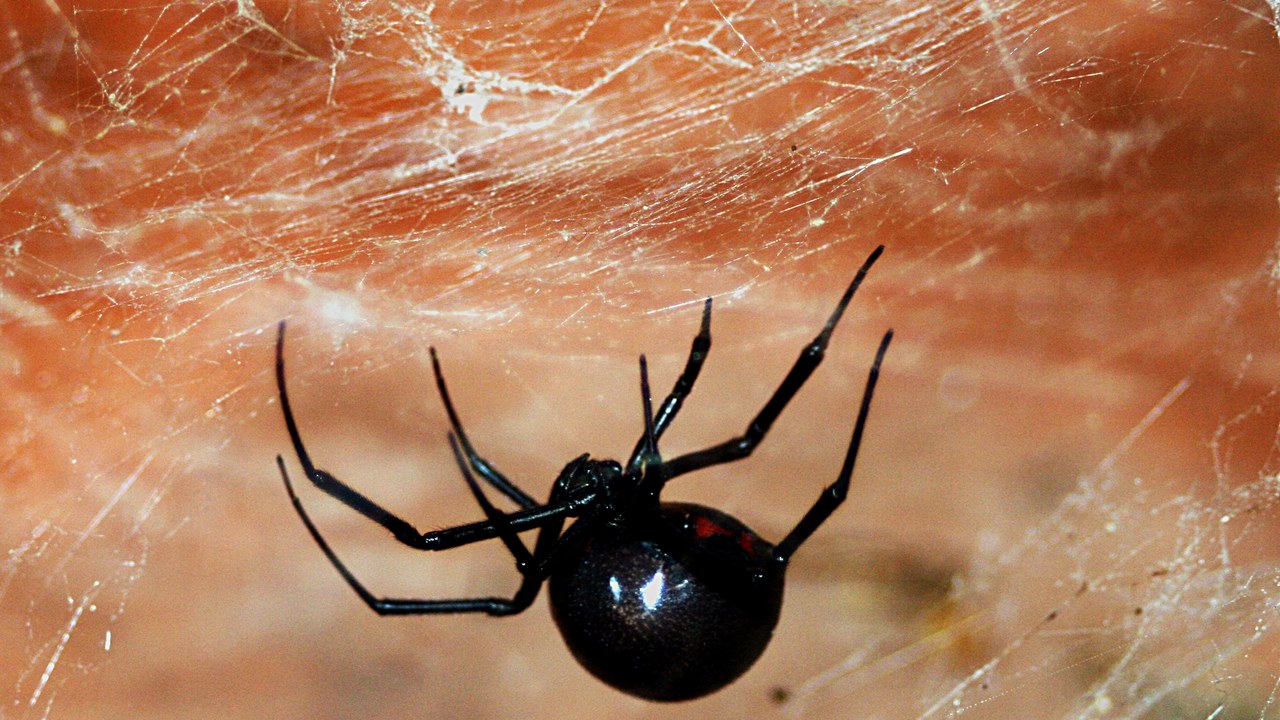
The Arkansas extension fact sheet calls black widow venom 15 times as toxic as the venom of a prairie rattlesnake, a comparison that explains the spider’s fearsome reputation. Only a small amount is injected per bite, however, which helps account for why serious outcomes are far less common than the figure suggests.
Female black widows are the ones of concern, and they are recognizable by a glossy black body marked with a red hourglass on the underside. They typically build tangled, irregular webs in sheltered, undisturbed places such as woodpiles, sheds and garages. Sensible precautions include wearing gloves when handling stored items outdoors, and anyone who is bitten should seek medical advice.
2. Brown recluse: A Slow-Burning Bite
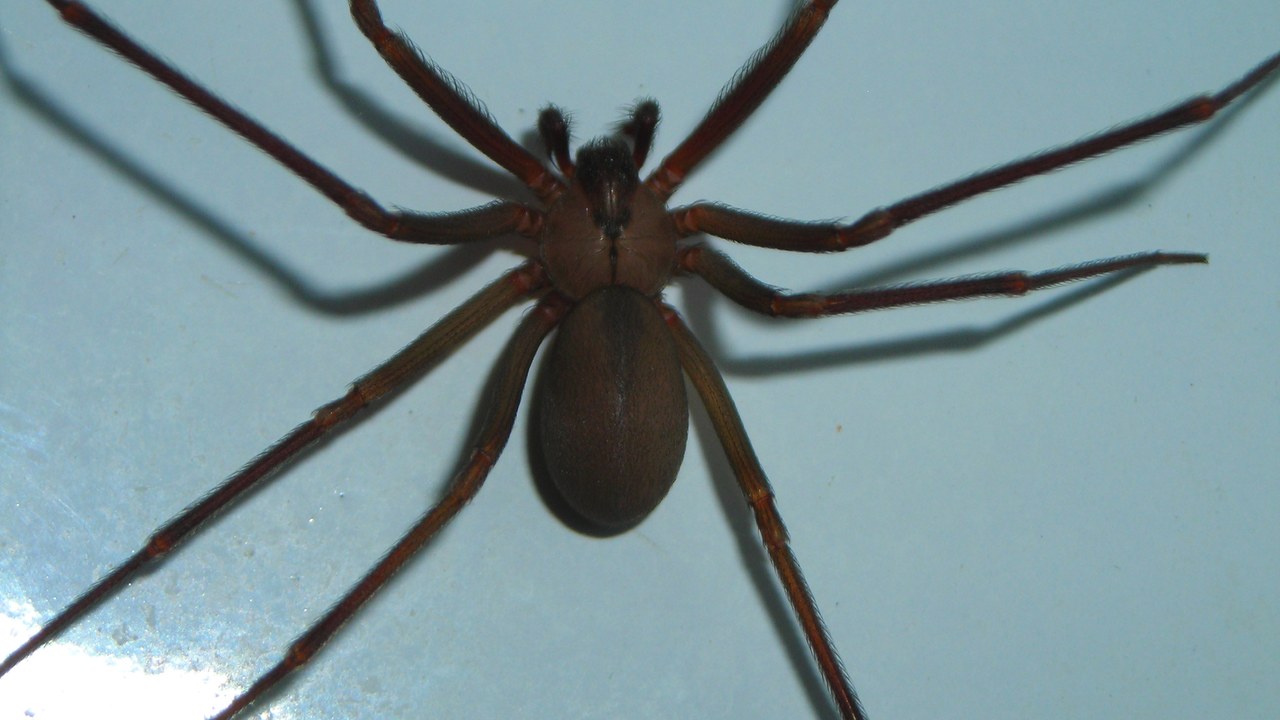
According to Arkansas extension guidance, a brown recluse bite can go unnoticed for one to three hours. Afterward the affected tissue can die, and healing takes six to eight weeks, which makes this one of the few spiders in the country with a genuinely serious bite.
The brown recluse is tan to brown and is known for a darker violin-shaped mark on the front part of its body. It is shy by nature, favoring quiet, dry hiding spots such as boxes, closets and cluttered storage areas. Bites tend to happen defensively when the spider is trapped against skin, for example inside clothing or bedding that has sat undisturbed for a while.
3. Arizona bark scorpion: The One That Matters
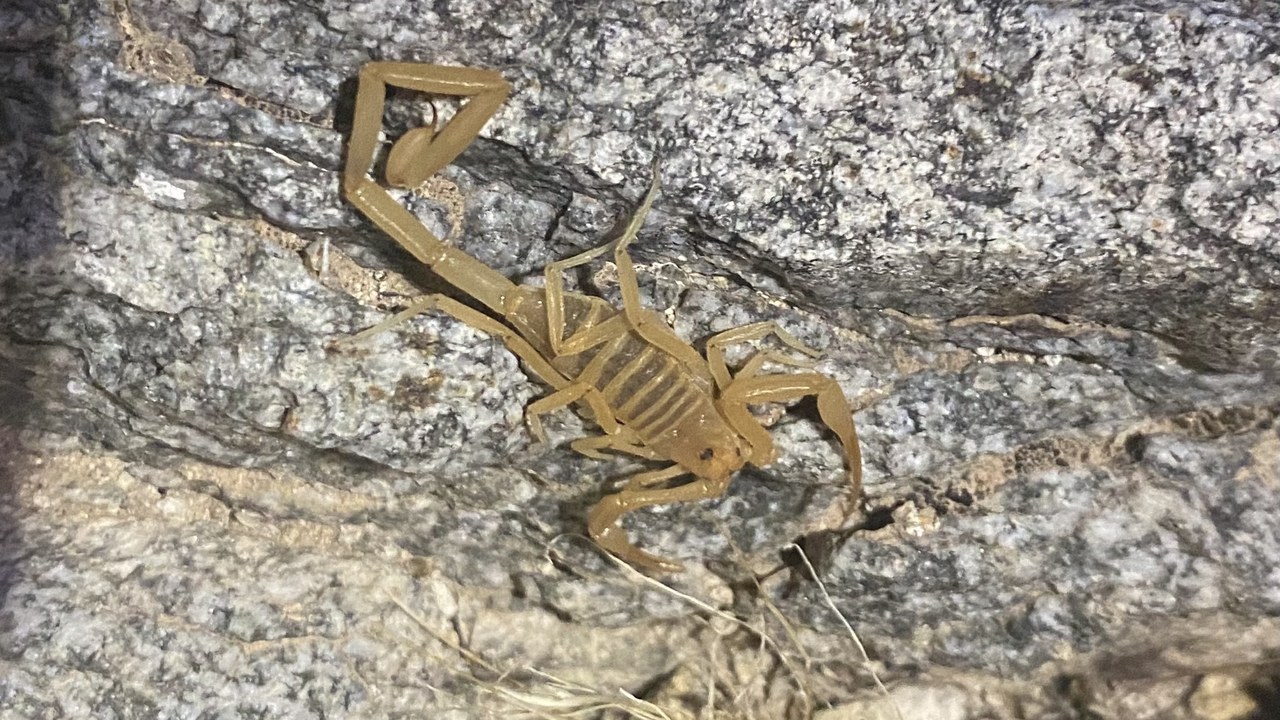
University of Arizona Extension describes the Arizona bark scorpion as the only scorpion of medical concern in the U.S. Severe envenomation is more common in small children, so a sting to a young child warrants prompt medical attention.
This slender, light tan scorpion is native to the Sonoran Desert region of the Southwest and is a skilled climber, which means it sometimes turns up on walls, in sheds and inside homes. Adults generally sting only when handled or surprised. Reducing clutter and sealing gaps around doors and windows helps keep it out, and anyone stung, especially a child, can call a poison control center for guidance.
4. Yellow sac spider: Tiny Culprit Indoors
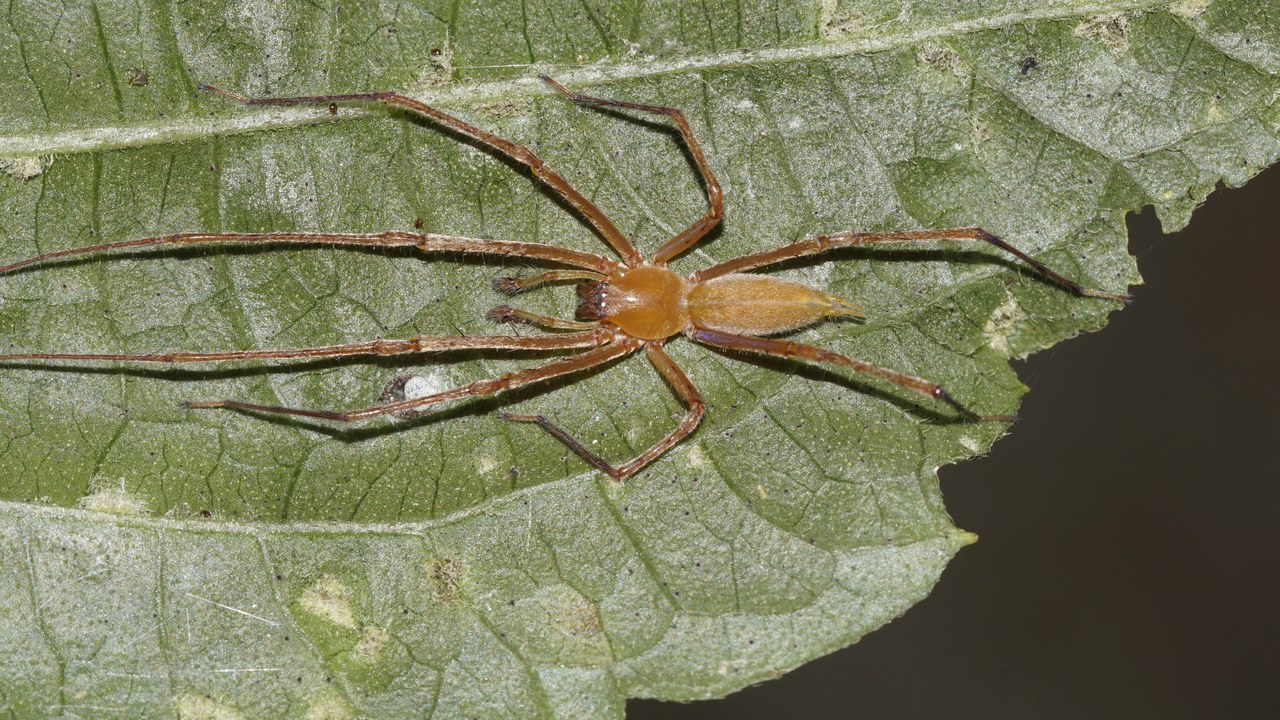
The Rutgers extension fact sheet says yellow sac spiders are believed to cause more spider bites than any other spider in the United States. Measuring under 3/8 inch long, they are small, pale animals, so the bites come from a surprisingly tiny creature.
The common name comes from the silken, tube-like sac that the spider spins as a daytime retreat, often in the folds of curtains, in ceiling corners or under loose bark. These spiders are wandering hunters that do not depend on a capture web, and they are active at night, which can bring them into contact with people indoors. Their pale yellowish to beige coloring helps them blend into walls.
5. Desert hairy scorpion: Big but Mild
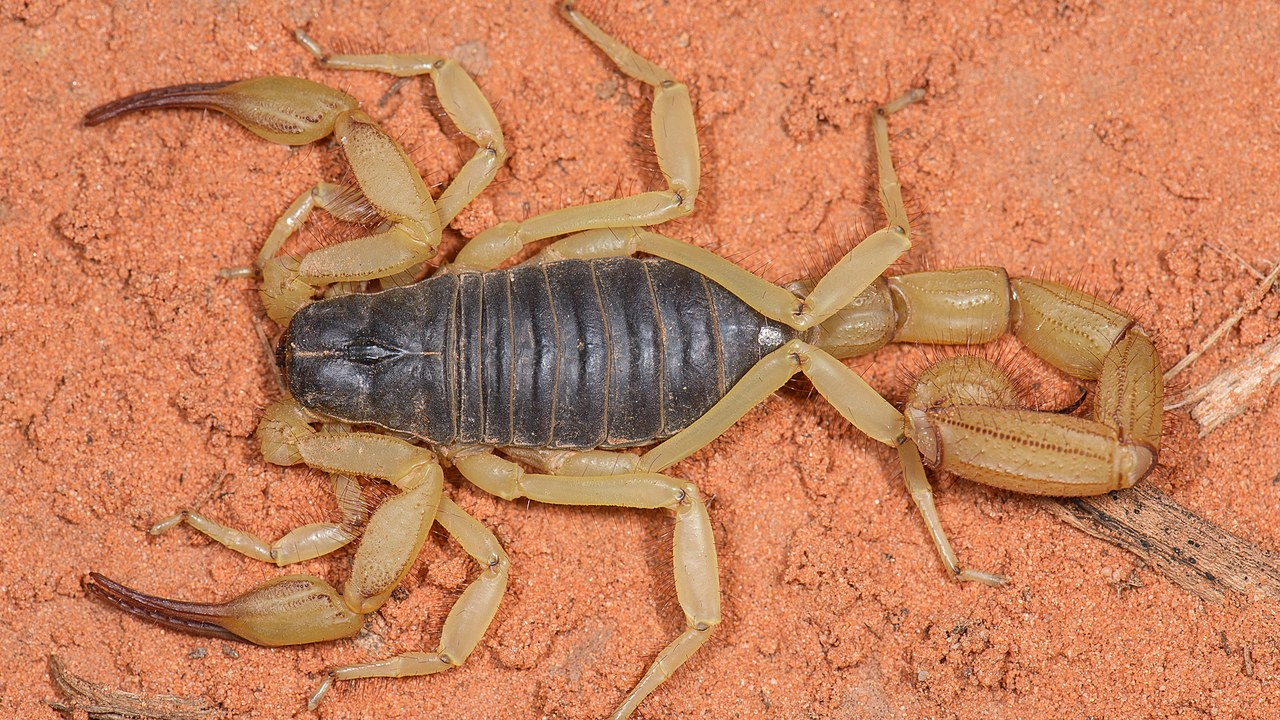
The University of Arizona publication identifies the Arizona giant hairy scorpion as the largest scorpion in the U.S., with heavy-bodied adults that often exceed 5 inches in length. Despite that imposing size, its venom is mild.
Covered in fine hairs, the species lives in the arid Southwest, where it shelters in burrows by day and hunts insects and other small prey after dark. Size and venom potency do not track each other among scorpions, and this animal shows it, since the biggest species in the country is far less worrisome than a much smaller bark scorpion. Its formidable appearance is mostly for show.
6. Tarantula: Scary Looks, Mild Venom
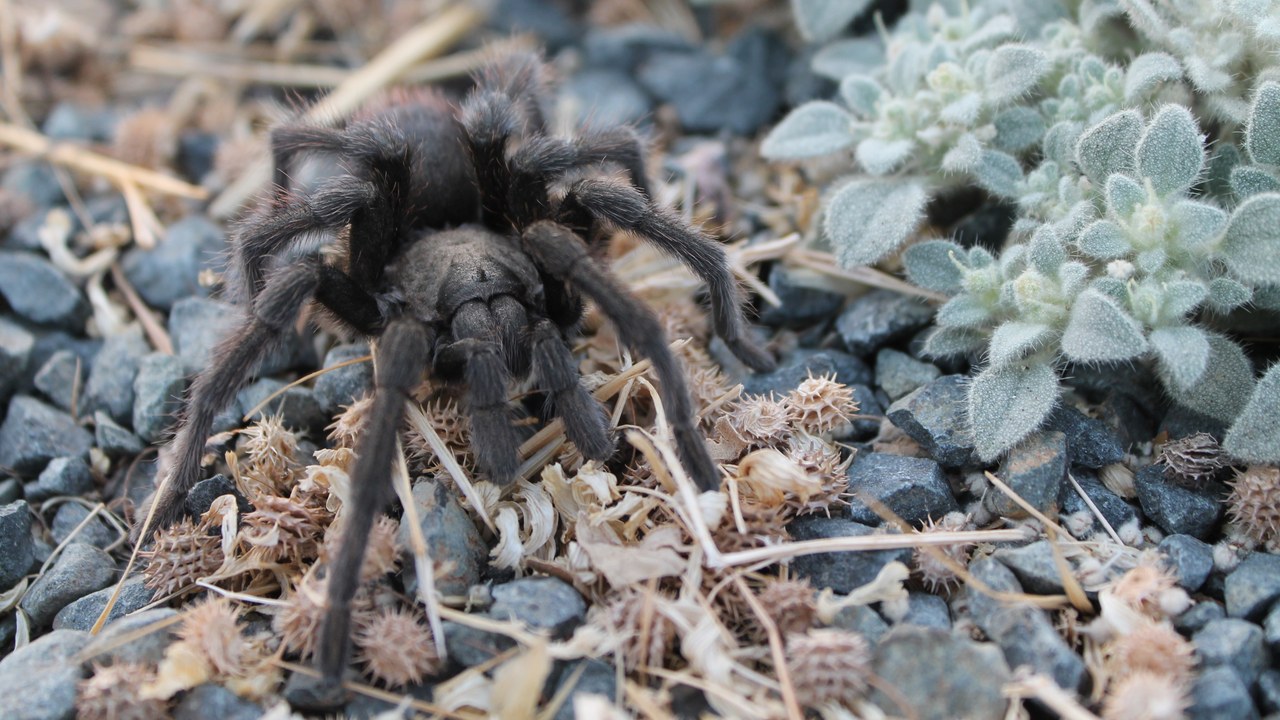
Large female tarantulas can span up to 5 inches, according to Arkansas extension materials, yet their venom is not very toxic to mammals. The size and hairy look of these spiders make them seem far more menacing than their actual threat.
Tarantulas are slow-moving burrowers found mostly in the southern and western states, and they emerge at night to hunt insects and other small prey. A defensive habit of flicking irritating hairs from the abdomen can bother skin and eyes, which is often a bigger nuisance than the venom itself. Handling is best avoided, since a frightened tarantula may bite.
7. Striped bark scorpion: Painful, Not Perilous
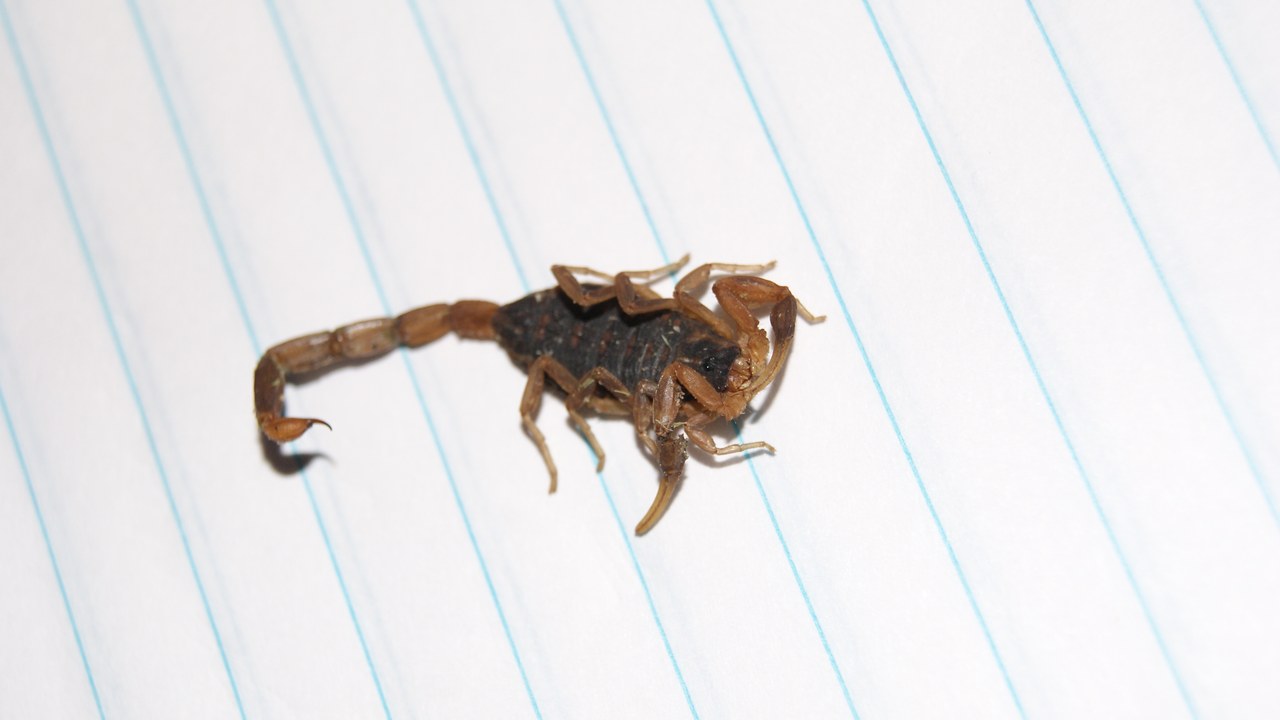
In the words of Arkansas extension guidance, the striped bark scorpion’s sting is painful but not life-threatening. Rare allergic reactions are the exception that need a doctor, much as with stings from bees or wasps.
Centruroides vittatus is a pale, straw-colored scorpion with two dark stripes running down its back, and it is a familiar sight in parts of the south-central United States. It hides under rocks, bark and debris during the day and wanders at night, so stings often happen when someone reaches into leaf litter, firewood or shoes without looking. Shaking out footwear and wearing gloves outdoors helps avoid surprises.
8. Wolf spider: Big and Harmless
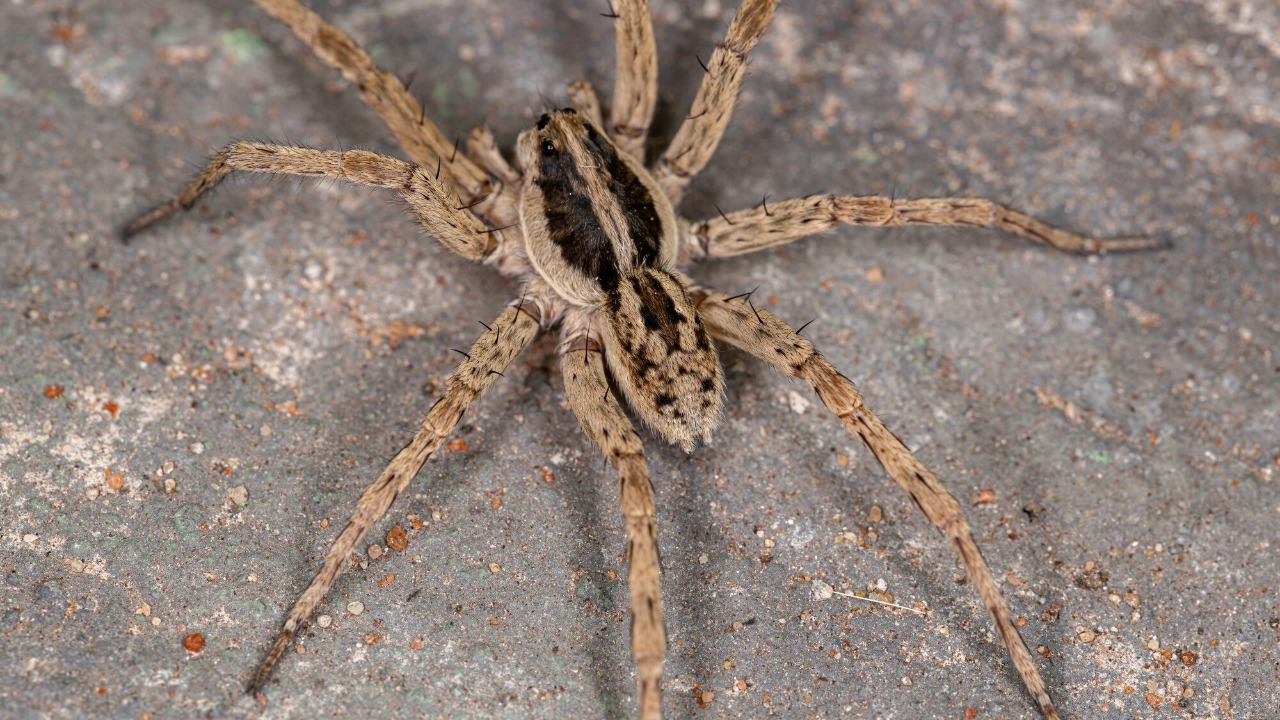
Despite their size, wolf spiders pose no hazard to humans, according to the Oklahoma State extension fact sheet. That reassurance matters because these hairy, brownish spiders often look alarming when they dart across a floor or garage.
Wolf spiders are ground-dwelling hunters that chase down or ambush insects instead of catching them in a web, and females are often seen carrying a round egg sac attached to the body. Their speed and sturdy build prompt many mistaken identifications as recluses or tarantulas. Left alone, they are beneficial predators that help limit insect numbers around yards and homes.
9. Jumping spider: Small, Bold and Colorful
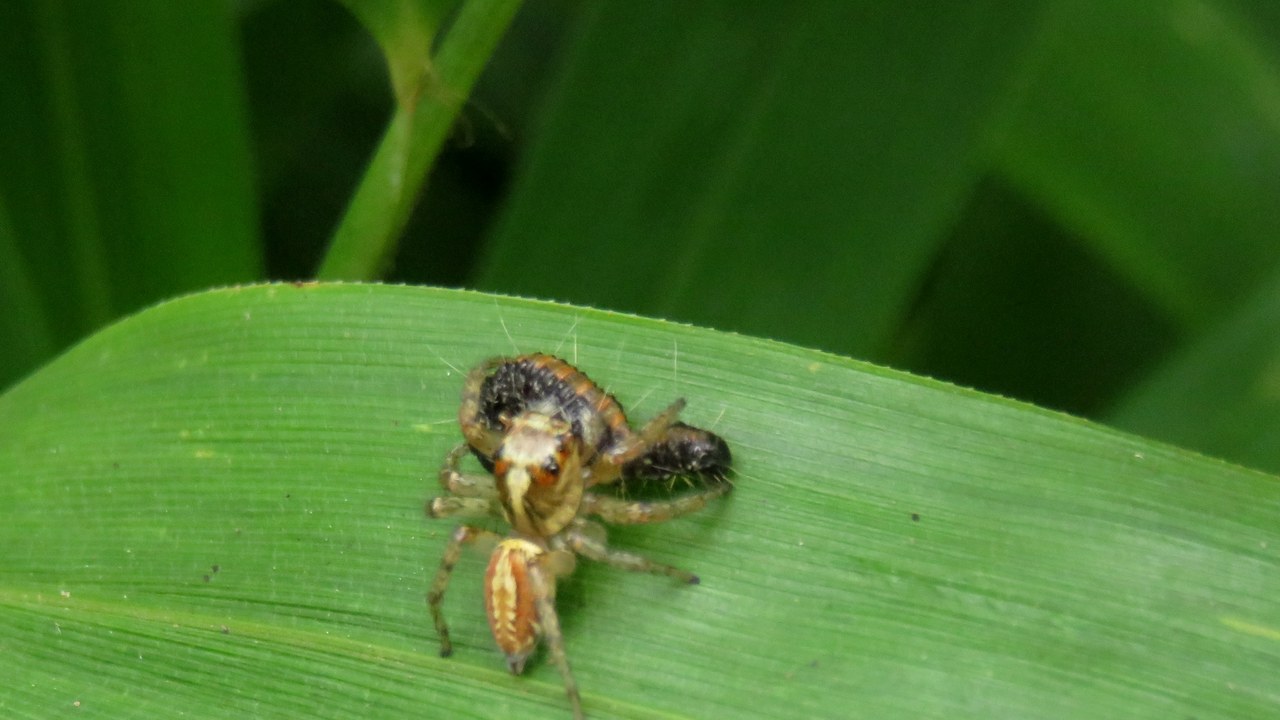
Stocky and often brightly colored, jumping spiders are not considered hazardous, per the Oklahoma State extension guide. Their compact bodies and bold patterns make them among the more charming spiders to meet.
These active daytime hunters stalk their prey and pounce, relying on excellent eyesight rather than webs, and they can leap many times their own body length. Their large front-facing eyes give them an almost curious, face-like look. Species such as Phidippus audax, the bold jumping spider, are common around porches, fences and sunny walls, where they eat flies and other small insects.
10. Orb weaver: Wheel Webs in the Garden
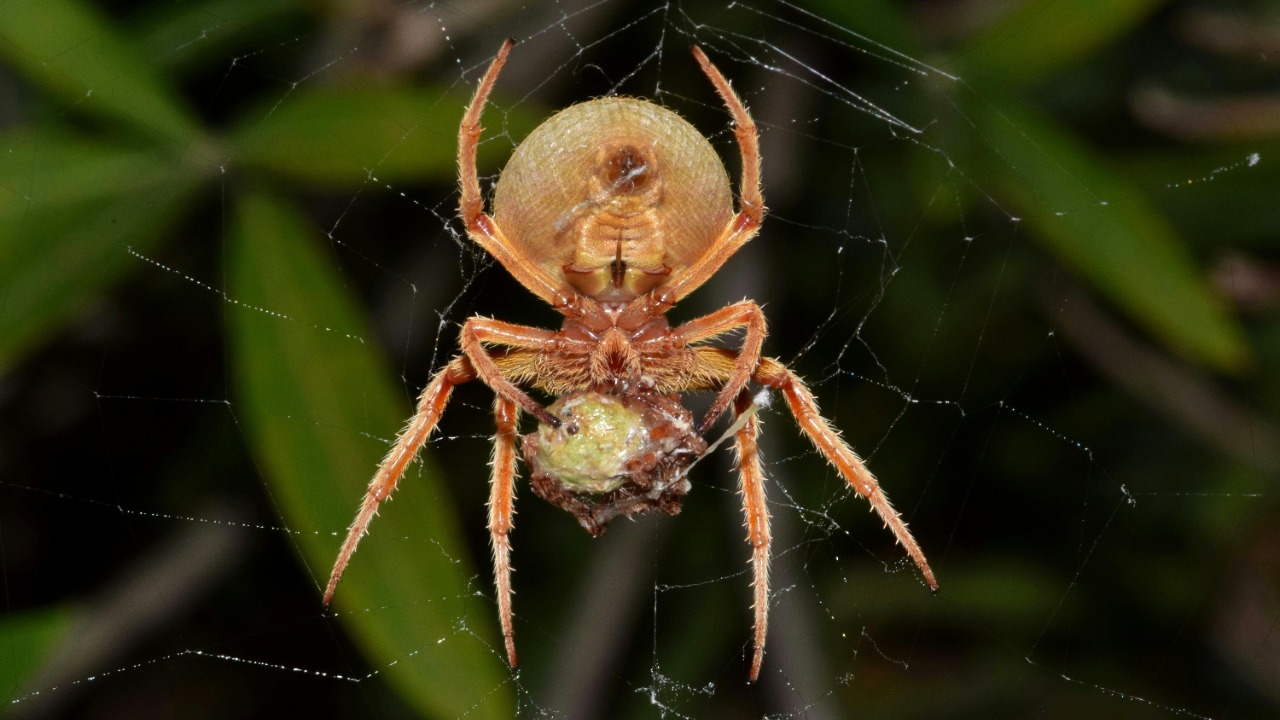
Female garden orb weavers top 1 inch in body length and are generally harmless, according to the Oklahoma State extension fact sheet. Their large size and bright markings can startle people, but the spiders themselves are not a concern.
Orb weavers are known for the classic wheel-shaped webs they spin between plants, fences and eaves, often rebuilding them regularly. A web suspended across a path is the usual cause of a surprise encounter, and the spider typically drops or retreats rather than fights. Gardeners value them because the webs trap many flying insects, which keeps pest numbers down.
Save more, waste less: Subscribe to The Cool Down →
We may earn a commission if you sign up.
More from Morning Overview
- Doctors warn a silent liver disease now affects one in three American adults
- The FBI told the rest of ShinyHunters to surrender after a 24-year-old was arrested
- Two passengers died at an Ohio toll plaza, and the NTSB now wants the cash lanes shut
- Long use of a common prostate pill is tied to a higher chance of glaucoma
