
Winter shutdowns across North America range from a near-stopped heart to a light doze broken by snack breaks. Some animals let their bodies cool far below normal or even freeze, while others simply slow down and wait for spring. Here are eight American animals that ride out the cold in very different ways.
The day in tech, in one email: TLDR is the daily newsletter with links and TLDRs of the most interesting stories in startups, tech and programming.
We may earn a commission if you sign up.
1. Little brown bat: The Thousand-Beat Slowdown
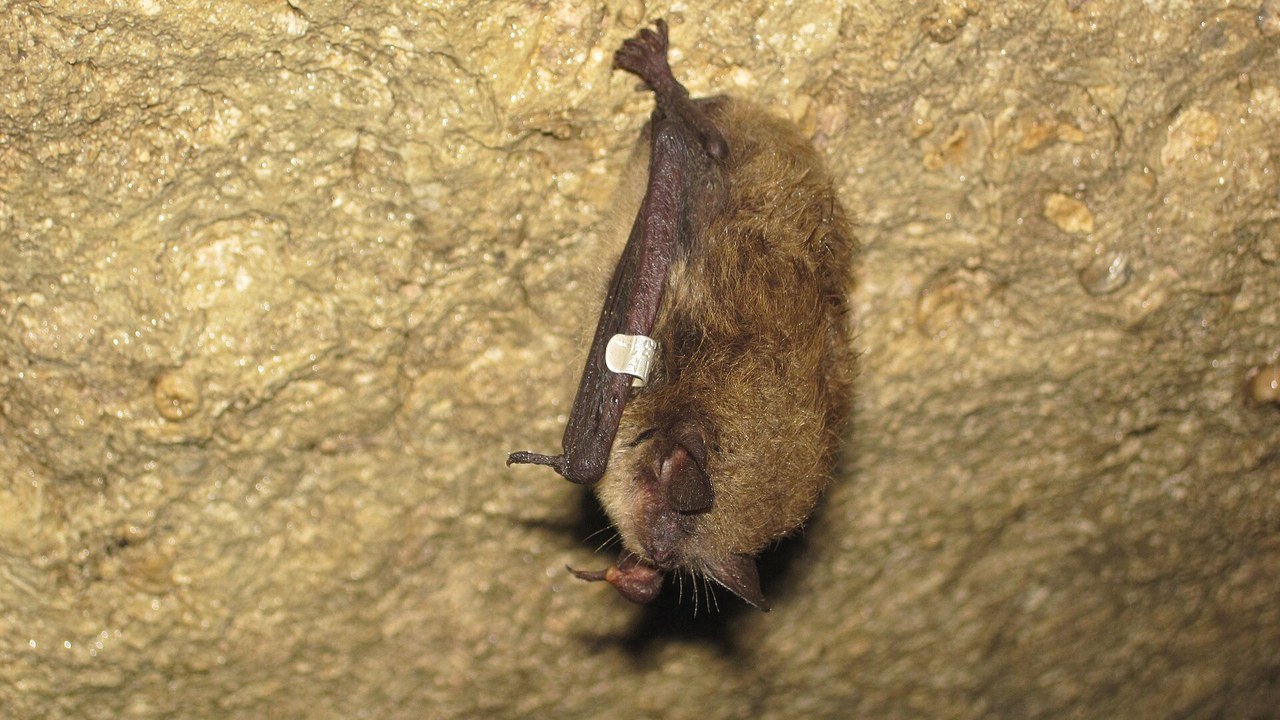
The little brown bat is a true hibernator, and its heart rate plunge is among the most dramatic in the animal world: from about 1,000 beats a minute down to five. That is a pulse so faint it barely registers compared with the animal’s busy summer self.
Such a deep slowdown lets the bat stretch a small body’s stored fat across the cold months, when flying insects are nowhere to be found. The trade-off is that the bat has almost no ability to react if something disturbs it, which makes undisturbed winter roosts a real lifeline for the species.
2. Arctic ground squirrel: The Eight-Month Sleeper
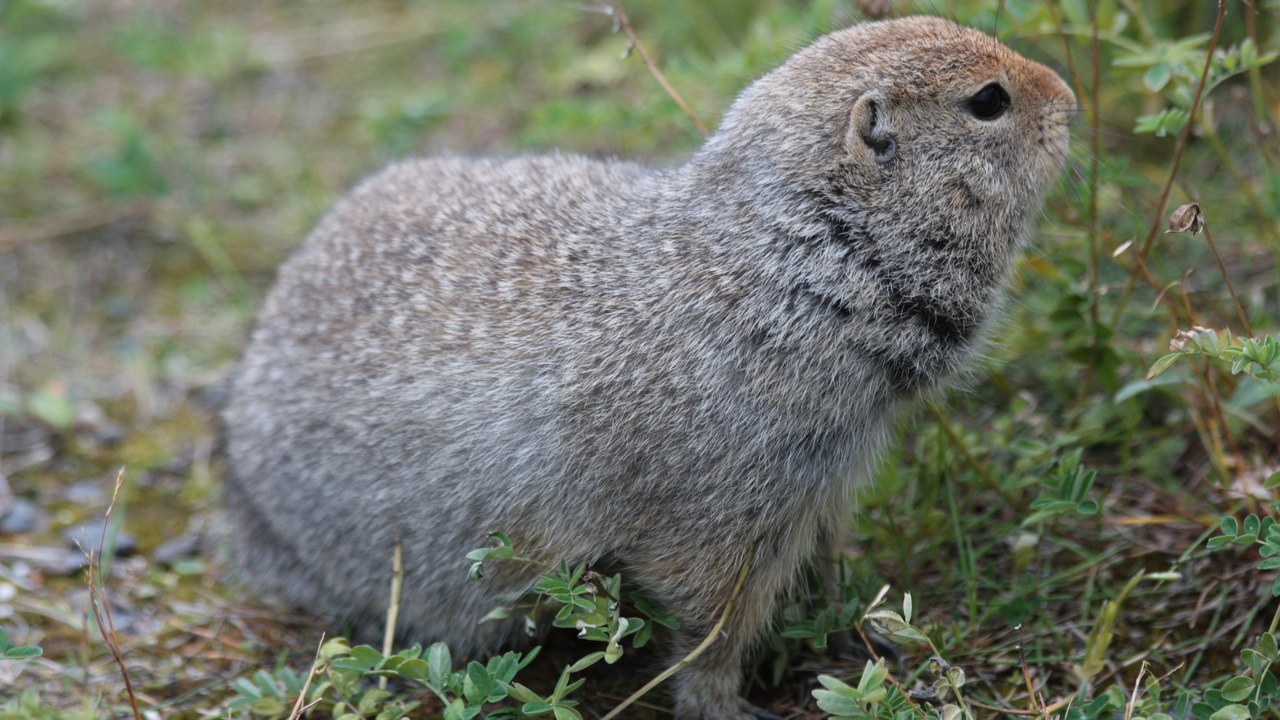
Few mammals commit to winter like the Arctic ground squirrel, which spends 7 to 8 months of the year hibernating. During that stretch its body temperature can drop as low as 27°F, a figure that sits below the freezing point of water.
The squirrel survives because it is not simply cold; its body is running a carefully controlled, ultra-low-power program that spares its fat reserves. Spending that much of the year asleep leaves only a short season above ground for feeding, mating and building up the reserves needed to do it all again.
3. Groundhog: The Original Weather Forecaster
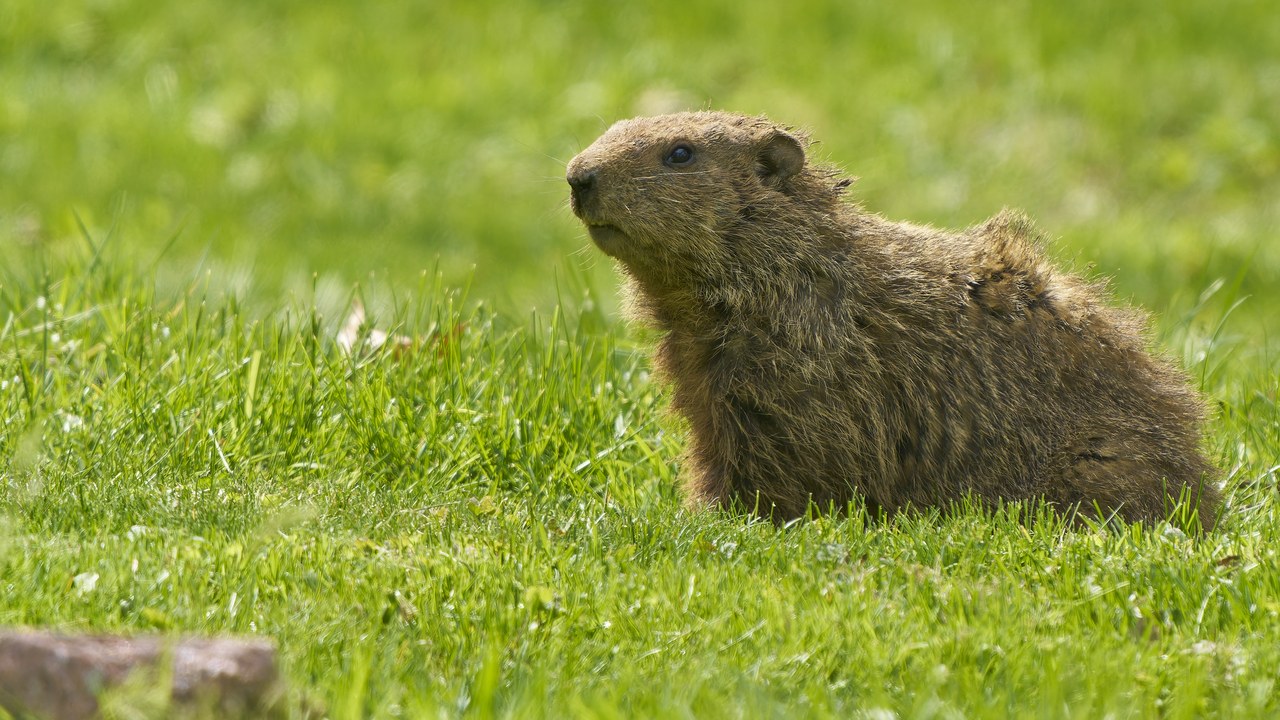
The groundhog, best known for its February shadow, is a true hibernator, and a state naturalist explains that its heartbeat slows to just 4 or 5 beats a minute. That is a remarkable drop for an animal that spends its active months lumbering around fields and burrow entrances.
The famous holiday aside, the real story is metabolic. A groundhog that has packed on enough fat in autumn can lie nearly motionless in its burrow and let that stored energy trickle away until the ground begins to warm, a quiet routine that has little to do with shadows and a lot to do with survival.
4. Wood frog: The Frog That Freezes
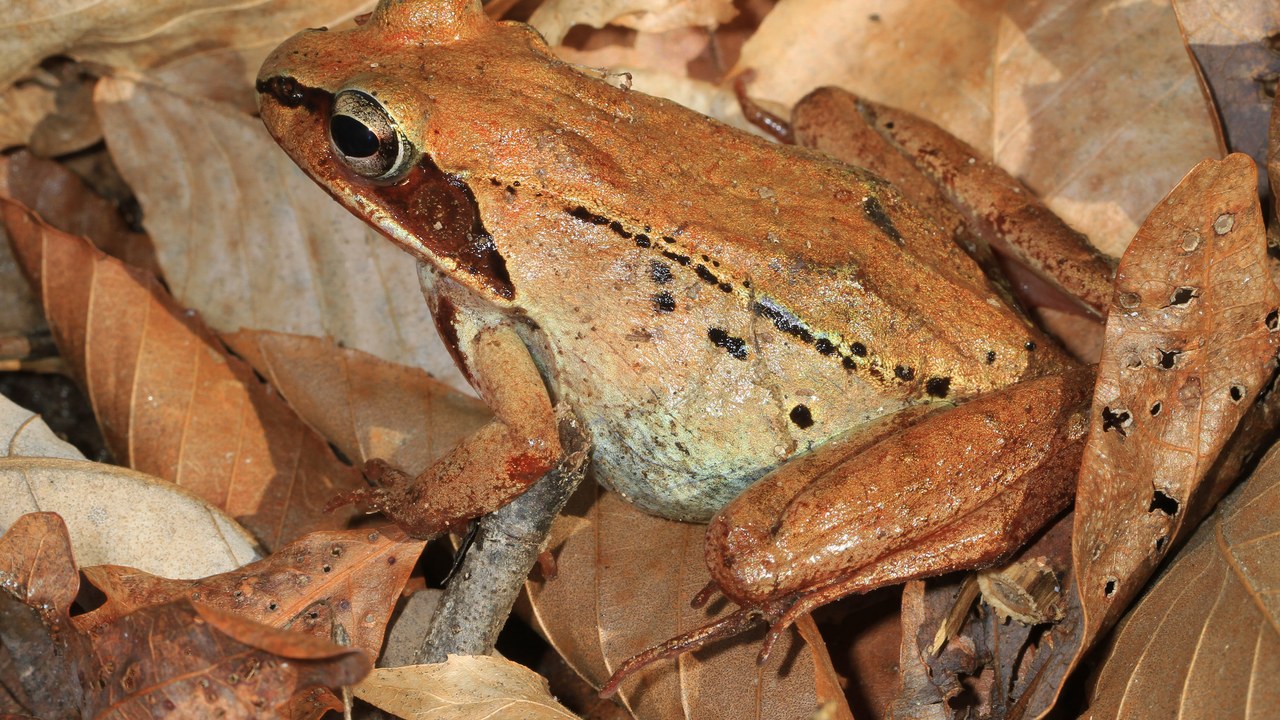
Where most amphibians retreat below the frost line, the wood frog stays near the surface and can freeze and survive for up to a few weeks before thawing out. Its heart stops and its body becomes a block of ice, yet spring brings it back to life.
That is hibernation at its most extreme, closer to suspended animation than to sleep. The frog’s tolerance has limits, since the freeze is measured in weeks rather than months, but it is enough to carry the species through a typical stretch of hard winter weather.
5. Meadow jumping mouse: The Two-Week Fattening Plan
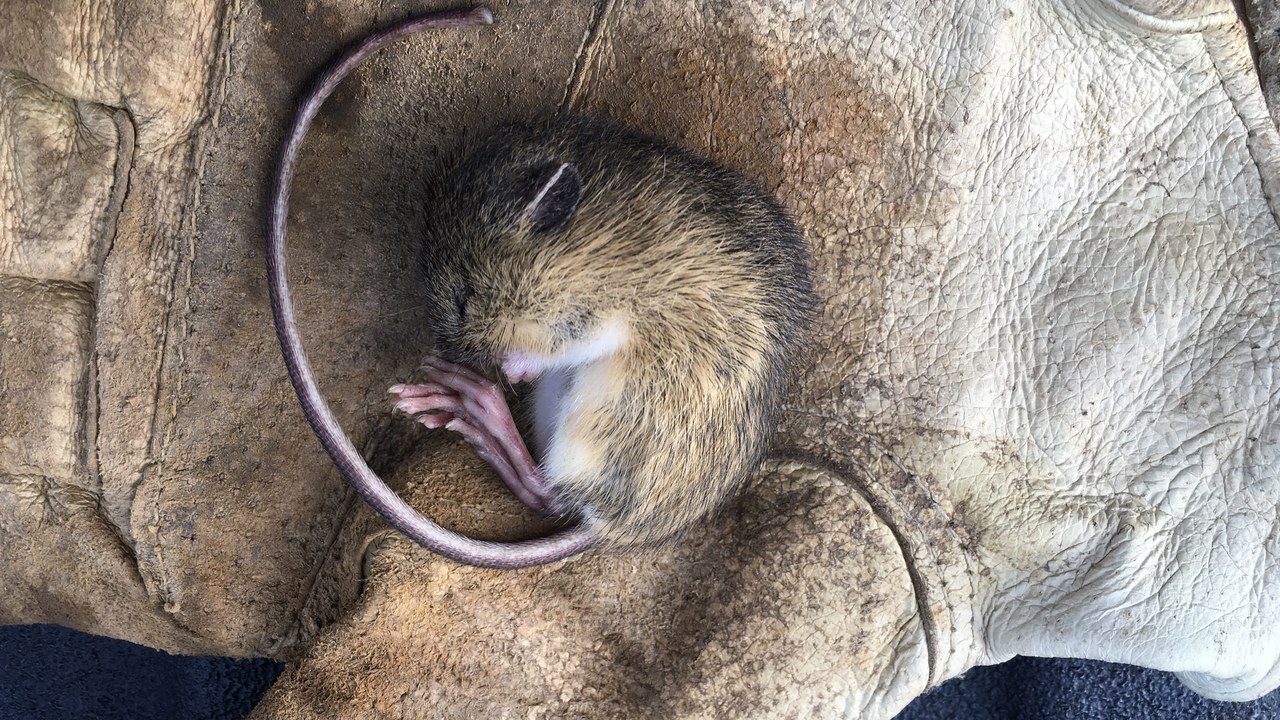
The meadow jumping mouse has little time to prepare, spending only about two weeks fattening up before it hibernates. It then settles into a den that is often less than two feet underground.
A short feeding window and a shallow hideout make for a thin margin, and the mouse leans on that brief burst of eating to fund the whole winter. Its strategy shows that a hibernator does not need a deep burrow or a long run-up, only enough fat and a hiding place that stays sheltered until the season turns.
6. Eastern chipmunk: The Sleeper Who Wakes for Snacks
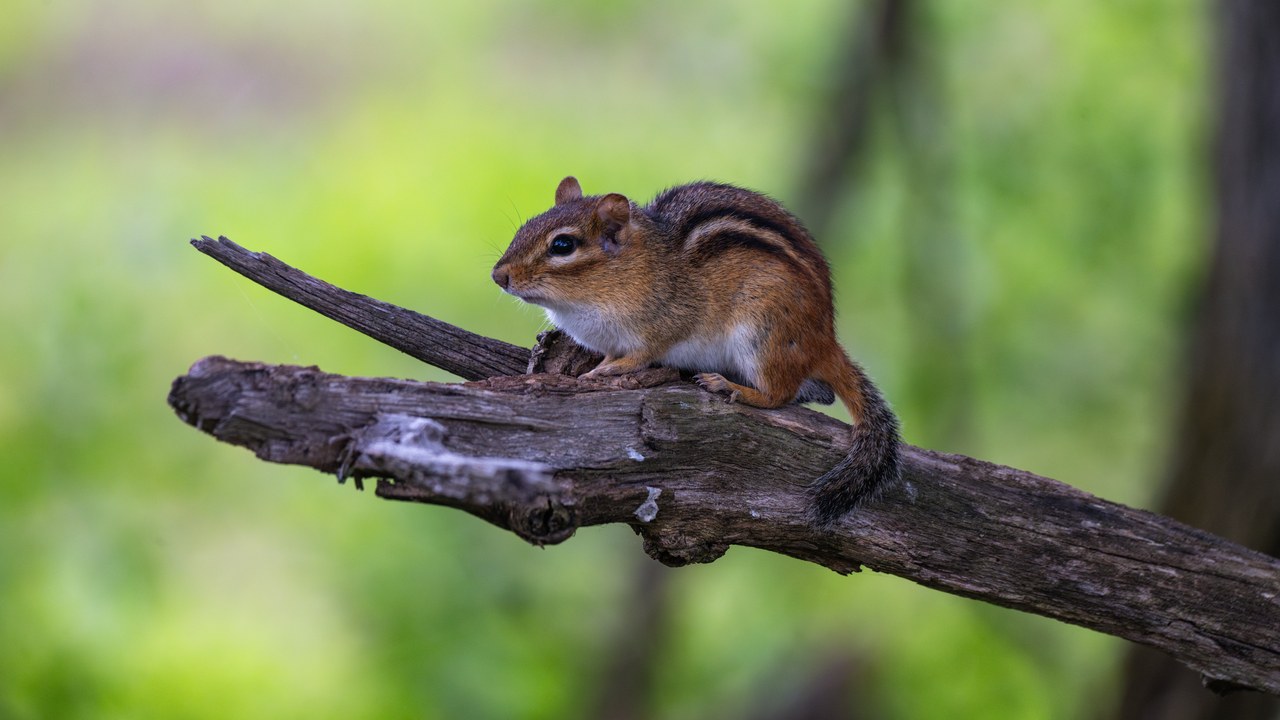
Not every winter sleeper is a true hibernator, and the Eastern chipmunk is the classic example. It wakes on warm days to feed, treating its stored food as a pantry rather than sleeping straight through the season.
This lighter pattern is a useful reminder that dormancy comes in degrees, and that the line between true hibernation and a long winter nap is not always sharp. The chipmunk slips in and out of sleep, a flexible routine that suits the unpredictable swings of a northern winter and lets it refuel whenever the weather allows.
7. American black bear: Dormant, Not Hibernating
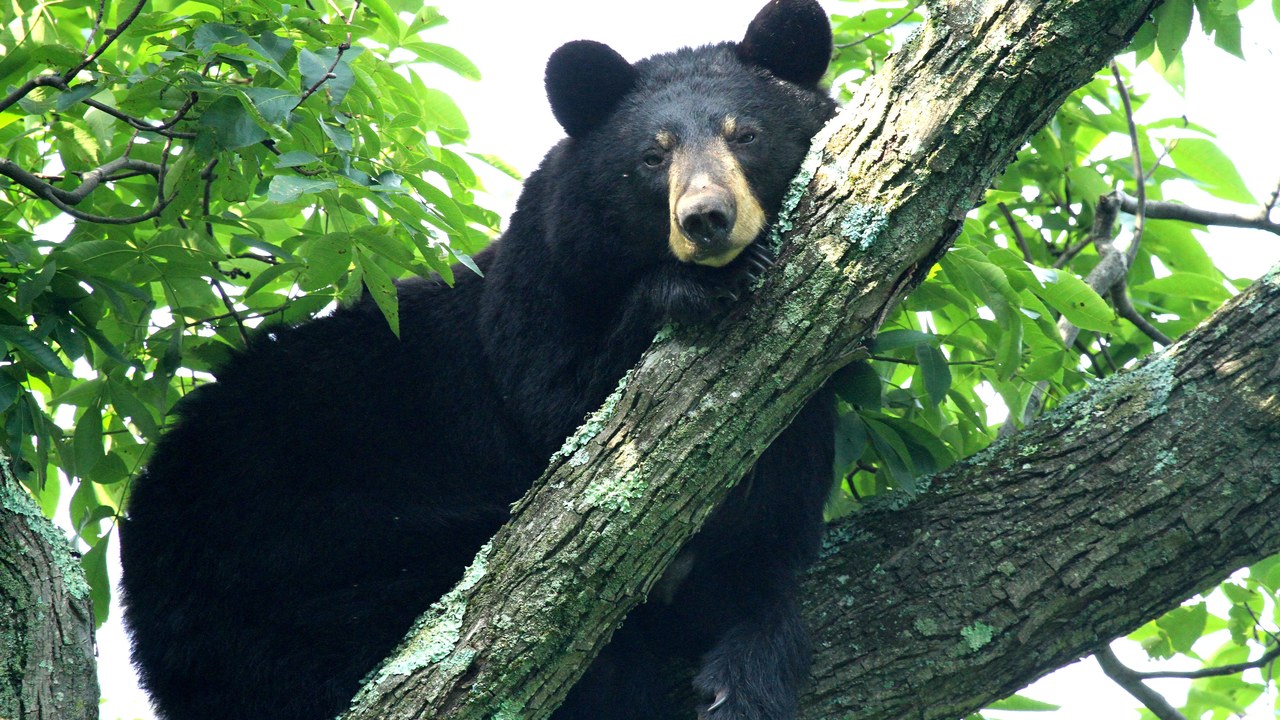
The American black bear is the winter icon, yet it goes dormant rather than entering true hibernation, a response to a lack of food. The most striking part of the season comes in January, when cubs are born while the mother is still dormant.
That distinction matters because the bear is sleeping because food has run out, not because a deep physiological switch has been flipped. Even so, the arrangement works well enough that a mother can give birth in the middle of winter, safely tucked away while the landscape outside stays bare.
8. Black rat snake: The Cold-Blooded Pause
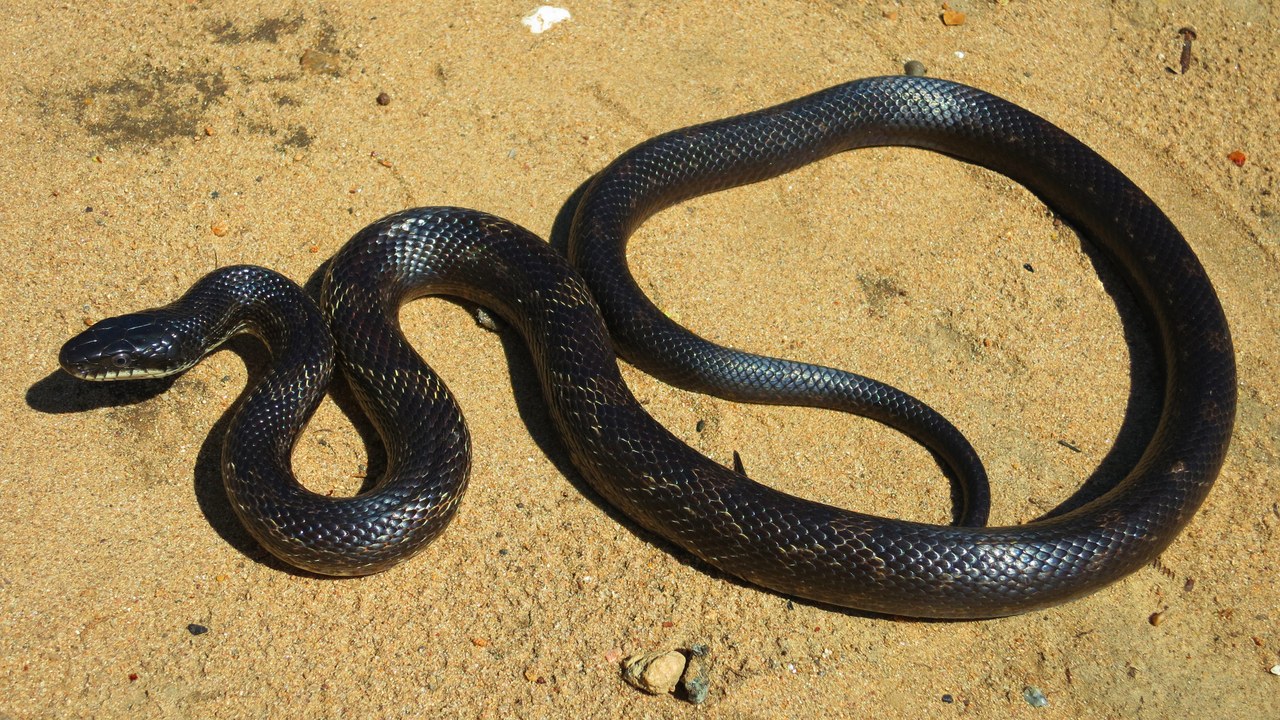
Reptiles have their own version of winter rest, and the black rat snake enters brumation in late autumn. Throughout the cold months it will not eat, living off what its body already holds until the weather turns.
Brumation resembles hibernation but belongs to cold-blooded animals, whose body heat depends on the weather around them. The snake simply goes quiet when temperatures fall, waiting out the season in shelter without feeding until the warmth returns. It is a patient, low-energy approach to a season when prey is scarce and the days are short.
The day in tech, in one email: Get TLDR →
We may earn a commission if you sign up.
More from Morning Overview
- Long use of a common prostate pill is tied to a higher chance of glaucoma
- Ford is recalling 223,472 F-150 pickups because the fuel tank can leak or detach
- Hybrids have 15% fewer problems than gas cars, while EVs and plug-in hybrids have about 80% more, Consumer Reports finds
- Regulators cleared the first U.S. small modular reactor, 4 months early
