
Every autumn and spring, animals across the Americas set out on journeys that stretch the limits of endurance. These travelers include birds, whales, a seal, a turtle, an insect, and a herd of land mammals, each covering distances that few people ever match. Here are nine animals with epic migrations through or from America.
Tech news worth reading: Get Techpresso, the daily email with the most interesting tech news and insights, read by 400,000+ professionals from Google, Apple and OpenAI.
We may earn a commission if you sign up.
1. Arctic tern: Longest Trip on Earth
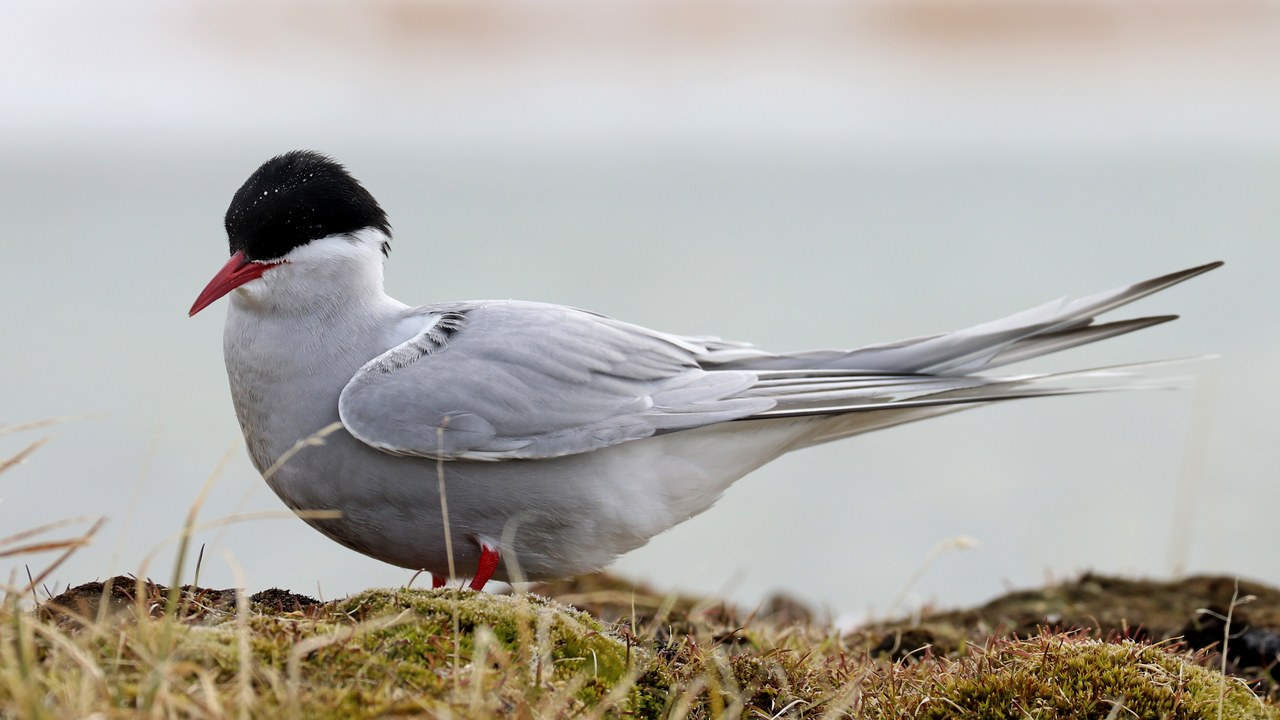
The Arctic tern migrates 50,000 miles round-trip every year, a total reported in Audubon’s champion migrator roundup. That distance is a full annual circuit, covering the outbound leg and the return in a single twelve-month cycle.
Because the figure counts both directions of the trip, it cannot be compared directly with the one-way flights elsewhere on this list. The National Park Service also describes the species as making the longest migration of any bird, which keeps the tern firmly at the head of any conversation about extreme animal travel.
2. Bar-tailed godwit: Nonstop to New Zealand
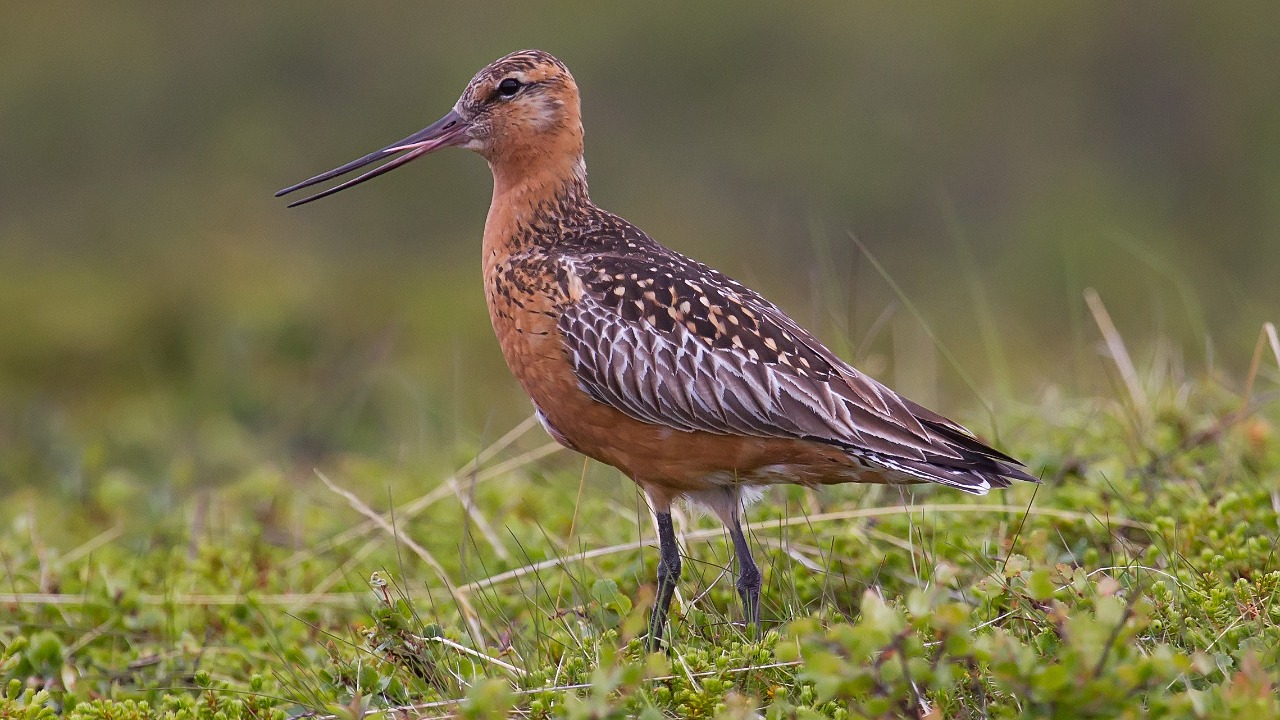
A bar-tailed godwit can make a nonstop 7,000-mile trip from Alaska to New Zealand in a little more than a week, according to Audubon’s migration profile. The shorebird covers that span in one push, with no stop along the way, which makes the schedule as impressive as the distance.
The flight is a single one-way leg, so it measures something different from the tern’s annual round-trip total. Crossing an ocean in roughly eight days, with no landing, makes the godwit a standout among animals that start their journey on American soil.
3. Gray whale: Whales on the Coast Run
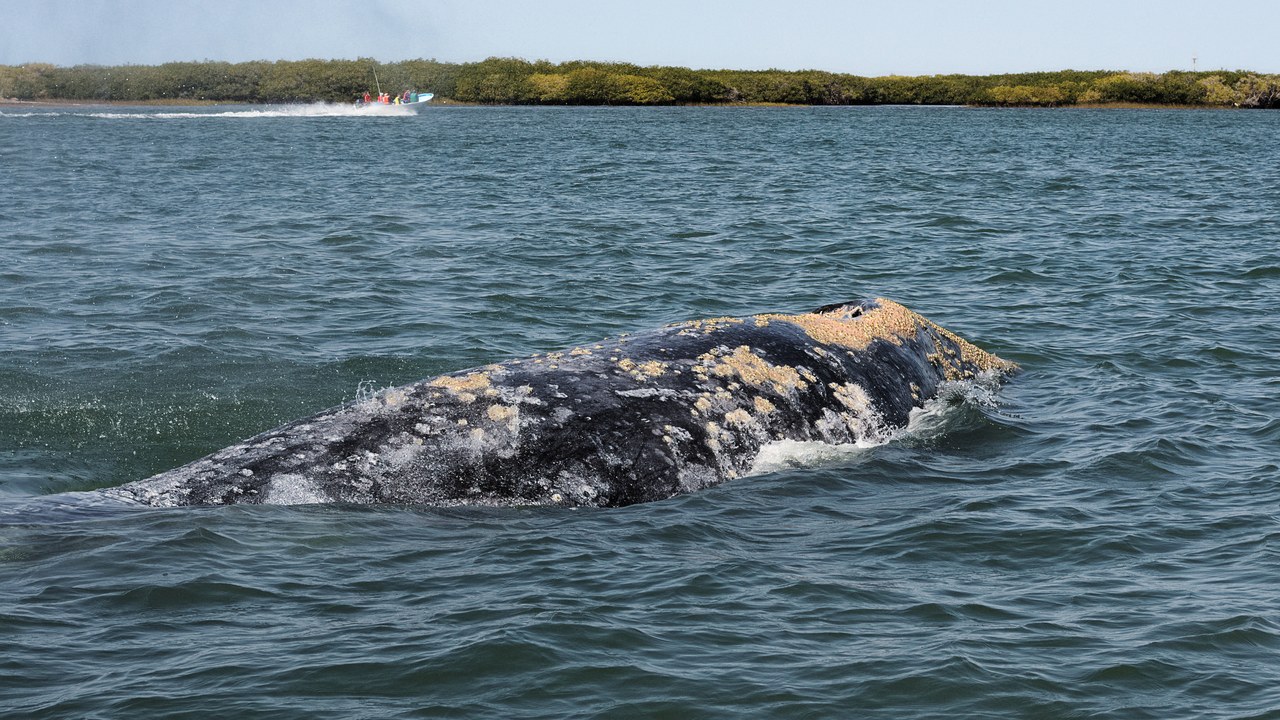
The gray whale travels about 10,000 miles round-trip, and in some cases upwards of 14,000 miles, based on NOAA Fisheries species data. The gap between the two numbers suggests that the distance varies from animal to animal, even within one species and one general route.
Few mammals commit to a yearly circuit this long, and the gap between the typical and the upper estimate shows how much variation exists within a single species. The numbers describe a complete round trip, which puts the whale in the same accounting category as the tern.
4. Northern elephant seal: Seal with Frequent-Flyer Miles
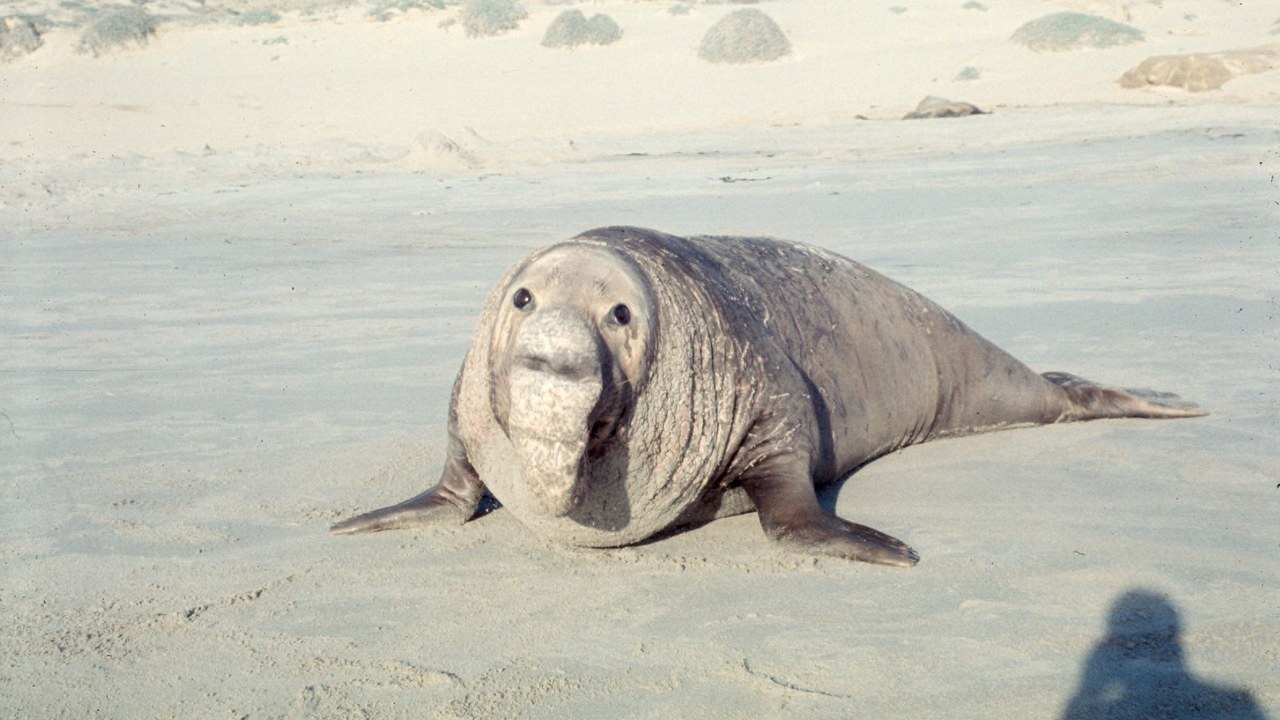
Northern elephant seals have been recorded traveling over 13,000 miles roundtrip, a distance documented by NOAA Fisheries. A marine mammal best known for hauling out on beaches turns out to cover enormous stretches of open water.
The wording matters: the figure describes recorded journeys rather than a guaranteed average for every seal. Even as a documented maximum, a round trip above 13,000 miles is a striking distance for a mammal that spends so much time hauled out on shore, and it rivals the whale journeys on this list.
5. Leatherback sea turtle: Ten Thousand Miles at Sea
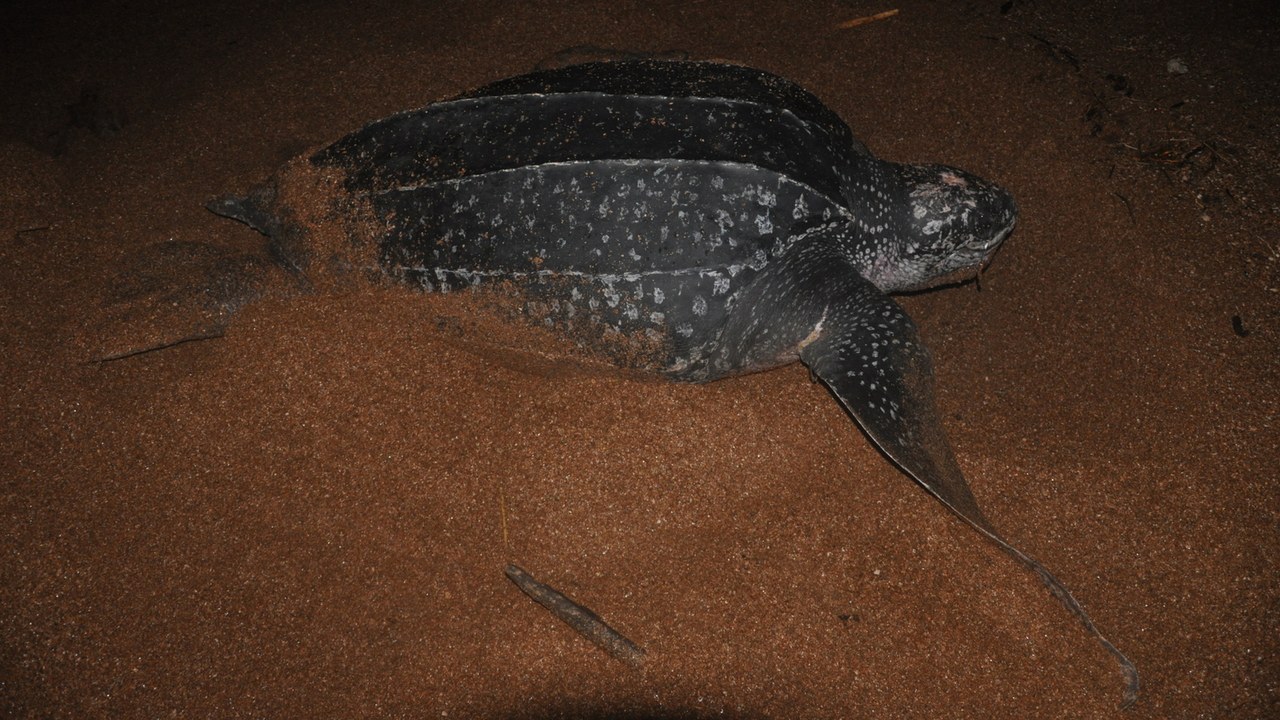
Some leatherback sea turtles swim over 10,000 miles a year between nesting and foraging grounds, NOAA Fisheries reports. The trip links the places where the turtles nest with the distant waters where they forage, so it is a travel pattern tied to the animals’ basic needs.
The qualifier is important, since the claim applies to some individuals and not to every turtle in the population. A yearly total above 10,000 miles still shows how much ocean a reptile can cross while moving between the places it needs to survive.
6. Humpback whale: Alaska to Hawaii Express
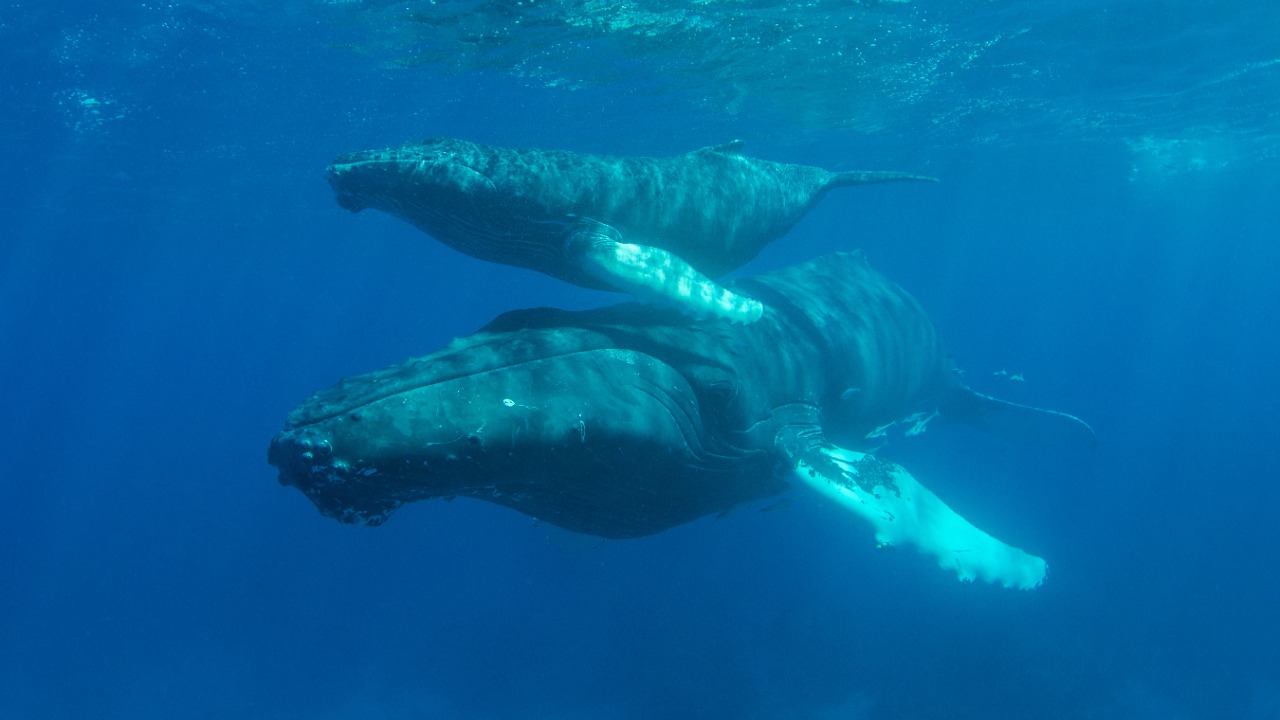
Some humpback whale populations travel about 5,000 miles between feeding and breeding waters, per NOAA Fisheries. The Alaska-to-Hawaii portion alone is 3,000 miles, and whales can complete it in as few as 28 days.
That 28-day figure is a fast end of the range, not a promise that each whale moves at the same pace. The trip pairs cold, food-rich feeding grounds with the warm waters used for breeding, which helps explain why the journey is worth the effort. Population differences also mean that some whales travel less than others.
7. Monarch butterfly: Butterfly on a Long Haul
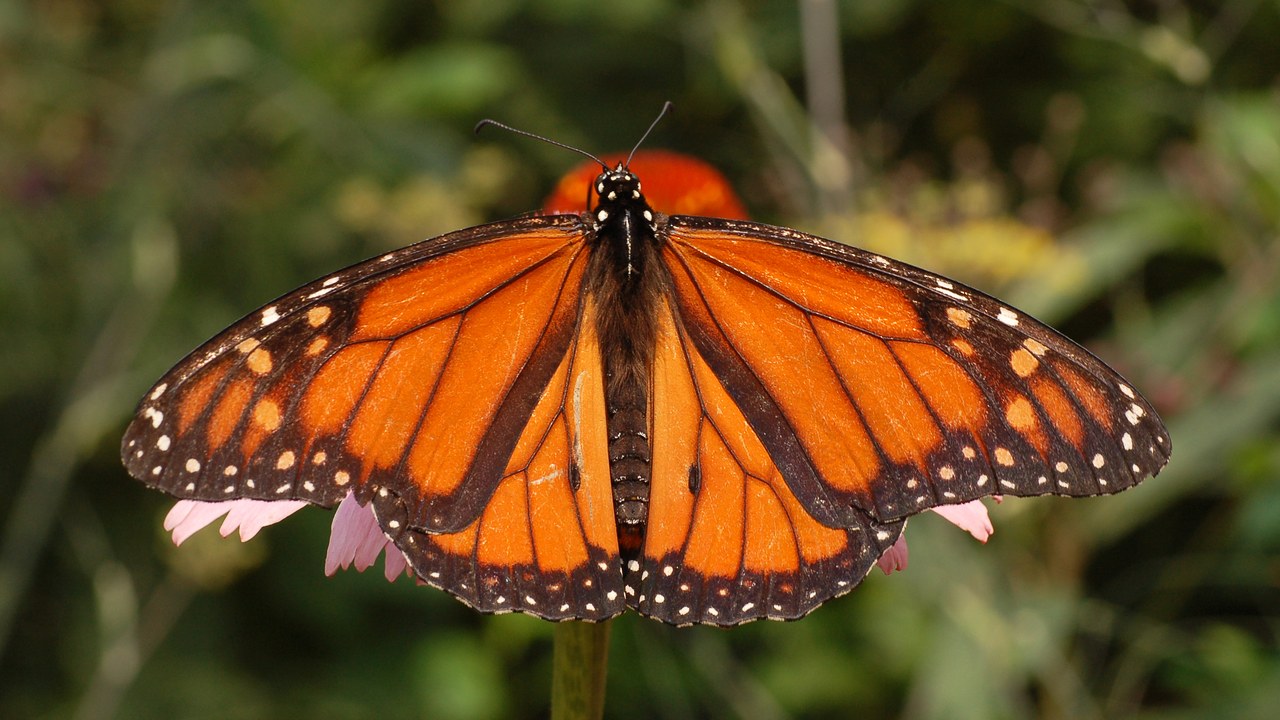
Eastern monarch butterflies travel up to 3,000 miles on migration, according to the U.S. Fish and Wildlife Service. A small insect carries out a trip that rivals the journeys of far larger animals on this list.
The agency’s own page is not perfectly consistent, since it also says monarchs go more than 2,000 miles, so the larger number is best read as an upper bound. Either way, thousands of miles is a remarkable distance for a butterfly, and the ambiguity is worth keeping in mind when comparing it with other entries.
8. Caribou: The 600-Mile Trek
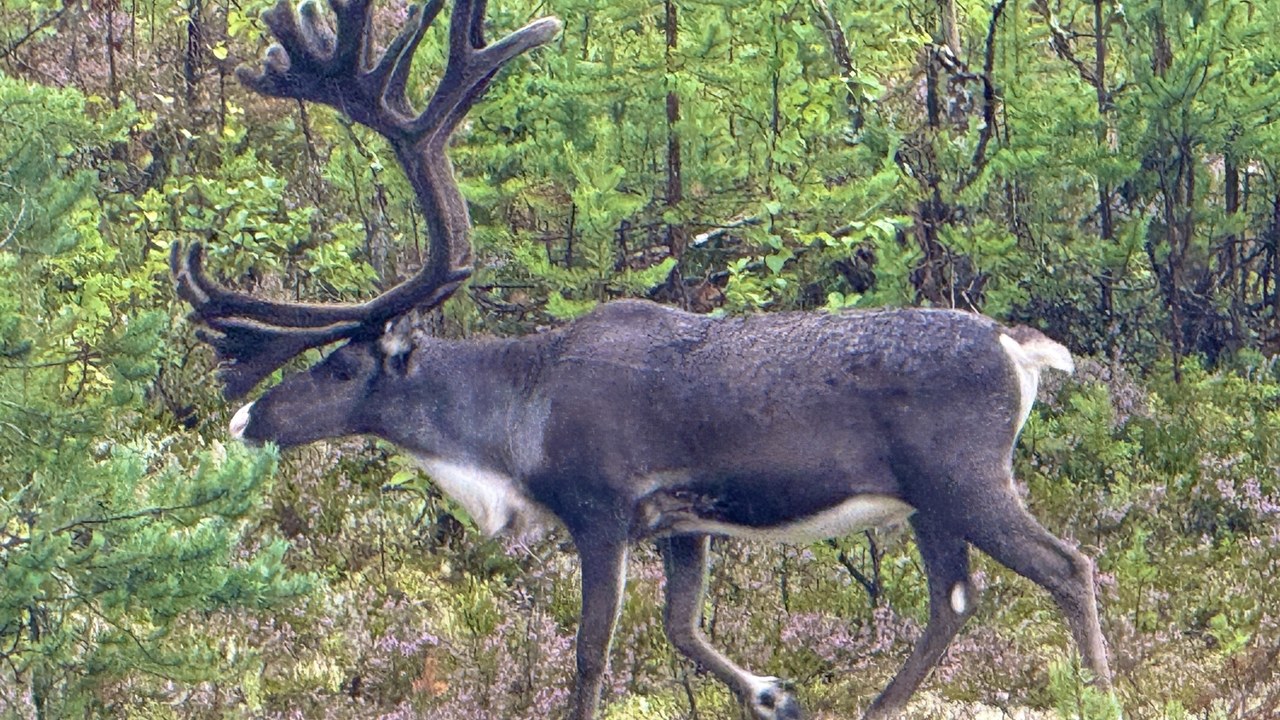
Alaska’s Western Arctic herd, about 250,000 caribou strong, makes a 600 mile trek between summer and winter grounds, as described by the National Park Service. Few land animals move in such large groups over so much open country.
The 600 miles describes the trek between summer and winter grounds for one herd, not an annual round-trip total, so it sits at the shorter end of this list. What sets the migration apart is scale, because a quarter of a million animals follow the same seasonal pattern.
9. Ruby-throated hummingbird: Across the Gulf in One Go

A single ruby-throated hummingbird migration can include a nonstop flight of up to 500 miles across the Gulf of Mexico, lasting about 18 to 22 hours, notes the U.S. Forest Service. Nothing along the crossing offers a place to land, so the bird must keep its wings working the whole time.
Among the animals here, the hummingbird has the shortest distance, but the effort is intense for a bird of its size. Crossing open water for most of a day shows that an epic migration does not always require a five-figure mileage total.
Tech news worth reading: Get Techpresso →
We may earn a commission if you sign up.
More from Morning Overview
- The NSA says three phone features should be off whenever you aren’t using them
- Hurricane Hunter radar shows four warning signs that a tropical cyclone is about to strengthen, a University of Miami study found
- Tropical Storm Rachel is dumping up to 12 inches on four Mexican states on its way to major hurricane strength
- The FTC says Lens.com doubled the price shoppers saw in Google ads
