
Humans rarely pass 100, but plenty of animals carry on far longer, and a few measure their lives in centuries. Some of these lifespans are firm records while others are estimates, and the gap between typical and maximum ages matters throughout. Here are ten animals whose lifespans rival or beat a human life.
The day in tech, in one email: TLDR is the daily newsletter with links and TLDRs of the most interesting stories in startups, tech and programming.
We may earn a commission if you sign up.
1. Bowhead whale: Arctic Centenarian Giant
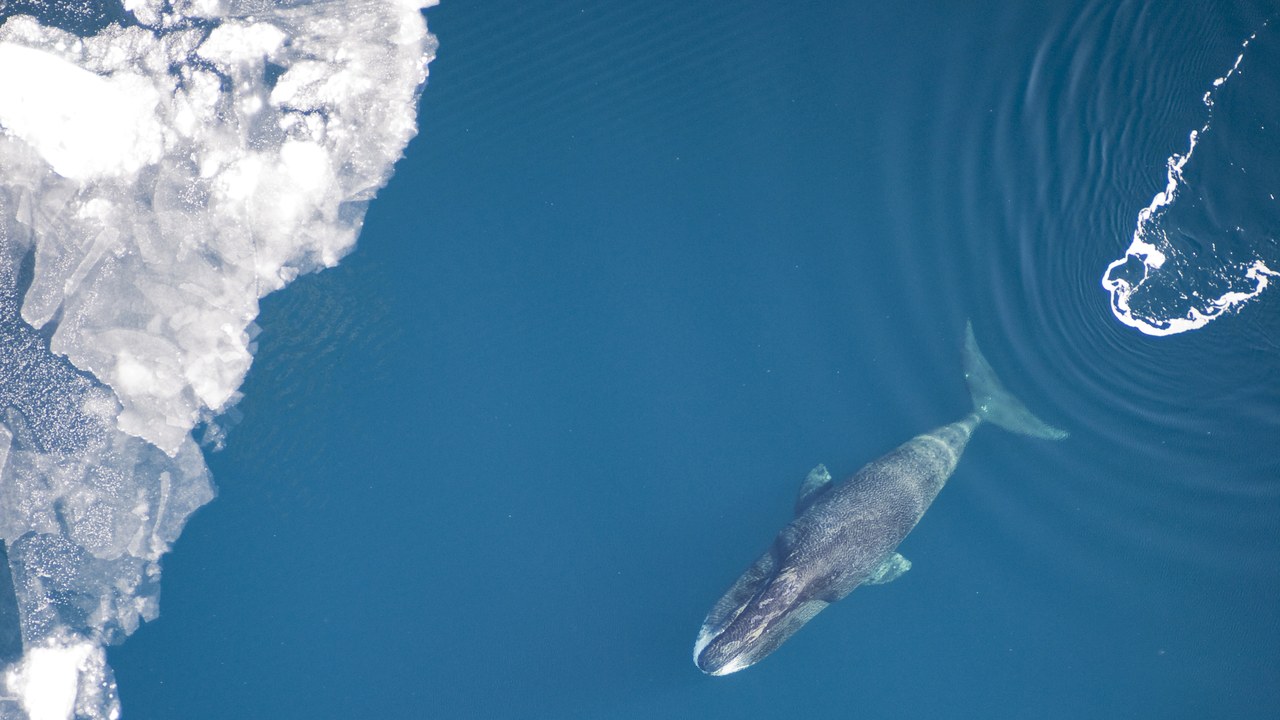
Evidence summarized by NOAA Fisheries suggests that bowhead whales can live over 200 years. The agency describes the true maximum as unknown, yet even the evidence-based figure is roughly double a long human life.
Exact ages are hard to confirm in wild whales, so the number rests on evidence rather than one documented individual. Treated cautiously, it still means a single bowhead could span several human generations, and it is the highest whale lifespan on this list. Among the ten, it is the first entry to reach a second century.
2. Greenland shark: The 400-Year Swimmer
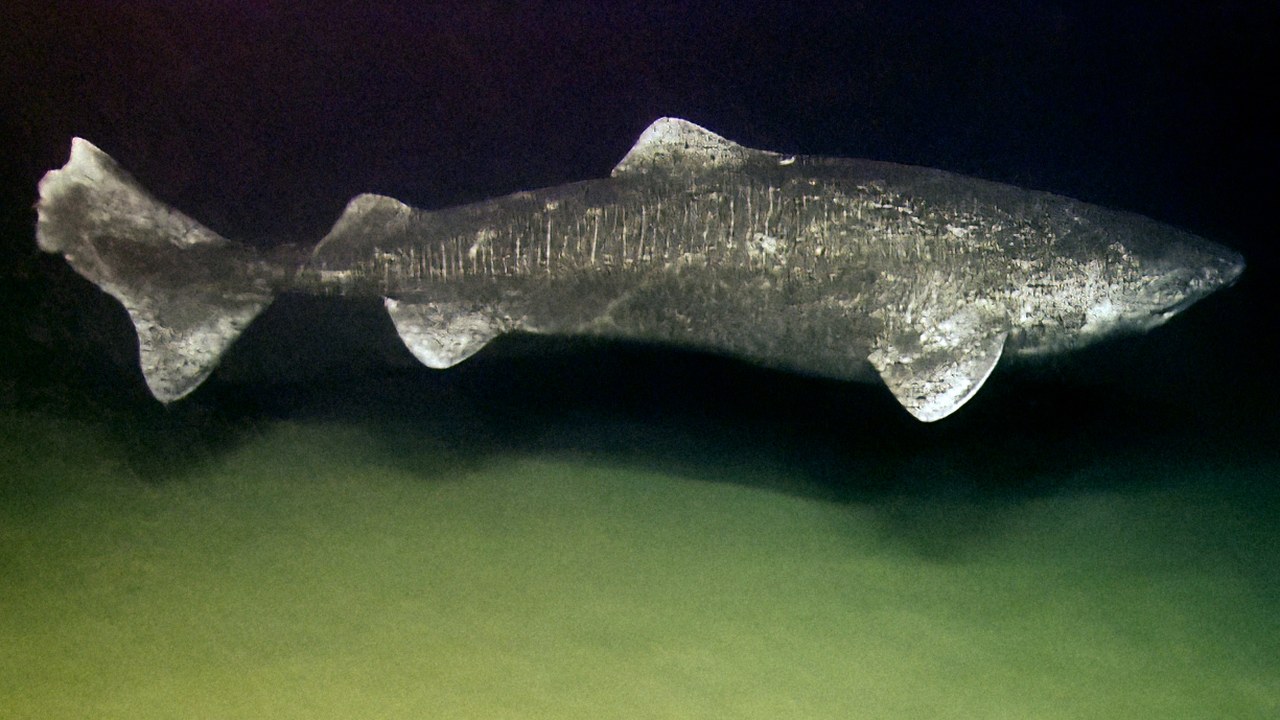
The oldest Greenland sharks can live for a whopping 400 years, according to a History.com roundup of Earth’s longest-lived creatures. That estimate gives the species the longest lifespan of any fish here and the one named in the headline.
The 400-year mark describes the oldest individuals, not a measured lifespan for every shark, so typical animals should be expected to fall short of it. Even a sizable discount leaves the shark living several times longer than any person. Few comparisons in the animal kingdom make a human lifespan look as short.
3. Aldabra giant tortoise: A Quarter Millennium of Shell
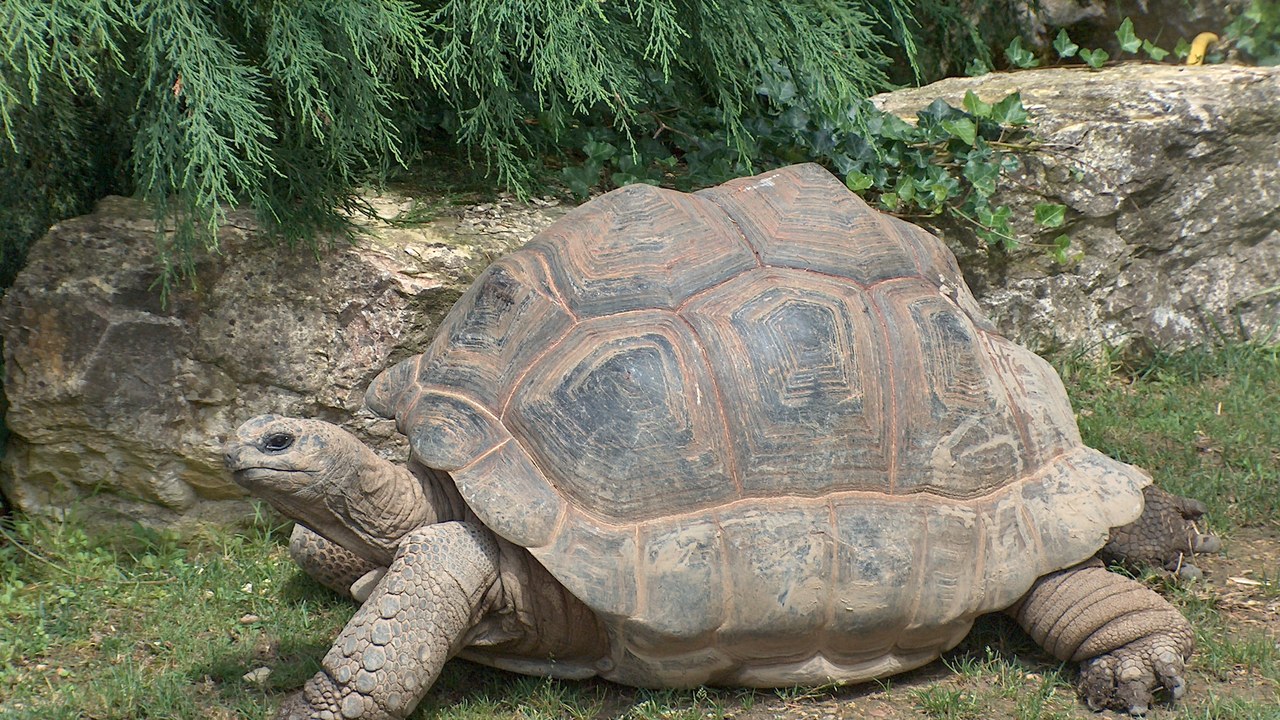
Aldabra giant tortoises are listed at 100 to 200 years, and a zoo specimen was believed to be 255 when he died in 2006, per a History.com list. Few land animals are credited with anything close to that.
The 255-year figure is a belief about one animal rather than a verified record, so the safer takeaway is the 100-to-200-year range. Even the low end of that range matches the longest human lives, and the high end doubles it. Together the range and the single claim show both the typical and the extreme end of this species.
4. Galapagos tortoise: Island Giant, 177 Years
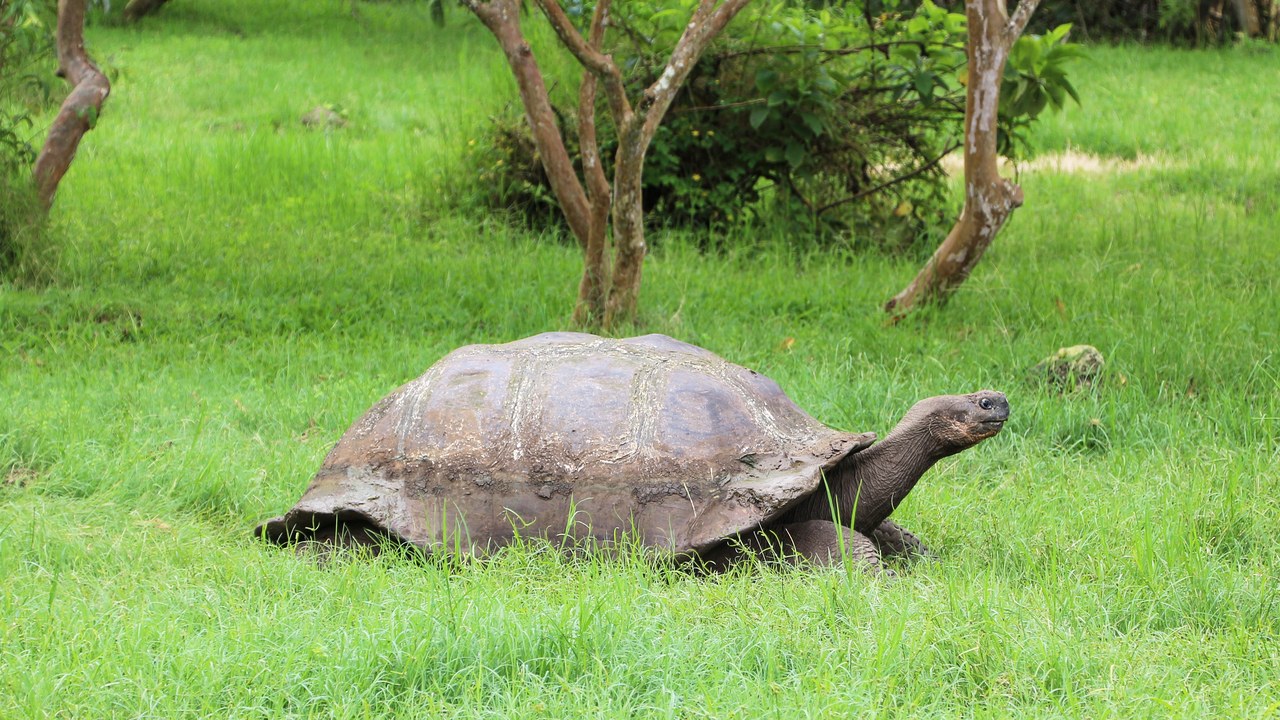
The oldest recorded Galápagos tortoise reached 177 years, according to a 247WallSt ranking of the longest-living animals. That is nearly double the length of a long human life.
The figure is a record for a single animal, not an average, and ordinary tortoises should not be expected to match it. As a documented maximum, though, it shows how far a reptile’s lifespan can stretch past the human range. Few vertebrates on any list reach an age that high, and the tortoise needs no help to belong here. Its record would span nearly two human lives.
5. Lake sturgeon: Freshwater Elder
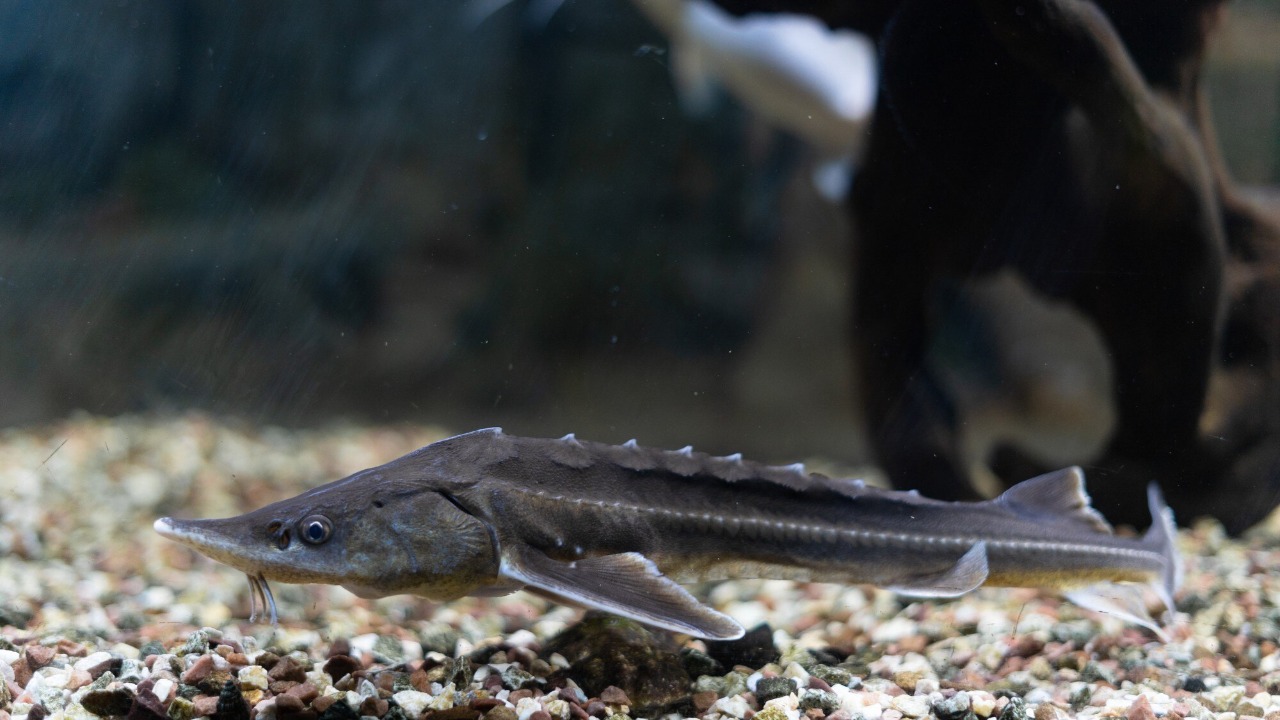
A lake sturgeon has been recorded at 152 years, a mark included in the 247WallSt longevity ranking. That is well beyond any typical human lifespan, and it is a record for a fish.
As with most record ages, 152 years is a maximum, not what a typical sturgeon achieves. The number is still notable because it belongs to a freshwater species rather than a famously long-lived ocean giant. It also proves that a fish can quietly outlive several generations of the anglers who might catch it.
6. Eastern box turtle: Backyard Centenarian
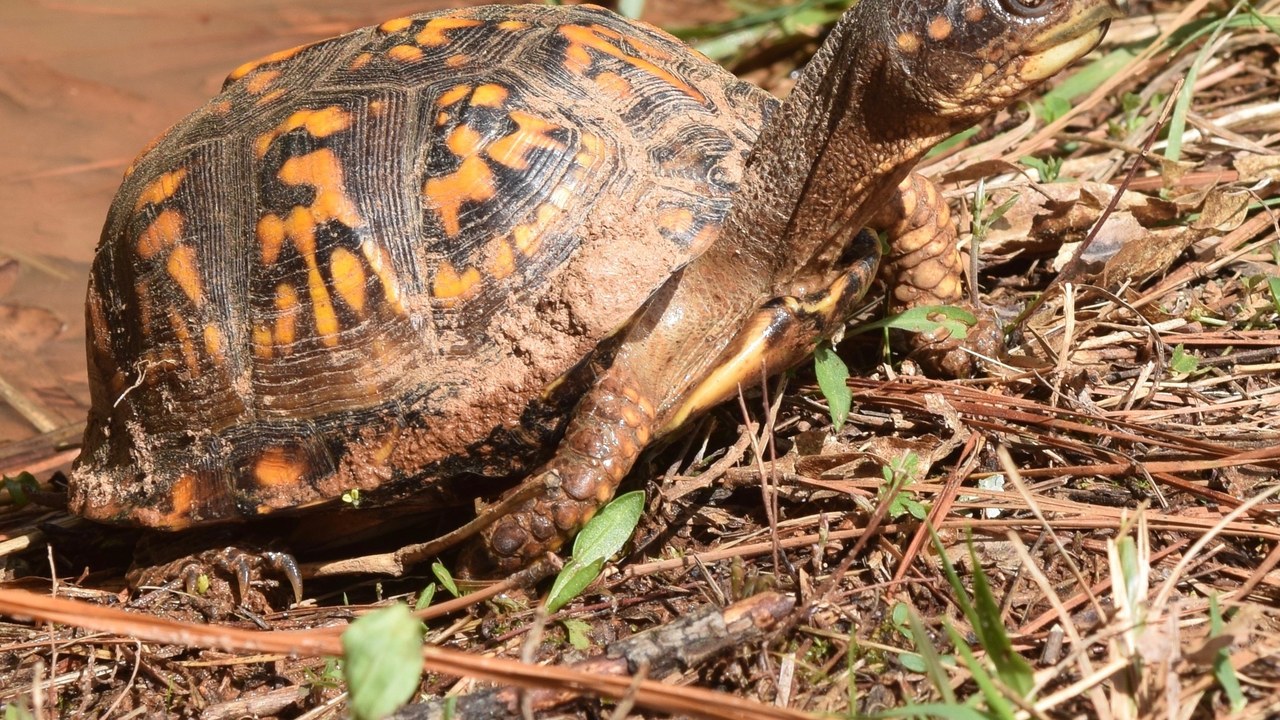
The oldest recorded Eastern box turtle lived 138 years, a figure from the 247WallSt list of long-lived animals. A turtle small enough to hold outlasted nearly every human lifespan by decades.
That is a record age for one turtle, not an expectation for the species. It still counts, because it shows that extreme longevity is not limited to giant tortoises or whales and can turn up in a modest-sized reptile. A century and a half is a lot of years for an animal people may meet in the woods.
7. American lobster: A Century in the Claw
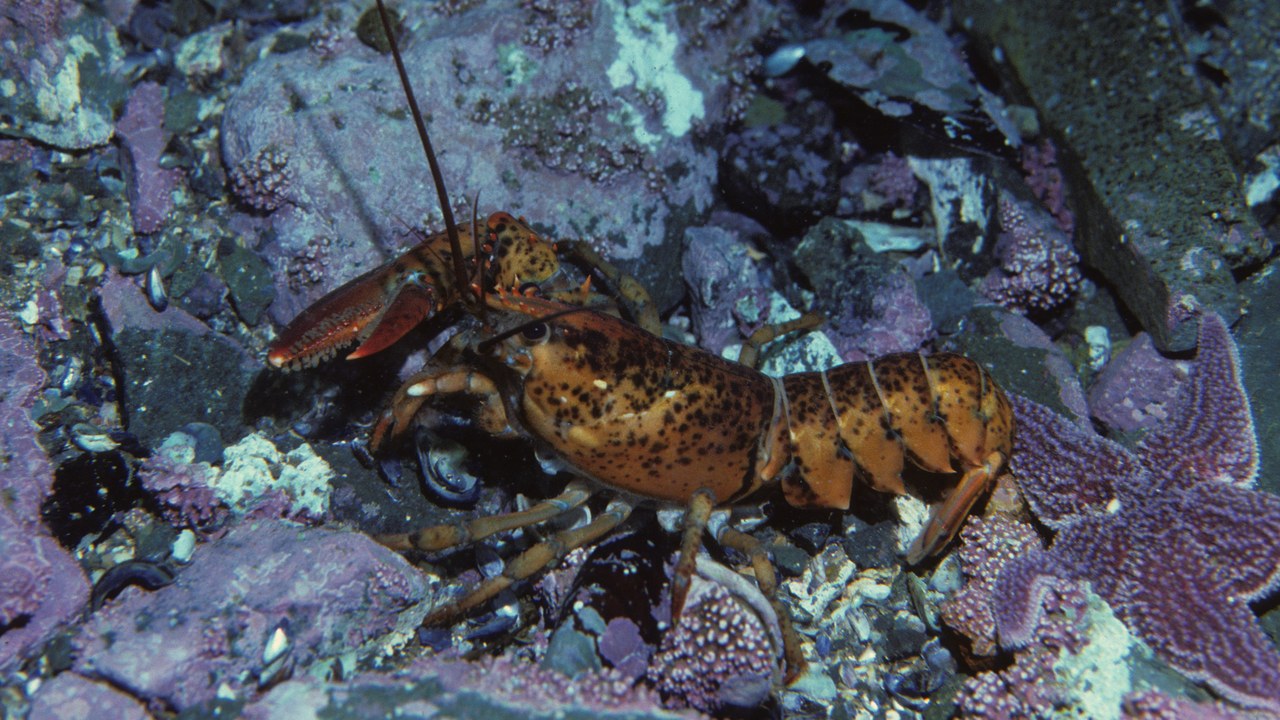
American lobsters have an oldest recorded age of 100 years, based on the 247WallSt ranking. That puts a familiar crustacean level with the very longest human lives.
The 100-year number is a ranking entry for the oldest known animal, not a typical lifespan, so most lobsters live far shorter lives. It is the smallest maximum among the animals here, yet a full century is still enough to rival a human. The ranking shows that even an invertebrate can be credited with a human-scale life.
8. Humpback whale: Song of the Long Haul
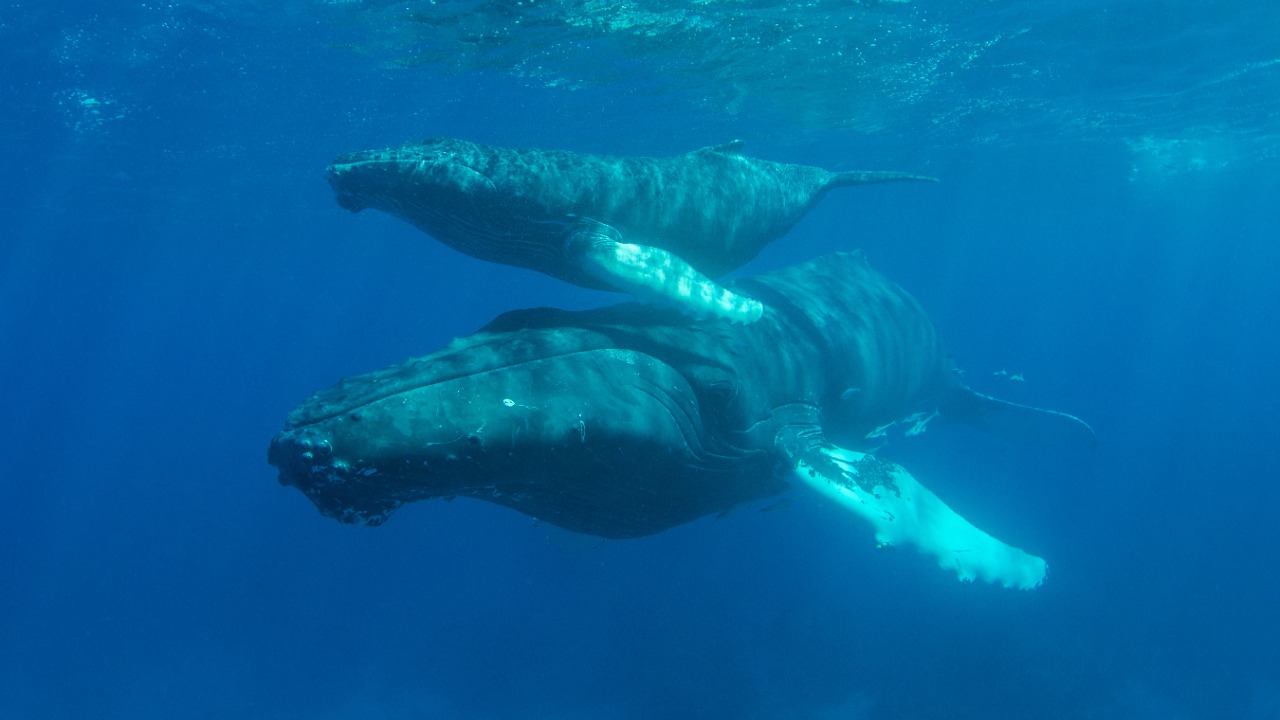
Humpback whales live about 80 to 90 years, according to NOAA Fisheries. That span is comparable to a long human life, which is why the species earns a spot here.
The range describes a general lifespan, not a record-setting age, so the humpback is a more modest entry than the centuries-old animals on this list. It rivals a well-lived human life rather than beating the human maximum. Its inclusion is a reminder that rivaling the human lifespan is a lower bar than beating it, and the ten include both.
9. Killer whale: The 90-Year Matriarch
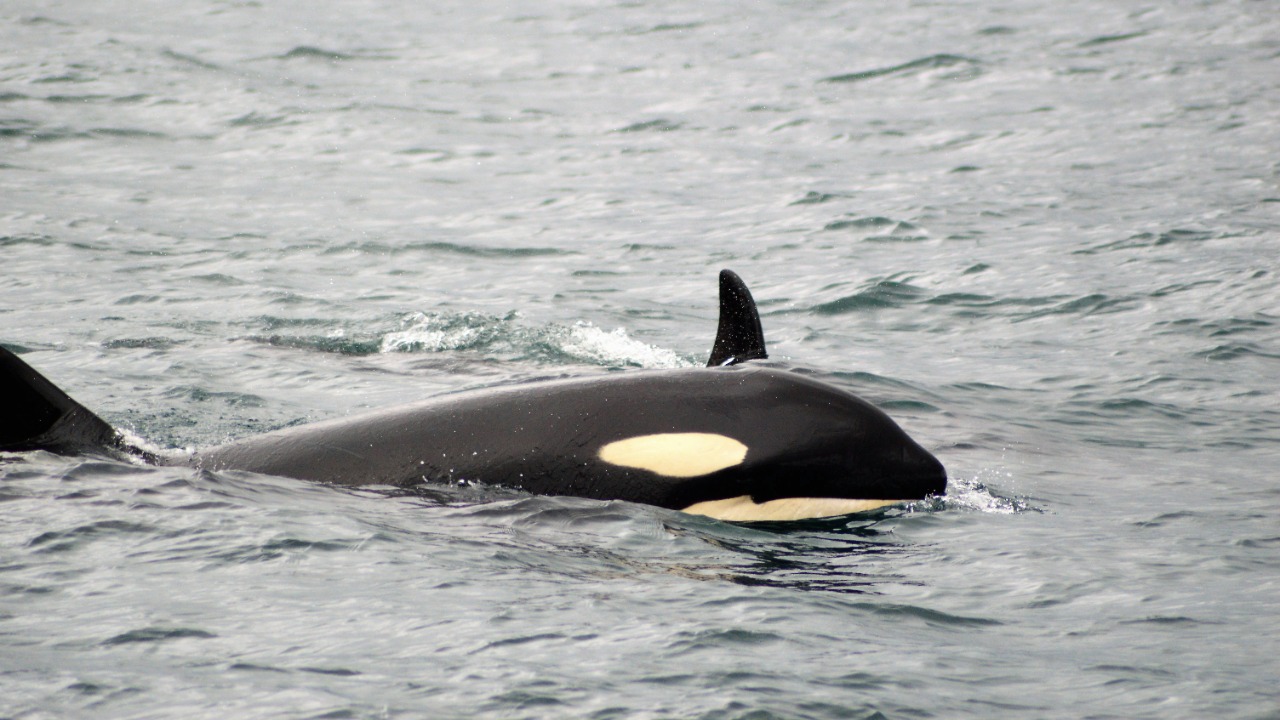
Female killer whales typically live about 50 years in the wild but can live up to at least 90 years, per NOAA Fisheries. The upper figure matches a very long human life.
The gap between 50 and 90 years matters, since the longer span applies to the oldest females rather than the average whale. Even the typical 50 years is substantial, while the 90-year ceiling is the orca lifespan named in the headline. Orcas thus give the gallery one of its clearest examples of a lifespan that matches a human’s.
10. Ocean quahog: Ming the Clam
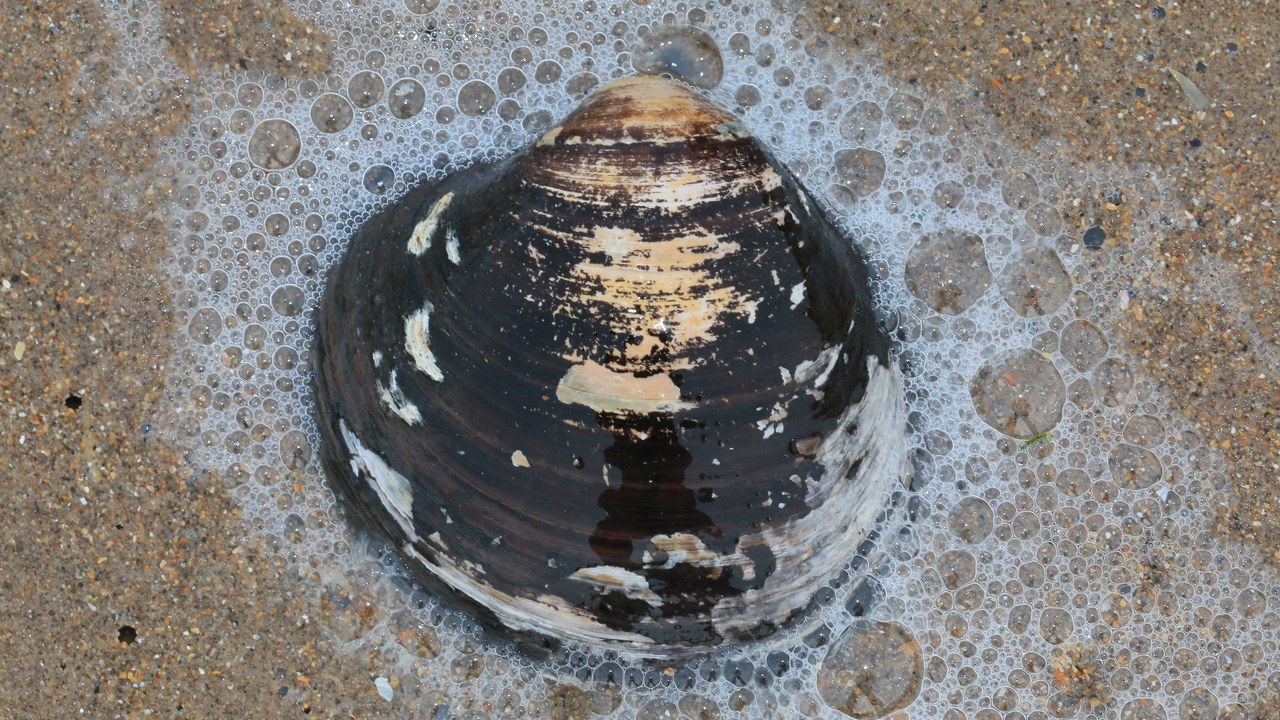
A clam called Ming was found to be 507 years old, according to History.com. That age makes the ocean quahog the longest-lived animal on this list by a wide margin.
Ming is one individual, so 507 years marks a single remarkable clam rather than a species average. The result still dwarfs every other lifespan here, which makes an unassuming mollusk the unlikely champion of longevity. The figure towers over the next-longest entry, the 400-year Greenland shark, by more than a century.
The day in tech, in one email: Get TLDR →
We may earn a commission if you sign up.
More from Morning Overview
- Hurricane Hunter radar shows four warning signs that a tropical cyclone is about to strengthen, a University of Miami study found
- Tropical Storm Rachel is dumping up to 12 inches on four Mexican states on its way to major hurricane strength
- The FTC says Lens.com doubled the price shoppers saw in Google ads
- Common allergy, bladder and sleep pills tied to sharply higher dementia odds
