
Nuclear reactors were originally licensed for 40 years, then many earned a first extension to 60, and now the federal regulator is clearing some to run for 80. Subsequent license renewals depend on detailed reviews of aging equipment, and the pace of approvals has picked up. Here are eight plants that have already crossed that line.
Save more, waste less: The Cool Down’s newsletter sends smart, simple changes that help you and the planet in your everyday life.
We may earn a commission if you sign up.
1. Edwin I. Hatch Nuclear Plant: Georgia’s Gigawatt Workhorse
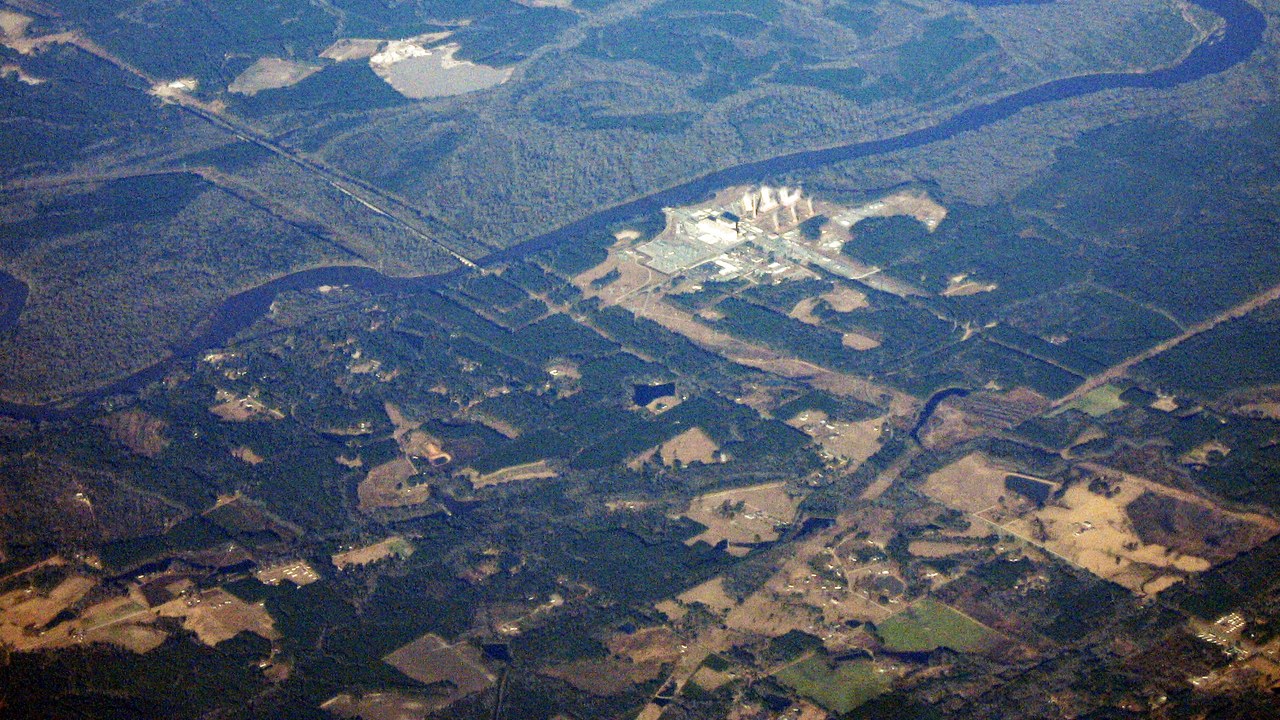
The Nuclear Regulatory Commission finished its license renewal decision for Georgia’s Hatch plant in under 12 months. The result secures 1.8 gigawatts of generating capacity for 20 more years, with Unit 1 now licensed through August 2054 and Unit 2 through June 2058.
Hatch sits in the southeast Georgia countryside and is operated by Southern Nuclear for Georgia Power. Its two boiling water reactors supply steady baseload electricity around the clock, which is why utilities prize long licenses on units that have already proven reliable. A review completed in under a year also shows how much faster the agency’s process has become for plants seeking to keep running well beyond their original design lives.
2. H.B. Robinson: Record-Setting Review
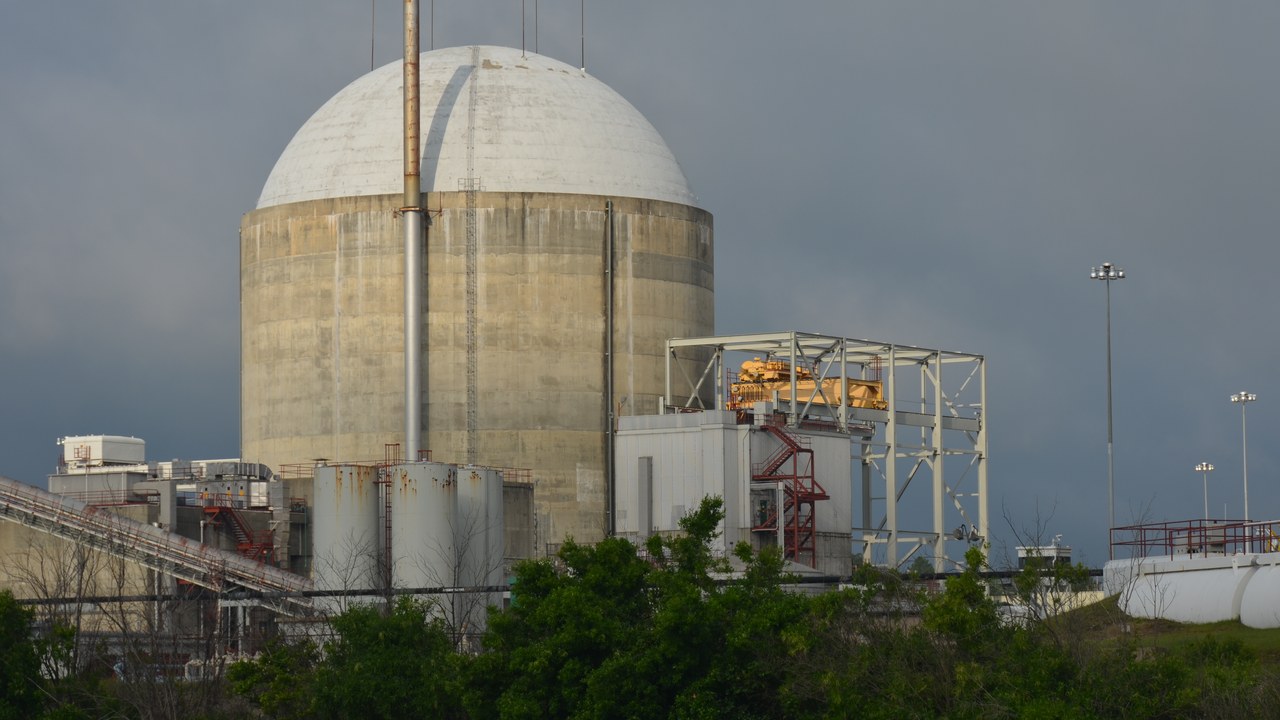
South Carolina’s H.B. Robinson earned what the Nuclear Regulatory Commission described in its April 2026 announcement as the “fastest license renewal review in agency history.” The approval extends operation through July 2050.
The plant stands near Hartsville and is run by Duke Energy as a single pressurized water reactor, a compact station compared with multi-unit sites elsewhere. Subsequent license renewal lets such a reactor keep supplying carbon-free electricity to the Carolinas grid without the cost and delay of building new capacity. For regulators, a record-fast review signals that a mature process, applied to a well-documented plant, can move quickly without skipping any of the required safety and environmental steps.
3. Browns Ferry: Three Units, One Decision
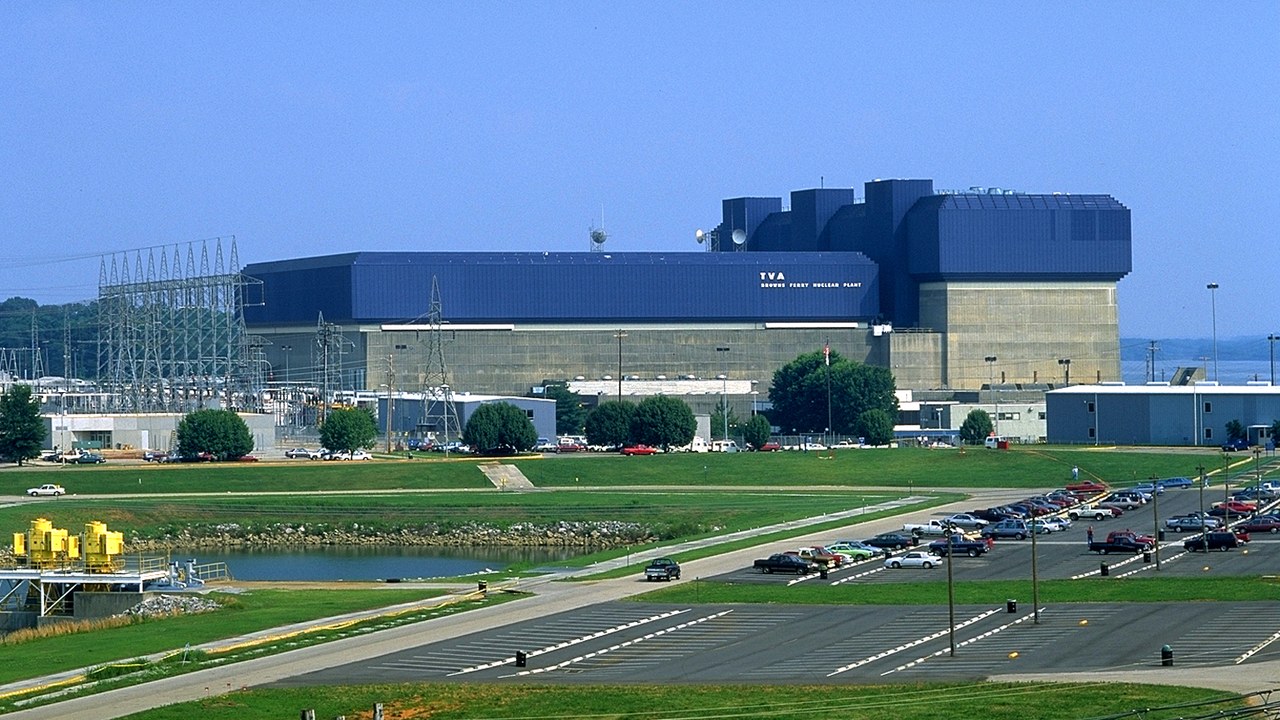
Alabama’s Browns Ferry received a subsequent renewal covering all three of its units, which the Nuclear Regulatory Commission issued on Dec. 11, 2025, for up to 80 years of operation, according to its renewal status page.
The plant sits on the Tennessee River near Athens, Alabama, and belongs to the Tennessee Valley Authority, the federal utility that serves much of the Southeast. Each of its three boiling water reactors is a large generator, and clearing all of them in one action matters because a single site can then plan long-term maintenance, fuel purchases and workforce hiring around one shared horizon. Browns Ferry ranks among the biggest nuclear stations in the country by output, so its extended future carries real weight for regional power supply.
4. Dresden Generating Station: Illinois Pioneer Gets More Time
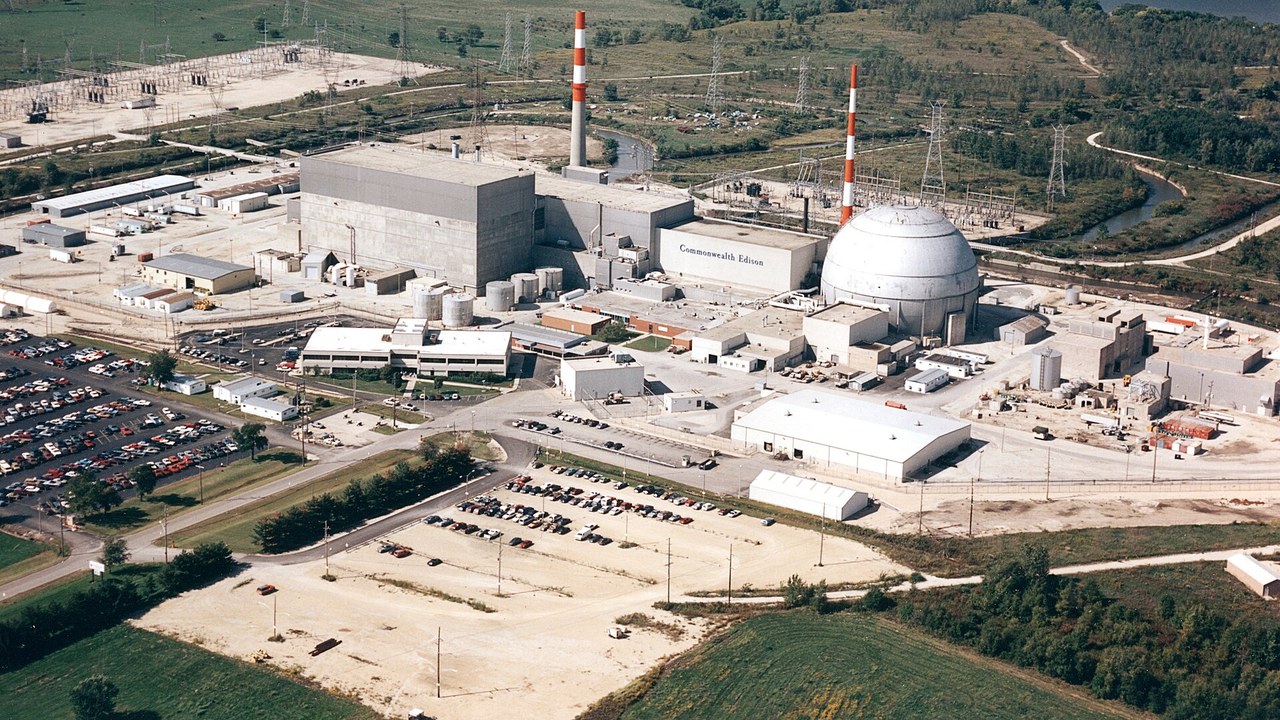
Dresden Units 2 and 3 were granted renewed licenses on Dec. 16, 2025, according to the agency’s renewal list.
The station sits in northern Illinois southwest of Chicago, near Morris, and is operated by Constellation. Dresden belongs to the earliest generation of American commercial nuclear power, since the site also hosted one of the country’s first privately financed reactors, which has long since been shut down. The two units that remain are boiling water reactors that feed the regional grid, and their new licenses show that decades-old designs can keep qualifying for extended service after detailed inspections of aging components, concrete and electrical systems.
5. Point Beach: Lake Michigan Shoreline Reactors
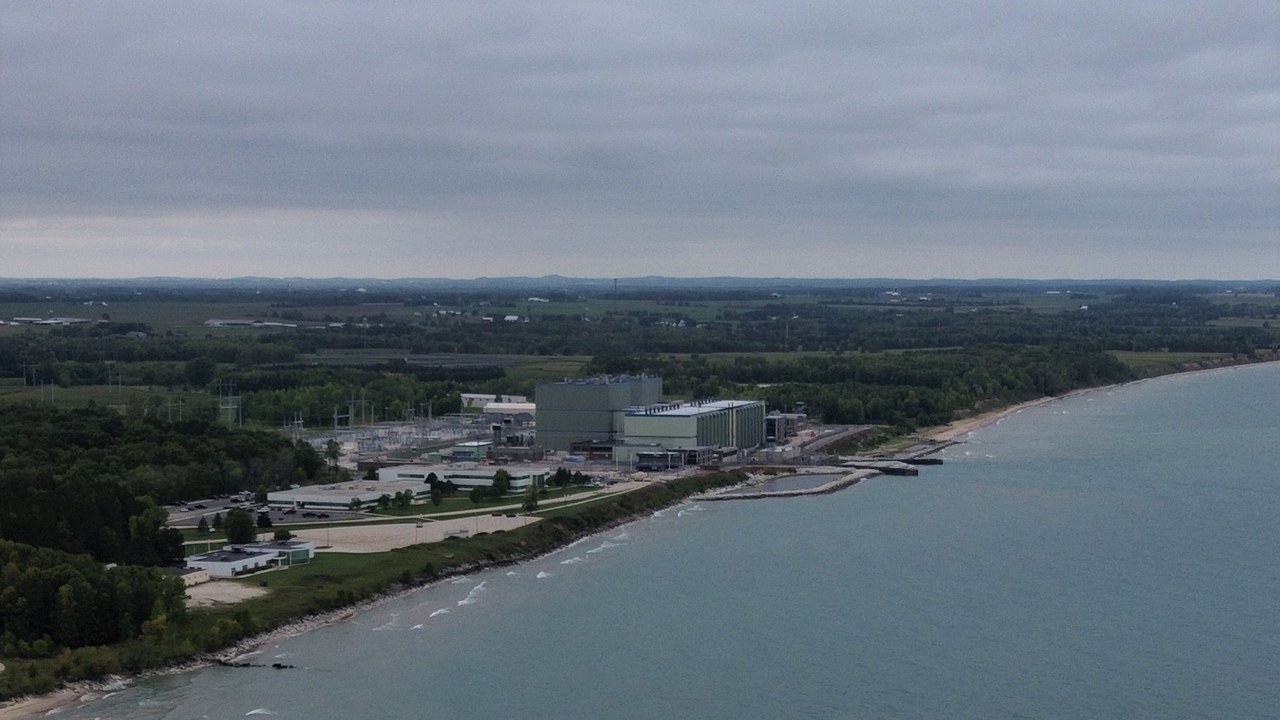
Point Beach Units 1 and 2 received renewed licenses on Sept. 29, 2025, according to the Nuclear Regulatory Commission’s table of completed subsequent applications.
The plant occupies a stretch of Lake Michigan shoreline in eastern Wisconsin, near Two Rivers, and is owned by NextEra Energy. Both units are pressurized water reactors, and the lake supplies the cooling water that keeps them running. Wisconsin has few other large sources of carbon-free electricity operating around the clock, so the extended licenses give the state’s grid a dependable foundation for decades. Plants of this size also anchor local employment and property tax revenue in their surrounding communities.
6. Turkey Point: The First 80-Year Renewal
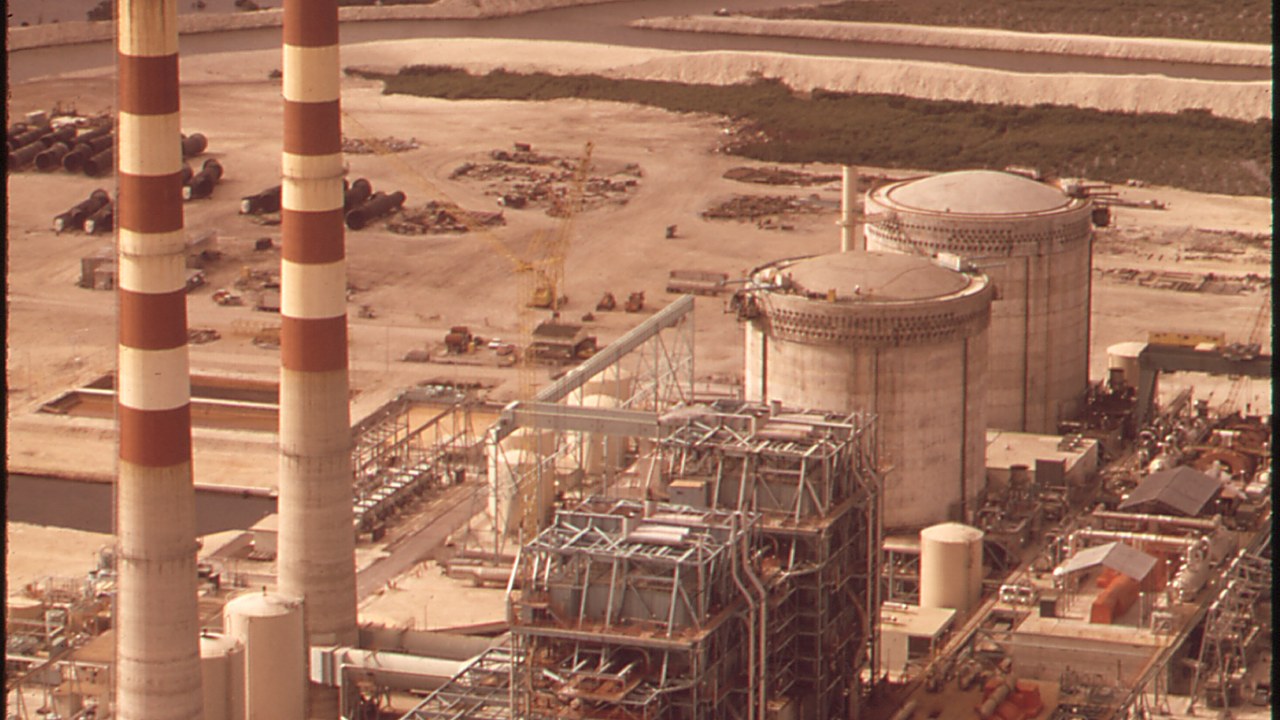
Turkey Point holds a distinction no other plant can match, because it was the first to win an 80-year renewal on Dec. 4, 2019, a milestone recorded in the industry renewal table. Unit 4 is now licensed to April 10, 2053.
The station sits on the shore south of Miami in Florida and is operated by Florida Power & Light, with two pressurized water reactors drawing on a network of cooling canals. Its approval opened the way for the whole category of subsequent license renewals, giving every later applicant a template for what regulators expect to see. Coastal exposure to storms and rising water makes the site a useful test of how aging plants are evaluated for long-term resilience.
7. Peach Bottom: Susquehanna Valley Baseload
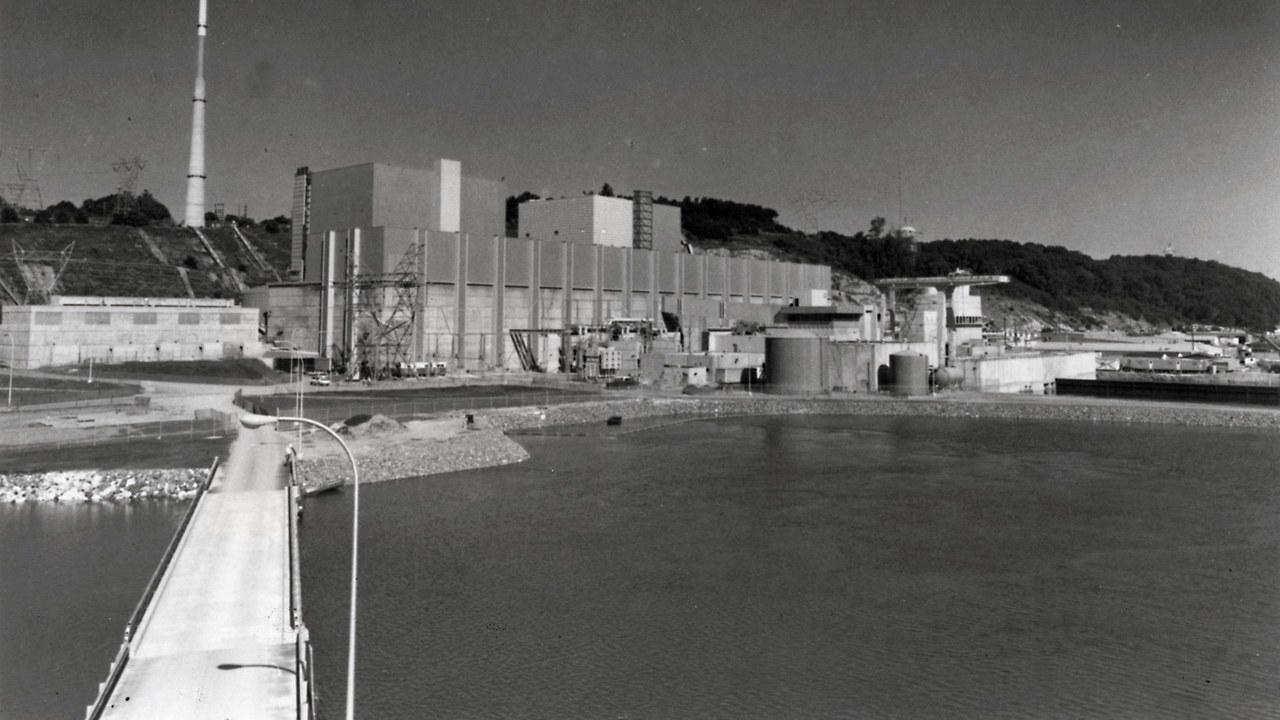
Peach Bottom’s Unit 3 license now runs to July 2, 2054, according to the industry filing summary.
The plant sits along the Susquehanna River in southeastern Pennsylvania, close to the Maryland line, and is operated by Constellation. Its boiling water reactors rank among the larger units in the eastern United States, feeding the PJM grid that serves millions of customers across the mid-Atlantic. A license reaching into the 2050s lets the operator plan long-lived investments, from turbine upgrades to fuel contracts, and keeps a large source of round-the-clock electricity available as demand from data centers and electrified transport grows.
8. North Anna: Virginia’s Lake Anna Station
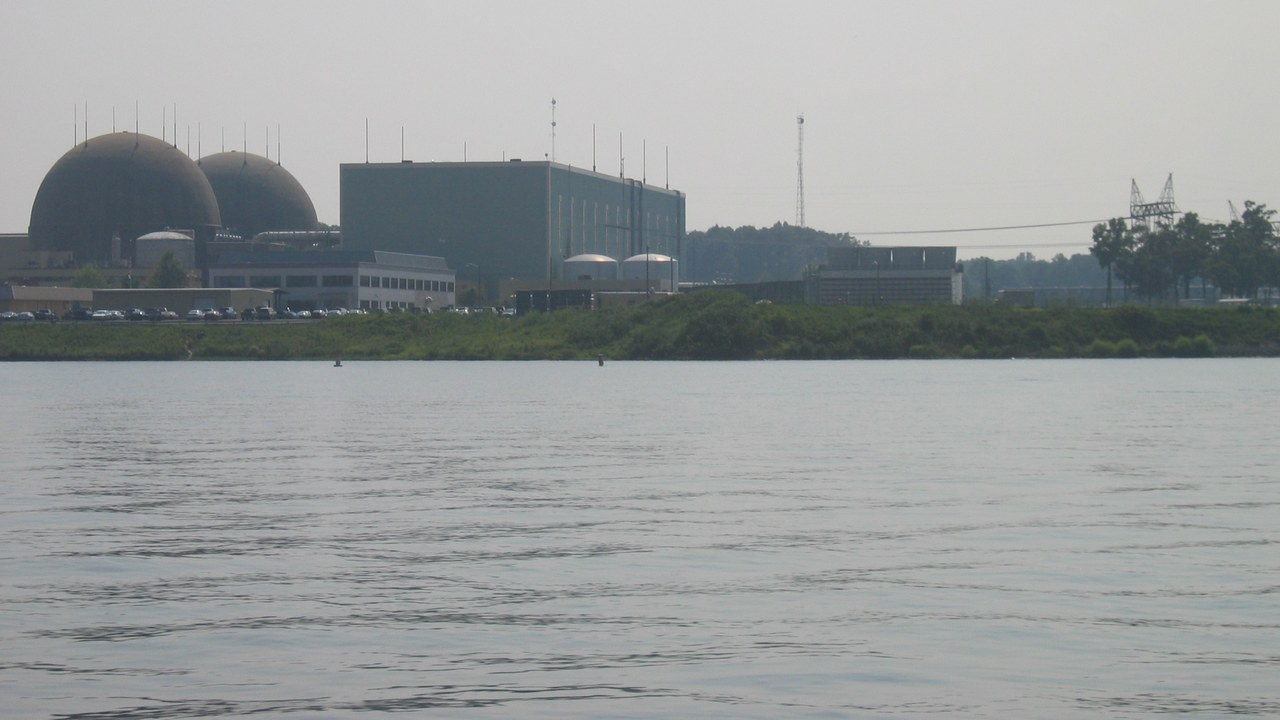
North Anna Unit 2 is licensed to August 21, 2060, following approval on Aug. 28, 2024, as listed in the renewal filing table.
The station sits in central Virginia beside Lake Anna, a reservoir created in part to supply its cooling water, and is operated by Dominion Energy. Its two pressurized water reactors supply a large share of the electricity used across the state, including the data-center corridor in northern Virginia. Because the approval came earlier than most others on this list, North Anna also shows how a renewed license translates into years of steady operation, with scheduled refueling outages and ongoing maintenance continuing as usual.
Save more, waste less: Subscribe to The Cool Down →
We may earn a commission if you sign up.
More from Morning Overview
- Ford is recalling 223,472 F-150 pickups because the fuel tank can leak or detach
- Hybrids have 15% fewer problems than gas cars, while EVs and plug-in hybrids have about 80% more, Consumer Reports finds
- Regulators cleared the first U.S. small modular reactor, 4 months early
- Lake Powell sank to a record 3,517 feet, nearing the level that stops Glen Canyon Dam’s turbines
