
National parks put visitors within easy reach of animals that are far larger and faster than they look. Park Service pages list weights, top speeds and safe distances for each species, and the figures explain why rangers repeat the same warnings. Here are nine of the animals that deserve the most respect on a trail or roadside.
Tech news worth reading: Get Techpresso, the daily email with the most interesting tech news and insights, read by 400,000+ professionals from Google, Apple and OpenAI.
We may earn a commission if you sign up.
1. American bison: Yellowstone’s Heaviest Hazard
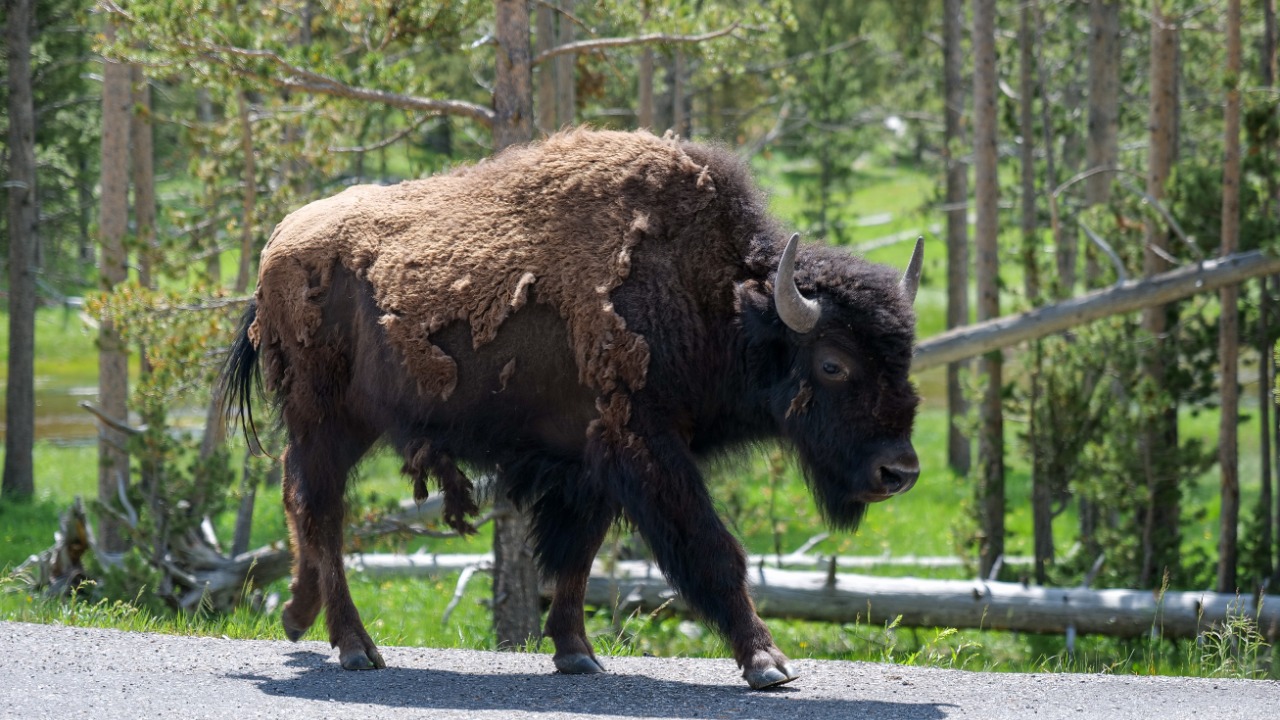
Bulls weigh up to 2,000 pounds and can run 30 to 35 miles per hour, according to the Park Service’s bison page. Yellowstone adds that bison have injured more people there than any other animal.
Their calm, grazing look is misleading, since an animal of that bulk can cover ground faster than a person can retreat. Visitors are best served by treating every roadside bison as a hazard and keeping well back. Keeping a generous gap, and treating the animal’s size as a warning rather than a photo opportunity, is the practical lesson of those numbers for anyone walking near the herds.
2. Grizzly bear: A Heavyweight With Speed
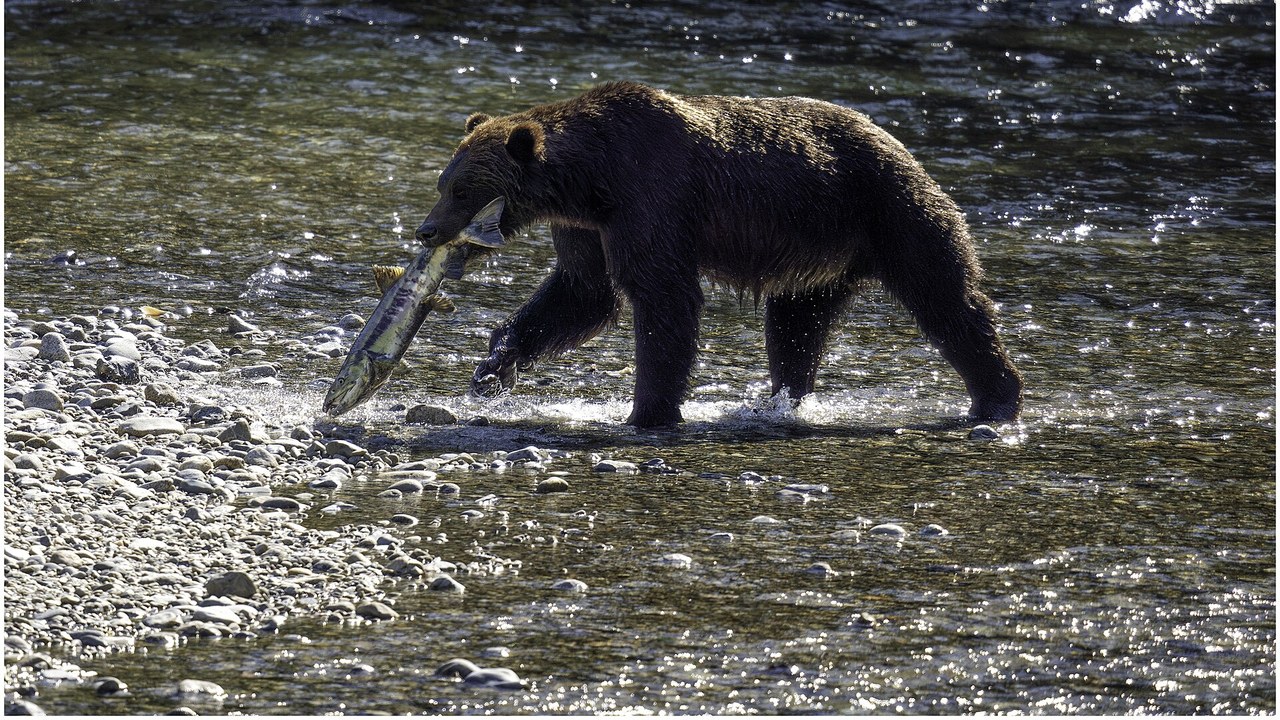
Adult male grizzlies in the Yellowstone region average 413 pounds, and the heaviest known one weighed 715 pounds, based on Yellowstone’s grizzly facts page. The same page says they can reach 35 to 40 mph.
That speed rules out any chance of outrunning one. Hikers in grizzly country are expected to follow park bear guidance rather than rely on distance or a head start. For visitors, the practical takeaway is that a bear of this size and pace turns even a short distance into a narrow margin, so awareness and preparation matter more than any attempt to flee.
3. Moose: Antlers Five Feet Wide
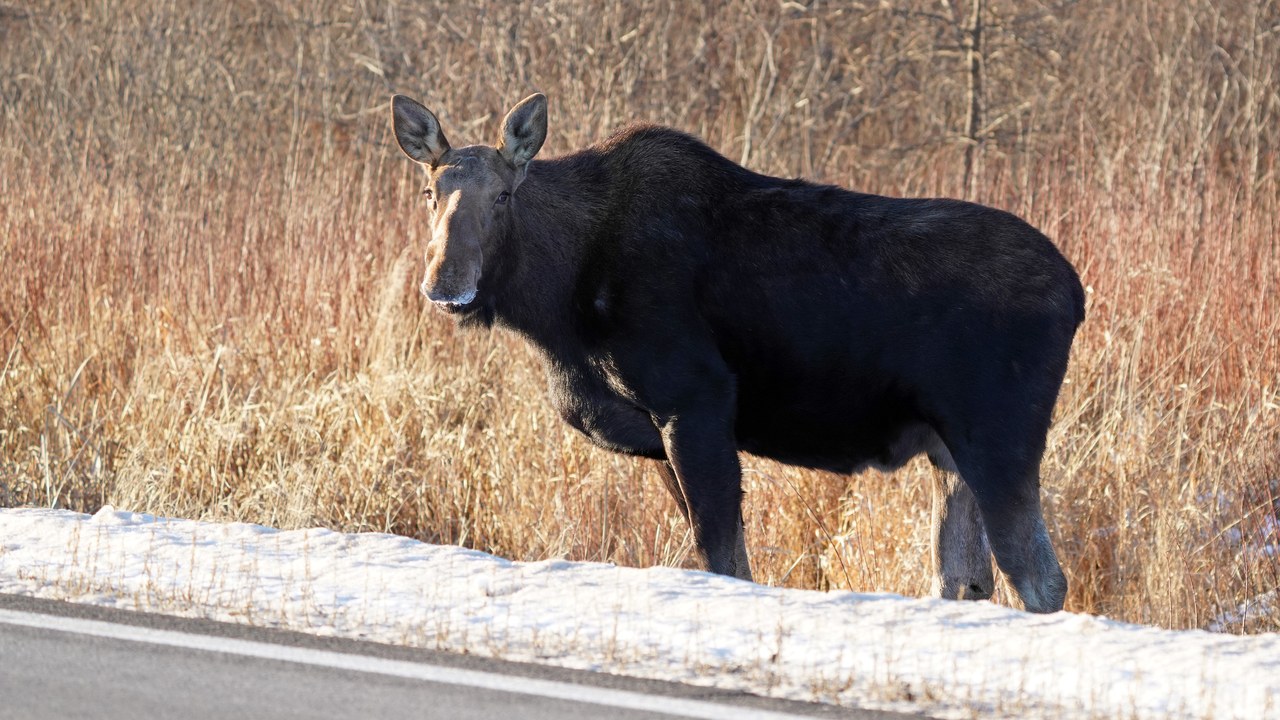
Large bull moose can weigh as much as 1,500 pounds, carry antlers up to five feet across and reach top speeds of 35 mph, as described in Rocky Mountain’s moose page.
Few animals combine that much mass with that kind of reach. Long legs and a wide rack make a moose at close range a serious threat, which is why a calm-looking animal near a trail still calls for plenty of space. The figures also show why a moose at close range deserves plenty of room, whatever its mood appears to be.
4. American black bear: The Smaller Bear
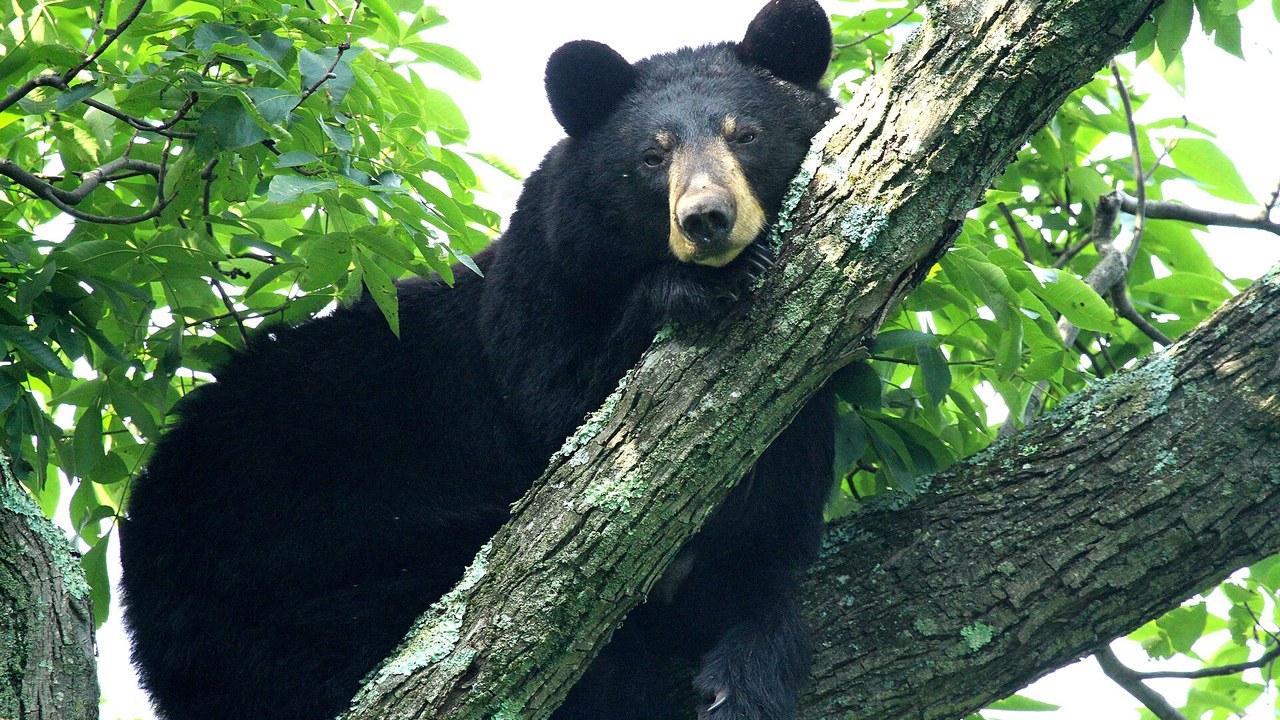
Grand Teton’s bear page lists adult male black bears at an average of 262 pounds and adult females at 148 pounds.
Those weights are well below a grizzly’s, yet a bear of either size is strong, fast and unpredictable. The numbers show a species that is modest by bear standards but still far heavier than any dog, so close encounters demand care. Knowing the typical sizes helps visitors judge what they are looking at, but the safest response to any black bear is the same: keep distance and never approach.
5. Elk: Antlers Worth 30 Pounds
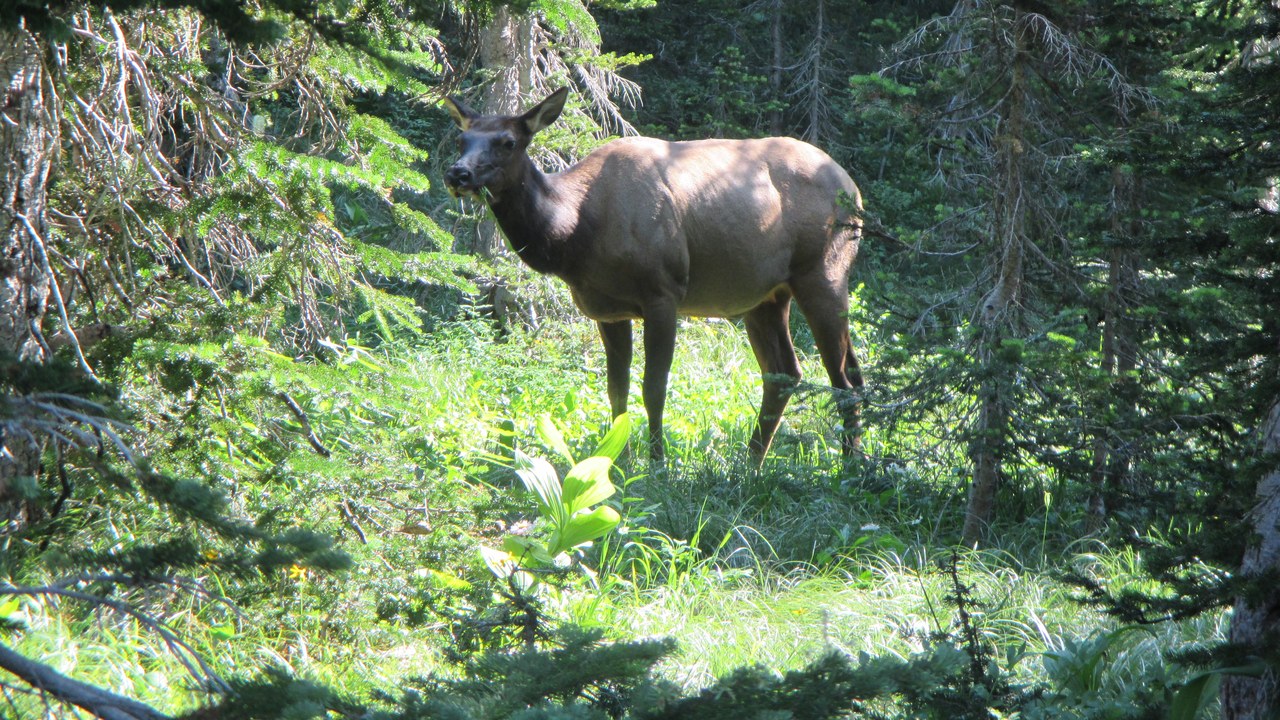
Bull elk weigh about 700 pounds and carry antlers 55 to 60 inches long, with a pair weighing about 30 pounds, per Yellowstone’s elk page.
A heavy animal wearing that much hardware is not one to approach for a photograph. Elk are common in park meadows and towns, so the familiarity can breed complacency even though the animal’s size has not changed. Antler weight of that scale also hints at the strength in the neck and shoulders, so the rule of staying back applies to a bull standing quietly as much as to one on the move.
6. American alligator: Jaws With 2,125 PSI
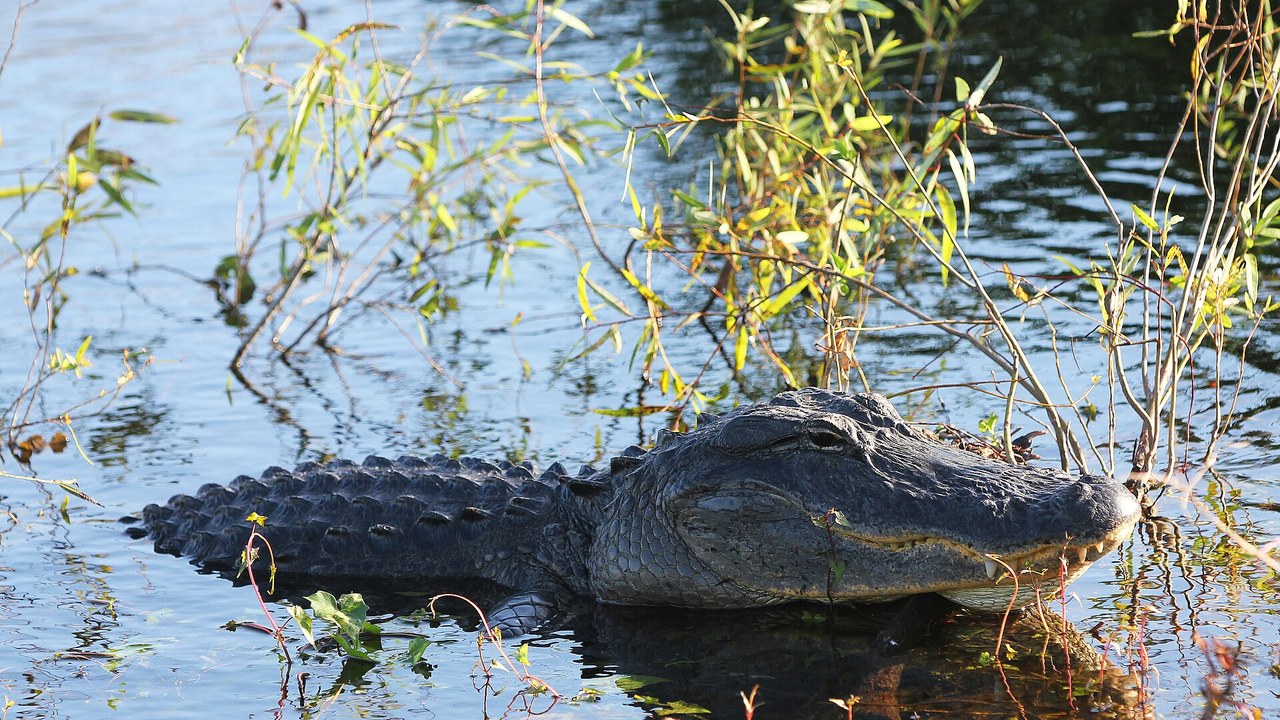
Males average about 11 feet long and females about 8 feet, and the bite force reaches 2,125 pounds per square inch, according to the Park Service’s alligator page at Gulf Islands.
The agency advises staying back at least 20 to 30 feet. Gators can look sluggish in the water or on a bank, but that stand-off distance reflects how much power sits behind a bite. Visitors near alligator water should read that distance as a minimum, since the bite figure shows how much force sits behind those jaws.
7. Mountain lion: Leaps of 18 Feet
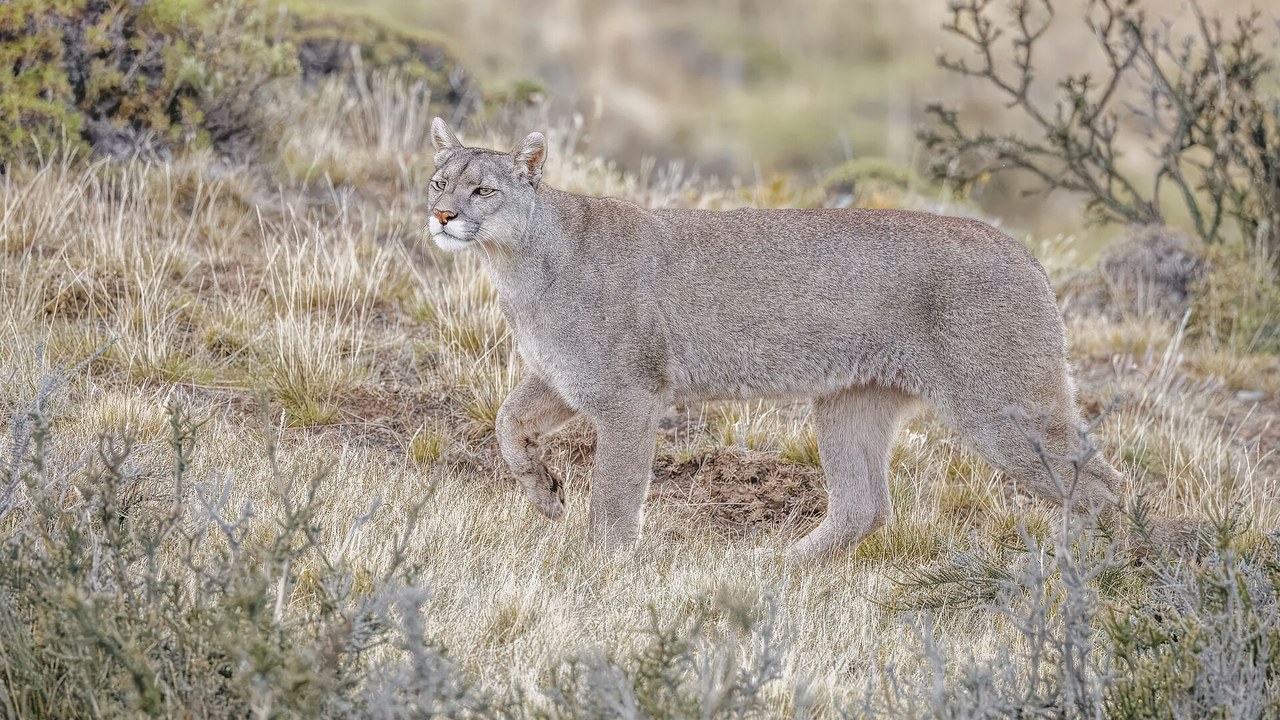
Males reach up to 200 pounds and eight feet long and can leap 18 feet high or 40 feet in one bound, Rocky Mountain’s mountain lion page states.
Mountain lions are seldom seen, which makes them easy to overlook on a list of dangers. The leaping figures show an ambush predator built for sudden bursts, and sightings are a reason to stay alert on the trail. A cat at the heavy end of that range is a large predator, so any sighting calls for caution and distance.
8. Mountain goat: Cliffs and Heavy Billies
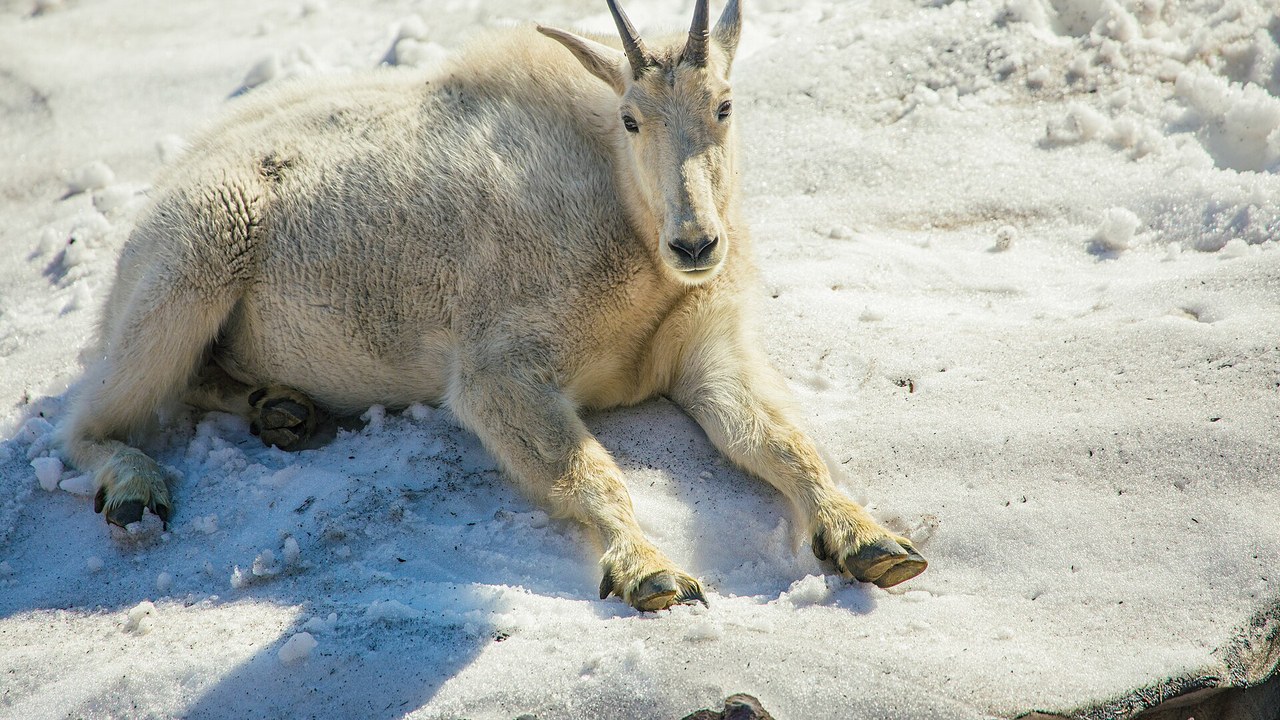
Mature billies weigh 300 or more pounds and nannies about 150 pounds, based on Yellowstone’s mountain goat page.
The white coat and cliff-hugging reputation can make the species seem gentle and remote. A 300-pound animal with sharp horns is still a wild animal, and the weight gap between billies and nannies is a reminder that males warrant the most caution. Visitors who spot one on a ridge are better off enjoying it through binoculars or a long lens than closing the distance for a better angle.
9. Bighorn sheep: Horns That Weigh 40 Pounds
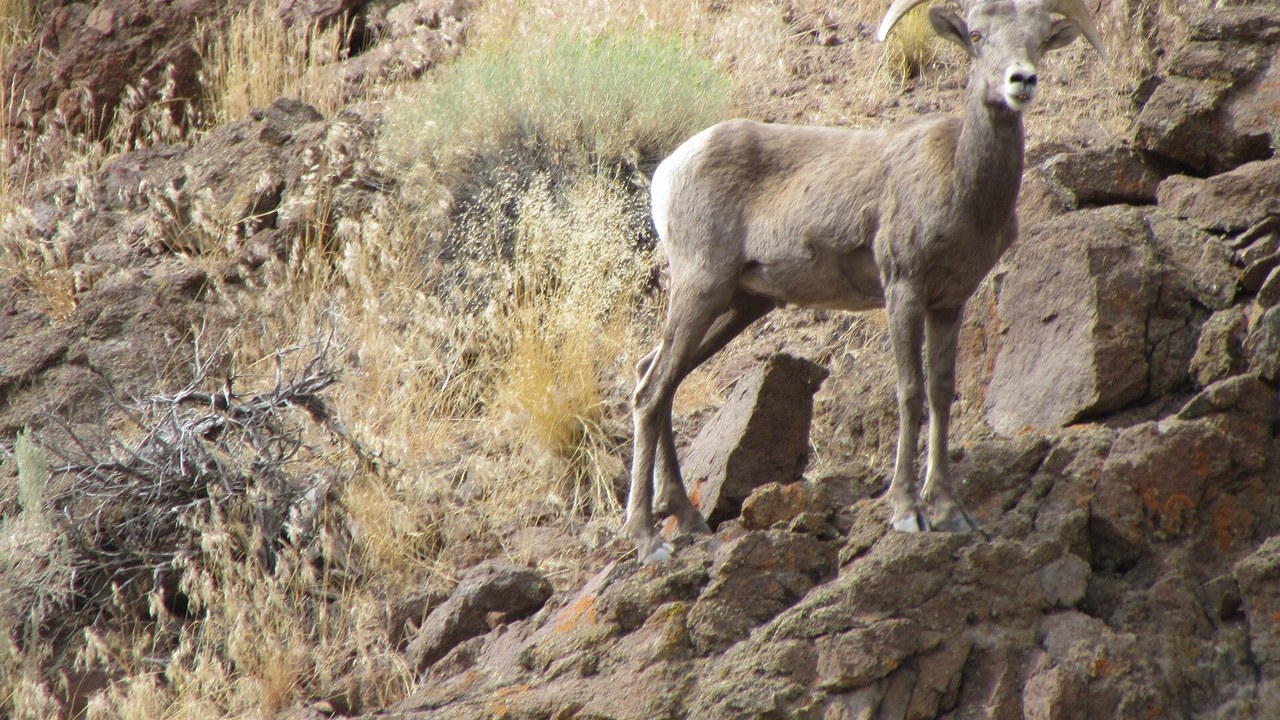
Adult rams weigh 174 to 319 pounds, including horns that can weigh 40 pounds, per Yellowstone’s bighorn sheep page.
Those horns are used in head-on clashes between males, which hints at the force involved. A ram near a road or trail may appear unbothered, but visitors who crowd one are close to a very solid animal. Spotting a bighorn near a pullout is an attraction in its own right, and the safest way to enjoy it is from the car or at a respectful distance with a zoom lens.
Tech news worth reading: Get Techpresso →
We may earn a commission if you sign up.
More from Morning Overview
- Two passengers died at an Ohio toll plaza, and the NTSB now wants the cash lanes shut
- Long use of a common prostate pill is tied to a higher chance of glaucoma
- Ford is recalling 223,472 F-150 pickups because the fuel tank can leak or detach
- Hybrids have 15% fewer problems than gas cars, while EVs and plug-in hybrids have about 80% more, Consumer Reports finds
