
Snake venom is a complex mixture, and scientists compare it using laboratory toxicity tests, bite statistics and the way it affects the body. The animals here come from Australia, Africa, Asia and North America, and each earns its place for a different reason. Here are eleven snakes whose venom ranks among the world’s deadliest.
Read next on Morning Overview: 11 engines built to run well past 200,000 miles
1. Inland taipan: Driest Country’s Quiet Specialist
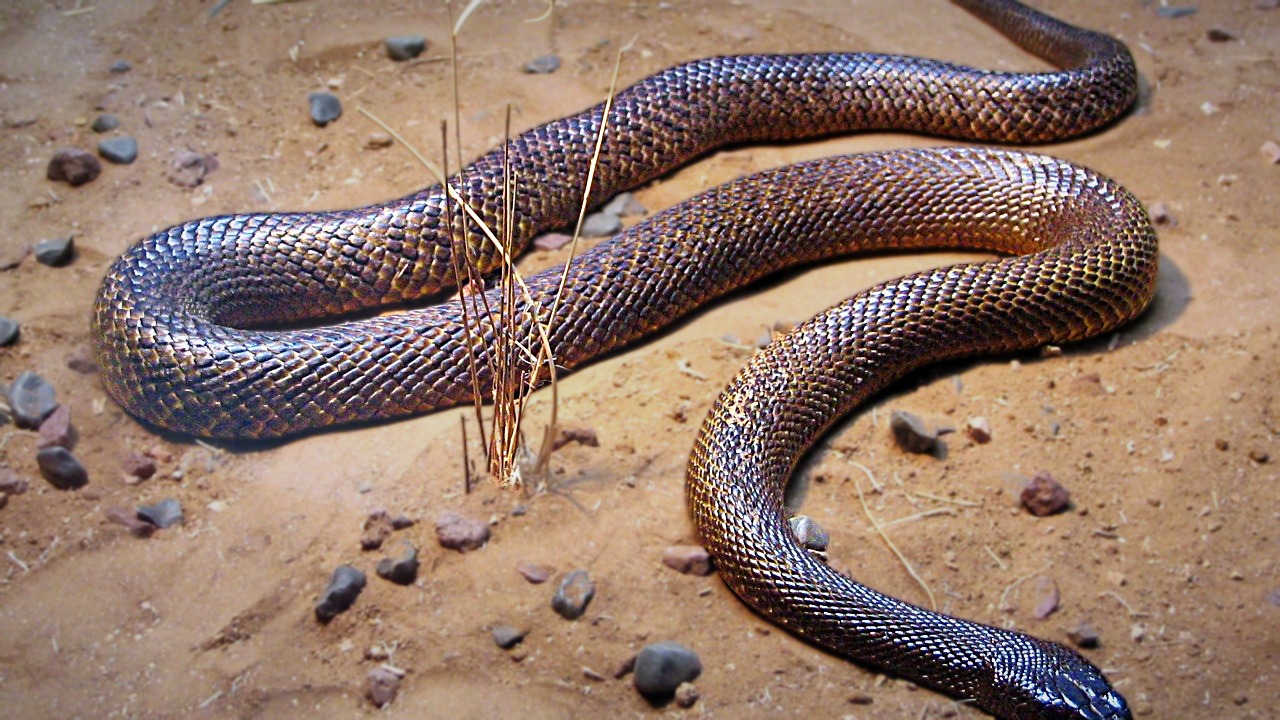
The Australian Museum says the inland taipan’s venom is rated the most toxic of all snake venoms in LD50 tests on mice. The snake lives in the Channel Country of south-western Queensland and north-eastern South Australia, where it feeds almost entirely on small to medium-sized mammals, especially the long-haired rat.
Despite the ranking, the museum describes it as shy and placid, and rarely encountered in its remote, semi-arid homeland. Only a handful of people have ever been bitten, and all survived thanks to quick first aid and hospital treatment.
2. Tiger snake: Australia’s Southern Menace
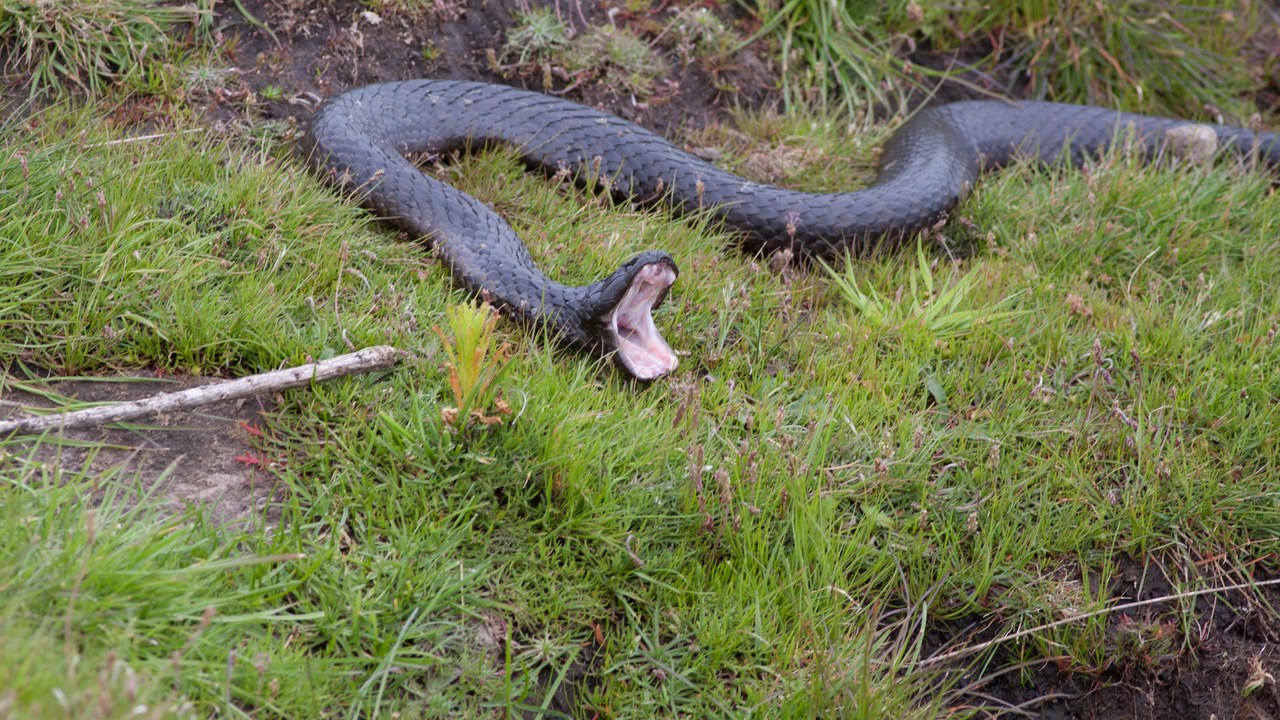
According to the Australian Museum, the tiger snake’s large size, often aggressive defence and toxic venom make it extremely dangerous to humans. Its venom is strongly neurotoxic and coagulant. The species lives in south-eastern Australia, including Tasmania and Bass Strait islands, and in the south-west of the continent.
Tiger snakes favour creeks, dams, drains, wetlands and swamps, and also turn up on grazing land. A cornered snake flattens its neck and upper body, hisses loudly and may bite forcefully, so anyone who may have been bitten needs medical attention immediately.
3. Boomslang: Rear Fangs, Serious Venom
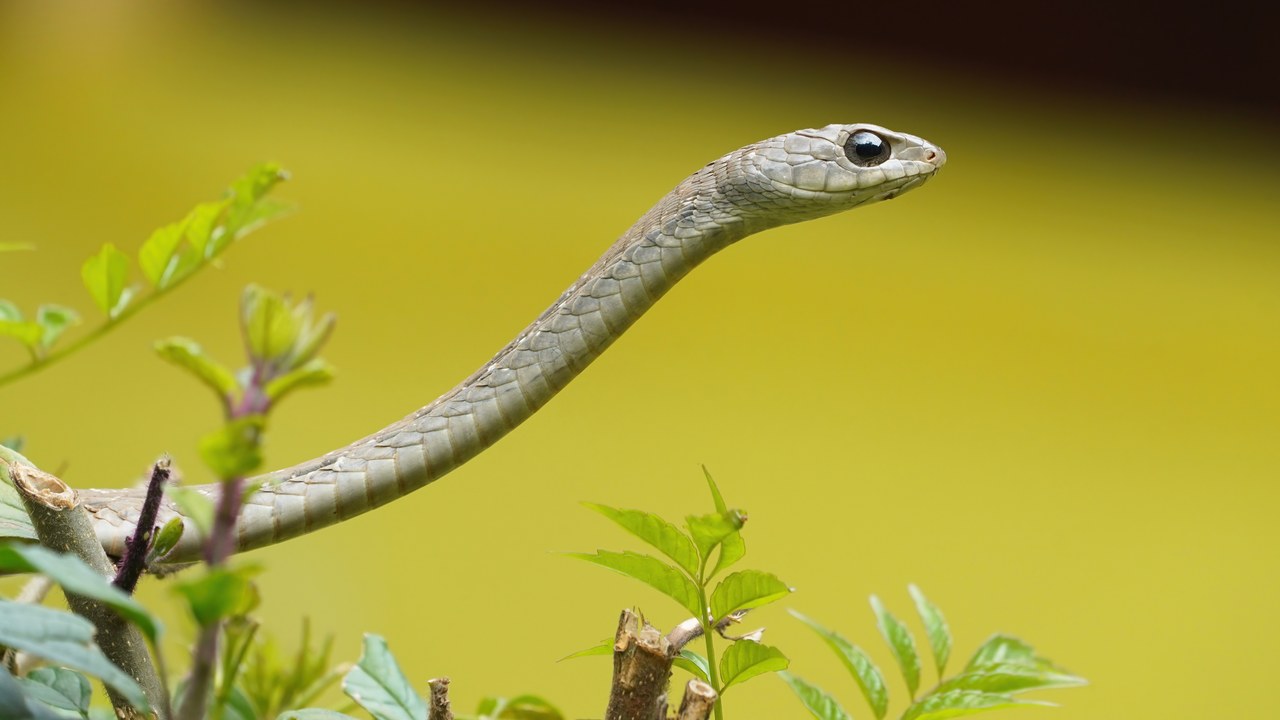
Animal Diversity Web calls the boomslang one of the most venomous rear-fanged snakes. This long, slender, large-eyed snake of Africa spends most of its time in low shrubs and trees. Its potent hemotoxic venom stops the blood from clotting, causing internal and external bleeding.
The venom is slow-acting, and symptoms can begin several hours after a bite, which can be fatal without proper treatment. Boomslangs avoid people in the wild and typically strike only when handled, which keeps bites rare despite the danger.
4. Saw-scaled viper: Small Viper, Big Reputation
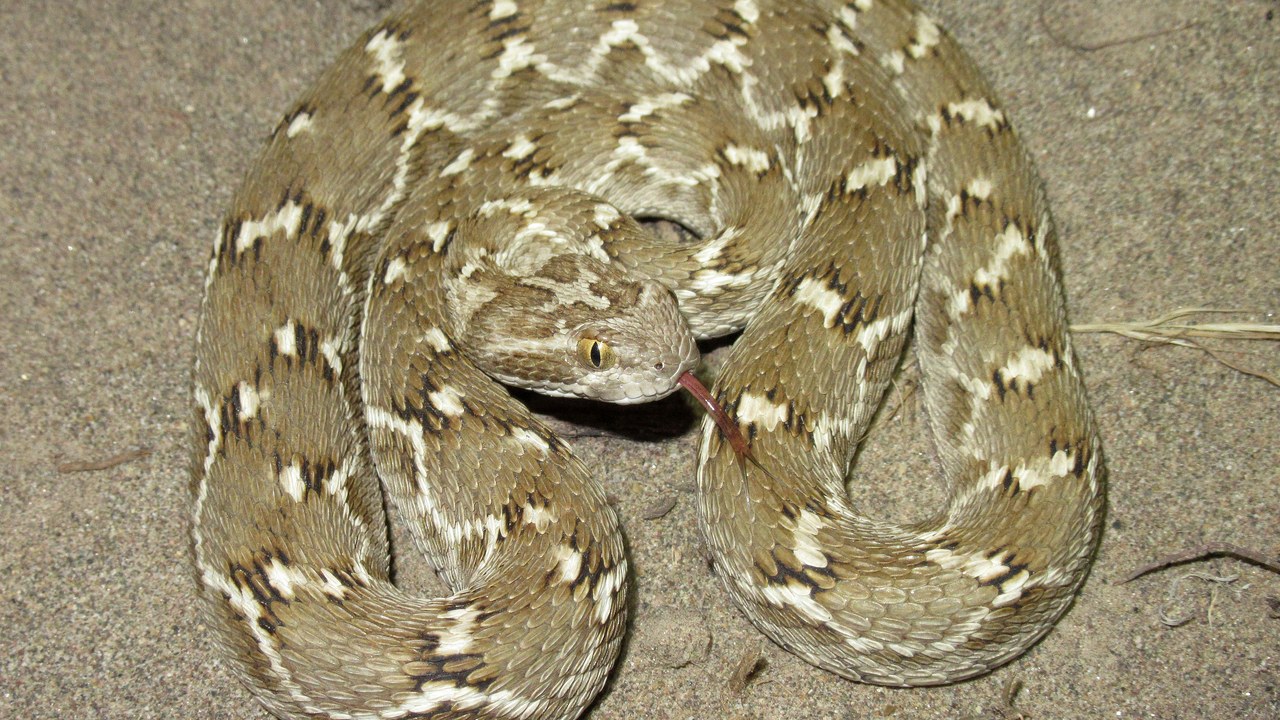
The saw-scaled viper Echis carinatus is the smallest of India’s “big four” snakes, the species responsible for the most snakebite cases and deaths there. It also lives in parts of the Middle East and Central Asia, and the lethal dose for an adult is estimated at only 5 mg of venom.
Its bite causes swelling and pain within minutes, followed by bleeding and clotting defects that can lead to shock and kidney failure. The snake is mostly active at dusk and at night, and antivenom and fluids within hours of a bite are vital for survival.
5. Eastern brown snake: Fast, Common and Dangerous
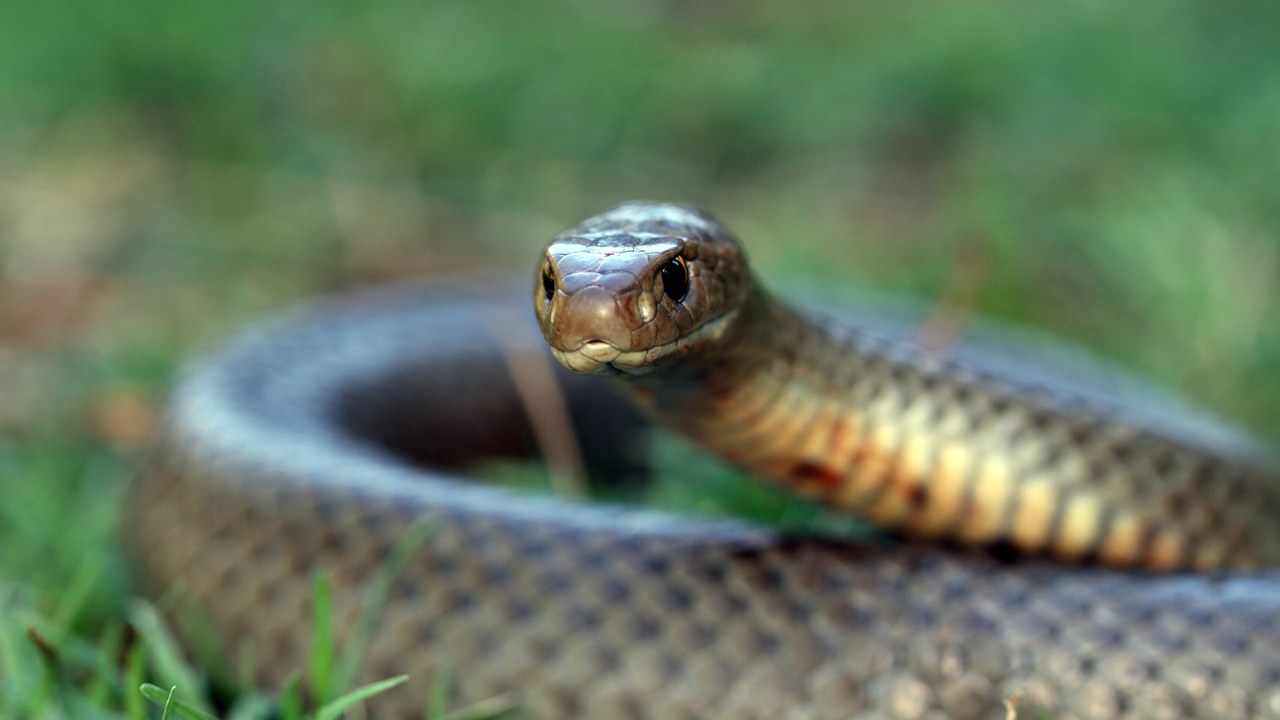
In its December 2022 ranking, WorldAtlas credits the eastern brown snake with about 60% of Australia’s snake-bite fatalities and says 3 mg of venom can kill an average human. It also says a typical bite delivers between 5 and 75 mg.
The snake is widespread across eastern Australia and thrives near farms and suburbs, so human encounters are frequent. Its fangs are small, which can make a bite easy to overlook, so any suspected bite warrants immediate medical attention.
6. Black mamba: A Fearsome Reputation, Ranked Sixth
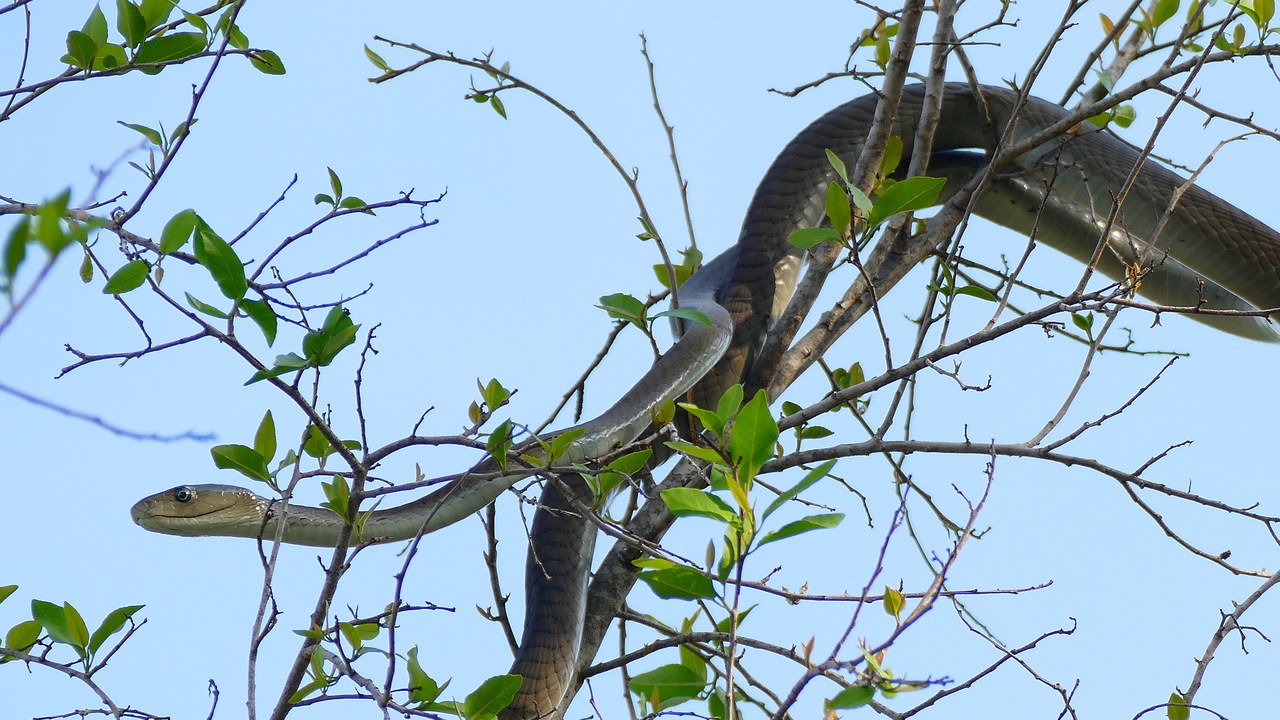
WorldAtlas ranks the black mamba sixth in its list of venomous snakes, citing a mouse LD50 of 0.05 mg/kg and a historically deadly reputation. The snake is a long, slender, fast-moving species of the African savanna and rocky hills.
Its name comes from the inky lining of its mouth, not its grey-brown skin. Untreated bites are considered extremely dangerous, but the species typically retreats when it can and strikes mainly when cornered.
7. Common krait: Night Hunter With Poor Odds
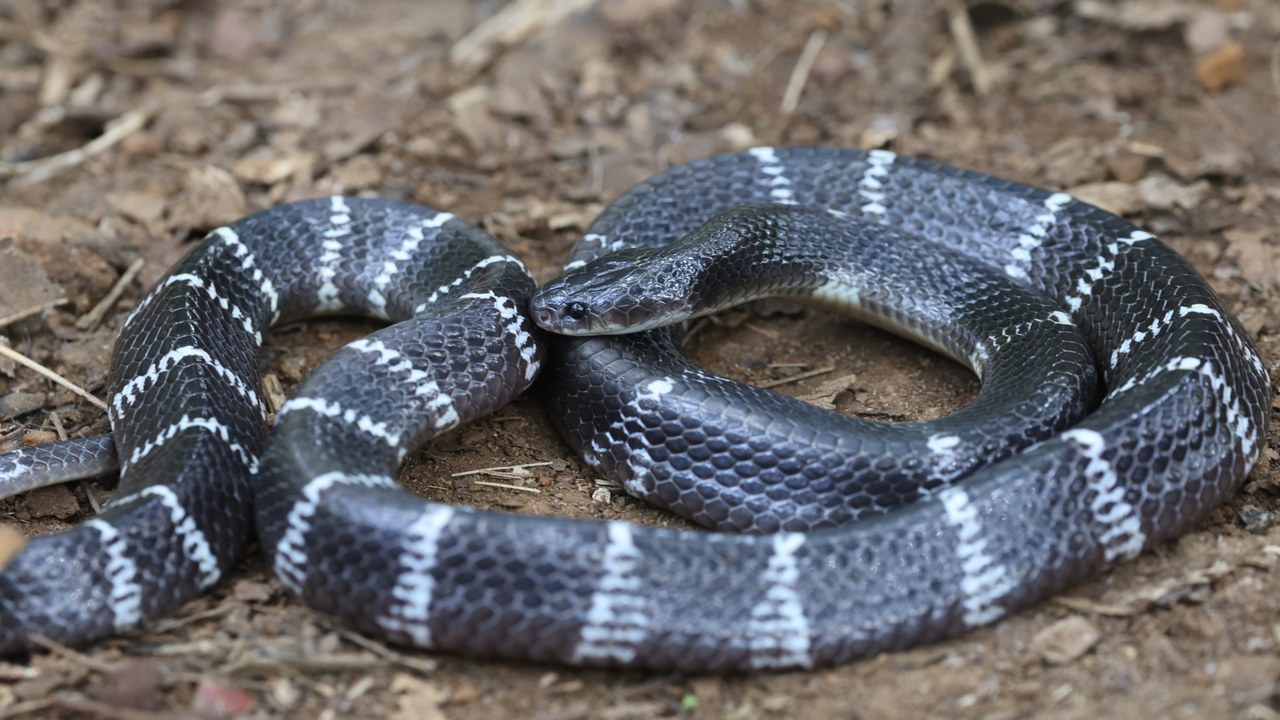
WorldAtlas says that without treatment, 70 to 80% of victims of a common krait bite are expected to die, and about 50% even with antivenom. The common krait is a glossy black snake with thin white bands, found across the Indian subcontinent.
Kraits are mainly active at night and are known for biting sleeping people on the floor. The figures come from a 2022 WorldAtlas article, and outcomes depend heavily on how quickly antivenom and breathing support are available.
8. King cobra: Longest of the Venomous
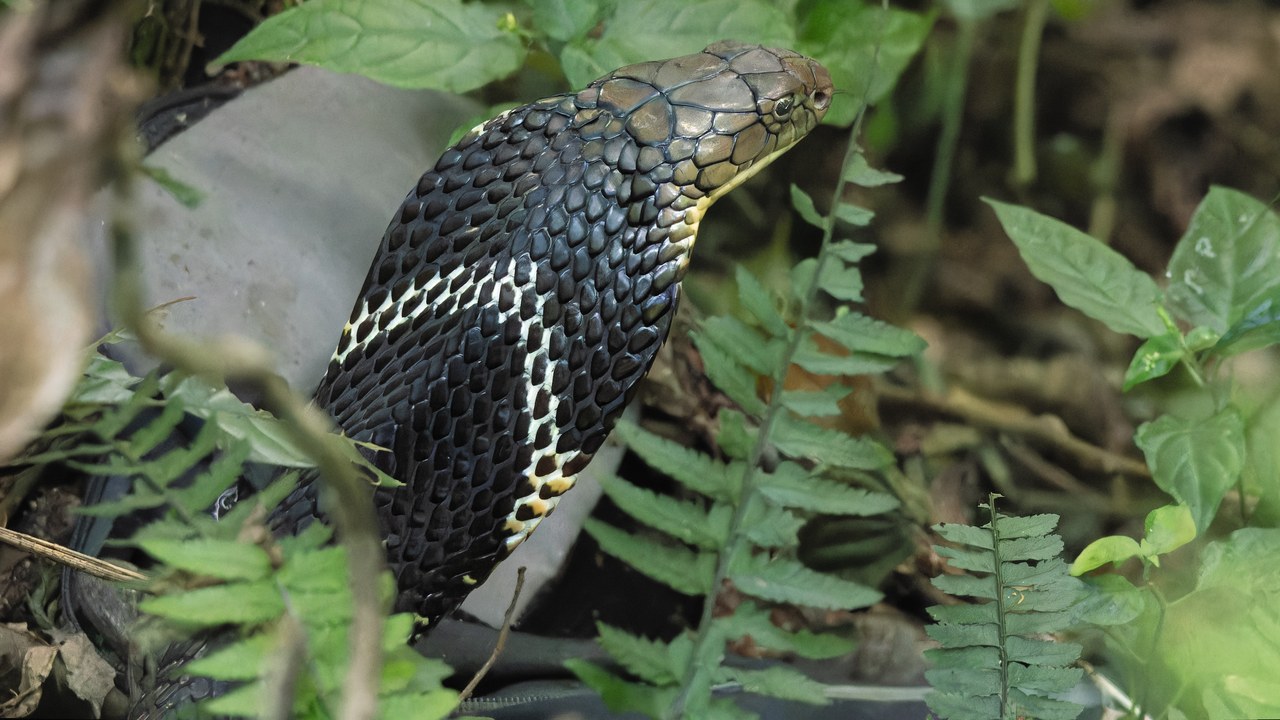
National Geographic says king cobras can reach 18 feet in length, making them the longest of all venomous snakes. Their venom is not the most potent, but a single bite can deliver enough neurotoxin to kill 20 people, or even an elephant. They live mainly in the rain forests and plains of India, southern China and Southeast Asia.
When confronted, a king cobra can lift up to a third of its body off the ground, flare its hood and hiss. It feeds mainly on other snakes, and it is shy and avoids humans whenever possible.
9. Gaboon viper: Fangs Built for Depth
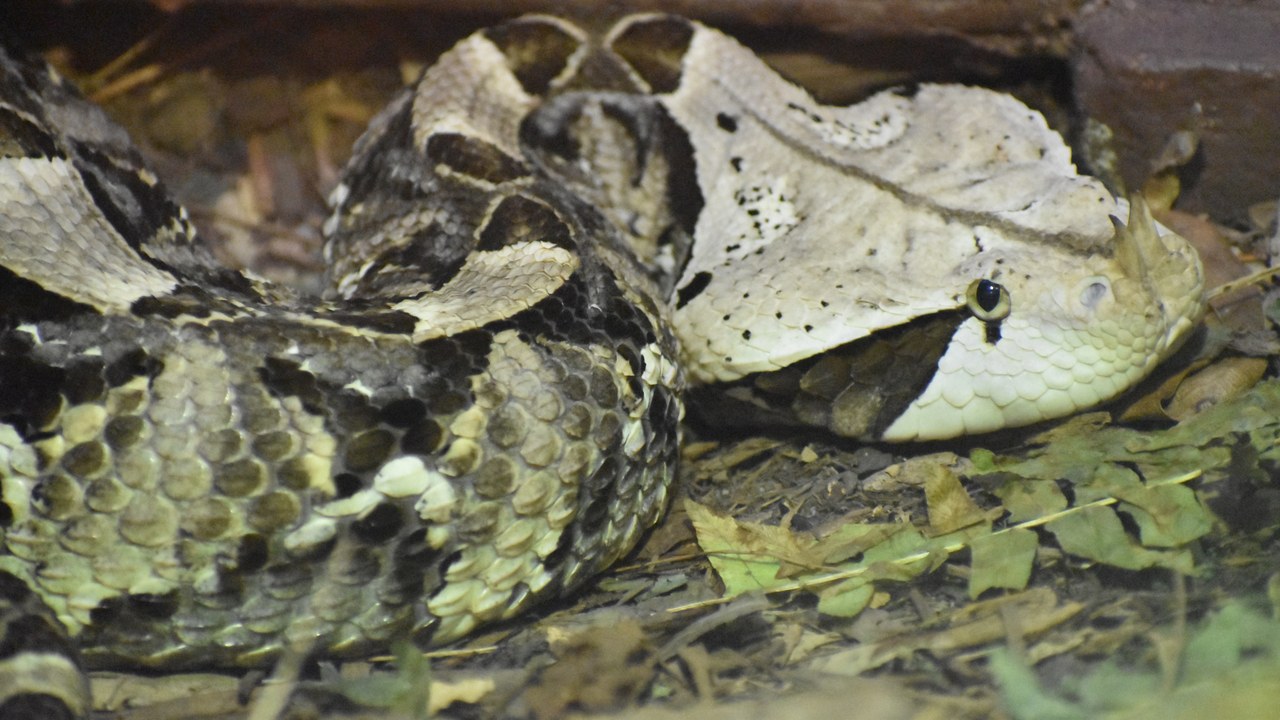
The Gaboon viper of sub-Saharan Africa has the longest fangs of any venomous snake, up to 2 inches long, and the highest venom yield of any snake. It is the largest member of its genus and lives mainly in rainforests and nearby woodlands, where its pattern blends into dead leaves.
Gaboon vipers are slow-moving and placid, so bites are extremely rare. People who are bitten have usually stepped on one by accident. Its enormous venom glands and habit of hanging on after striking make any bite a medical emergency.
10. Puff adder: Africa’s Most Common Biter
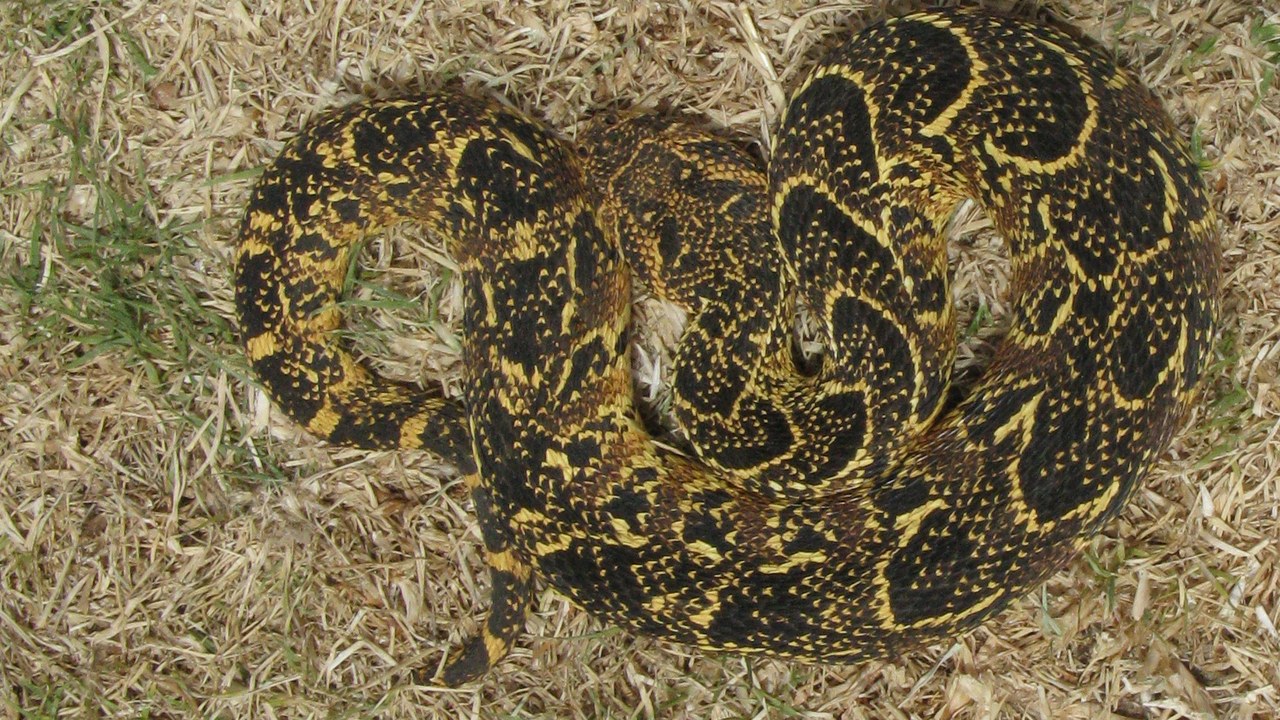
The puff adder is responsible for more snakebite fatalities than any other African snake. It lives in savannahs and grasslands across most of Africa outside the Sahara and rainforests, and in parts of the Arabian Peninsula. It may be the most common and widespread snake in Africa.
It relies on camouflage, basks by footpaths and sits quietly when approached, so people come close without noticing. If disturbed it hisses loudly, and its potent venom, produced in large amounts, and long fangs make bites dangerous.
11. Mojave rattlesnake: Desert Venom With Two Effects
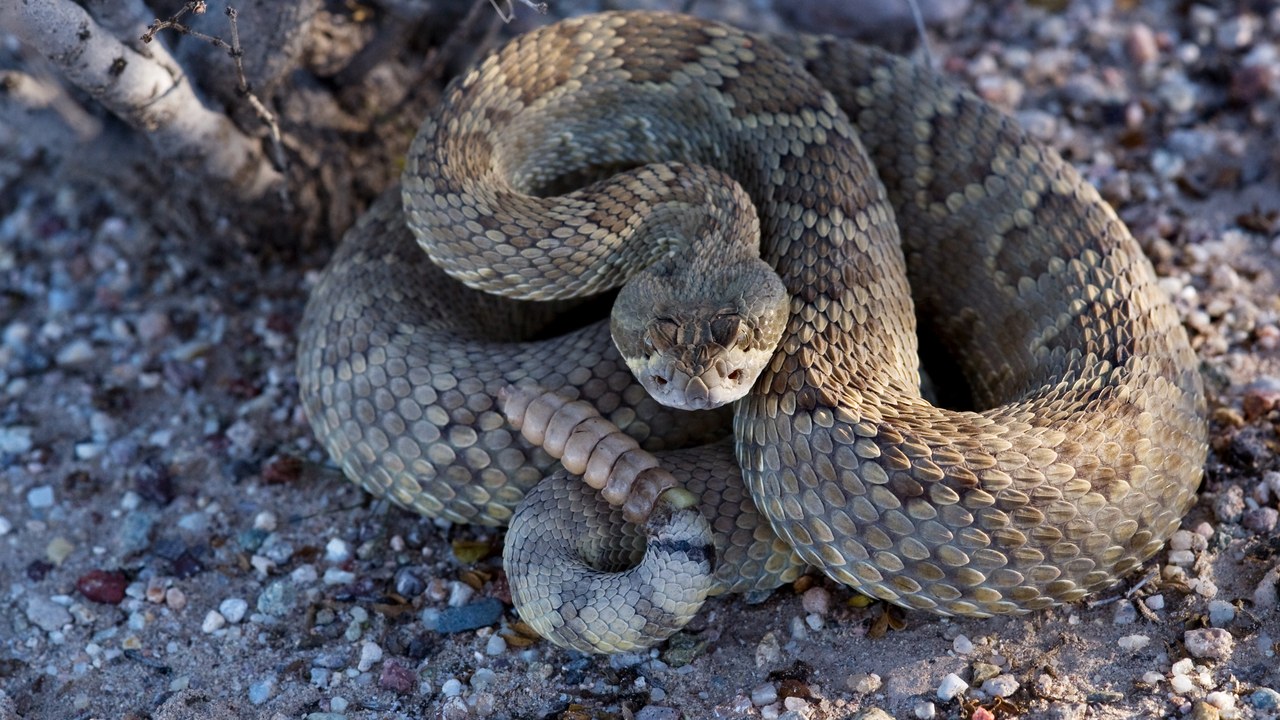
The National Park Service calls the Mojave rattlesnake the most venomous snake in Grand Canyon-Parashant National Monument. Its venom is potent in neurotoxins that attack the nervous system and hemotoxins that attack the blood. Adults average 2 to 4 feet long and have a greenish tinge that earns the nickname Mojave green.
The species favours desert flats with sparse creosote bush, cacti, mesquite and Joshua trees, and is most active at night and twilight from April to September. Rattlesnakes generally move away from threats, though some males may become aggressive in mating season.
More from Morning Overview
- Refiners are making less gasoline and more diesel, and here’s why
- The NSA warns phone owners to switch off Bluetooth whenever they aren’t using it
- A flight school faces a $2,388,500 FAA fine for flying an unairworthy plane
- Ocean mud suggests Cascadia and the San Andreas fault have broken within hours of each other
