
Across the American West and beyond, mining booms, railroad towns and industrial disasters left behind settlements that never refilled. Many of them are protected by park agencies or preserved by private caretakers, which keeps the buildings open to walkers. Here are eleven ghost towns across the United States that can still be explored on foot.
Read next on Morning Overview: Ocean mud suggests Cascadia and the San Andreas fault have broken within hours of each other
1. Bannack, Montana: Montana’s State-Run Relic
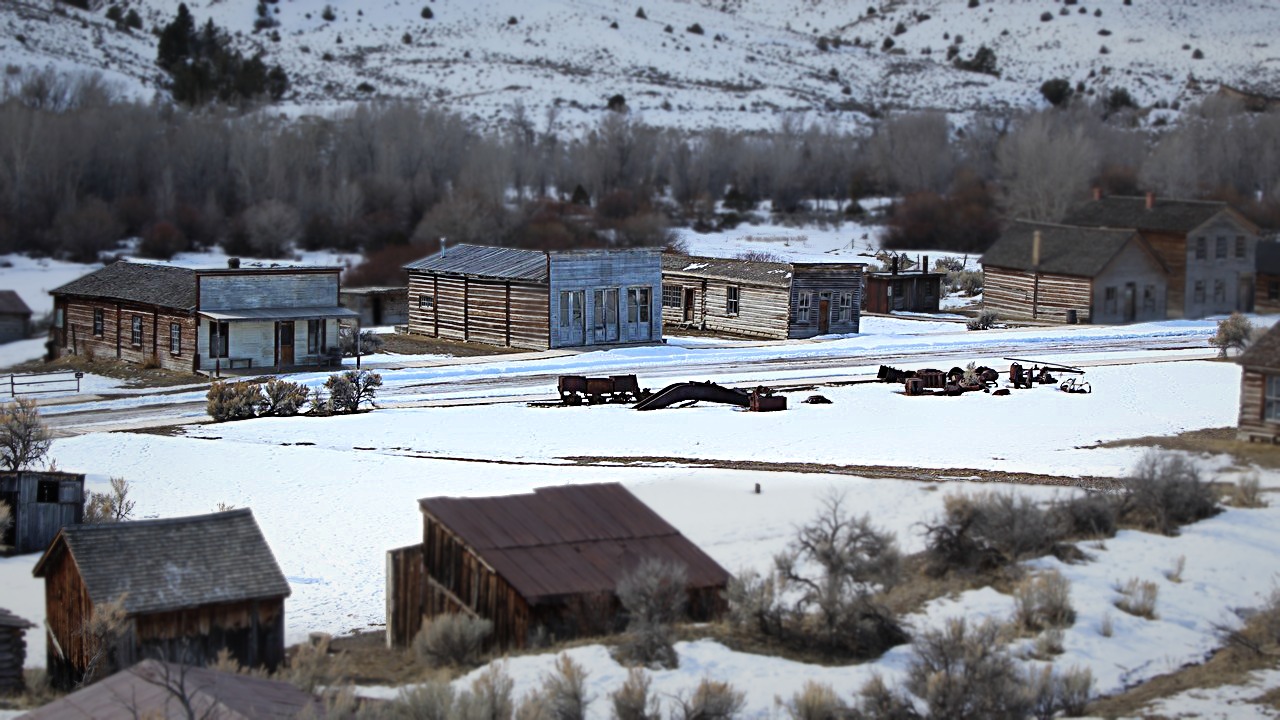
Bannack in Montana is a rare state-run ghost town, with more than 60 structures still standing inside a state park. The settlement was fully abandoned by the 1950s, and the wooden storefronts and houses were left to age in place rather than being rebuilt as a theme attraction.
Because the buildings sit in a public park, access is simple and the site is kept stable. Visitors can wander the main street and peer into the old rooms, which makes Bannack one of the easier places in the West to see an abandoned mining town up close.
2. Thurmond, West Virginia: The Railroad Town With Five Residents
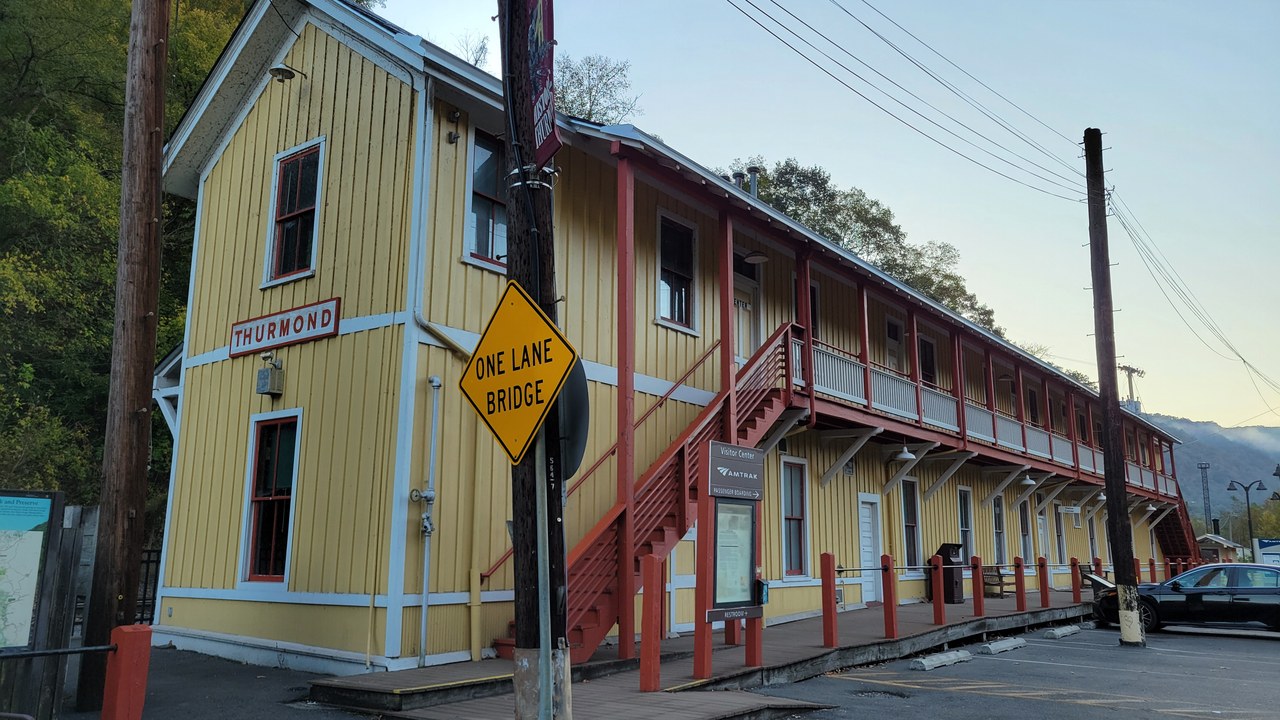
Thurmond in West Virginia was a coal railroad town, and the National Park Service now owns its buildings. Mental Floss notes that the last census listed its population at 5, which is about as close to empty as an incorporated town gets.
The depot and commercial row still line the tracks in the New River Gorge, so the layout of a rail-driven coal boomtown remains easy to read. Walking the street shows how entirely the place was built around the railroad and the mines it served.
3. Rhyolite, Nevada: Bust, Quake and Panic
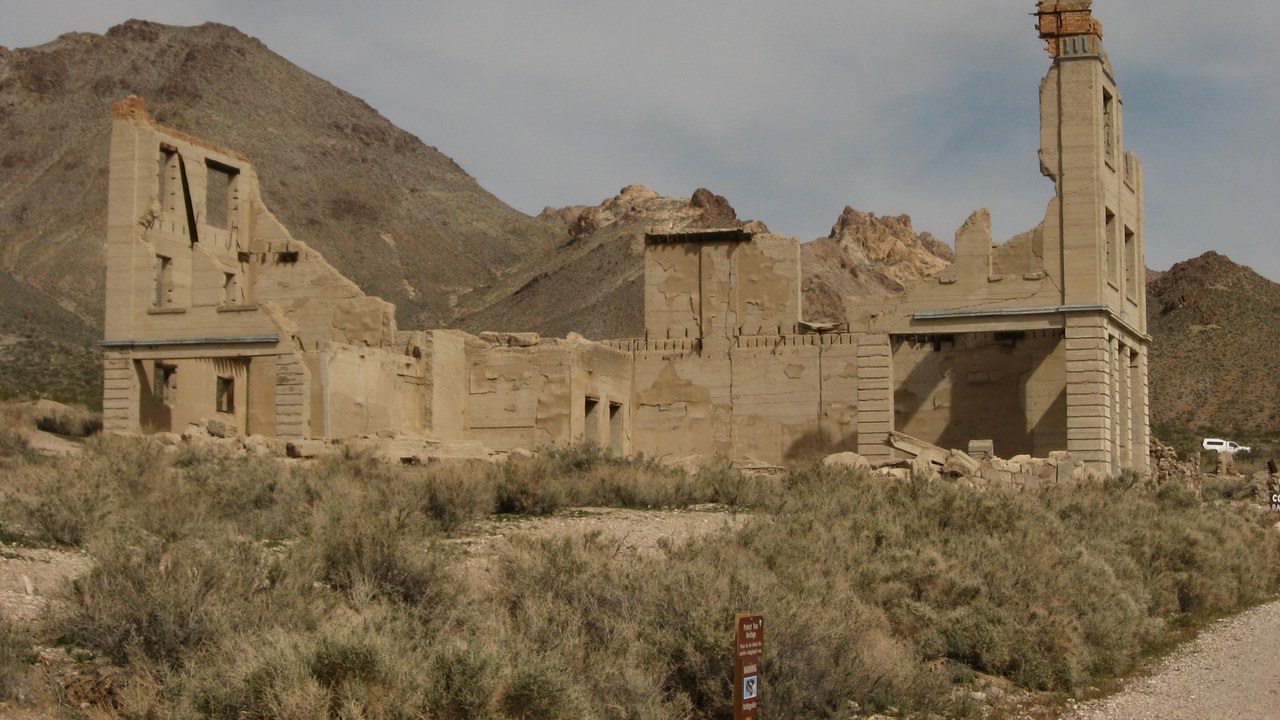
Rhyolite in Nevada was a gold town whose decline came from several blows at once: exhausted mines, the 1906 earthquake and the 1907 financial panic. As Mental Floss recounts, most of the miners and their families left for greener or golder pastures.
Roofless concrete and stone shells now stand in open desert, and a sculpture park has been added nearby. The mix of genuine ruins and modern art gives the site two distinct reasons to stop, and the desert setting makes the scale of the old town easy to picture.
4. Calico, California: The Silver Rush Revival
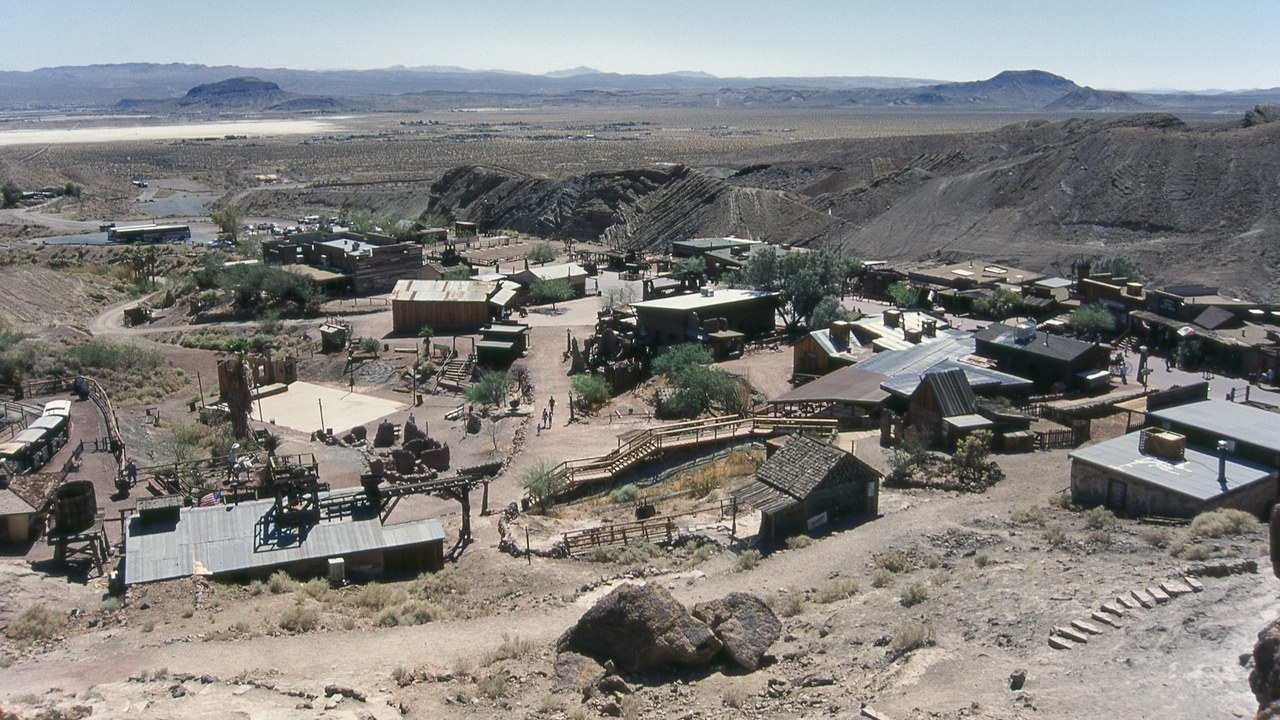
Calico in California is billed as California’s Silver Rush Ghost Town, and its present look owes much to Walter Knott, who restored it in the 1950s. The town began as a silver-mining settlement in the desert hills of the Mojave region.
The restoration means many buildings are in better shape than a purely abandoned site would allow. Visitors should expect a preserved and rebuilt frontier street rather than untouched decay, which suits those who want to go inside the structures and see them furnished.
5. Garnet, Montana: Montana’s Best-Preserved Ghost Town
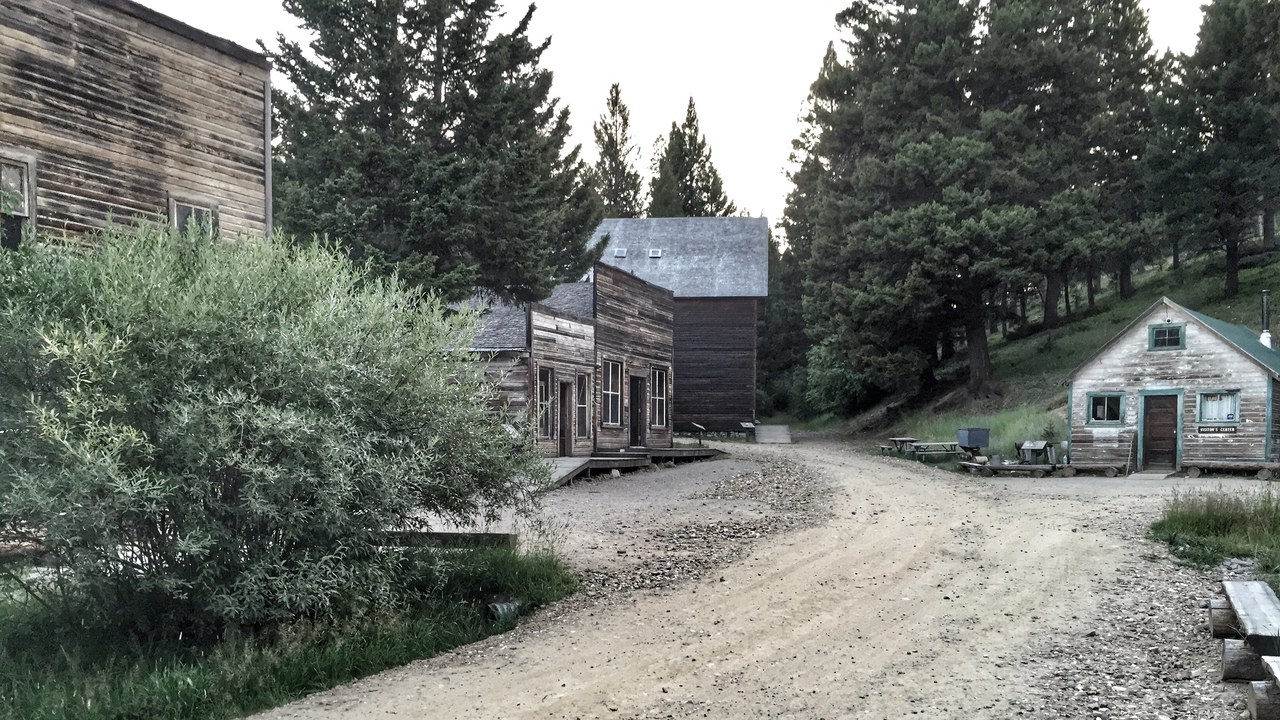
Garnet in Montana is described by The Trust for Public Land as Montana’s best-preserved ghost town. The Bureau of Land Management manages the site, where about thirty original structures remain, including a saloon and the ruins of a hotel, and the last store closed in 1947.
The surviving cabins, shops and hotel remains sit in a forested mountain setting, so the town reads as a real community rather than a single landmark. Public management keeps the buildings standing for visitors who want to walk the main street.
6. Bodie, California: Arrested Decay
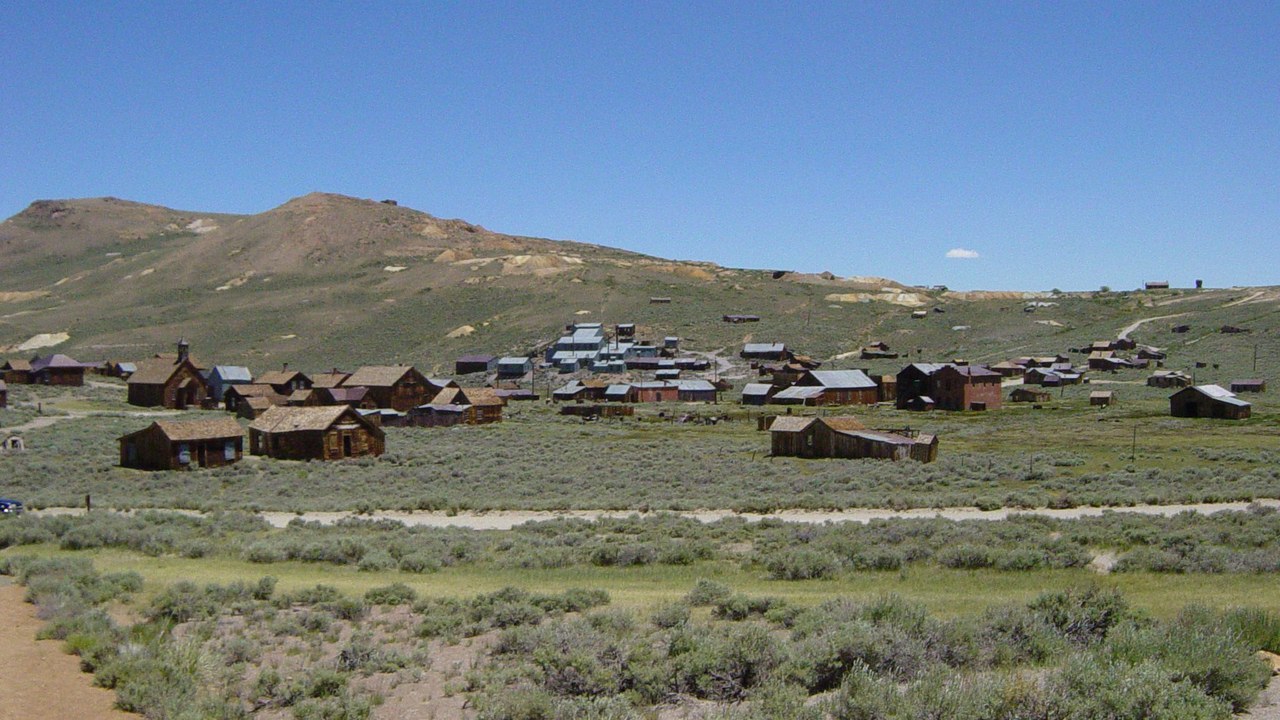
Bodie in California has been kept in a state of “arrested decay” by the California State Parks Department, which means the buildings are stabilized but not restored. The gold town peaked at nearly 10,000 people before emptying out.
Hundreds of structures spread across a high, windswept basin give the clearest picture of the scale of a Western mining boomtown. Because nothing has been polished for tourists, the interiors still look lived in, with goods left behind in stores and houses.
7. Grafton, Utah: Zion’s Quiet Farming Town
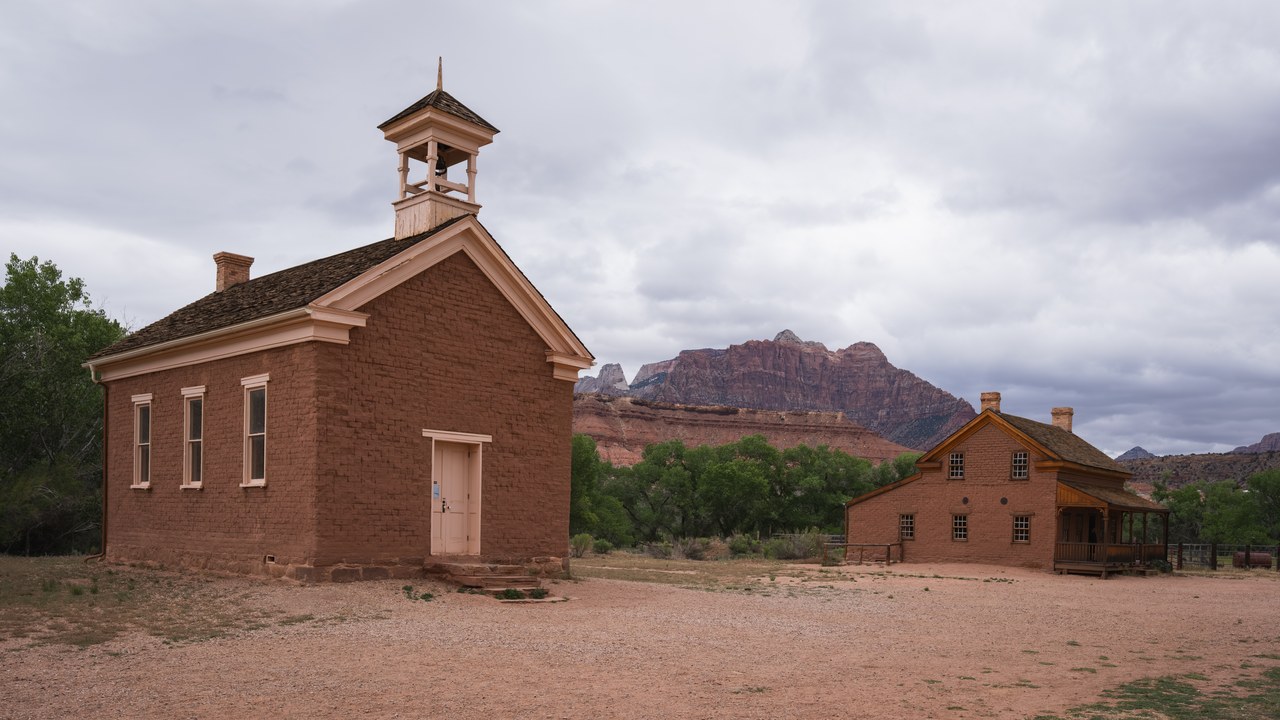
Grafton in Utah was a farming town near Zion, and its last residents left in the 1940s. Five large buildings remain, including a small church-style schoolhouse and a brick home set against red cliffs.
The setting is the draw: orchard land, desert sand and sandstone walls surround the old homestead buildings. Because the town was agricultural rather than a mining camp, it shows a different side of frontier settlement, and the short walk makes it an easy add-on to a Zion trip.
8. Animas Forks, Colorado: Above Eleven Thousand Feet
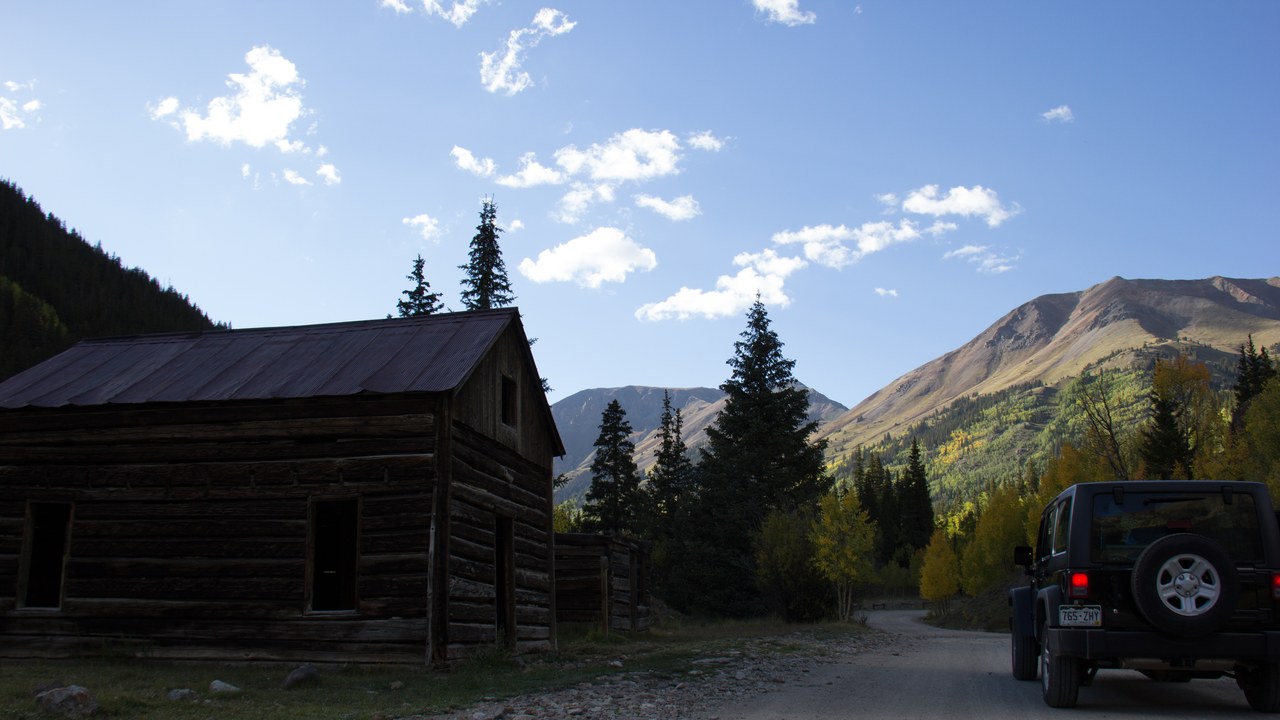
Animas Forks in Colorado is a San Juan Mountain mining town sitting above 11,000 feet, about 12 miles from Silverton, according to Touropia’s ghost town list. Log and plank buildings still stand in the high alpine valley.
The altitude defines the visit, since snow can linger long into the year and the thin air makes even short walks tiring. Reaching the town takes a backcountry road, which helps explain why so many of the structures survived through the decades.
9. Centralia, Pennsylvania: The Fire Beneath the Streets
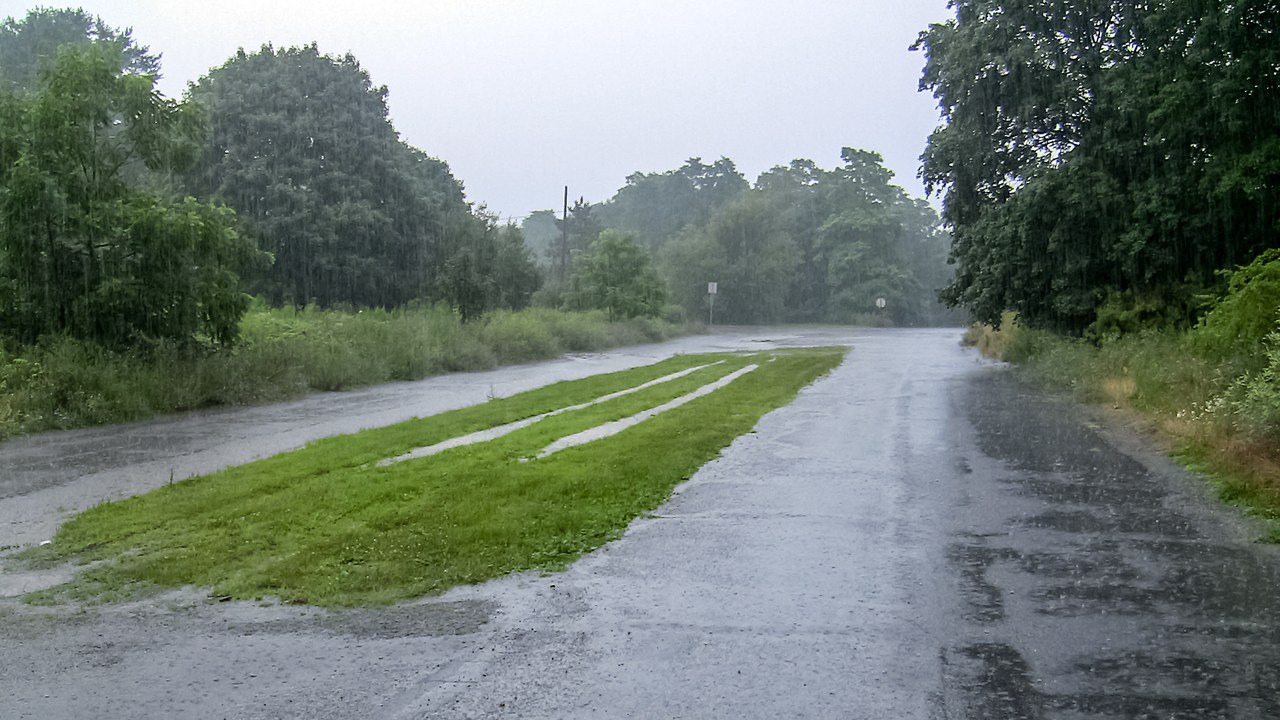
Centralia in Pennsylvania was a coal town of about 2,800 residents, and an underground coal fire has been burning beneath it since 1962. The fire is the reason the town emptied out and its streets went quiet.
Most of the houses are gone, leaving grid-pattern roads, curbs and cleared lots reclaimed by trees. Walking those streets means seeing a ghost town defined by what was removed rather than what was left standing, with the fire still burning below.
10. Terlingua, Texas: Mercury Boom, Desert Ruins
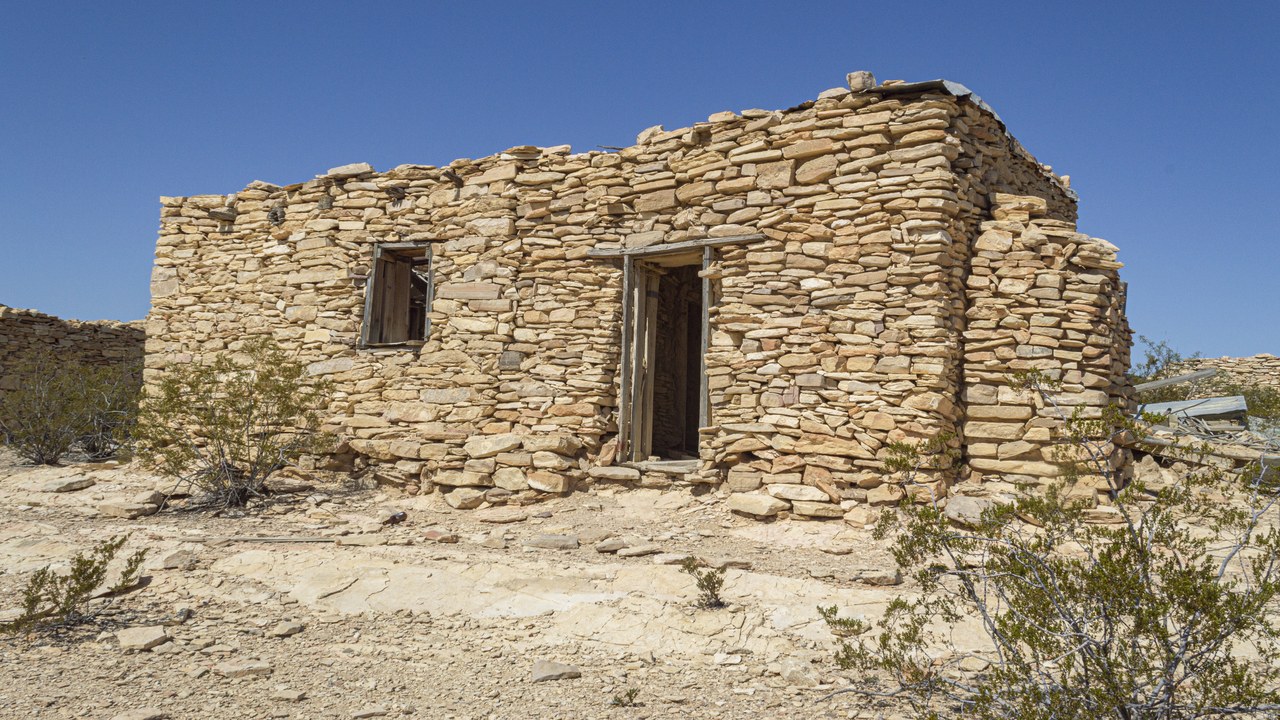
Terlingua in Texas is a former mining settlement that drew people in thanks to mercury discoveries and closed in the 1940s. Stone and adobe ruins from the mining era still dot the Chihuahuan Desert landscape.
The old buildings sit near Big Bend country, so the setting is remote and the heat can be severe in summer. Visitors who bring water and plan around the weather can explore the stone walls and doorways of a town once tied to one metal.
11. Shaniko, Oregon: The Wool Capital of the World
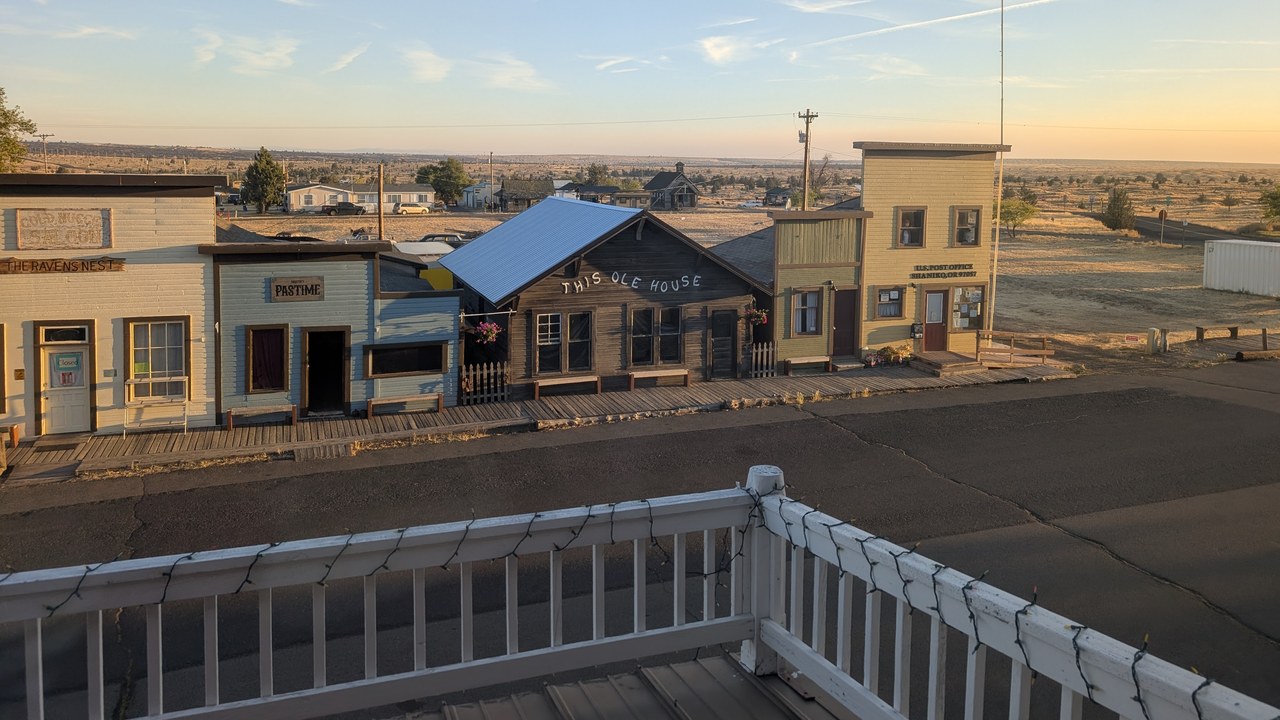
Shaniko in Oregon was once called the “Wool Capital of the World”, a title earned when wool shipments flowed through the town. It is now nearly empty, with only a handful of buildings along a quiet main street.
The surviving false-front buildings and the old city hall give the high-desert town a compact, easy-to-walk feel. A short stop shows how a single commodity could make a remote Oregon outpost important, and how quickly that role could disappear.
More from Morning Overview
- Up to 5 feet of snow is burying Donner Pass, and forecasters warn against Sierra travel
- Refiners are making less gasoline and more diesel, and here’s why
- The NSA warns phone owners to switch off Bluetooth whenever they aren’t using it
- A flight school faces a $2,388,500 FAA fine for flying an unairworthy plane
