
Bears range from the Arctic ice to tropical forests, and their sizes and survival odds vary just as widely. The largest polar males are reported to top 1,700 pounds, while the smallest species weighs a fraction of that. Here are eleven bears, each with the figures that define it.
Save more, waste less: The Cool Down’s newsletter sends smart, simple changes that help you and the planet in your everyday life.
We may earn a commission if you sign up.
1. Polar bear: Largest Living Bear
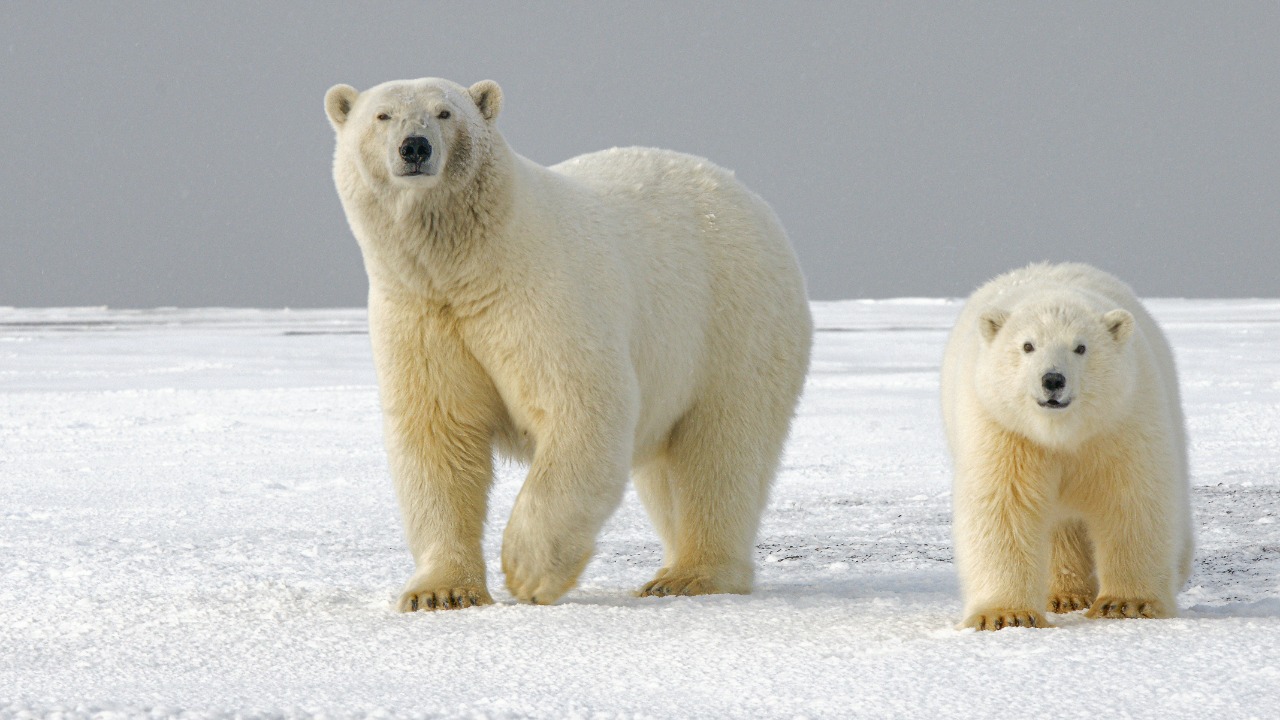
According to the Alaska polar bear page, the polar bear is the largest living bear, and the biggest males can weigh in excess of 1,700 pounds. That figure is the reason this species anchors the whole lineup.
As the largest living bear, this species sets the top end of the weight range for the whole family. The 1,700-pound mark describes the biggest males rather than a typical animal, so most individuals weigh less. That ceiling is the figure the gallery headline builds on.
2. Kodiak bear: Island Heavyweight
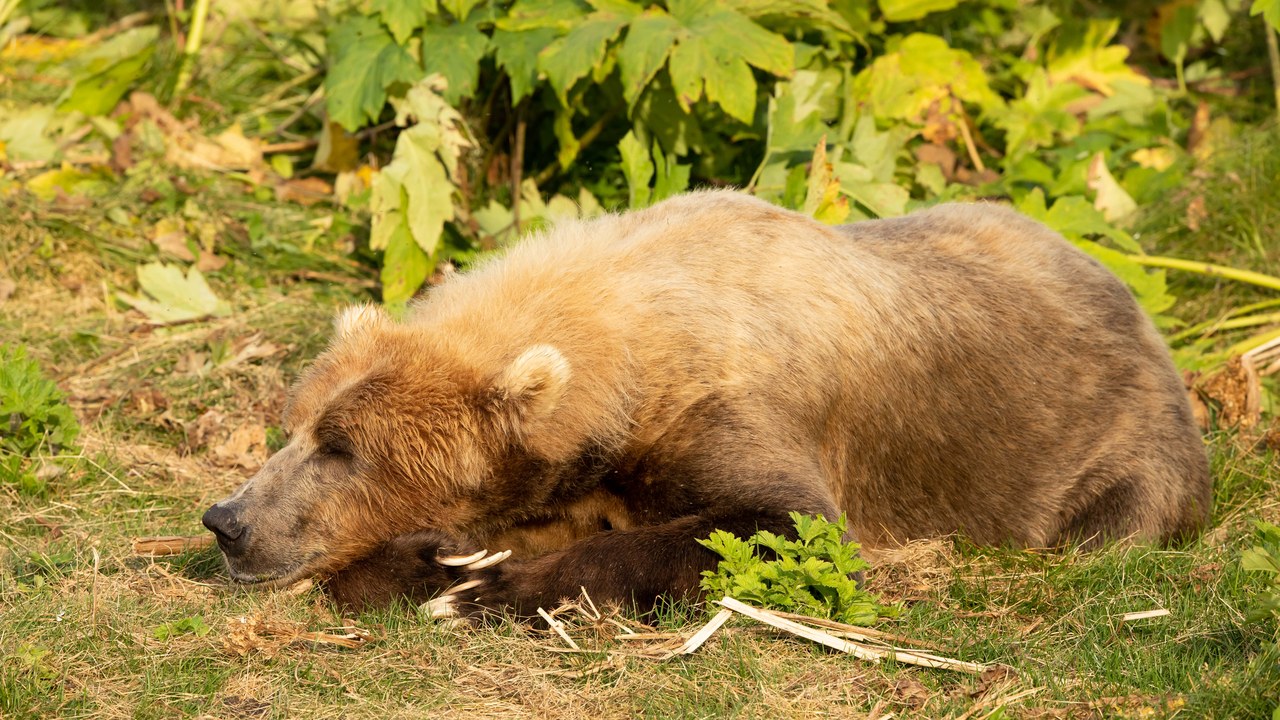
Kodiak bears are island brown bears that can reach up to 1,500 pounds, according to state brown bear profile. The same page puts the density on Kodiak at about one bear per square mile, a figure that shows how many large bears share one island.
That weight is the maximum the page gives, not an average, so many Kodiak bears are lighter. Even so, a ceiling of 1,500 pounds places this island population among the heaviest bears in the lineup.
3. Grizzly bear: Yellowstone Count
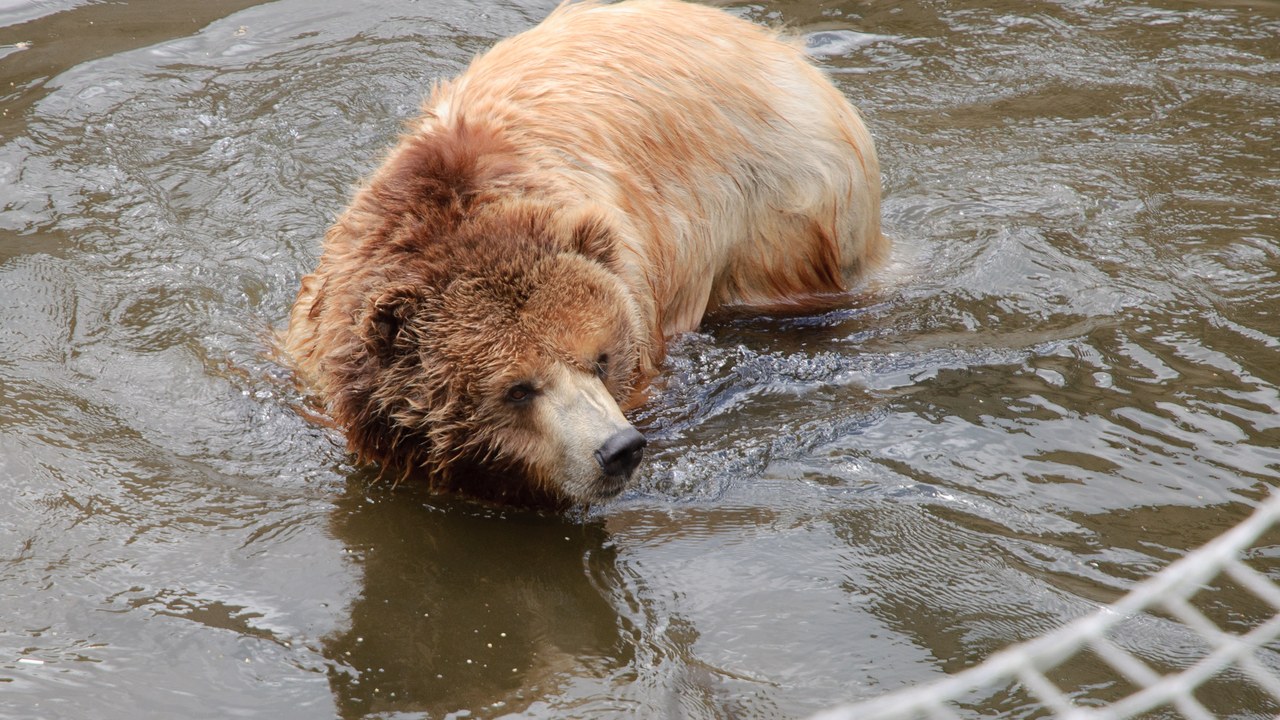
An estimated 714 grizzlies live in the Greater Yellowstone area, based on grizzly facts page. The page also notes that a grizzly can run 35 to 40 miles per hour, a speed that surprises many visitors.
The count covers one region rather than the whole species, so it reflects a single stronghold. Speed is the other notable detail, since an animal of this size can cover ground faster than most people could ever escape.
4. American black bear: Smokies Crowd
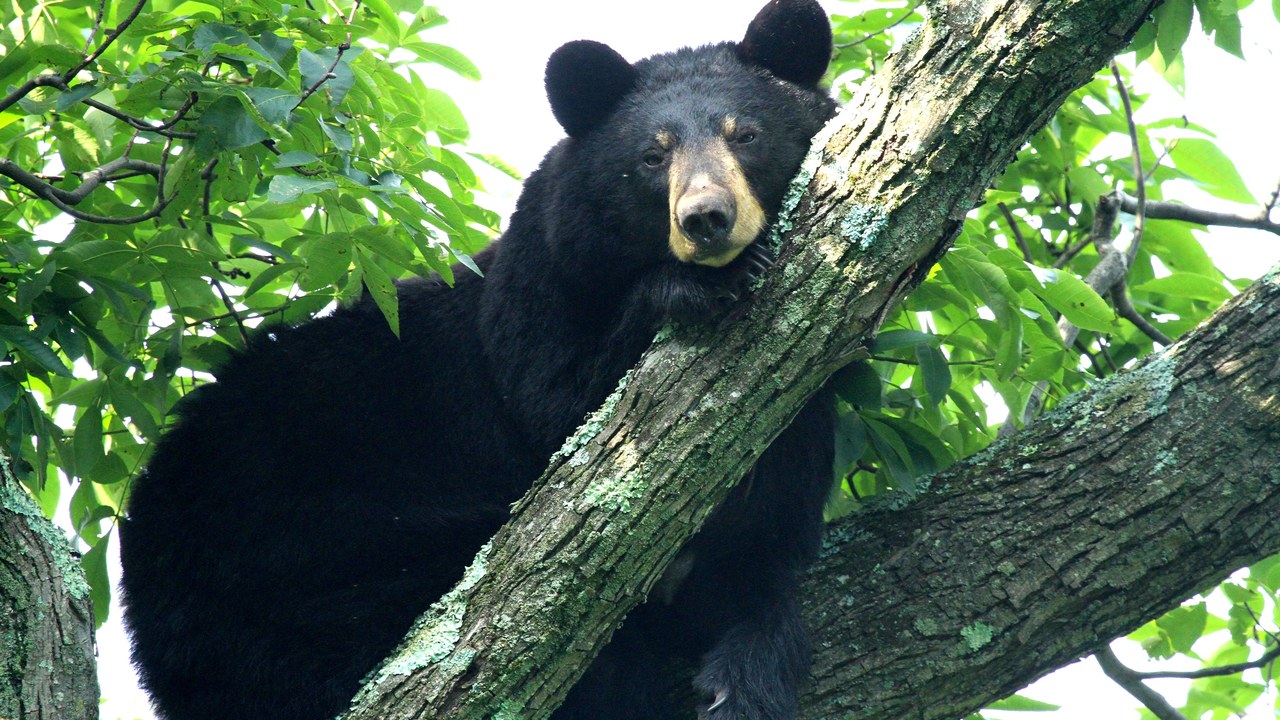
Roughly 1,900 black bears live in Great Smoky Mountains National Park, according to the park black bear page. That works out to about two bears per square mile, a dense population by any measure in this gallery.
The density is the notable part, because a park known for hikers and scenic overlooks also holds this many bears. The figure is specific to the park, so it says little about how common the species is elsewhere.
5. Louisiana black bear: Comeback Bear
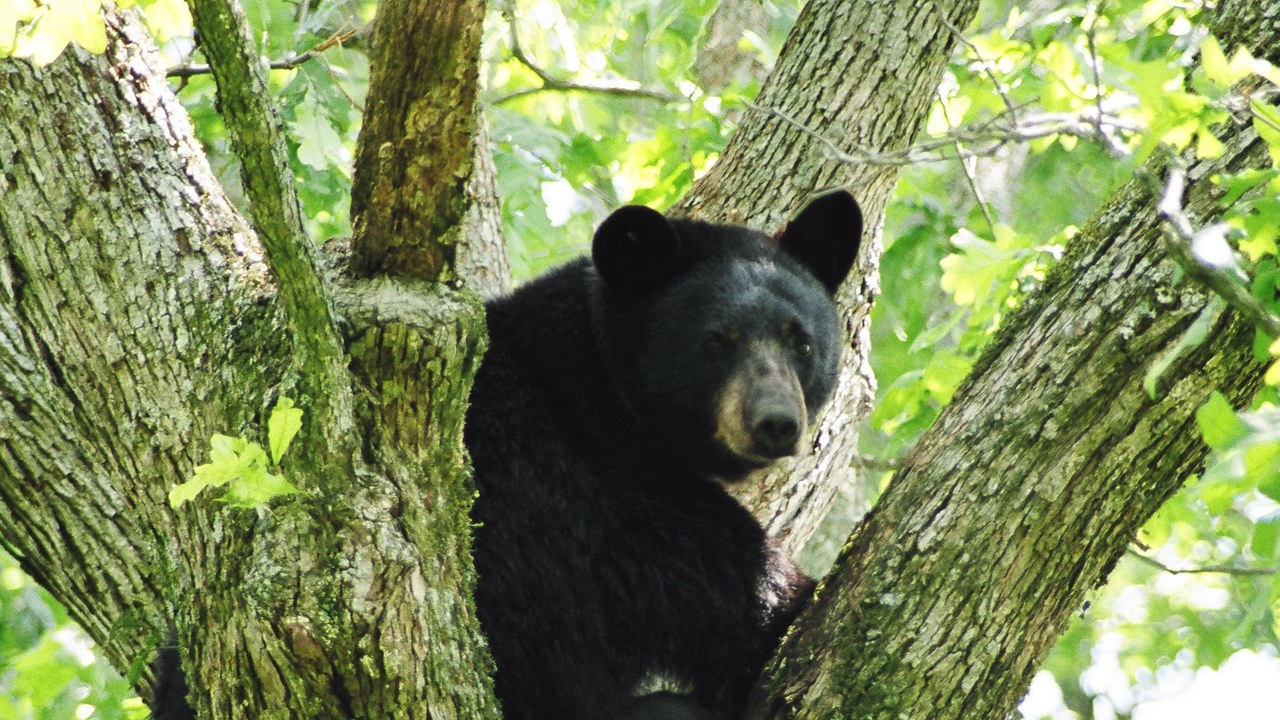
The Louisiana black bear fell to as few as 150 bears before recovery, and the population now stands at 500 to 750, per the delisting announcement. Federal delisting followed in 2016, marking a milestone for the subspecies.
The numbers show a recovery that remains modest in absolute terms, since several hundred bears is still a small population. Even so, a climb from 150 to as many as 750 is a recovery worth noting.
6. Giant panda: Bamboo Appetite

As few as 1,864 giant pandas live in their native habitat, according to national zoo panda page. Each panda eats 70 to 100 pounds of bamboo a day, which is a remarkable amount of food for one animal.
The count is described as a lower-end estimate rather than a precise census. The daily bamboo intake shows how much food each animal needs, and why a few thousand pandas depend on large areas of bamboo to survive.
7. Sloth bear: Cubs On Board
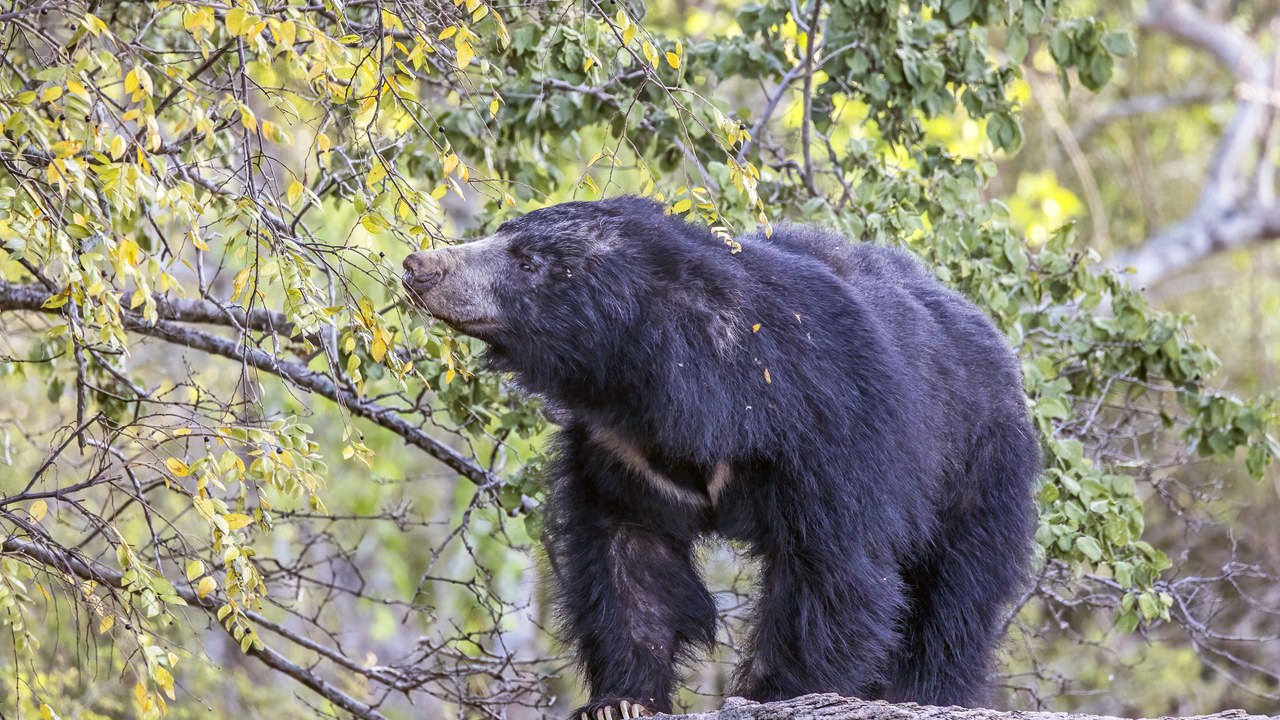
About 20,000 or fewer sloth bears remain in the wild, per sloth bear zoo page. The page reports a decline of 30 to 49 percent over 30 years, a steep drop for a species of this size.
Mothers carry their cubs on their backs, a habit that sets this bear apart in the lineup. With the population falling so sharply, that sight is likely to become rarer if the trend continues.
8. Spectacled bear: South America’s Bear
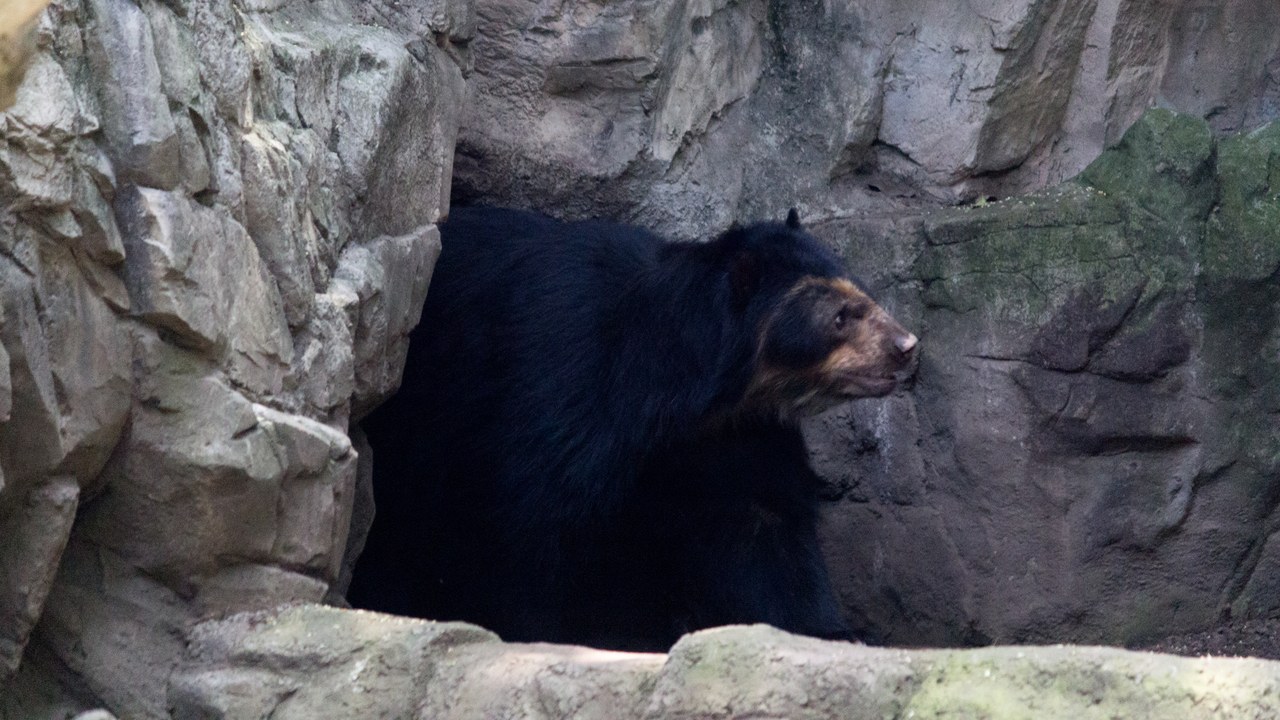
Males of this South American species reach 340 pounds, according to Andean bear zoo page. Spectacled bear numbers have declined dramatically in Venezuela, Colombia and Peru, three countries named directly on the page.
The weight makes it far lighter than the polar and brown bears elsewhere in this gallery. The decline is described country by country, which points to pressure across several nations rather than one local problem, and that wide geographic reach makes the species harder to protect with a single plan.
9. Sun bear: Tongue Of 46 Centimeters
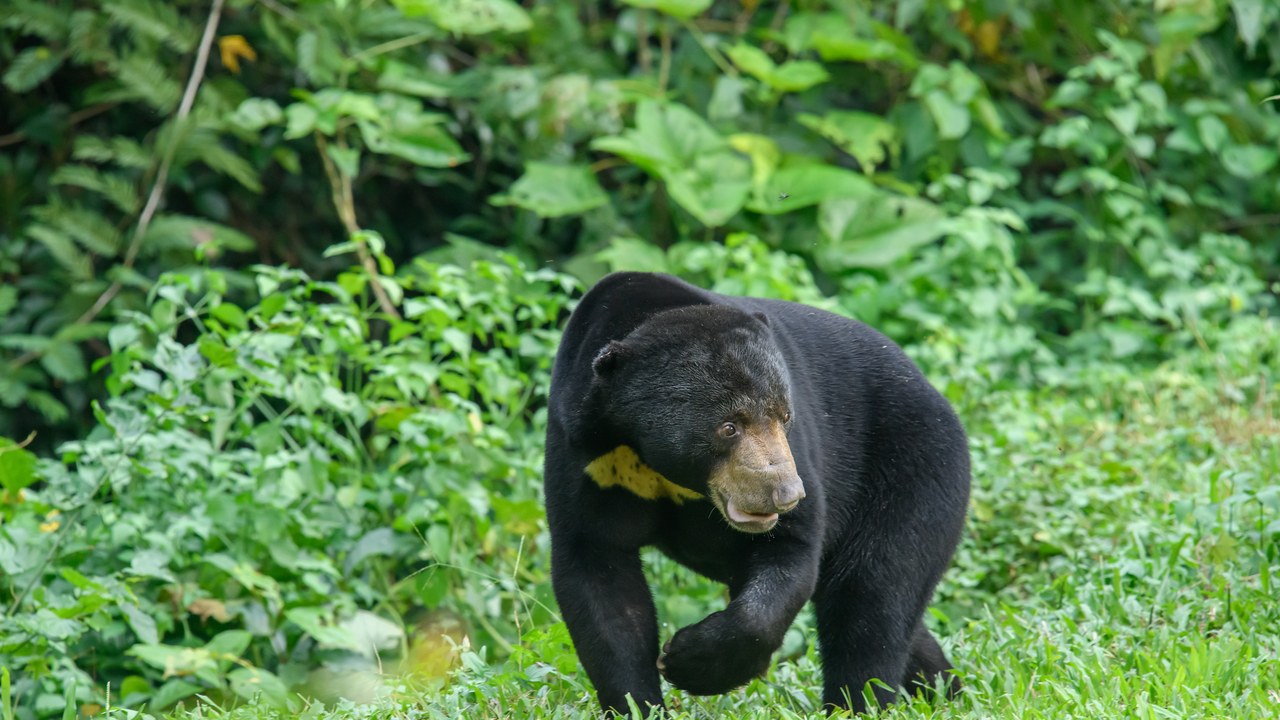
The sun bear is the smallest bear, measuring 100 to 150 centimeters, and its tongue reaches up to 46 cm, per sun bear species page. It is listed as Vulnerable, a status that reflects its shrinking numbers.
Its population has fallen by more than 30 percent over 30 years. The long tongue is the feature that most clearly separates this small bear from the giants at the top of the list.
10. Asian black bear: Bile Farm Toll
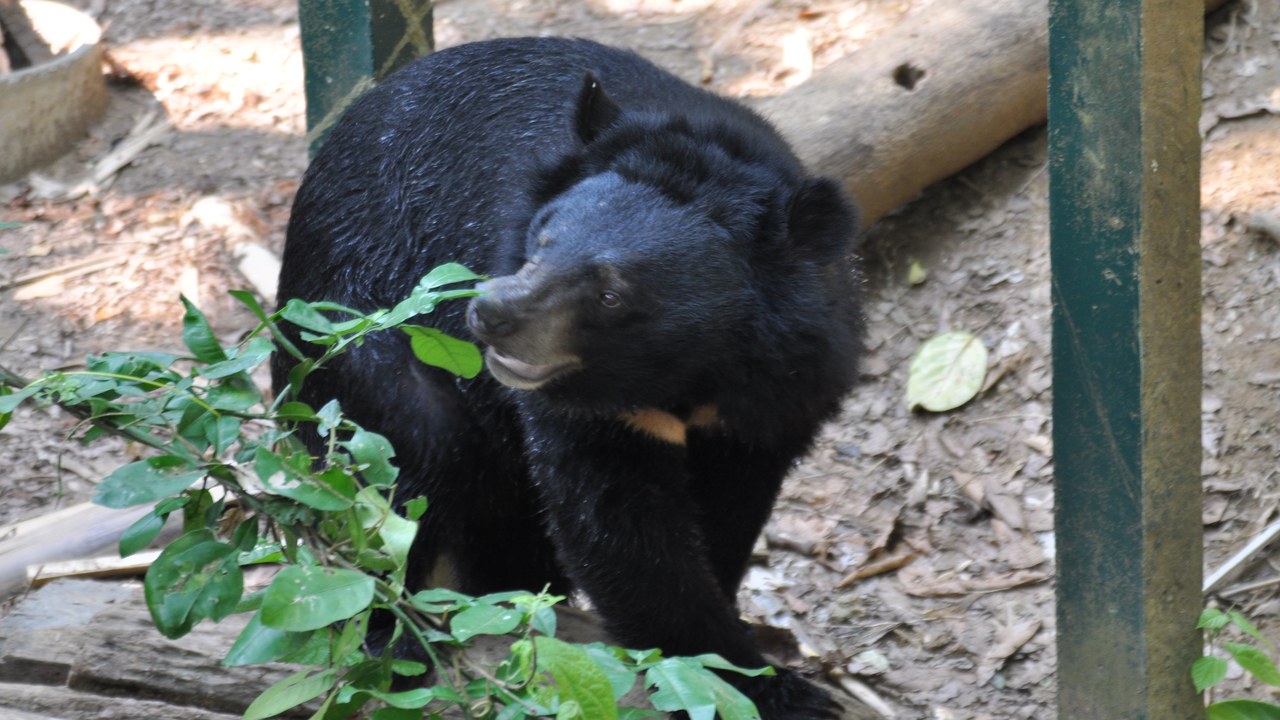
As many as 10,000 to 17,000 bears may still remain in bile farms, according to Asiatic black bear profile. The species is listed as Vulnerable, and that number gives a sense of the scale involved.
The page reports a population decline of 31 percent over 30 years. The farm figure is large enough to matter on its own, which makes this one of the more troubling entries in the gallery.
11. Brown bear: Most Widespread Bear
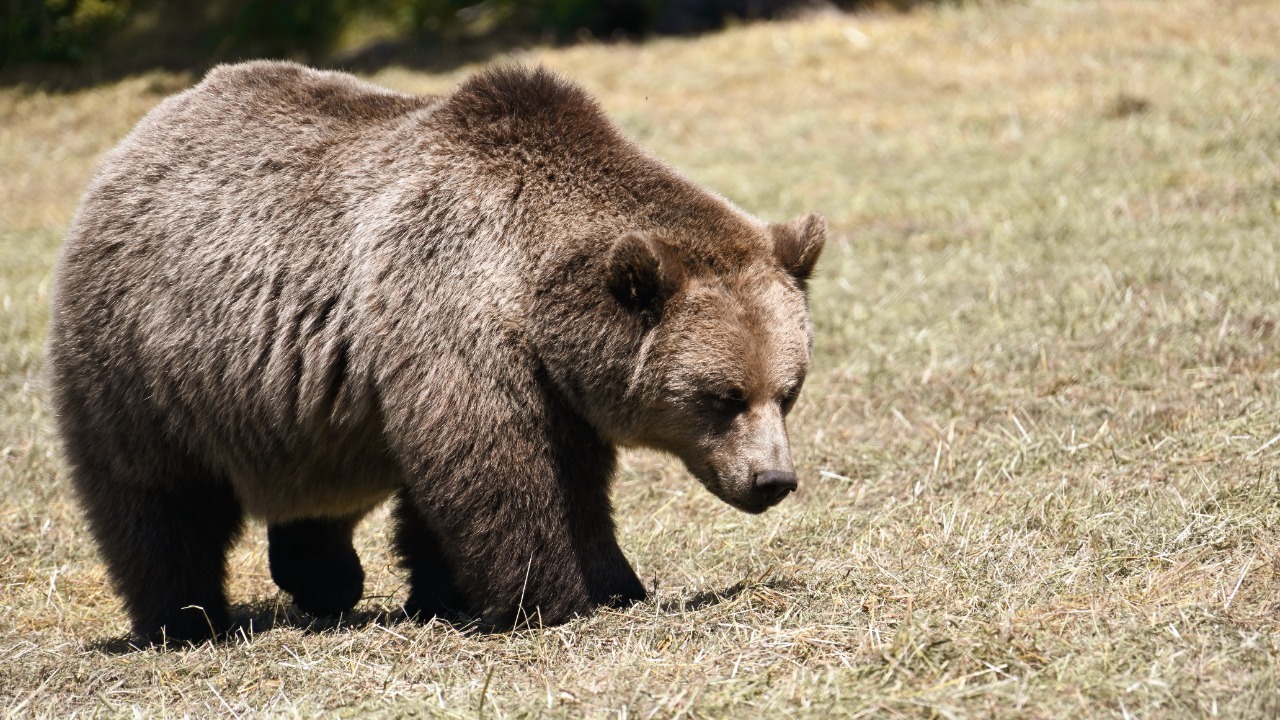
The most widespread bear species is the brown bear, as the Wikipedia bear overview explains in its broad account of the bear family. Both the grizzly and the Kodiak bear covered earlier in this gallery are forms of it.
That makes this entry the parent of two earlier items in the gallery. Its broad range, more than its size, is what earns it the closing spot and ties the whole lineup together, since the grizzly and Kodiak entries both trace back to it. The source for this entry is a general overview rather than a species page.
Save more, waste less: Subscribe to The Cool Down →
We may earn a commission if you sign up.
More from Morning Overview
- Doctors warn a silent liver disease now affects one in three American adults
- The FBI told the rest of ShinyHunters to surrender after a 24-year-old was arrested
- Two passengers died at an Ohio toll plaza, and the NTSB now wants the cash lanes shut
- Long use of a common prostate pill is tied to a higher chance of glaucoma
