
American astronauts have flown aboard a wide range of vehicles, from small capsules to winged orbiters and a permanent station. The list covers capsules, lunar craft, shuttles and the station, up to the newest craft launched from Florida. Here are twelve spacecraft that flew American crews, two of them destroyed in flight.
Help yourself and the planet: The Cool Down makes it easy to help yourself while helping the planet, with smart, simple changes to save more and waste less in your everyday life.
We may earn a commission if you sign up.
1. Space Shuttle Endeavour: Flew the Station’s First Construction Mission
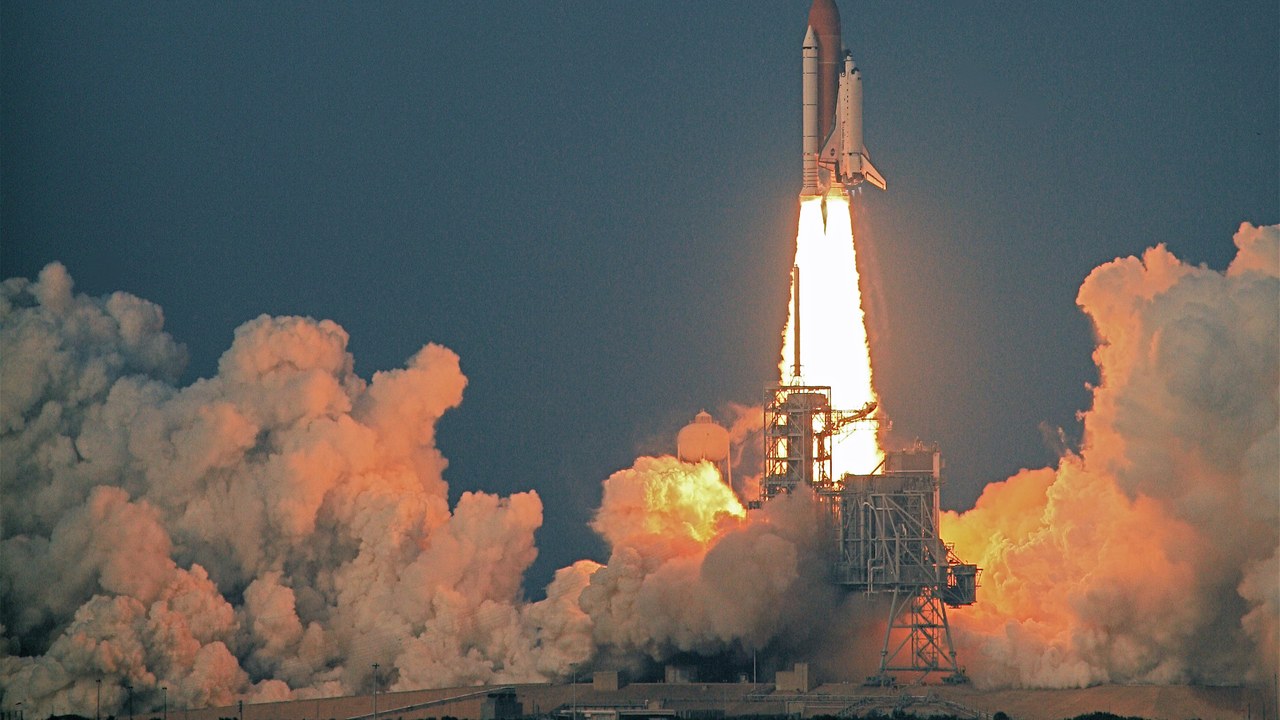
Space Shuttle Endeavour debuted in 1992 on STS-49 and later flew STS-88 in December 1998. NASA’s history of the shuttle fleet describes that flight as the first construction mission of the International Space Station program.
The two dates frame Endeavour’s record on this list, from a 1992 debut to a December 1998 flight that began station assembly in orbit. The source ties the orbiter to those two flights, so the entry rests on that pairing rather than on later missions or other records. That keeps the claim narrow and tied to the page cited.
2. Gemini spacecraft: A Walk Outside the Capsule
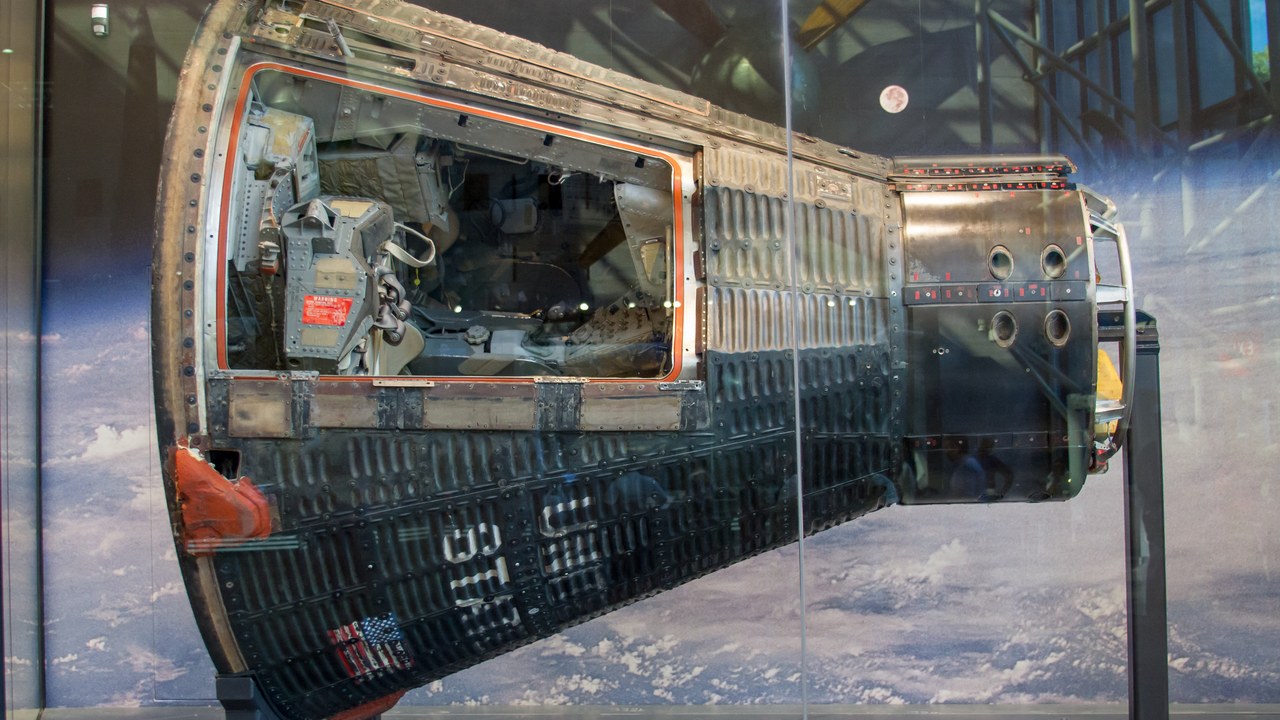
On Gemini IV, Ed White became the first American to walk in space on June 3, 1965, according to NASA’s spaceflight history page. The Gemini spacecraft carried that mission and the crewed flights of its series.
The spacewalk showed that astronauts could work outside a vehicle, a skill later flights would need. The Gemini capsule sits between the single-seat Mercury era and the Apollo missions to the Moon in this lineup.
3. Apollo command and service module: Apollo Opens Its Crewed Chapter
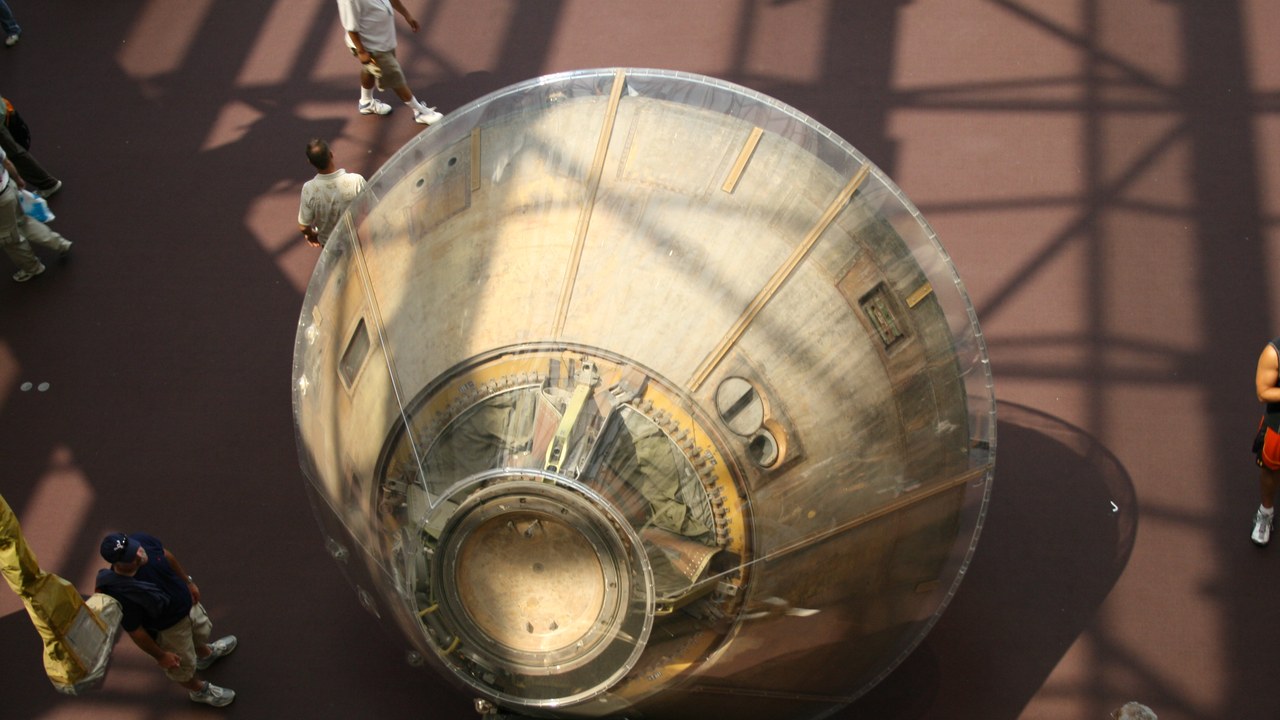
Apollo 7 ran from Oct. 11 to 22, 1968, and NASA’s Apollo 7 mission page calls it the first crewed flight of the Apollo program. The command and service module was the vehicle flown on that mission.
The flight gave the Apollo spacecraft its first run with astronauts aboard. It set up the later lunar missions, which used the same command and service module design as the crew’s home for the trip.
4. Apollo 11 lunar module Eagle: Where Humans Reached the Moon

NASA’s 60 years of spaceflight summary says Apollo landed the first humans on the lunar surface and returned them safely to Earth. Apollo 11 is the mission associated with that first landing, and its lunar module, Eagle, carried the landing crew down.
The NASA page does not name Eagle itself, so the lander’s role is the caveat here. The statement it does support is the broader Apollo achievement, a landing and a safe return.
5. Skylab: America’s First Space Station
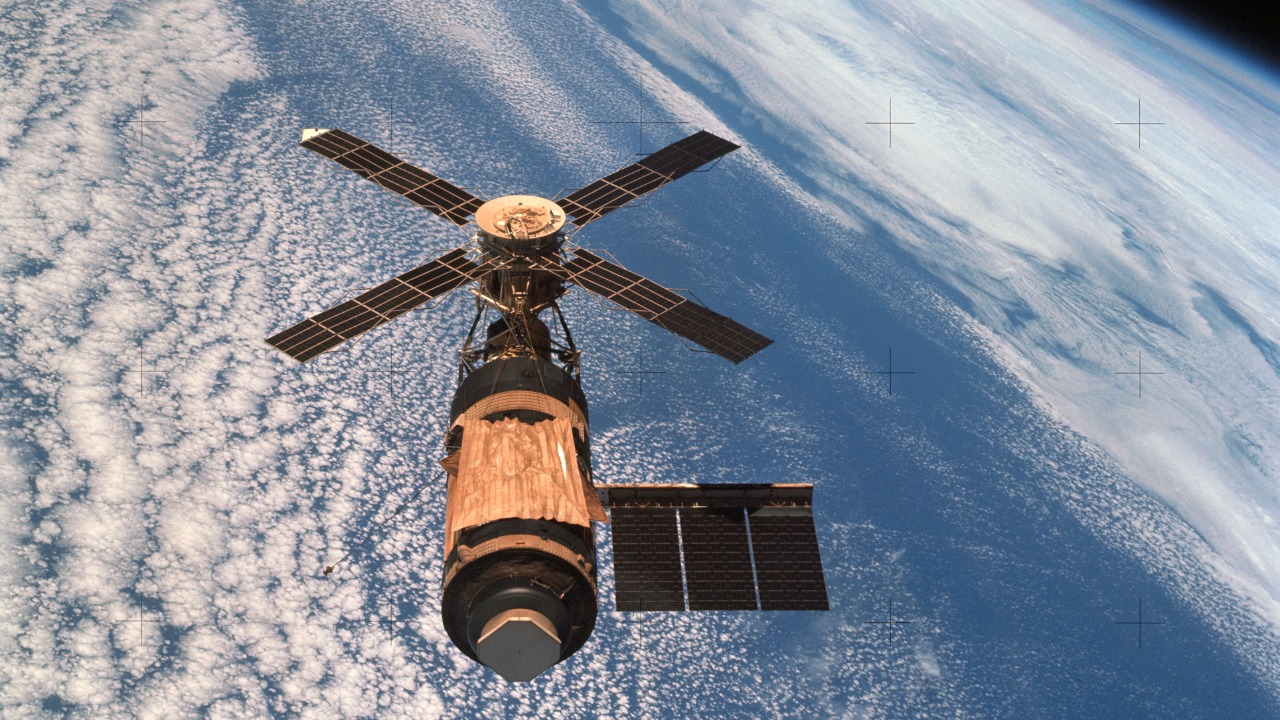
NASA’s spaceflight timeline page notes that in 1973, Skylab expeditions paved the way for the International Space Station. Skylab was America’s first space station.
Crews lived aboard the station, which made it a forerunner of the long-duration work now done on the ISS. In this lineup it bridges the Apollo era and the shuttle years that came after, and it shows that long stays in orbit were being tested well before the ISS.
6. Space Shuttle Columbia: Lost During Entry
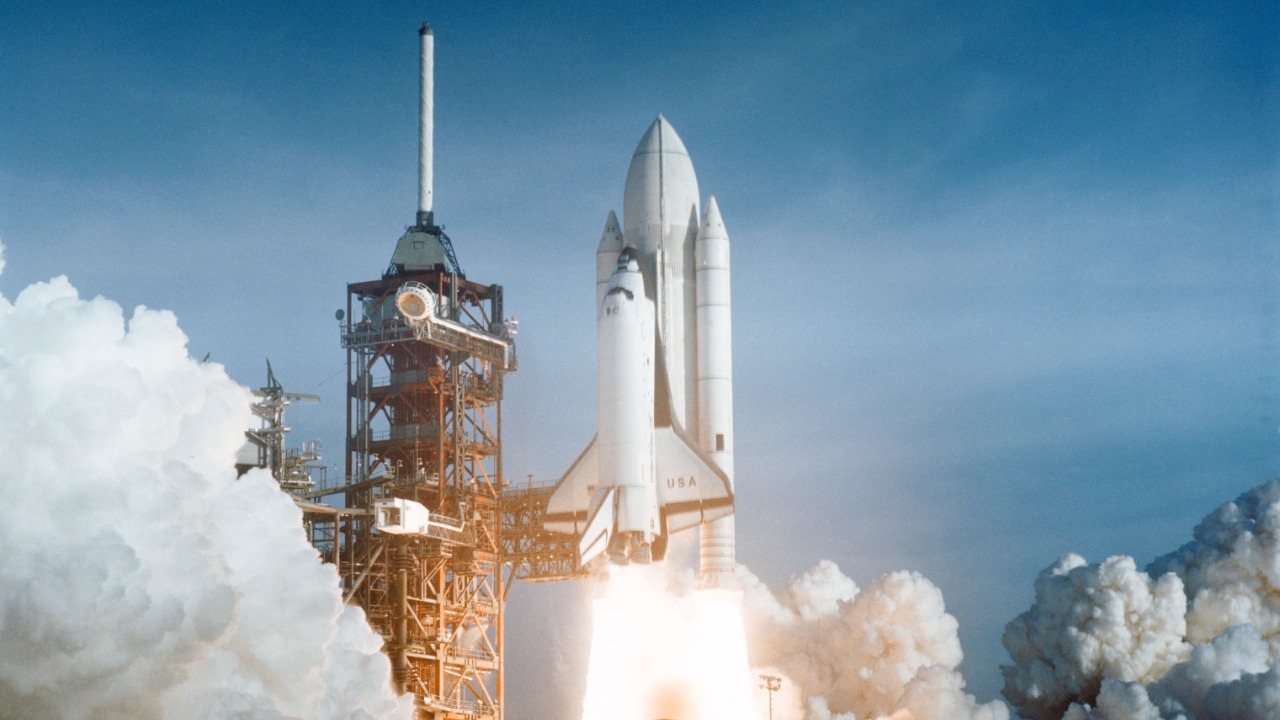
Columbia flew STS-1 on April 12, 1981, and was destroyed during entry on Feb. 1, 2003, according to NASA’s shuttle fleet retrospective. STS-1 was the shuttle program’s first flight.
Its loss is one of the two shuttle losses referenced in the headline. The orbiter’s career is remembered both for opening the shuttle program and for the accident that ended it, so it appears here at both ends of the story.
7. Space Shuttle Challenger: Lost During Launch
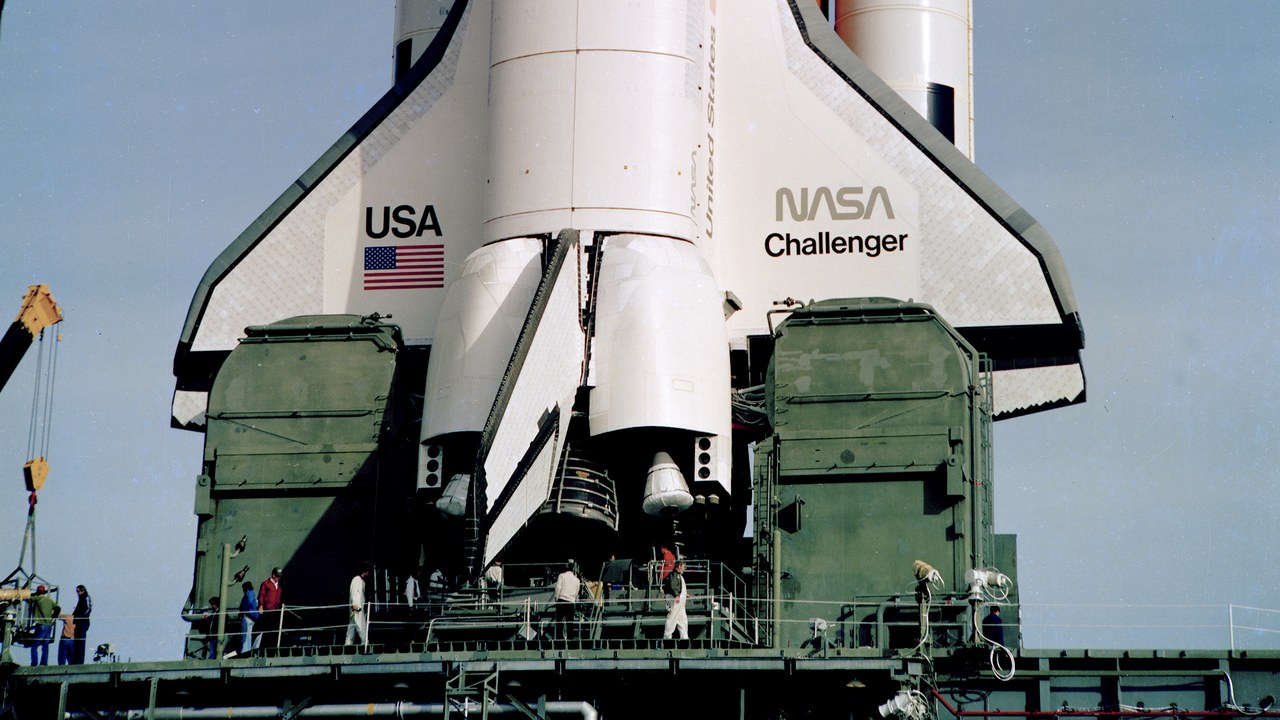
Challenger broke up during launch on Jan. 28, 1986, as recounted in NASA’s shuttle fleet retrospective. It is the second of the two shuttles lost in flight, alongside Columbia.
The accident ended the orbiter’s career early and marked a major turning point for the shuttle program. It stands in this list as a reminder that crewed spaceflight carries serious risk, and its date anchors the shuttle program’s most sobering chapter.
8. Space Shuttle Discovery: The Flight Leader
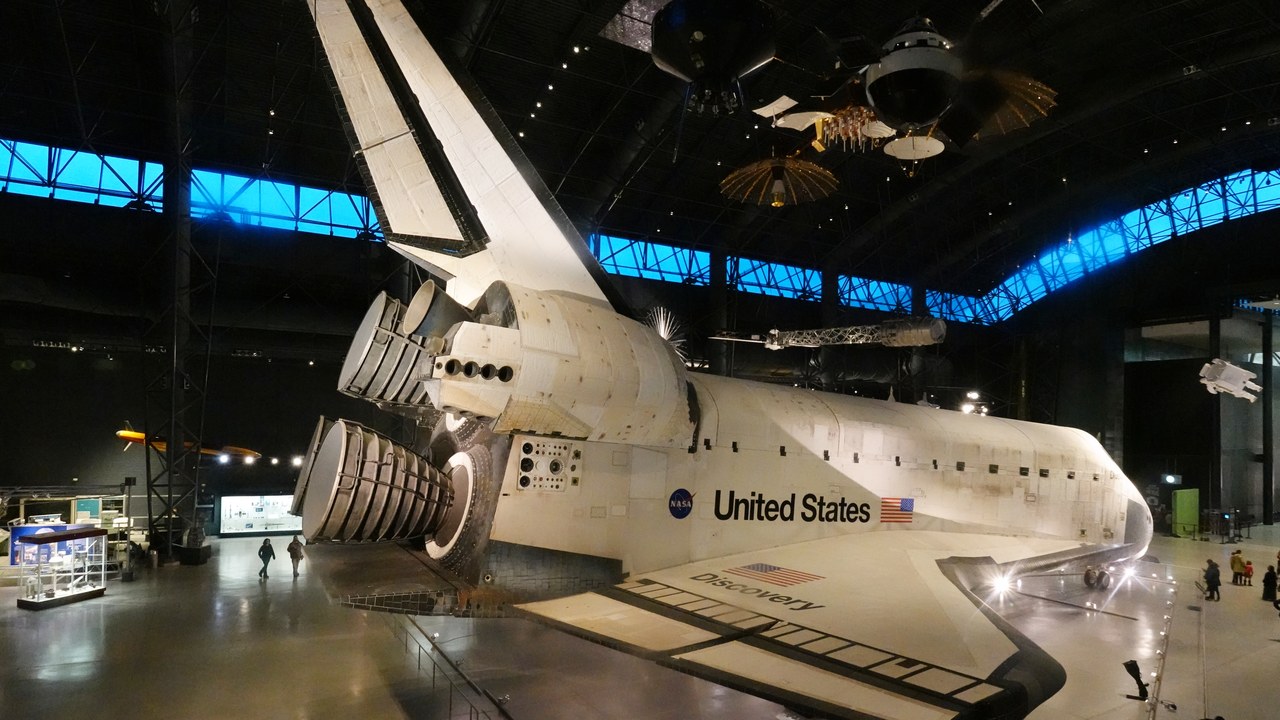
Discovery made 39 flights during its career, the most of any shuttle, per NASA’s shuttle fleet history. Those missions included John Glenn’s return to space.
Few spacecraft have flown as often, which makes Discovery the workhorse of the fleet by flight count. Its record sits alongside the two losses and the stations in this lineup, and the Glenn flight adds a notable name to the orbiter’s long list of missions.
9. Space Shuttle Atlantis: From Mir to the Last Mission
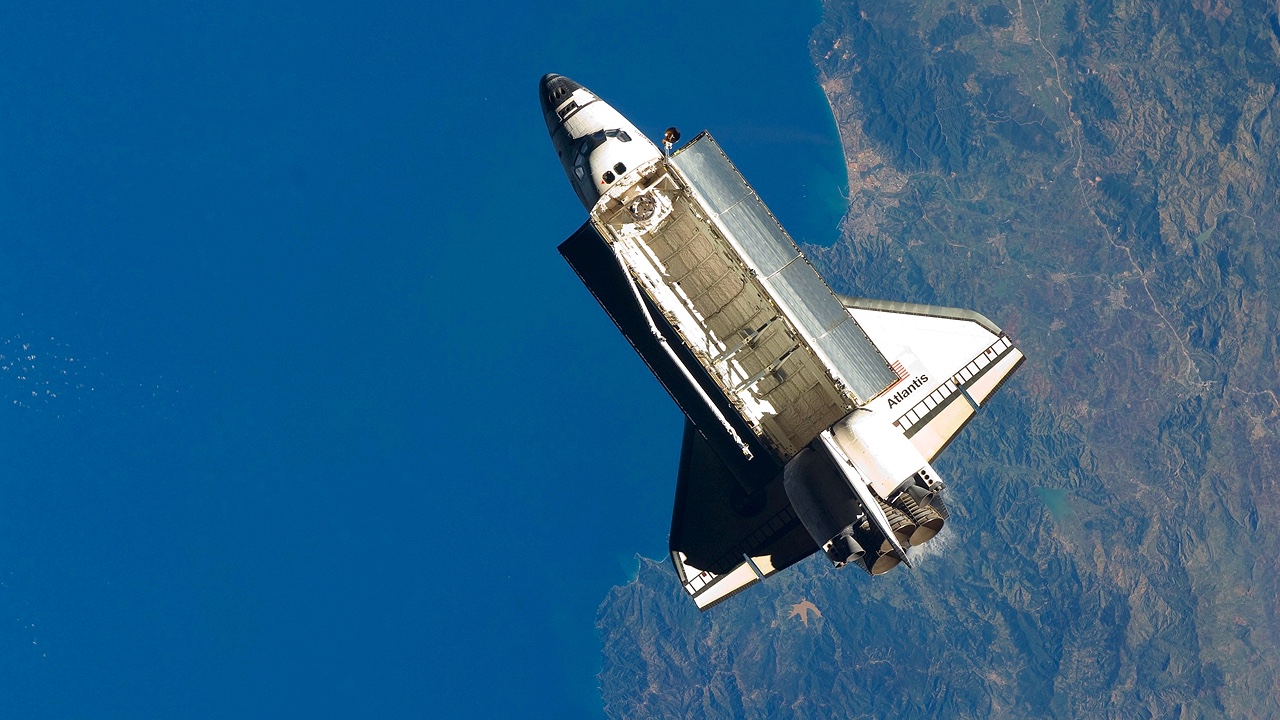
Atlantis docked with the Russian Mir space station in 1995, according to NASA’s shuttle fleet retrospective. It also flew the final shuttle mission, STS-135, in July 2011.
That makes the orbiter a bookend, linking early cooperation with Russia in the 1990s to the close of the entire program, and it covers both ends of the shuttle story in a single vehicle. Its last flight closed out the shuttle era, after which the lineup moves to stations and newer capsules.
10. International Space Station: Continuously Crewed Since 2000
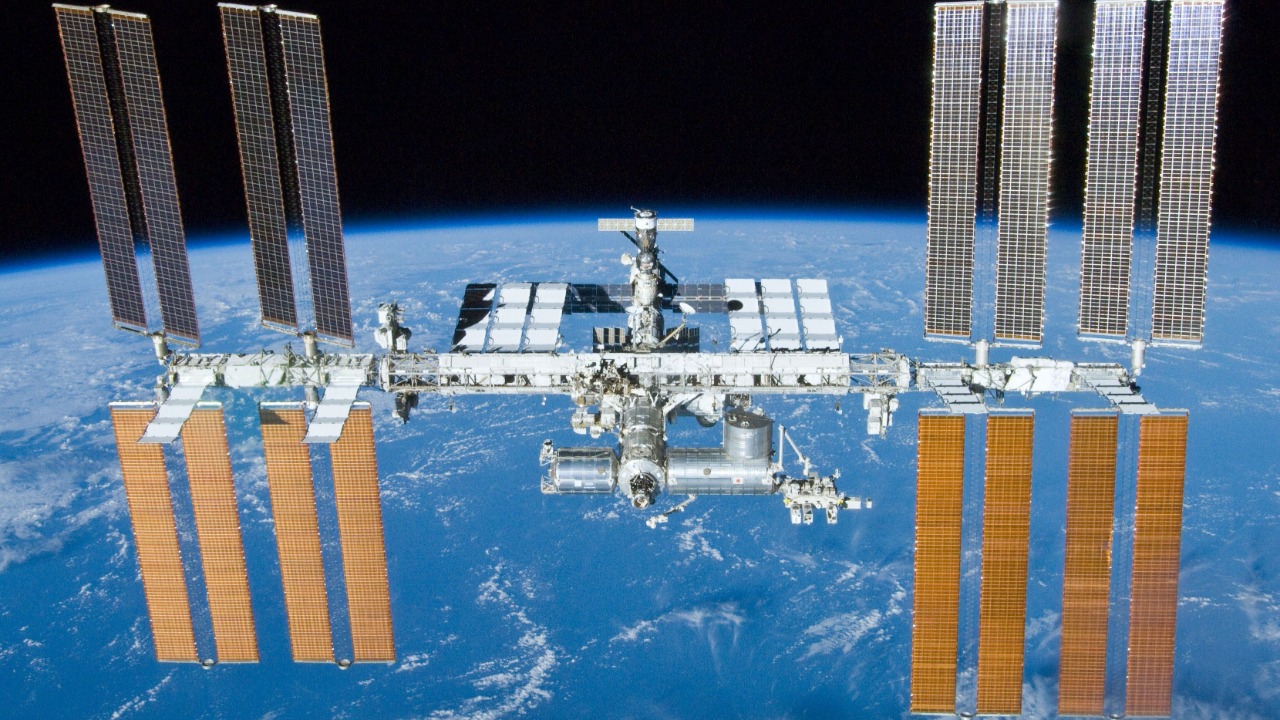
The space station has housed humans continuously since Nov. 2, 2000, NASA says on its spaceflight milestones page. No other spacecraft on this list has been occupied for anywhere near that long, which is what sets the station apart.
Rotating crews have kept it occupied ever since, with Skylab as its American precursor. Newer vehicles such as Crew Dragon now carry astronauts to it, which keeps the station at the center of current crewed flight.
11. Orion spacecraft: Around the Moon Again
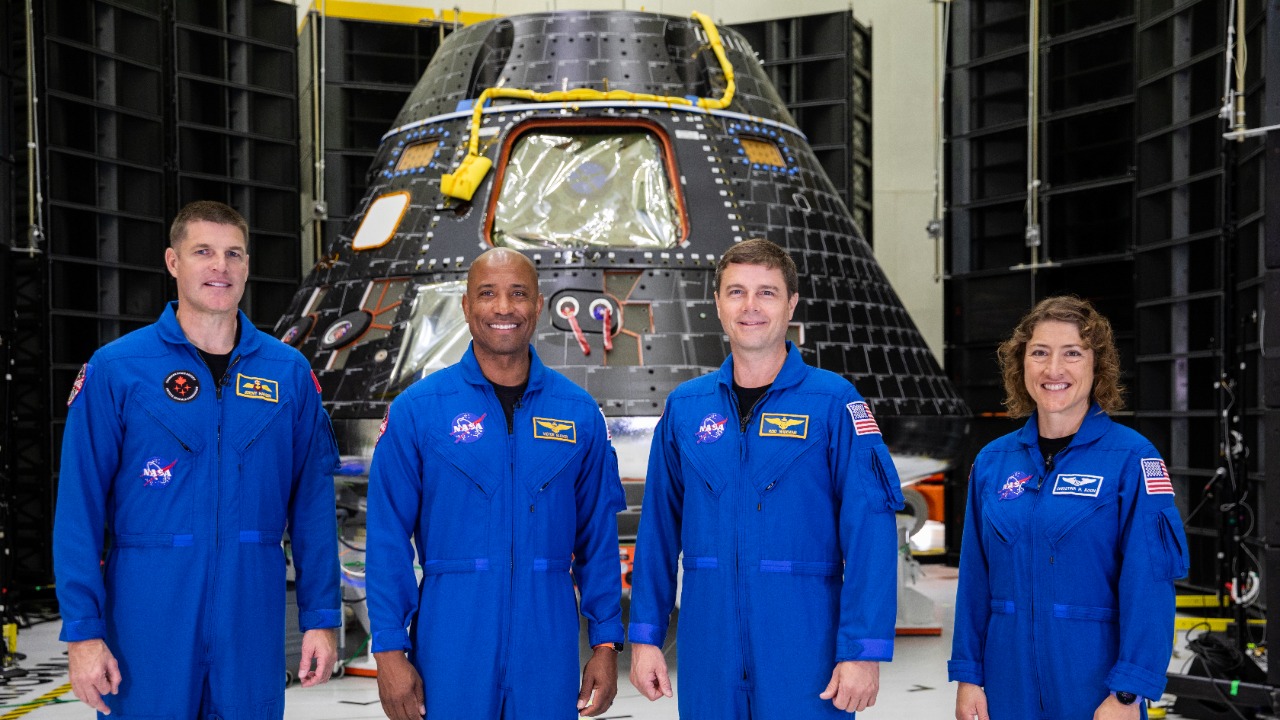
Orion carried the Artemis II crew around the Moon, with a flyby on April 6, 2026, per a NASA Artemis II data release. The mission returned more than 11,000 full-resolution images and videos.
The crew of Wiseman, Glover, Koch and Hansen flew aboard it, so the capsule carried four astronauts on the journey. Orion is the newest deep-space capsule here, and the October data release shows the flight is still producing science months after the flyby.
12. SpaceX Crew Dragon: A Record Trip to the Station
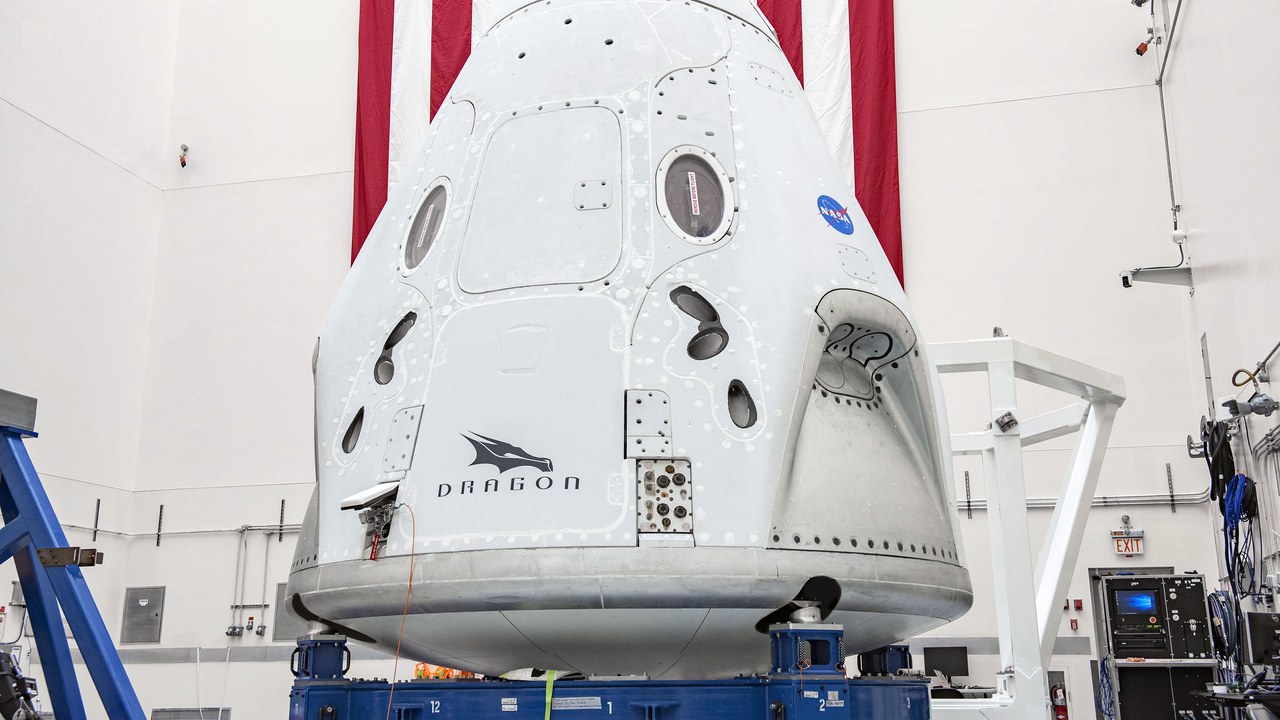
Crew-13’s Dragon docked 7 hours and 55 minutes after launch, according to a NASA station blog post. NASA calls it the fastest launch-to-docking of a U.S. spacecraft in the history of the International Space Station.
The result shows how quickly commercial crew vehicles can now reach the orbiting laboratory. Crew Dragon closes this lineup as the latest American spacecraft to carry astronauts to the ISS, and the docking time gives it a clear record to point to.
Help yourself and the planet: Get The Cool Down →
We may earn a commission if you sign up.
More from Morning Overview
- Ford is recalling 223,472 F-150 pickups because the fuel tank can leak or detach
- Hybrids have 15% fewer problems than gas cars, while EVs and plug-in hybrids have about 80% more, Consumer Reports finds
- Regulators cleared the first U.S. small modular reactor, 4 months early
- Lake Powell sank to a record 3,517 feet, nearing the level that stops Glen Canyon Dam’s turbines
