
Wild canines range from tiny desert foxes to pack-hunting wolves and wild dogs, and their fortunes differ sharply. Some species are counted in the hundreds or low thousands of animals, while others number in the millions across whole continents. Here are ten wild canines, beginning with a red wolf that has few left.
Tech news in one quick read: Get the most interesting stories in startups, tech and programming, each with a short TLDR, in one daily email from TLDR.
We may earn a commission if you sign up.
1. Red wolf: Down To Twenty-One
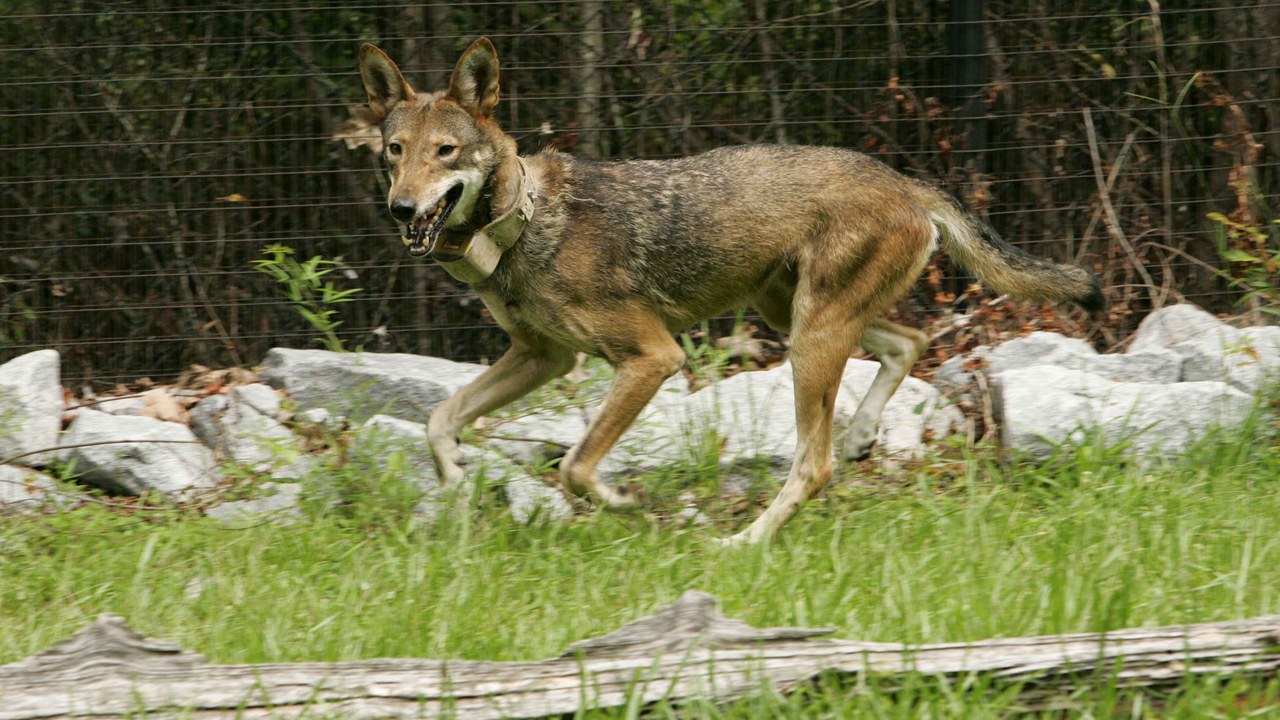
The red wolf is the headline case, a canine whose wild numbers have collapsed. A Fish and Wildlife Service recovery page describes a wild population as high as 120 animals, 89 of them radio collared, in 2012. By August 2026 only 21 were known and collared in eastern North Carolina.
That count covers animals managers can actually track, so it reflects what is verifiably out there rather than a full census. Even read narrowly, the slide from the 2012 peak is steep. It explains why this wolf, rather than a more familiar relative, leads a list of wild canines and sets the tone for the rarer species that follow.
2. Gray wolf: Alaska’s Big Packs
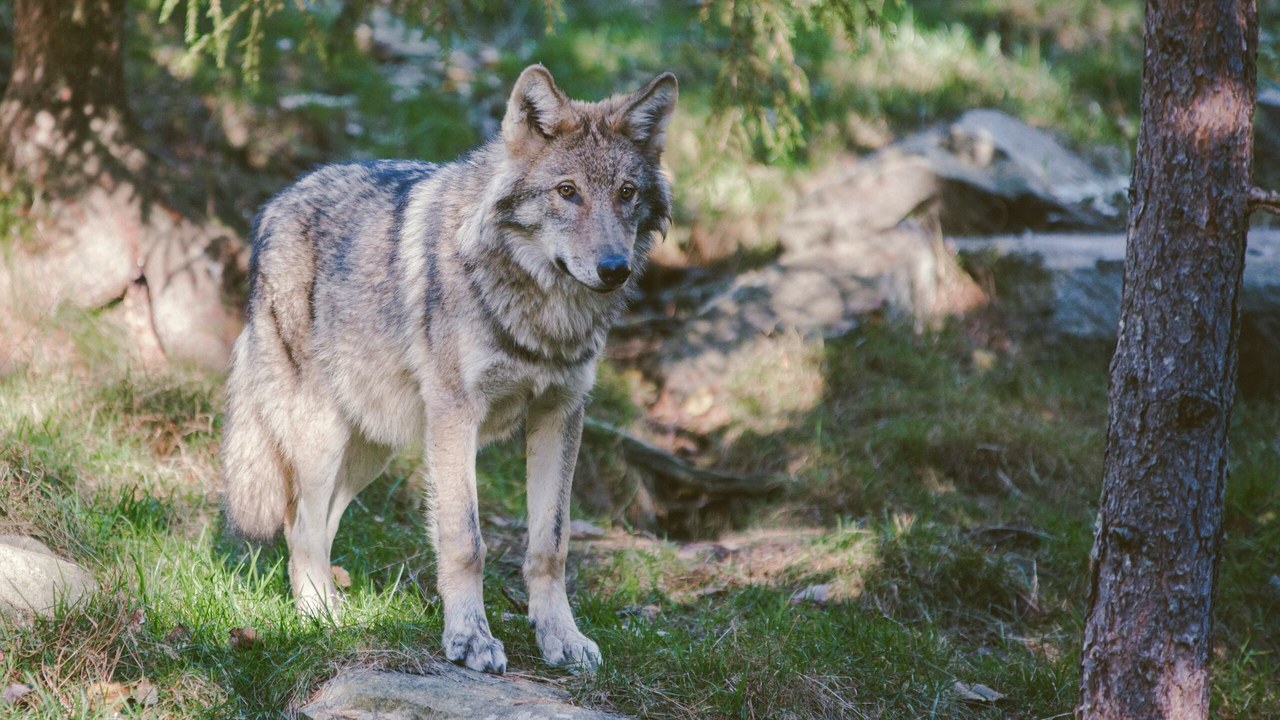
The gray wolf sits at the opposite end of the scale from the red wolf. The Alaska Department of Fish and Game, in a state wildlife overview of wolves, estimates the state is home to 7,000 to 11,000 wolves, and says males run 85 to 115 pounds.
Those figures are specific to Alaska, not the species worldwide, and the agency frames the population as an estimate with a wide range. Still, a single state holding thousands of these large predators shows how different the outlook is for wolves in big, sparsely settled landscapes compared with the tiny southeastern remnant of red wolves.
3. Gray fox: The Tree Climber
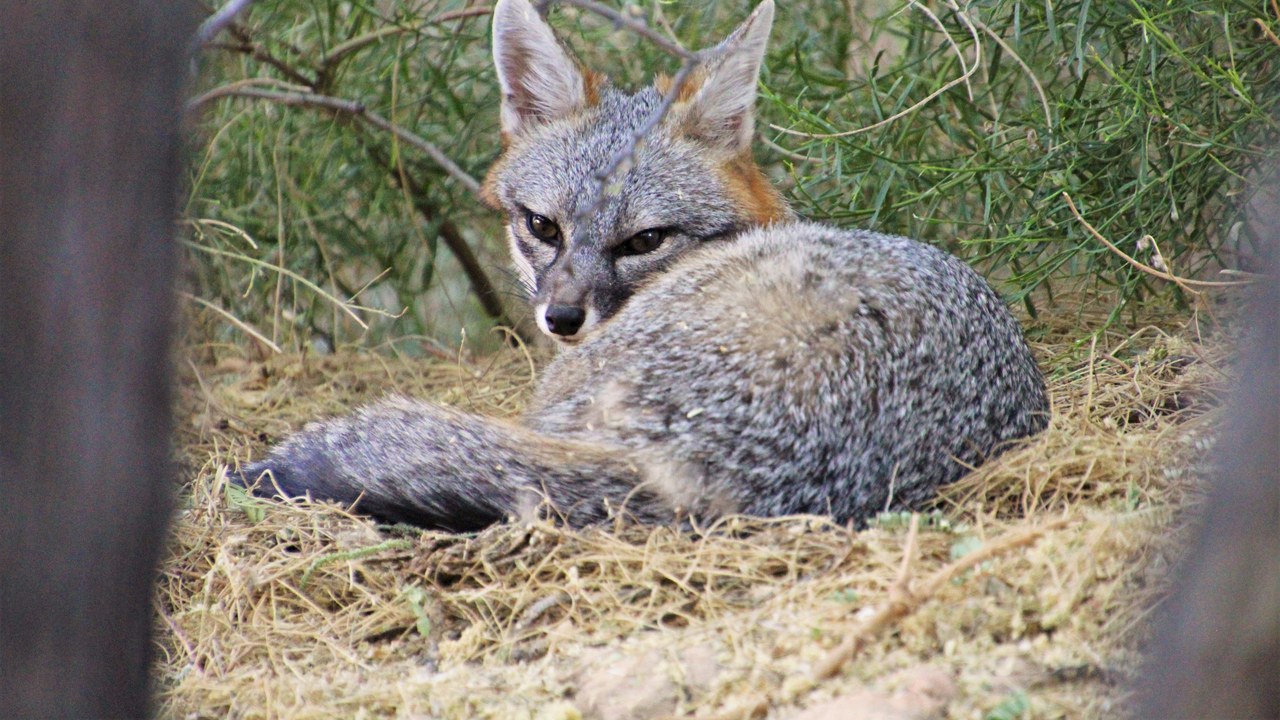
The gray fox has an unusual talent among its relatives. The National Park Service, describing mammals at Everglades, says in its Everglades mammal listing that it is the only fox that can climb trees.
The ability sets this small, grizzled canine apart from the red fox and the other species here, which stay on the ground. Tree climbing gives it a way to reach food and escape danger that other foxes lack. The claim comes from the park service listing and is worded there as a trait of the species itself, not of any single animal.
4. African wild dog: Painted Wolf Survivors
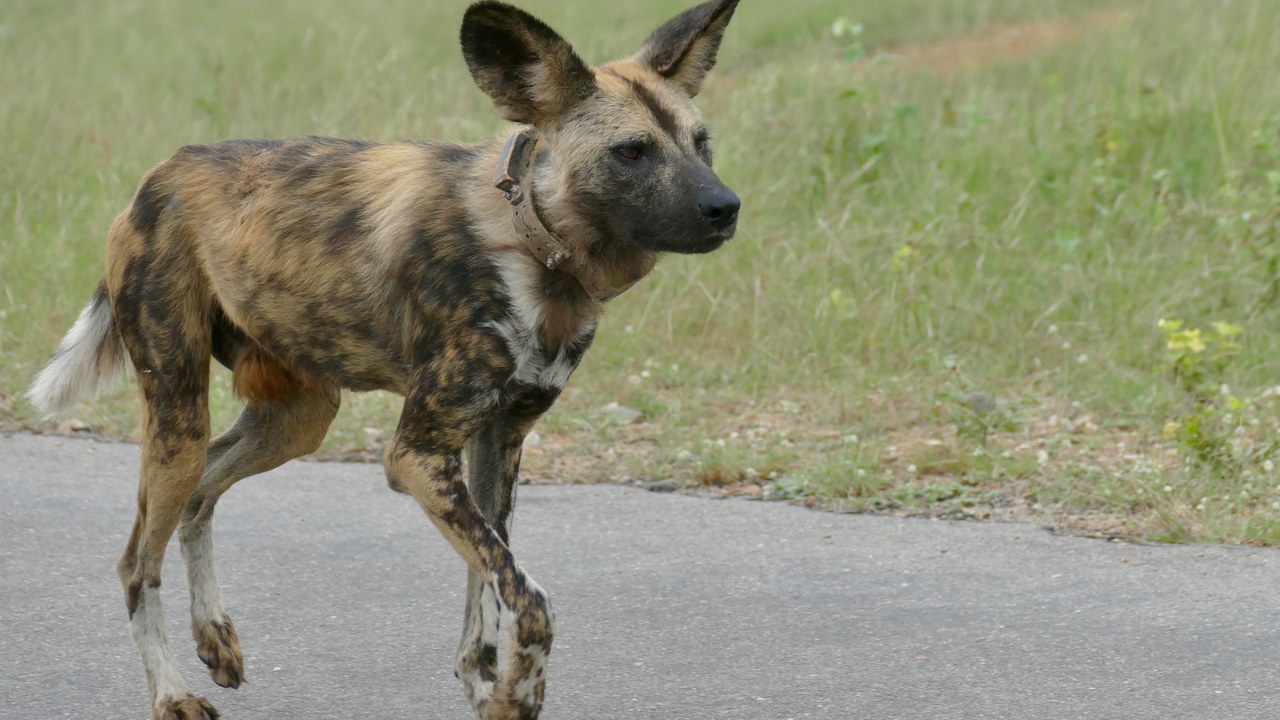
The African wild dog, with its blotched coat of tan, black and white, is listed as endangered. The Wikipedia list of canids puts the estimate at about 1,400 left.
That is a small number for an animal that hunts in packs across a large part of Africa, and it places the species far closer to the red wolf’s predicament than to the coyote’s comfortable status. The figure is an estimate rather than a census, but it is enough to explain why conservationists treat this canine as one of the most threatened on the continent.
5. Ethiopian wolf: Highland Specialist
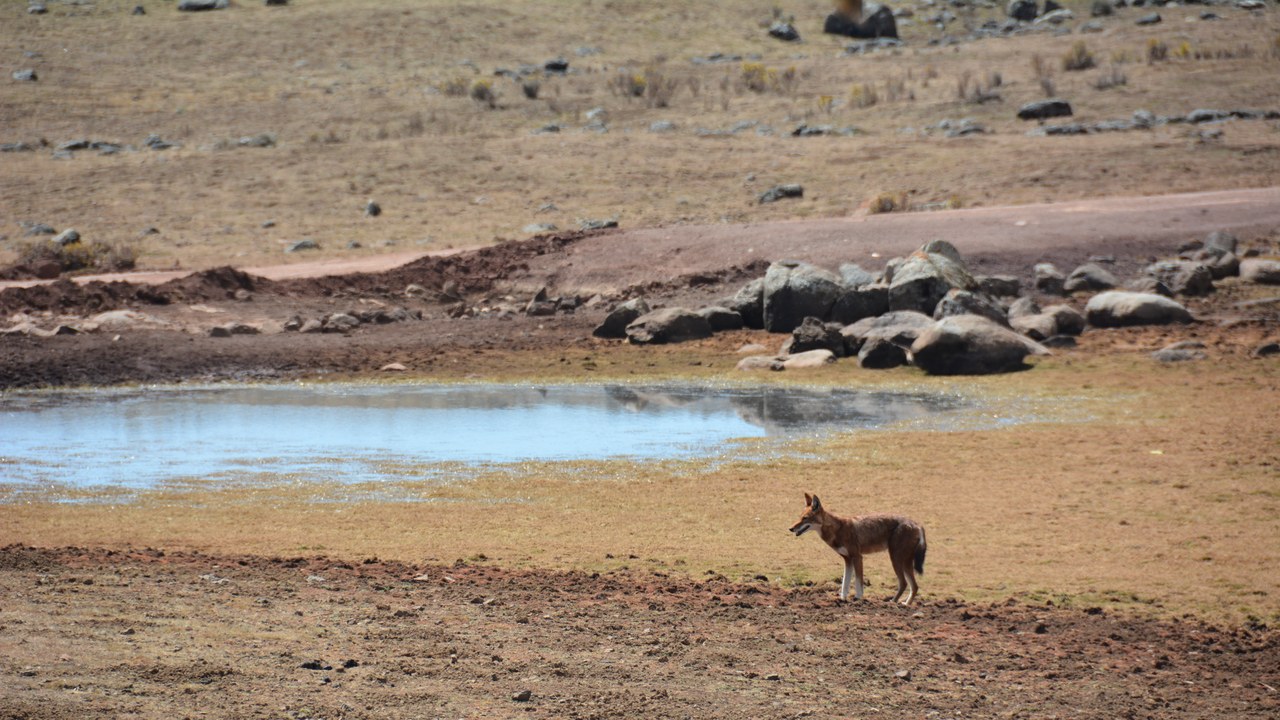
The Ethiopian wolf lives in a single, narrow kind of place. The list of canids entry lists it as endangered, with an estimated 200 in the Ethiopian Highlands.
The low total and the confined range make it one of the scarcer wild canines on this list, second only to the red wolf in how few are counted. Because the estimate is tied to the highlands, a loss of that habitat would matter far more than for wide-ranging species. The photograph shows a distant animal in its open upland terrain.
6. Dhole: Whistling Hunter of Asia
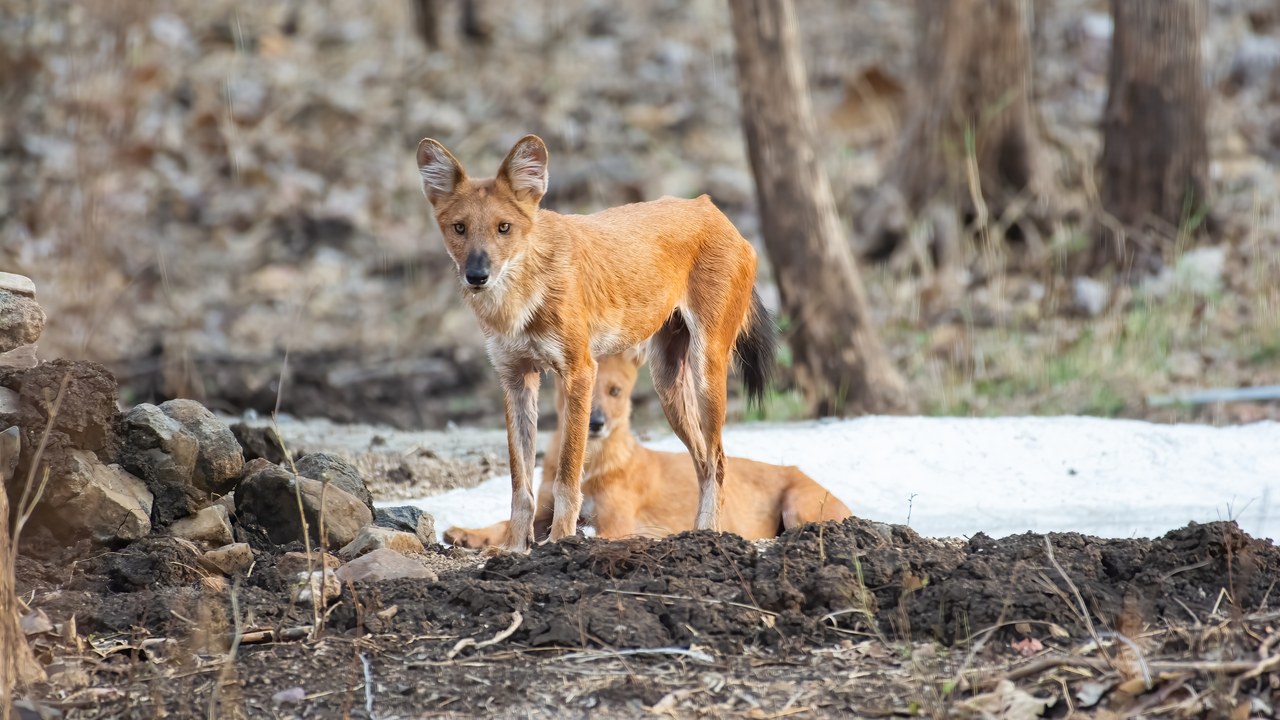
The dhole, a rusty-red pack hunter, is another endangered canine. The canid population table gives an estimated 1,000 to 2,200 in Southeast Asia.
The range in that figure is wide, which signals how hard it is to count a shy forest animal, and even the upper end is modest. Dholes are neither wolves nor foxes but belong to their own lineage of wild dogs, which is part of why the gallery’s premise covers wild dogs as well. Like the African wild dog, they live and hunt in groups.
7. Coyote: Adaptable Survivor
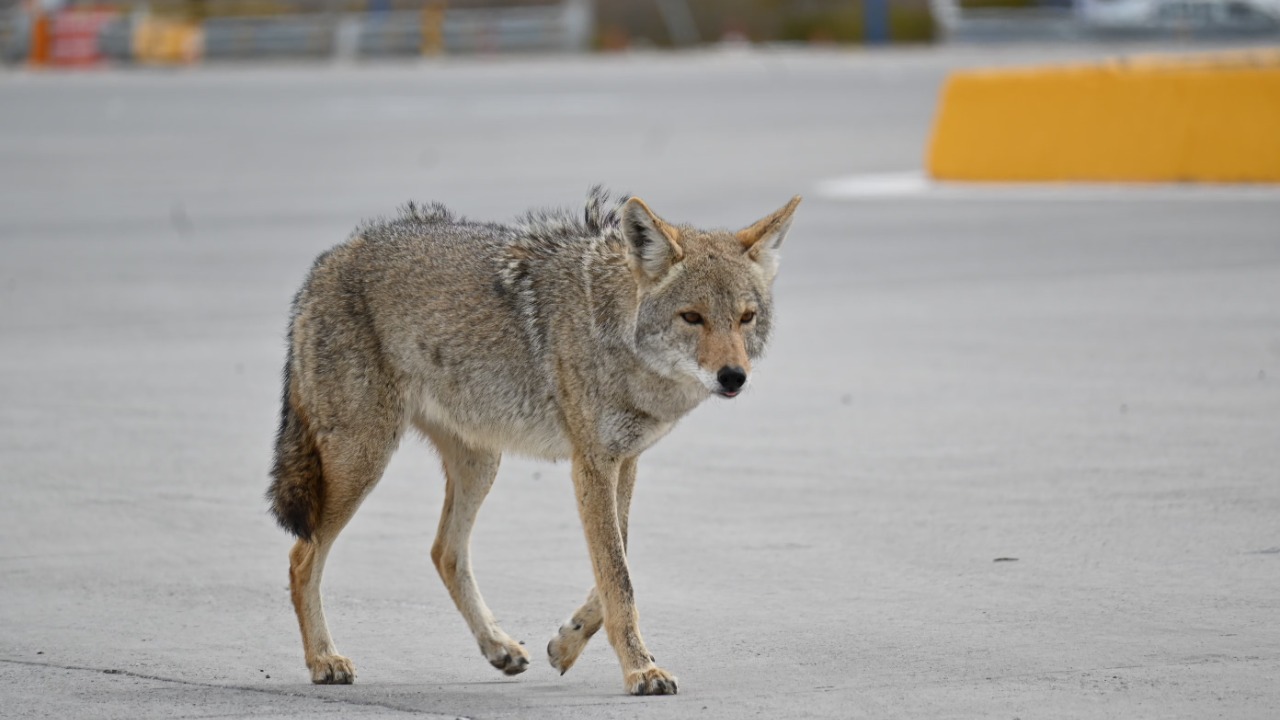
The coyote shows the other side of canine conservation. The canid status list lists it as least concern, with a population of more than 1 million across North America.
That makes it the most numerous wild canine here by a wide margin, and a far cry from the 21 red wolves known in the wild. Coyotes are widely known for coping with human-altered places, and the photograph shows one trotting across a paved lot. The million-plus figure is an approximate floor, not a precise tally.
8. Red fox: Largest and Widest
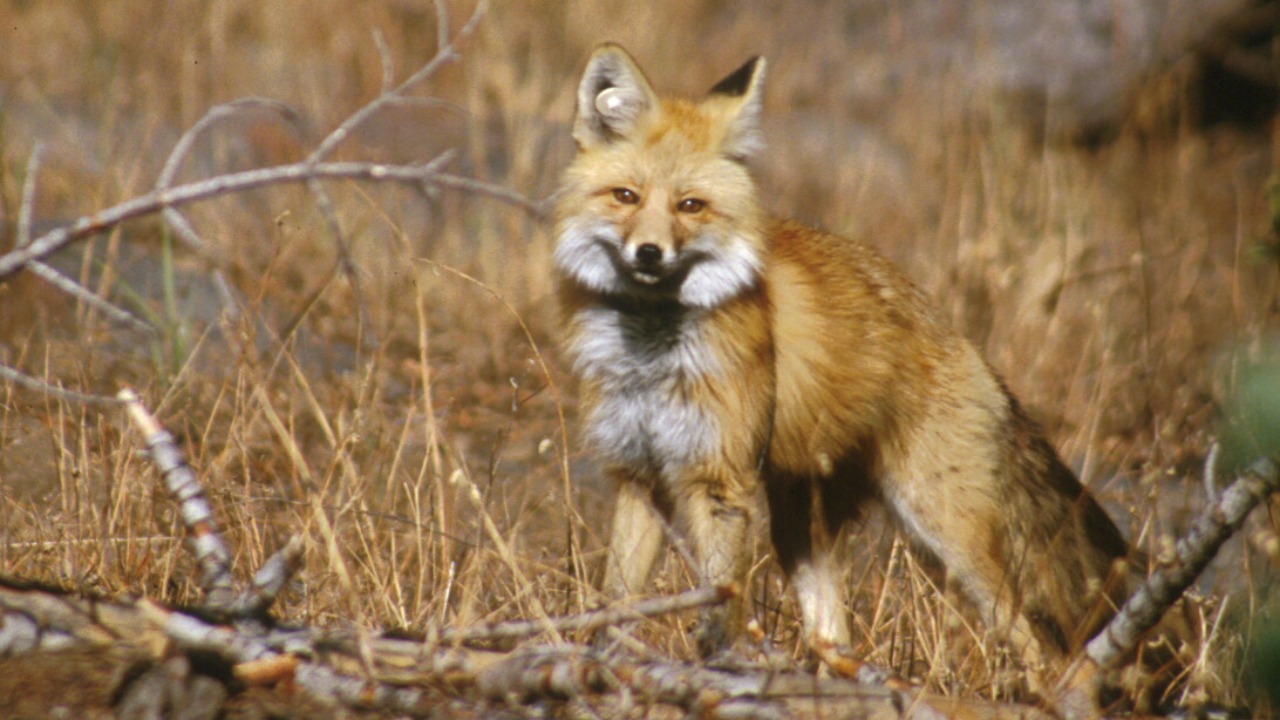
The red fox is the largest of the foxes and the most common and widespread, according to the Wikipedia article on foxes. It was introduced to Australia in the early 19th century.
Its reach across continents makes it the standard image of a fox for many people, and the Australian introduction shows how far a single species can spread with human help. Being common does not make it simple: the same adaptability that spread it has made it a notable presence outside its original range, which is a theme few of the endangered canines share.
9. Fennec fox: Pocket-Sized Desert Fox
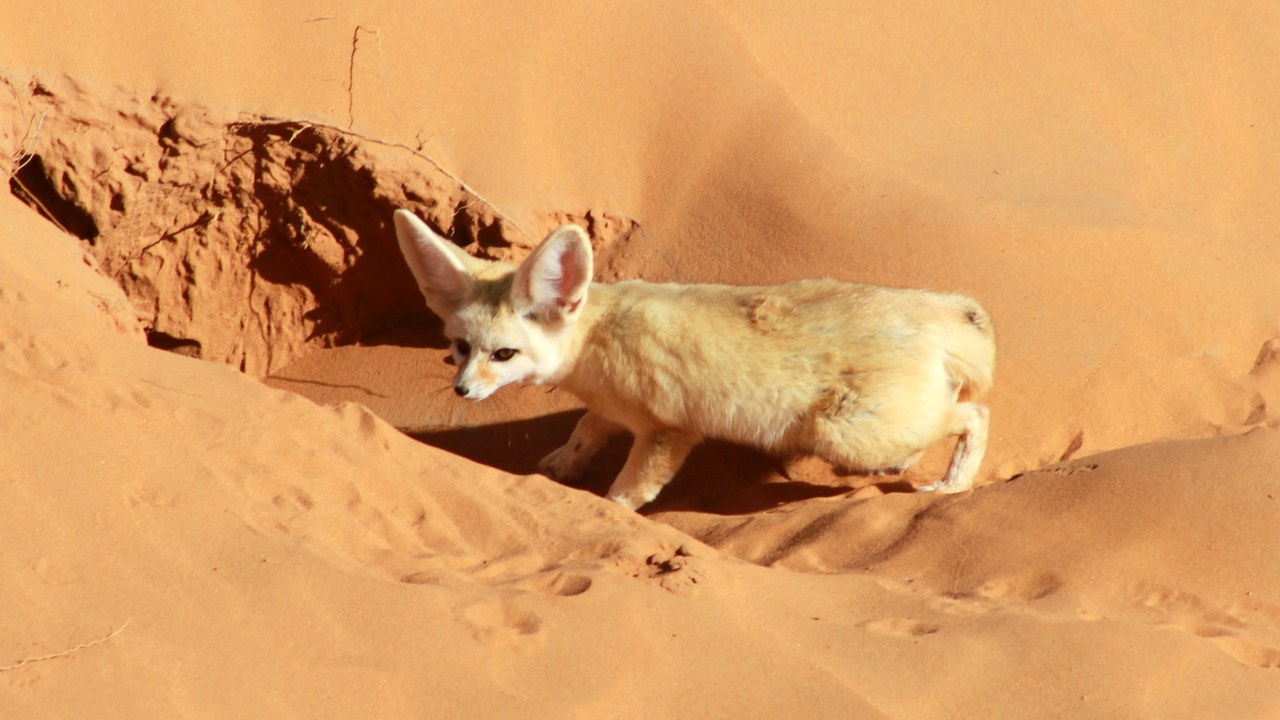
The fennec fox is the smallest fox species, weighing 0.7 to 1.6 kilograms, and is known for its very large ears. That description comes from the general fox article.
The oversized ears are the feature that makes the animal instantly recognizable, and the tiny body puts it at the opposite extreme from the wolves that open the list. The weight range is stated as a span because adults vary. The sand-colored photograph here shows a live fox beside a desert burrow rather than a museum display.
10. Arctic fox: Small Ears, Big Litters
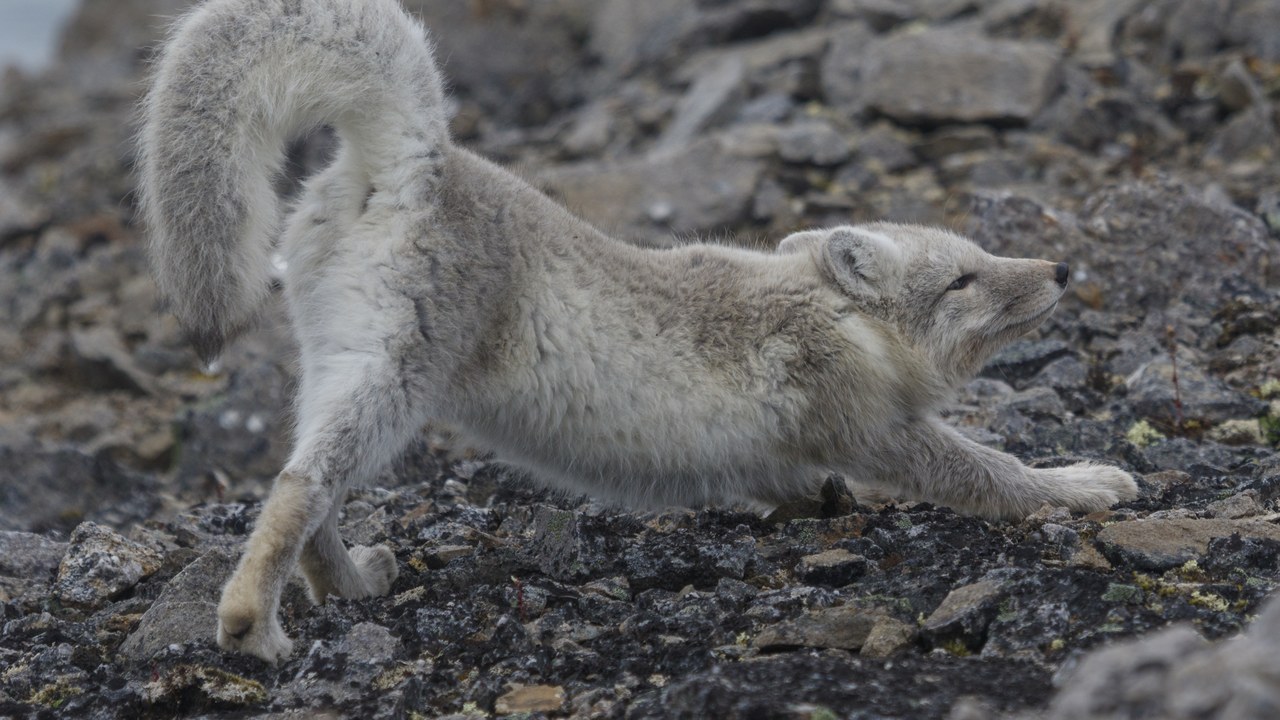
The Arctic fox is built differently from its desert counterpart. The fox species overview notes that these foxes have tiny ears and short limbs, with litters of up to eleven kits.
Compact ears and limbs are a familiar pattern in cold-climate animals, since small extremities lose less heat. The large litter size is given as an upper bound, so typical litters may be smaller. Closing the list with a fox of the far north gives it range, from highland wolves and savanna dogs to desert and polar foxes.
Tech news in one quick read: Subscribe to TLDR →
We may earn a commission if you sign up.
More from Morning Overview
- NOAA now gives this winter a 75% chance of the strongest El Nino since 1950
- Doctors warn a silent liver disease now affects one in three American adults
- The FBI told the rest of ShinyHunters to surrender after a 24-year-old was arrested
- Two passengers died at an Ohio toll plaza, and the NTSB now wants the cash lanes shut
