
Crocodilians range from pocket-sized cave dwellers to river giants, and each one here earns a place for a different reason. Some are notable for bite force, some for attack records, and several for how close they sit to disappearing. Here are ten crocodiles and alligators, including the one behind a 3,700-pound bite.
AI, explained every day: The Deep View is the go-to daily newsletter for 600,000+ founders, knowledge workers and professionals who want to stay up to date with artificial intelligence.
We may earn a commission if you sign up.
1. American alligator: Florida’s Toll
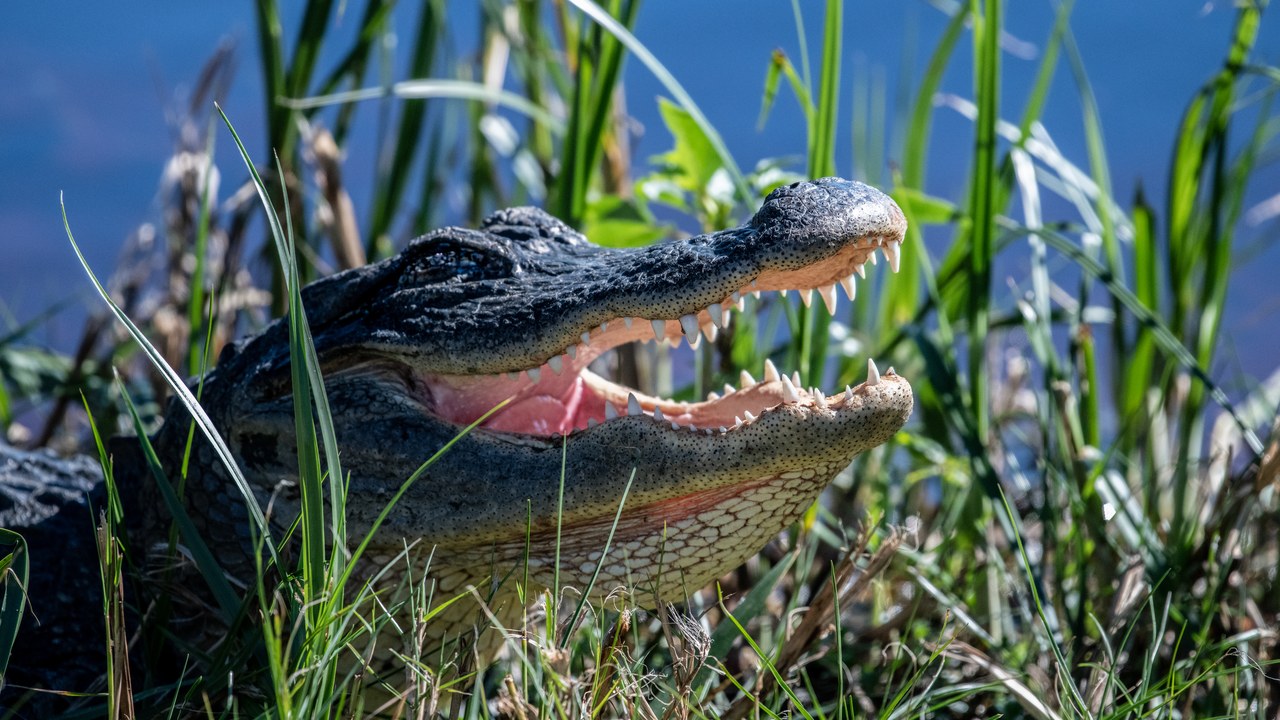
Florida’s records put a number on the risk. According to ClickOrlando’s attack statistics, the state has logged 32 confirmed fatal unprovoked alligator attacks, along with about 500 bites, since 1948. That tally spans decades of encounters between people and this species.
Those figures describe confirmed, unprovoked incidents only, which keeps the count narrow and comparable over time. Fatal attacks stay rare against the number of bites, yet the long record shows why the reptile earns its place at the top of any danger ranking.
2. American crocodile: The Rarer Everglades Reptile
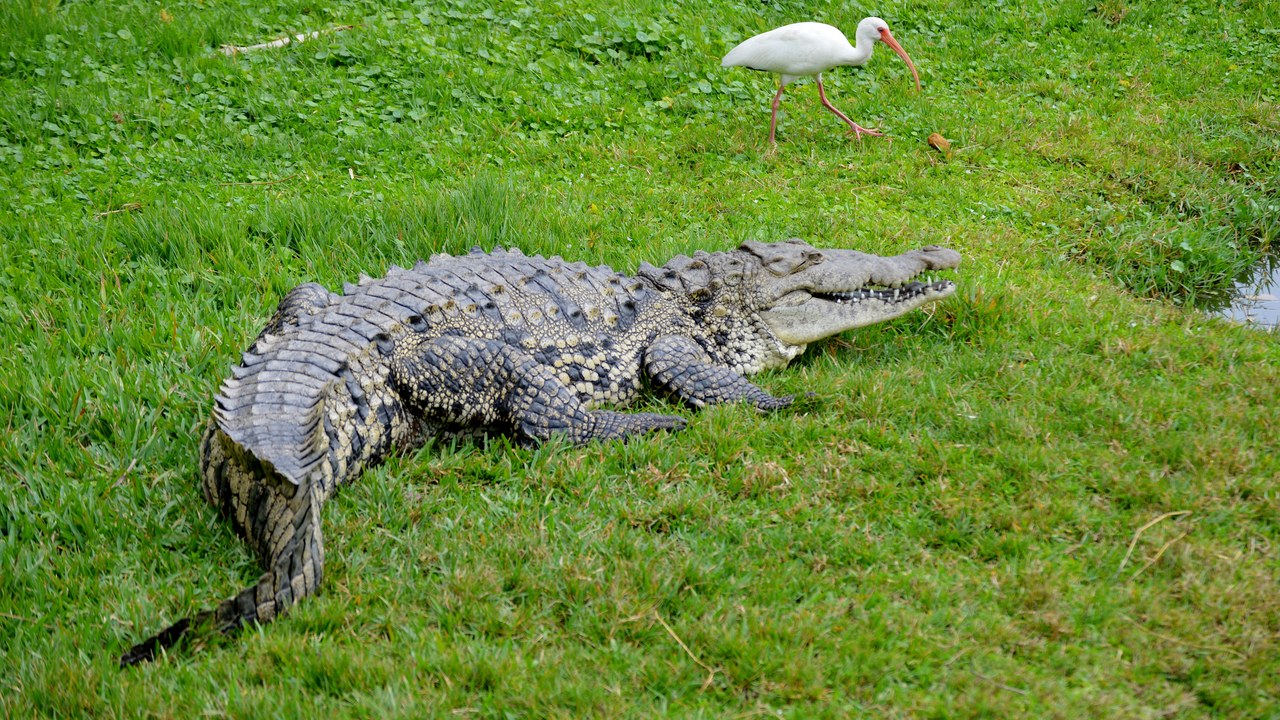
The Everglades holds two crocodilians, and the American crocodile is the scarcer of the pair. According to National Park Service account, individuals rarely exceed 14 feet in the wild. That puts the species well within the range of a large, powerful predator while keeping it modest next to the giants of the group.
The size ceiling helps frame how the animal is understood, since the park describes a species that is rarer than its more familiar neighbor. Its rarity, more than its length, is the reason it draws special attention in South Florida.
3. Saltwater crocodile: Strongest Bite Ever Measured
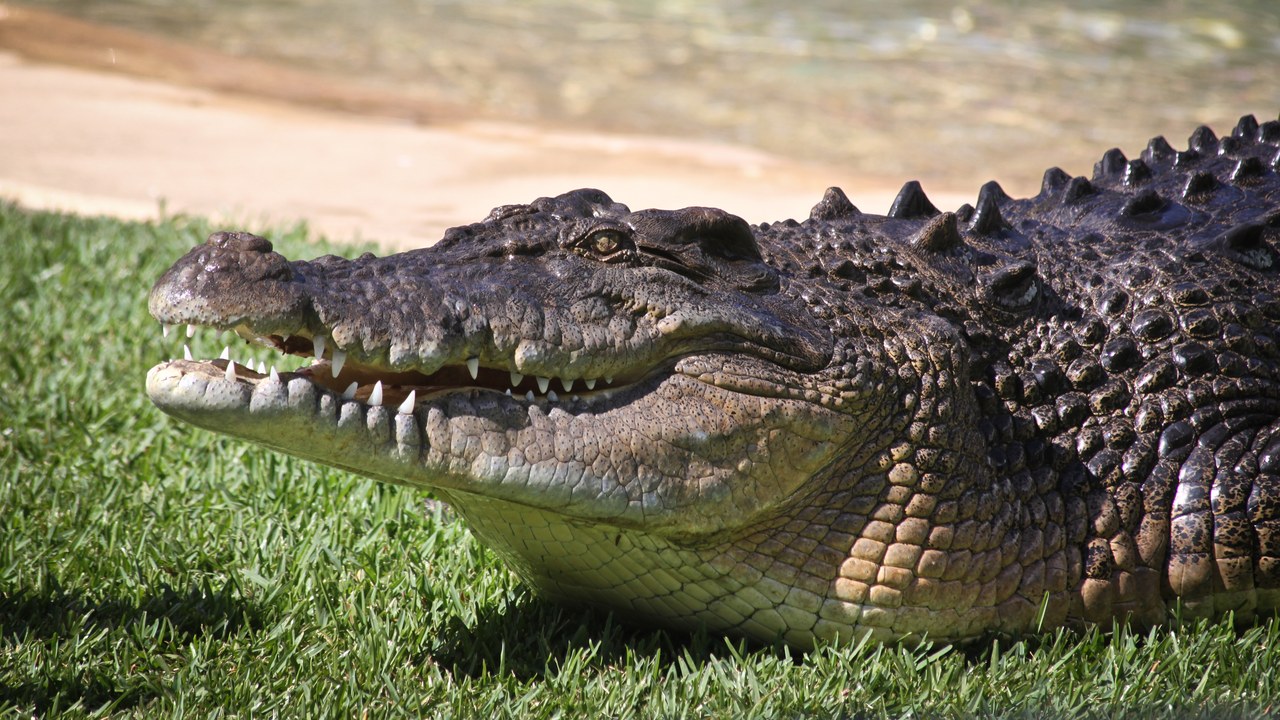
The headline figure belongs to this species. Researchers measured a bite force of 3,700 pounds from a 17-foot saltwater crocodile, according to ScienceDaily report, the strongest bite recorded for any animal in the study. That is a force far beyond what any familiar land predator is reported to produce.
The measurement came from a single large individual, so the number marks an upper end rather than a typical bite. Even so, it explains why the saltwater crocodile sits at the center of any ranking built around raw power.
4. Dwarf crocodile: Smallest of the Group
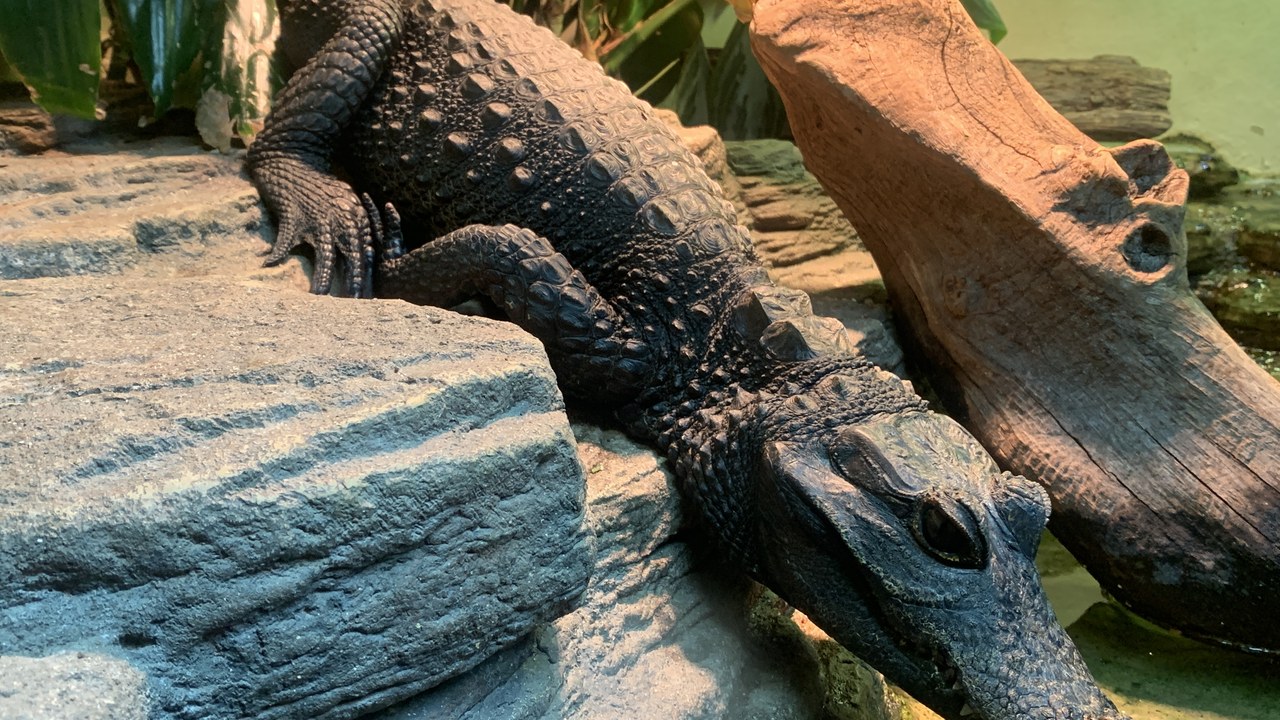
At the other end of the size scale, the dwarf crocodile grows to only around 5 feet long, making it the world’s smallest crocodile. Live Science coverage describes a population in a Gabon cave that has turned orange, colored by bat guano. The cave setting and the unusual hue set these animals apart from their river and swamp relatives.
The report frames the cave dwellers as living in a hidden underground lair, which adds to the mystery around a species that is already modest in size. Small stature, in this case, comes packaged with some of the group’s most surprising habits.
5. Chinese alligator: Fewer Than 150
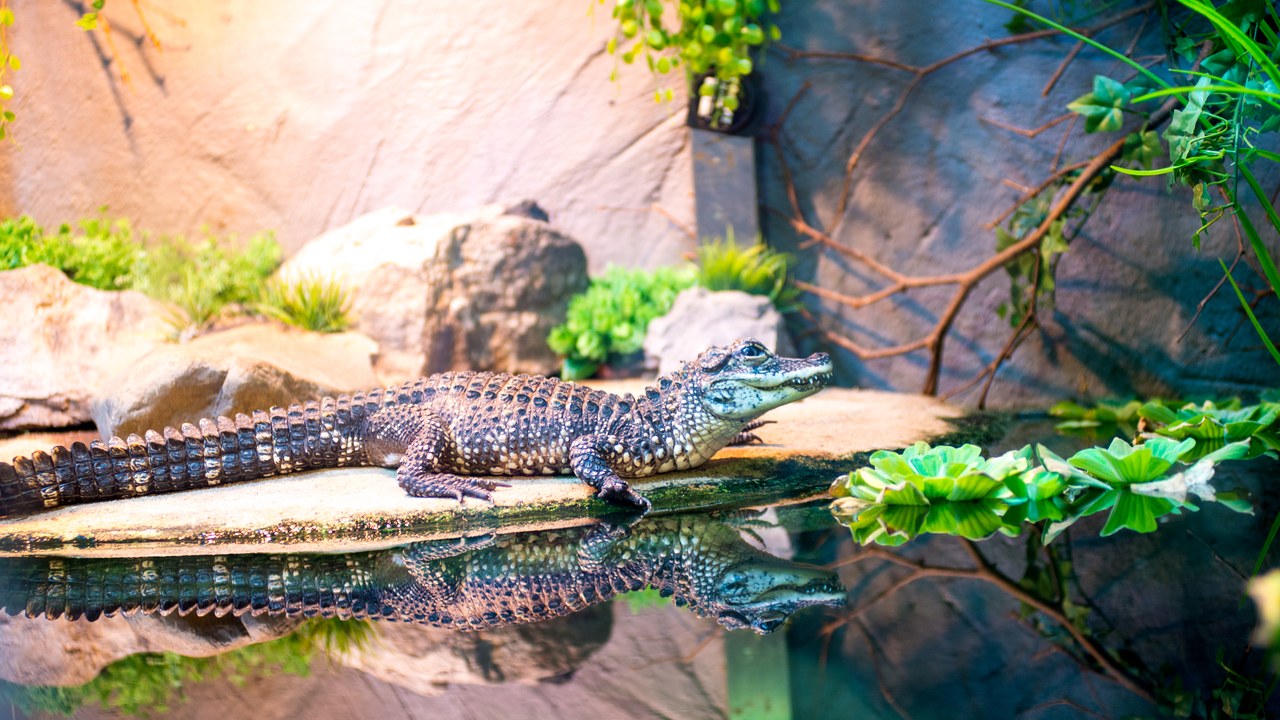
Few crocodilians sit closer to the edge than this one. Smithsonian’s National Zoo profile lists the Chinese alligator as critically endangered, with a wild population that may be fewer than 150 individuals. That is a remarkably small number for any species still living in the wild.
The word may in that estimate signals real uncertainty about counts for an elusive animal. The picture is nevertheless one of extreme rarity, and it places the species among the most threatened members of the entire group.
6. Cuban crocodile: A Tiny Range
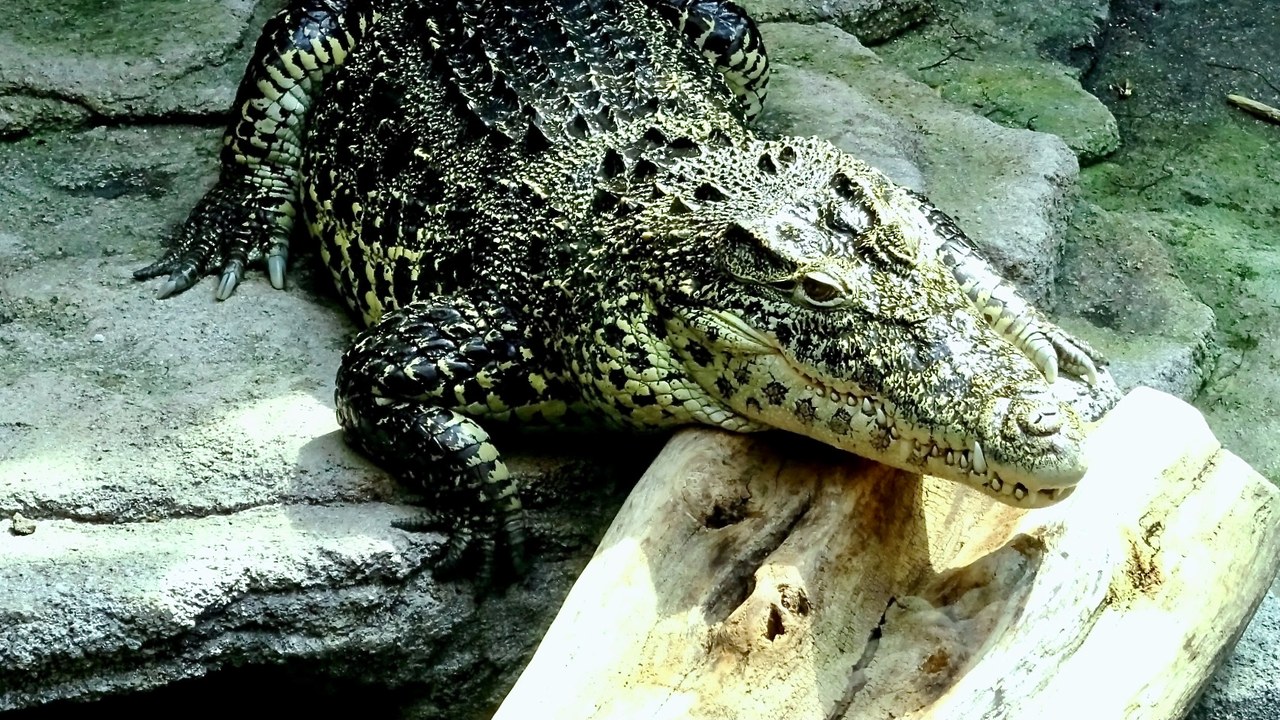
The Cuban crocodile lives in a very small corner of the world. Smithsonian’s National Zoo page reports that around 3,000 purebred animals are thought to remain in the wild, within a range under 200 square miles. Both numbers are small by the standards of the group.
The phrase purebred is the key caveat, since the count refers only to animals considered genuine members of the species. A limited home range and a modest total count together help explain why this particular crocodile draws conservation attention.
7. Nile crocodile: A Deadly Record
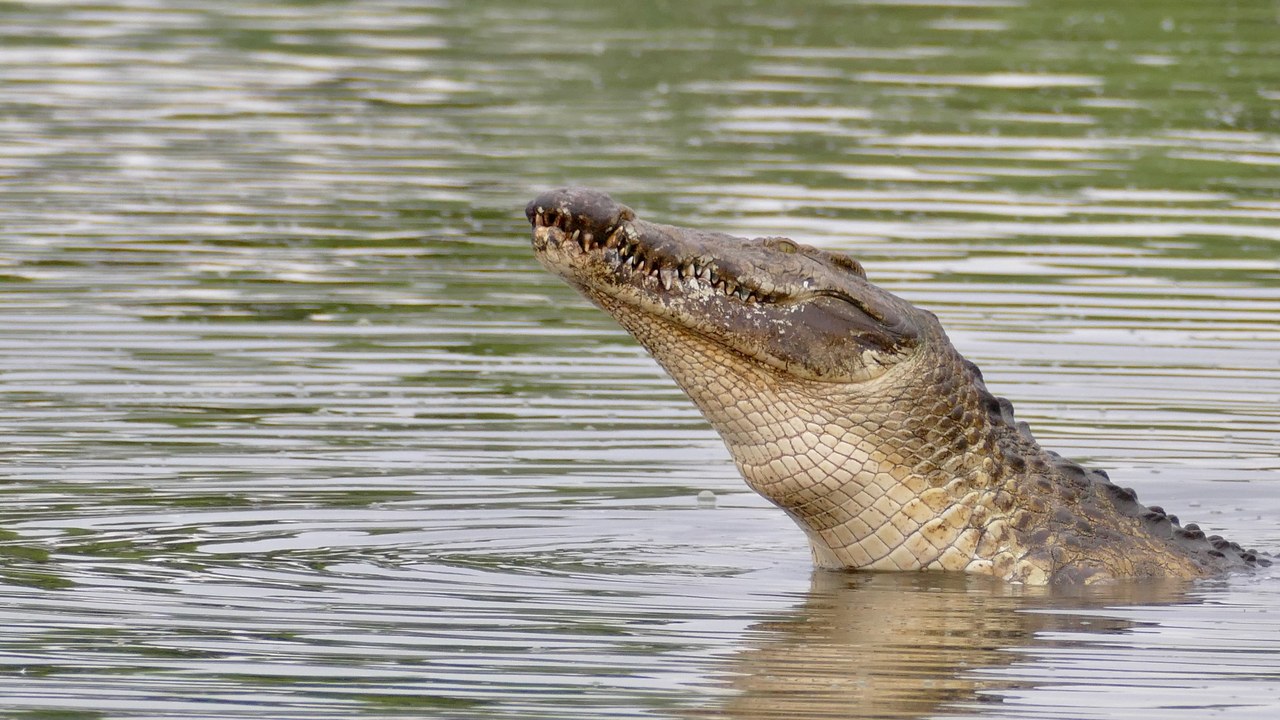
Few crocodilians rival this one for sheer contact with people. overview of crocodilians cites an estimate of over 1,000 attacks by the Nile crocodile between 2010 and 2020, almost 70 percent of them fatal. The decade-long span shows a persistent pattern rather than a single bad year.
As an estimate, the figure carries some uncertainty, but the fatality share stands out even so. Such a high proportion points to a species whose attacks are more often deadly than not when they occur.
8. Gharial: A Long Decline
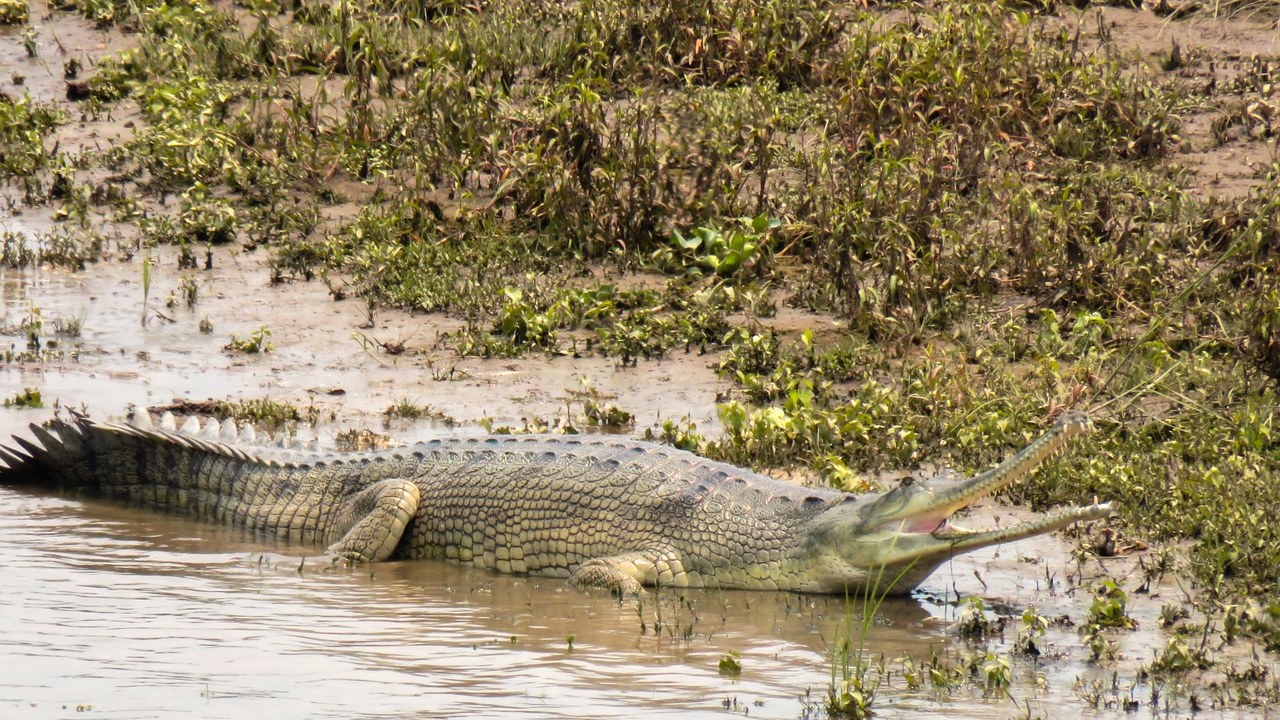
The gharial has been losing ground for generations. Wikipedia’s crocodilian overview classes it as critically endangered and notes that it has undergone a chronic decline since 1943. The record centers on India’s rivers, the habitat on which the species depends.
A slow slide stretching over so many decades makes recovery a long project rather than a quick fix. The gharial’s place among the most imperiled crocodilians rests on that sustained loss rather than on any single event, and the critically endangered label reflects it.
9. Black caiman: Amazon’s Top Predator
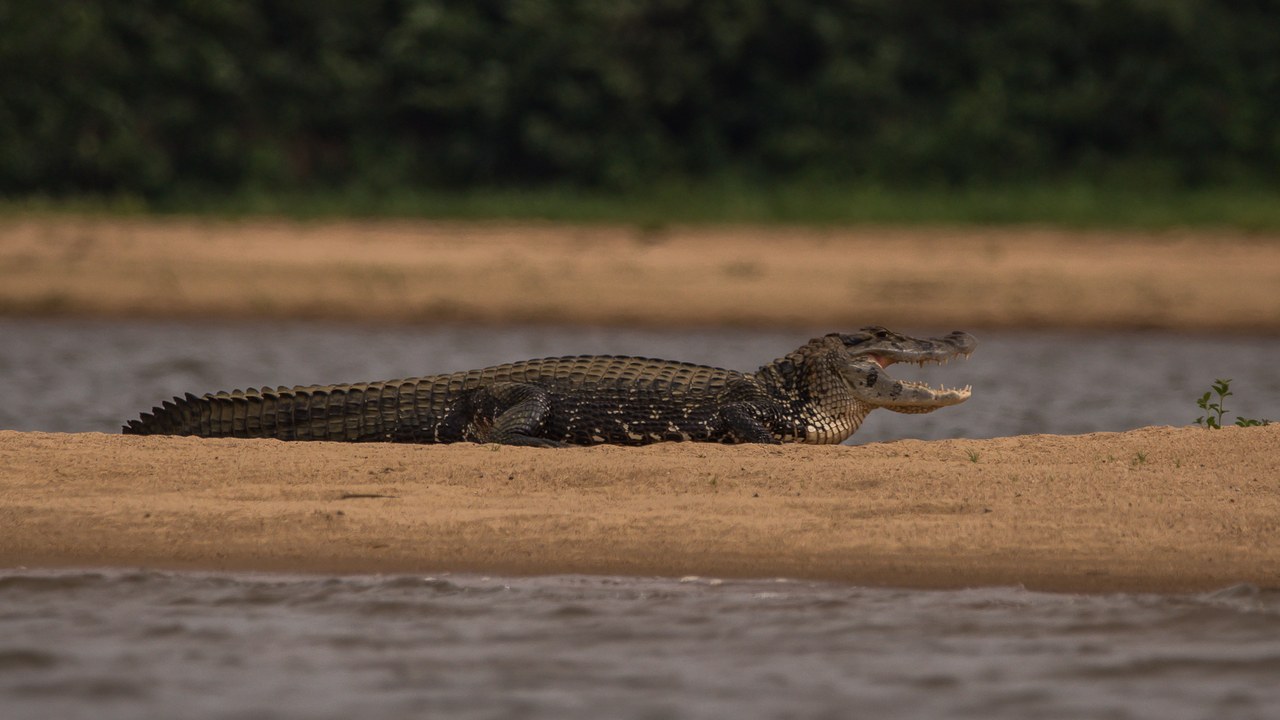
Size defines the black caiman. Wikipedia entry on the species calls it the largest predator in the Amazon basin, reaching 16 to 21 feet in length and over 1,000 pounds. Few animals in the region can claim that kind of bulk.
The range of lengths is wide, so the figures should be read as an outer envelope rather than a typical animal. Either end of it is enough to set the species apart as the heavyweight of this lineup, and a clear giant among the caimans.
10. Spectacled caiman: Far From Home
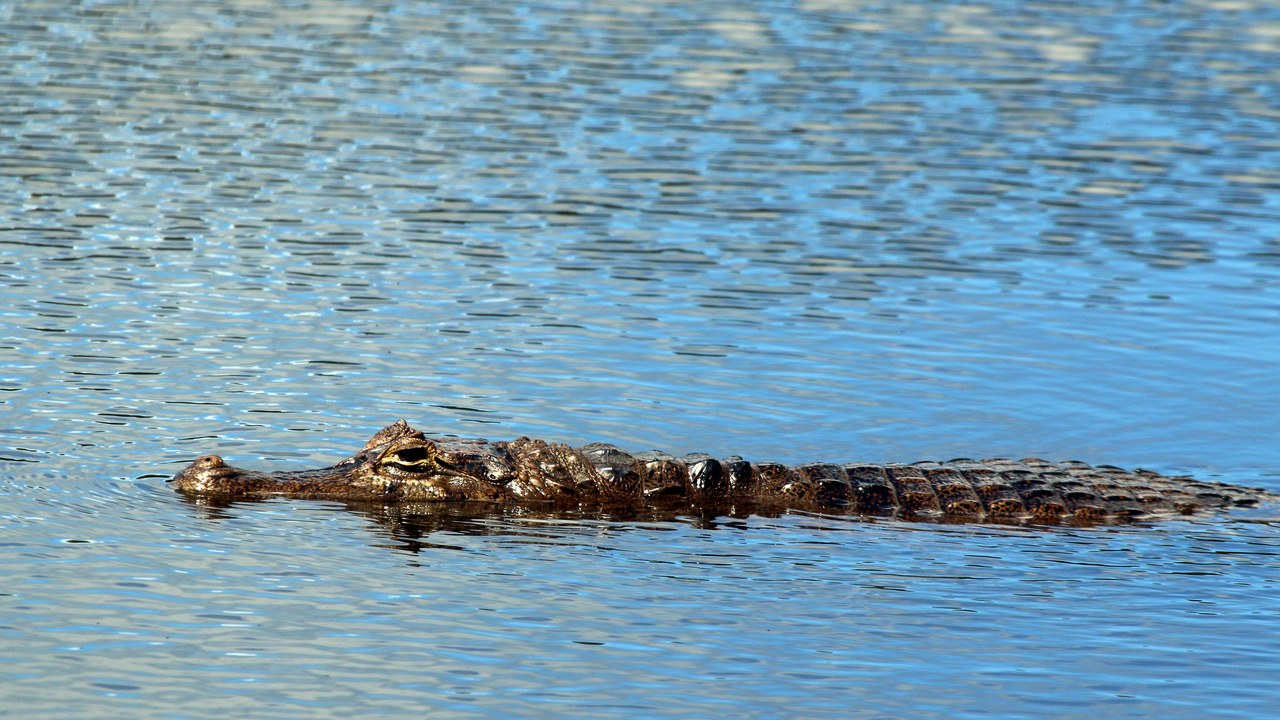
Not every crocodilian stays where it started. Wikipedia’s crocodilian overview notes that feral populations of the spectacled caiman exist in the United States and Cuba. The animals have established themselves well outside their native range.
Presence in places far from their origin makes these caimans a different sort of entry from the endangered species elsewhere in the list. Their story is about spread rather than scarcity, and it closes out a group that runs from the rarest to the most widespread.
AI, explained every day: Get The Deep View →
We may earn a commission if you sign up.
More from Morning Overview
- The FBI told the rest of ShinyHunters to surrender after a 24-year-old was arrested
- Two passengers died at an Ohio toll plaza, and the NTSB now wants the cash lanes shut
- Long use of a common prostate pill is tied to a higher chance of glaucoma
- Ford is recalling 223,472 F-150 pickups because the fuel tank can leak or detach
