
Penguins range from birds that endure Antarctic ice to one that lives on equatorial volcanic shores. Their numbers vary just as widely, from millions of breeding pairs to only a thousand or so adults. Here are ten penguins, each chosen for a specific fact about its population, size or habits.
AI, explained every day: The Deep View is the go-to daily newsletter for 600,000+ founders, knowledge workers and professionals who want to stay up to date with artificial intelligence.
We may earn a commission if you sign up.
1. King penguin: Longest Breeding Cycle
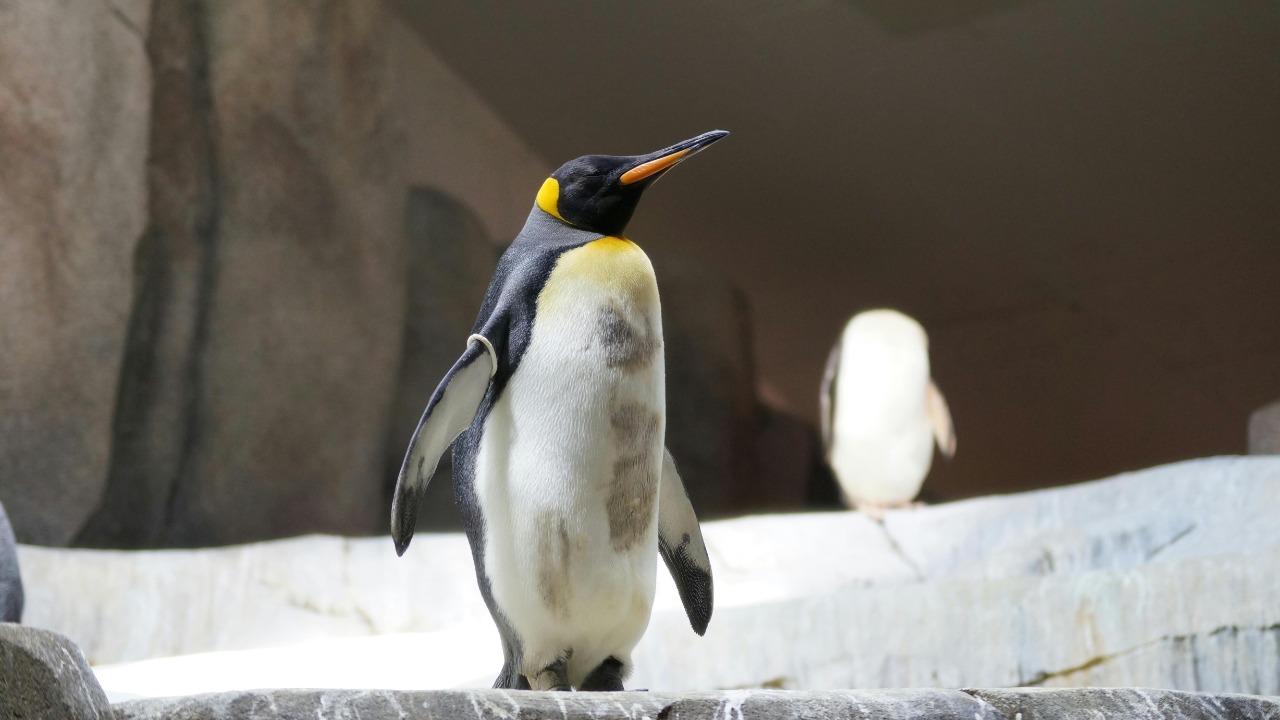
Among penguins, the king penguin keeps the longest breeding cycle, which runs 13 to 16 months from start to finish. That timetable is described in Australian Antarctic Division profile, alongside a population of about 1.6 million pairs.
Such a drawn-out schedule means a pair cannot simply repeat the effort every year. The calendar is stretched across seasons, and the large colony count shows the strategy has worked for this big, orange-throated bird of the subantarctic. Observers comparing penguin species often single out the king for this unusual pace, since most relatives complete a nesting season far faster.
2. Adélie penguin: Long Walks, Longer Swims

Few penguins cover as much ground as the Adélie. The Adélie penguin page says birds may have to walk over 50 km across sea ice to reach open water, and can swim more than 1,200 km away from the colony.
Those distances reflect how far the ice edge can sit from a nesting site. A small, upright bird crossing that expanse on foot, then ranging far at sea, shows how much of its life is spent travelling rather than standing still. The Adélie is a compact bird with a black head and white eye ring, and its journeys are a reminder that Antarctic life is shaped by distance as much as cold.
3. Chinstrap penguin: A Krill Problem
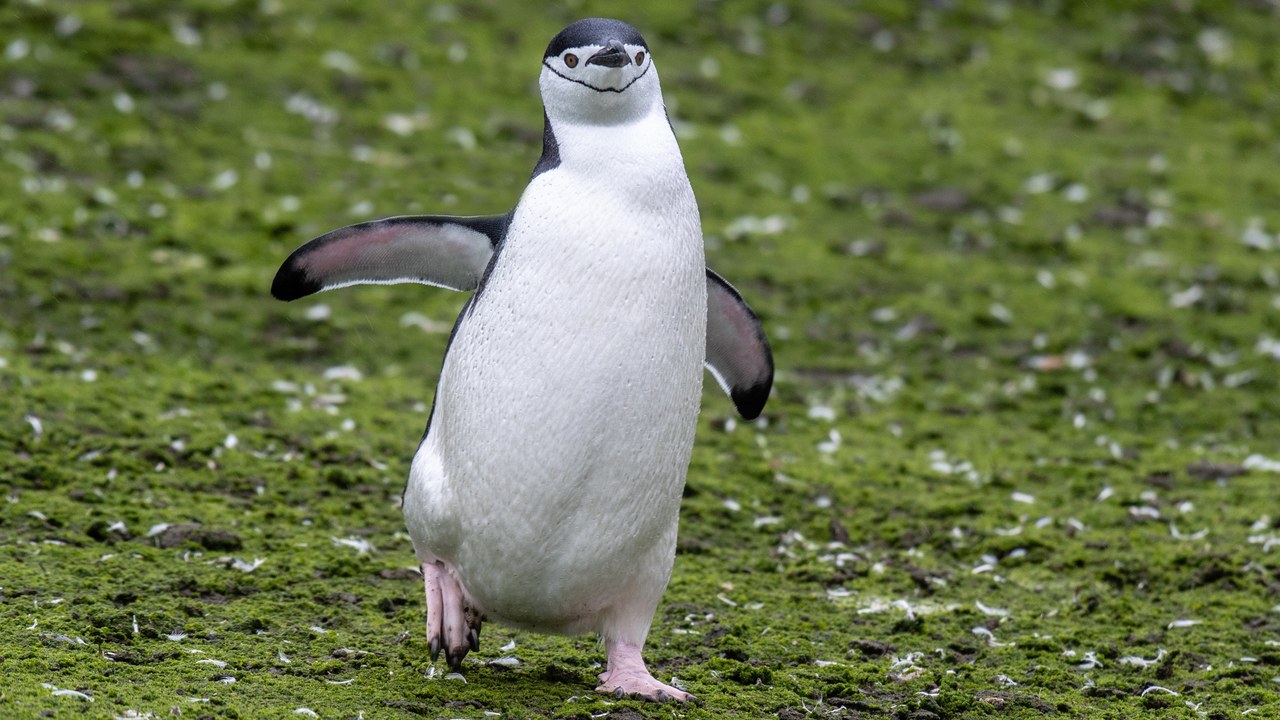
Chinstrap penguin numbers are declining significantly, and the cause named by the Australian Antarctic Division is a reduction in krill, the main food of the species.
The finding ties a single bird to the health of an entire food web. Named for the thin black band under its chin, the chinstrap depends on a small crustacean, so changes in that prey show up quickly in the colonies that rely on it. Monitoring the species therefore doubles as a check on the wider Southern Ocean, and any lasting drop in krill would be expected to affect other animals too.
4. Gentoo penguin: Third Largest Alive
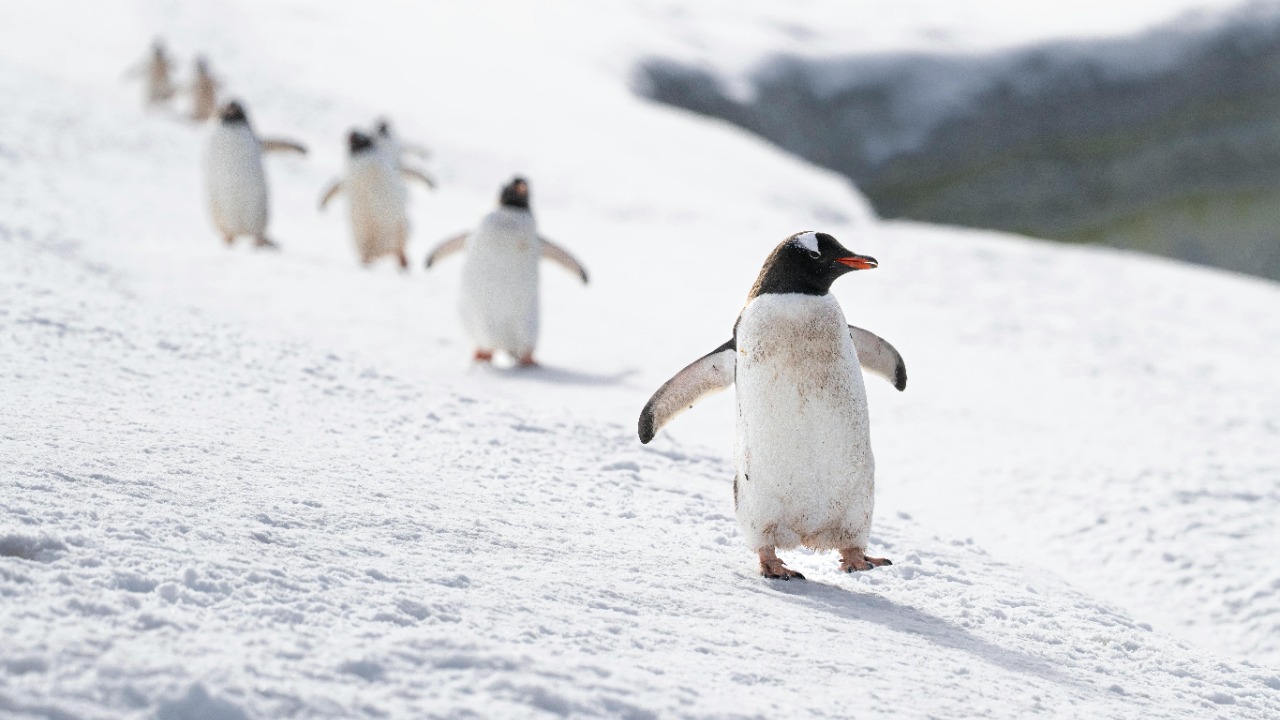
The gentoo ranks as the third largest penguin species alive, according to the gentoo penguin entry. The same source puts its population at about 387,000 breeding pairs.
Size ranking alone says little about abundance, and the pair count gives a sense of scale for a bird recognisable by its white head patch and bright bill. Only two living penguin species rank above it. The red-orange bill and white patch above each eye make the bird easy to pick out from its relatives.
5. Macaroni penguin: Millions of Pairs, Still Vulnerable
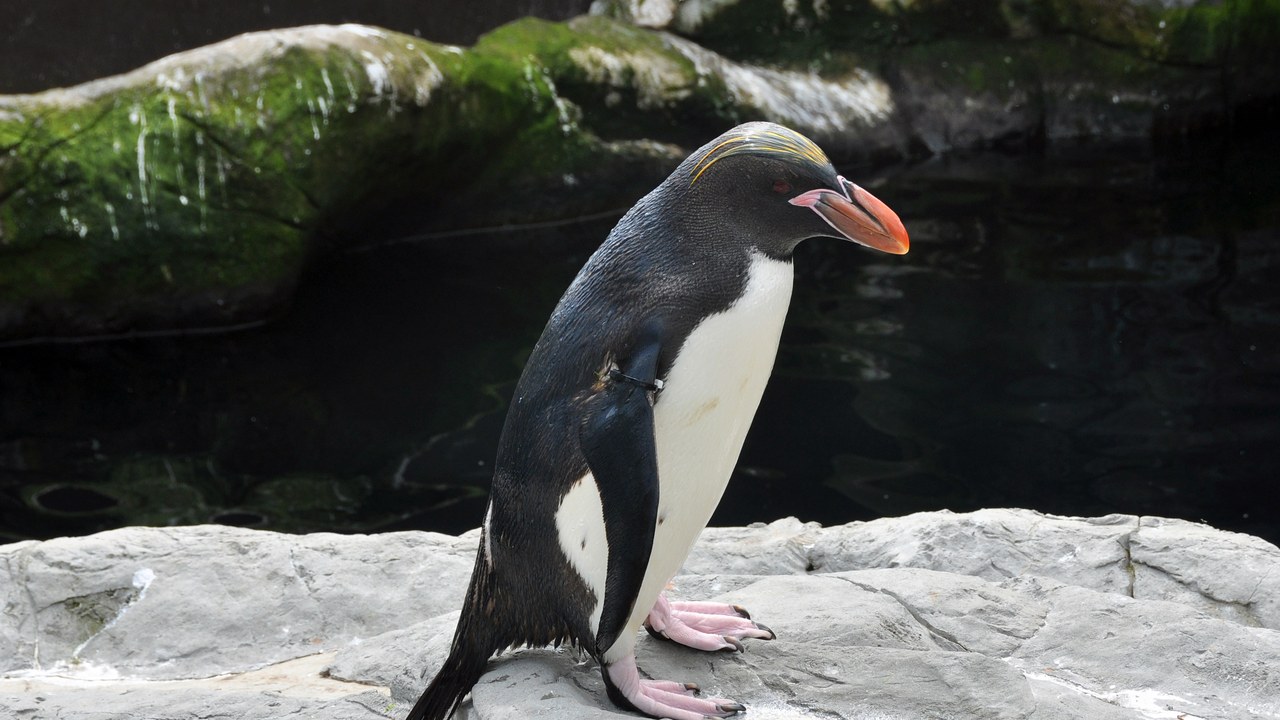
Breeding pairs of the macaroni penguin were estimated at 6.3 million in 2013, as noted by the macaroni penguin page. Despite that large figure, the species is listed as vulnerable.
A big headcount does not guarantee safety. The yellow plumes that give the bird its name are a striking sight in crowded colonies, yet the conservation listing signals that the population is judged to face a real risk of decline. Large colonies can mask trouble, which is why estimates such as the 2013 count matter: they give later surveys a baseline against which change can be measured.
6. Southern rockhopper penguin: Smallest Crested Penguin
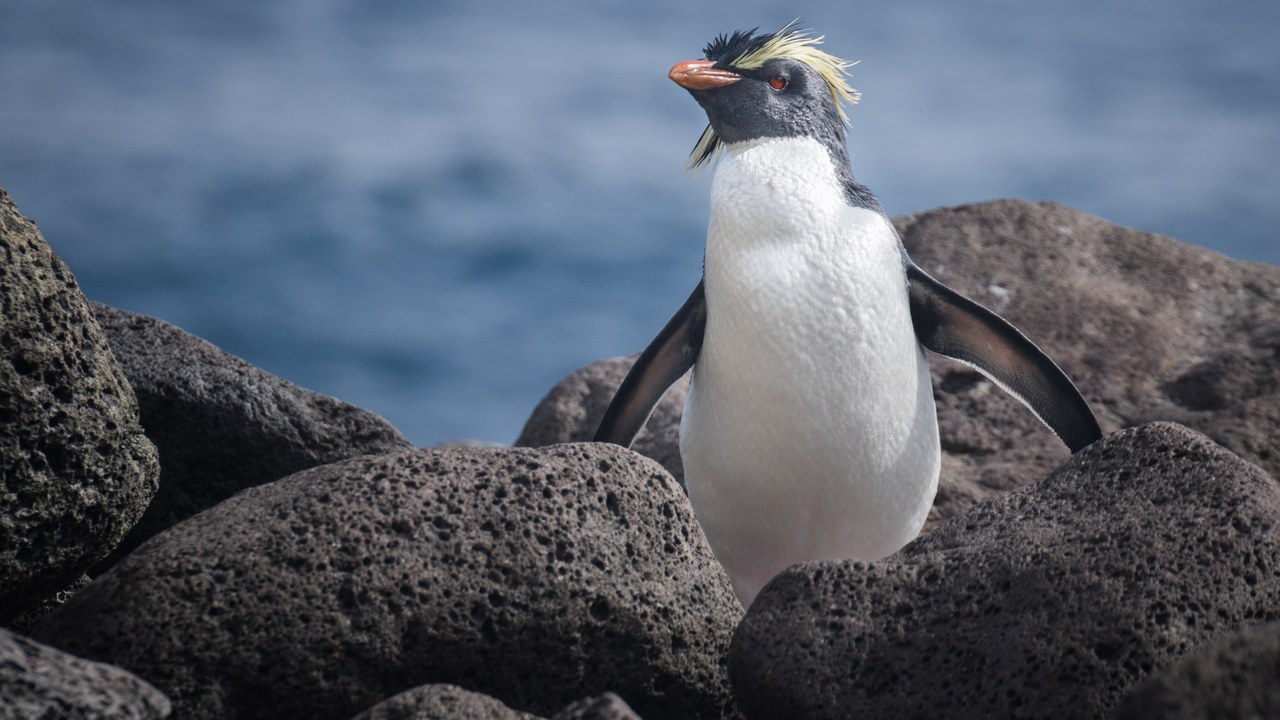
Among the crested penguins, the southern rockhopper is the smallest, weighing only 2 to 3.8 kg, as the rockhopper penguin profile explains. Its populations have also decreased significantly.
Small size has not shielded it from decline. The spiky yellow brows and red eyes make the bird easy to identify, but the same source treats its falling numbers as a central part of its story. Conservation attention to the species tends to focus on that downward trend, because a light, agile bird on rocky shores has few buffers against lasting pressures.
7. African penguin: Critically Endangered
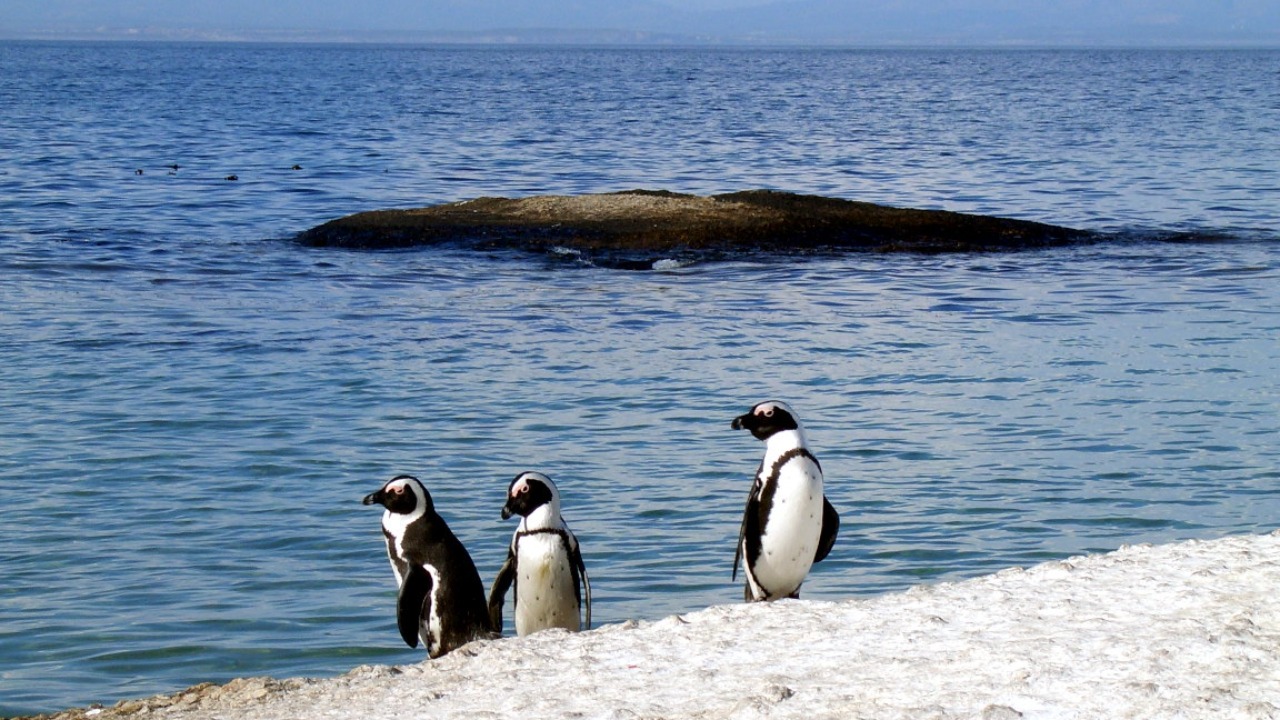
The African penguin is classed as critically endangered, with about 19,800 mature individuals, based on the table in Wikipedia’s list of penguins.
That is the most severe category in the list and a small number for a seabird of the southern African coast. Sometimes called the jackass penguin for its braying call, the species shows how thin a population can become before it disappears. For a bird that breeds in colonies on the coast, such a low figure leaves little margin, and every change in the population carries weight for the species as a whole.
8. Galápagos penguin: North of the Equator
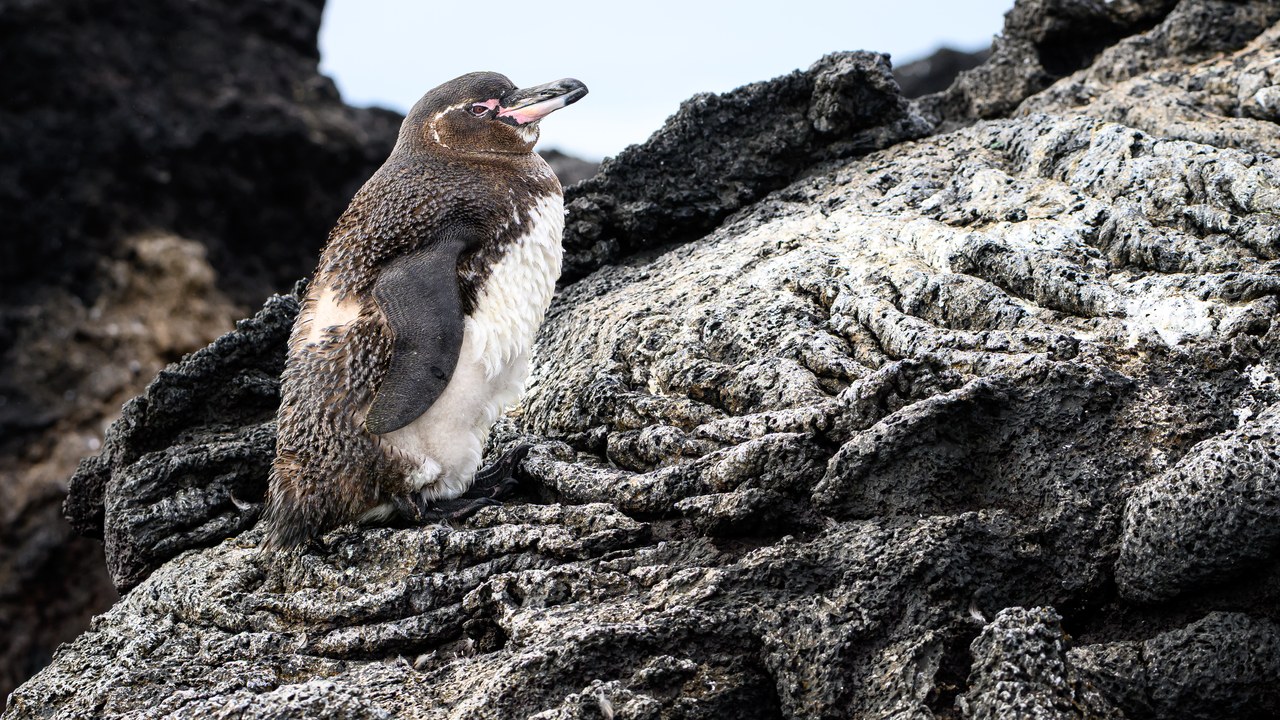
The Galápagos penguin is the only penguin species that occurs north of the equator, and it numbers about 1,200 mature individuals, per the penguin species list.
Its range sits on volcanic islands where cold currents allow a bird usually linked with ice to thrive in tropical latitudes. A population that small makes it one of the rarest penguins, and the reason a Galápagos species anchors this list. Because it lives so close to the equator, the species is also exposed to swings in ocean temperature, and small numbers make recovery from a bad year slow.
9. Yellow-eyed penguin: Endangered in New Zealand
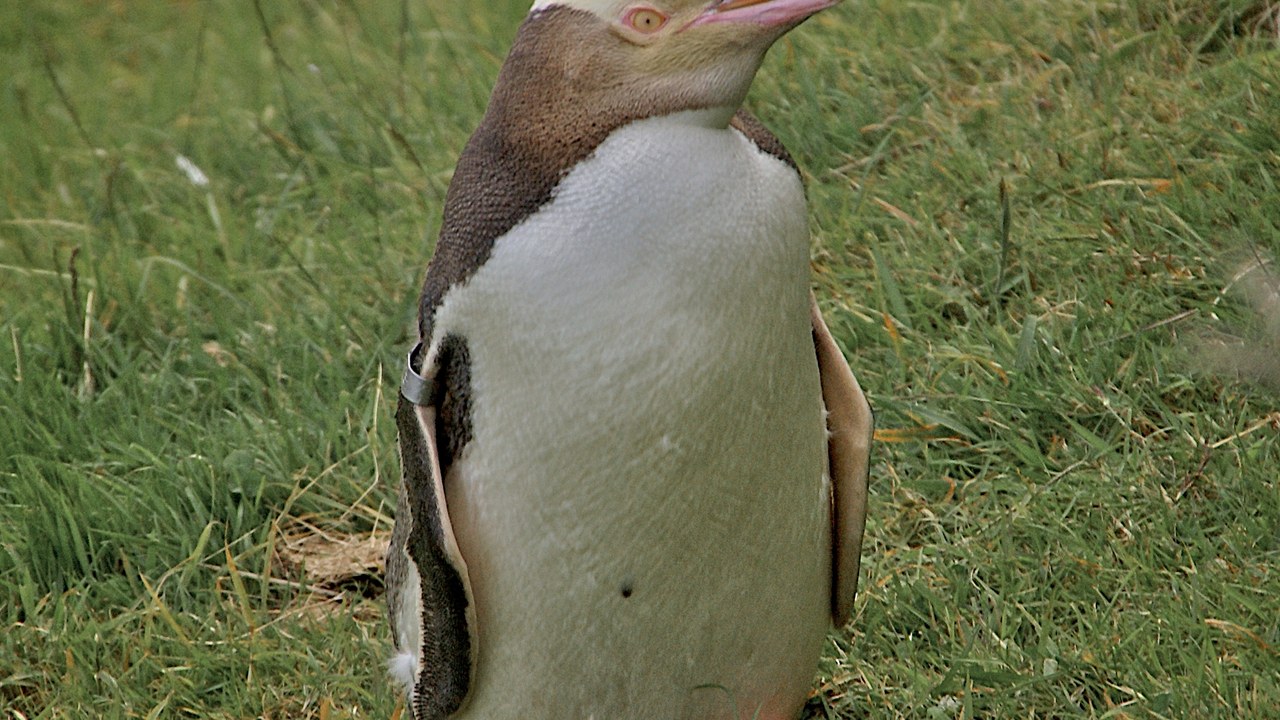
The yellow-eyed penguin is endangered, with an estimated 2,600 to 3,000 mature individuals, according to the figures in the penguin species list.
The pale yellow band around the eyes and head gives the bird its name and makes it distinctive among its relatives. A population in the low thousands leaves little room for losses, which explains why its status draws steady conservation attention. The count refers to adults capable of breeding, so the figure describes the core of the species rather than every individual, young birds included.
10. Magellanic penguin: Most Numerous of Six
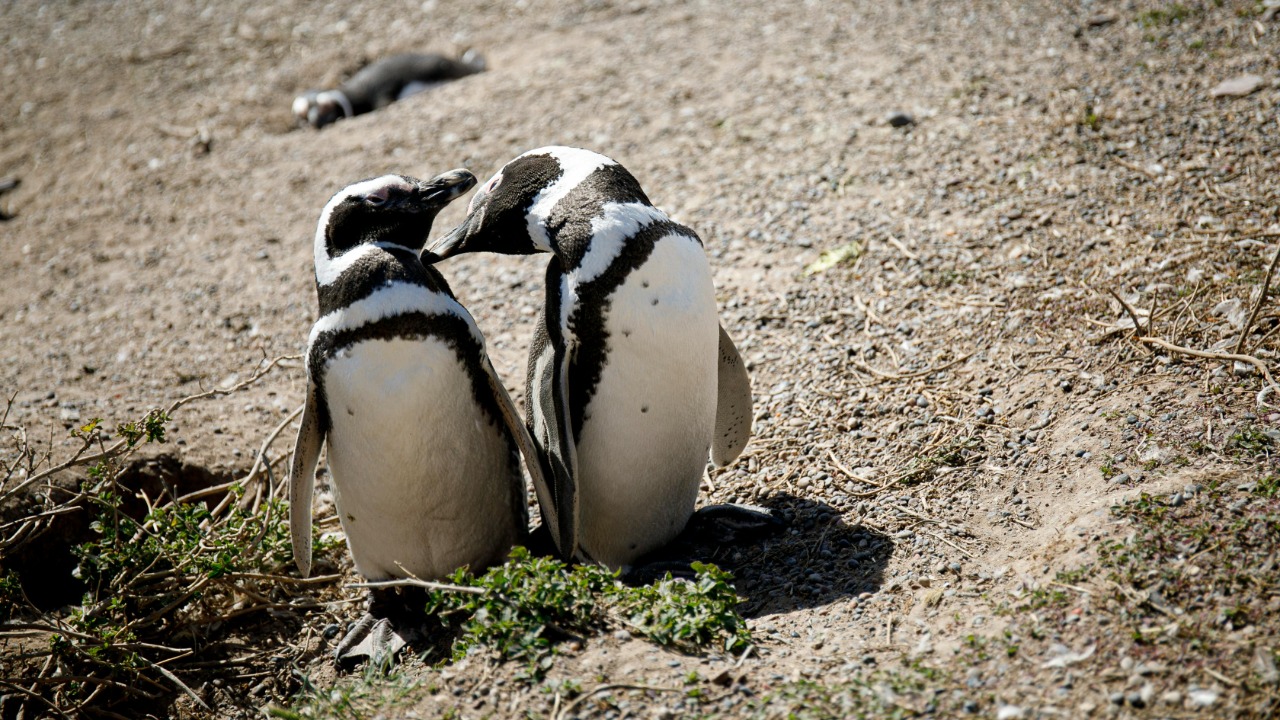
Among six species compared in a Wikipedia table, the Magellanic penguin is the most numerous, with 2.2 to 3.2 million mature individuals.
That puts it far ahead of rarer relatives on the same table, including the African and Galápagos penguins. A banded, burrow-nesting bird of South American coasts, it demonstrates that populations within a single genus can differ by orders of magnitude. The comparison also shows why a rare species and an abundant one can sit side by side on one list while facing very different levels of risk.
AI, explained every day: Get The Deep View →
We may earn a commission if you sign up.
More from Morning Overview
- The FBI told the rest of ShinyHunters to surrender after a 24-year-old was arrested
- Two passengers died at an Ohio toll plaza, and the NTSB now wants the cash lanes shut
- Long use of a common prostate pill is tied to a higher chance of glaucoma
- Ford is recalling 223,472 F-150 pickups because the fuel tank can leak or detach
