
Turtles and tortoises of the United States range from tiny sea turtles to freshwater giants that rival a grown person in weight. Some nest on busy beaches, others spend most of their lives in burrows, and a few hold records for size or age. Here are ten of them, each with a fact that sets it apart.
Save more, waste less: The Cool Down’s newsletter sends smart, simple changes that help you and the planet in your everyday life.
We may earn a commission if you sign up.
1. Leatherback sea turtle: Largest of All
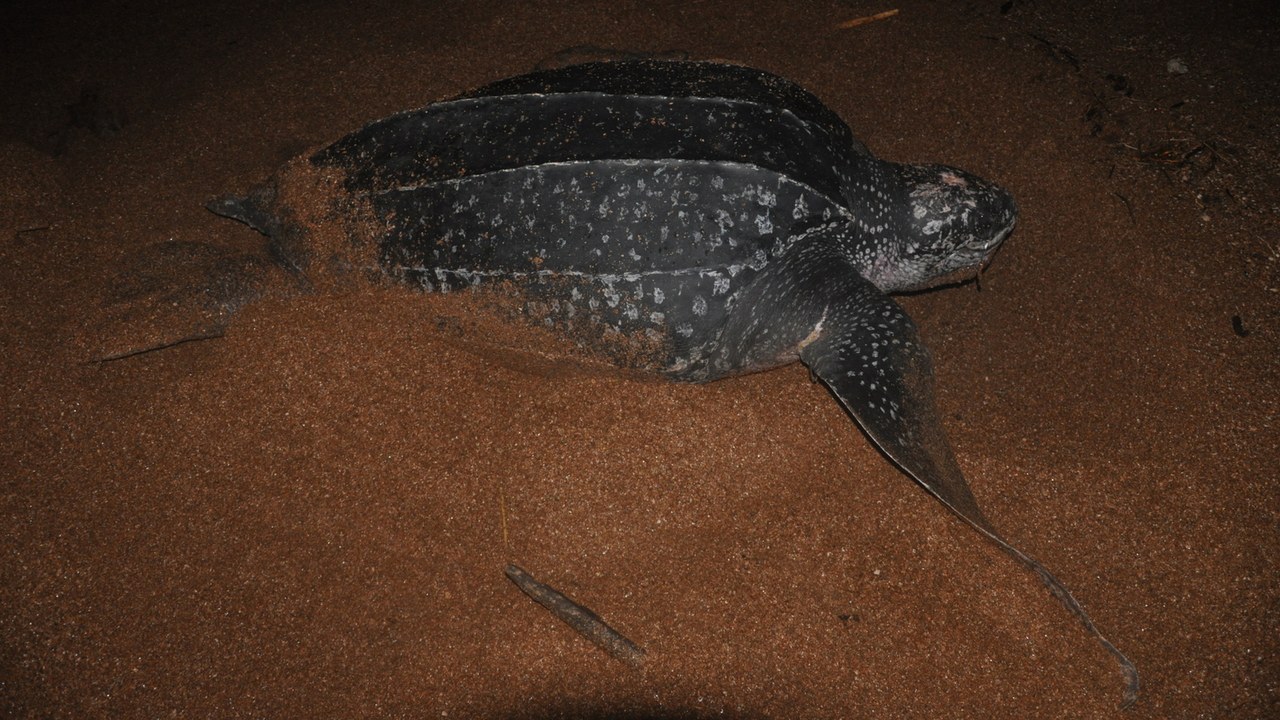
The leatherback is recognized as the world’s largest turtle, and it is a regular visitor to waters off the United States. Its status is troubling, because NOAA Fisheries reports that Eastern Pacific leatherbacks have declined by more than 97 percent.
Unlike other sea turtles, the leatherback lacks a hard bony shell and wears a leathery, ridged carapace instead. That decline concerns a single regional population rather than every leatherback everywhere, but it shows how quickly a giant, long-lived ocean traveler can lose ground when threats pile up across a wide range.
2. Loggerhead sea turtle: Beach Nesting Champion
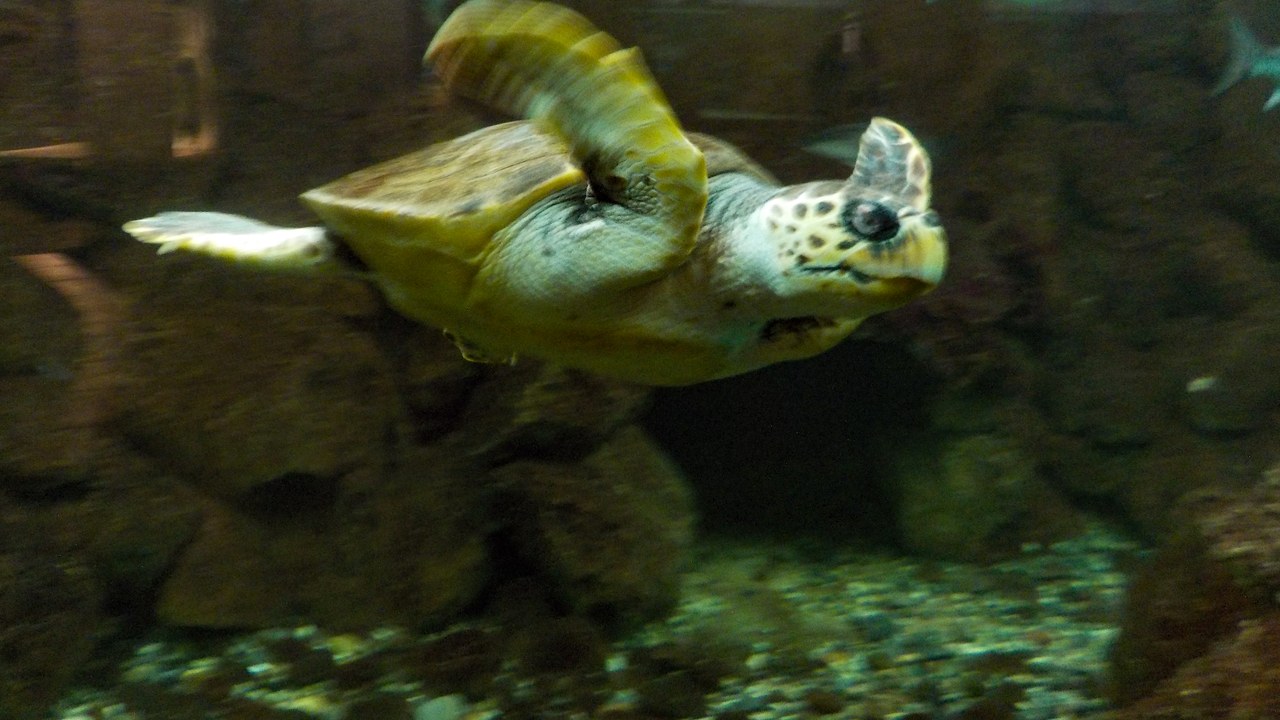
Among the sea turtles that come ashore to lay eggs in the United States, the loggerhead is the most common. NOAA Fisheries puts its nesting at more than 100,000 nests per year across the country, a figure no other American sea turtle approaches.
The loggerhead takes its name from its large, blocky head, which houses powerful jaws built for crushing hard-shelled prey. Even with those big numbers, nesting beaches remain busy places where lights, development and erosion all matter, which is why volunteers and wildlife agencies keep walking the sand each season to count and protect nests.
3. Green sea turtle: Protected Under Federal Law
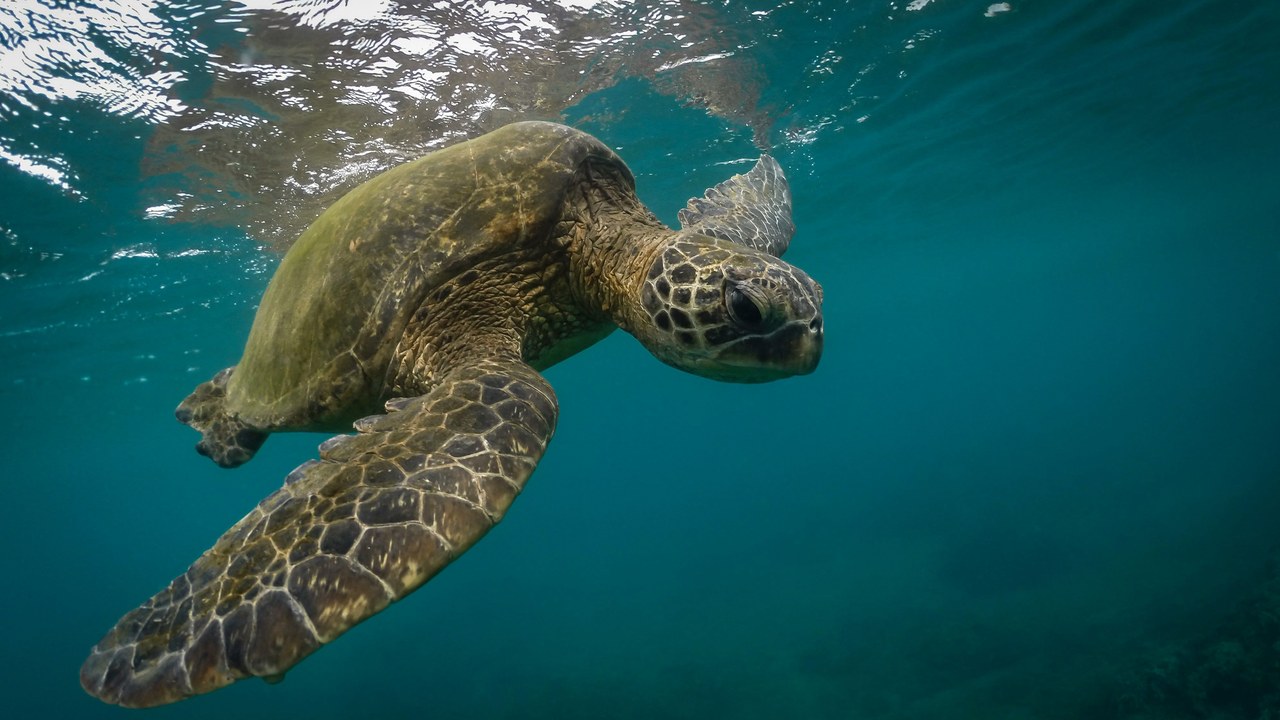
Few sea turtles show the complexity of federal protection as clearly as the green turtle. NOAA Fisheries lists it under the Endangered Species Act, with three populations endangered and eight threatened, so the species is handled population by population rather than with one blanket label.
The common name refers to the greenish color of its body fat, not the shell, and adults graze mostly on seagrass and algae. Splitting the listing by population lets managers match protections to where each group actually lives, nests and faces danger, instead of treating every green turtle in the world as identical.
4. Kemp’s ridley sea turtle: Small but Sobering
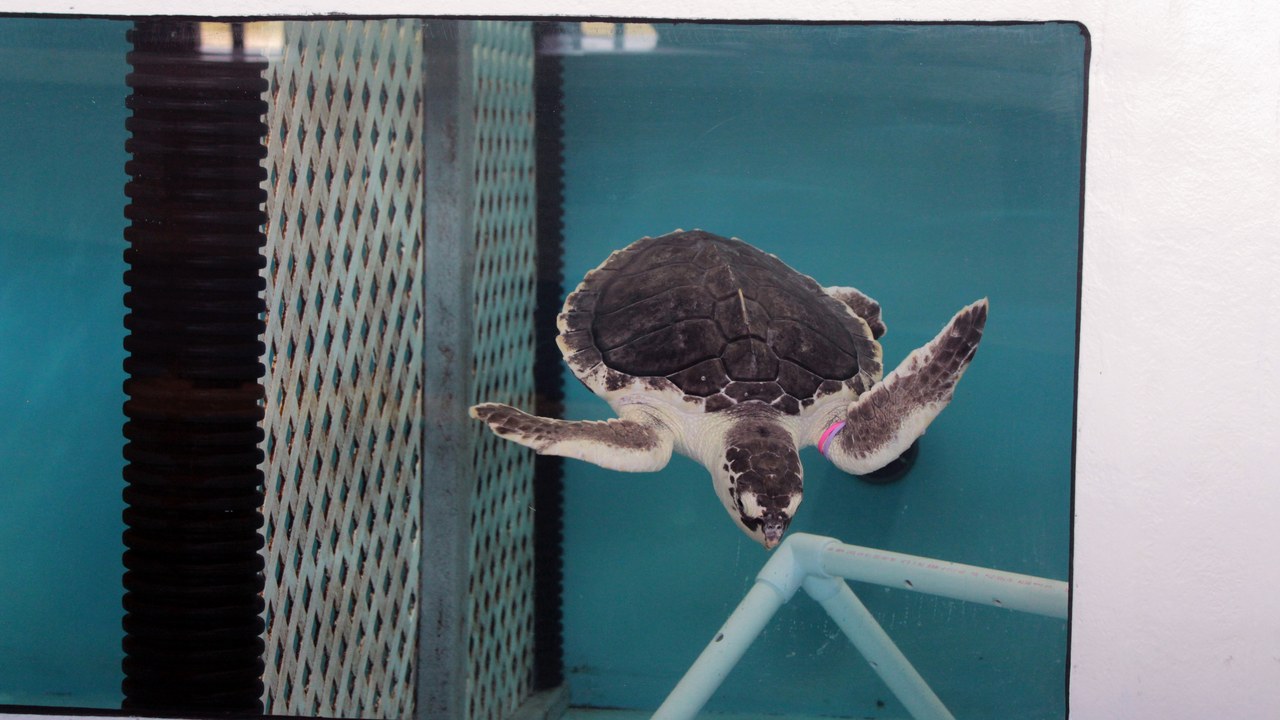
The Kemp’s ridley holds the title of smallest sea turtle in the world, yet its story carries outsized weight. According to NOAA Fisheries data, the number of nests reached a record low of 702 in 1985, representing fewer than 250 nesting females.
That figure marks the bottom of a steep fall for a species that nests mainly along the Gulf of Mexico. Conservation attention since then has focused on protecting nesting beaches and reducing accidental capture at sea, and the 1985 count remains the benchmark against which later recovery is measured by biologists and managers.
5. Olive ridley sea turtle: First on the West Coast
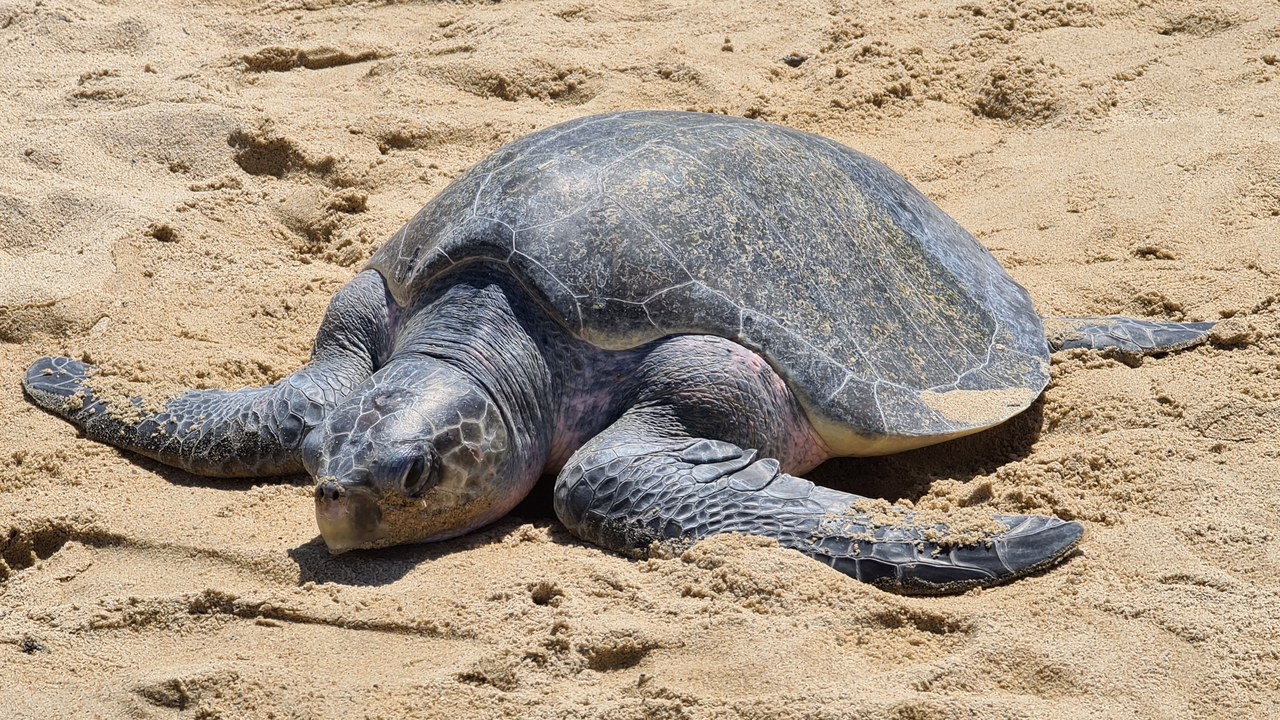
In 2026, two olive ridleys did something never confirmed before in the United States. The Fish and Wildlife Service describes their nests as the first-ever confirmed instance of natural sea turtle nesting on the U.S. West Coast, a milestone for a coastline better known for visiting turtles than nesting ones.
Olive ridleys are small, olive-shelled sea turtles that nest in warmer waters elsewhere in the world, which makes the West Coast event notable. Two nests do not amount to a trend, and the agency’s account treats the episode as a historic first rather than evidence of a new regular nesting population.
6. Desert tortoise: Life Beneath the Sand
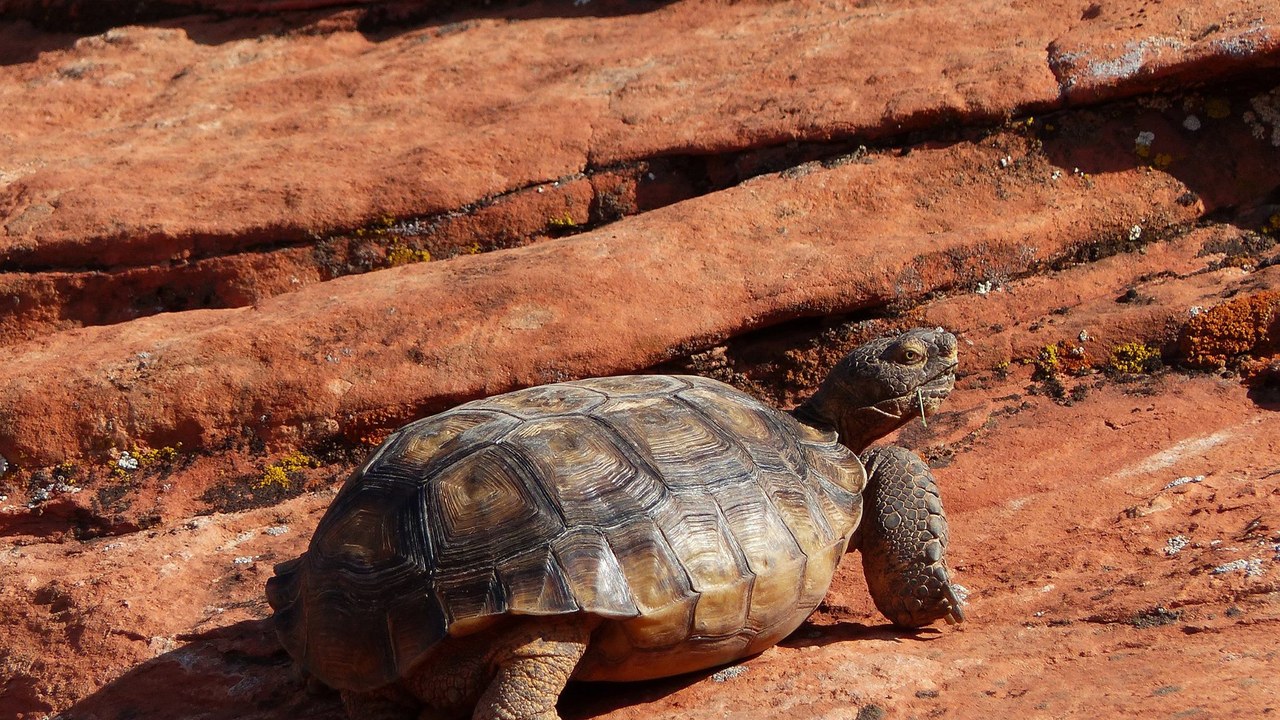
Reptiles of the Southwest rarely match the desert tortoise for time spent out of sight. The Fish and Wildlife Service notes that it spends up to 95 percent of its life underground, sheltering in burrows from heat and cold, and that it can live roughly 50 to 80 years.
Such a lifestyle makes the animal hard to see even where it is common, and it explains why surveys depend on careful searching of burrows. The long lifespan also means individuals have to survive for decades in harsh country, so losses among adults can take generations to make up.
7. Gopher tortoise: Threatened in the West
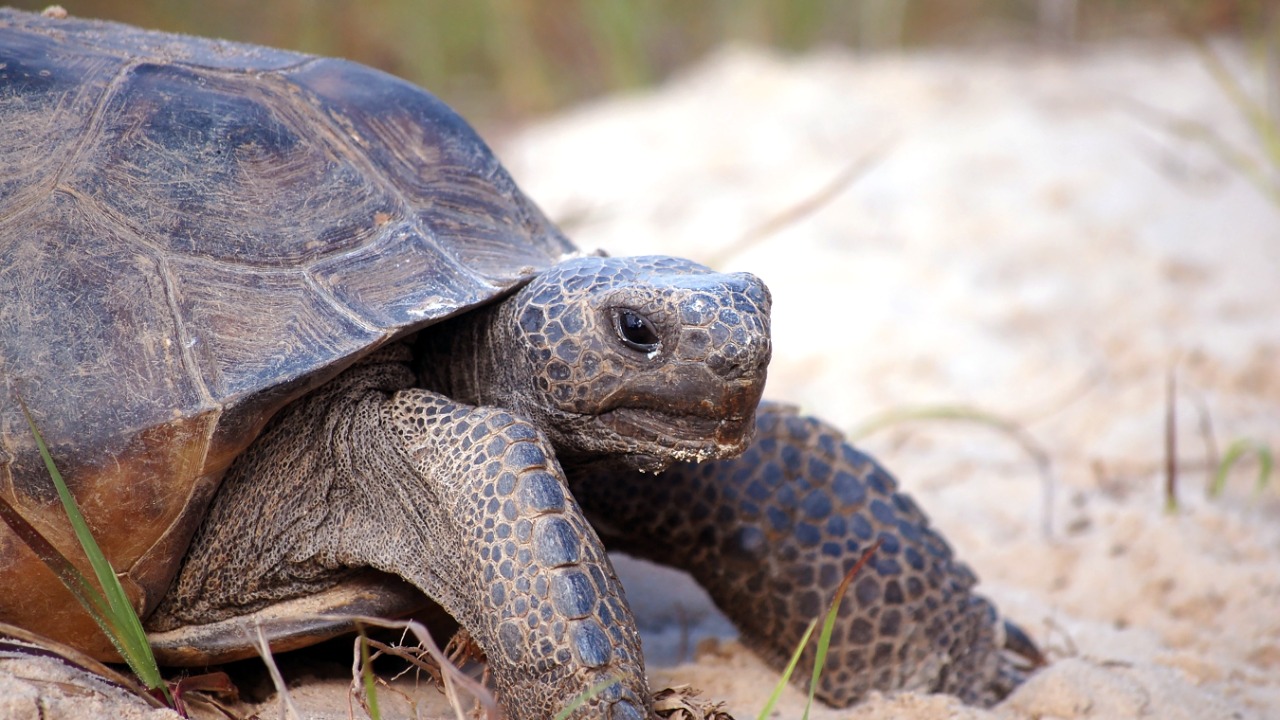
The gopher tortoise lives across the southeastern states, but federal protection depends on where a population sits. According to the Fish and Wildlife Service, the western population, found in Alabama, Louisiana and Mississippi, is federally threatened.
That distinction means the listing covers one portion of the range rather than the species as a whole. The gopher tortoise is best known as a digger, and its burrows are widely described as shelter for many other animals, so the status of the western group matters well beyond the tortoises themselves.
8. Alligator snapping turtle: Giant with a Lure
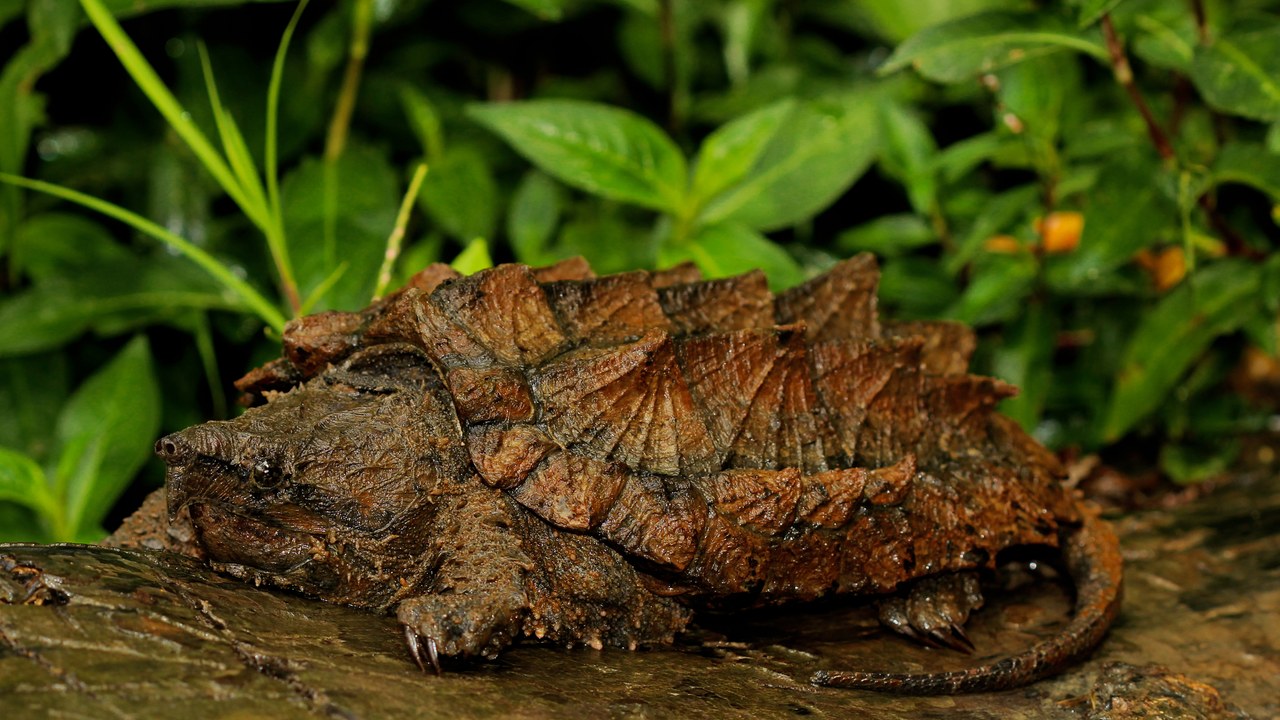
The alligator snapping turtle is a heavyweight among freshwater reptiles. The Fish and Wildlife Service reports that adult males can reach up to 249 pounds and 29 inches in length, and that it is the only turtle with a body part used for luring prey.
That lure is a worm-like appendage on the tongue, which the turtle can wiggle while waiting with its mouth open. Paired with a rough, ridged shell and a powerful bite, the ambush method suits a patient predator of Southern rivers and swamps, and it earns the species a reputation far beyond its slow pace.
9. Common snapping turtle: A Century on the Clock
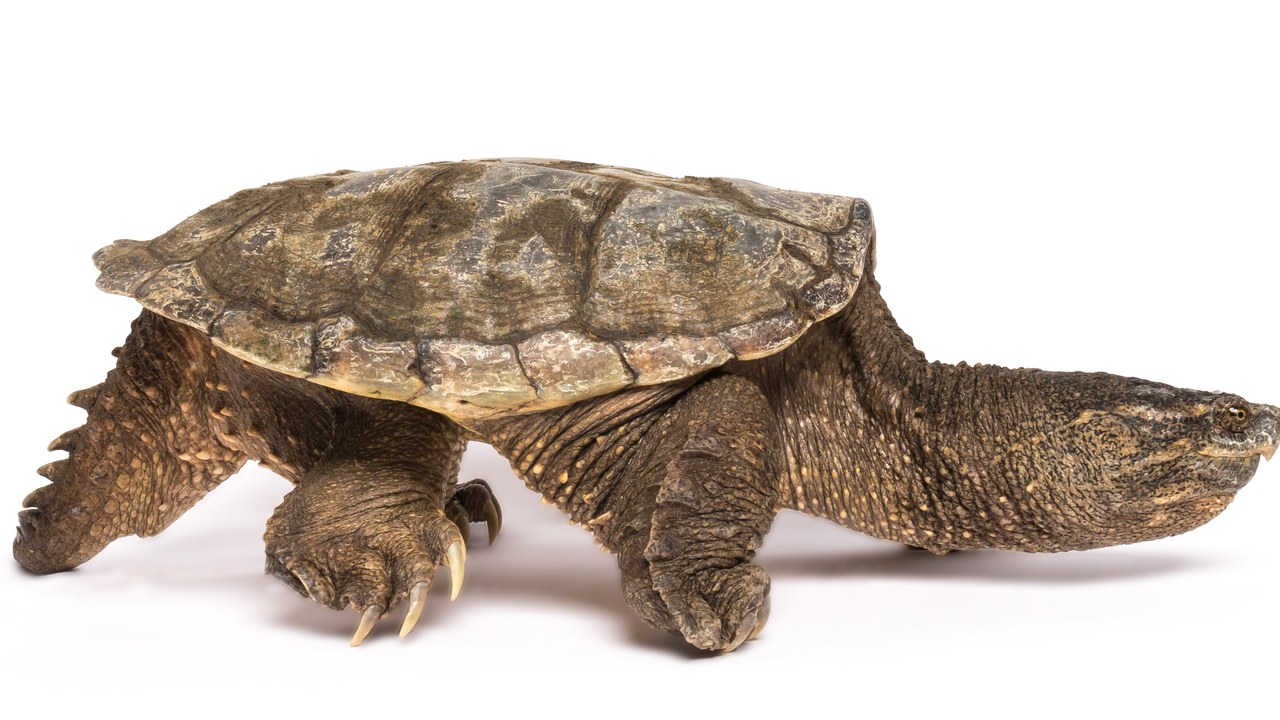
Common snapping turtles are familiar across much of the eastern United States, and their longevity is remarkable. According to the species’ Wikipedia entry, mark-recapture data suggest a maximum age of over 100 years, a span that outlasts many human lifetimes.
The wording matters, because the figure is a maximum suggested by recapture records rather than a typical lifespan. Most individuals will not approach that age, yet the estimate illustrates how slowly these turtles can grow and how long a single animal may stay in the same pond, creek or marsh.
10. Eastern box turtle: Honored by Two States
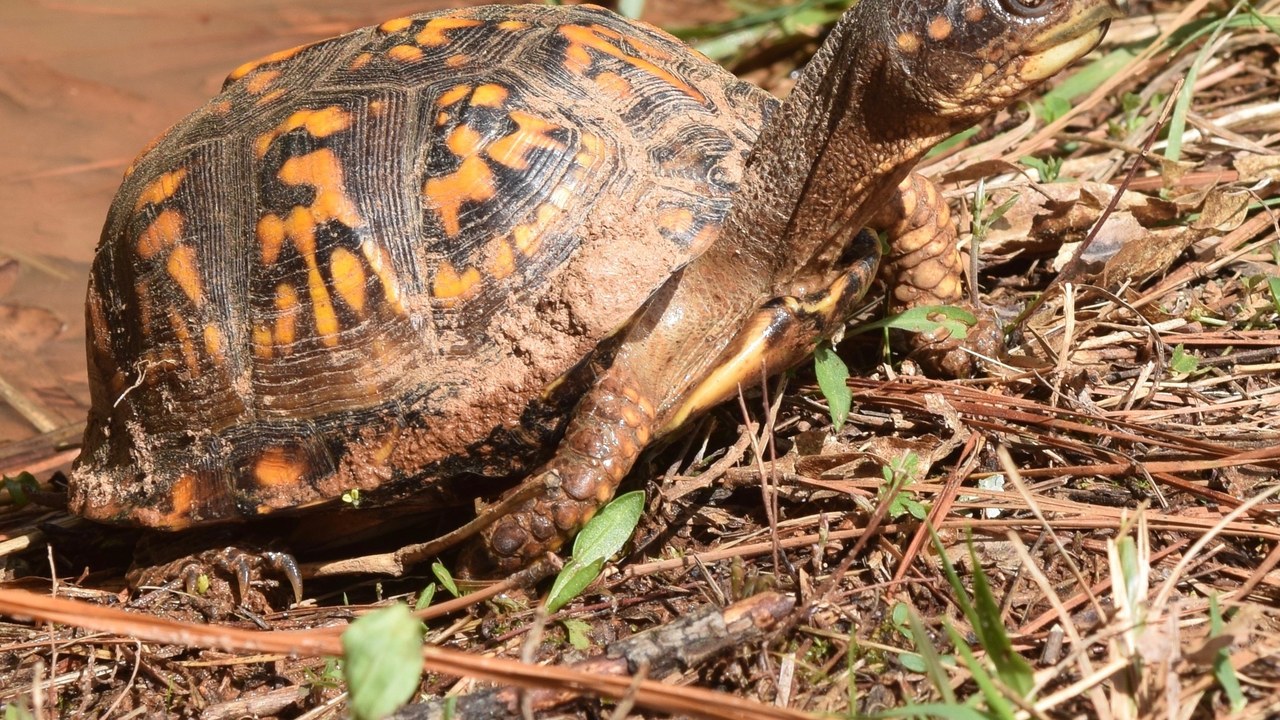
Some turtles earn official recognition, and the eastern box turtle is one of them. As its Wikipedia article notes, it is the official state reptile of two U.S. states, North Carolina and Tennessee, which pairs a modest woodland animal with real civic standing.
Its domed shell, often marked with orange or yellow patterns, can close tightly around the head and limbs, which is the feature that gives box turtles their name. The state designations reflect how familiar the animal is to people who walk forests and fields in the eastern part of the country.
Save more, waste less: Subscribe to The Cool Down →
We may earn a commission if you sign up.
More from Morning Overview
- Doctors warn a silent liver disease now affects one in three American adults
- The FBI told the rest of ShinyHunters to surrender after a 24-year-old was arrested
- Two passengers died at an Ohio toll plaza, and the NTSB now wants the cash lanes shut
- Long use of a common prostate pill is tied to a higher chance of glaucoma
