
Primates range from heavy ground-dwelling apes to small tree-dwelling monkeys, and several of them face serious declines. This selection covers great apes, monkeys and a lemur, with conservation figures wherever the sources provide them for each animal. Here are nine primates worth a closer look.
Tech news worth reading: Get Techpresso, the daily email with the most interesting tech news and insights, read by 400,000+ professionals from Google, Apple and OpenAI.
We may earn a commission if you sign up.
1. Western lowland gorilla: Heavyweight Under Pressure
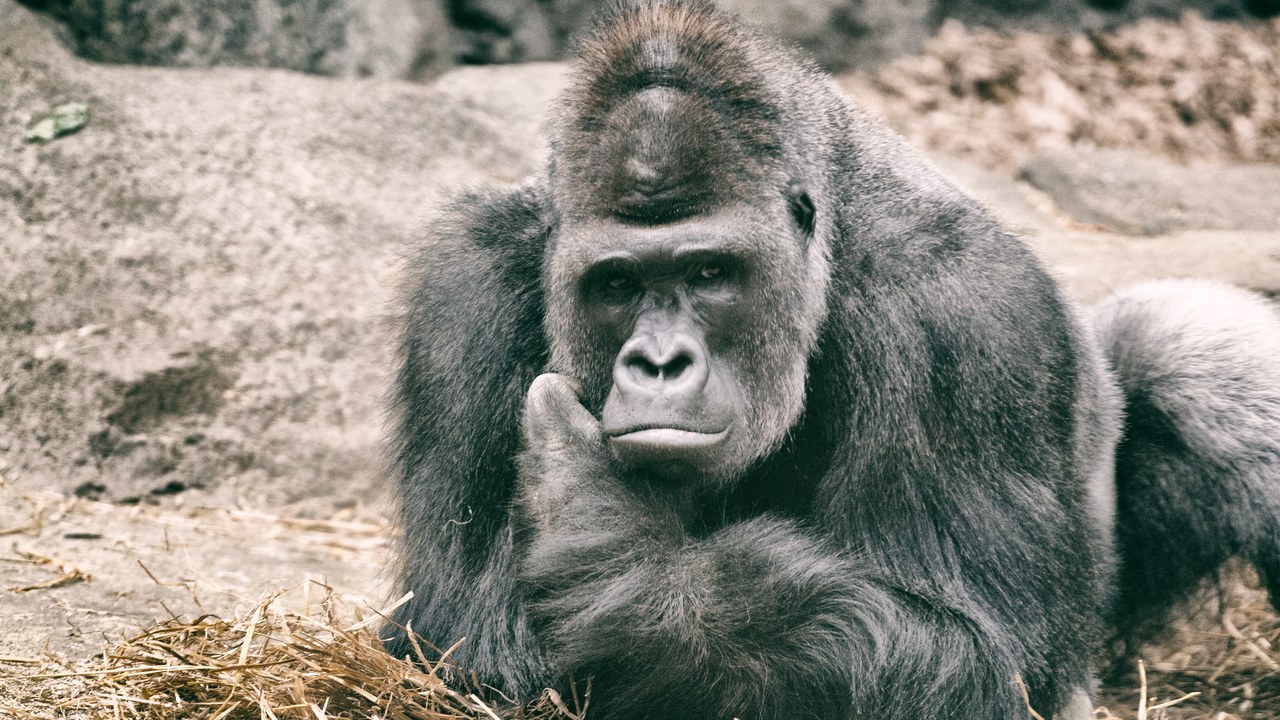
Adult males of this species weigh an average of 300 pounds, or 136.1 kilograms, and the biggest reach as much as 500 pounds, according to the National Zoo’s species profile. That bulk makes the western lowland gorilla one of the heaviest living primates, a ground-dwelling ape built for powerful foraging in forest undergrowth.
Size has not protected the animal. The same profile reports that the species has fallen by more than 60 percent over a span of 20 to 25 years, a steep decline for a primate that matures slowly. The weight figures describe western lowland gorillas specifically, not every gorilla population.
2. Bornean orangutan: A Half Century Lost
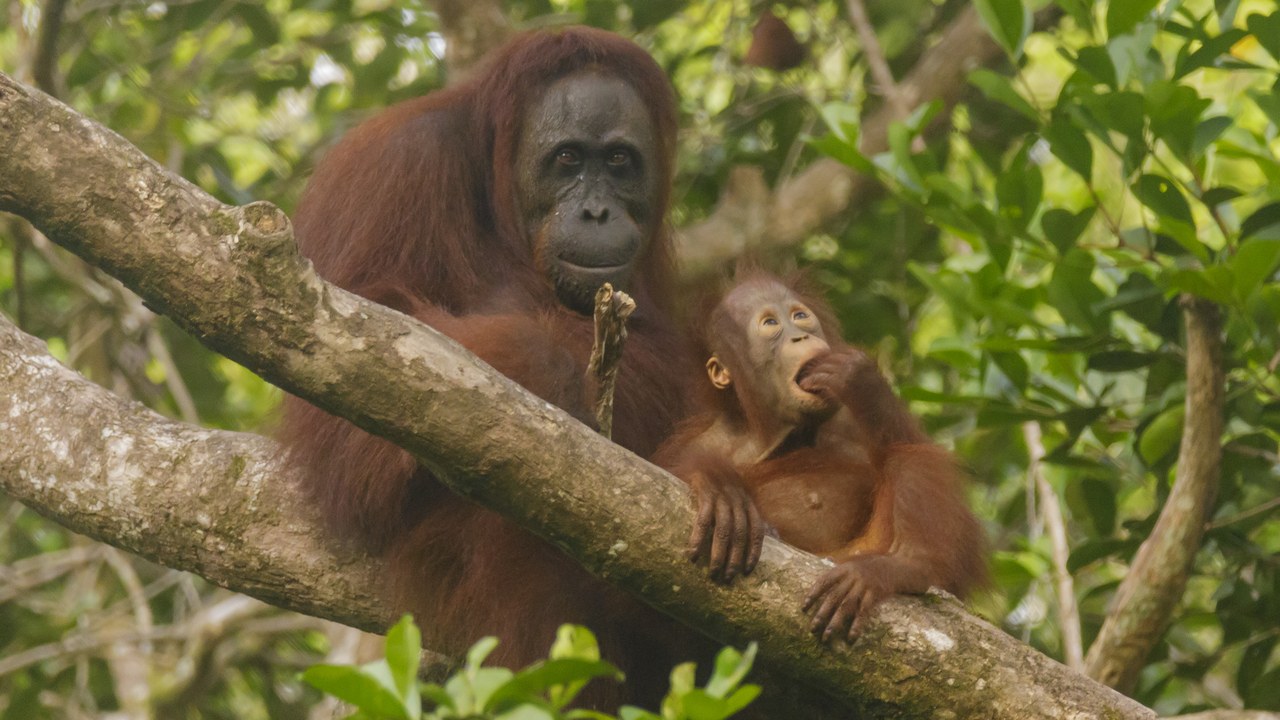
Numbers for the Bornean orangutan have dropped by more than 50 percent over the past 60 years, per the Smithsonian’s National Zoo. Roughly 70,000 to 100,000 individuals are left in the wild, a small population spread across the forests of one large island.
The reddish apes spend most of their lives in the canopy, which ties their fate closely to the condition of the trees around them. A loss of more than half in six decades is the figure that anchors this whole list, and it frames how the other primates here should be read.
3. Sumatran orangutan: Worse Than Its Cousin
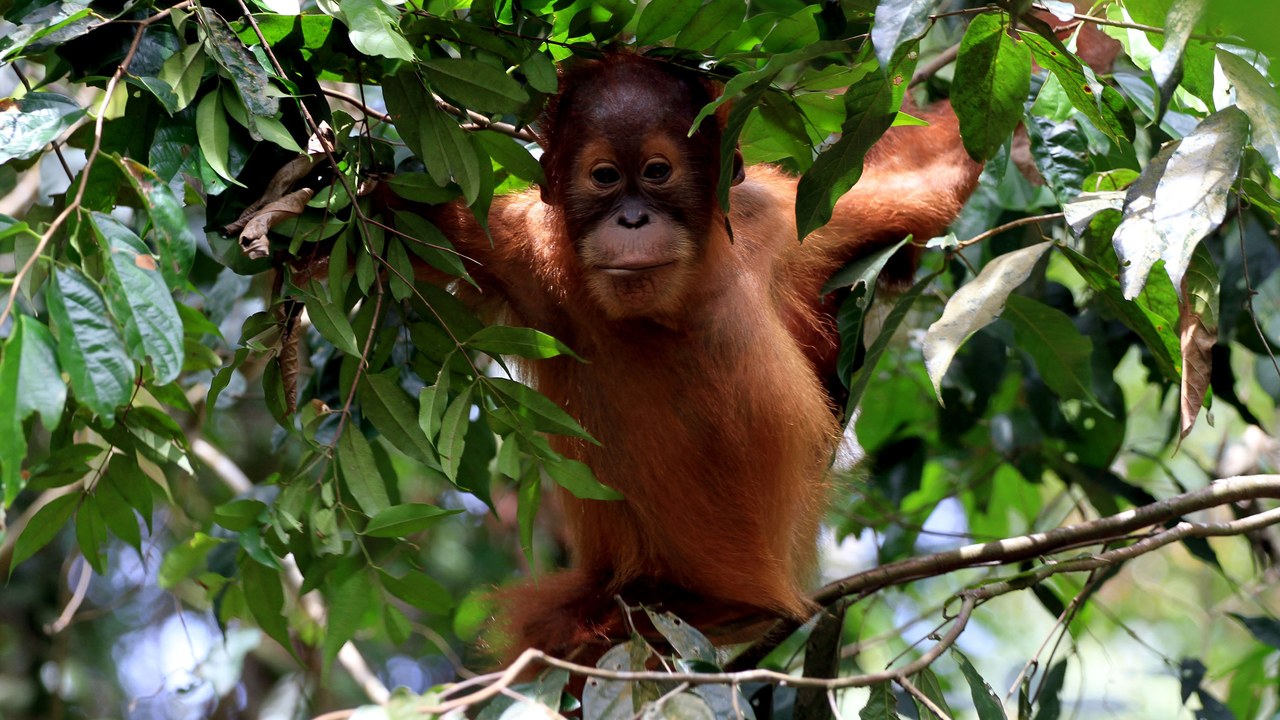
The Sumatran orangutan has fared even worse than its Bornean relative. Its numbers have fallen by over 80 percent in the past 75 years, leaving about 13,800 individuals, according to the zoo’s orangutan page.
That figure is a small fraction of the Bornean total quoted above, which makes the Sumatran species the more precarious of the two. Both belong to the genus Pongo and share the long reddish coat and tree-dwelling habits, yet the arithmetic of survival differs sharply between the two islands, and conservation planning has to treat each population separately.
4. Chimpanzee: Common Ground With Humans
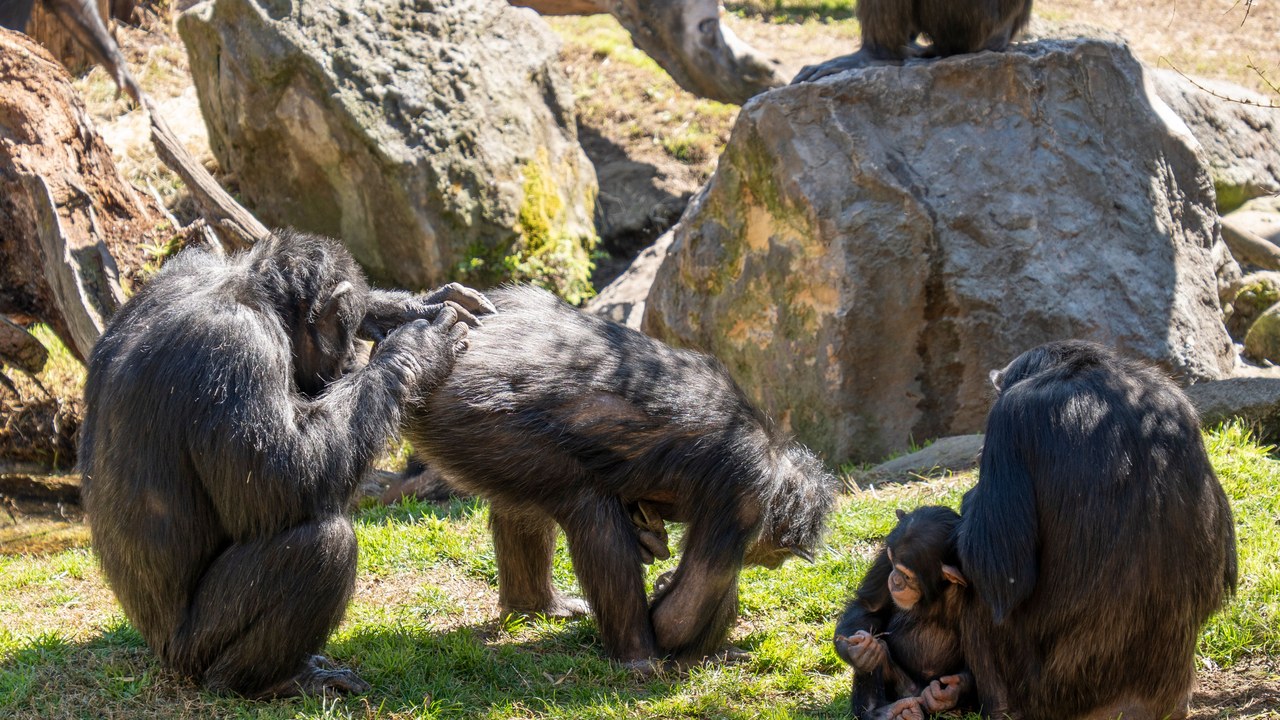
Chimpanzees range across central and western Africa, and individuals measure 63 to 90 centimeters in head-and-body length, as laid out in Wikipedia’s list of primates. The entry is brief, but it pins down the basic geography and size of one of the best-known apes.
Chimpanzees are often grouped with bonobos as the closest living relatives of humans, which explains why researchers watch them so closely. Group living is typical, and the wide span between the smallest and largest measurements reflects normal variation between individuals rather than separate kinds.
5. Mandrill: Color on Display
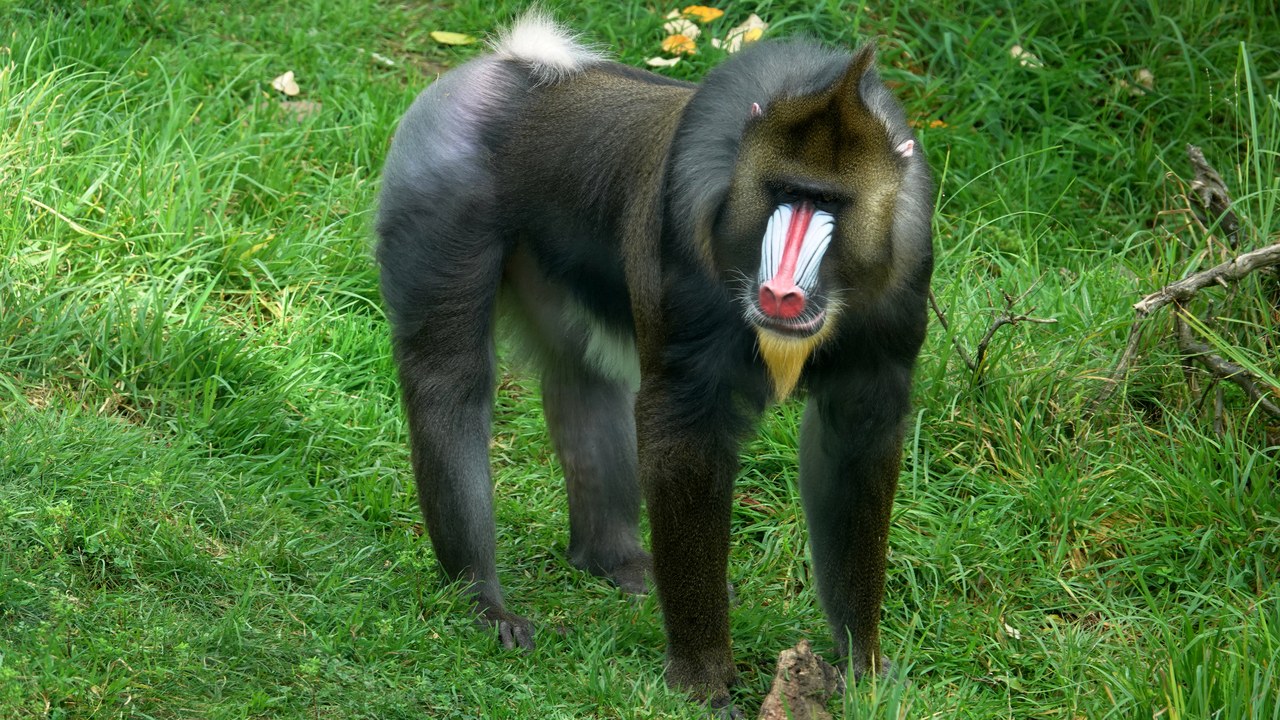
The mandrill is a western African monkey whose body runs 55 to 95 centimeters long, with a notably short tail, per the primate species list. The range of lengths is wide because males and females differ considerably in size.
Though it lives alongside baboons in the monkey family, the mandrill is easy to recognize from its face, which carries vivid blue ridges and a red nose in adult males. Those markings are the reason the species turns up so often in photographs of primates and in zoo collections worldwide.
6. Japanese macaque: Snow Monkey Survivor
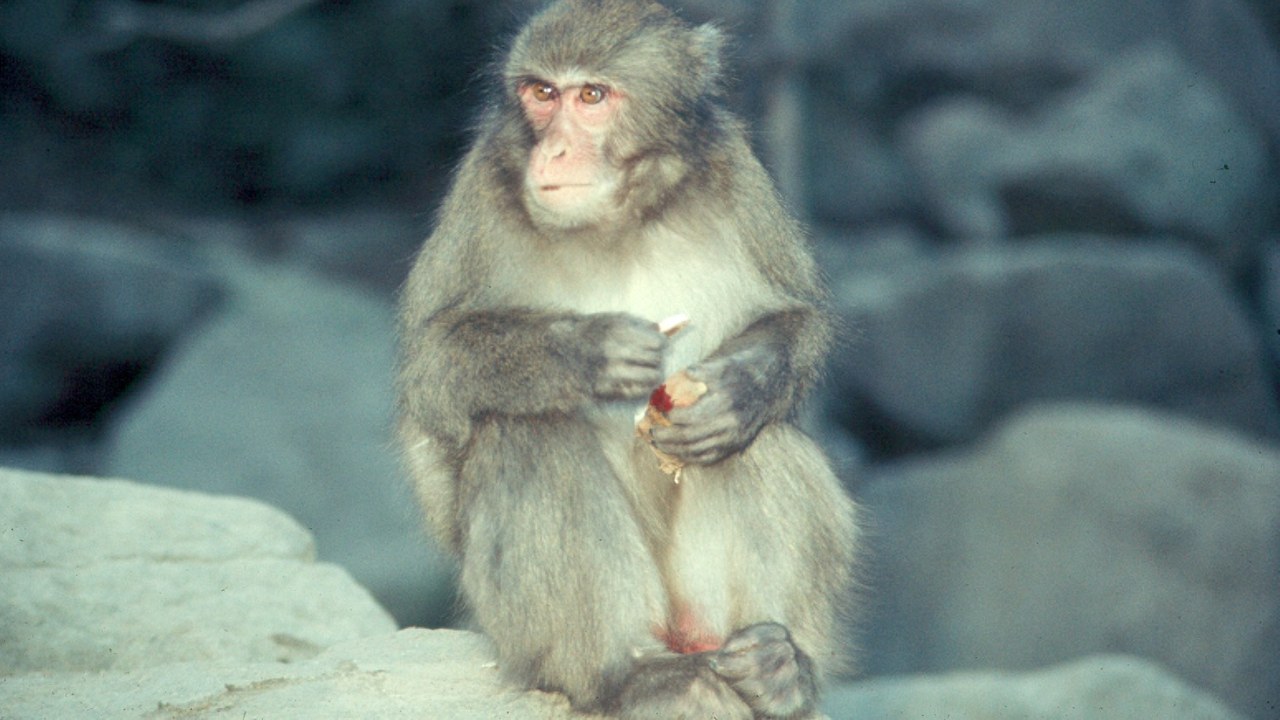
No other non-human primate lives as far north as this one, a distinction stated in the Japanese macaque article. The species is the northernmost-living non-human primate, and it is famed for warming in hot springs each winter.
That bathing habit made the animal popular with visitors and photographers, and it gave rise to the nickname snow monkey. Dense, thick fur helps the macaque cope with cold that would be out of the question for most of its relatives, nearly all of which live in tropical or subtropical regions.
7. Ring-tailed lemur: Madagascar’s Striped Icon
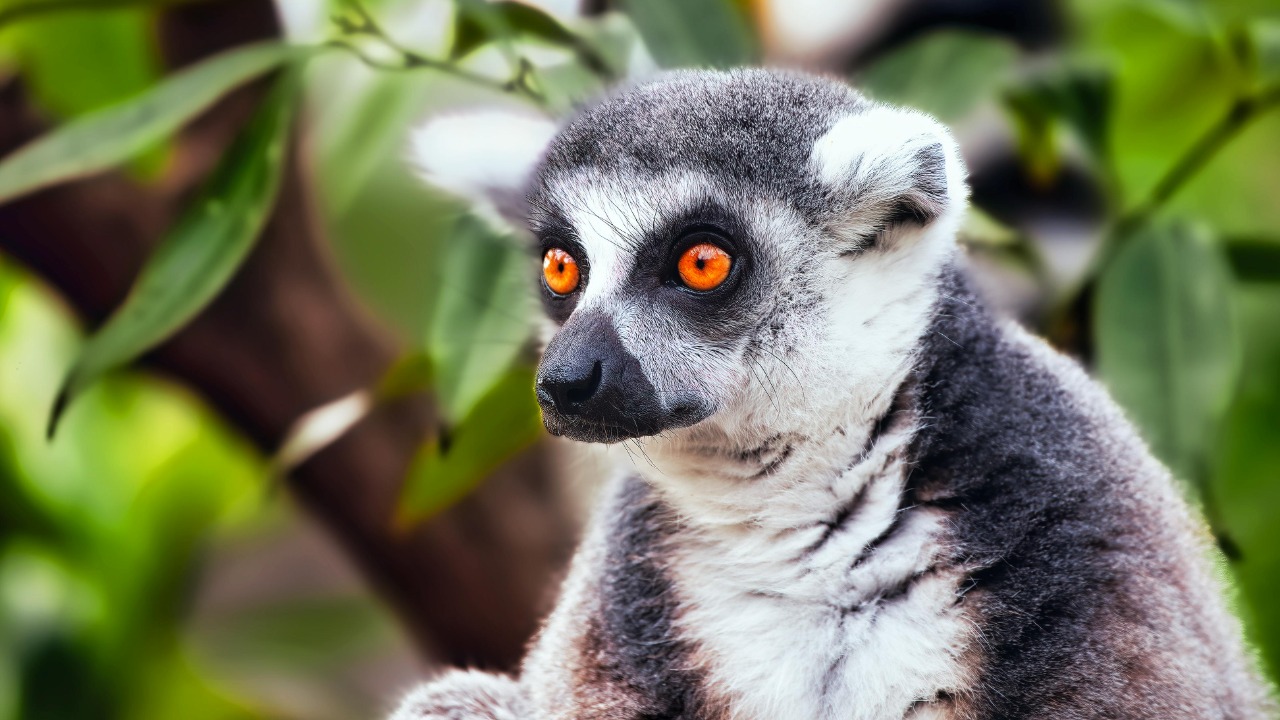
More than 100 known species of lemurs live in Madagascar, and their forest homes are vanishing, according to a Mongabay report on World Lemur Day. The ring-tailed lemur, with its black-and-white banded tail, is the best-known member of that large and varied group.
The source is a general piece about lemurs rather than this one species, so its warning applies to the group as a whole. Lemurs occur naturally only on Madagascar, which means loss of habitat there leaves them with nowhere else to go, a concern that gives the ring-tailed lemur a wider significance.
8. Proboscis monkey: The Famous Nose
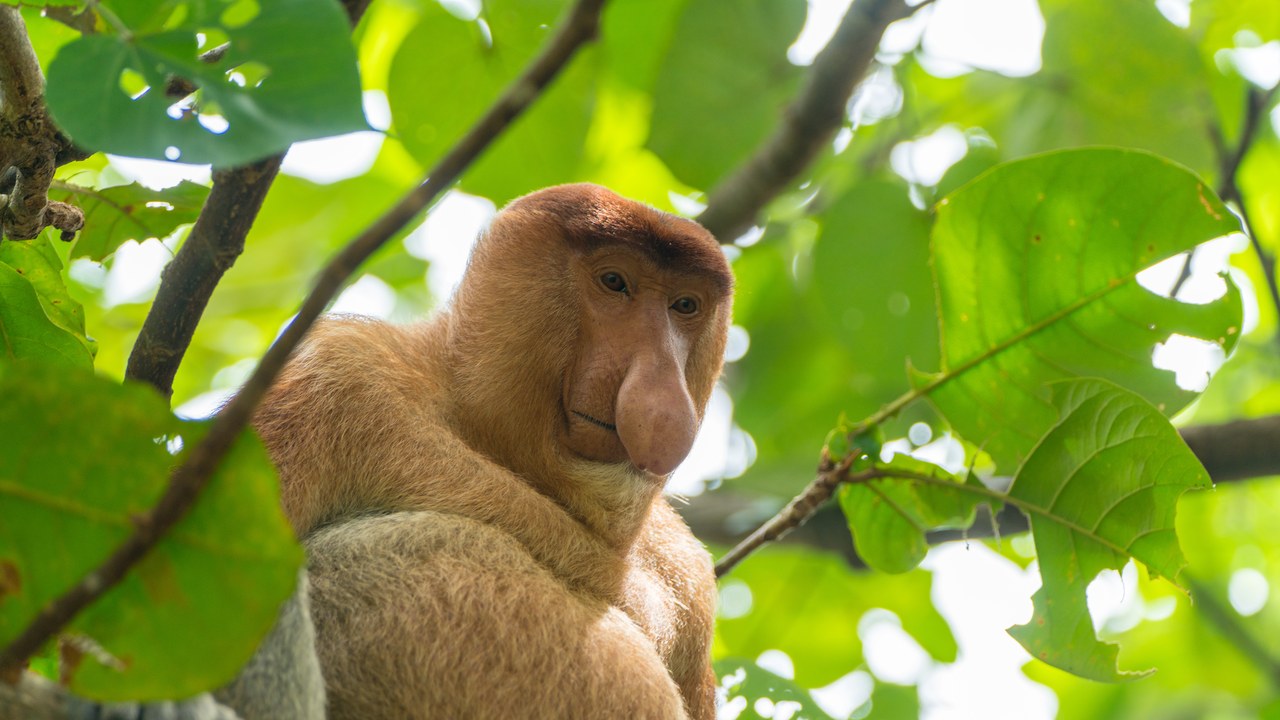
Native to Borneo, the proboscis monkey has a body 61 to 76 centimeters long and a tail of 50 to 75 centimeters, as recorded in the list of primates. The tail is nearly as long as the body, a useful counterweight for an animal that moves through trees.
The species takes its name from the oversized nose of adult males, which dominates the face in nearly every portrait. Sharing an island with the Bornean orangutan, it is another primate whose fortunes depend on the forests of Borneo, though the sources here give no population figure for it.
9. White-faced capuchin: Tool Users of Jicaron
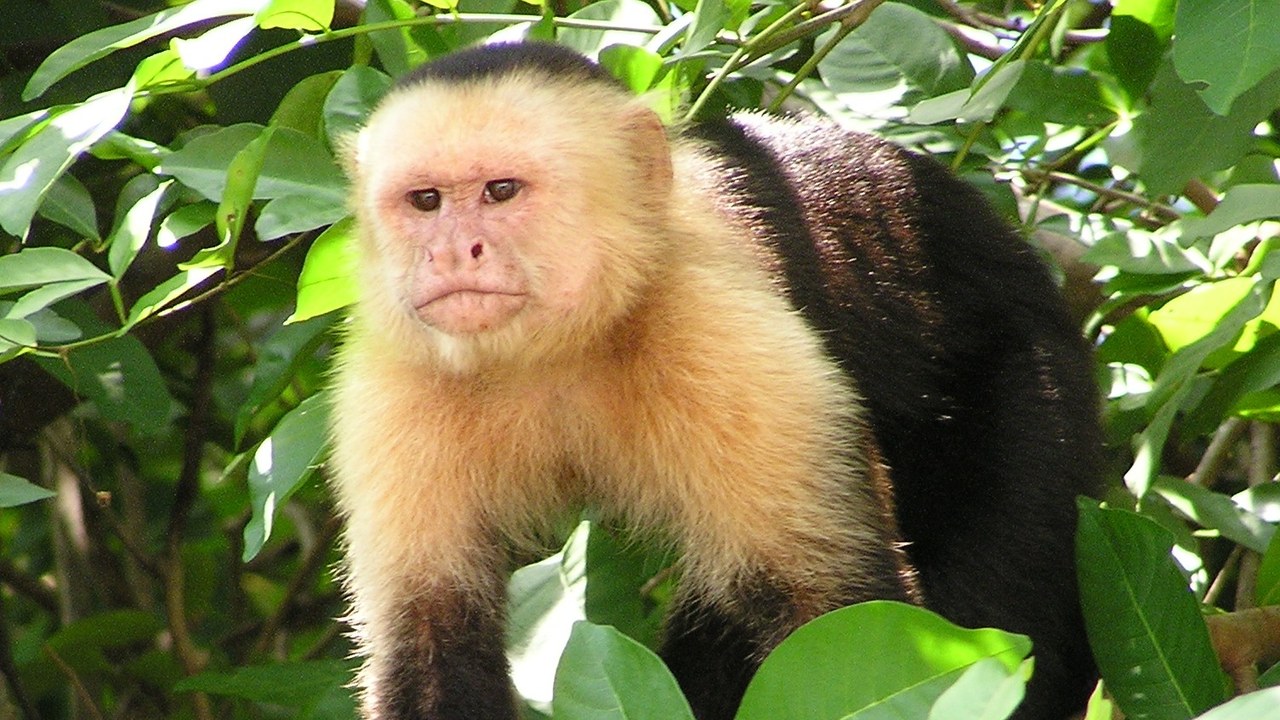
On Panama’s Jicaron Island, white-faced capuchins use hammer-and-anvil stones to crack open items such as hermit crab shells, snail shells and coconuts, as described in a Smithsonian news release. The release reports the first habitual stone tool use documented among these Cebus monkeys.
Using stones as tools has been linked to only a few primate groups, which gives the finding extra weight. The behavior was observed on one island, so it should not be assumed to be universal for the species, though it shows how inventive a small, cream-faced monkey can be in finding food.
Tech news worth reading: Get Techpresso →
We may earn a commission if you sign up.
More from Morning Overview
- Two passengers died at an Ohio toll plaza, and the NTSB now wants the cash lanes shut
- Long use of a common prostate pill is tied to a higher chance of glaucoma
- Ford is recalling 223,472 F-150 pickups because the fuel tank can leak or detach
- Hybrids have 15% fewer problems than gas cars, while EVs and plug-in hybrids have about 80% more, Consumer Reports finds
