
Long before European contact, Native peoples across what is now the United States built cliff dwellings, great houses and towering earthen mounds. These places survive today as parks, monuments and historic sites, each preserving a different chapter of that history. Here are ten ancient sites that show the range, from a 100-foot mound at Cahokia to a Chaco pueblo with over 600 rooms.
Help yourself and the planet: The Cool Down makes it easy to help yourself while helping the planet, with smart, simple changes to save more and waste less in your everyday life.
We may earn a commission if you sign up.
1. Mesa Verde National Park: Cliff Palace Found While Chasing Cattle
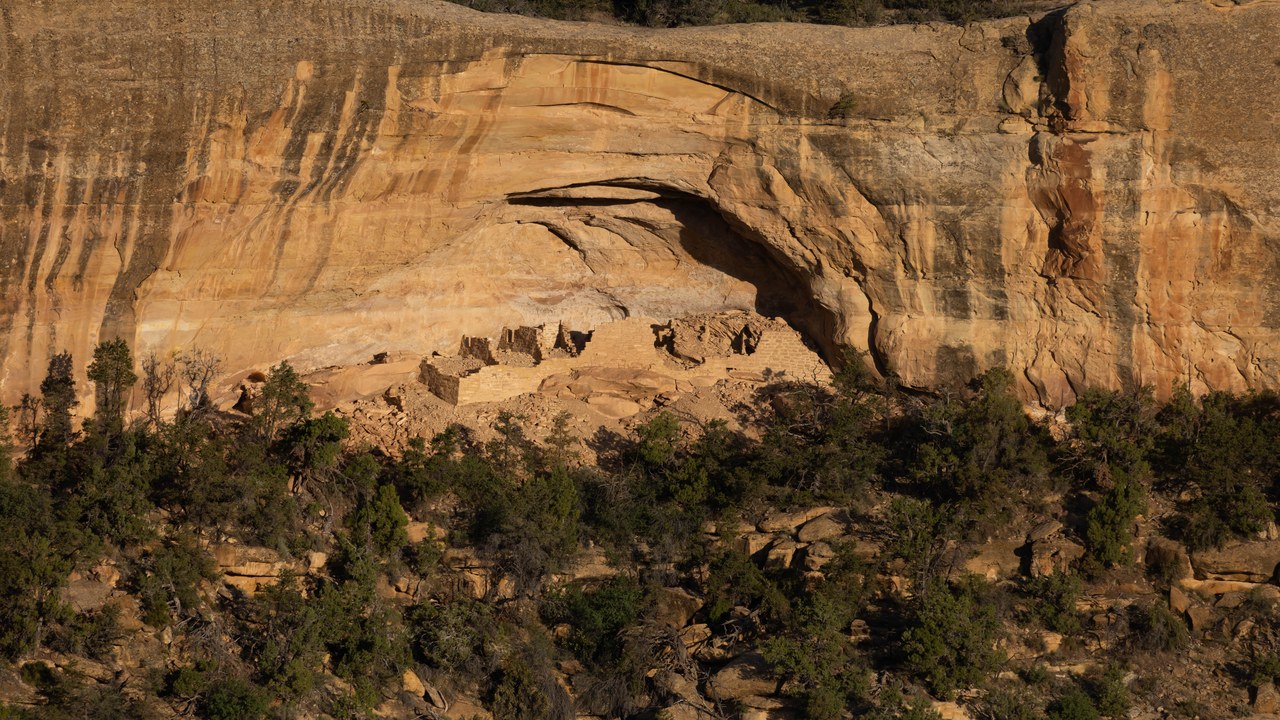
The best-known cliff dwelling in the American Southwest came to the attention of outsiders almost by accident. Ranchers Wetherill and Mason came upon Cliff Palace on Dec. 18, 1888, while chasing lost cattle, as described in the park service history stories. Their discovery set the stage for decades of study and visitation.
Federal protection followed, and the park was created on June 29, 1906. The sandstone alcove dwellings, tucked beneath overhanging cliffs in southwestern Colorado, remain among the most recognizable images of ancient architecture anywhere in the United States, and the park now interprets them for visitors.
2. Cahokia Mounds: A City Built of Earth
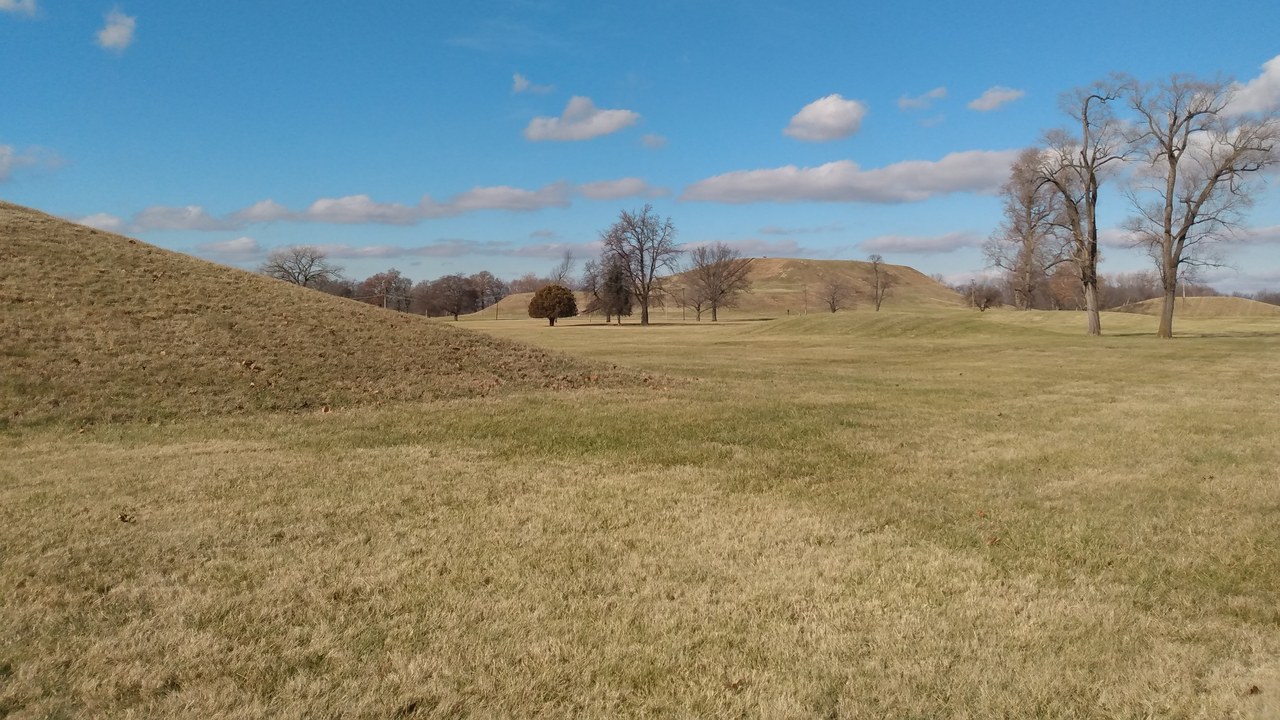
Cahokia gives the headline its tallest landmark. According to the Cahokia article, Monks Mound stands 100 feet high, 951 feet long and 836 feet wide, and it covers 13.8 acres. The city around it peaked near 1100, with an estimated 15,000 to 20,000 people living in the settlement.
Those figures show how much earth ancient builders moved by hand. The site sits in the Mississippi River floodplain near present-day St. Louis, and its grassy platforms still dominate the surrounding flat landscape.
3. Chaco Canyon (Pueblo Bonito): Six Hundred Rooms in the Desert
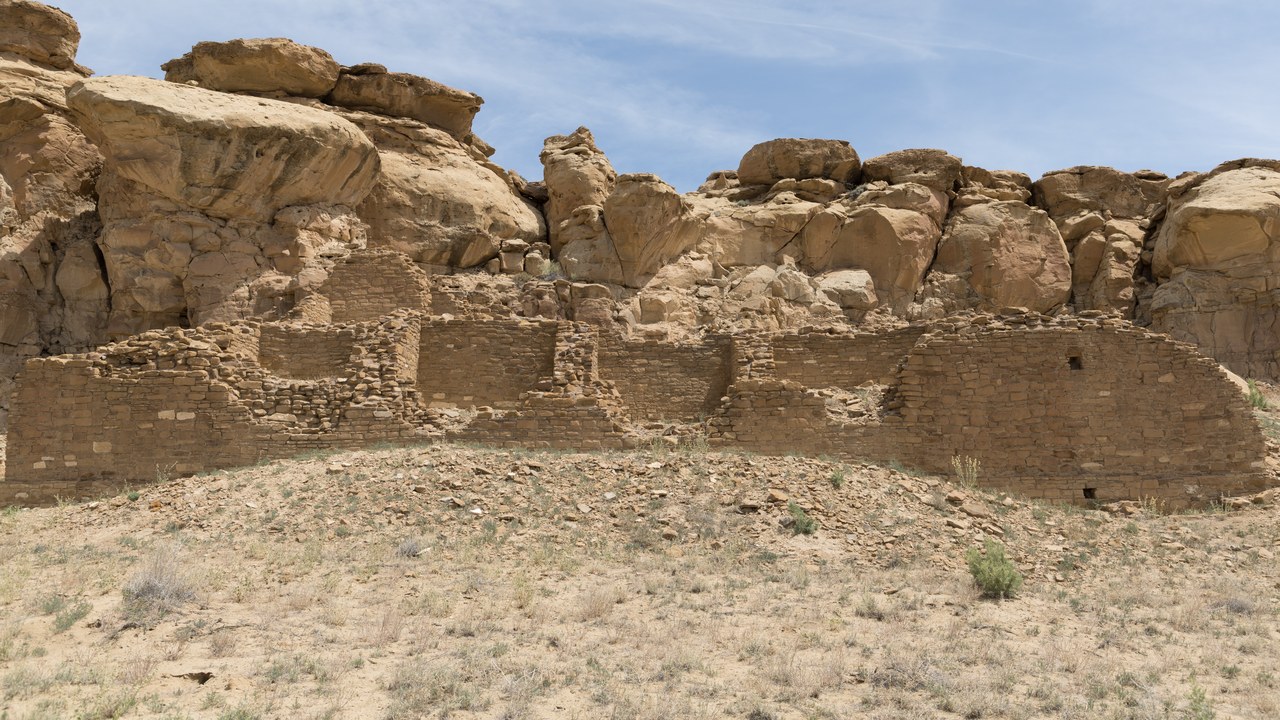
The other half of the headline belongs to Pueblo Bonito, the great house at the center of Chaco Canyon. The National Park Service Chaco article describes a building that covered 3 acres and contained over 600 rooms, 40 kivas and two plazas.
Chaco was also the hub of a wider network, since roads ran over 400 miles across the region. Pueblo Bonito sits in a high desert canyon in northwestern New Mexico, where its curved stone walls still stand and show the scale of planning that went into the building.
4. Canyon de Chelly: Five Thousand Years in One Canyon
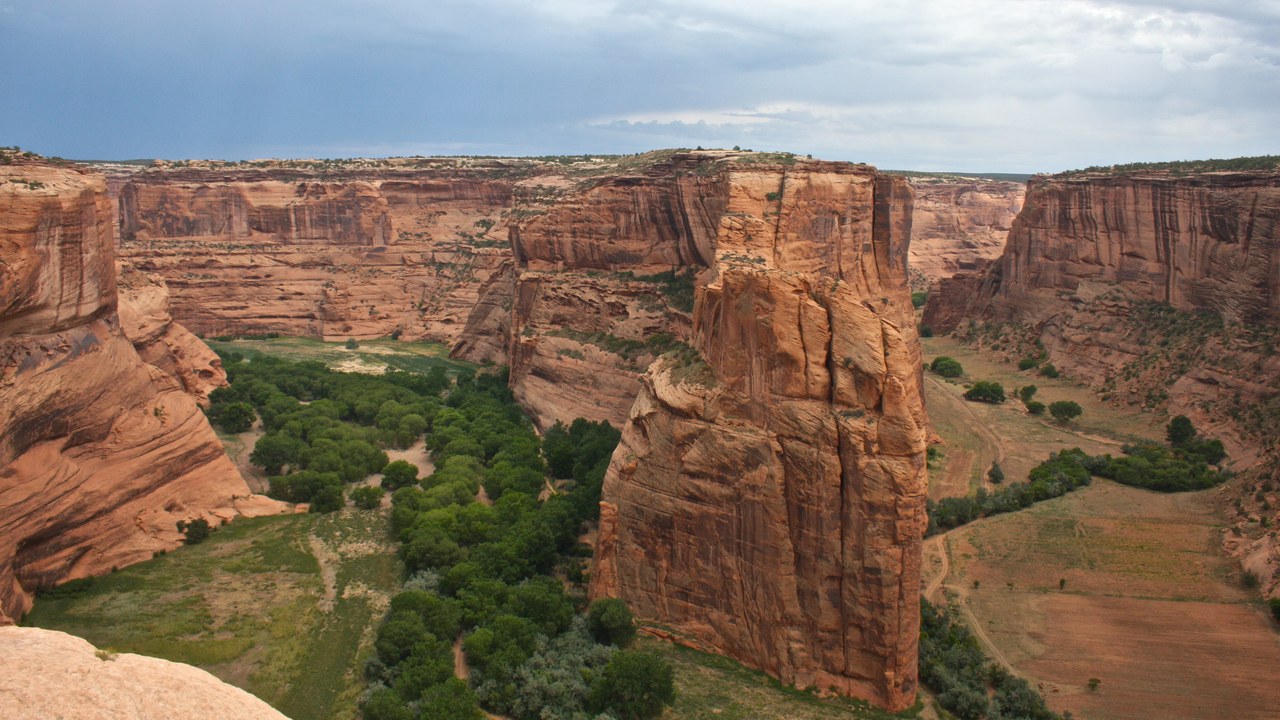
Few places in North America have been lived in for so long. People have used Canyon de Chelly for nearly 5,000 years, and the park service canyon overview calls it one of the longest continuously inhabited landscapes of North America.
The story is not confined to the past. Navajo families still live in the canyon, farming and herding below sheer red sandstone walls in northeastern Arizona. Ancient dwellings and present-day homes share the same valley, which makes the monument a living community as much as an archaeological site.
5. Montezuma Castle: A Five-Story Cliff Home
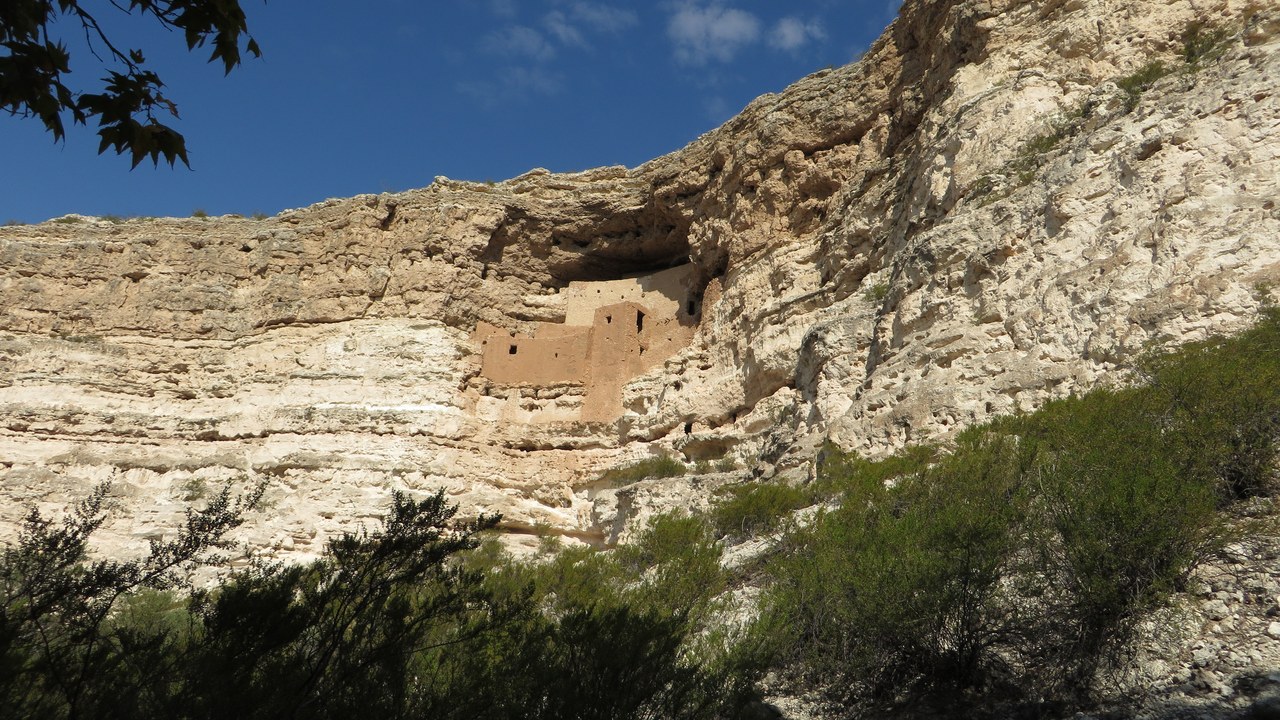
Despite the name, Montezuma Castle has no connection to the Aztec ruler, and it is better understood as a remarkable piece of ancient building. The park service Montezuma Castle page describes a five-story, 20-room cliff dwelling first built in the early 1100s.
The stone and mortar structure is set into a limestone cliff face above Beaver Creek in central Arizona. Its position, high in an alcove of the rock face, sets it apart from ordinary ground-level ruins and makes it a memorable stop for visitors.
6. Gila Cliff Dwellings: Homes in Five Caves
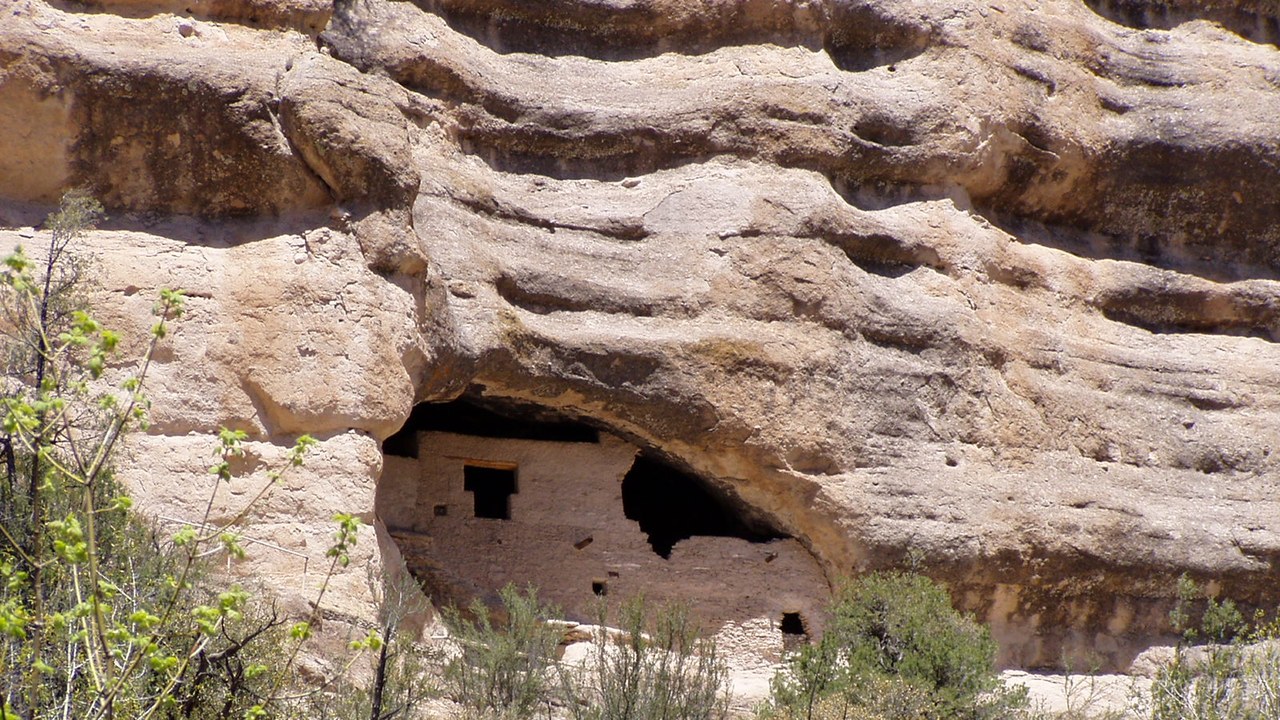
Tucked into the canyon walls of southwestern New Mexico, these rooms were built in five caves in the late 1270s. The National Park Service Gila page notes that the monument is the only unit in the National Park System that contains Mogollon sites.
That distinction gives the site a particular role in telling the story of a culture often overshadowed by its Ancestral Puebloan neighbors. Visitors walk a trail up to the caves, where small stone rooms still sit beneath the natural rock ceilings, much as their builders left them.
7. Hovenweep: Towers on the Canyon Rim
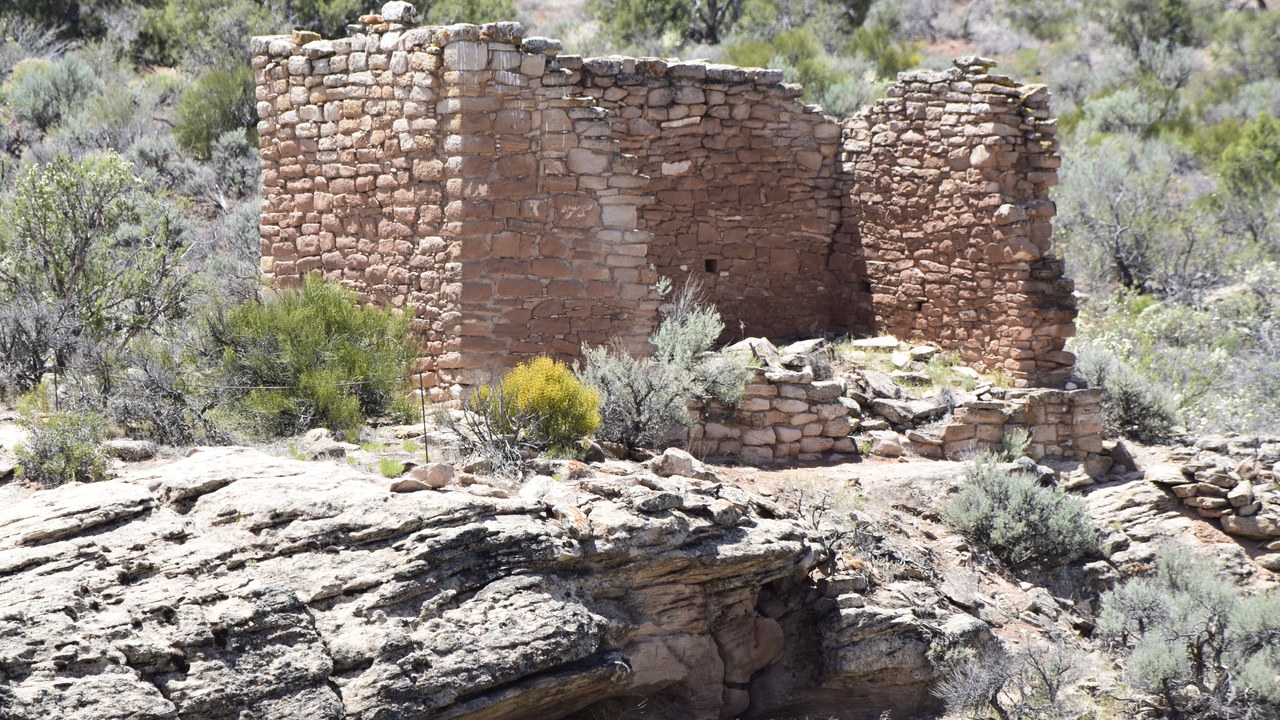
Hovenweep is known for its squared and rounded stone towers perched on canyon edges and boulders. According to the park service Hovenweep article, the communities that built them were at one time home to nearly 2,500 people, who left over 700 years ago.
The monument straddles the Utah and Colorado border, and its masonry shows careful craftsmanship in a dry and demanding landscape. Archaeologists and visitors continue to debate what each tower was used for, whether storage, lookout or ceremony, and the structures remain striking against the desert sky.
8. Bandelier: Homes Carved into Soft Rock
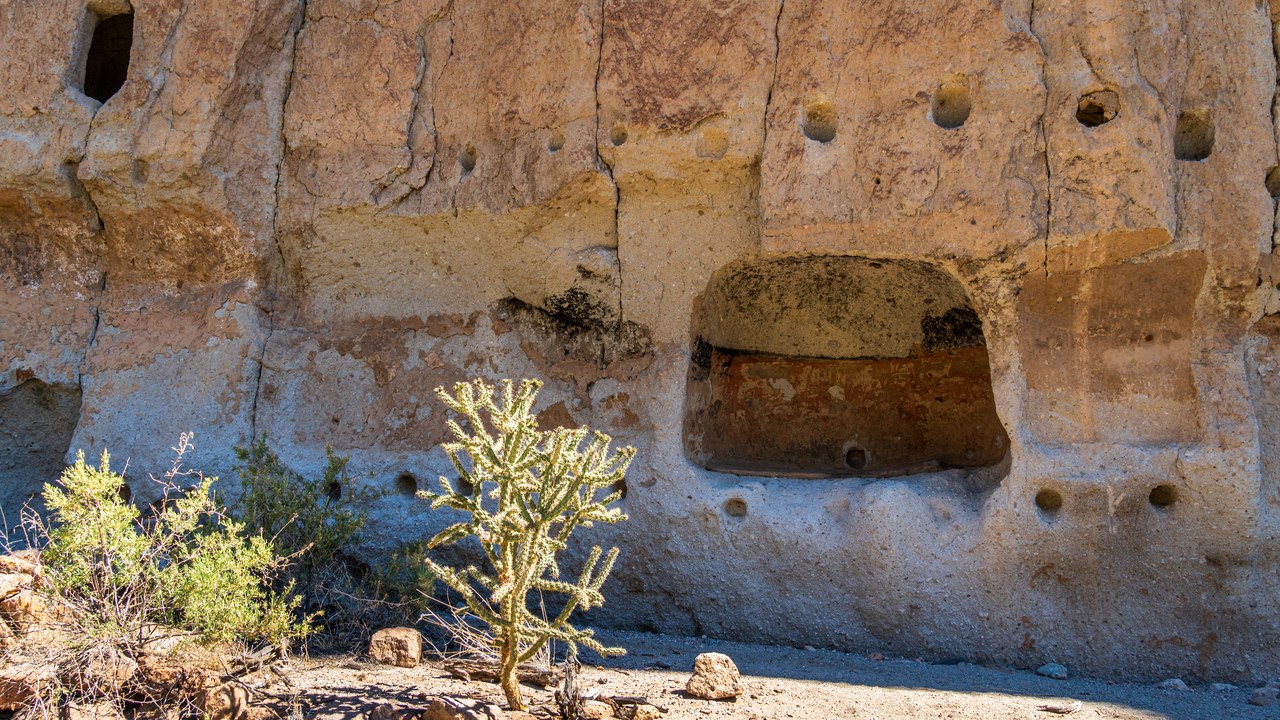
Bandelier combines built villages with rooms carved straight into volcanic rock. The monument frequently asked questions states that the Tyuonyi village had 245 ground level rooms, a figure that conveys how large the settlement was.
The cliff cavates face a conservation challenge. They were listed among New Mexico’s most endangered places in 2001, a reminder that soft stone and heavy visiting can wear away what ancient residents shaped by hand. The monument lies in the canyons of northern New Mexico.
9. Ocmulgee Mounds: Humans Here Since 9000 BC
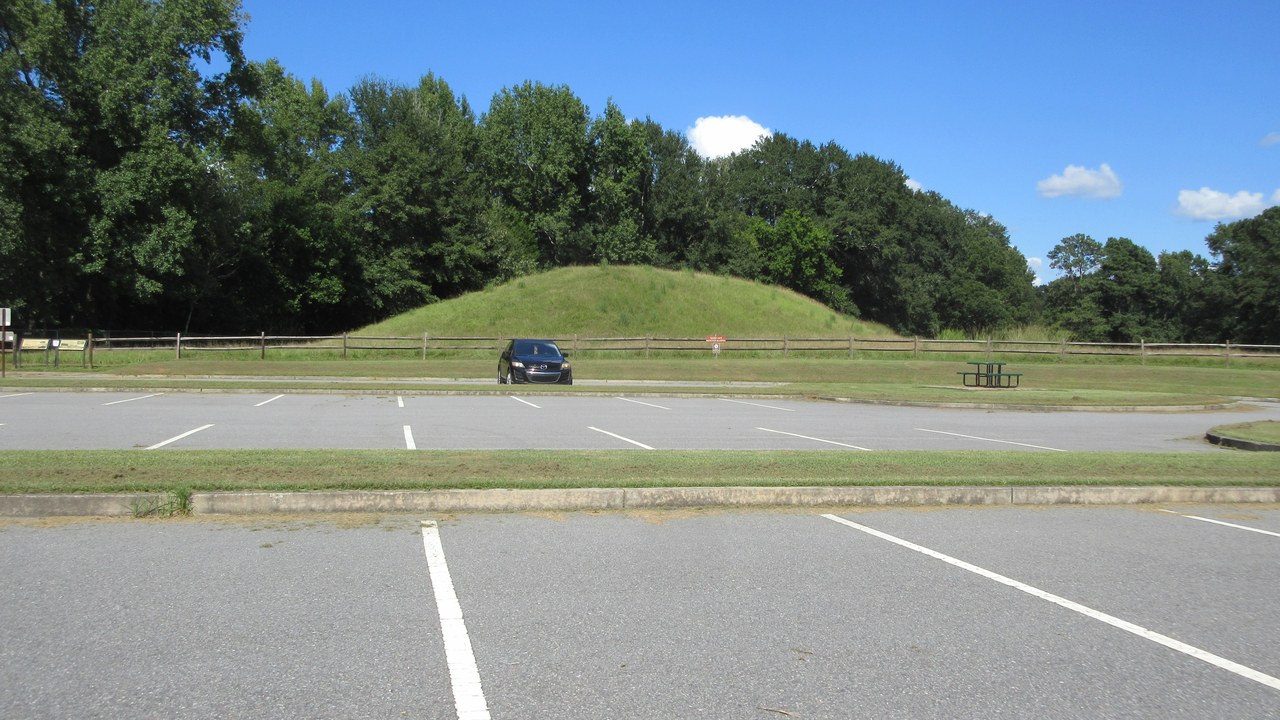
Ocmulgee holds one of the longest records of occupation of any site on the list. The park service Ocmulgee article says humans lived here from before 9000 BC until around 1715, and that the earth lodge still has portions of its original floor from 1015.
The grassy earthworks rise near the Ocmulgee River in Macon, Georgia, and show that the ancient Southeast was home to major mound builders as well as the better known cliff builders of the desert West. The lodge floor offers a rare surviving interior from roughly a thousand years ago.
10. Poverty Point: Mounds Raised in Months
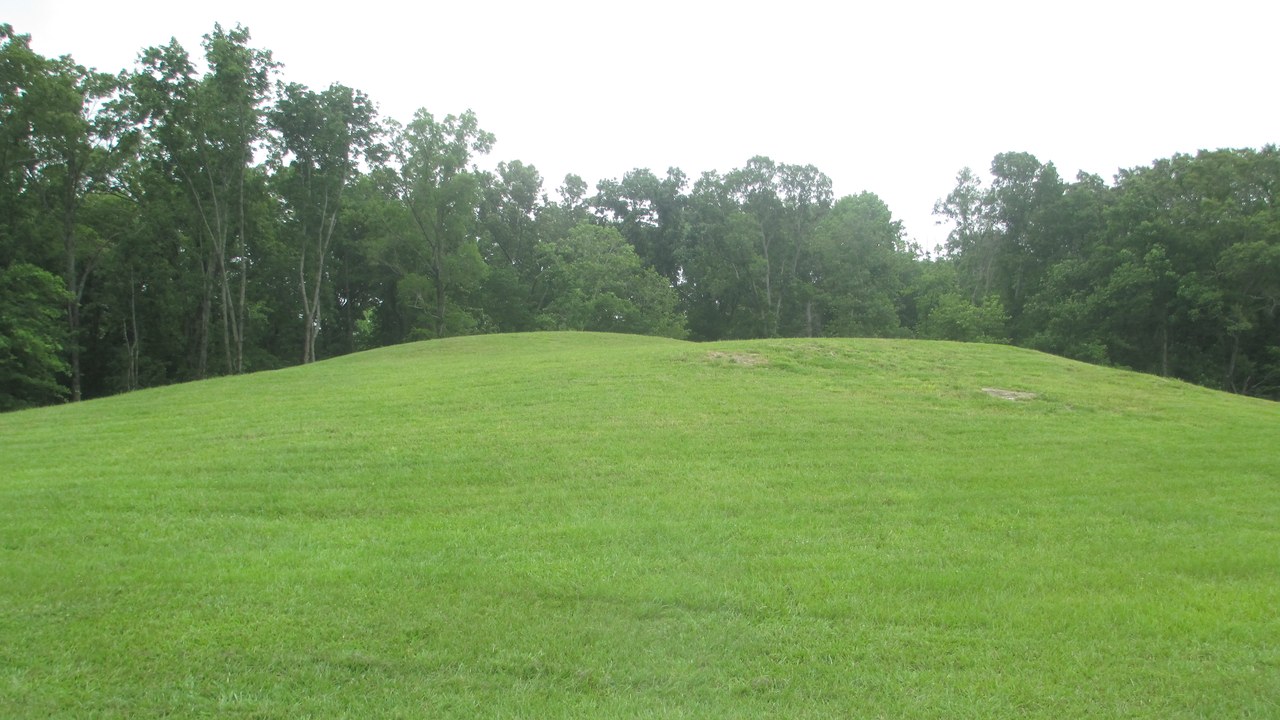
Poverty Point in northeastern Louisiana carries a surprising construction claim. According to the Poverty Point article, Mound A rises 72 feet at its highest point and was probably built in less than three months.
If that estimate holds, it points to a large and well organized workforce moving enormous quantities of earth in a short span. The site lies in the lower Mississippi Valley, and its grassy mound, now covered in turf and ringed by trees, is a fitting finale to a tour of ancient America.
Help yourself and the planet: Get The Cool Down →
We may earn a commission if you sign up.
More from Morning Overview
- Ford is recalling 223,472 F-150 pickups because the fuel tank can leak or detach
- Hybrids have 15% fewer problems than gas cars, while EVs and plug-in hybrids have about 80% more, Consumer Reports finds
- Regulators cleared the first U.S. small modular reactor, 4 months early
- Lake Powell sank to a record 3,517 feet, nearing the level that stops Glen Canyon Dam’s turbines
