
Rovers have turned distant worlds into places that can be driven across, from a tiny Martian pioneer to machines that now rack up record distances. Some outlasted their plans many times over, while others made their mark in a single bold drive. Here are twelve vehicles that rolled across the Moon and Mars.
The day in tech, in one email: TLDR is the daily newsletter with links and TLDRs of the most interesting stories in startups, tech and programming.
We may earn a commission if you sign up.
1. Perseverance (Mars, 2021): Record Setter
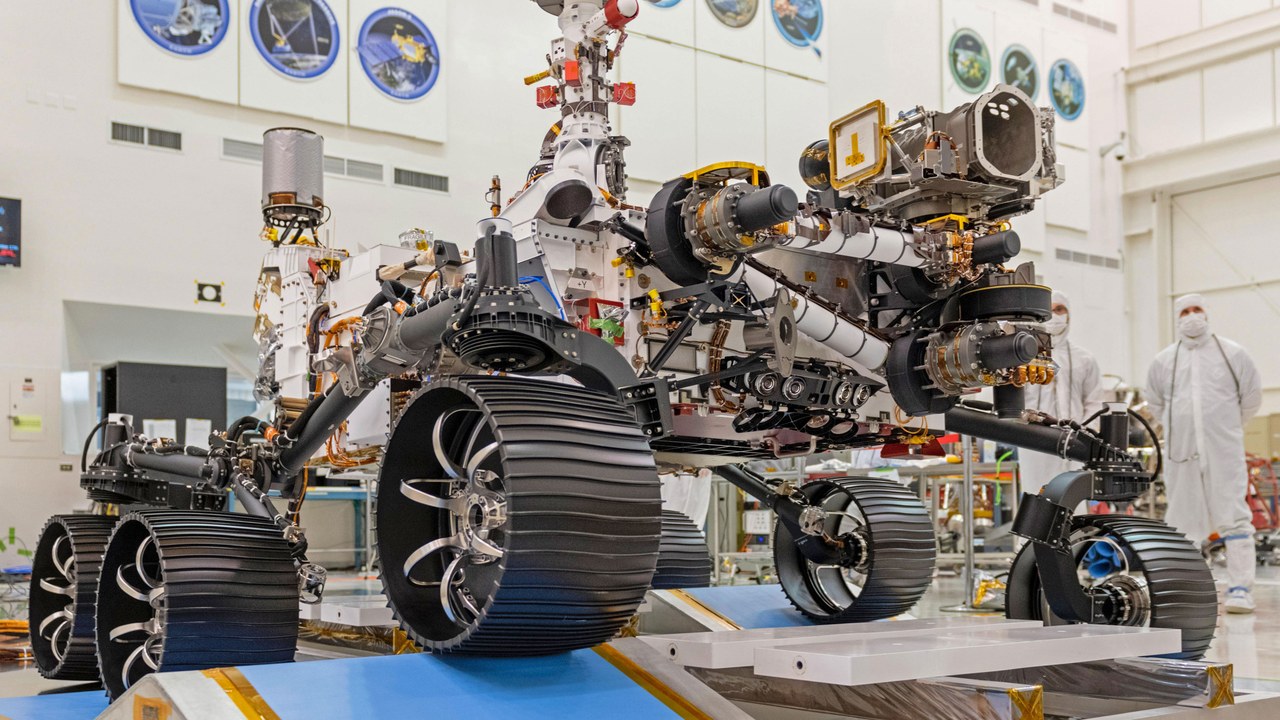
Perseverance passed Opportunity’s off-world driving record on Oct. 11, 2026, reaching 28.10 miles, according to NASA’s record announcement. The agency framed it as driving farther than any vehicle ever has on the surface of another world. The rover landed in 2021, so the mark came roughly five years into the mission.
The milestone is the reason this list exists: one rover now sits at the top of the distance table, ahead of the machine that held it for years. Distance alone says little about science return, but it reflects how reliably the vehicle keeps rolling across Martian terrain.
2. Opportunity (Mars, 2004-2018): Built for Ninety Days
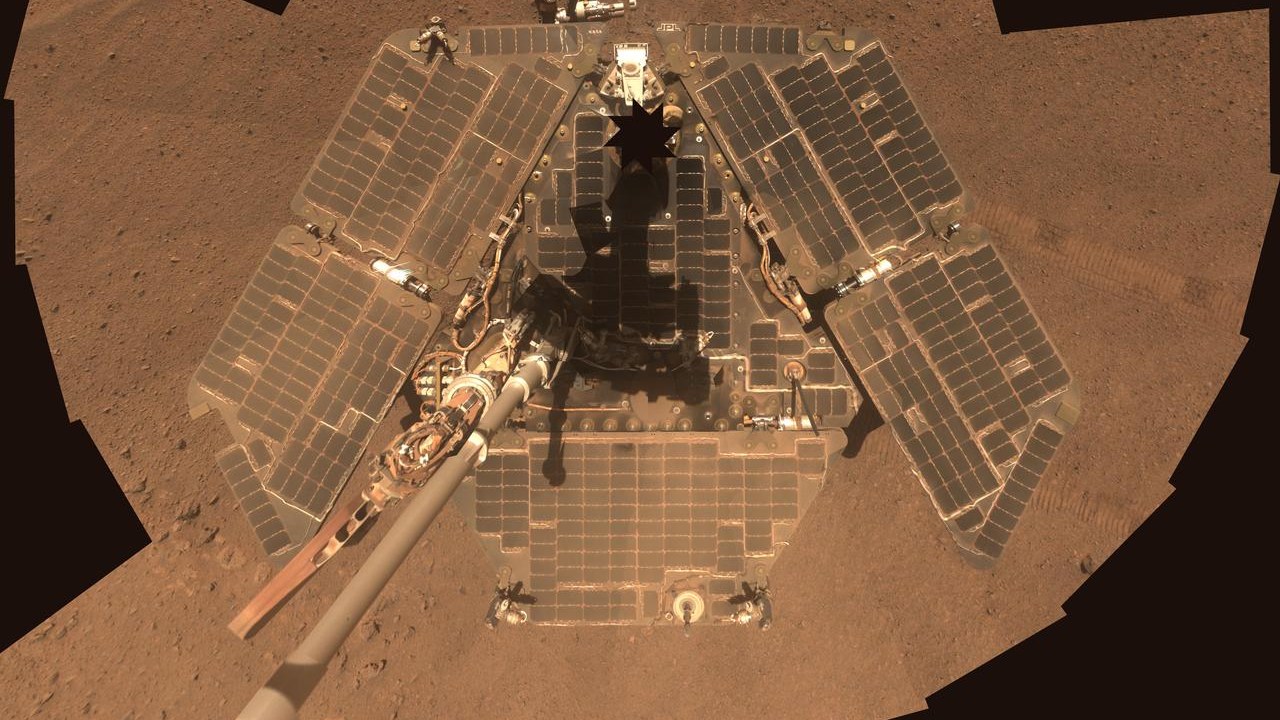
Opportunity was built for 90 sols yet lasted nearly 15 years and drove 28.06 miles, the figure Perseverance has now edged past, as the NASA mission page records. NASA says it exceeded its life expectancy by 60 times. It operated on Mars from 2004 to 2018.
Its mark stood as the off-world driving record until October 2026. The rover remains the benchmark for durability on another planet, and the new record holder inherits a number that took close to a decade and a half of steady work to set.
3. Spirit (Mars, 2004-2010): Twin That Kept Going
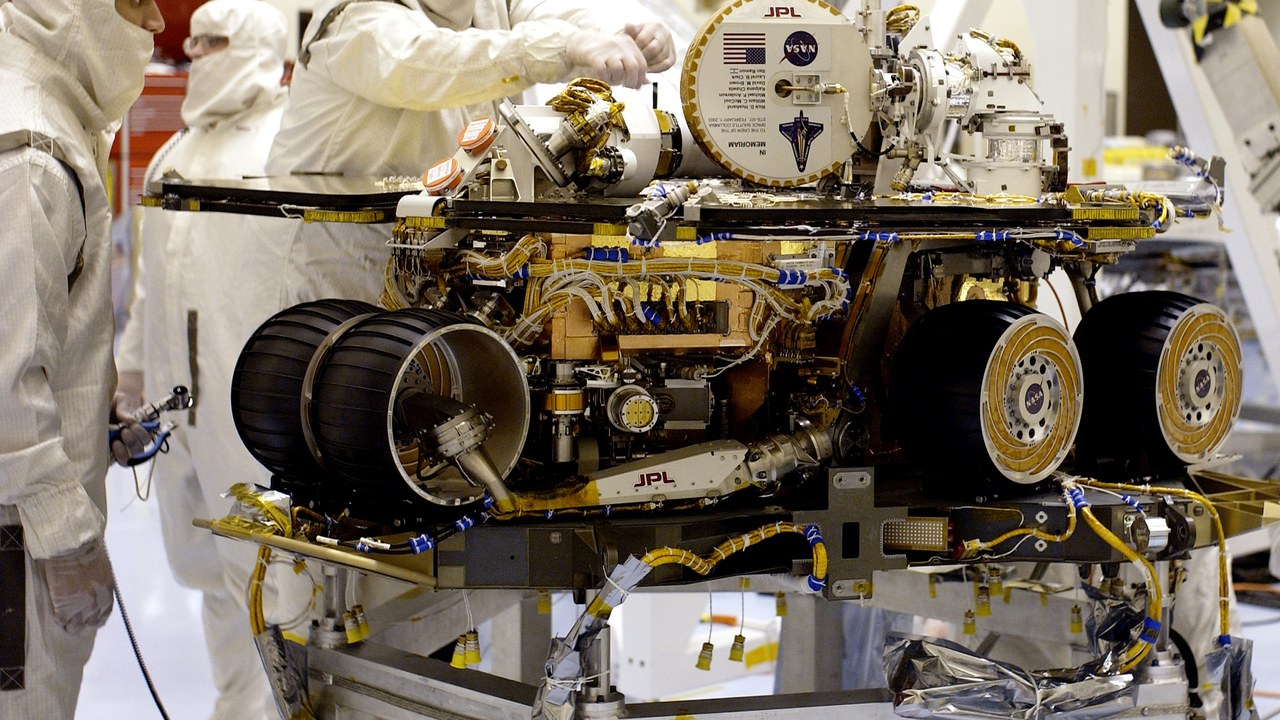
Spirit was planned for 90 Martian days but kept working until March 2010, covering about 4.8 miles across the Martian plains, per the Spirit mission summary. It landed in 2004, the same year as Opportunity, as part of the twin Mars Exploration Rover pair.
Its distance is a fraction of its sibling’s, yet the lifespan still stretched far beyond the original plan. Spirit shows that a modest odometer reading can hide an extraordinary run, since a rover’s worth is judged by endurance and discoveries as much as by miles.
4. Curiosity (Mars, 2012-present): Still Climbing
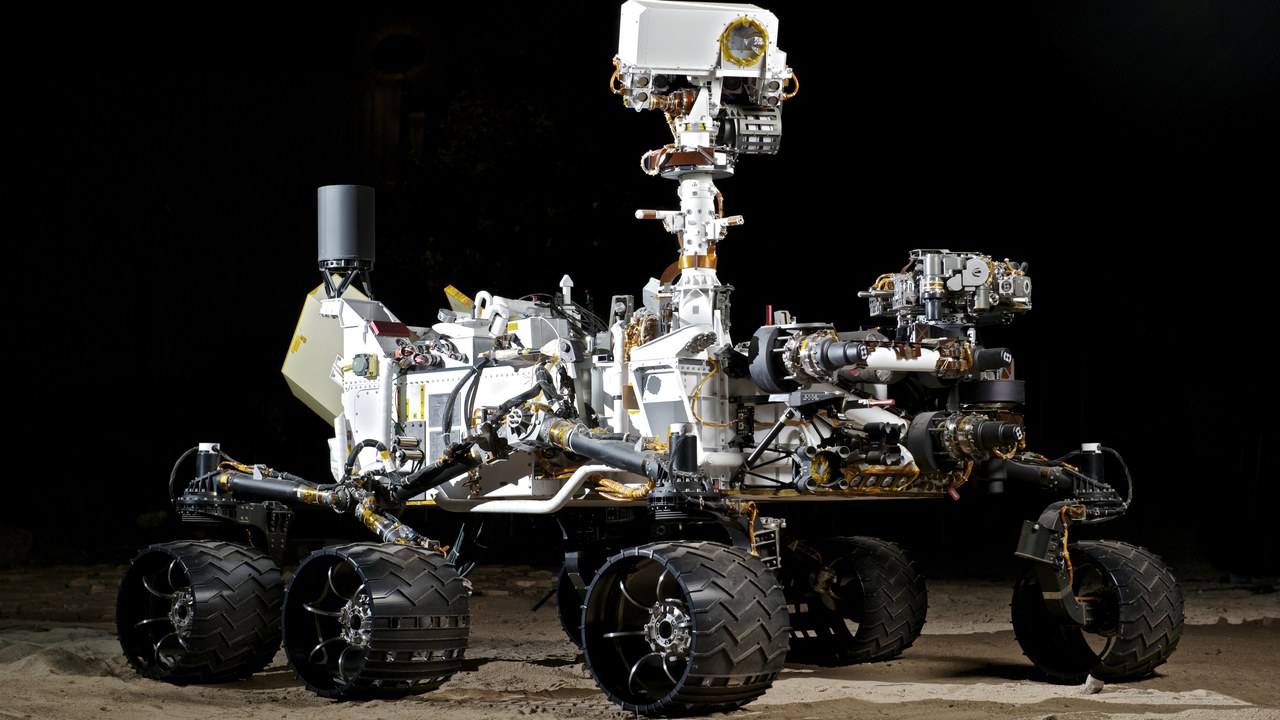
Curiosity is still climbing Mount Sharp 14 years after landing, and it passed 1 kilometer of elevation gain in August 2026, according to the Curiosity mission page. NASA describes that gain as the rover’s journey from Gale Crater up the slope of Mount Sharp.
Unlike the long-distance record chasers, this car-sized rover is measured vertically. Each layer of the mountain it ascends records a different chapter of Martian environmental history, which makes a slow uphill grind more valuable than a fast dash across flat ground.
5. Sojourner (Mars, 1997): Pioneer on Wheels
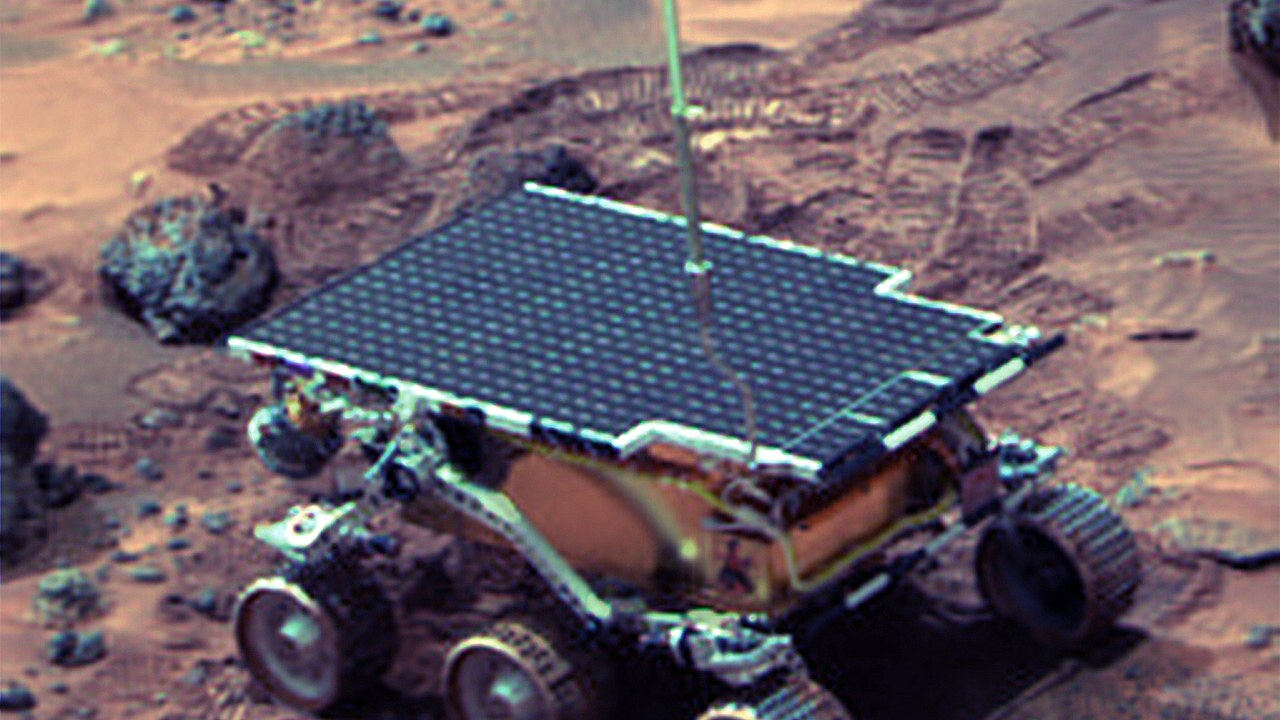
Sojourner was the first rover on Mars, arriving in 1997 with the Pathfinder mission, and stood just 1 foot tall and weighed 23 pounds, as the Mars Pathfinder overview notes. That makes it the starting point of every wheel track that followed on the planet.
Its size is startling beside later machines. Curiosity and Perseverance are far larger, yet this small solar-powered vehicle proved that driving on another planet was practical, and the design lessons it supplied shaped everything sent afterward.
6. Lunokhod 1 (Moon, 1970): First Remote Driver
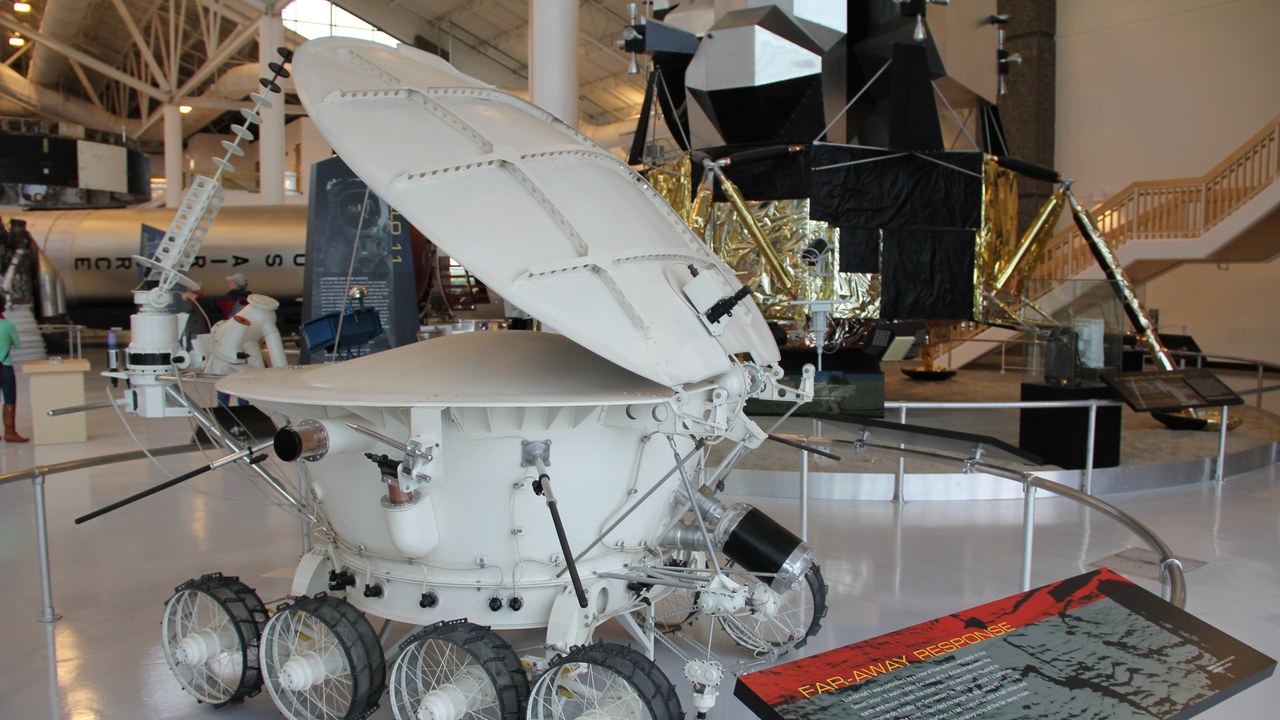
Lunokhod 1 was the first remote-controlled rover on the Moon. Designed to operate for 90 days while guided in real time by a five-person team near Moscow, it instead toured the Sea of Rains for 11 months, according to an APOD image feature. It touched down in 1970.
The Soviet vehicle showed that operators on Earth could steer a machine across lunar ground from a quarter of a million miles away. That remote-driving approach became the template for planetary rovers decades later, and the long overrun here echoes the 90-day pattern seen on Mars.
7. Lunokhod 2 (Moon, 1973): Longest Lunar Drive
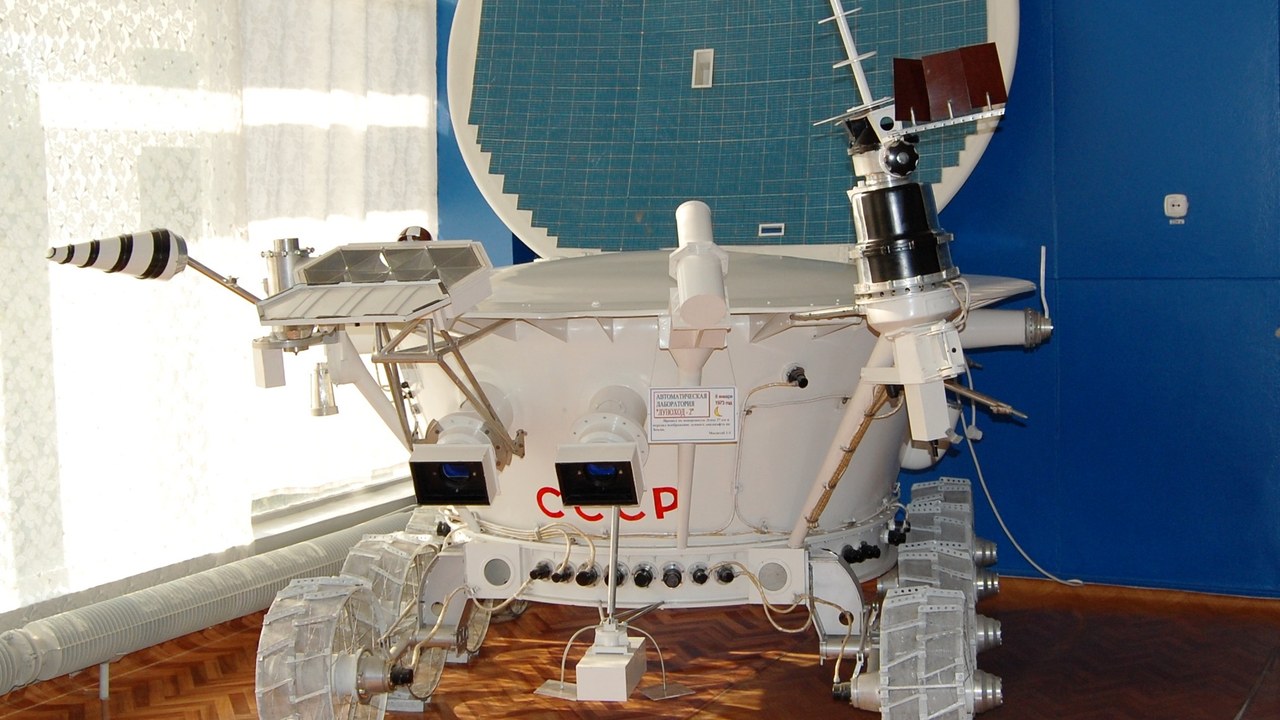
Lunokhod 2, the Soviet rover that landed in 1973, is credited by NASA with 24.2 miles of driving, farther than any Apollo moon buggy, as the agency noted in its driving record post. The figure comes from NASA’s own comparison of off-world distances.
The number matters because it sets a lunar benchmark that crewed missions never beat, despite having astronauts aboard. An uncrewed machine steered from Earth out-travelled the human-driven vehicles, an unusual result in a program best known for its astronauts.
8. Lunar Roving Vehicle, Apollo 15 (1971): First Moon Buggy
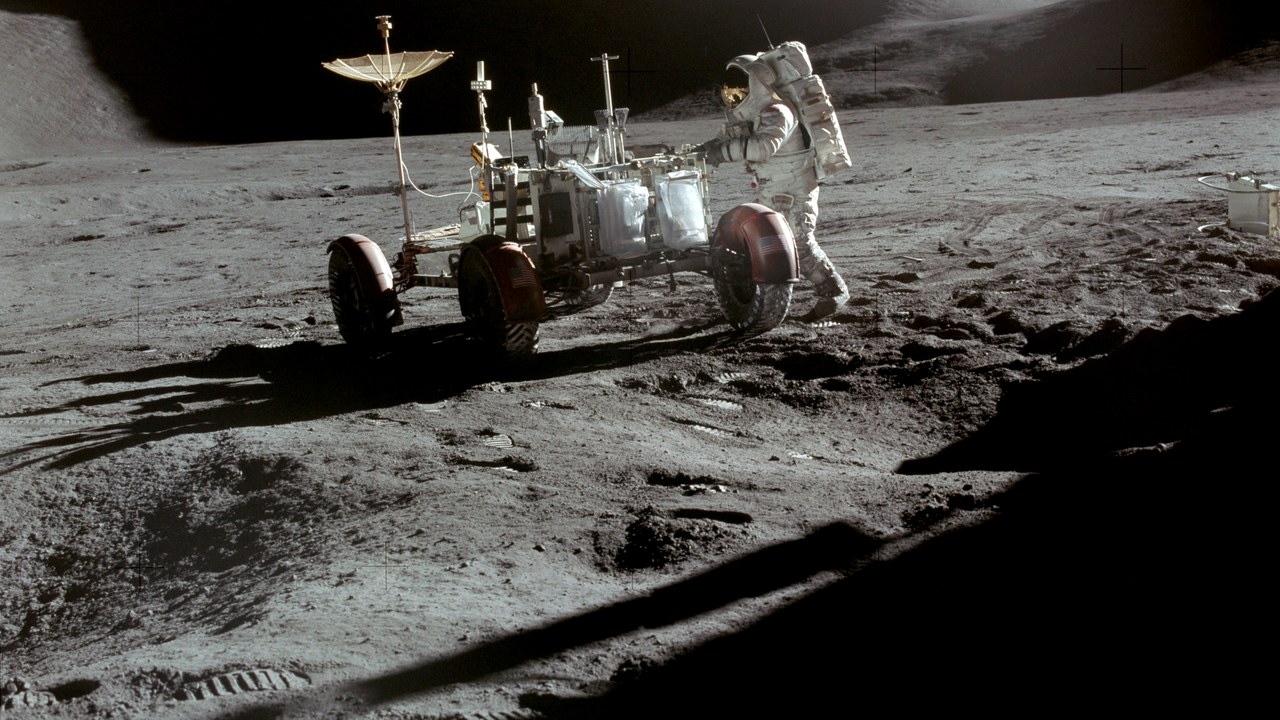
The first moon buggy rode on Apollo 15 in 1971, when Scott and Irwin drove it 27.8 km in about 3 hours, according to the NSSDC rover table. The Lunar Roving Vehicle was a battery-powered, open vehicle carried folded aboard the lunar module.
Apollo 15 opened the era of astronauts driving across the Moon rather than walking short distances from the lander. That extended range changed what a surface mission could reach, and the later two missions built directly on the capability this first drive proved.
9. Lunar Roving Vehicle, Apollo 16 (1972): Descartes Highlands Drive
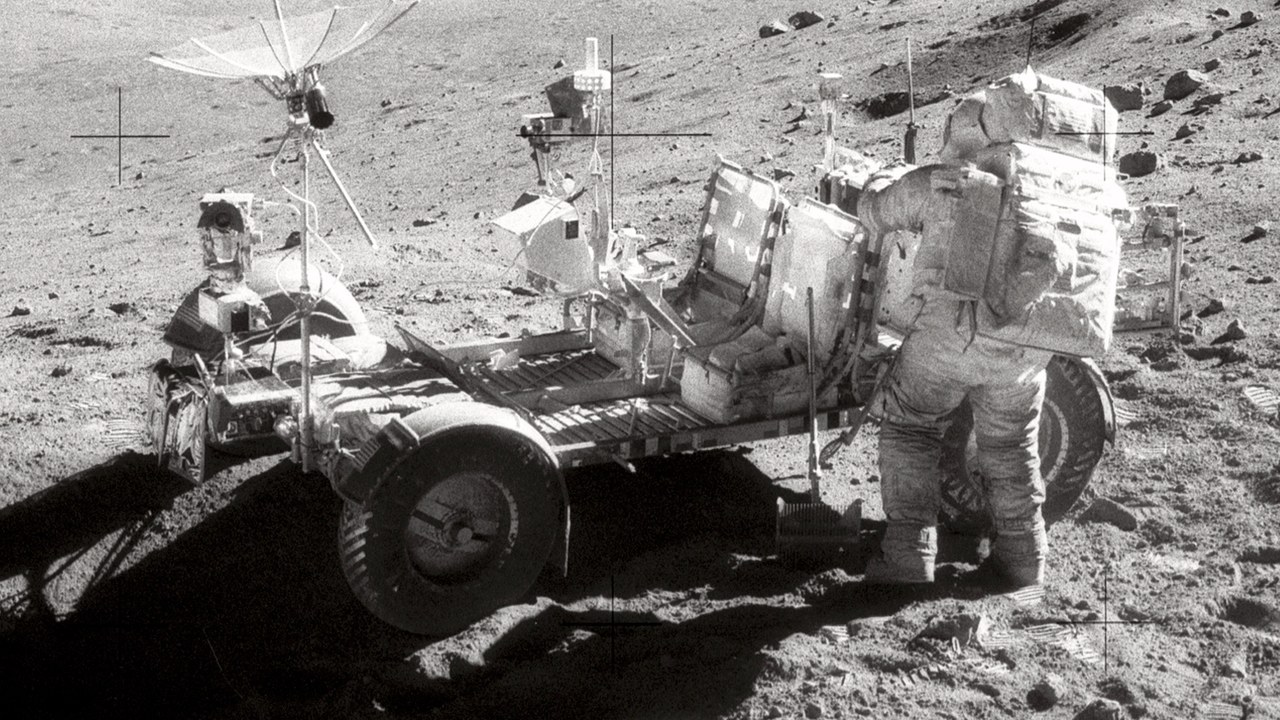
On Apollo 16 in 1972, Young and Duke drove the Lunar Roving Vehicle 26.7 km across the Descartes highlands, as listed in the NSSDC mission table. The two astronauts covered that ground in the second of three missions to carry the electric buggy.
The total sits between its two siblings, slightly short of the first mission and well under the last. It shows how consistently the vehicle performed, delivering tens of kilometers of exploration on terrain that walking alone could never have opened up.
10. Lunar Roving Vehicle, Apollo 17 (1972): Record Apollo Traverse
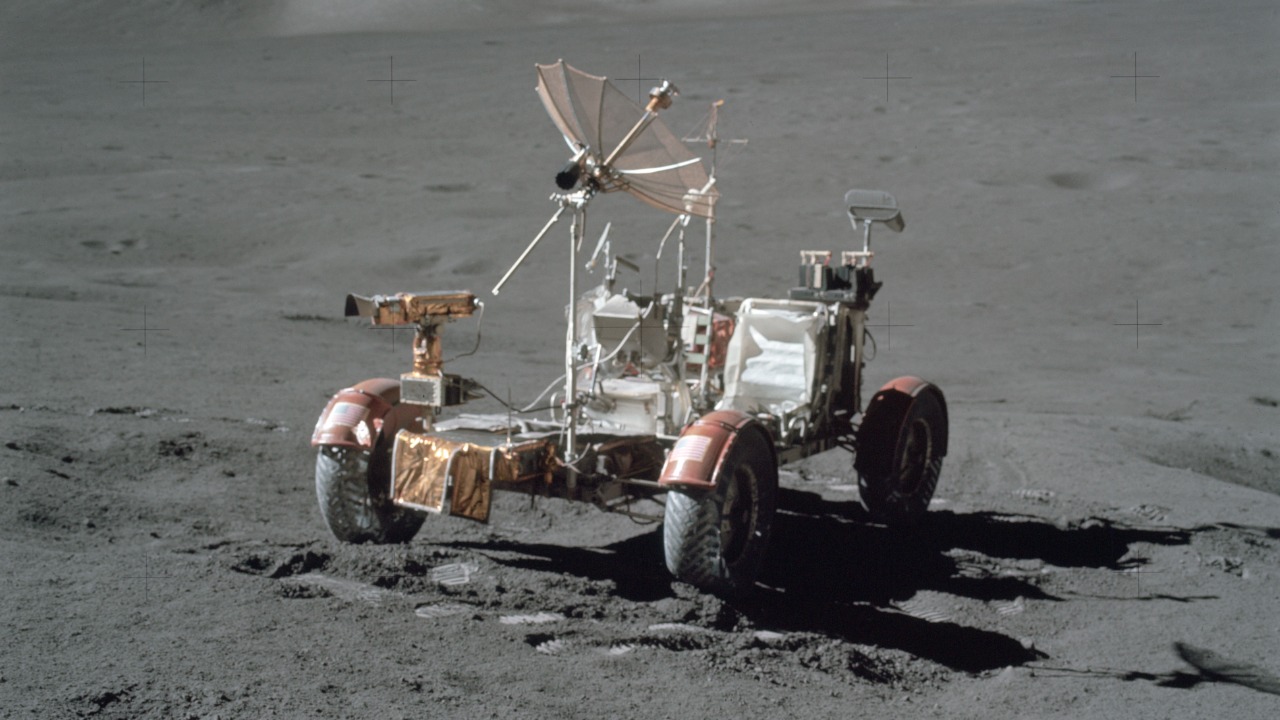
Cernan and Schmitt drove 35.9 km on Apollo 17, the longest total of any moon buggy mission, with a longest single traverse of 20.1 km, per the NSSDC rover data. It was the final crewed mission to use the Lunar Roving Vehicle.
That total tops the other two Apollo drives. Even so, it falls short of what Lunokhod 2 is credited with, a contrast that gives the Apollo vehicles an honorable but not unbeaten place in the lunar distance rankings.
11. Yutu: Return to the Moon
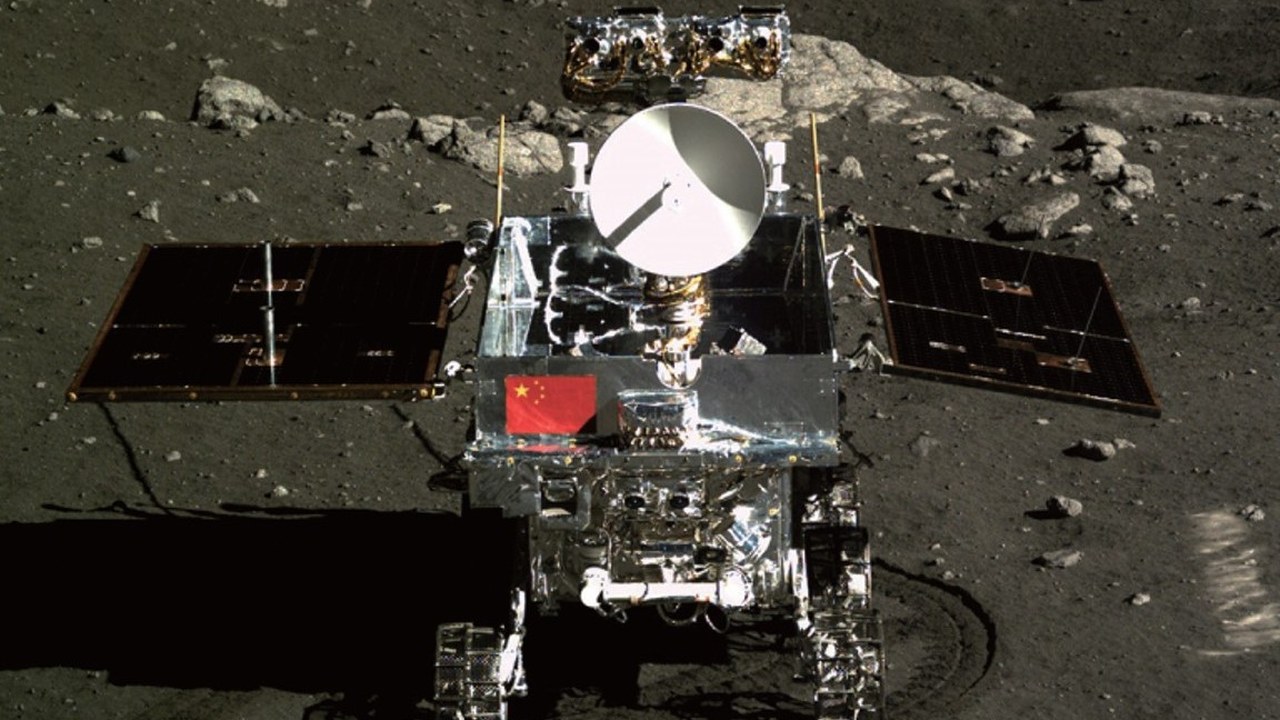
Yutu reached the lunar surface on 14 December 2013 as part of China’s Chang’e 3 mission, landing in Mare Imbrium, as Wikipedia’s Yutu entry details. It was the first soft landing on the Moon since 1976, and Yutu became the first rover to operate there since the Soviet Lunokhod 2 ceased operations on 11 May 1973.
The 140 kg (310 lb) rover travelled 114 meters before becoming immobile on 25 January 2014, 42 days after landing, following a control-circuit malfunction in its driving unit. It ceased operating in mid-2016. Its short drive still marked a return to lunar roving after four decades.
12. Zhurong (Mars, 2021): China’s Martian Pioneer
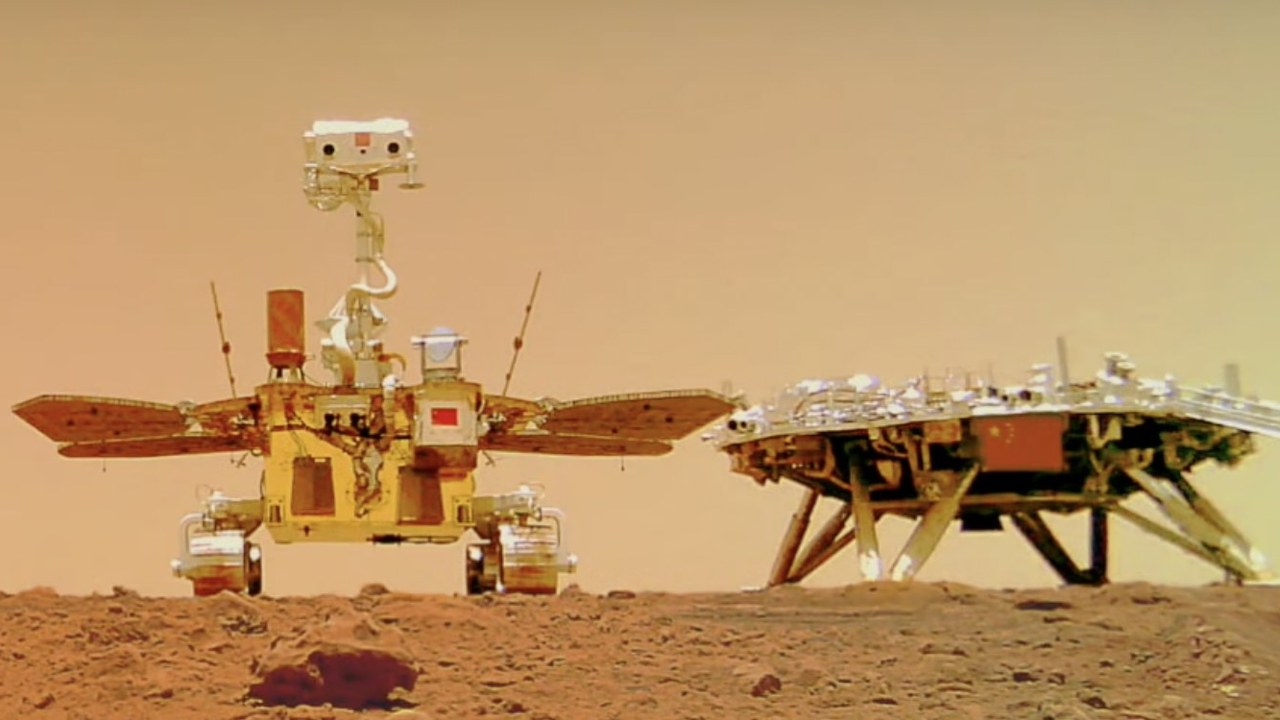
Zhurong was China’s first Mars rover, and NASA’s HiRISE orbiter camera photographed it along with its tracks, according to Space.com’s image report. The camera is capable of resolving features as small as a coffee table on the red dirt far below. The rover arrived in 2021.
Seeing a rover’s trail from orbit gives an independent check on where it actually went. It also highlights a rare moment of international cross-reference, as an American spacecraft documented the work of a Chinese vehicle on the same planet.
The day in tech, in one email: Get TLDR →
We may earn a commission if you sign up.
More from Morning Overview
- Long use of a common prostate pill is tied to a higher chance of glaucoma
- Ford is recalling 223,472 F-150 pickups because the fuel tank can leak or detach
- Hybrids have 15% fewer problems than gas cars, while EVs and plug-in hybrids have about 80% more, Consumer Reports finds
- Regulators cleared the first U.S. small modular reactor, 4 months early
