
Pets and pests share homes, yards and sheds with people, and some of them carry germs that spread to humans. Public health sources such as the CDC track the reptiles, poultry and rodents involved, along with one tick, and the details are often surprising. Here are ten animals that deserve a little extra caution.
1. Pet turtle: Sold Small, Banned Anyway
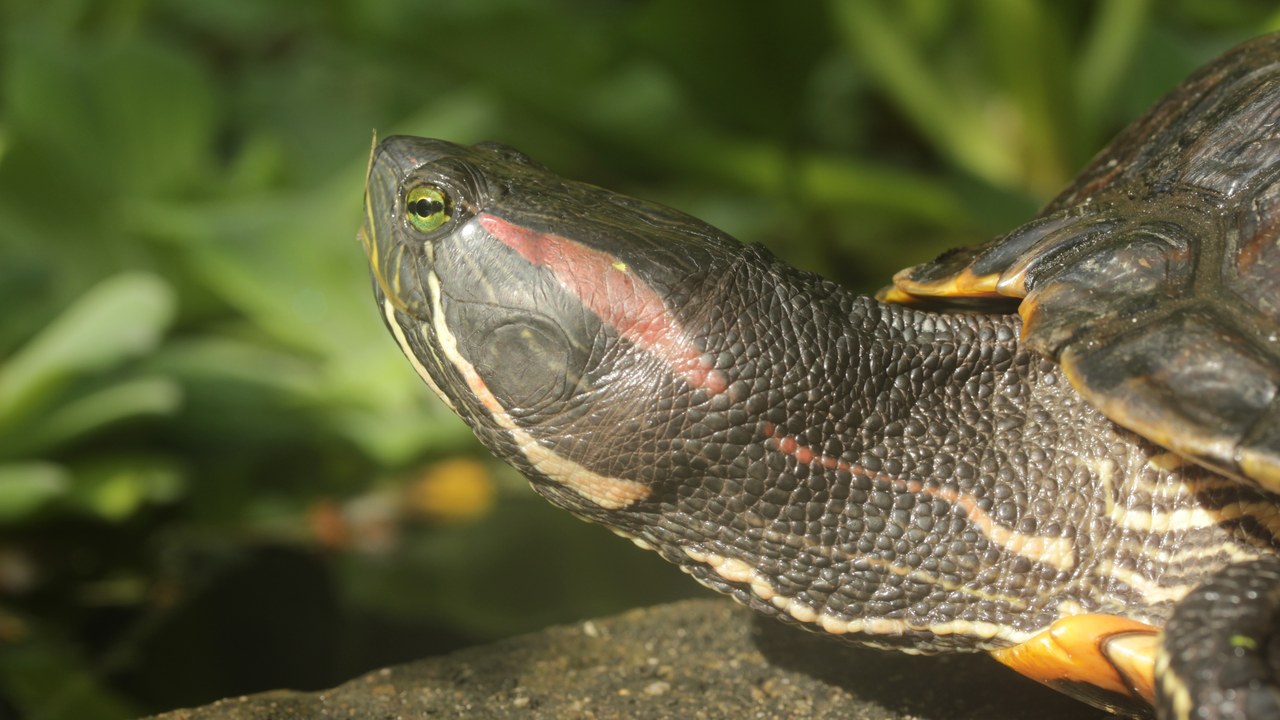
Since 1975, the sale of turtles under 4 inches has been banned across the United States, a rule that the CDC estimates prevents about 100,000 Salmonella cases a year in children. The agency’s reptile and amphibian guidance explains the reasoning behind that long-standing restriction on tiny pet turtles.
The rule shows how seriously public health officials treat turtle-borne germs. Families with young children are the group that benefit most from the ban, yet turtles of any size can still carry bacteria, so the CDC’s handling advice remains relevant for every household that keeps one.
2. Bearded dragon: A Popular Reptile With a Catch
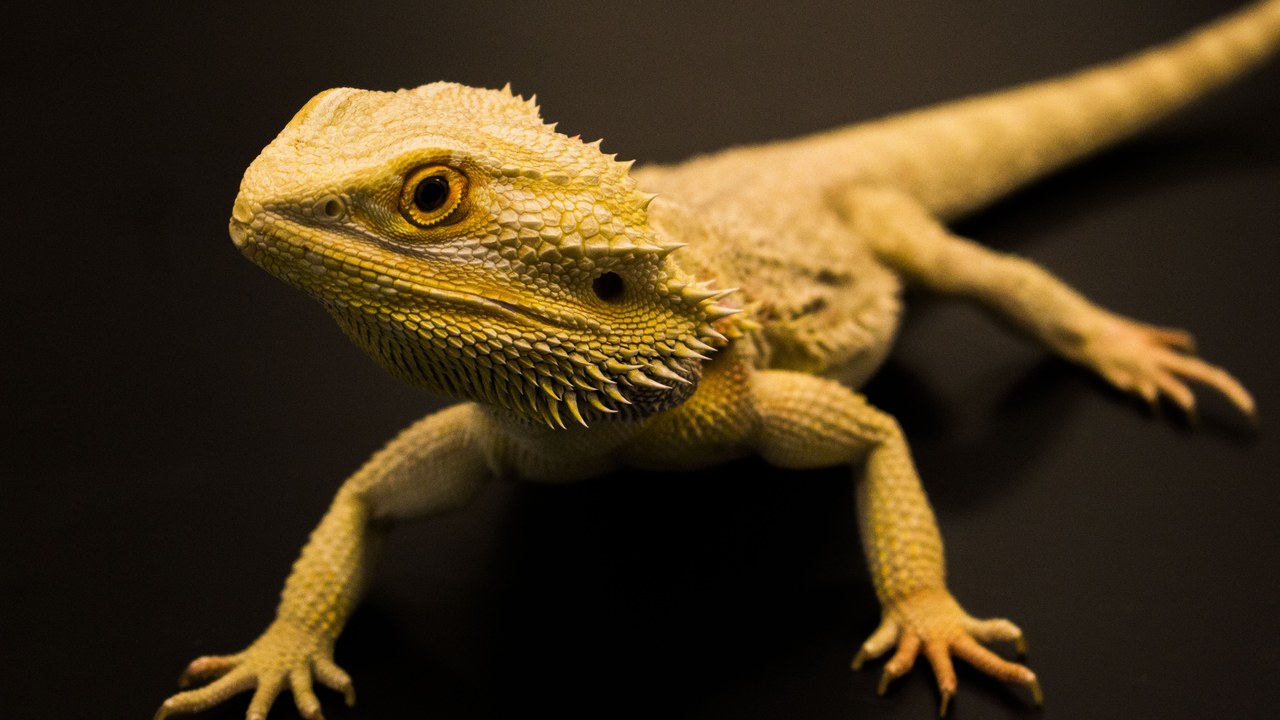
Bearded dragons appear on the CDC’s list of pet reptiles that often carry Salmonella in their digestive tracts, as laid out in its pet reptile advice. Children under 5 and adults over 65 are the people most likely to get sick from that exposure.
A healthy-looking lizard can still shed the bacteria. Households with toddlers or older relatives are the ones for whom the CDC’s warning matters most, since the age groups it names are the same ones that tend to face the worst outcomes.
3. Ball python: Snakes Carry More Than One Germ
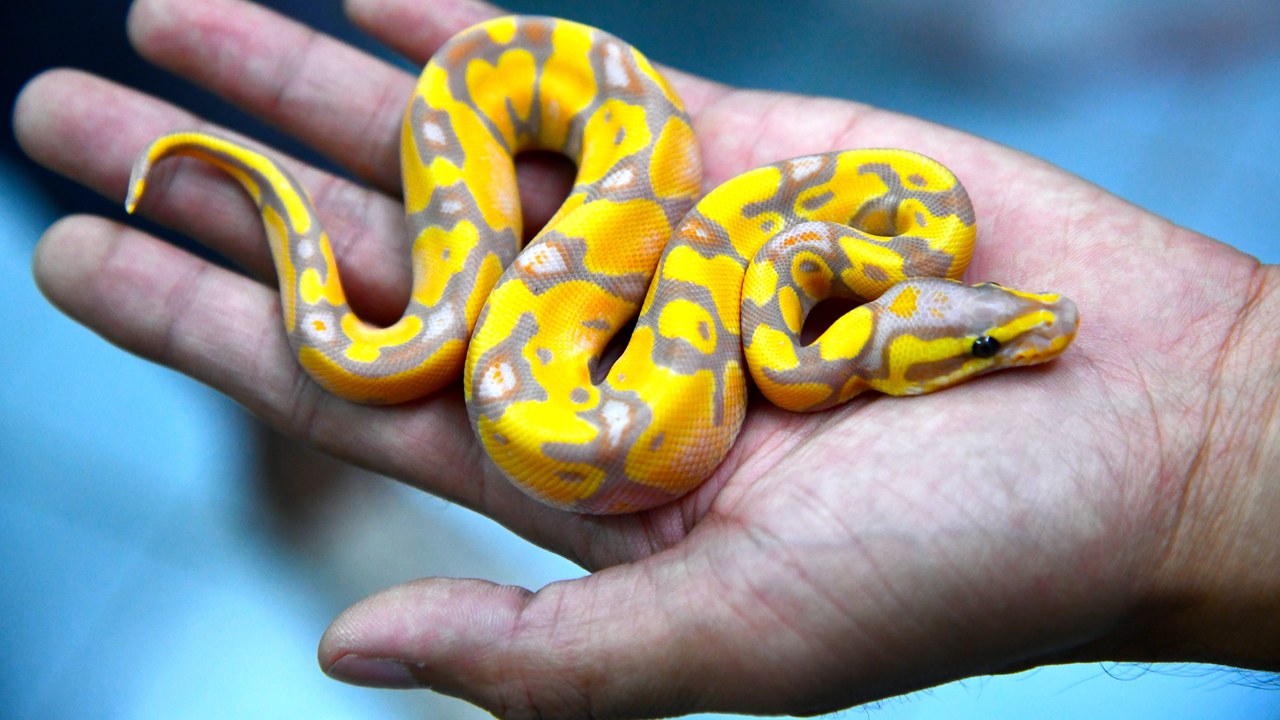
Ball pythons fall under the snake entry in the CDC’s reptile infection list, which says snakes can pass Salmonella, Aeromonas and Mycobacterium marinum infections to people. That makes three separate bacterial threats attached to one group of animals.
Few owners would guess that a calm, small snake carries such a range of germs. The breadth of that list is the point: handling any reptile, even a docile one, is treated by the CDC as a real route for infection to reach a household.
4. Green iguana: Lizards Share the Same Warning
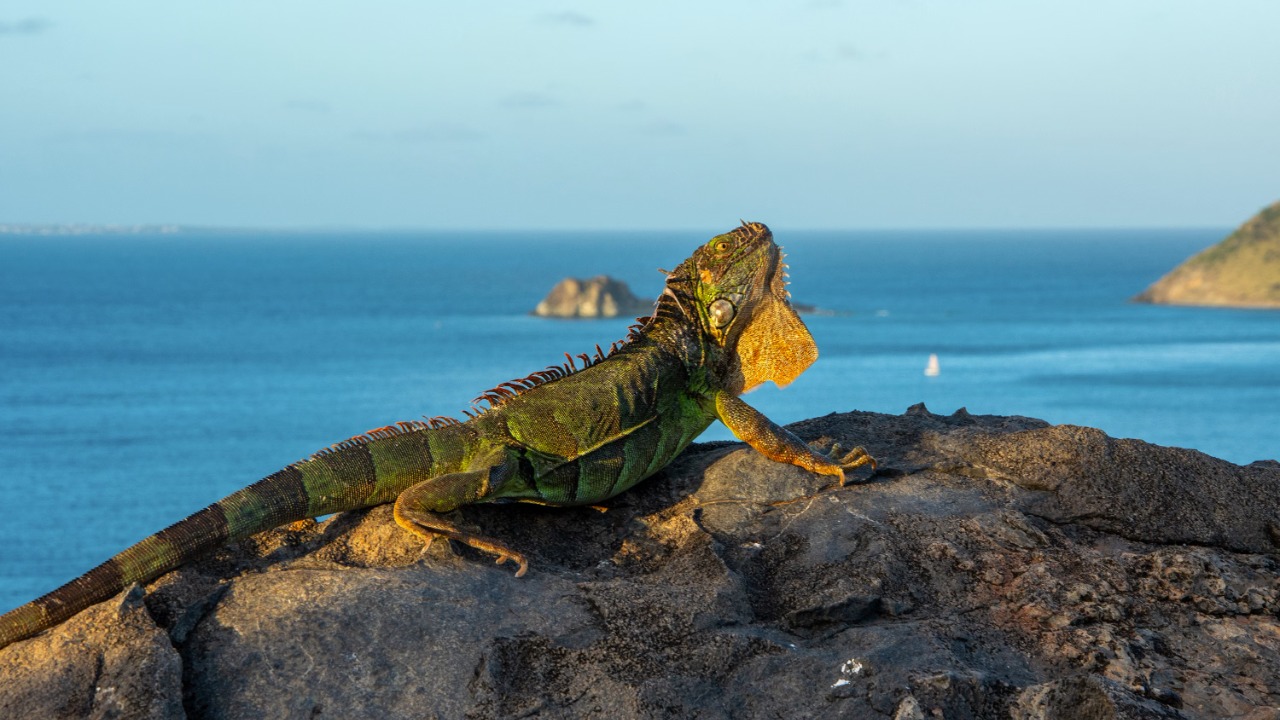
Green iguanas are covered by the same CDC caution that applies to pet lizards in general: reptiles often carry Salmonella, as the agency’s reptile safety page notes. People with weakened immune systems face the highest risk of becoming ill.
Iguanas grow large and live for years, so a household may share space with one for a long time. Anyone in the home with a weakened immune system is the person for whom the CDC’s warning carries the most weight. Because iguanas are large, long-lived pets, the exposure is not a short-term matter but a routine feature of daily care.
5. Backyard chicken: Salmonella Saintpaul Returns

The CDC’s pet outbreak list carries a 2026 multistate Salmonella Saintpaul outbreak linked to backyard poultry. Small flocks kept for eggs and companionship are therefore tied to a current national investigation, not just a theoretical risk.
Raising chickens at home has become common, which widens the number of households exposed. The listing is a reminder that a coop in the garden sits on the same public health radar as exotic reptiles, and that flocks across several states can be affected at once.
6. Backyard duck: Ducklings Join the List

Backyard poultry also produced a 2025 Salmonella Mbandaka outbreak on the CDC’s outbreak tracking page, a group that includes ducklings kept at home. The listing shows that waterfowl belong in the same conversation as chickens.
Cute, fluffy ducklings can look harmless to a family bringing a few home. The outbreak entry is the evidence that any home-raised poultry, ducks included, can be a source of Salmonella illness and deserves the same caution as a chicken flock. Waterfowl are easy to overlook, so the listing broadens the picture of which backyard animals are involved.
7. Veiled chameleon: A Chameleon Outbreak
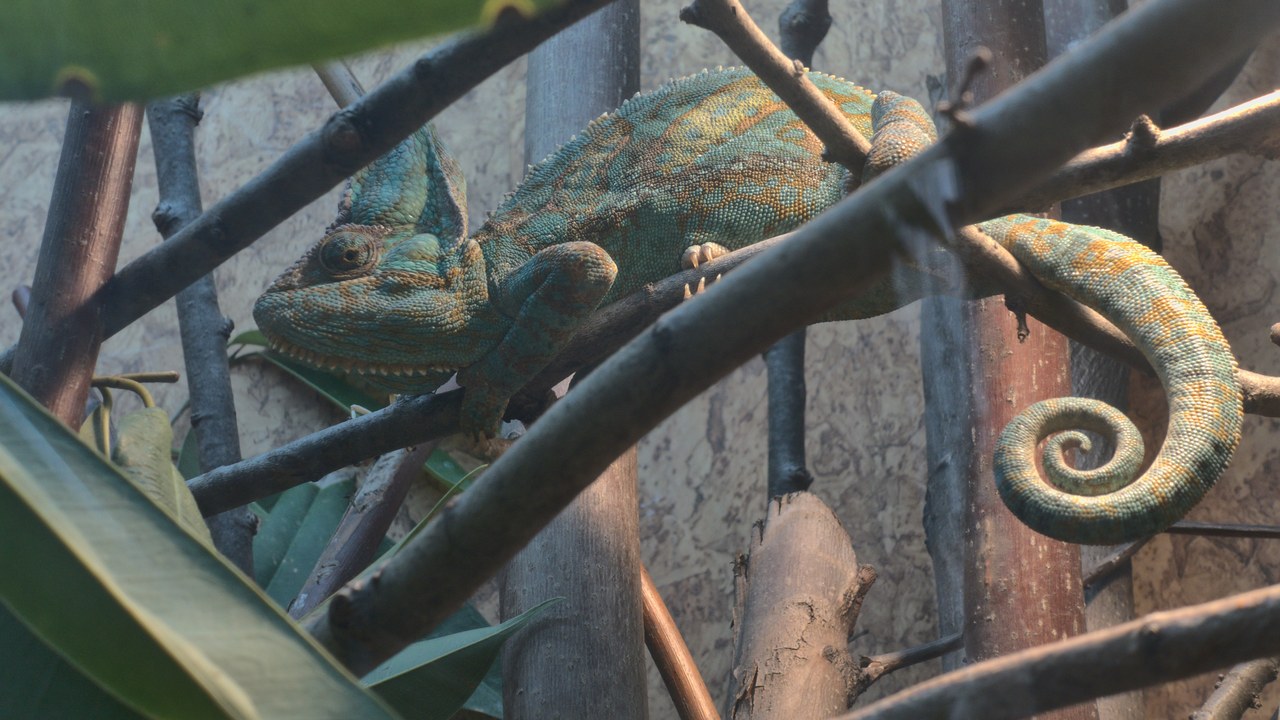
Pet veiled chameleons were linked to a multistate Salmonella outbreak that the CDC posted in May 2026, according to its current outbreak listing. A single species of colorful lizard sat at the center of that investigation.
Chameleons are often bought for display, with little handling, which can lull owners into thinking the risk is low. The outbreak shows that even a mostly look-but-don’t-touch reptile can be tied to illnesses spread across several states. That makes the species itself, not one household, the common thread in the investigation.
8. Deer mouse: The Hantavirus Carrier
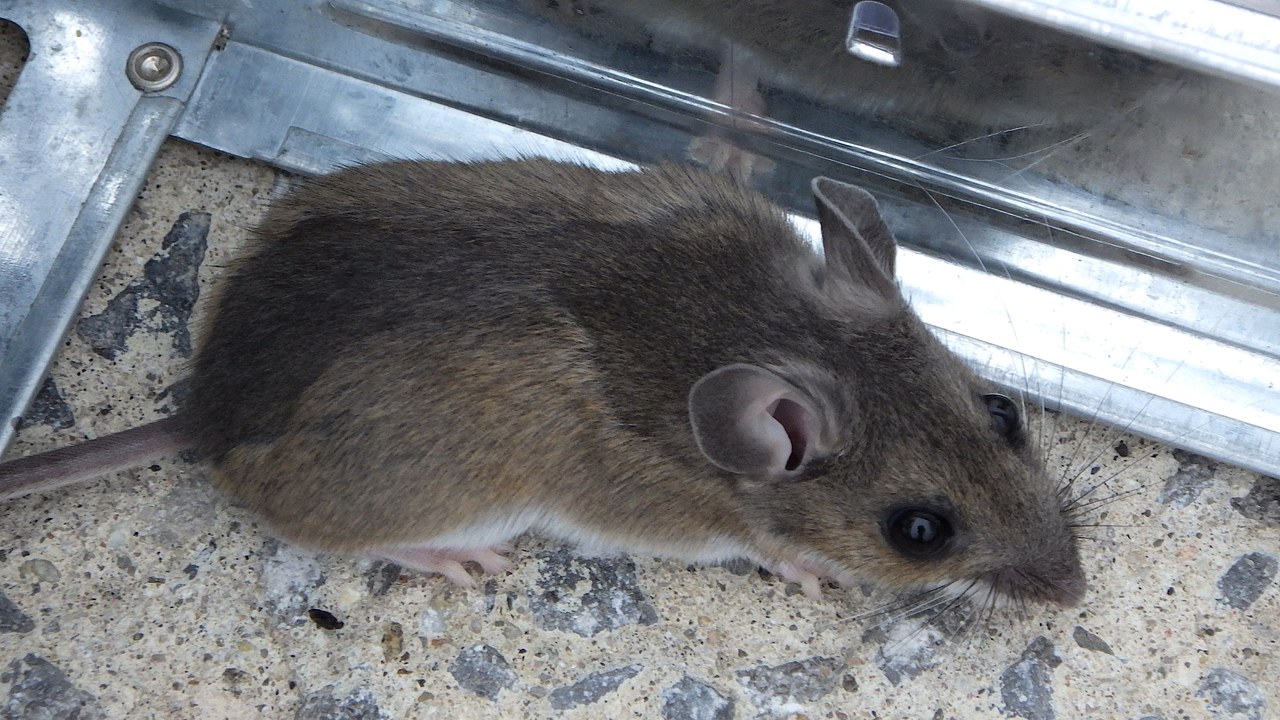
The most common hantavirus behind hantavirus pulmonary syndrome in the US is spread by the deer mouse, according to the CDC’s hantavirus overview. Among people who develop respiratory symptoms, 38% may die, which makes it one of the more serious rodent-borne illnesses.
Unlike the pets on this list, the deer mouse is a wild pest that can wander into sheds, cabins and garages. Its danger comes from the severity of the disease, not from how often people are exposed. Anyone clearing out such spaces has reason to read the CDC’s guidance first.
9. Prairie dog: Plague Is Not Only History

The CDC says plague spread from urban rats to rural rodents and still causes an average of seven human cases a year, mostly in northern New Mexico and Arizona. Its plague statistics page is illustrated with prairie dogs, which are among the rodents involved.
The disease sounds medieval, yet it persists in a handful of western states today. For anyone drawn to wild prairie dog colonies or tempted by the animals as pets, the lesson is that a cute rodent can belong to an old, serious disease cycle.
10. Asian longhorned tick: A Tick With a New Virus
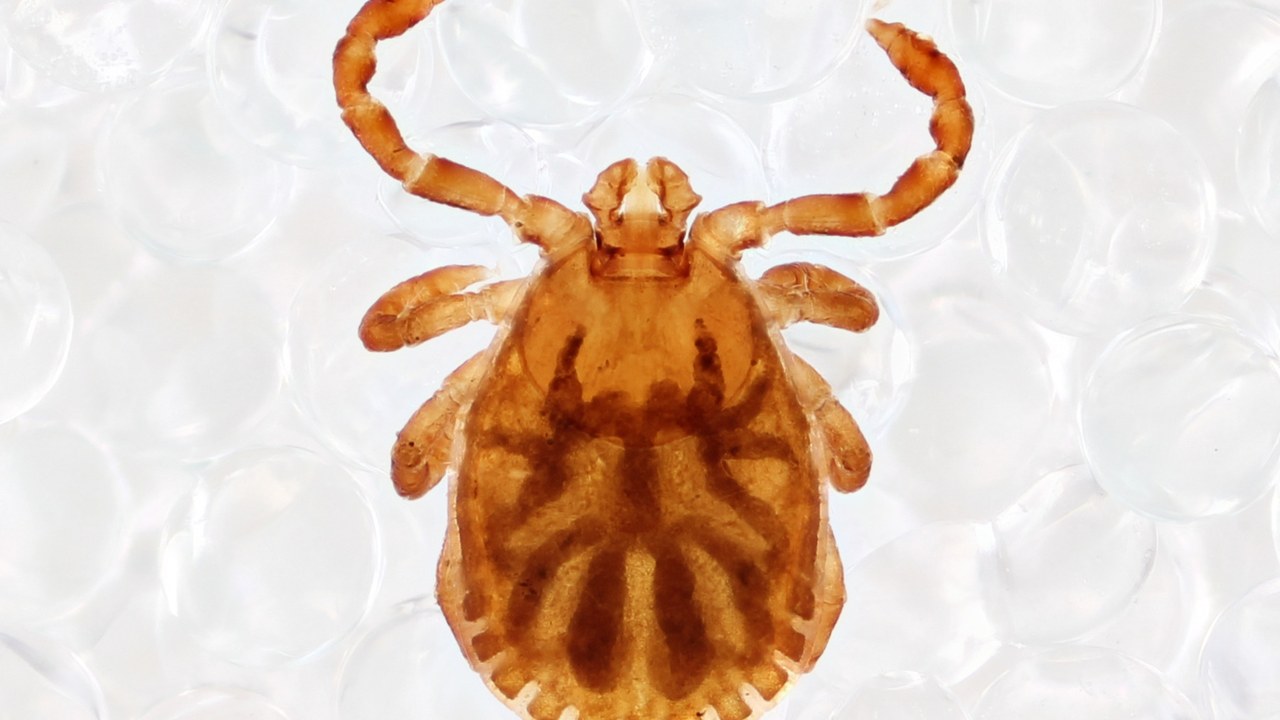
A newly identified virus carried by this tick infected 10.4% of 3,163 patients screened in China, according to a ScienceDaily report. Of 38 patients coinfected with a second virus, 7 died.
The figures come from a screening study of patients in China, so they describe that group, not a rate for every bite. They still show why researchers are watching a tick that has already reached other parts of the world. The tick is a species that researchers have followed closely for its role in spreading disease.
More from Morning Overview
- Card skimmers hidden on gas pumps and ATMs are draining accounts, and here’s the tell
- Hurricane Hunter radar shows four warning signs that a tropical cyclone is about to strengthen, a University of Miami study found
- NTSB report details how a family of four died when their plane’s nose suddenly pitched up
- Doctors warn a silent liver disease now affects one in three American adults
