
Cold weather cuts electric-car range, but different tests measure different things and should not be ranked against one another. These cars lost the most in a Norwegian winter test, US fleet data and a Canadian cold test, each against its own baseline. Here are twenty-two EVs and what each source recorded.
Read next on Morning Overview: Microsoft says its November Windows security updates are breaking printing for some users
1. Lucid Air: The Steepest Fall
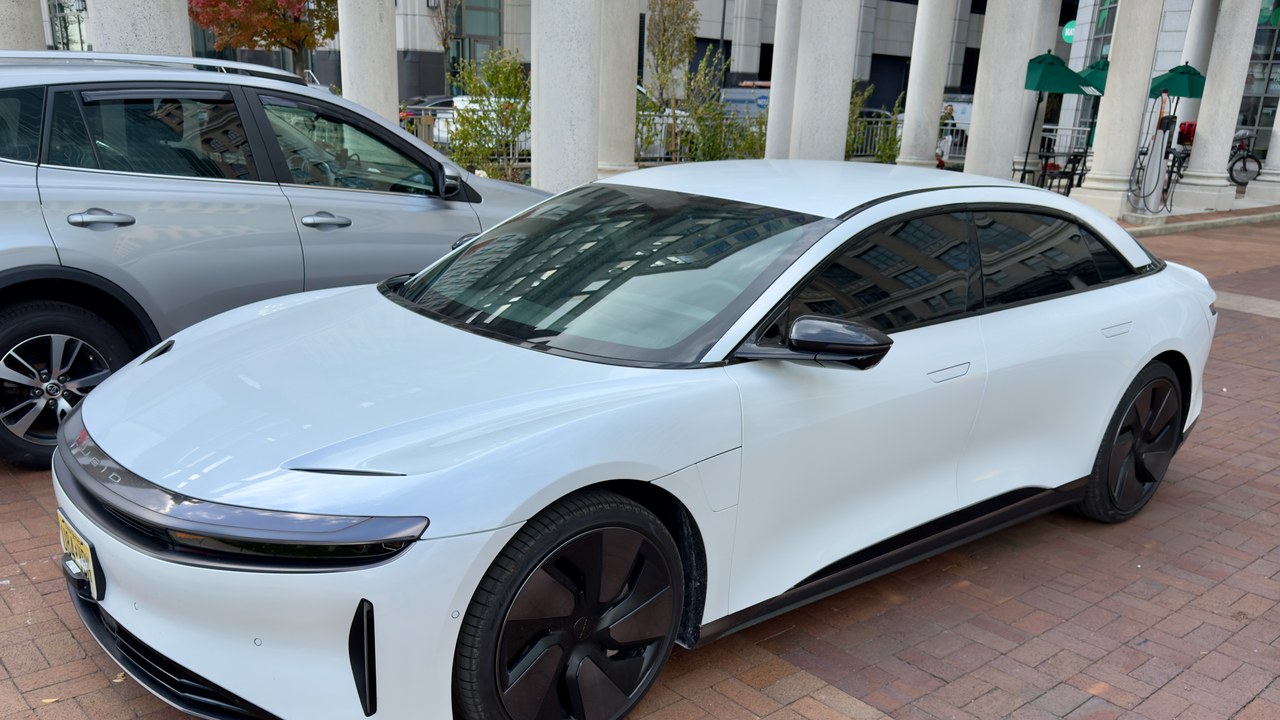
Against a 960 km WLTP claim, the Lucid Air managed 520 km in the Motor/NAF El Prix winter test in Norway in 2026, a 46% shortfall. Temperatures fell as low as -31C, and the CarScoops write-up of the results put it level with the Opel Grandland for the largest deviation.
The gap measures a lab-style claim against a hard Nordic winter, not ordinary commuting. Even so, 520 km is a long way from the advertised figure, and it shows that a headline range number can say little about a very cold day.
2. Volvo EX90: A Big SUV Falls Short
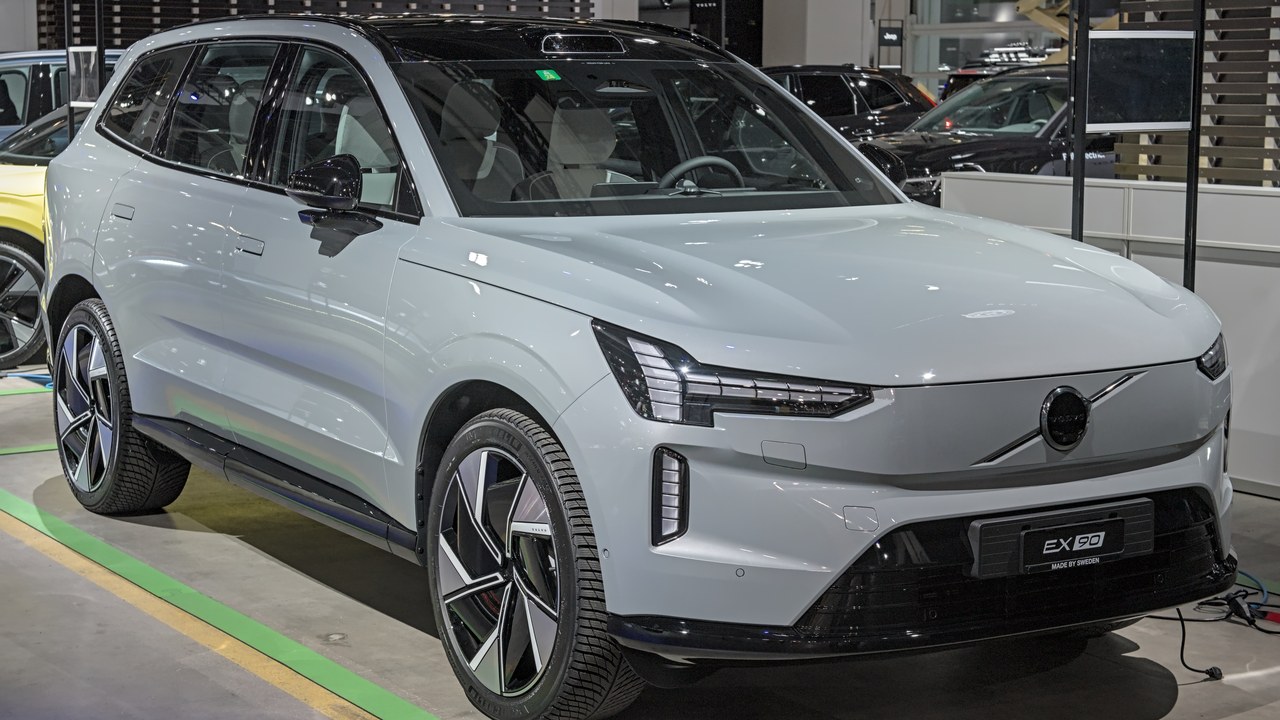
In the same Norwegian winter test, the Volvo EX90 covered 339 km against a 611 km claim, a 45% shortfall. The El Prix figures reported by CarScoops list it just behind the Lucid Air, with temperatures reaching -31C during the drives.
A large, heavy SUV has more mass and frontal area to push through cold, dense air, which is a plausible contributor, though the source does not break the loss down. Buyers in cold regions may want to plan around the lower figure.
3. Tesla Model Y: Popular but Not Immune
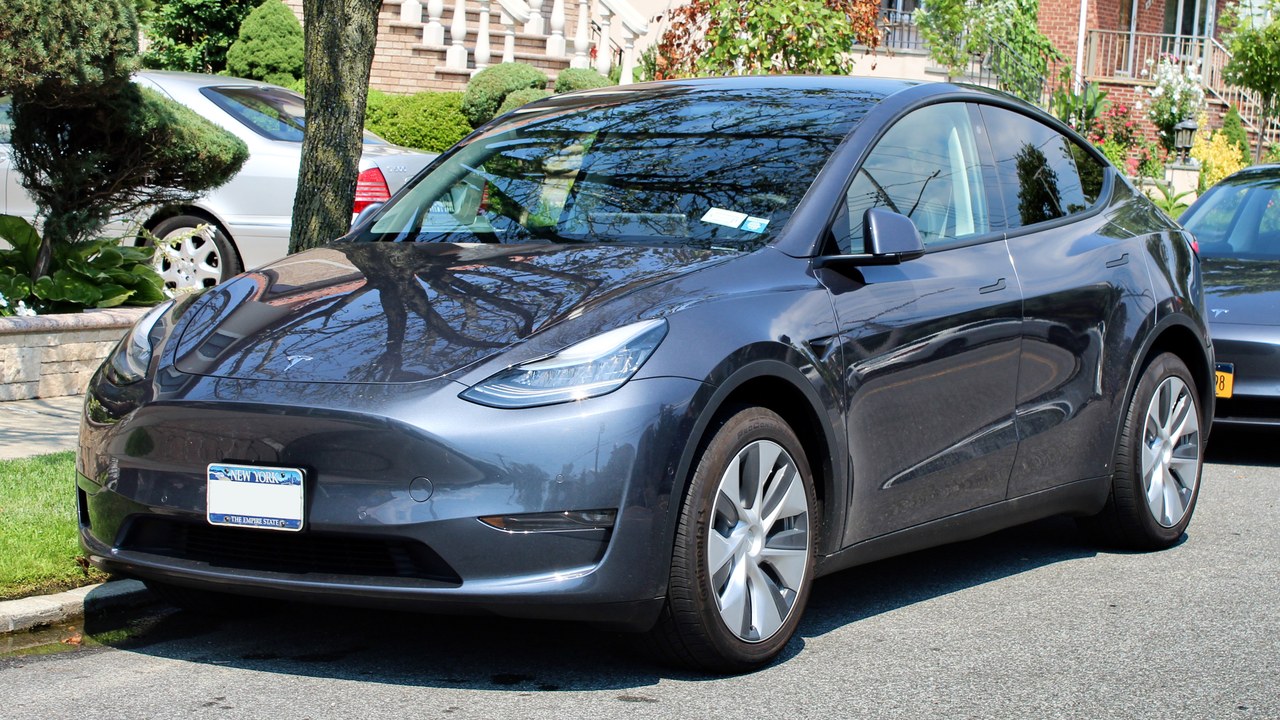
The Tesla Model Y recorded 359 km against a 629 km claim in the El Prix winter test, which is 43% short. The result appears in the CarScoops table of winter results from Norway in 2026, where lows reached -31C.
A 43% gap puts the Model Y among the larger shortfalls on the Norwegian list. The shortfall is measured against the WLTP claim, so it overstates the loss relative to mild-weather real-world driving.
4. Mercedes-Benz CLA: Sleek and Chilled
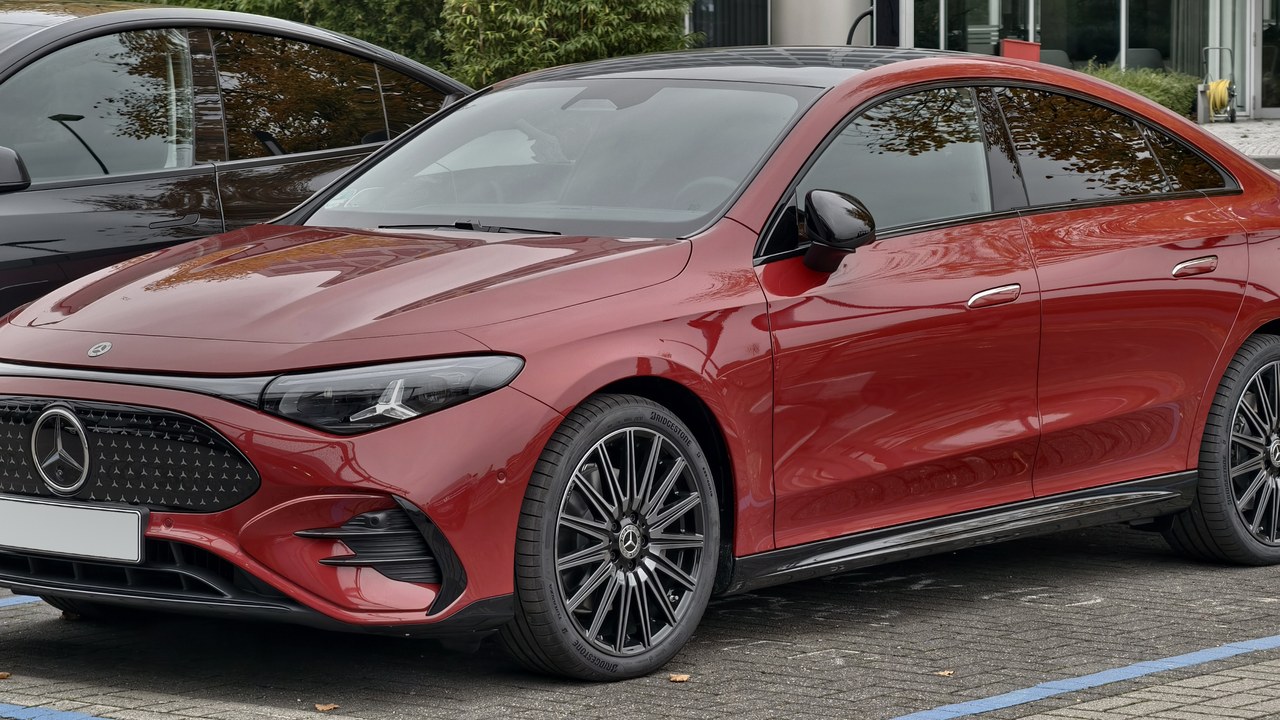
Mercedes-Benz listed 709 km for the CLA, and the car delivered 421 km in the Norwegian El Prix winter test, a 41% shortfall. These numbers come from the CarScoops report on the tests of the 2026 tests, run at temperatures down to -31C.
The CLA still finished with 421 km, one of the longer distances on the list, despite the shortfall. The source notes minor inconsistencies in its own unit conversions, so the kilometre figures are the safer reference.
5. BMW iX: Large SUV, Long Winter
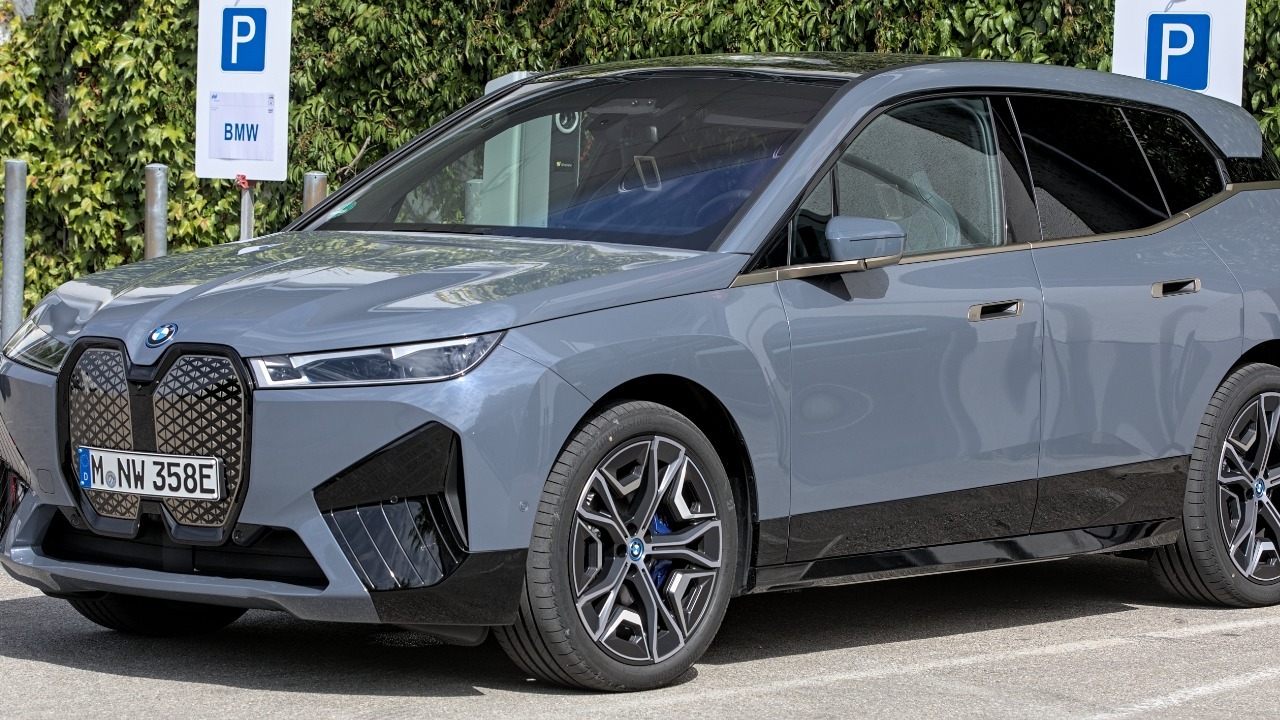
The BMW iX drove 388 km against a 641 km claim, a 40% shortfall, in the El Prix winter test in Norway in 2026. The published El Prix results show the iX in the middle of the list of eight cars.
A deficit of 40% is large in absolute terms, but the iX still finished with a longer real distance than several rivals. For owners, the useful lesson is to subtract heavily from the claim before planning a winter road trip.
6. Audi A6 e-tron: Wagon Meets Winter
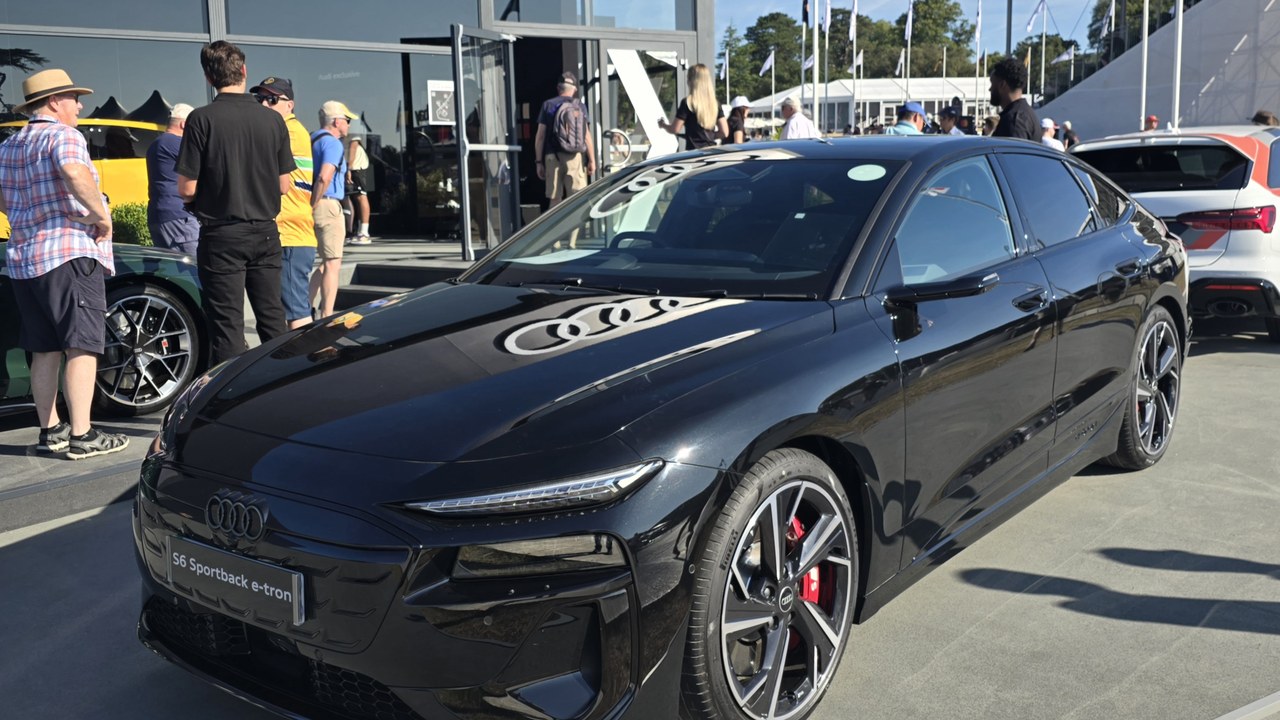
Audi’s A6 e-tron claimed 653 km and achieved 402 km in the Norwegian test, a 38% shortfall. The CarScoops coverage of El Prix covered conditions as cold as -31C in the winter of 2026.
That 402 km was among the longer distances on the list, even though the percentage loss was similar to several other cars. A big claim leaves more room to lose, so percentage and distance together give a fuller picture.
7. Hyundai Ioniq 9: Three Rows, Cold Reality
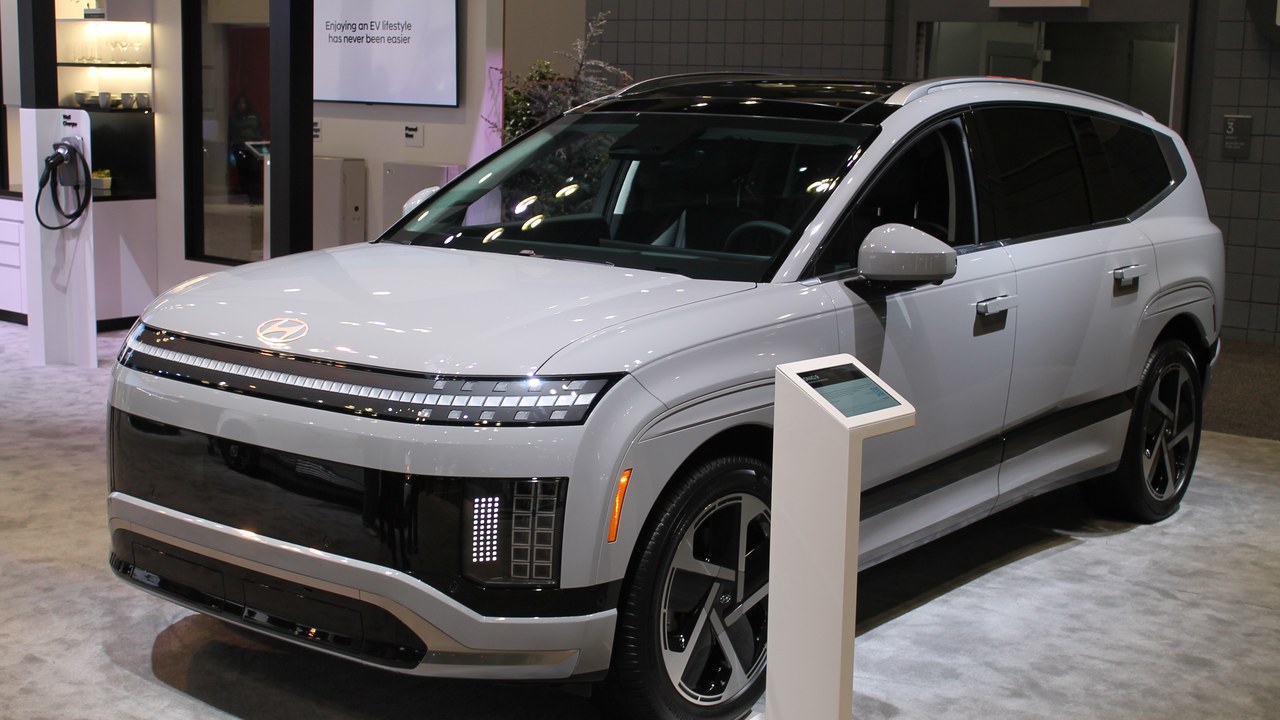
The Hyundai Ioniq 9 posted 370 km against a 600 km claim in the El Prix winter test, a 38% shortfall. The figures come from the CarScoops results table of the Norwegian 2026 tests.
Families planning winter trips in a car like the Ioniq 9 should treat 370 km as the tested figure, not the 600 km on the spec sheet.
8. Volkswagen ID. Buzz: The Retro Van Struggles
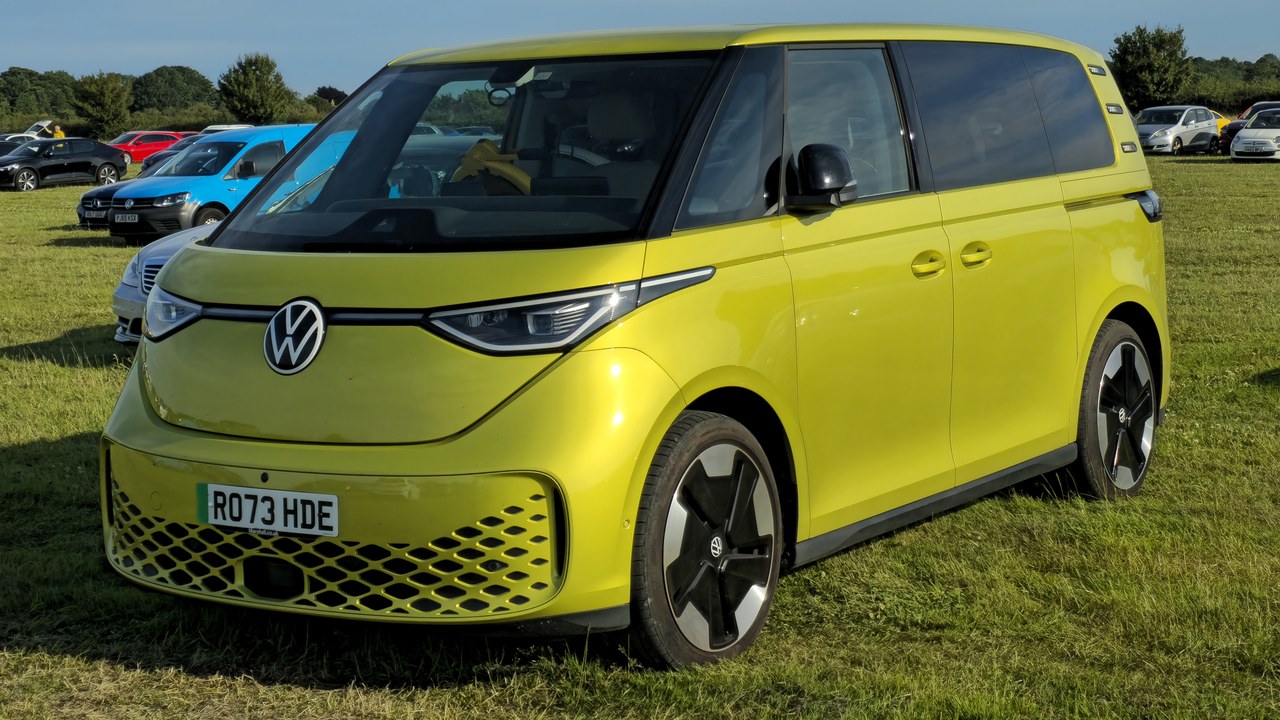
Volkswagen’s ID. Buzz had a 449 km claim and managed 277 km in the El Prix winter test, a 38% shortfall. It appears in the CarScoops list of results from the Norwegian 2026 event.
The ID. Buzz has the shortest tested distance among these first eight, partly because its starting claim was the lowest. Its 277 km still fell well below the 449 km claimed.
9. Volkswagen ID.4: Worst of the Listed Models
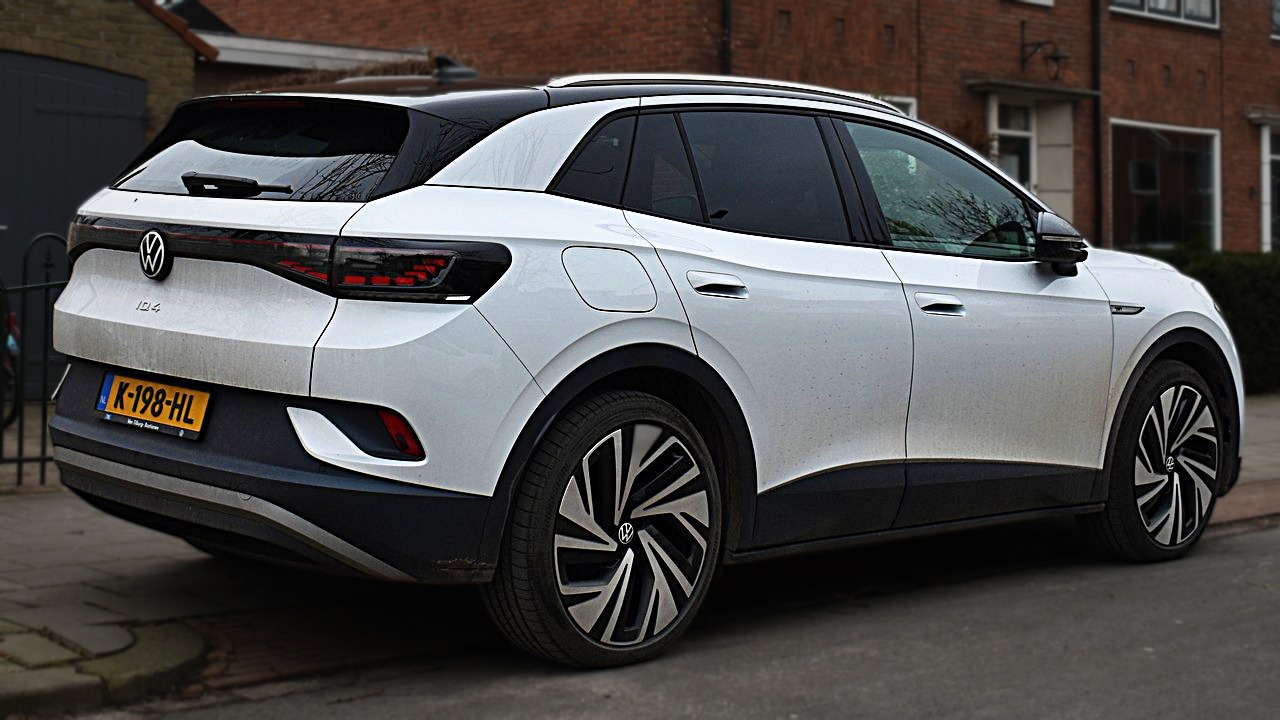
Recurrent data covering US cars found the Volkswagen ID.4 kept 63% of its ideal-weather range at 32F, compared with 68 to 74F, a 37% loss. That made it the worst of the models in the InsideEVs report on Recurrent data.
The table marks the ID.4 as having no heat pump, which is one factor worth checking when comparing cars. The figure is real-world fleet data against the same car in mild weather, not a comparison with a manufacturer claim.
10. Ford Mustang Mach-E: Mid-Pack Mach-E
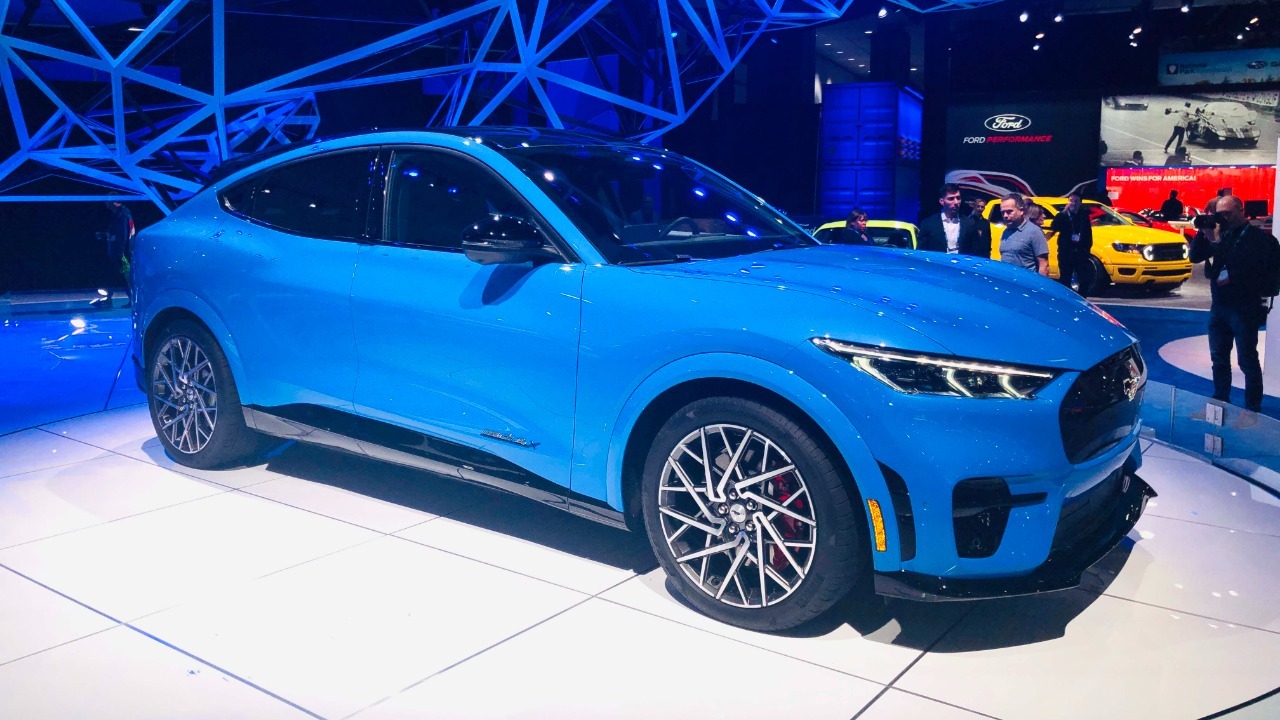
The Ford Mustang Mach-E retained 66% of its ideal-weather range at 32F in Recurrent’s US data, a 34% loss, as summarized by InsideEVs. The table lists it without a heat pump.
A one-third loss means a car rated for a long drive in mild weather will need noticeably more charging stops in a freeze. Recurrent measures each car against itself, so this loss is not comparable to the Norwegian test.
11. Chevrolet Bolt EV: Small Battery, Big Chill
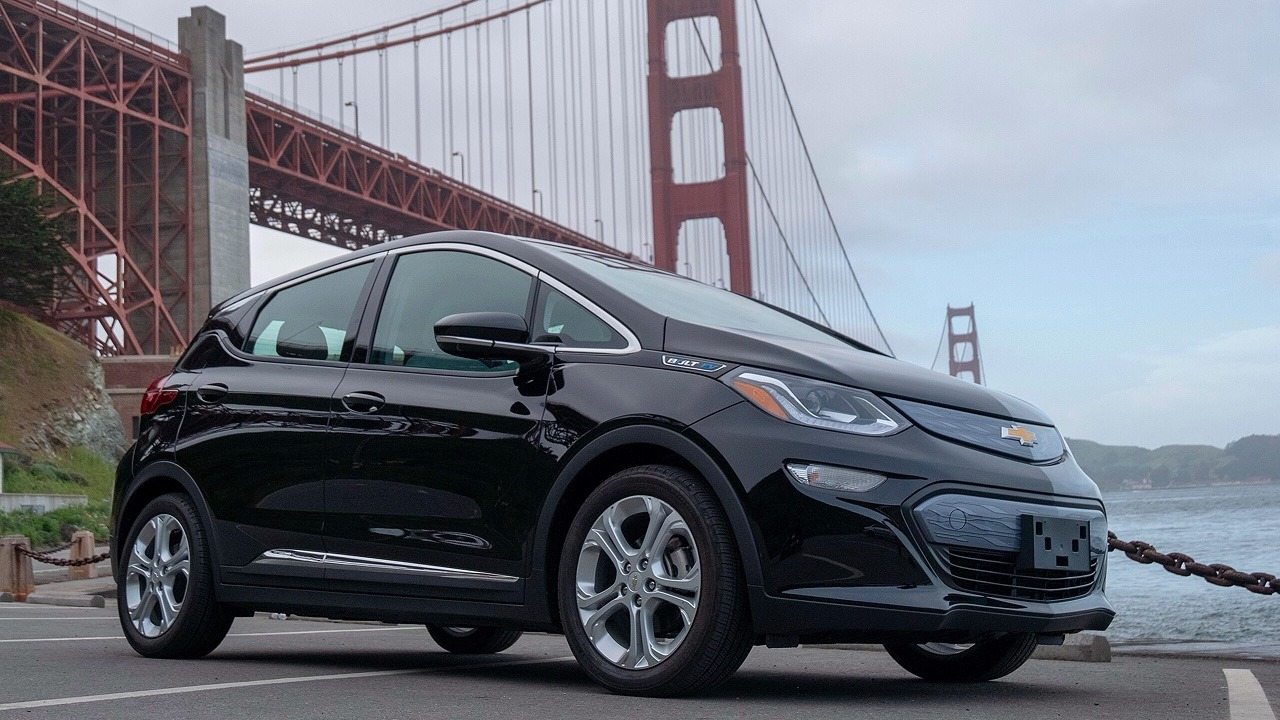
Recurrent’s US data shows the Chevrolet Bolt EV holding 69% of its ideal-weather range at 32F, a 31% loss. The InsideEVs summary of the data lists the car without a heat pump.
A 31% cut would be felt quickly on a winter commute. The measurement compares the car with its own range at 68 to 74F, which keeps the number fair between models.
12. Cadillac Lyriq: A Figure Under Review
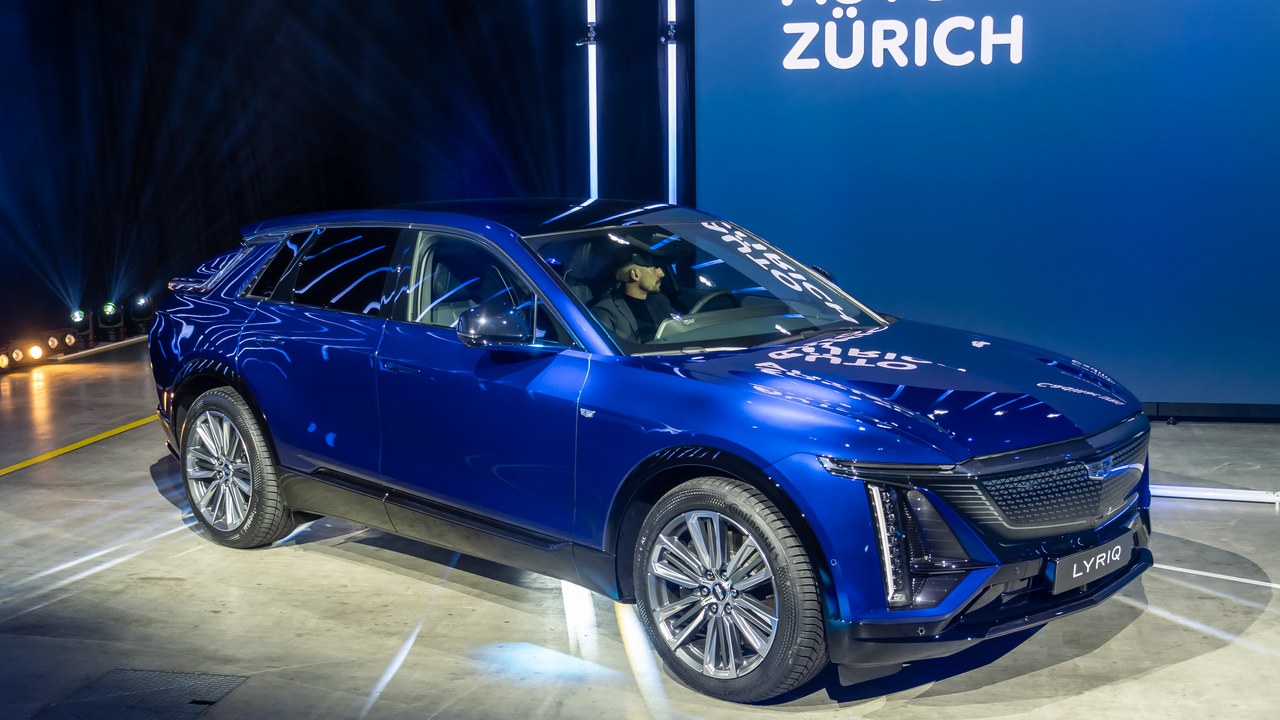
At 32F the Cadillac Lyriq kept 72% of its ideal-weather range in Recurrent’s US data, a 28% loss. The InsideEVs article notes the car has a heat pump, and that Recurrent said it would recheck the figure with GM.
The recheck caveat means the Lyriq number may change, so it should be read as provisional. Even as published, a 28% loss is smaller than those for several cars lacking a heat pump in the same table.
13. Chevrolet Equinox EV: Heat Pump, Smaller Hit
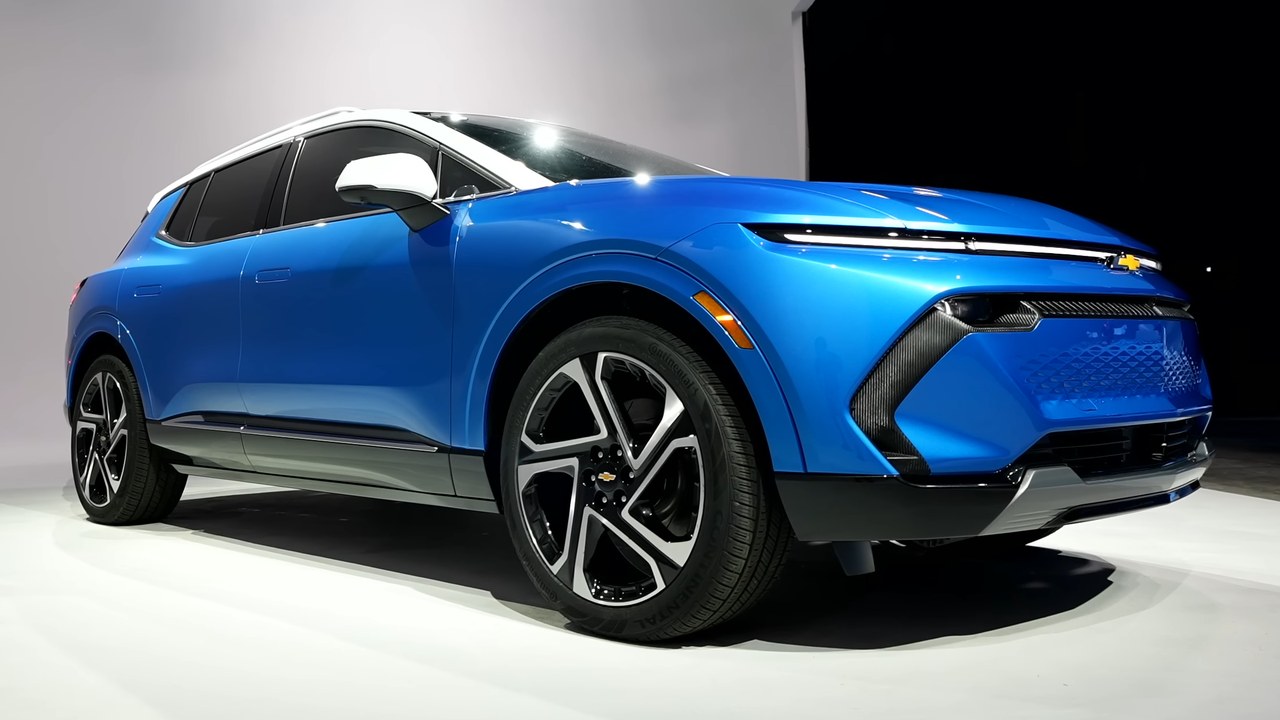
Recurrent’s US data has the Chevrolet Equinox EV keeping 74% of its ideal-weather range at 32F, a 26% loss. In the InsideEVs coverage, the car is listed with a heat pump, and Recurrent said it would recheck with GM.
As with the Lyriq, the recheck note applies, so the figure carries a caveat. The result suggests that cabin heating hardware can matter, though the source does not isolate the heat pump as the cause.
14. Ford F-150 Lightning: A Truck Loses a Quarter

The Ford F-150 Lightning retained 74% of its ideal-weather range at 32F in Recurrent’s data, a 26% loss. The InsideEVs breakdown marks it as having no heat pump.
The data covers ordinary driving only, not towing or hauling. The measurement compares each vehicle with itself in mild weather, so it speaks to cold, not to payload. A 26% loss on a 32F day is easy to underestimate when planning a longer drive.
15. Nissan Leaf: Older Design, Steadier Range
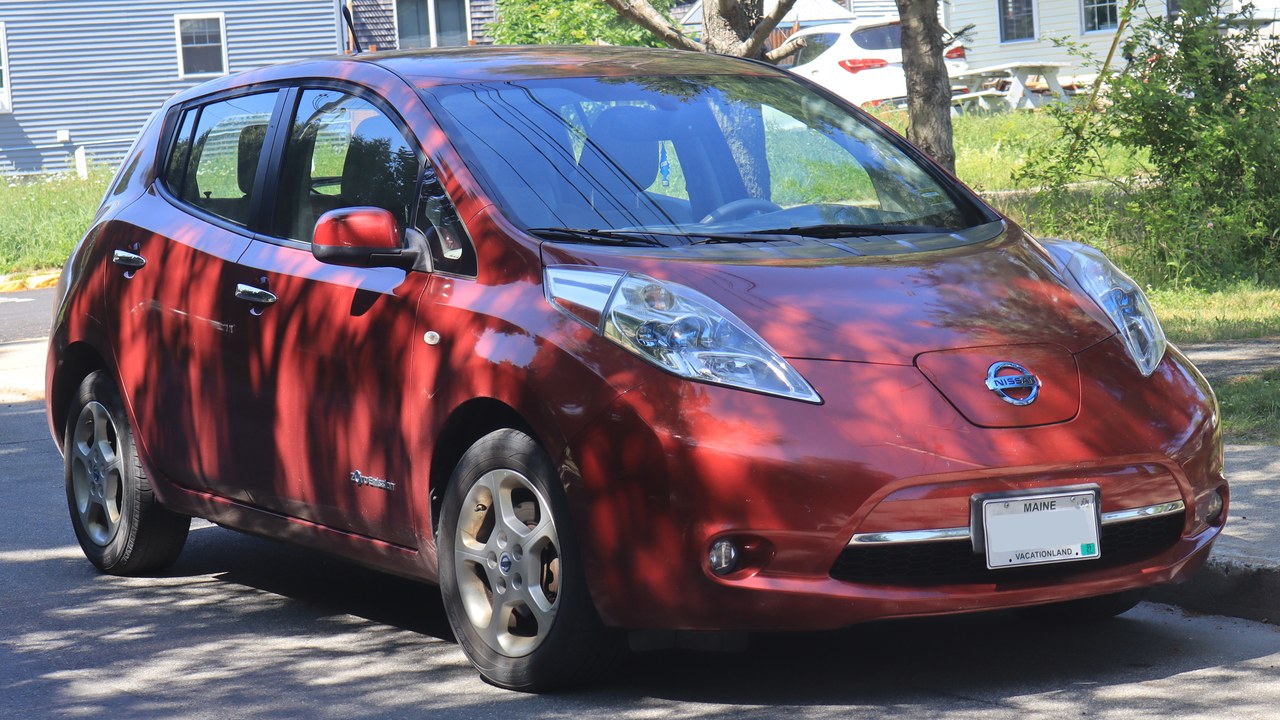
Recurrent’s US data shows the Nissan Leaf holding 78% of its ideal-weather range at 32F, a 22% loss, with no heat pump listed. The figure comes from the InsideEVs report.
The Leaf’s modest loss is notable given the lack of a heat pump, though the source does not explain why. A 22% drop is the second smallest among the eight models listed, behind only the Rivian R1T.
16. Rivian R1T: Best of the Recurrent Set
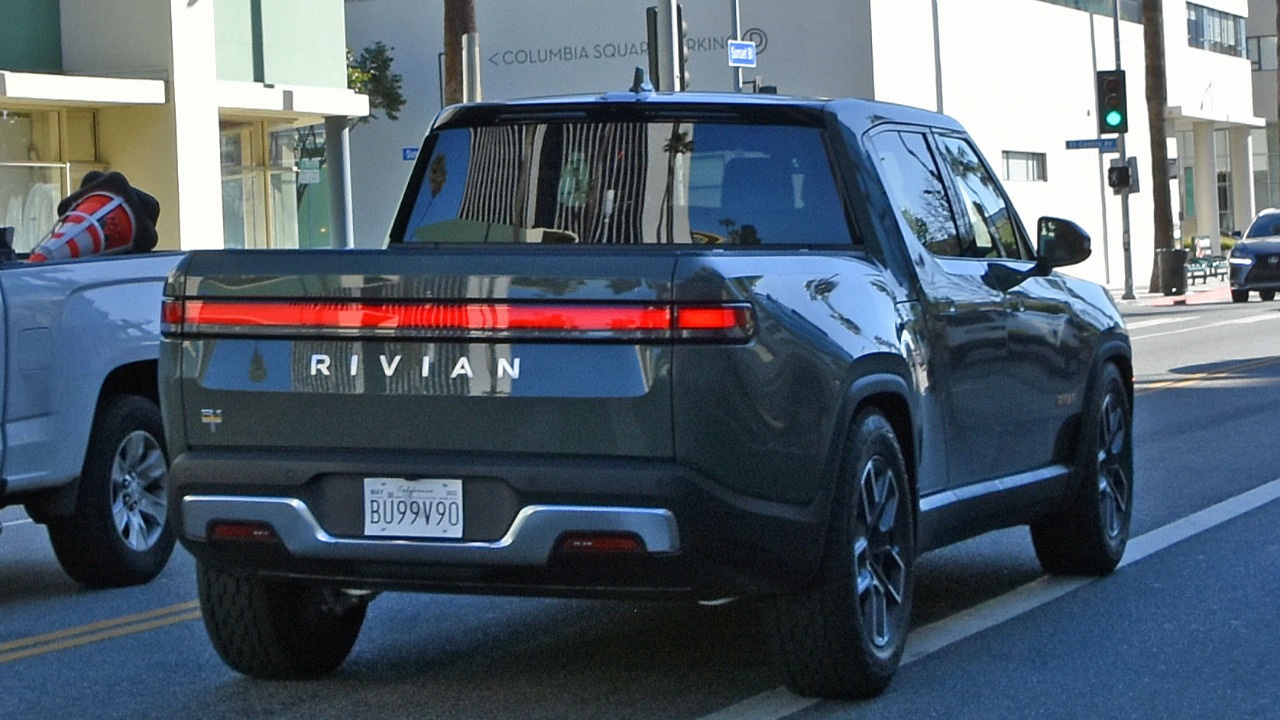
The Rivian R1T kept 81% of its ideal-weather range at 32F in Recurrent’s US data, a 19% loss, with no heat pump listed. That is the smallest loss among the models in the InsideEVs table.
It still sits on this list of cold-weather losers because every car lost some range, and the R1T lost the least here. The result is specific to Recurrent’s US sample and its 68 to 74F baseline.
17. Volvo XC40 Recharge: Worst in the Canadian Test
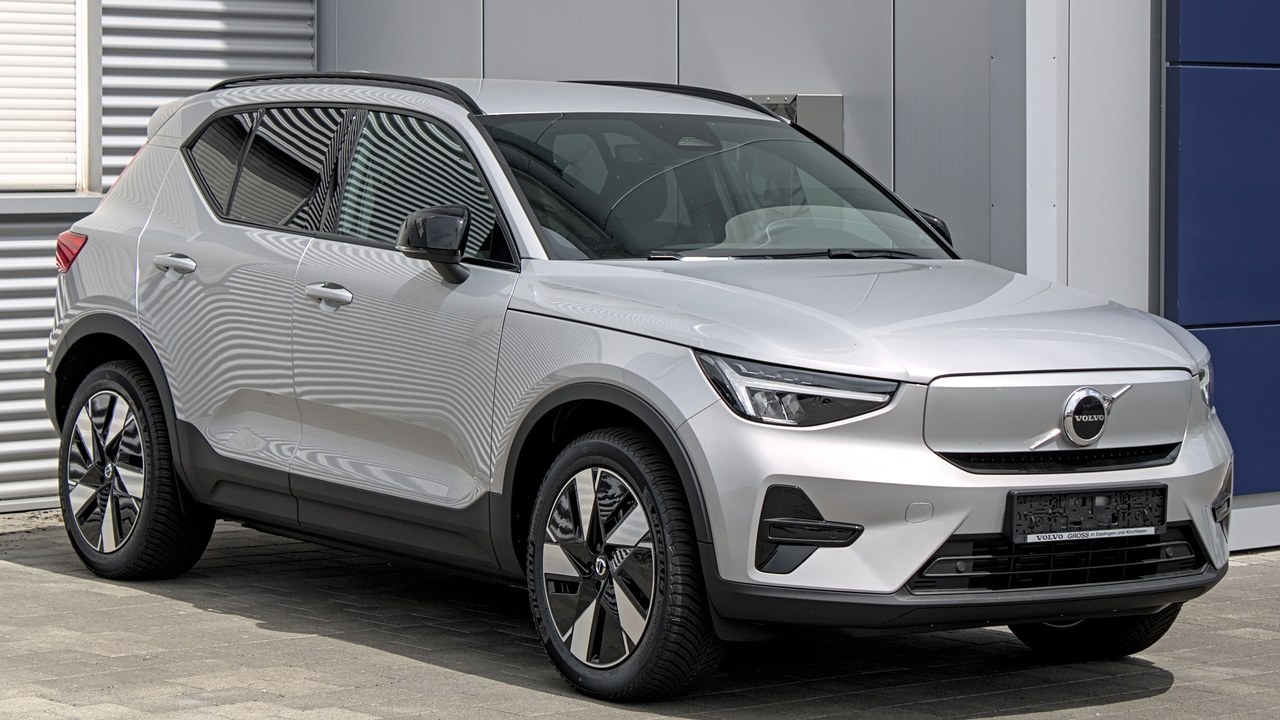
In a Canadian Automobile Association cold test at 5 to 19F, the Volvo XC40 Recharge lost 39% of its estimated range, the worst of the 13 results. The Kelley Blue Book findings describe the Volvo as hemorrhaging capacity.
The CAA compares real driving with Natural Resources Canada’s rating, so the loss is not equal to Recurrent’s or the Norwegian figures. Across the test, no EV achieved its estimated range in such cold weather.
18. Toyota bZ4X: A Close Second
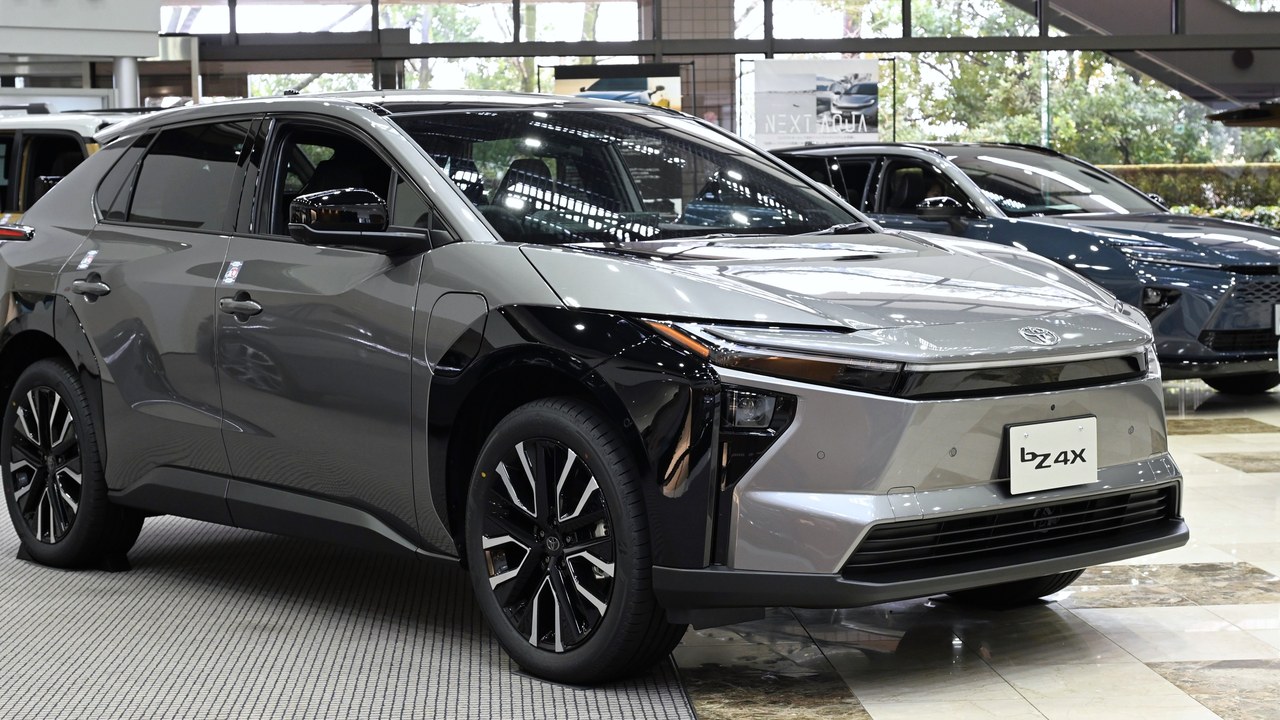
The Toyota bZ4X lost 37% of its estimated range in the Canadian Automobile Association cold test at 5 to 19F. The Kelley Blue Book report place it just behind the Volvo XC40 Recharge.
A loss this size is comparable to several European results, though the baselines differ. Drivers in northern climates should read it as a sign to expect a substantial cut rather than a precise forecast for every trip.
19. Hyundai Ioniq 5: Fast Charger, Slow in the Cold
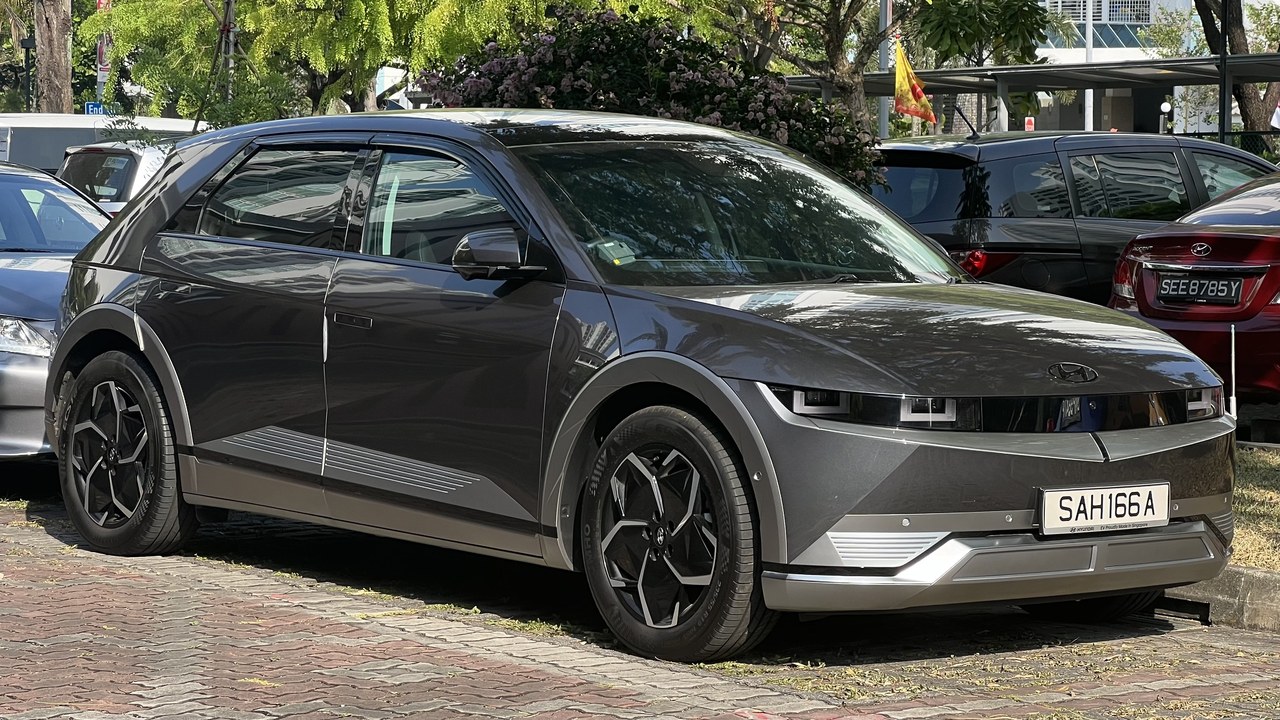
The Hyundai Ioniq 5 lost 36% of its estimated range in the CAA’s cold test at temperatures from 5 to 19F. The Kelley Blue Book article list it third among the cars named.
Its fast-charging reputation does not protect range in freezing weather. As the test notes, no EV reached its estimate, so the Ioniq 5 belongs to the norm rather than being an outlier.
20. Tesla Model 3: A Better-Than-Average Result
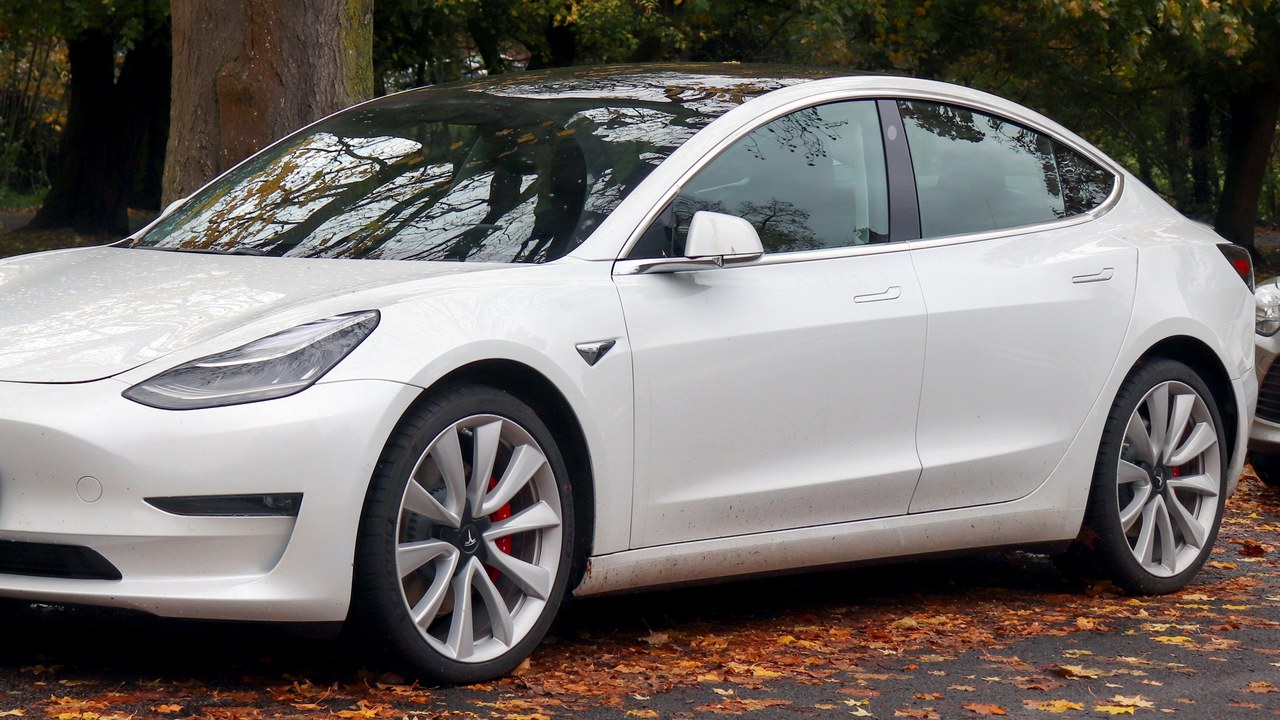
The Tesla Model 3 lost 30% of its estimated range in the Canadian Automobile Association cold test at 5 to 19F. The Kelley Blue Book reporting show it tied with the Kia Niro.
A 30% loss is smaller than the worst results but still large. Compared with its estimate, the Model 3 would need extra charging on a long winter drive, even though it lost less than the leaders of this list.
21. Kia Niro: Tied at 30 Percent
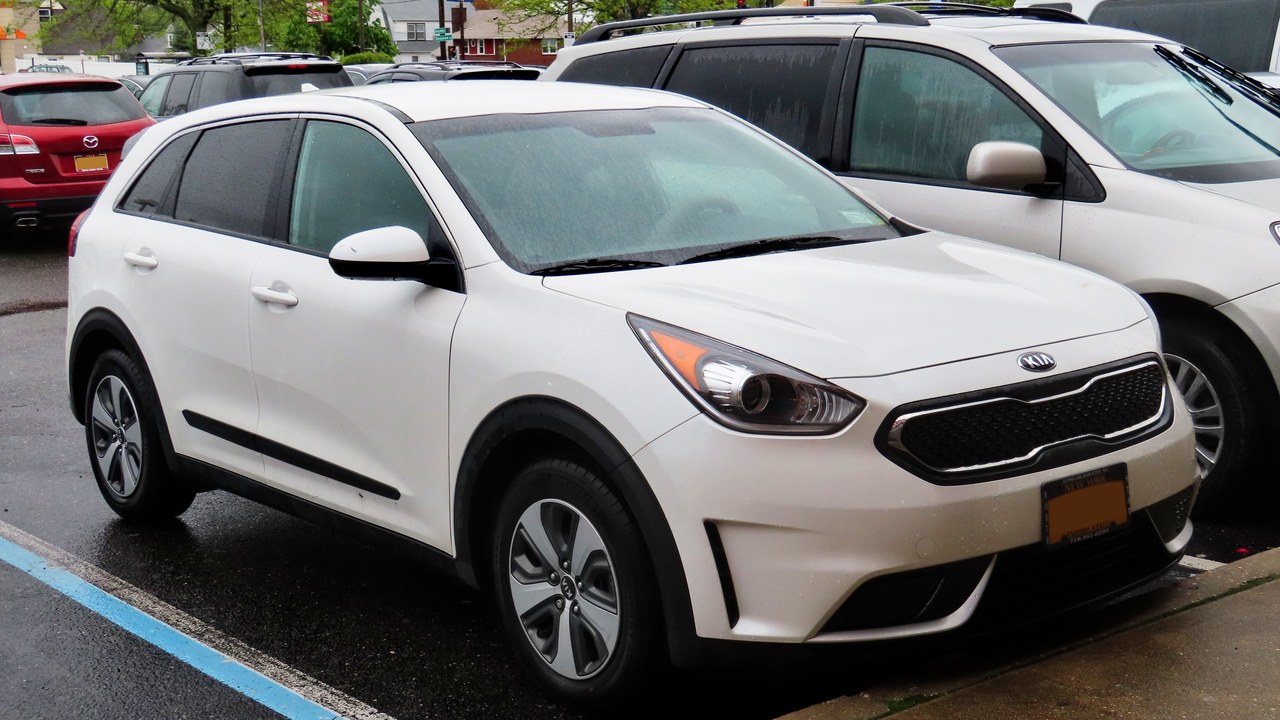
The Kia Niro also lost 30% of its estimated range in the CAA’s cold test at 5 to 19F, according to Kelley Blue Book coverage.
Sharing a result with the Model 3 puts the Niro in the middle of the 13 results. The estimate used is Natural Resources Canada’s rating, so owners should compare the figure with their own official range, not a brochure number.
22. Honda Prologue: Smallest Loss of the Group
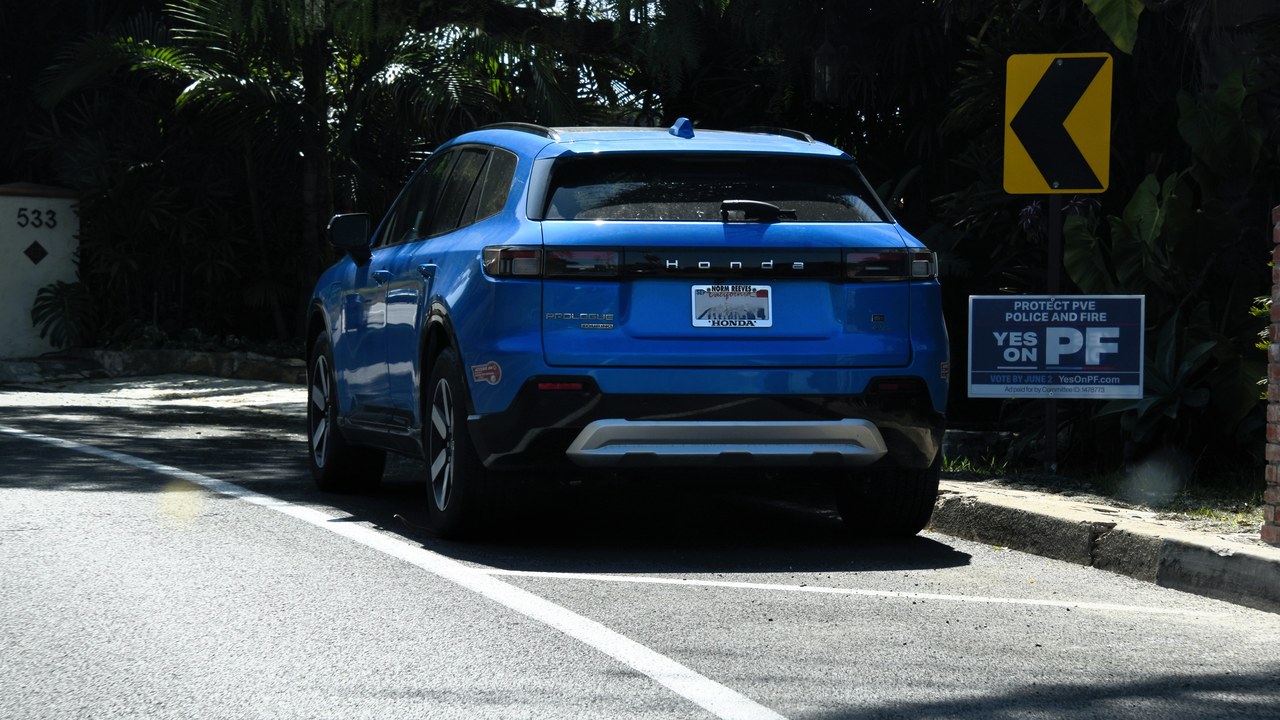
The Honda Prologue lost 24% of its estimated range in the Canadian Automobile Association test at 5 to 19F, the smallest loss among the models named. This comes from the Kelley Blue Book summary.
A 24% loss is still sizable, and the verified finding stands that no EV achieved its estimated range in such cold weather. The Prologue simply lost the least among those named in this list.
More from Morning Overview
- Hackers broke into Japan’s Fugaku supercomputer and stole the SSH keys of its users
- Student pilots are stuck with nearly 60-year-old T-38 jets that work only half the time
- Arizona declared a statewide emergency after storms and floods battered homes and roads
- A dangerous unpatched Windows exploit is now public and can hand attackers full control
