
Thin coatings, road salt and weak frame design have left some vehicles with a long record of corrosion trouble that owners and regulators have documented for years. The entries below draw on recall notices, federal records and outlet lists, each with its own year and scope. Here are nineteen models with a reputation for rust, from full-size pickups to compact crossovers.
Read next on Morning Overview: Thousands of bottles of a combination blood pressure pill are recalled nationwide
1. Toyota Tacoma: A Frame Program Years Long
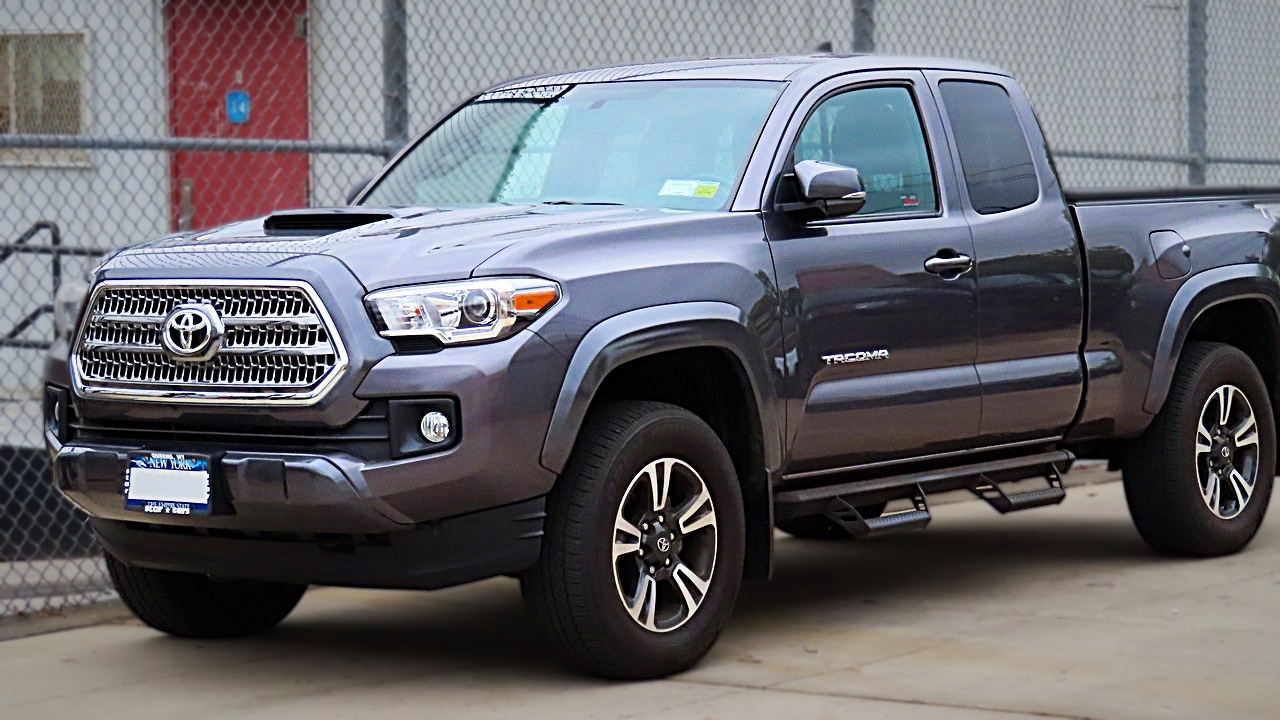
SlashGear’s 2026 list said a 2008 frame-rust program with an extra 12-year warranty inspected about 813,000 Tacomas, and a settlement of up to $3.4 billion followed.
The program shows how far a corrosion problem can spread once a frame is involved. Frame rust on a pickup matters more than cosmetic body rust because the frame carries the whole truck. Buyers of older examples are usually advised to have the frame inspected before purchase, since a documented program signals that the problem was serious enough for the maker to act.
2. Ford F-150: Steel Under the Aluminum
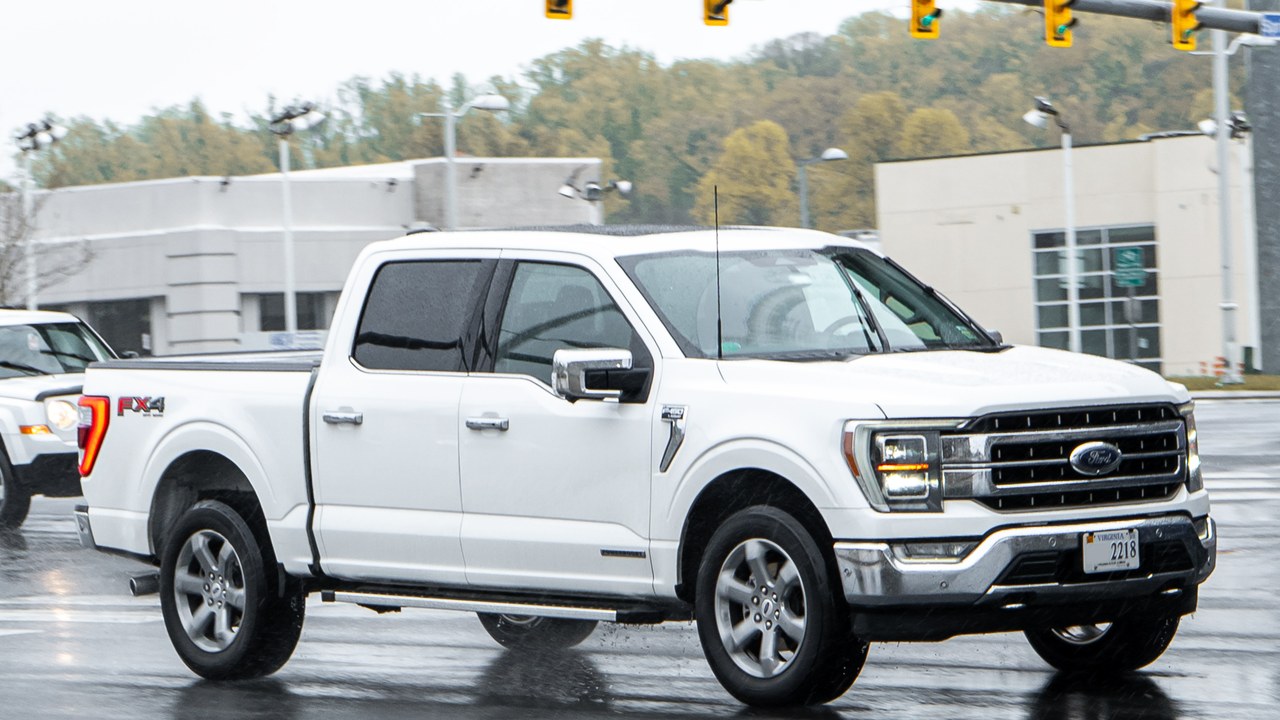
SlashGear’s list of rust problems reported rust on the steel axle housings and driveshafts of 2021 models despite the aluminum body panels, with one owner spotting it on the differential casing at 37 miles.
The case is a reminder that an aluminum body does not cover the steel underneath. A single owner report is an anecdote, not a failure rate. Shoppers comparing used examples may still want an underbody check, because corrosion on exposed steel parts can start long before body panels show any sign of age.
3. Chevrolet Silverado 1500: Peeling Wax on the Frame
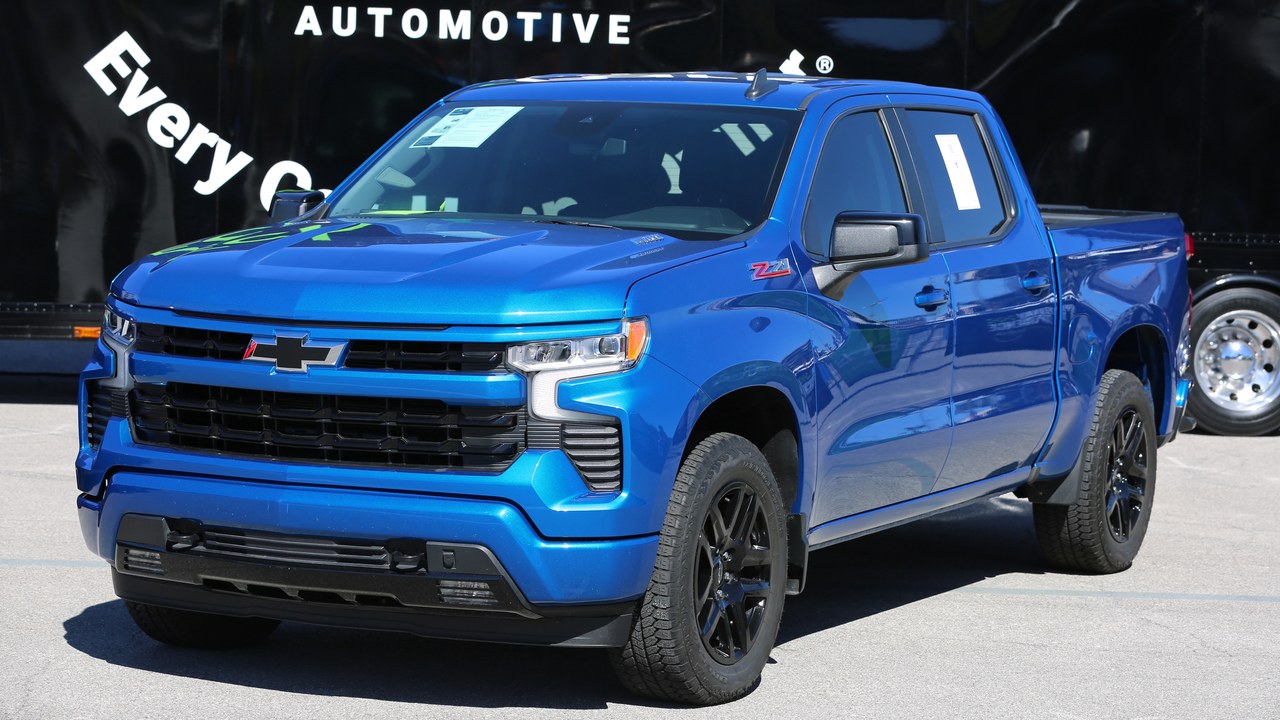
The wax coating on some frames was peeling, and SlashGear’s report blamed frames that were not prepared properly for the coating, with one owner reporting rust at 25,770 miles.
That points to a factory process issue instead of simple age. The mileage figure comes from one owner, so it shows how early rust can appear rather than how common it is. Anyone considering a used truck from that era could ask whether the frame was ever treated or recoated, since coating failures tend to spread once the protective layer lifts.
4. Ram 1500: Rust Across the Early Years
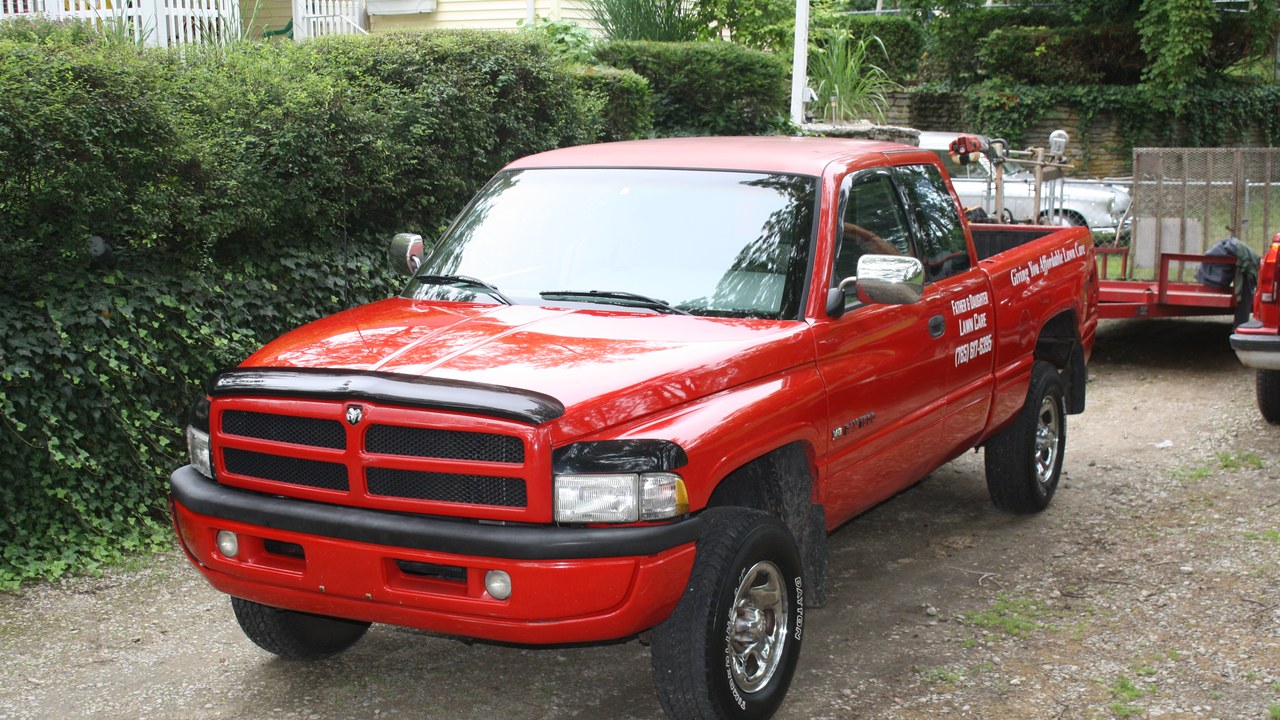
Steel-bodied trucks from 2000 to 2012 rusted widely, according to SlashGear’s pickup roundup, and about 300,000 trucks from 2009 to 2012 were recalled over rust-damaged fuel tank brackets.
The recall covers a narrower span than the body-rust complaints, which ran across the whole 2000-2012 stretch. Brackets that rust through are a safety issue, not just a cosmetic one. Owners and buyers of those years often look first at the frame rails and the tank area, where hidden corrosion tends to do its damage out of sight.
5. Nissan Frontier: Frames Cracking at Bed Mounts
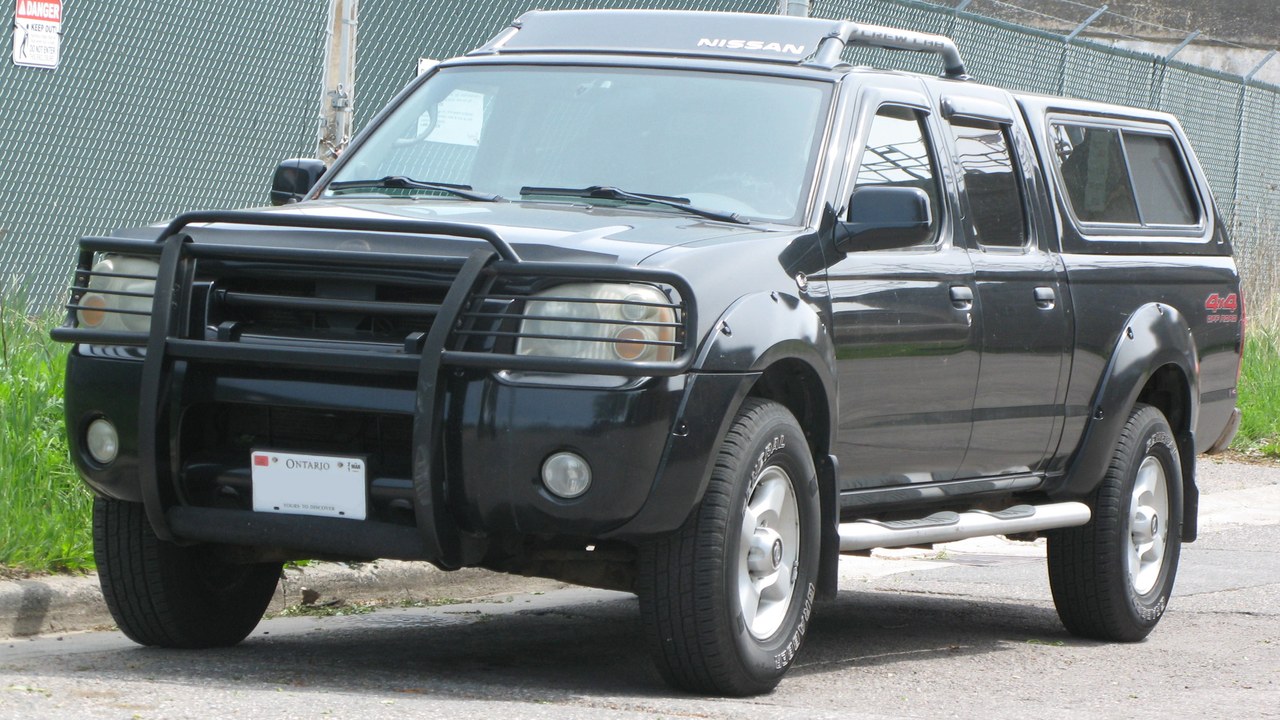
Frames on second-generation trucks from 2005 to 2008 can crack where the bed mounts trap moisture, and SlashGear’s coverage noted that Nissan declined a full recall.
The company’s position, per the outlet, was that the problem did not rise to the level of a safety concern. Owners of those years often check the frame near the bed mounts. Used buyers typically check the frame near the rear mounts, because cracks that begin at a rusted weld or bracket can be hard to spot from above.
6. Toyota 4Runner: Federal Scrutiny of the Frame
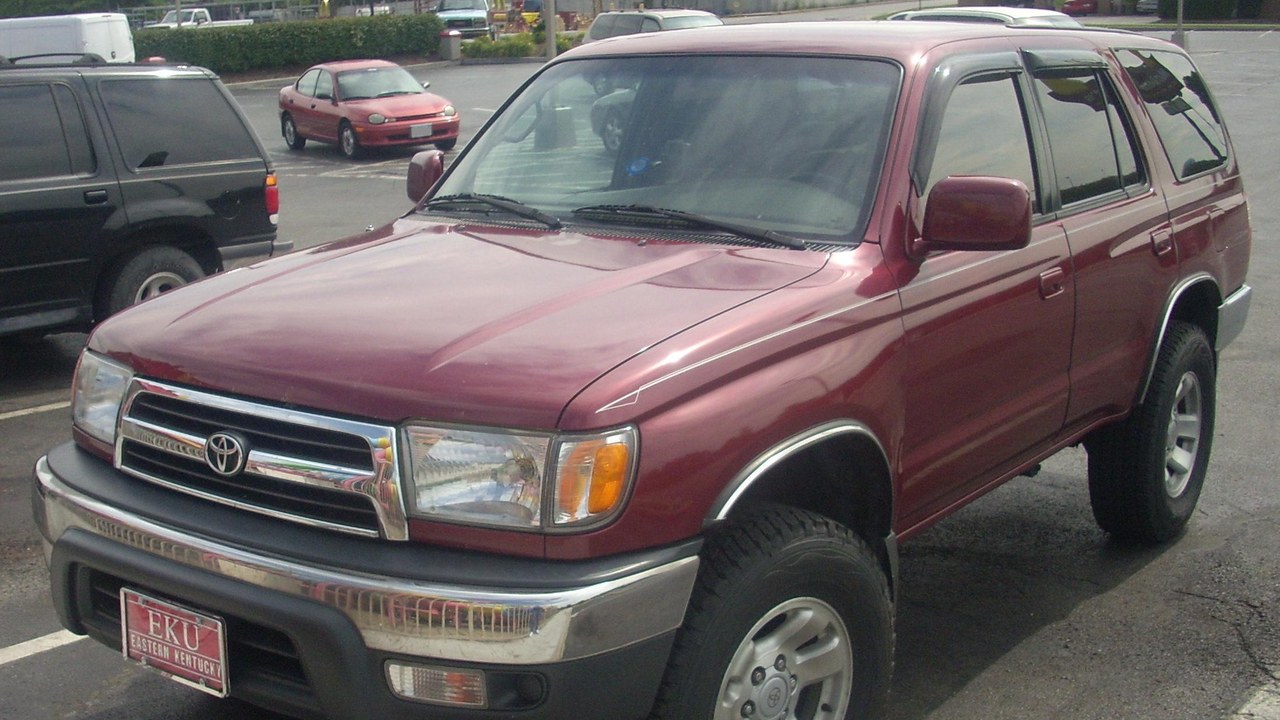
NHTSA examined 2002 to 2006 models for frame corrosion and logged 1,024 fourth-generation records, and a Federal Register notice said about 96% of suspension-link failures involved vehicles in states that use heavy road deicing salt.
The 1,024 figure counts complaint records in the agency’s DP18-002 probe, not confirmed failures. The salt-state pattern shows where the risk concentrated. Anyone shopping for one from that generation can reasonably ask for underbody photos or a lift inspection, especially if the vehicle spent its life in a snowy region.
7. Toyota Sequoia: Frames From a Supplier
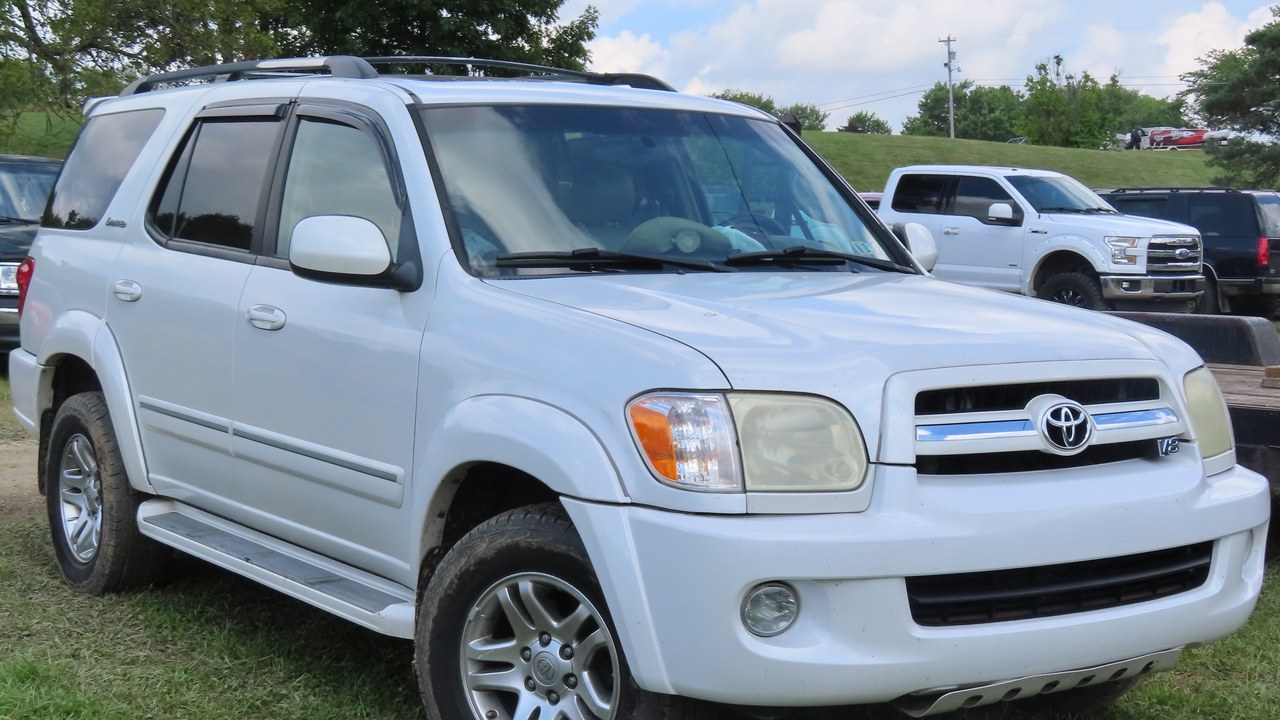
NHTSA’s notice cites Toyota service campaigns and warranty extensions for Dana-supplied frames on 2001 to 2007 models, plus the Federal Register entry on a 2017 class action settlement.
The record ties the corrosion concern to a specific supplier and model-year span. That makes the 2001-2007 window the one to scrutinize on used examples. Because the record names the years and the supplier, owners can check whether a given vehicle received the service campaign or warranty extension before they buy or keep it.
8. Toyota Tundra: Spare Tire at Risk
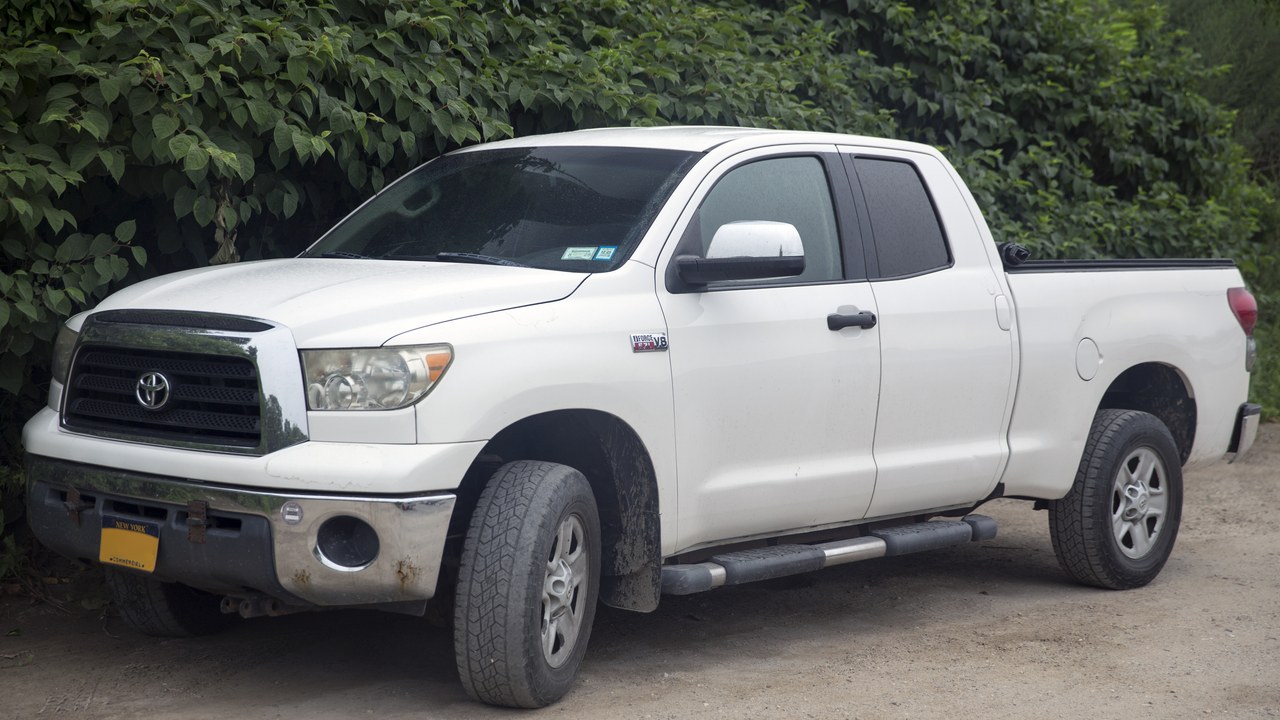
Toyota recalled about 110,000 trucks from 2000 to 2003 in 20 cold-climate states, with a 2009 Reuters report explaining that frame corrosion could drop the spare tire and damage the rear brake lines.
The recall dates to 2009 and is history, not a current notice. It targeted states where winter road treatment is heaviest. Owners of vehicles from those years in northern regions were the ones most directly affected, and the recall is a useful reference point when evaluating older trucks.
9. Subaru Outback: Brake Lines in the Salt Belt
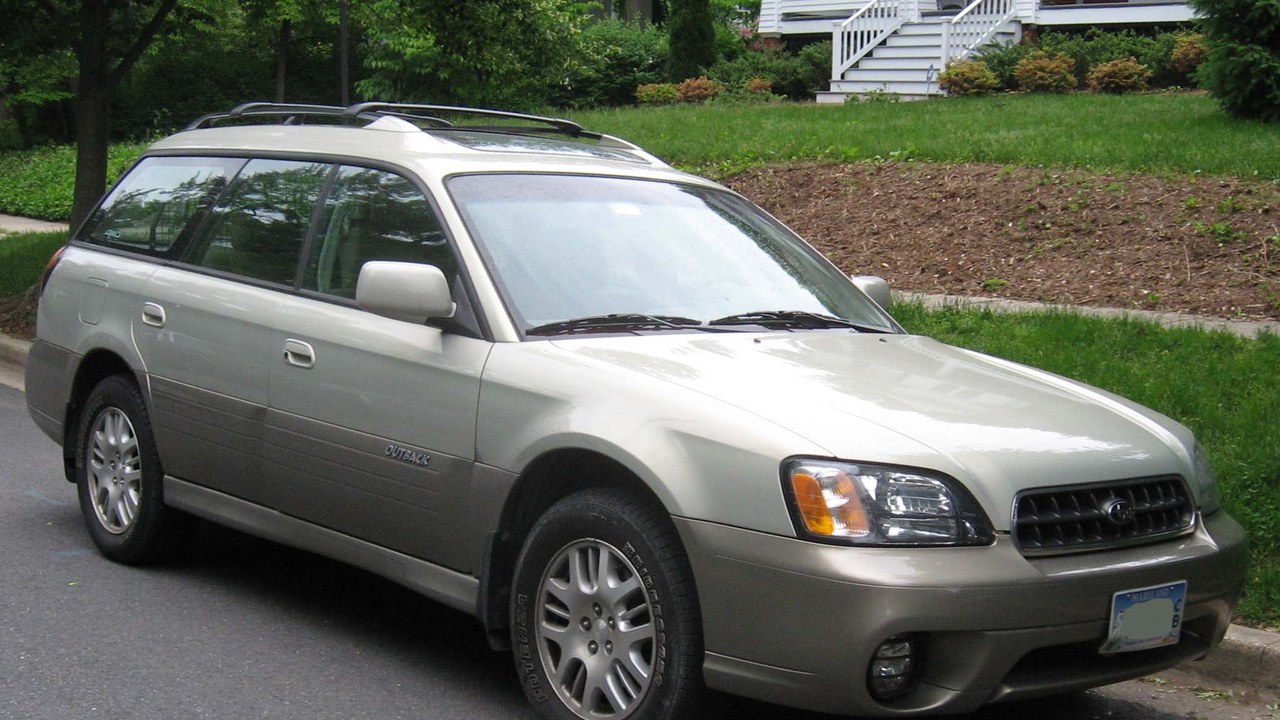
Brake lines on 2005 to 2009 Legacy and Outback models can rust and leak fluid, according to a 2014 AP report, which tied the problem to a recall of more than 660,000 vehicles in salt-belt states.
The 2014 recall covered several Subaru models, which is why the same story repeats on the next two entries. A leaking brake line is a safety concern that salt exposure accelerates. Owners in snowy regions can have the brake lines inspected during routine service, since a leak there can reduce stopping ability without any obvious warning on the dashboard.
10. Subaru Forester: Same Recall, Newer Years
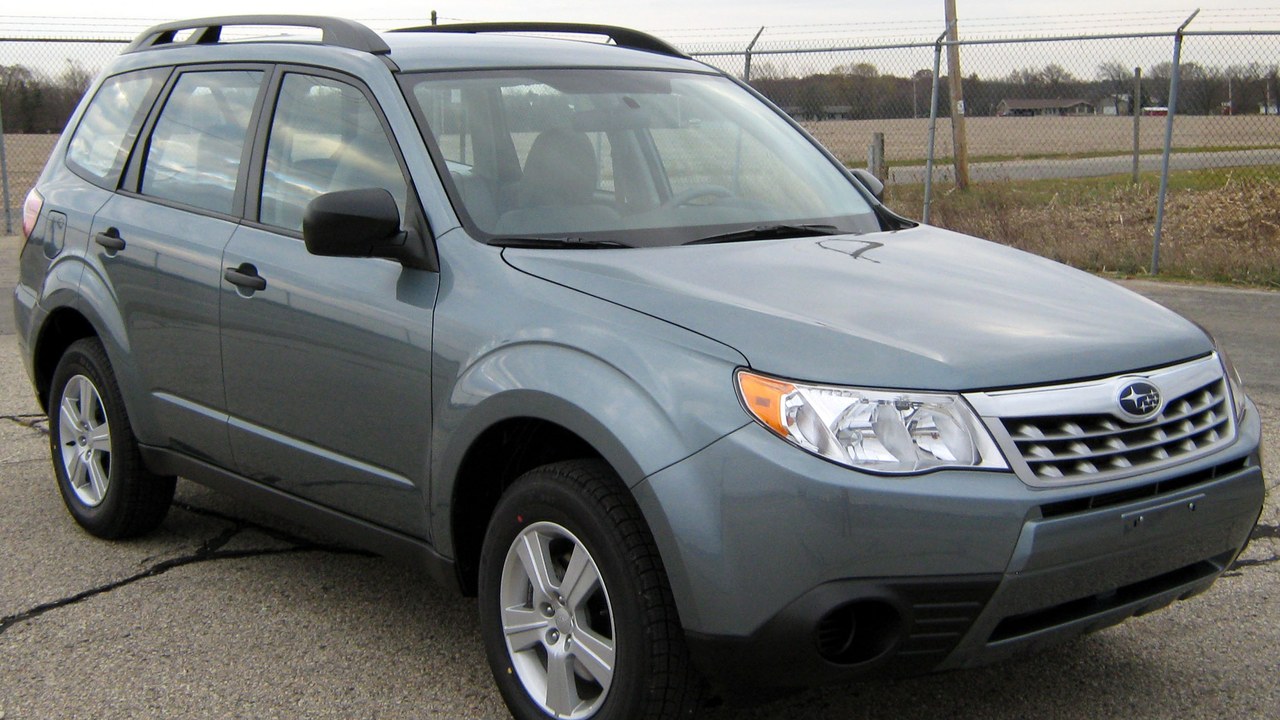
The 2009 through 2013 model years were included in the AP’s 2014 recall report, the 660,000-vehicle brake-line rust recall covering road-salt states.
The recall is a dated event from 2014. Its scope was set by where salt is used on roads, so mileage and region mattered more than the nameplate. Buyers of used examples from those years can check whether the recall work was completed, which is a simple question to put to a seller or a dealer service department.
11. Subaru Impreza: A Gap Above the Brake Lines
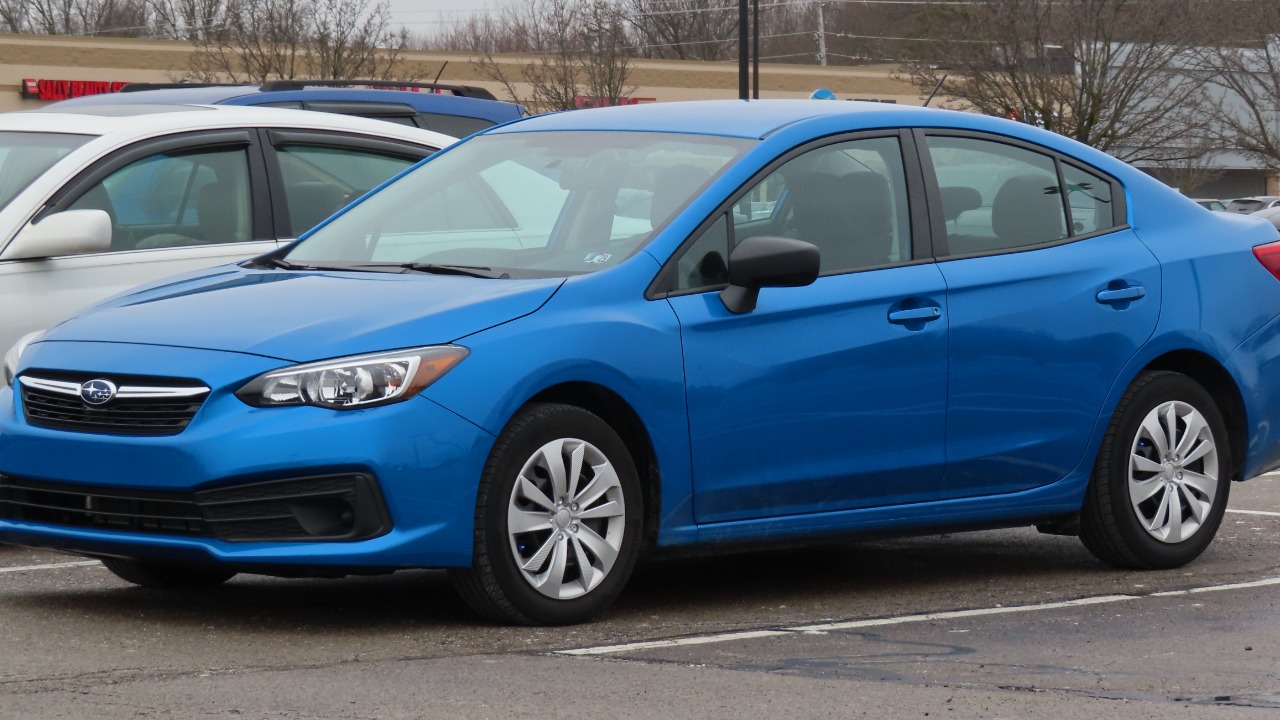
Models from 2008 to 2014 were recalled along with the Legacy, Outback and Forester because, as the AP’s recall account put it, salty water can splash onto the brake lines through a gap in the fuel tank protector.
The mechanism is a design gap, not a cheap part. Brake lines exposed to splash are the vulnerable point. A used example from those years is worth checking for completed recall work, and for corrosion along the brake lines that run underneath near the fuel tank.
12. GMC Canyon: Frames and Corners

Customers complained of rusting frames and corners on the compact pickup, according to HotCars’ 2018 list, which called the number of complaints huge.
The complaint is general and the source gives no figures or model years. It belongs in the category of owner reputation rather than a documented recall. Buyers of an older used example would do well to look underneath and around the body corners, since a general reputation is a reason to inspect rather than proof of a particular truck’s condition.
13. Jeep Wrangler: Notorious Underneath
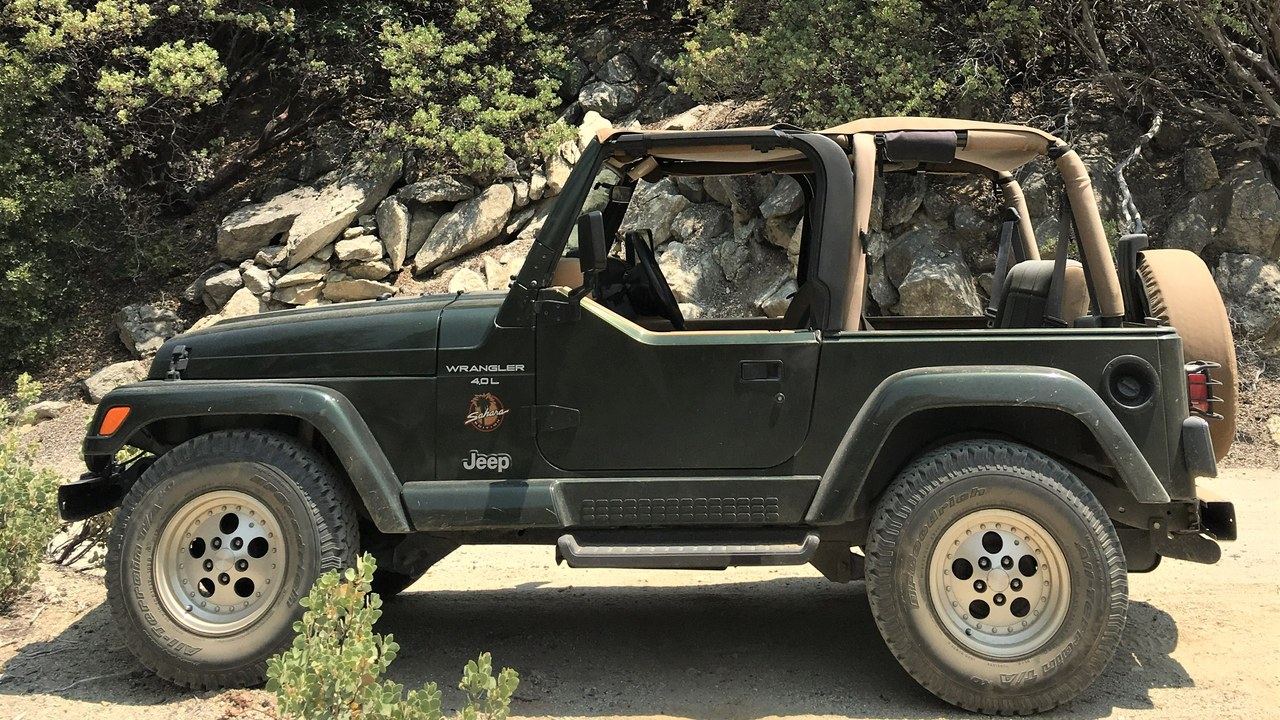
The off-roader has been called notorious for significant rust problems by HotCars’ domestic rust list, though the article offers no numbers.
The reputation is broad and the source does not name a specific year or part. Open-air designs and off-road use give water and mud many places to sit. Readers should treat that as a reputation, not a measured failure rate, and inspect any used example underneath, especially if it has spent winters on salted roads.
14. Chevrolet Equinox: Door Frames First
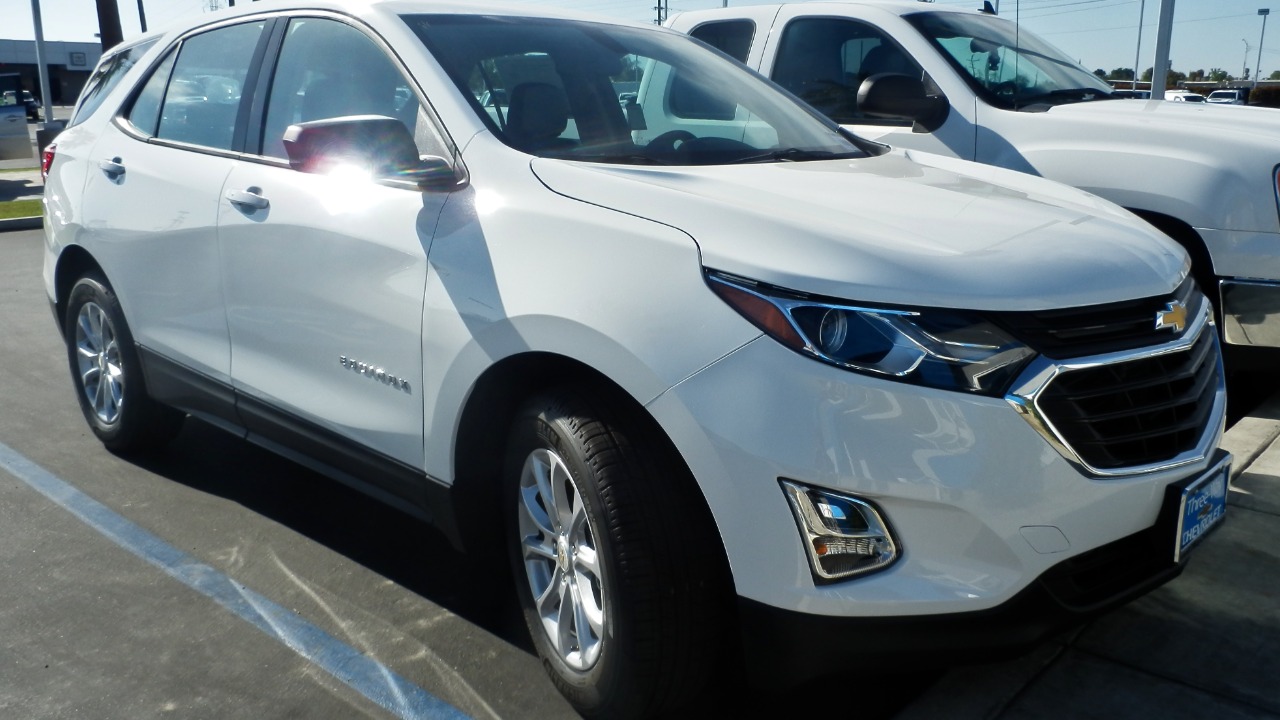
Rust often develops on the door frames of this crossover, according to HotCars’ 2018 roundup, which called them one of the most notable areas owners have found.
The note is limited to one area of the body. Door frames hold moisture along seams, which makes them an early check on used examples. Anyone shopping for a used example can look along the door seams and sills, which are inexpensive to check and often reveal how the vehicle was kept.
15. Chevrolet Vega: A Rust Magnet
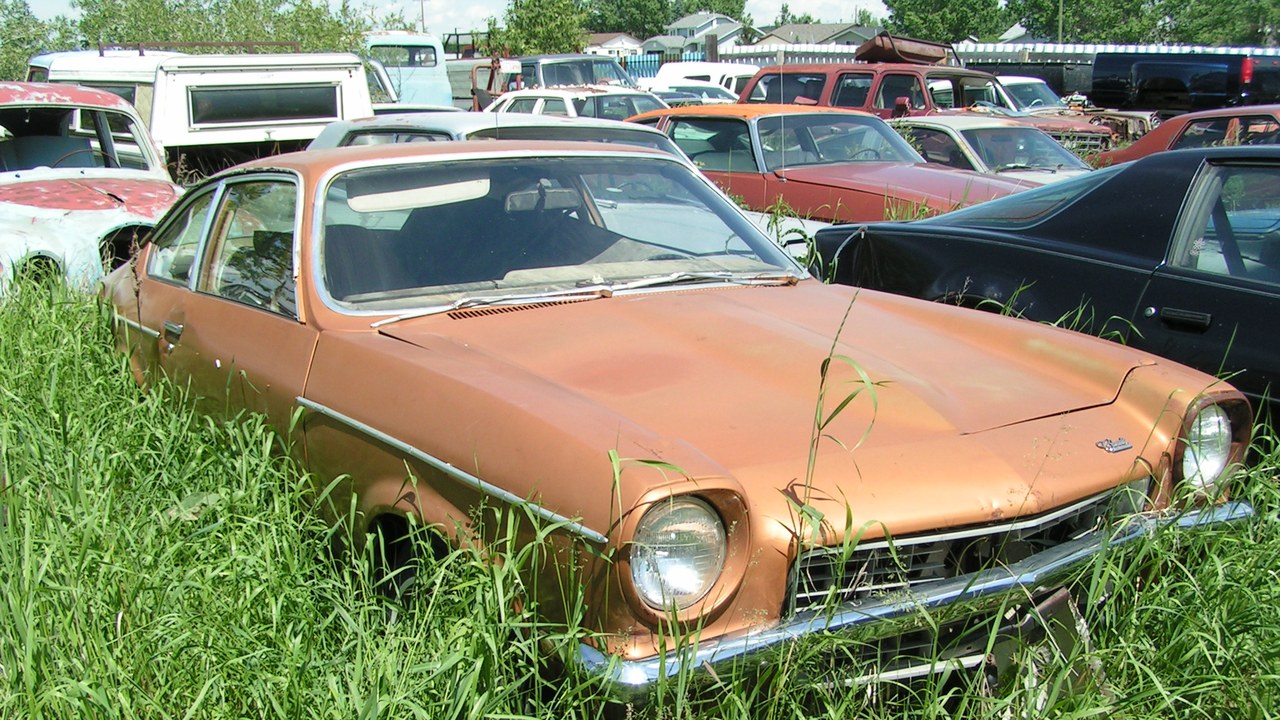
The compact’s awful build quality made it a rust magnet, writes HotCars’ domestic rust-bucket list, in a description that fits its reputation.
The line reflects the outlet’s view of the car’s build quality. The source supplies no measured rate, so the claim stays a judgment of build quality. Readers should treat the judgment as the outlet’s opinion rather than test data, and any surviving example is worth a careful look underneath.
16. Saturn Vue: Subframe Trouble
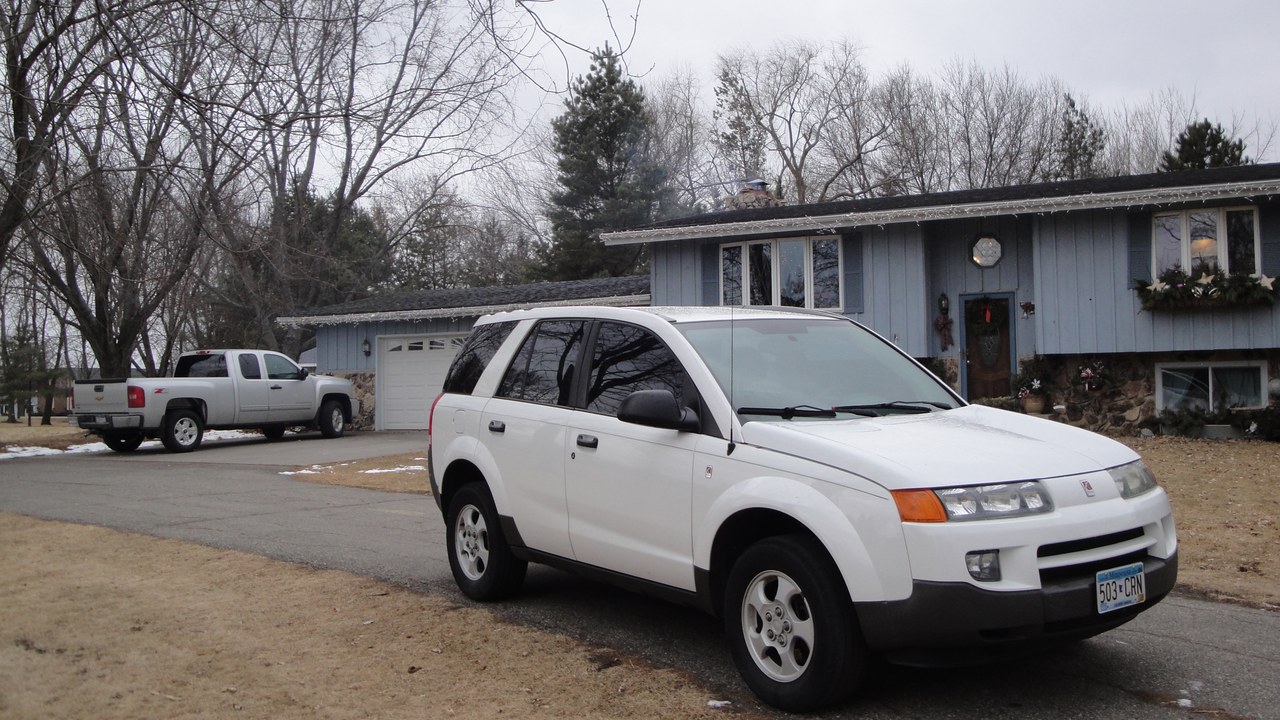
The subframe rusted more than on most other cars, HotCars’ rust-bucket feature says, singling out that part of the crossover.
Subframes carry suspension loads, so corrosion there matters more than surface blemishes. The source does not give a year range or a count. Anyone looking at a used example can inspect the subframe and its mounting points closely, since corrosion there can compromise the structure holding the suspension in place.
17. Chevrolet Colorado: Frames and Rocker Areas

Frames and lower rocker areas are prone to rust where lots of salt is used, according to HotCars’ 2019 pickup list, which put the compact pickup among rust-risk trucks.
The warning is tied to salt use, so climate matters. A truck from a dry region faces a different risk than one from the snow belt. A used example from a snowy state deserves a closer underbody look than one from a dry climate, particularly at the frame rails and the rocker panels along the sides.
18. Ford Bronco: Built Before the Fix
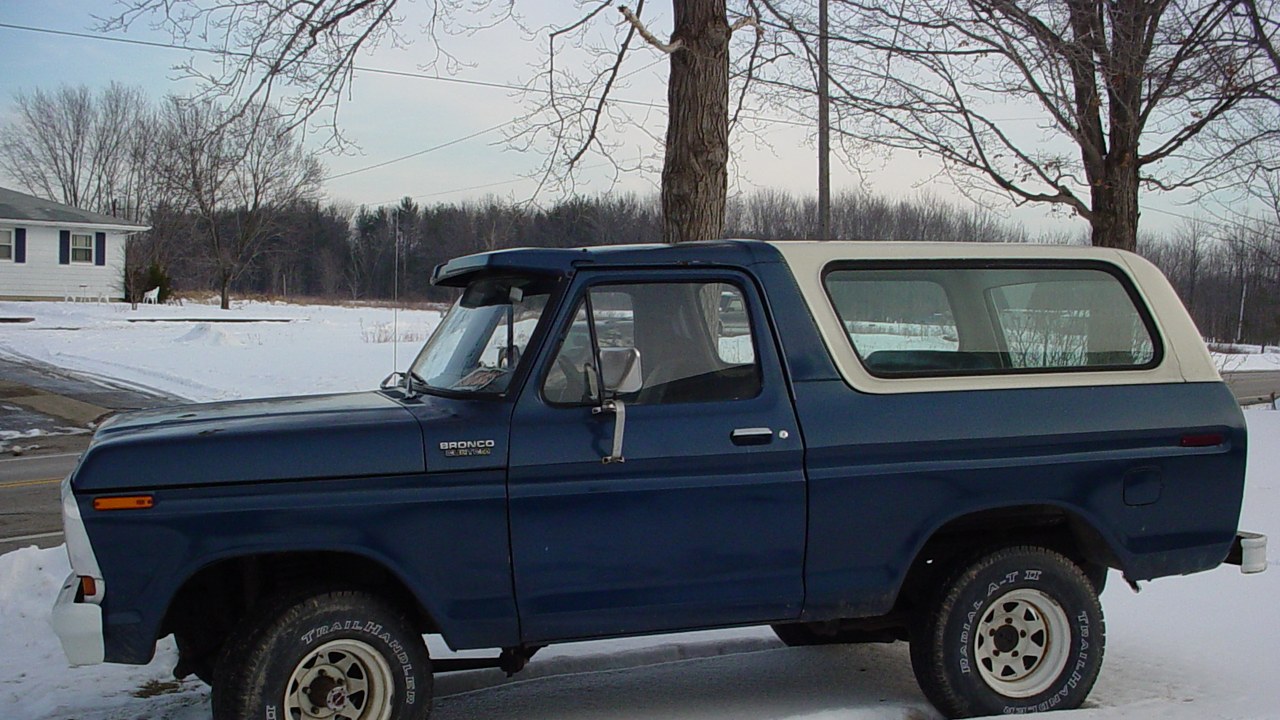
Second- and third-generation versions were designed before Ford’s later rust-proofing improvements, says HotCars’ pickup risk list, because those improvements were not incorporated.
The point is about design era instead of a recall. Later improvements in the maker’s rust-proofing never reached those earlier generations. Restorers and buyers of those older generations often budget for rust repair, because a design that predates later corrosion protection leaves bare seams and panels exposed to moisture.
19. Chevrolet S-10: Meant to Last Ten Days
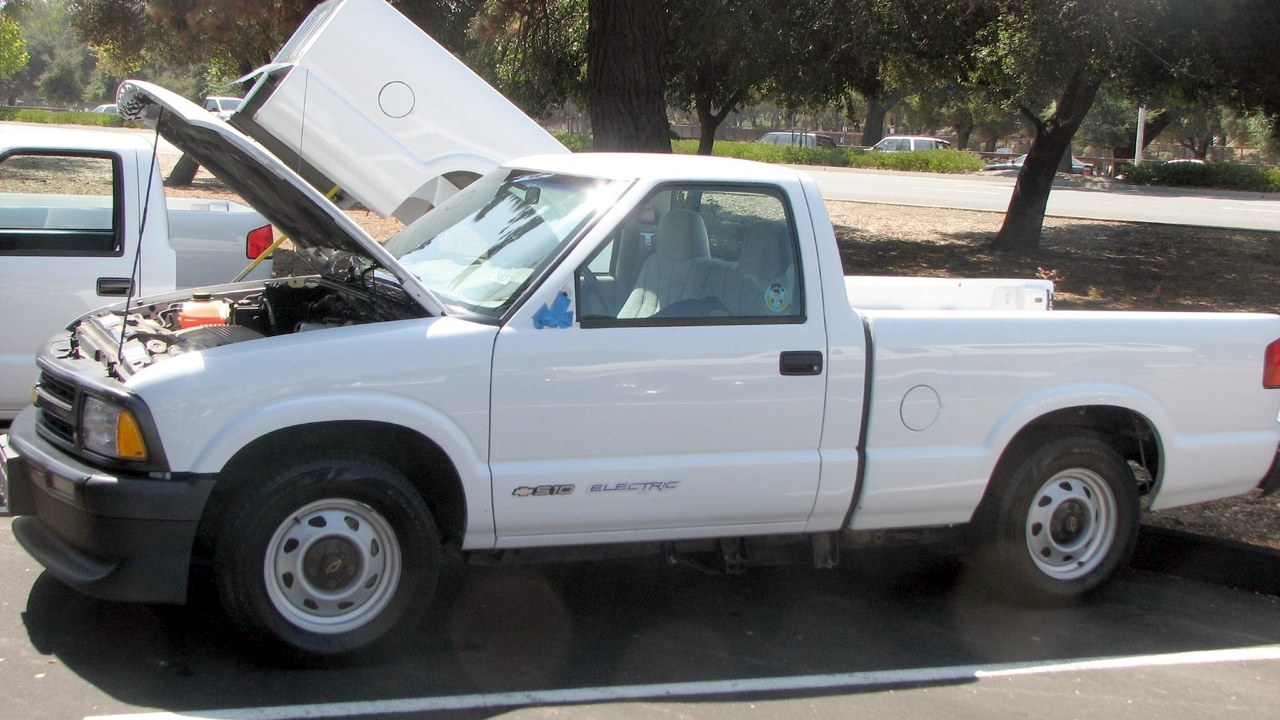
First-generation bodies were poorly built, and HotCars’ pickup rust article says they were meant to last about 10 days after the warranty expired.
The line is the outlet’s wry phrasing, not an engineering measurement. It sums up the reputation of the early bodies. Anyone considering a survivor can expect to inspect the body carefully, because the outlet describes the early bodies as poorly built.
More from Morning Overview
- Student pilots are stuck with nearly 60-year-old T-38 jets that work only half the time
- Arizona declared a statewide emergency after storms and floods battered homes and roads
- A dangerous unpatched Windows exploit is now public and can hand attackers full control
- Microsoft says its November Windows security updates are breaking printing for some users
