
National parks protect some of the planet’s most spectacular wildlife, but a handful of them also host animals capable of killing a visitor with little warning. From ambush predators lurking in rivers to solitary tigers that have learned to stalk people, these landscapes reward caution as much as admiration. Here are ten national parks where dangerous wildlife shares the trails with tourists.
1. Kruger National Park (South Africa): Big Five, Real Danger
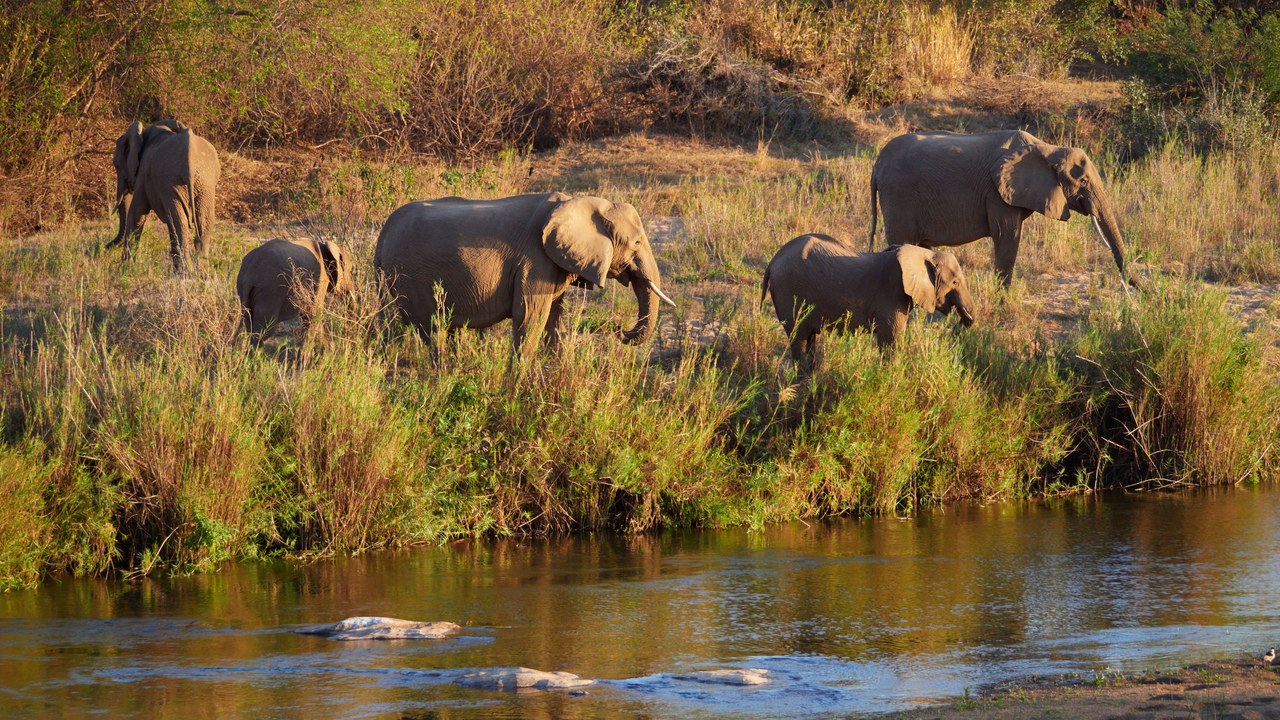
Kruger National Park, one of Africa’s largest reserves, is home to the Big Five, and its lions and Nile crocodiles are responsible for periodic fatal encounters along the park’s rivers and border fences, where local communities and hikers sometimes cross paths with predators. The South African wildlife reserve spans nearly two million hectares of bushveld terrain.
Park rangers advise staying inside vehicles on self-drive routes and never approaching riverbanks on foot, since most documented incidents involve people outside designated safe zones rather than routine sightseeing.
2. Kakadu National Park (Australia): Billabongs Hide Ambush Hunters
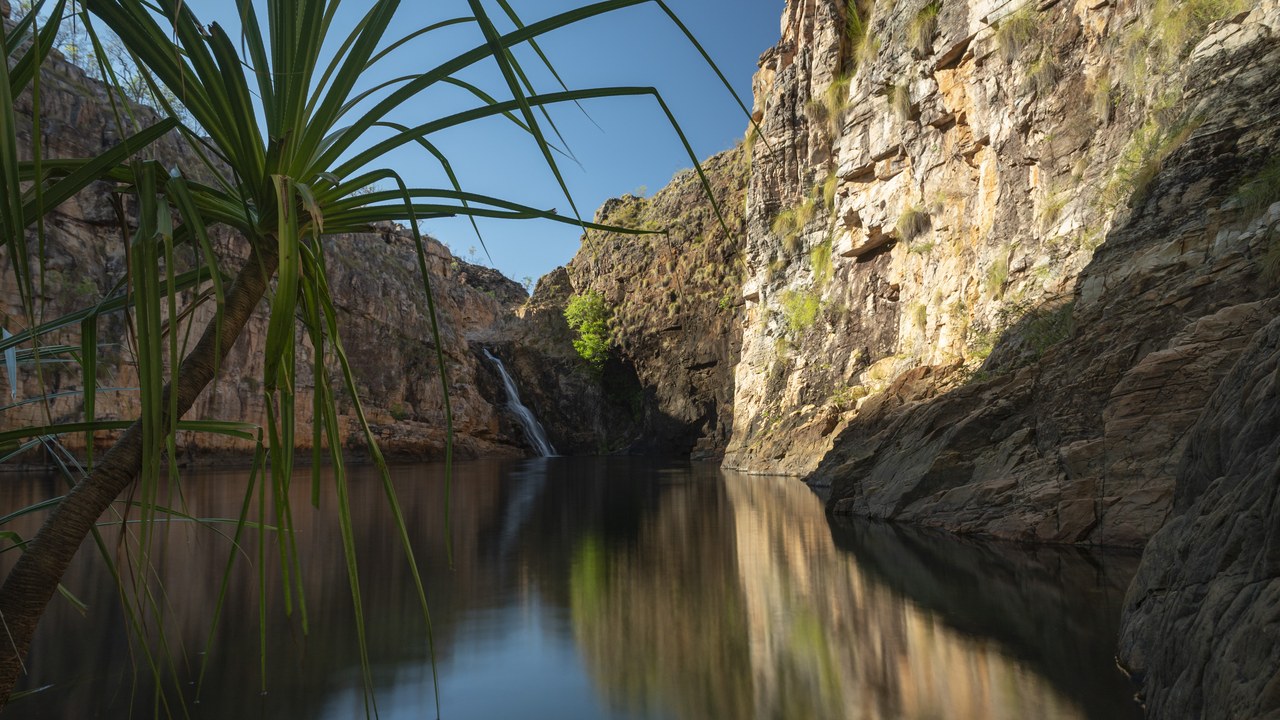
Kakadu National Park in Australia’s Northern Territory shelters saltwater crocodiles, the country’s largest predator and among the largest reptiles alive, which lie submerged in billabongs and tidal rivers before striking. The UNESCO World Heritage park covers wetlands, floodplains and sandstone escarpments across nearly 20,000 square kilometers.
Rangers close swimming holes and post warning signs wherever crocodiles are spotted, and fatal encounters in the park remain uncommon against the roughly 200,000 visitors who tour its waterways each year. Local guides recommend viewing rivers from a boat rather than wading, since most attacks occur when people underestimate how close a submerged crocodile can be.
3. Sundarbans National Park (India): Tigers That Stalk People
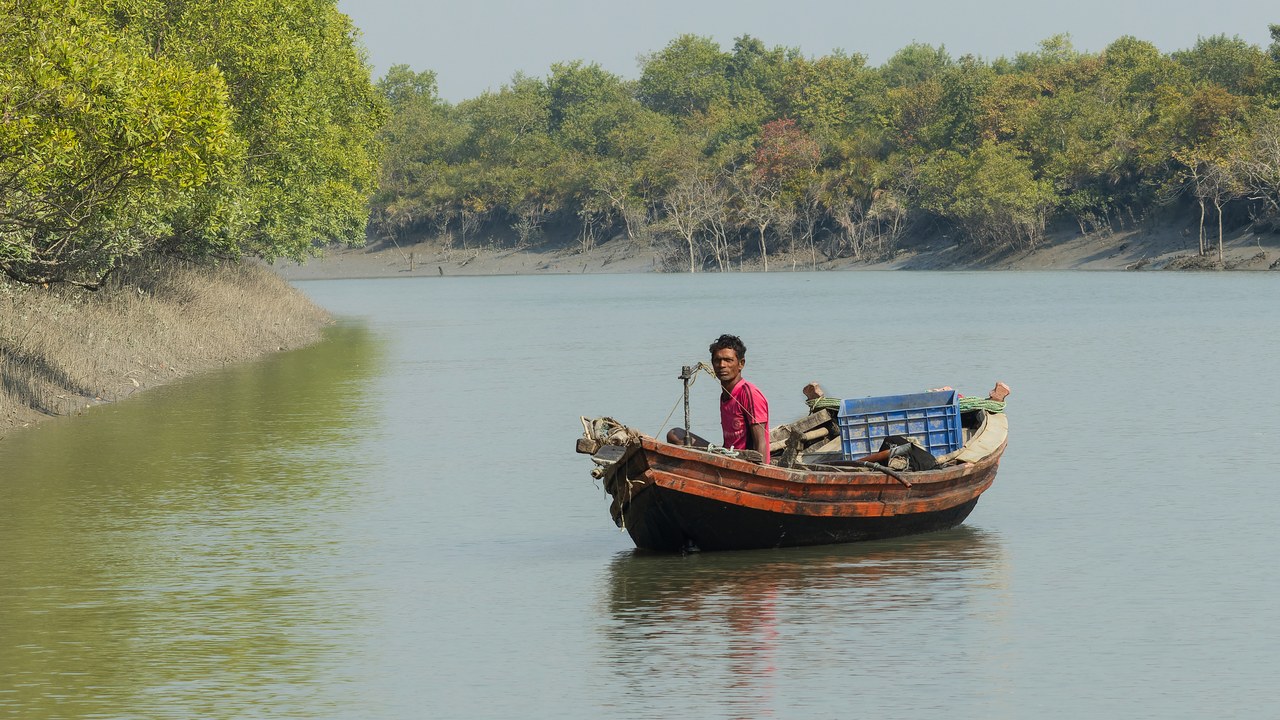
The Sundarbans, a vast mangrove forest spanning India and Bangladesh, holds a Bengal tiger population that is unusual among big cats for actively stalking humans rather than avoiding them, and local authorities attribute dozens of deaths a year to tiger attacks on fishermen and honey collectors. The Indian national park forms the core of the wider mangrove delta.
Forest officials require permits and armed guides for anyone entering deep waterways, and most fatalities involve villagers working the forest edge rather than tourists on guided boat trips.
4. Yellowstone National Park (USA): Grizzlies Near the Geysers
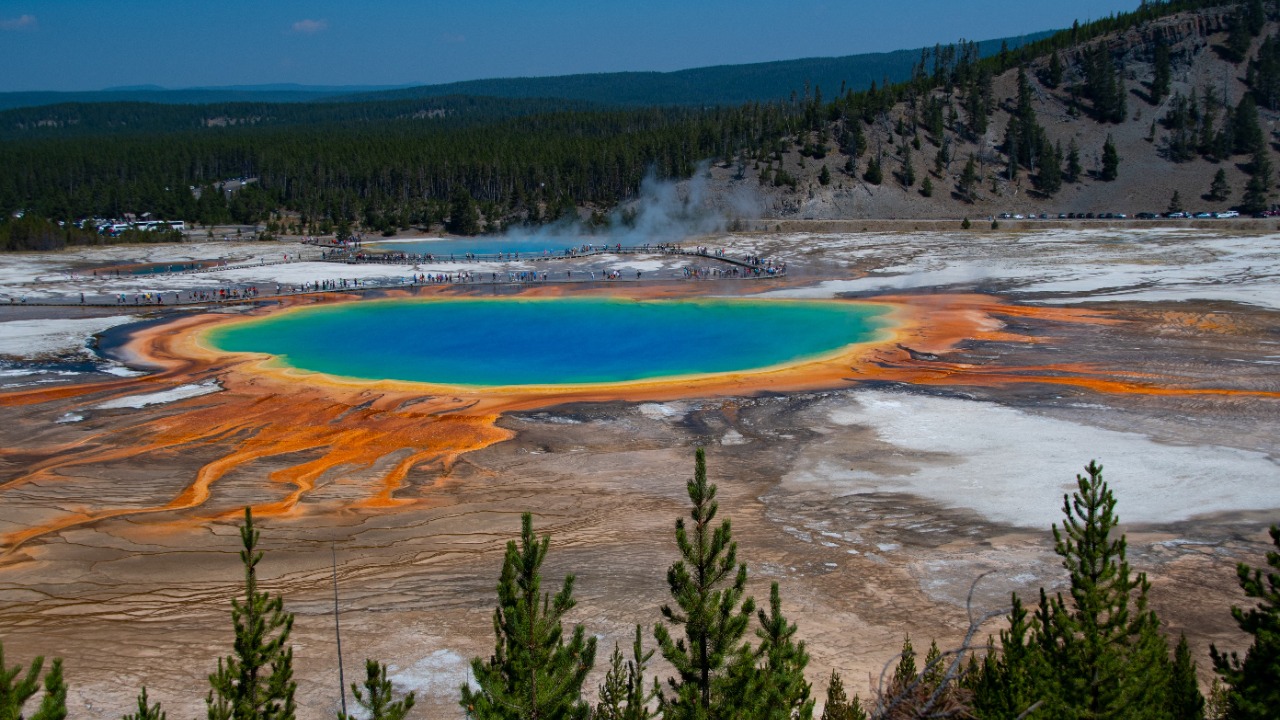
Yellowstone National Park’s grizzly bear population ranges close to boardwalks and geyser basins, and encounters occasionally force the National Park Service to close trails to protect both bears and visitors. The first national park in the world spans more than two million acres across Wyoming, Montana and Idaho.
Rangers require bear spray and a minimum 100-yard distance from bears, and fatal maulings remain rare given the roughly four million people who visit the park annually. Most serious incidents involve surprised encounters on backcountry trails rather than sightings from the park’s many roadside pullouts.
5. Komodo National Park (Indonesia): Home of the Only Dragon
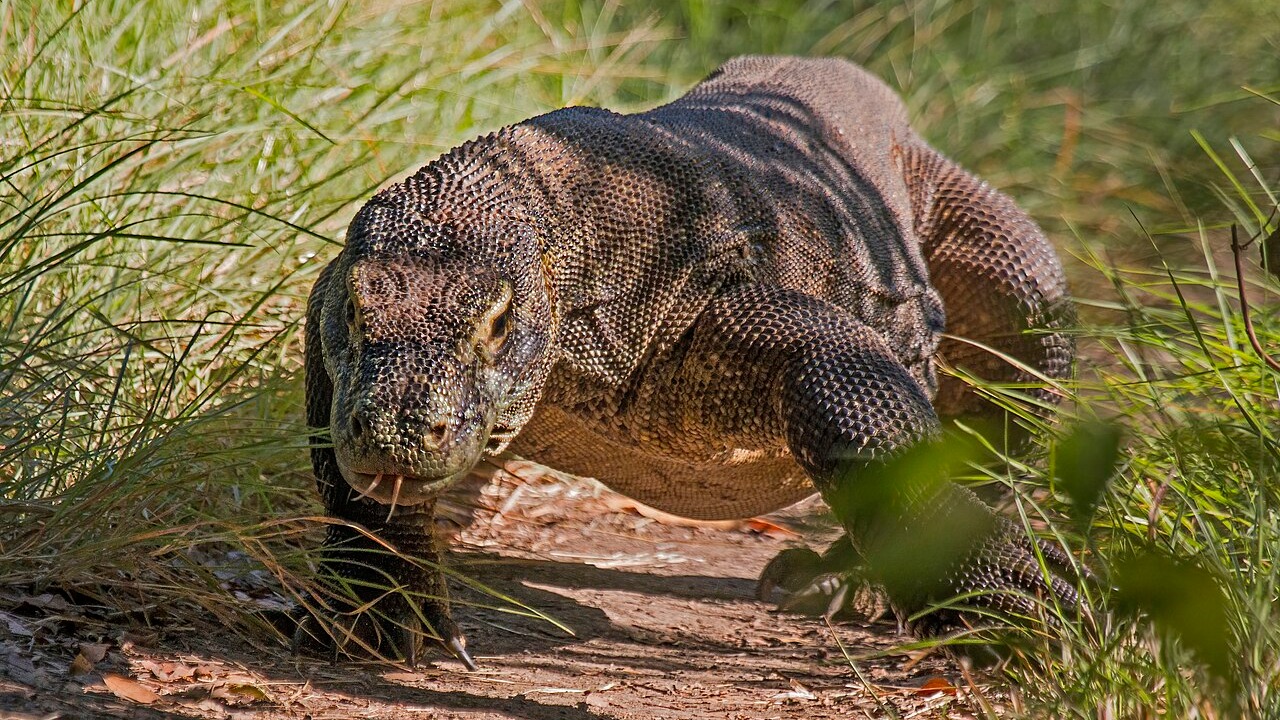
Komodo National Park in Indonesia is the sole natural habitat of the Komodo dragon, a venomous lizard that can grow past three meters and has killed park staff and villagers in documented attacks. UNESCO recognizes the island reserve as a World Heritage site specifically for protecting the species.
Guides require visitors to stay in groups behind a ranger carrying a forked stick, and the dragons’ bites, while occasionally fatal, are survived by most people who seek prompt medical treatment. The lizards rely on patience and a powerful sense of smell rather than speed, so incidents typically involve people who wander off the marked trail alone.
6. Everglades National Park (USA): Alligators and Invasive Pythons

The Everglades’ sawgrass marshes hold both native American alligators and an exploding population of invasive Burmese pythons, which have reshaped the food web by preying on mammals once common throughout the park. The Florida wetland park covers 1.5 million acres of subtropical wilderness.
Alligator attacks on people remain infrequent and mostly linked to feeding or swimming in unmarked waters, while the pythons pose far greater risk to the park’s wildlife than to visitors. Park biologists continue removing pythons by hand as part of an ongoing effort to protect native mammal populations.
7. Ranthambore National Park (India): Tigers on Their Own Turf

Ranthambore National Park in Rajasthan is one of the most reliable places on Earth to spot wild Bengal tigers, and while sightings are usually peaceful, individual tigers have occasionally turned on villagers and forest workers near the park’s edges. The former royal hunting ground now operates as a protected tiger reserve.
Safari vehicles keep a fixed distance and never leave marked tracks, and confirmed attacks on tourists inside the reserve are far rarer than incidents involving people living along its boundary.
8. Kaziranga National Park (India): Rhinos That Charge Without Warning
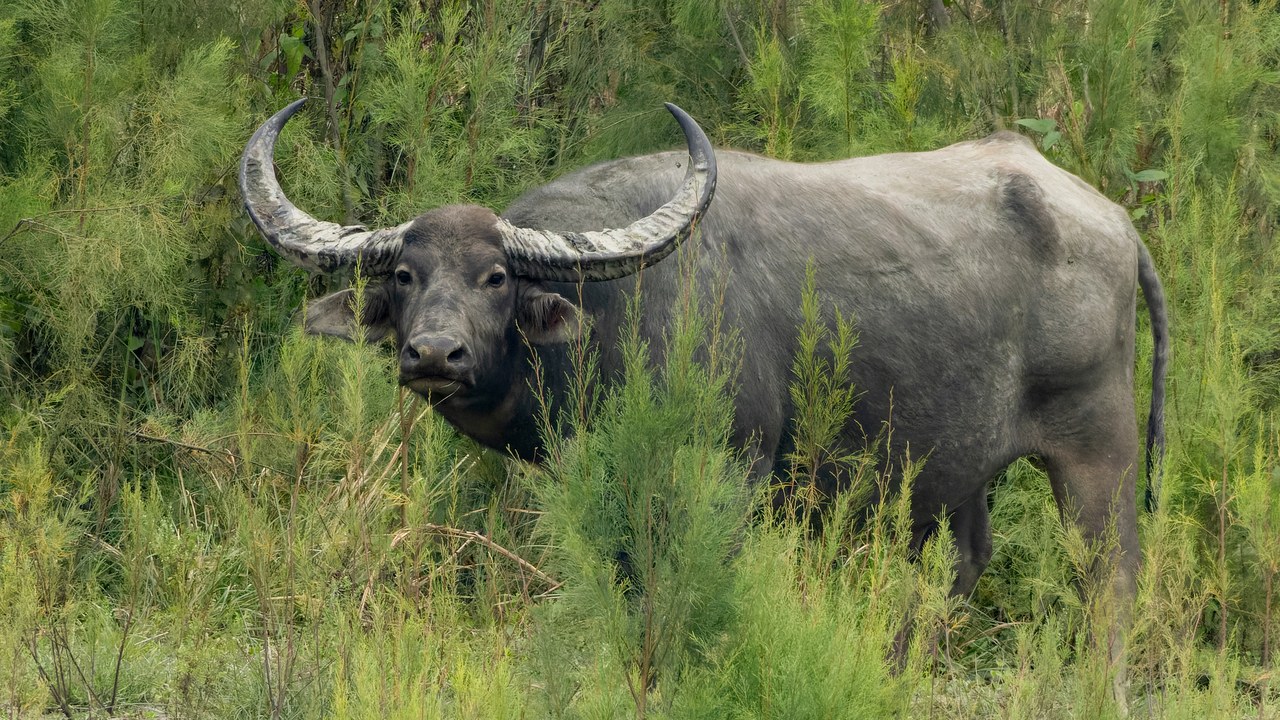
Kaziranga National Park in Assam holds the world’s largest population of greater one-horned rhinoceroses, animals known to charge suddenly and without visible provocation, alongside resident tigers and wild elephants that share the same grassland. The UNESCO-listed park sits along the Brahmaputra River floodplain.
Visitors tour by jeep or elephant-back rather than on foot, and park staff, who patrol against poachers, face far greater day-to-day risk from the animals than typical tourists do. Rhino charges are unpredictable enough that guides keep vehicles well back from grazing animals at all times.
9. Katmai National Park (USA): Where the Biggest Bears Fish
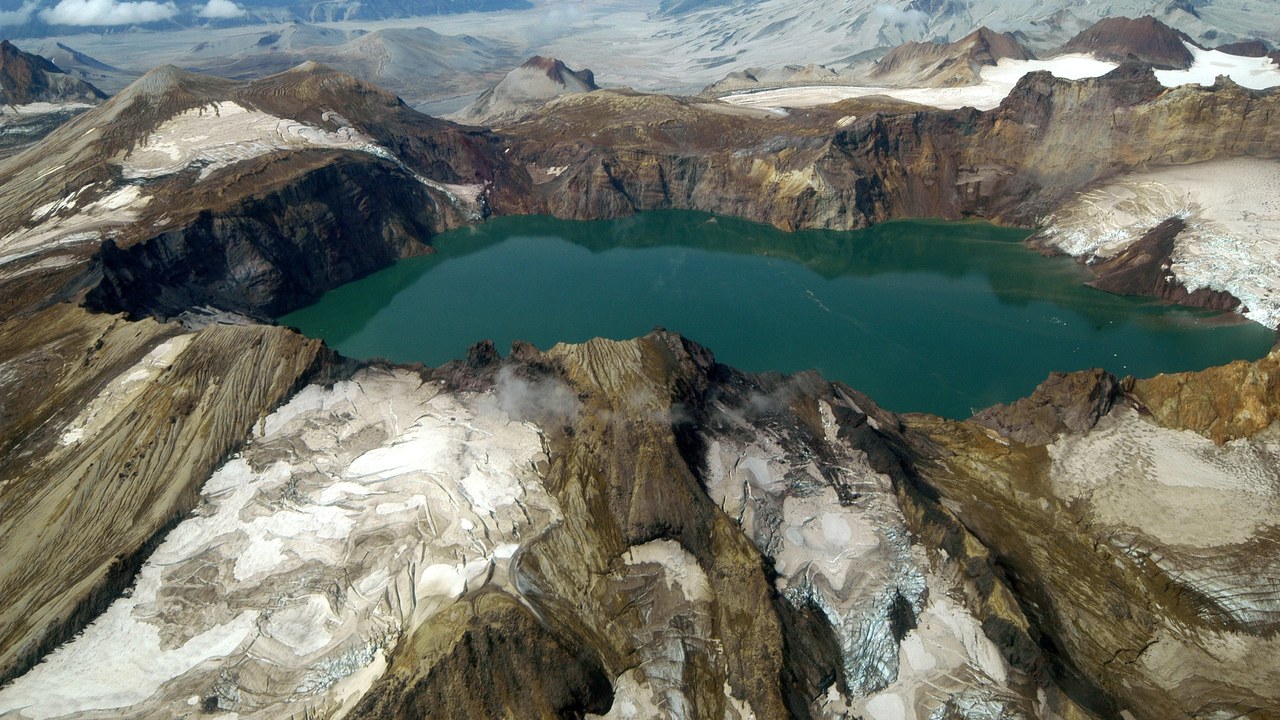
Katmai National Park and Preserve in Alaska draws some of the largest brown bears on the planet, which gather each summer at Brooks Falls to catch migrating salmon within view of raised viewing platforms. The remote Alaskan park is accessible only by boat or floatplane.
Rangers restrict foot traffic during peak fishing season and require food storage rules, and serious bear encounters with visitors are uncommon thanks to the platforms that keep people elevated and separated. Bears at Brooks Falls generally ignore spectators, focusing instead on the salmon runs below.
10. Chobe National Park (Botswana): Elephants, Hippos and Lions
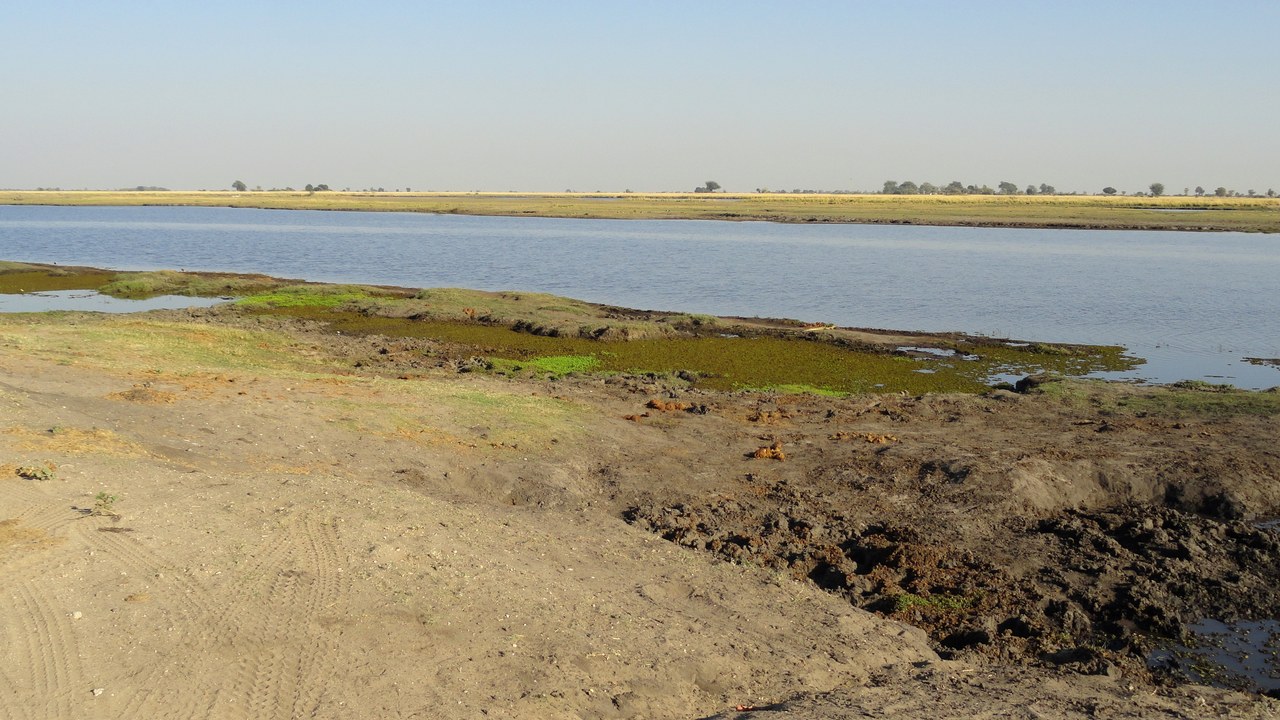
Chobe National Park in Botswana holds the densest elephant population on the continent, along with aggressive hippopotamuses that guard riverbank territory and prides of lions that hunt across its floodplains. The Botswanan reserve borders the Chobe River in the country’s north.
Guides warn that hippos, not lions, cause the most wildlife fatalities in the region, and visitors are told never to walk between a hippo and open water. Boat safaris along the river keep a respectful distance from pods, since hippos defend territory aggressively even against passing vessels.
More from Morning Overview
- Card skimmers hidden on gas pumps are draining accounts, and there’s a quick way to spot them
- The NSA warns one messaging setting can clone your texts to a stranger
- Security experts still urge phone owners to switch off one location-tracking setting
- Automakers are quietly dropping the stop-start feature many drivers love to hate
