
Sharks along the Atlantic and Gulf coasts range from modest to enormous, and federal identification guides record how large each species grows. Their ranges also differ sharply, with some reaching New England and others staying in the warm south. Here are twelve species, ordered by NOAA’s size and distribution notes.
Tech news in one quick read: Get the most interesting stories in startups, tech and programming, each with a short TLDR, in one daily email from TLDR.
We may earn a commission if you sign up.
1. Great white shark: Apex Visitor
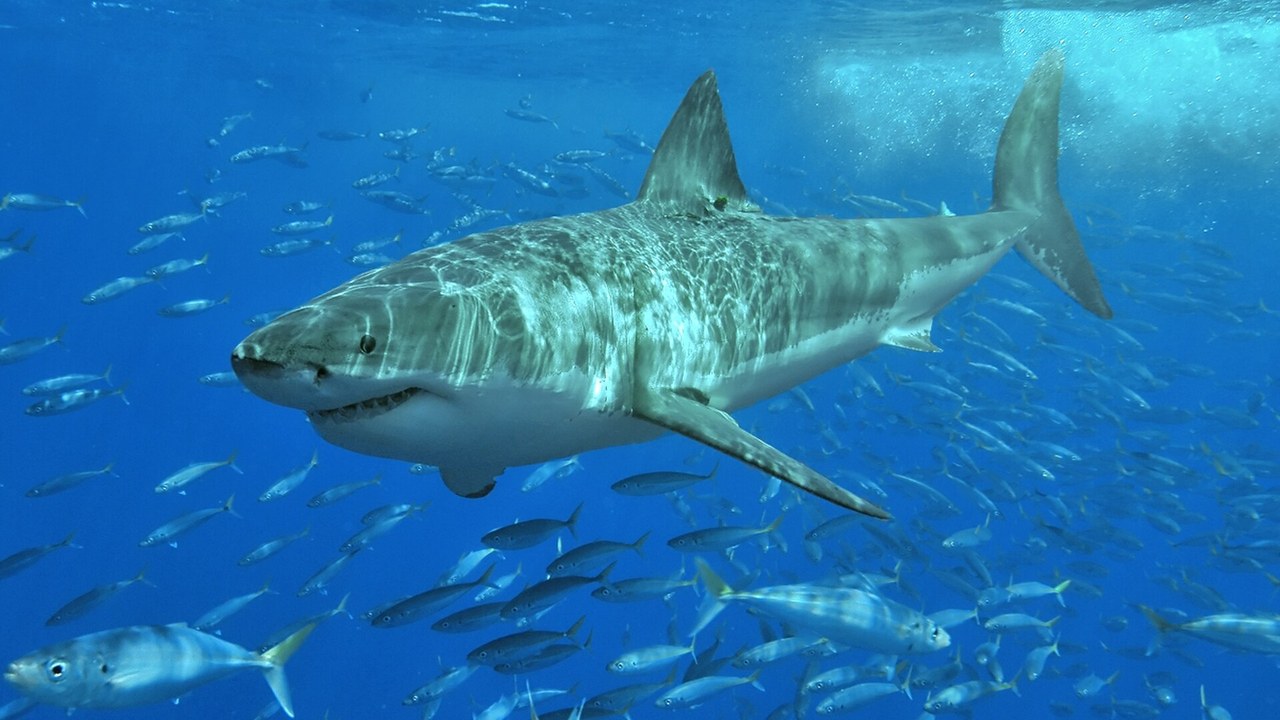
NOAA’s NOAA identification guide lists the great white at about 21 feet, the largest size in this lineup. Its range runs from Newfoundland and the Gulf of St. Lawrence down to Florida, Cuba and the Bahamas, and the agency describes it as uncommon throughout that span.
That rarity matters for expectations along the shoreline. A figure of 21 feet is a maximum length rather than a typical size, so most encounters involve animals well below it, and sightings anywhere in the western Atlantic remain unusual events rather than routine ones.
2. Tiger shark: Striped Cruiser
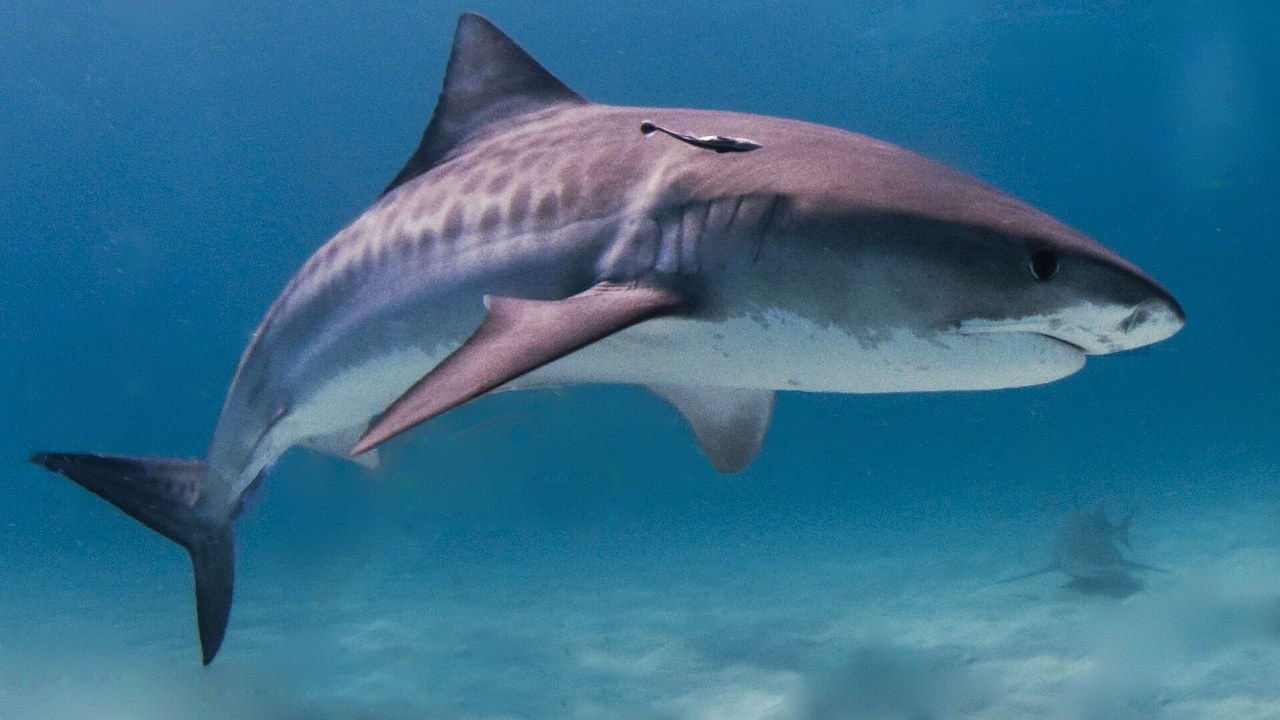
The tiger shark is credited with reaching about 18 feet, according to the NOAA shark guide. Its range stretches from Cape Cod to Uruguay and takes in both the Gulf of Mexico and the Caribbean, making it one of the widest-ranging species on the list.
Coverage that broad means the species can turn up in warm southern waters and at the northern edge of its range alike. The 18-foot figure is a recorded ceiling, and the tiger shark sits second only to the great white among the sharks covered here.
3. Bull shark: River-Mouth Brawler
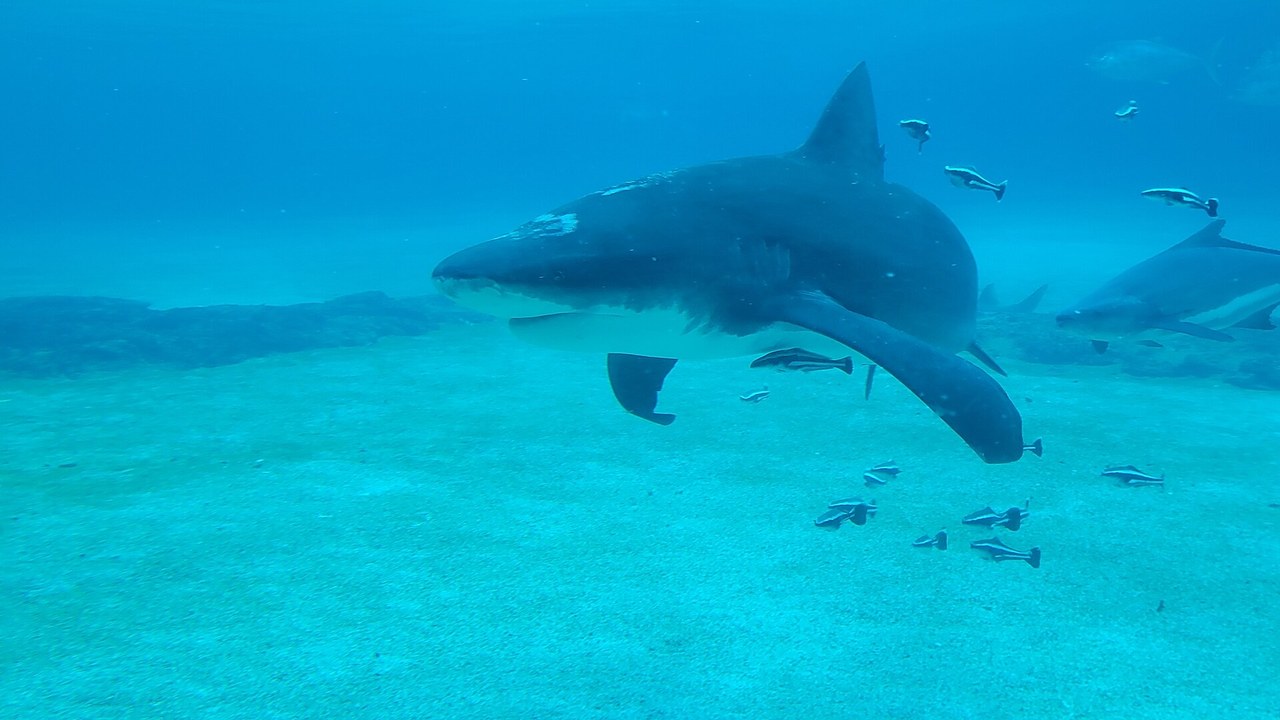
Bull sharks reach about 11.5 feet and range from New York to Brazil, as the NOAA identification entry documents. That puts the species along nearly the whole western Atlantic coastline, though the guide notes it is rare north of Delaware.
The northern limit is the practical caveat. Swimmers in the Mid-Atlantic and New England are far less likely to encounter the species than those in southern and Gulf waters, where the range description places it as a regular presence.
4. Great hammerhead: Mallet-Headed Giant
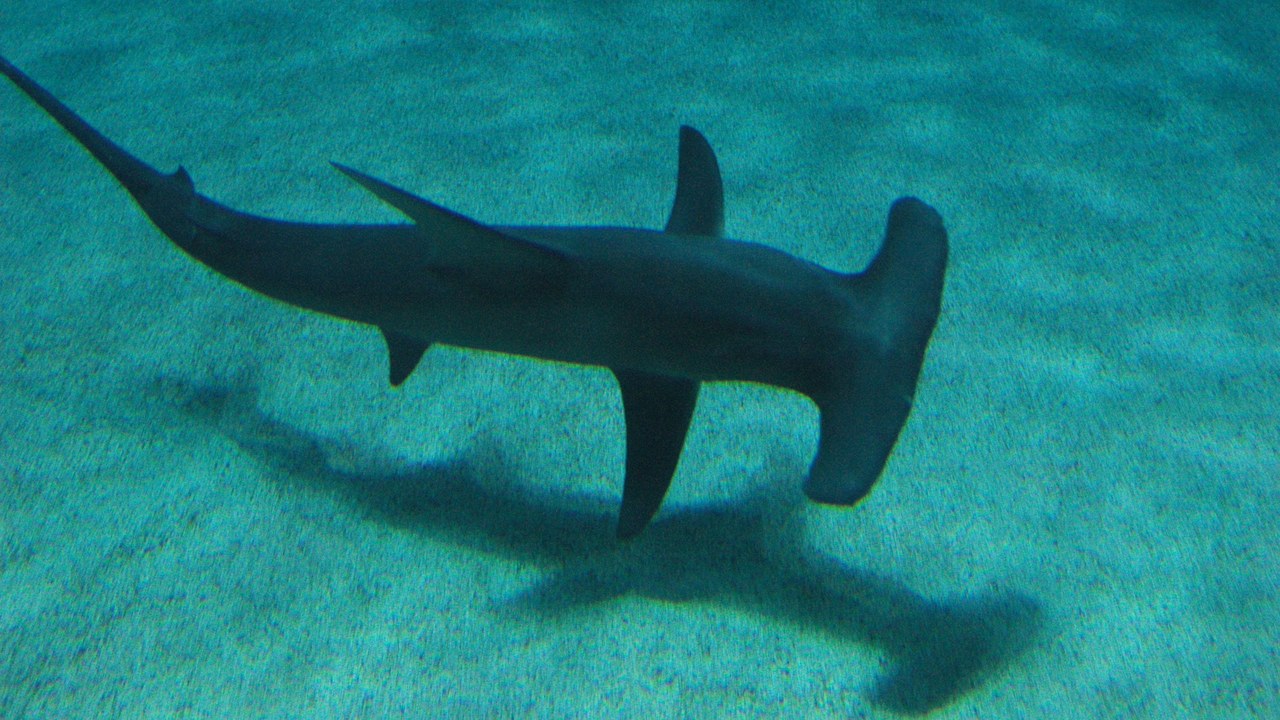
Growing to about 18.5 feet, the great hammerhead is the second-longest shark here by NOAA’s measure, as the great hammerhead entry records. It is common off the Carolinas in summer, while it is rare north of North Carolina.
The seasonal pattern is the useful detail. Summer brings the species to Carolina waters in numbers, and the same guide treats northern sightings as exceptional, so the great hammerhead’s presence on the Atlantic coast shifts with the calendar and latitude.
5. Sand tiger shark: Gray Nurse of the Shelf
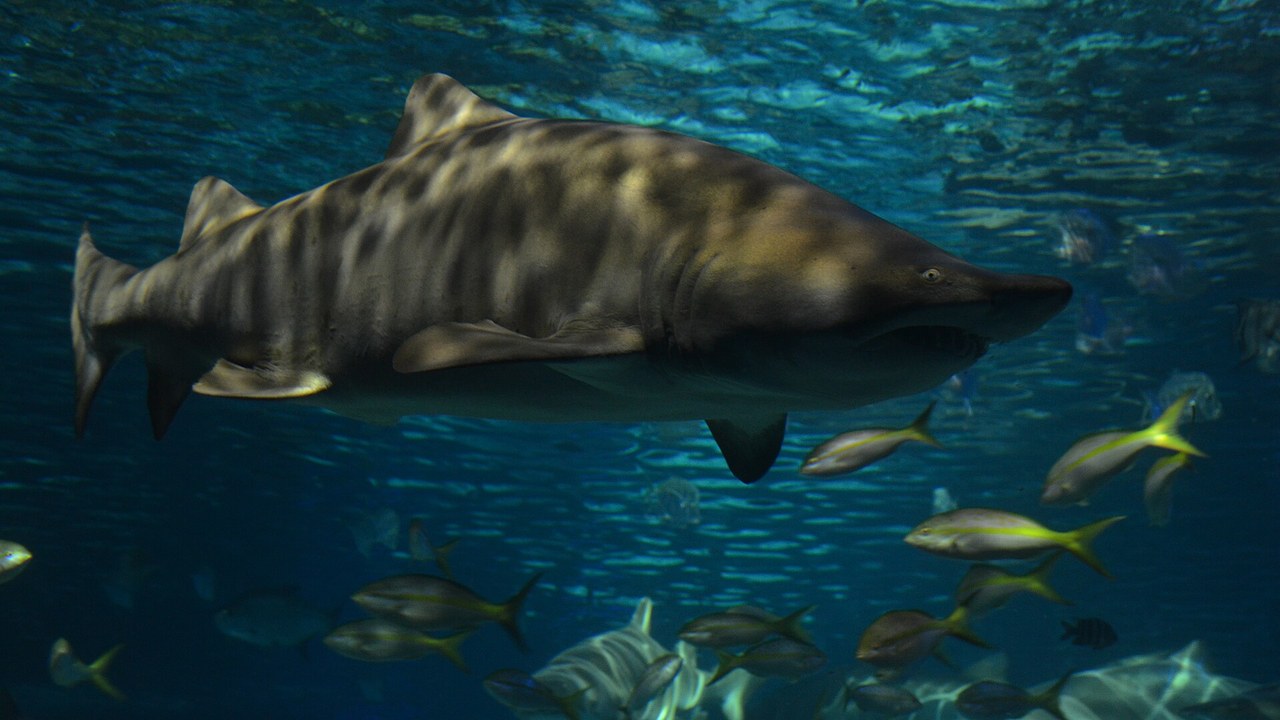
The sand tiger reaches about 10.5 feet and ranges from the Gulf of Maine to Florida, the Gulf, the Bahamas and Bermuda, according to the sand tiger listing. That spread covers cool northern waters as well as warm southern ones.
Bermuda and the Bahamas appear in the range alongside the US coast, which marks the species as a regional traveler rather than a strictly coastal one. The 10.5-foot maximum places it in the middle of the size ranking among these twelve.
6. Lemon shark: Yellow-Brown Prowler
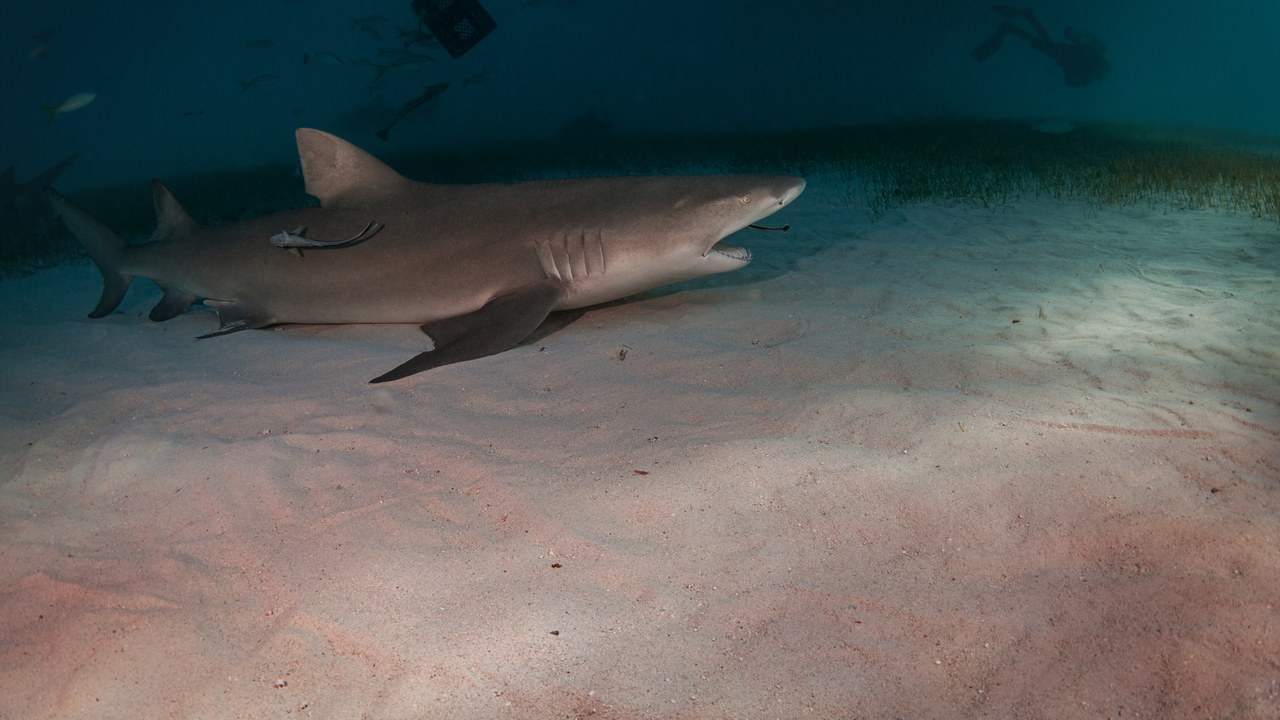
NOAA lists the lemon shark at about 10.5 feet, with a range from New Jersey to Brazil, in the lemon shark entry. The entry adds that the species is uncommon north of Cape Hatteras.
Cape Hatteras works as a rough dividing line for the species. South of it, the lemon shark belongs to the regular coastal fauna, while farther north the same guide treats it as a less likely find, a pattern shared by several warm-water sharks in this gallery.
7. Blue shark: Long-Finned Open-Water Cruiser
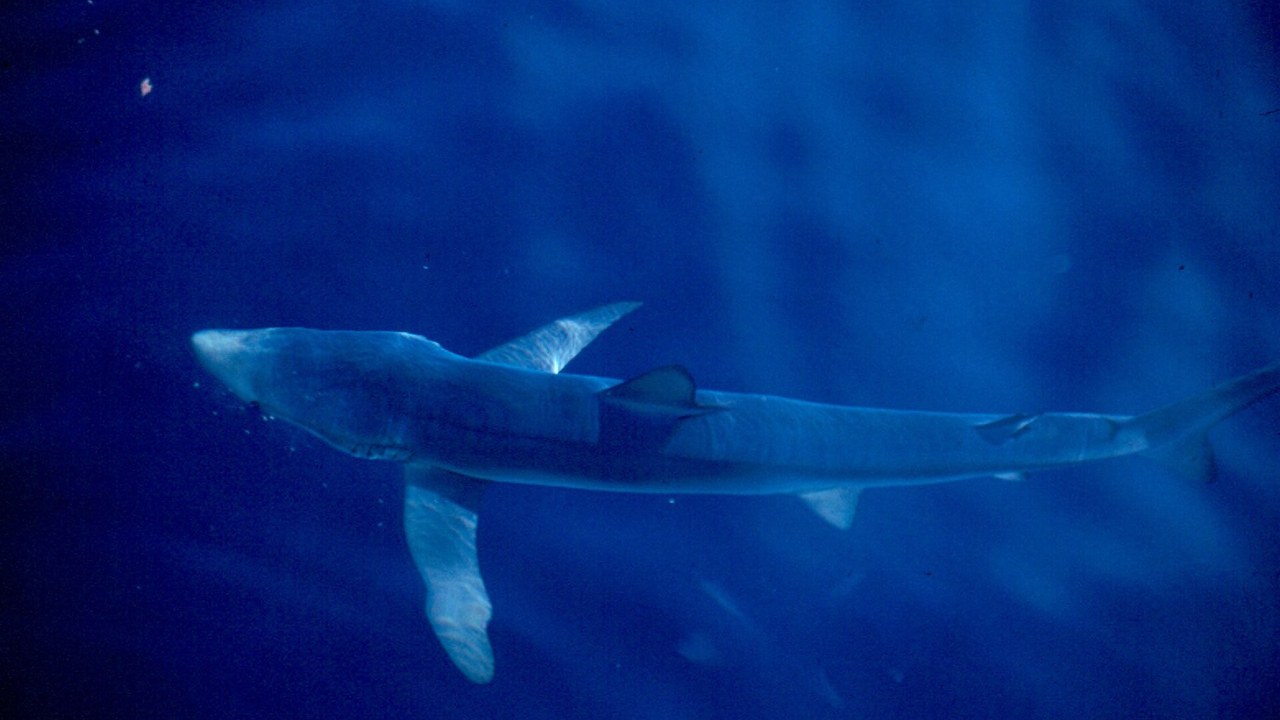
Blue sharks grow to about 12.5 feet, and NOAA’s shark identification guide traces their range from Newfoundland to Argentina, including the Gulf and the Caribbean. The guide calls the species common in the U.S. Northeast and Mid-Atlantic, where it favors offshore water between about 45 and 70 degrees.
Very long, narrow pectoral fins, a slender body and a long, rounded snout set the blue shark apart, along with dark blue upper coloring that shifts to bright metallic blue on the sides. Its offshore, cool-water habits mean beachgoers rarely see one near shore.
8. Nurse shark: Bottom-Dwelling Sleeper
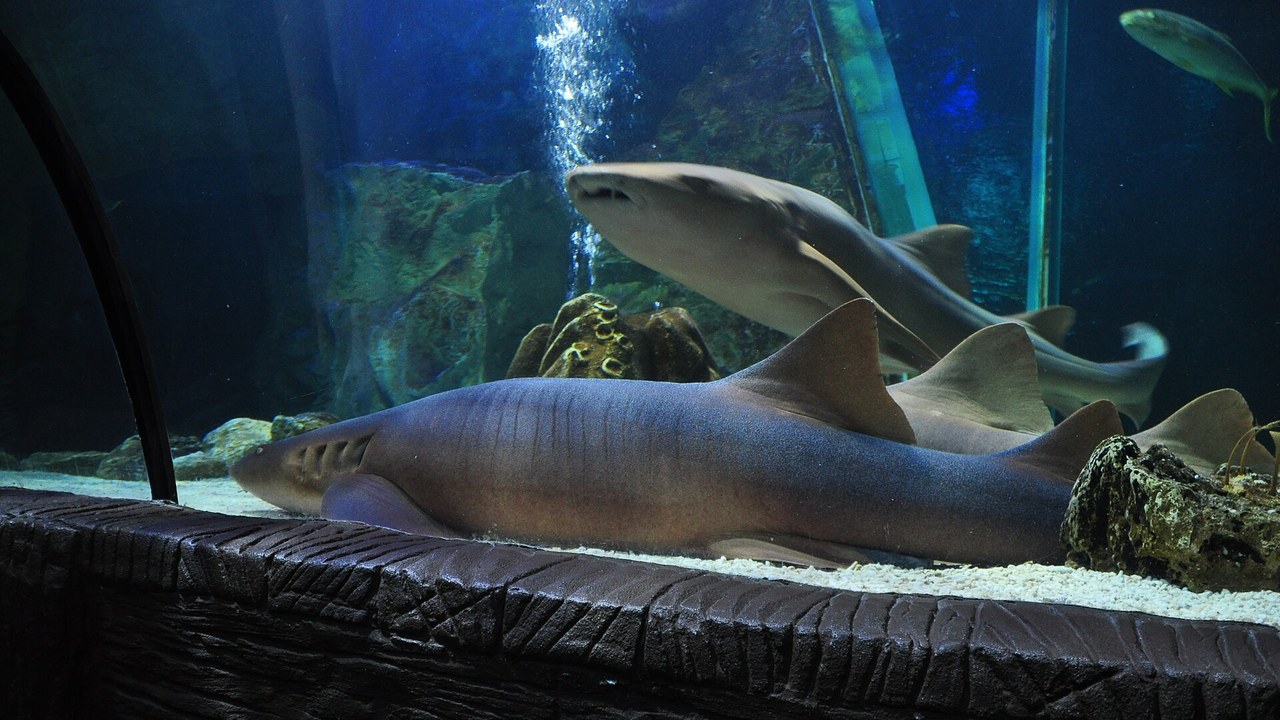
The nurse shark reaches about 9 feet and ranges from Rhode Island to Brazil, per the nurse shark guide. It is rare north of Cape Hatteras, which keeps most of its range in the warmer southern Atlantic.
The Rhode Island northern limit looks generous, but the rarity note qualifies it. In practice the species belongs to waters south of Cape Hatteras, and the listing’s 9-foot maximum describes its upper size rather than the animals seen most often.
9. Sandbar shark: Tall-Finned Wanderer
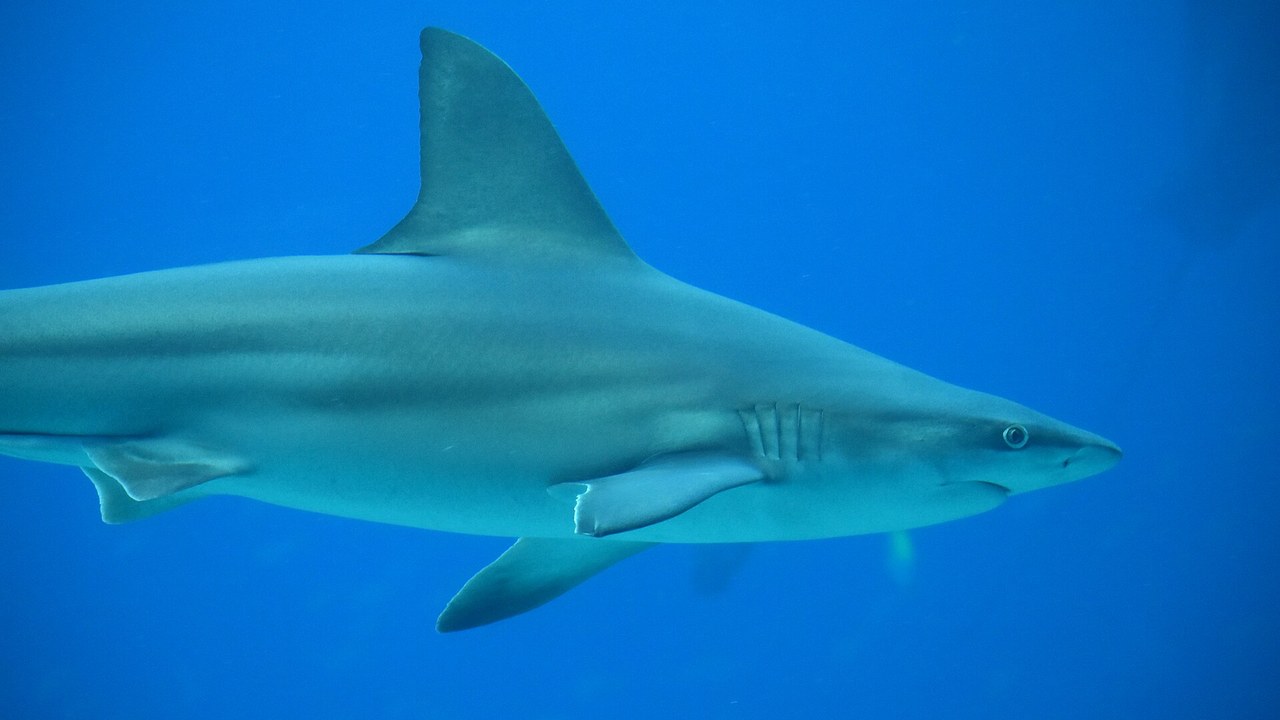
Sandbar sharks reach about 8 feet and range from Cape Cod to Florida, including the Gulf and the Caribbean, as the sandbar shark entry states. The range is wide, covering the Atlantic coast from New England southward.
Among the sharks on this list with a Cape Cod northern limit, the sandbar is one of the smaller ones by length. The 8-foot maximum is a ceiling for the species, and the guide’s range includes both Gulf and Caribbean waters.
10. Blacktip shark: Smallest of the Dozen
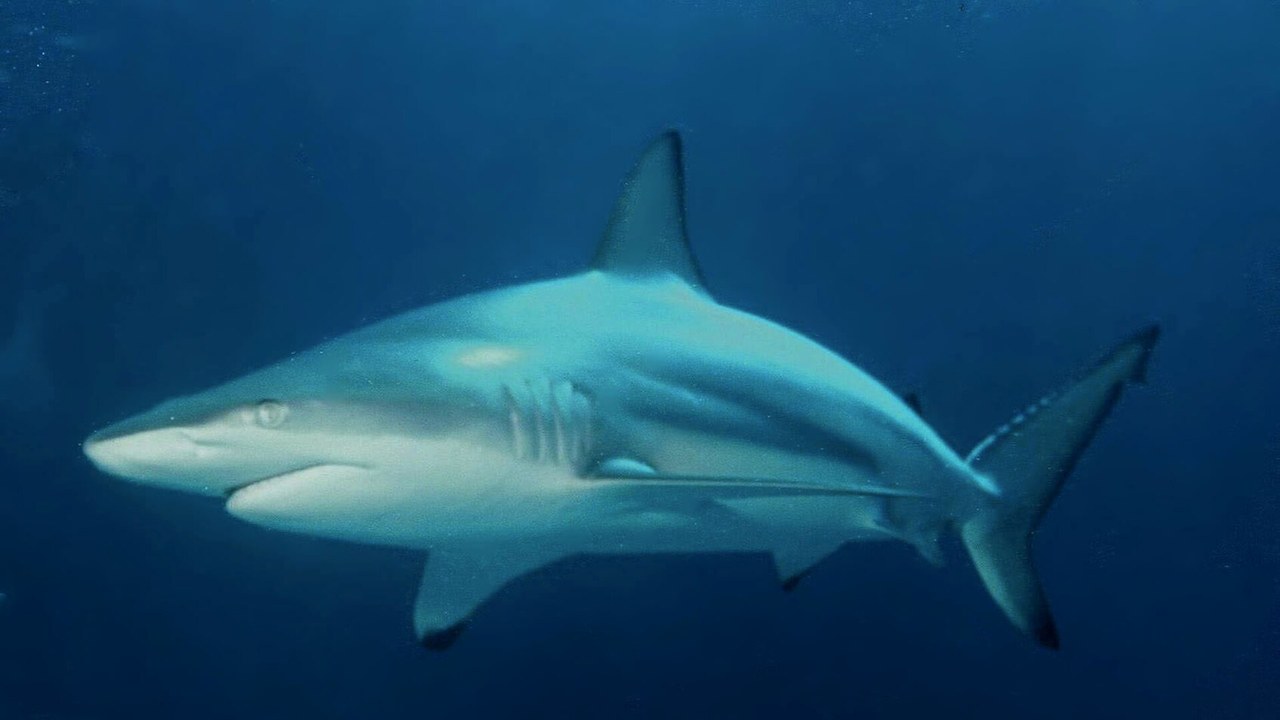
The blacktip is the smallest shark here, reaching about 6.5 feet according to the blacktip shark entry. Its range runs from Massachusetts to Brazil, and it is rare north of Delaware.
That 6.5-foot maximum is the figure behind the headline’s low end, set against the 21-foot great white at the other extreme. The northern rarity note means Mid-Atlantic and New England beaches see the species far less often than southern waters do.
11. Shortfin mako shark: Open-Water Speedster
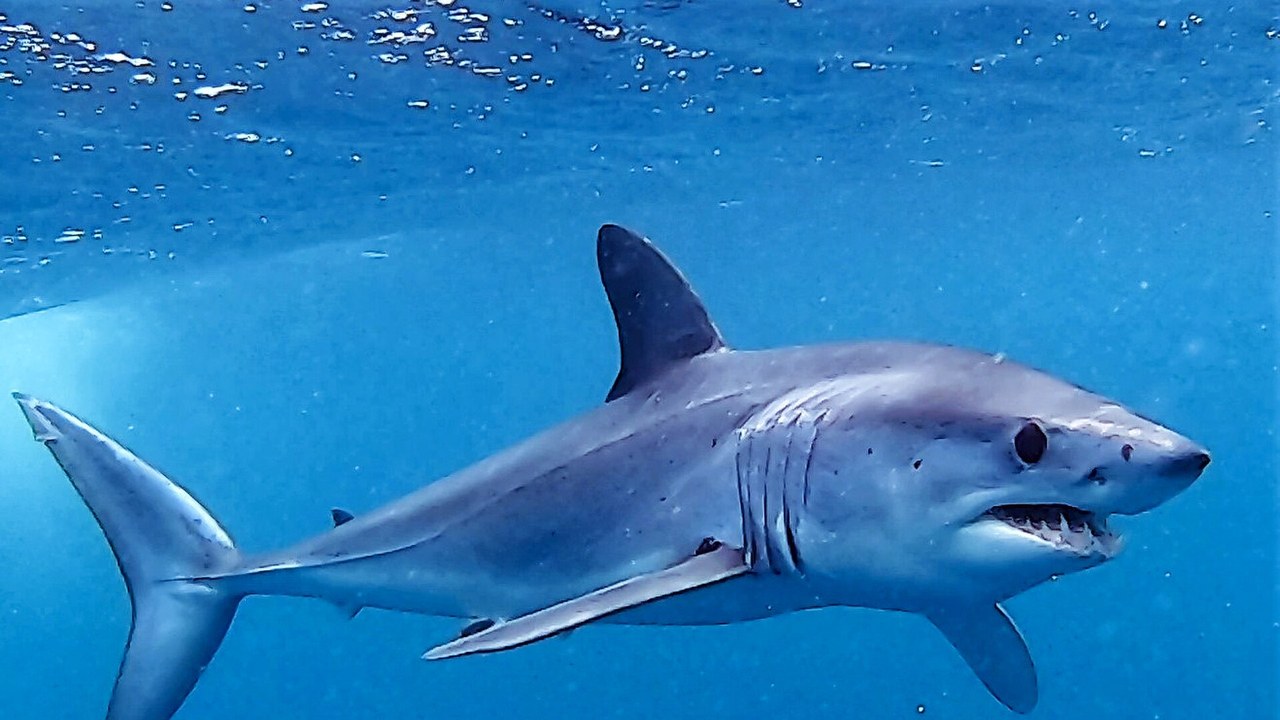
NOAA gives the shortfin mako a length of up to 13 feet, and the Atlantic shortfin mako profile places it off the East Coast from New England to Florida. In the Gulf, it is found from Florida to Texas.
That coverage spans both the Atlantic seaboard and the northern Gulf, so the species is documented along a long stretch of US coastline. The 13-foot figure is an upper length, and the entry describes distribution rather than how common the mako is in any one area.
12. Scalloped hammerhead shark: Hammerhead of the Warm Shelf
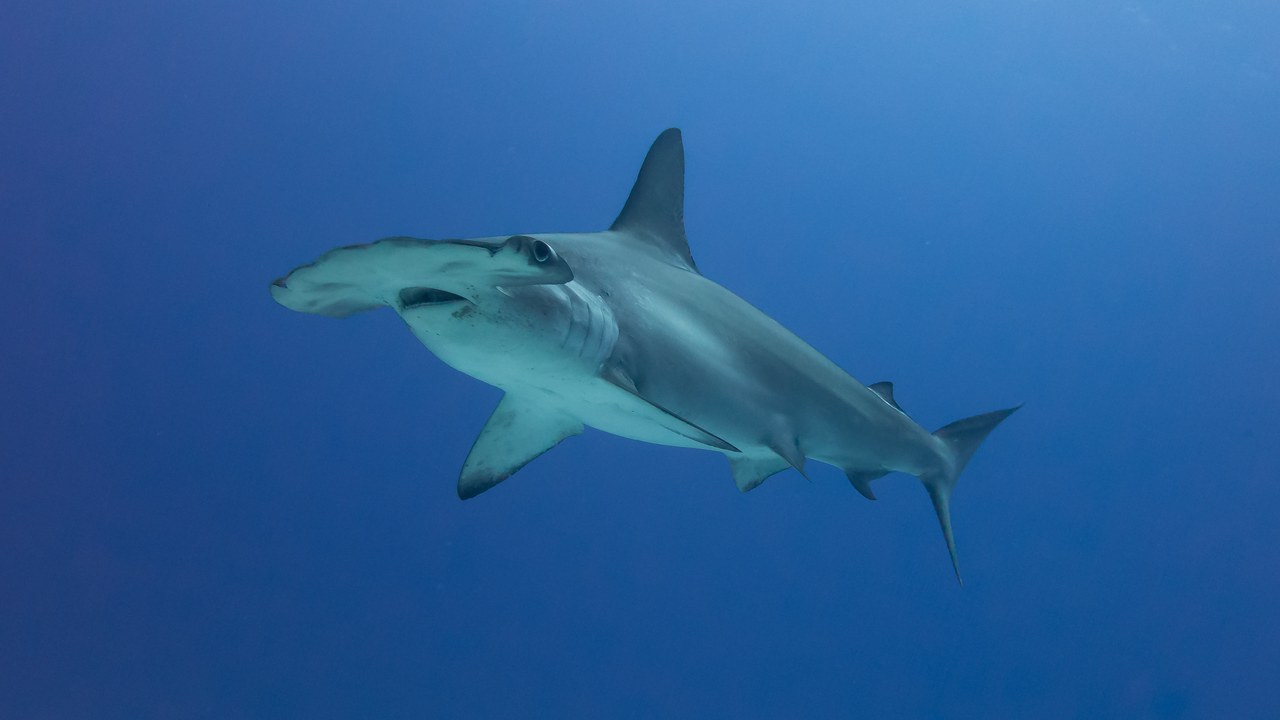
Scalloped hammerheads reach up to 11 feet and 335 pounds, based on the scalloped hammerhead profile. The western Atlantic range runs from New Jersey to Florida and into the Gulf and the Caribbean.
The weight figure is rare in this gallery and gives a sense of how lightly built the species is relative to its length. As with other hammerheads here, the coastline coverage skews south, though the range reaches as far north as New Jersey.
Tech news in one quick read: Subscribe to TLDR →
We may earn a commission if you sign up.
More from Morning Overview
- NOAA now gives this winter a 75% chance of the strongest El Nino since 1950
- Doctors warn a silent liver disease now affects one in three American adults
- The FBI told the rest of ShinyHunters to surrender after a 24-year-old was arrested
- Two passengers died at an Ohio toll plaza, and the NTSB now wants the cash lanes shut
