
Central pressure is one of the most reliable ways to compare how intense hurricanes were when they reached land. The lowest readings on the US mainland stretch from a 1935 Florida Keys storm to recent landfalls on the Gulf coast. Here are ten of the most powerful, each with the figures from official sources.
Save more, waste less: The Cool Down’s newsletter sends smart, simple changes that help you and the planet in your everyday life.
We may earn a commission if you sign up.
1. 1935 Labor Day hurricane: Labor Day Fury
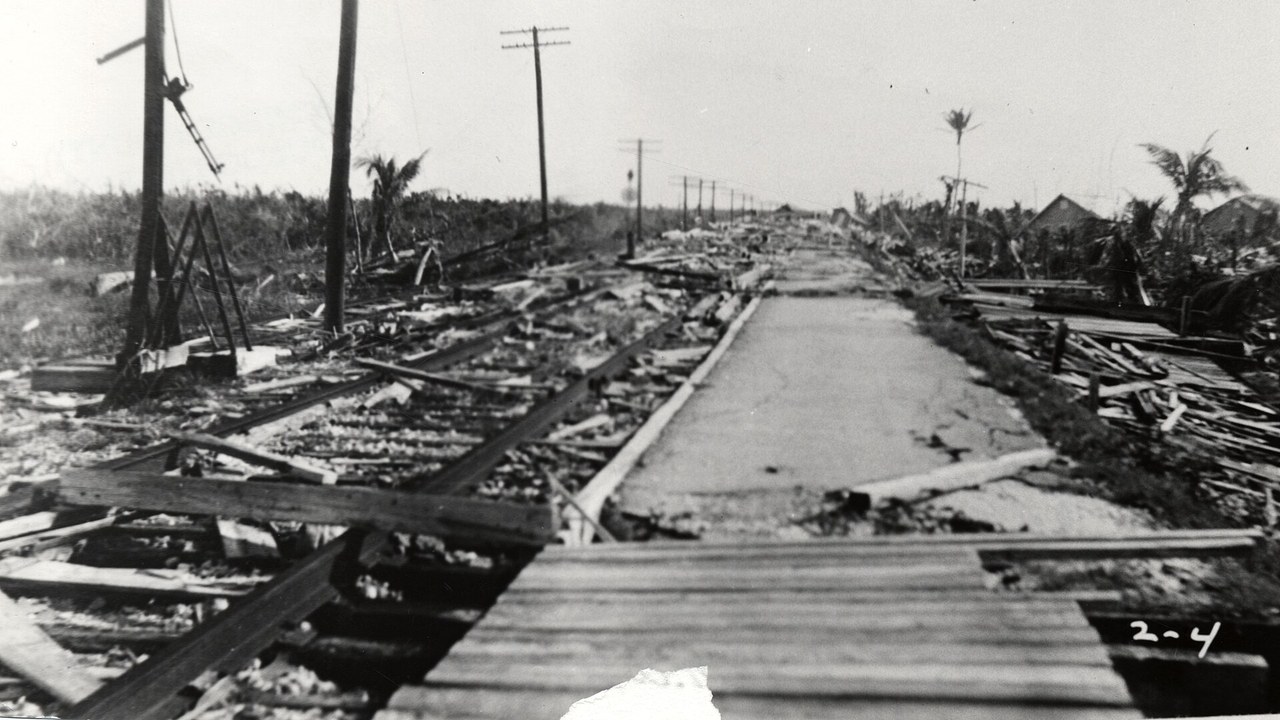
The 1935 Labor Day hurricane made landfall in the Florida Keys with a central pressure of 892 millibars, according to the NHC reanalysis of 1935, and winds near 185 mph. It was a Category 5 storm and killed 408 people.
Its pressure is the lowest of any hurricane in this list. Records from the era are sparse, so the figure rests on a later reanalysis rather than modern instruments. That detail matters when comparing it with storms measured by aircraft and satellites, though the reanalysis still places it at the top of the ranking.
2. Hurricane Camille: Gulf Coast Benchmark
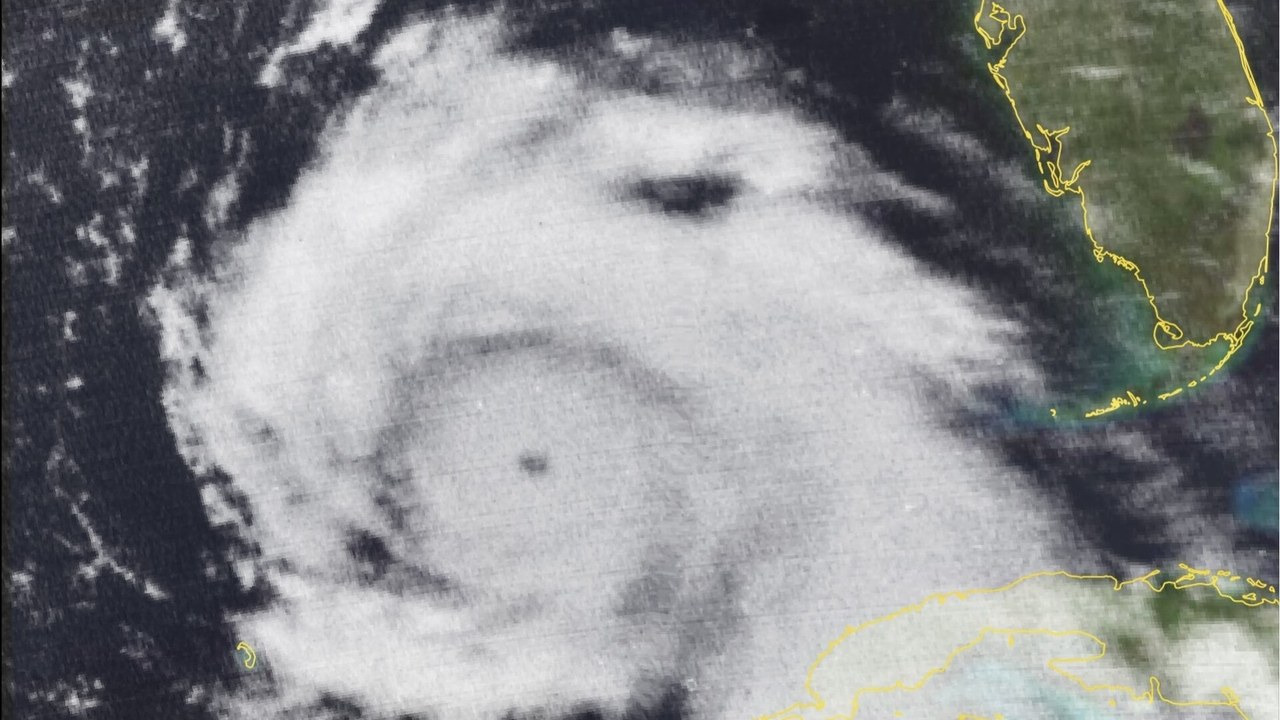
Hurricane Camille came ashore near Waveland, Mississippi, on 17 August 1969 with a pressure of 900 millibars, as described in an NWS Mobile summary. A storm tide of 24.6 feet was recorded at Pass Christian.
Sources differ on the pressure: the National Weather Service in Mobile gives 900 millibars, while the NHC historic table lists 909. This gallery uses the Mobile figure. Either value places Camille among the most intense landfalls on the mainland, and the storm tide shows how much of the damage came from water pushed onto the coast.
3. Hurricane Michael: A Late Category 5
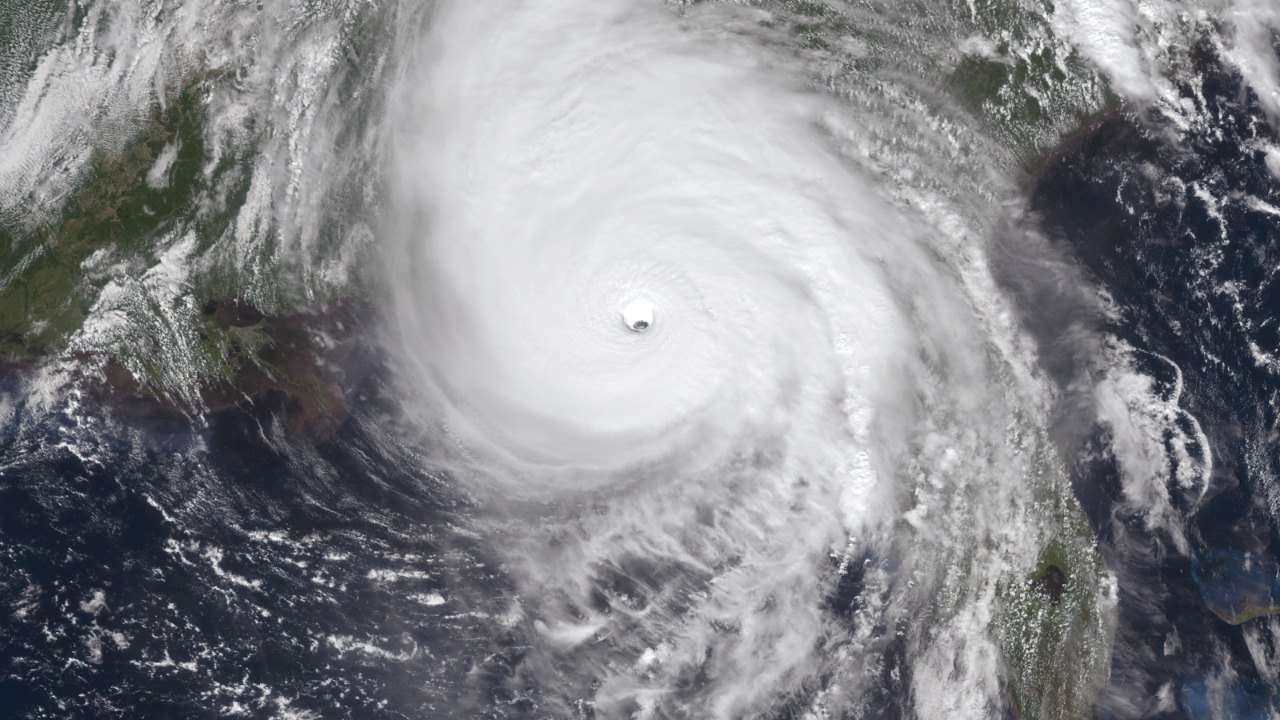
Hurricane Michael struck Mexico Beach, Florida, on 10 October 2018 with 160 mph winds and a pressure of 919 millibars, according to a NOAA Category 5 upgrade. That is the third-lowest pressure for a US landfall since records began in 1900.
The storm was later upgraded to Category 5 at the time of landfall. The reclassification was a reminder that preliminary estimates can change after forecasters review radar, aircraft and surface observations. For coastal communities, the revised category confirmed how extreme the Florida Panhandle impact was.
4. Hurricane Katrina: Levee Failures Ahead
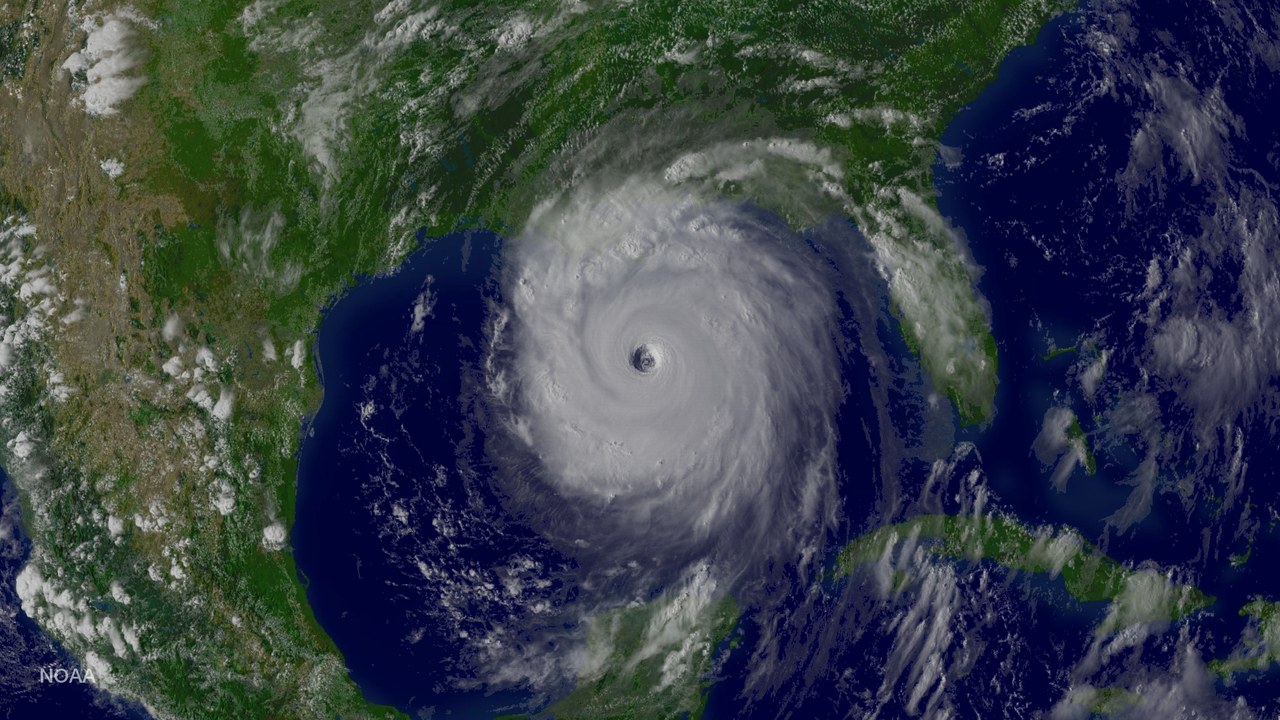
Hurricane Katrina reached the coast on 29 August 2005 with a central pressure of 920 millibars, as laid out in a NWS Mobile Katrina page. The storm was responsible for 1,833 deaths.
Pressure ranks Katrina fourth in this list, yet the death toll is the figure most associated with it. The comparison shows that central pressure measures intensity at landfall, not total human cost, which also depends on surge, flooding and the preparedness of the communities in its path, so the two rankings do not always match.
5. Hurricane Andrew: Homestead Flattened
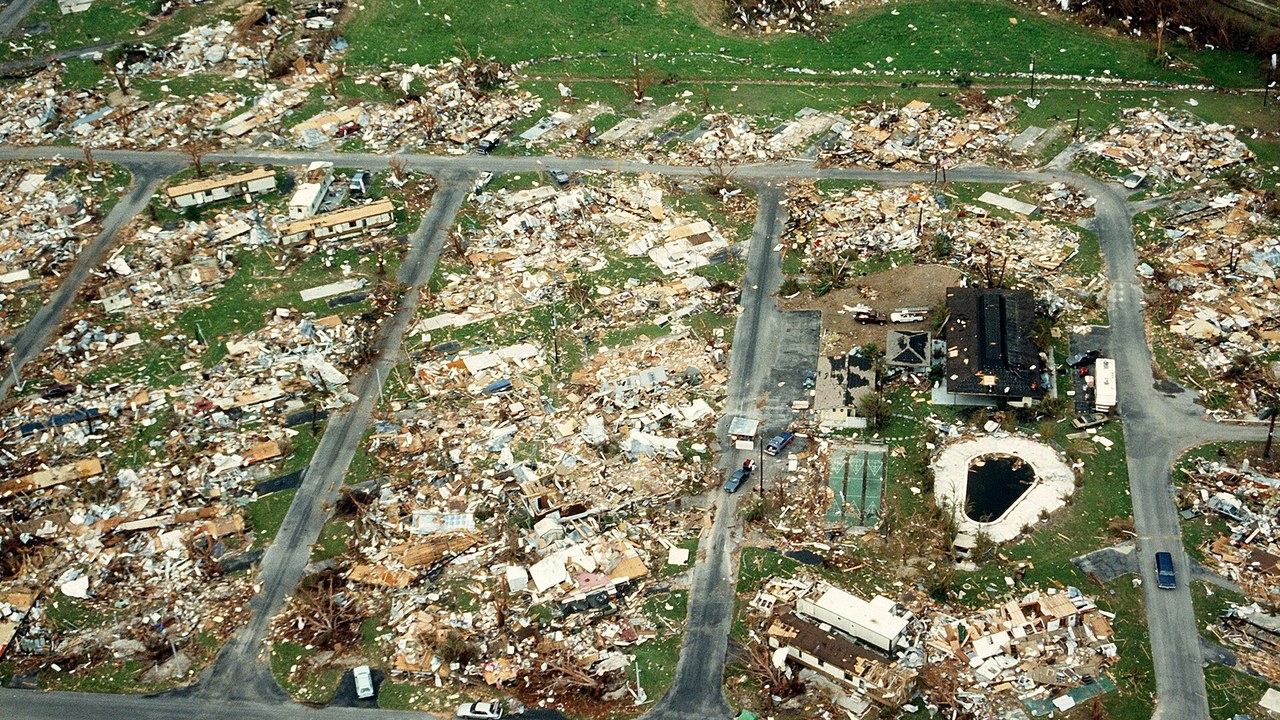
Hurricane Andrew was a Category 5 with a pressure of 922 millibars and winds of 145 knots when it struck near Homestead, Florida, on 24 August 1992, according to an NHC Andrew addendum.
The NHC published an addendum to its Andrew report, which shows that assessments of a storm can be refined well after the event. Andrew sits fifth by pressure here. Its close spacing with Katrina and Michael at the top of the list illustrates how narrow the gaps between the strongest landfalls can be.
6. Hurricane Donna: A Long Eastern Track
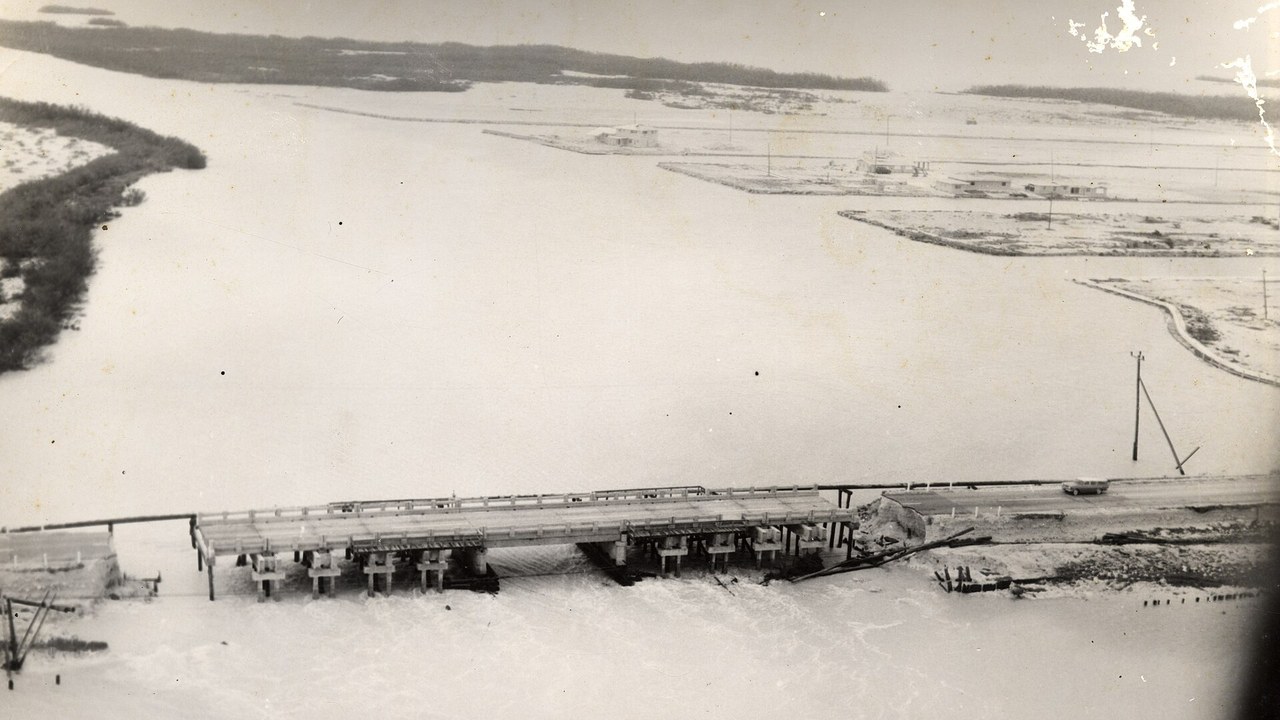
Hurricane Donna was a Category 4 hurricane with a pressure of 930 millibars that hit Florida and then tracked up the eastern United States in 1960, based on the NHC intensity table.
The table gives only the year for Donna and not a specific landfall date. Its long path up the East Coast sets it apart from storms in this list that weakened quickly after coming ashore. The entry is a reminder that a strong landfall can be only the first part of a storm’s effects.
7. Hurricane Charley: Southwest Florida Strike
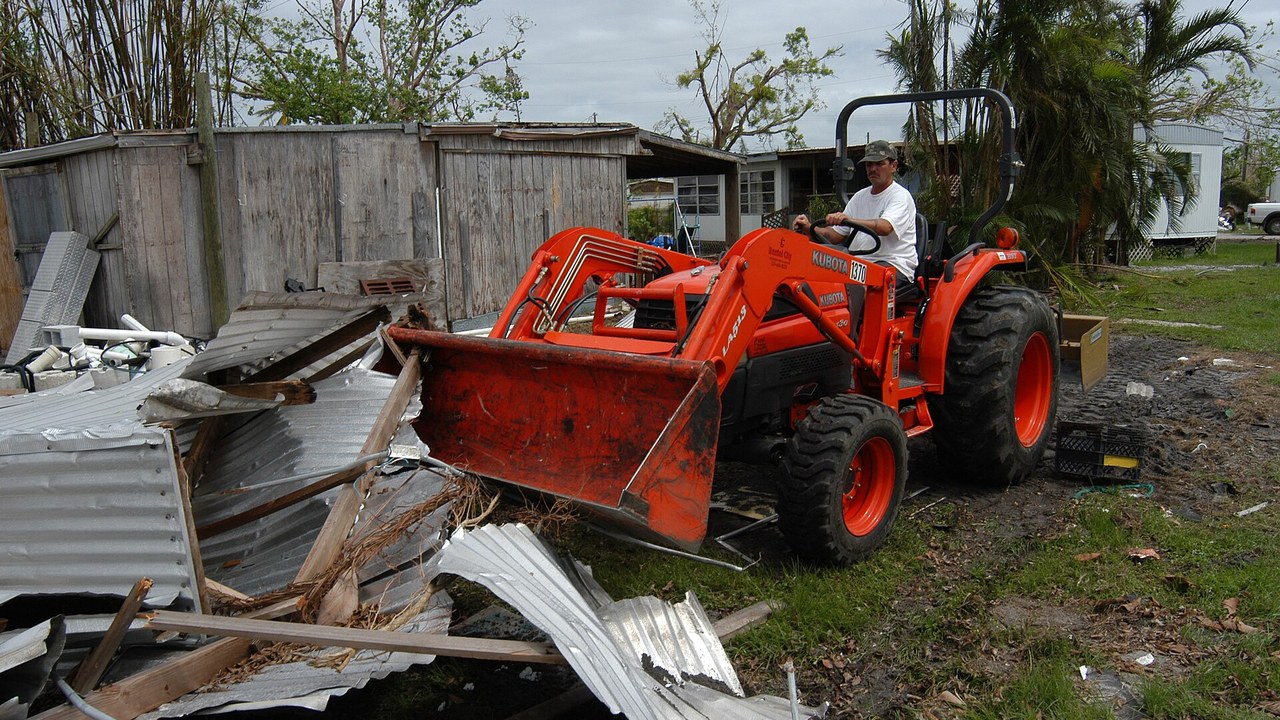
Hurricane Charley, a Category 4 storm, struck southwest Florida in 2004 with a pressure of 941 millibars, as recorded in the NHC most-intense table.
Charley replaced Hurricane Carla in this gallery because the Commons photography check found almost no free images of the earlier storm. The 941-millibar figure comes from the same NHC table used for Donna, Hugo and Hazel. It is the second-weakest by pressure among the ten, ahead only of Ian, which shows that even the lower end of this list is extremely intense.
8. Hurricane Hugo: Carolina Coast Blow
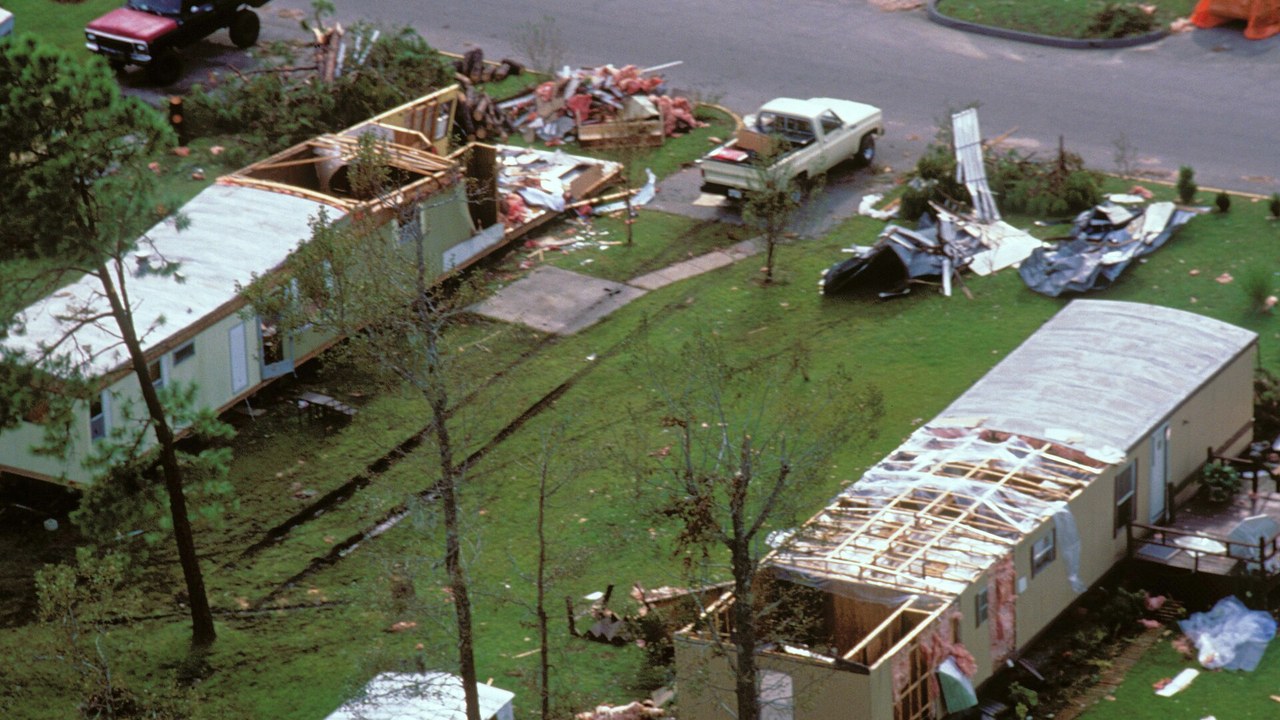
Hurricane Hugo was a Category 4 storm with a pressure of 934 millibars that came ashore in South Carolina in 1989, according to the NHC pastint table.
As with several entries drawn from the NHC table, only the year is given. The pressure places Hugo between Donna and Hazel in the ordering by landfall intensity. The entry is useful context for readers comparing storms from different decades on a single measure rather than on wind categories alone, which can mask differences between storms.
9. Hurricane Hazel: Early Carolinas Landfall
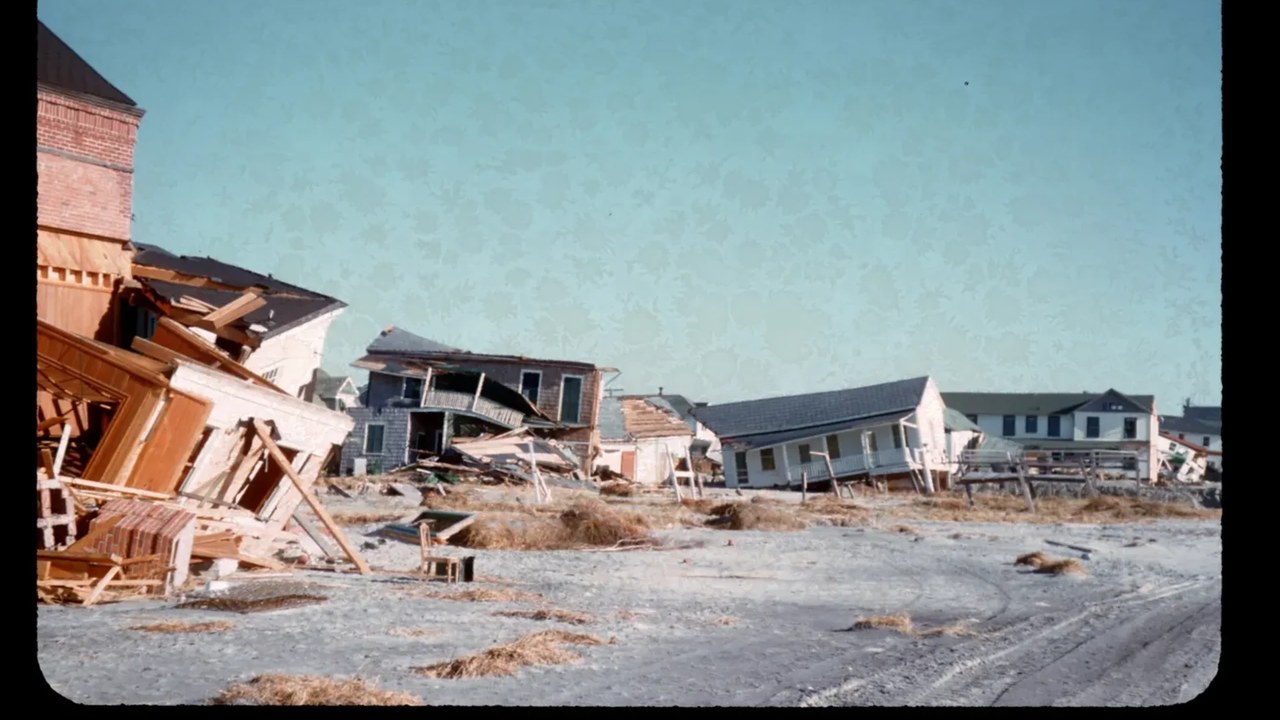
Hurricane Hazel struck the Carolinas in 1954 as a Category 4 with a pressure of 938 millibars, as shown in the NHC historic table.
Hazel’s entry comes from the NHC historic table, which gives only the year of the storm and not a specific landfall date, so readers should treat the timing as approximate. Together with Hugo and Donna, it fills the middle of the ranking, where pressures differ by just a few millibars, and small differences in measurement can change a storm’s place in the order.
10. Hurricane Ian: Punta Gorda Landfall
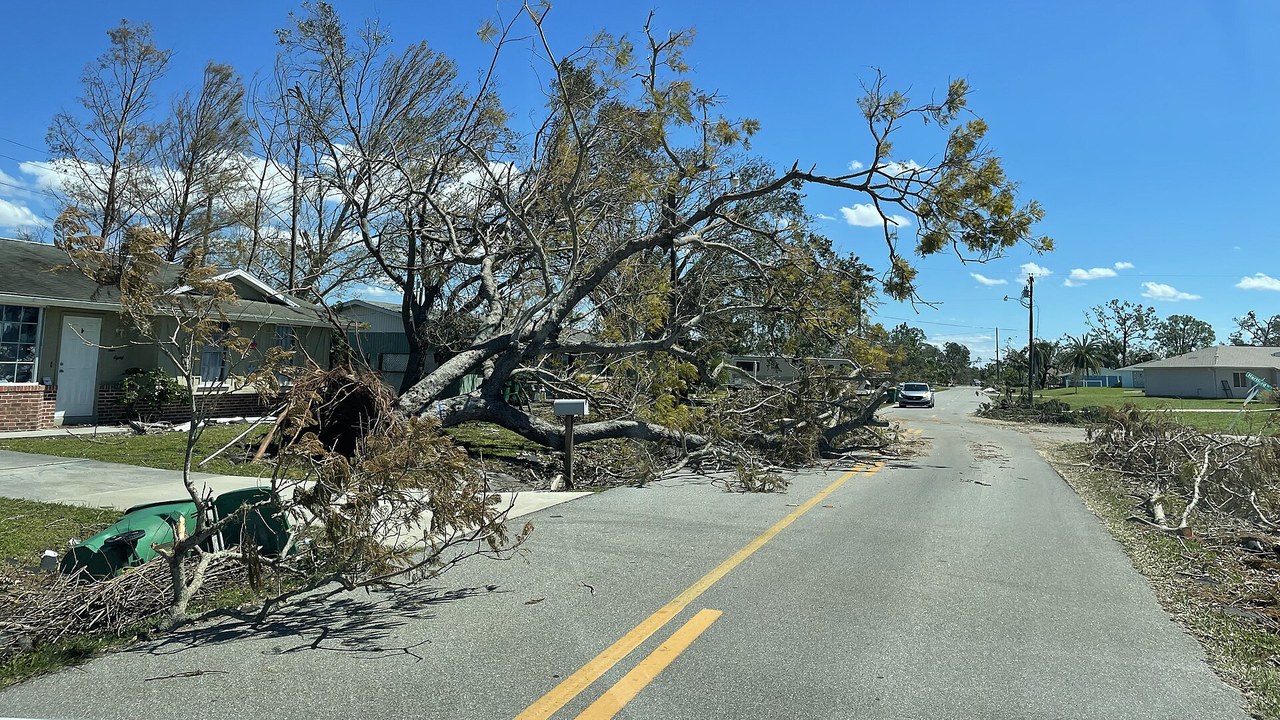
Hurricane Ian made landfall near Punta Gorda, Florida, on 28 September 2022 with a pressure of 945 millibars and winds of 125 knots, according to the NHC Ian report. It caused more than 150 deaths and over $112 billion in damage.
At 945 millibars, Ian is the weakest storm in the list by pressure, which is why the headline describes the group as the most powerful rather than the ten lowest on record. The figure is the minimum pressure at the mainland landfall, not Ian’s peak intensity at sea.
Save more, waste less: Subscribe to The Cool Down →
We may earn a commission if you sign up.
More from Morning Overview
- Hybrids have 15% fewer problems than gas cars, while EVs and plug-in hybrids have about 80% more, Consumer Reports finds
- Regulators cleared the first U.S. small modular reactor, 4 months early
- Lake Powell sank to a record 3,517 feet, nearing the level that stops Glen Canyon Dam’s turbines
- Seven of Earth’s nine planetary boundaries are breached, and all seven are worsening
